2027 Public Administration Degree Payback Report: Which Programs Deliver the Best Cost-to-Salary Return

Co-Founder and Chief Data Scientist
A public administration degree can lead to government, nonprofit, policy, budgeting, and community leadership roles, but its value depends heavily on price. College Board reported 2024-25 published tuition and fees of $11,610 for in-state public four-year colleges versus $43,350 at private nonprofit colleges, before aid. That gap can change the payback period by years.
This guide is for students comparing MPA, MPP, bachelor's, online, and campus options. You'll learn which program types usually deliver the strongest cost-to-salary return and how to avoid overpaying for the same career outcome.
Key Things You Should Know
- The strongest public administration ROI usually comes from low-cost, accredited public universities, employer-supported online MPAs, and programs with strong government or nonprofit placement pipelines rather than from the most expensive brand-name option.
- Salary upside is real but role-dependent: BLS May 2024 data reports median pay of $78,240 for social and community service managers and $106,470 for administrative services and facilities managers, both common advancement directions for public administration graduates.
- Payback is most sensitive to net price, not sticker price; the 2024-25 tuition gap between in-state public four-year colleges and private nonprofit colleges can exceed $30,000 per year before grants, scholarships, transfer credits, or employer reimbursement.
- What Is the Return on Investment of a Public Administration Degree?
- Which Public Administration Programs Deliver the Best Cost-to-Salary Return?
What Is the Return on Investment of a Public Administration Degree?
The return on investment of a public administration degree is the relationship between what you pay for the credential and the career value it may help you access. In practical terms, ROI depends on net cost, time out of the workforce, salary growth, promotion eligibility, job stability, benefits, and whether the degree is actually expected for your target role.
Public administration programs usually prepare students for work in government agencies, nonprofit organizations, public policy offices, emergency management, public finance, community development, higher education administration, and mission-driven consulting. At the graduate level, the most common credentials are the Master of Public Administration and Master of Public Policy. The MPA is usually more management and operations focused, while the MPP is usually more policy analysis and research focused.
The table below summarizes how common public administration degree paths differ in cost-to-salary logic. It is most useful for deciding how much credential you need before enrolling.
| Program type | Typical fit | ROI strengths | ROI risks |
| Bachelor's in public administration or public policy | Students seeking entry-level government, nonprofit, or public service roles | Can be a lower-cost foundation if completed at an in-state public college or with transfer credits | May not be enough for management, budgeting, or senior policy roles without experience |
| MPA | Working professionals aiming for leadership, program management, city management, or nonprofit administration | Often strong ROI when completed part time, online, or with employer tuition support | Weak payback if the program is expensive and the student has no clear promotion path |
| MPP | Students interested in policy analysis, research, economics, regulation, or legislative work | Can pay off in analytical roles that value quantitative training | May require strong statistics, economics, or data skills to compete for higher-paying roles |
| Graduate certificate | Professionals who need targeted skills in budgeting, grants, public finance, analytics, or nonprofit leadership | Lower cost and faster completion than a full master's degree | May not satisfy employers that specifically require a master's degree |
A useful ROI formula is simple: divide your total net education cost by the annual income gain you reasonably expect from the degree. If a program costs $24,000 after aid and employer reimbursement and helps you qualify for a promotion worth $8,000 more per year, the tuition payback period is about three years before taxes and financing costs. That calculation is only a planning estimate, not a guaranteed outcome.
Which Public Administration Programs Deliver the Best Cost-to-Salary Return?
The public administration programs with the best cost-to-salary return are usually not the most expensive programs. They are the programs that combine reasonable net tuition, recognized accreditation, flexible scheduling, relevant concentrations, experiential learning, and clear career alignment.
For most students, the best-return options fall into a few categories. The table below compares these categories by financial payoff potential rather than prestige alone.
| Program category | Why it can deliver strong payback | Best for | Watch out for |
| In-state public university MPA or MPP | Lower tuition can shorten the time needed to recoup education costs | Students planning to work in state, local, or regional public agencies | Limited course flexibility if the program is campus-based |
| Online MPA for working professionals | Students can keep earning income while completing the degree | Public employees, nonprofit staff, military-affiliated students, and career changers | Programs with weak advising, limited internships, or unclear placement data |
| NASPAA-accredited MPA or MPP | Programmatic accreditation can signal that the curriculum meets public service education standards | Students who want a widely recognized public affairs credential | Accreditation alone does not guarantee low cost or strong outcomes |
| Employer-supported graduate program | Tuition assistance can reduce or eliminate out-of-pocket cost | Current government, university, healthcare, or nonprofit employees | Reimbursement rules may require minimum grades or continued employment |
| Certificate-to-master's pathway | Allows students to test the field before committing to a full graduate degree | Professionals unsure whether they need a full MPA | Credits may not transfer unless confirmed in writing |
The best-return program is usually the one that matches a specific career target. For example, a student aiming for city management should prioritize budgeting, public finance, labor relations, and local government internships. A student aiming for policy analysis should look for statistics, economics, program evaluation, and data visualization. A student aiming for government communications may be better served by a public affairs or strategic communication track; those comparing civic storytelling and visual media careers may also want to review alternatives such as online photography degrees before choosing a broader administration credential.
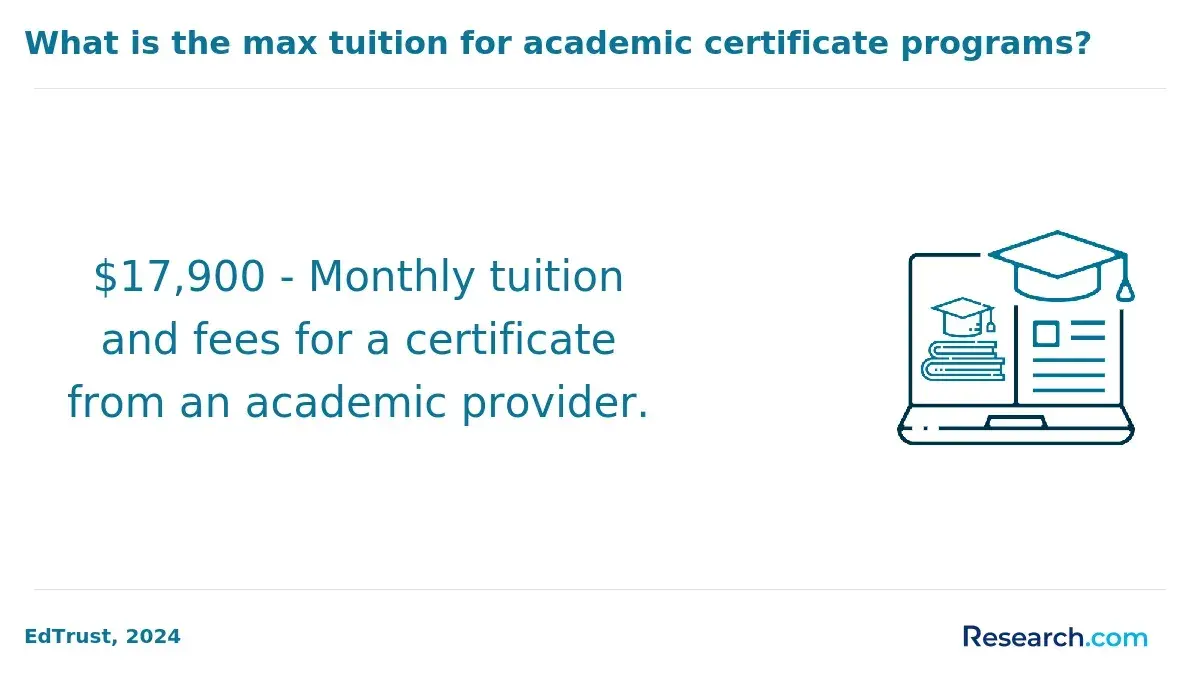
Tuition affects payback more than almost any other factor because public administration is not usually a high-bonus field. Many graduates pursue stable public service roles with strong benefits, not the fastest cash compensation. That makes net cost especially important.
College Board's 2024-25 tuition and fee data shows why. Published tuition and fees at in-state public four-year colleges averaged $11,610, compared with $43,350 at private nonprofit four-year colleges. Over four years, that tuition-only difference can be large enough to delay the break-even point even when two graduates enter similar public sector roles.
The table below explains the main cost variables students should compare before estimating ROI. It focuses on costs that directly affect payback rather than quality factors alone.
| Cost factor | Why it matters for payback | What to verify before enrolling |
| Net tuition after aid | The actual amount you pay determines how long it takes to recover the investment | Scholarships, grants, assistantships, tuition waivers, and employer reimbursement |
| Residency status | In-state tuition can substantially reduce total cost at public universities | Residency rules, online tuition rules, and regional tuition agreements |
| Transfer credits | Accepted credits can reduce both cost and time to completion | Maximum transfer limit and whether prior graduate credits count |
| Online versus campus format | Online study can preserve income and reduce relocation costs | Technology fees, residency requirements, internship expectations, and course schedule |
| Time to completion | Longer enrollment can increase fees and delay career advancement | Part-time sequencing, course availability, and capstone timing |
| Borrowing costs | Interest can extend the payback period beyond tuition alone | Loan amount, repayment plan, employer benefits, and public service loan forgiveness eligibility |
A common mistake is comparing programs by published tuition only. A higher sticker-price program may become competitive after scholarships or assistantships, while a lower-tuition program may become less attractive if it requires relocation, unpaid internships, or extra semesters. Always compare the full cost of attendance and the income you would give up while studying.
The break-even period is the time it takes for the financial gain from a public administration degree to equal the cost of earning it. This is different from total lifetime value. A program can have a long break-even period but still be worthwhile if it opens a leadership path, improves job stability, or supports public service loan forgiveness eligibility.
The simplest calculation is: net program cost divided by annual income increase. The examples below show how different cost levels affect payback when the expected annual income gain changes.
| Net education cost | Estimated annual income gain | Approximate tuition payback period | Interpretation |
| $12,000 | $6,000 | 2 years | Strong payback if the credential supports a realistic promotion or job move |
| $30,000 | $6,000 | 5 years | Reasonable for many working professionals if debt is manageable |
| $60,000 | $6,000 | 10 years | Higher risk unless the program leads to a clear leadership track |
| $60,000 | $12,000 | 5 years | More defensible when the degree directly supports advancement into higher-responsibility roles |
Students should adjust this estimate for taxes, loan interest, unpaid time off, relocation, and the value of benefits. Government roles may offer pensions, health benefits, tuition reimbursement, predictable schedules, or loan forgiveness options that do not show up in salary alone but can still influence total financial value.
For part-time students, break-even can start before graduation if the degree helps them qualify for internal promotions while they are still enrolled. For full-time students, the opportunity cost of leaving work can be substantial, so the program needs a stronger career placement case to justify the lost income.
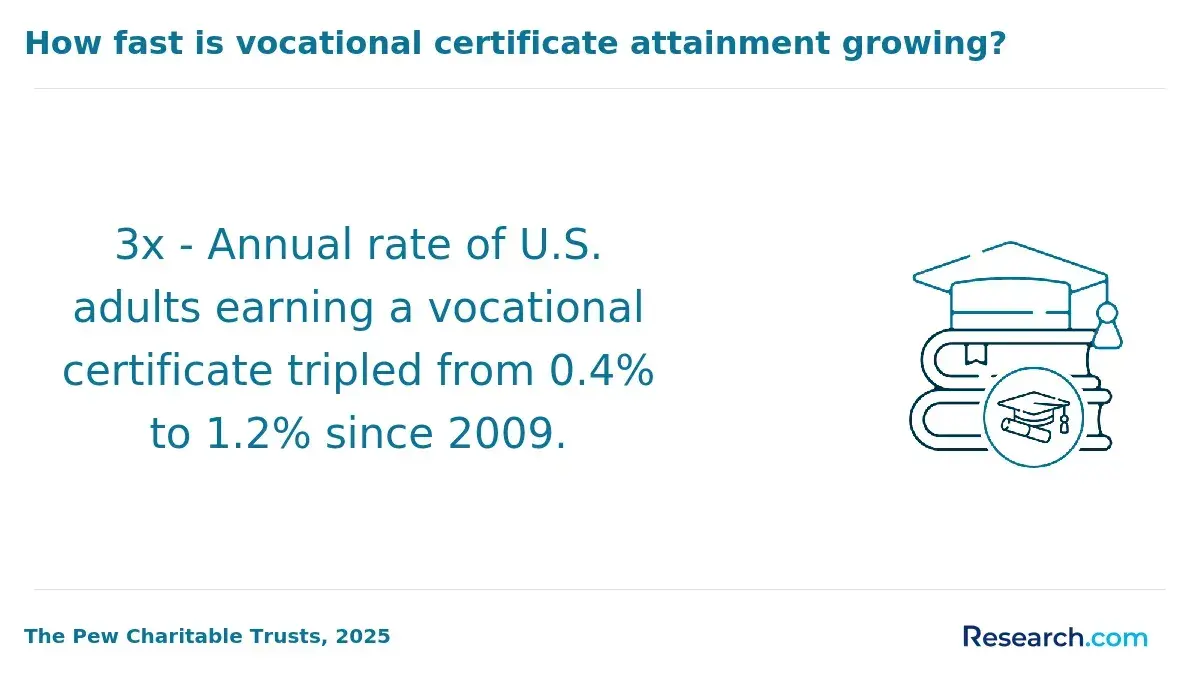
The biggest ROI drivers are the factors that change either your net cost or your post-degree earnings trajectory. Reputation can matter, especially in policy circles or competitive metropolitan markets, but it rarely offsets a poor fit between program cost and career goal.
Before choosing a program, evaluate the factors below in writing. This makes it easier to compare schools objectively rather than relying on rankings or admissions messaging.
- Accreditation: Confirm institutional accreditation and, for public affairs graduate programs, consider whether NASPAA accreditation matters for your target employers.
- Career alignment: Match concentrations to specific outcomes such as city management, nonprofit leadership, budgeting, emergency management, policy analytics, or public finance.
- Work experience: Public administration ROI is often strongest for students who already have relevant experience and can use the degree for advancement.
- Field placement: Internships, capstones, practicums, and agency partnerships can turn coursework into job leads.
- Quantitative skills: Budgeting, statistics, program evaluation, GIS, procurement, and data dashboards can improve competitiveness for analytical and management roles.
- Flexibility: Evening, asynchronous, hybrid, or part-time options can help students keep earning while studying.
Several red flags can weaken degree value. The table below identifies common mistakes and better alternatives for students trying to protect ROI.
| Common mistake | Why it hurts ROI | Better approach |
| Choosing a program only because it is highly ranked | Prestige may not justify a large debt load for public service salaries | Compare net price, placement, alumni roles, and employer partnerships |
| Ignoring transfer and prior learning policies | Students may pay for credits they could have avoided | Request a written credit evaluation before committing |
| Assuming online programs are automatically cheaper | Some online programs charge premium tuition or extra fees | Compare total cost of attendance, not just tuition per credit |
| Entering an MPA with no career target | A general degree may not create a clear salary jump | Choose electives and internships around a specific role family |
| Overlooking alternatives | A different credential may be cheaper or more targeted | Compare certificates, employer training, and adjacent degrees before enrolling |
Employer demand improves degree value when the labor market needs the skills public administration programs teach: budgeting, compliance, grant management, public service delivery, emergency coordination, policy analysis, and cross-sector collaboration. Demand is strongest when graduates can pair public service knowledge with operational, financial, and data skills.
BLS projects employment of social and community service managers to grow 8% from 2024 to 2034. That matters because many public administration graduates move toward program leadership roles in human services, housing, public health partnerships, workforce development, and community-based organizations. Faster-than-average growth can improve opportunity, but competition still varies by region and funding source.
Technology is also changing what employers expect. AI and automation are not replacing the need for public administrators, but they are increasing demand for people who can interpret data, manage digital workflows, evaluate program performance, and communicate policy decisions clearly. Students who avoid quantitative coursework may have a weaker ROI than students who graduate with practical skills in spreadsheets, dashboards, data ethics, procurement systems, and outcome measurement.
Public sector hiring can also be slower than private sector hiring because of civil service rules, budget cycles, and background checks. That means students should start networking, internship searches, and exam preparation early rather than waiting until graduation.
Students can improve the financial value of a public administration degree by treating enrollment like an investment decision. The goal is not simply to get admitted; it is to choose a program that lowers cost, strengthens employability, and supports a specific career path.
Use the steps below before you commit to a school. They are designed to help you compare programs on outcomes, not marketing language.
- Define the target role first, such as budget analyst, city manager, nonprofit director, policy analyst, grants manager, emergency management specialist, or public works administrator.
- Ask each school for total program cost after fees, typical aid, assistantships, employer partnership discounts, and expected annual tuition increases.
- Confirm accreditation, credit transfer rules, internship requirements, and whether online students receive the same career services as campus students.
- Compare curriculum against the skills employers request in job postings, especially budgeting, data analysis, grant writing, procurement, policy evaluation, and personnel management.
- Look for evidence of employer connections, including agency partnerships, alumni in relevant roles, capstone clients, fellowship pipelines, and public service career fairs.
- Calculate a conservative break-even period using net cost and a realistic salary increase rather than best-case salary claims.
- Limit borrowing when possible through employer reimbursement, public university options, part-time study, scholarships, assistantships, and transfer credits.
If your public service interest is specifically tied to law, courts, compliance, or administrative legal work, compare an MPA with narrower legal credentials such as online paralegal certificate programs. A shorter certificate can sometimes offer a better return for students who want legal operations roles rather than broader public management careers.
Public administration is not the only degree path for service-oriented students. Its ROI is strongest for people who want leadership, policy, operations, budgeting, or nonprofit management. It may be less efficient for students whose goals are clinical, legal, technical, or creative and require a different credential.
The table below compares public administration with adjacent fields from an ROI perspective. It helps clarify when an MPA or public administration bachelor's is the right investment and when another path may be more direct.
| Field | Best fit | ROI advantage | Potential drawback |
| Public administration | Government, nonprofit, policy, program, and operations leadership | Flexible across agencies and mission-driven organizations | Salary growth often depends on experience and promotions |
| Public policy | Research, regulation, legislative analysis, and evaluation | Strong for analytical roles when paired with quantitative skills | Less management-focused than an MPA |
| Business administration | Private sector management, operations, consulting, and finance-adjacent roles | May offer higher private-sector salary upside | Less specialized for public law, budgeting, grants, and agency operations |
| Social work or counseling | Direct service, clinical support, casework, and mental health pathways | Clearer fit for client-facing helping roles | May require licensure, supervised hours, and state-specific requirements |
| Paralegal or legal studies | Legal support, compliance, courts, and administrative law environments | Can be faster and cheaper for legal operations roles | Less preparation for executive public management |
| Data analytics or public finance | Budgeting, performance measurement, forecasting, and evaluation | Strong salary leverage when combined with public sector knowledge | May be too technical for students seeking broad leadership training |
Students considering regulated clinical careers should be especially careful. For example, online SLP masters programs are designed for a very different licensing and clinical career pathway than public administration. Comparing these fields by salary alone can be misleading because the training requirements, supervised practice rules, and job duties are not interchangeable.
A public administration degree is worth it when it helps you reach a clearly defined public service, nonprofit, policy, or operations goal at a manageable cost. It is most compelling for working professionals who can keep earning while studying, students who choose affordable accredited programs, and applicants who already know which role family they want to enter.
It may not be the best investment if you are unsure about working in government or nonprofits, need a licensed clinical credential, expect a large salary jump immediately after graduation, or must borrow heavily for a program with unclear outcomes. Public administration can be flexible, but flexibility is not the same as automatic payback.
Use these decision rules to make a practical choice. They separate strong-fit students from those who should pause or compare alternatives.
- Choose public administration if you want to manage programs, budgets, people, grants, policy implementation, public operations, or nonprofit services.
- Choose an MPA or MPP if your target job postings prefer a graduate degree or your employer links advancement to graduate education.
- Choose a certificate first if you need targeted skills but are not ready to commit to a full master's program.
- Choose another field if your goal requires licensure, direct clinical practice, legal support, or technical specialization outside public management.
For example, students who want mental health practice rather than public agency management should compare public administration with counseling or therapy pathways. Those evaluating California-based options may find that affordable online MFT programs California align more directly with licensure-oriented counseling goals than an MPA.
The bottom line: the best public administration degree payback usually comes from an affordable, accredited program that lets you keep working, builds marketable management and data skills, and connects directly to a realistic career step.
Public administration salaries vary widely because the degree can lead to several career tracks. Graduates may work in program management, public budgeting, policy analysis, grant administration, emergency planning, nonprofit leadership, human resources, procurement, or local government operations. Experience, region, union rules, agency size, and security clearance requirements can all affect compensation.
BLS May 2024 wage data provides a useful benchmark for roles that often align with public administration training. The table below should be read as occupational wage context, not a promise that a degree alone leads directly to these salaries.
| Related role | Typical connection to public administration | Median annual pay, May 2024 |
| Social and community service manager | Manages nonprofit, public agency, or community programs | $78,240 |
| Budget analyst | Reviews budgets, funding requests, performance data, and spending plans | $84,940 |
| Urban and regional planner | Works on land use, community development, transportation, and public planning | $83,720 |
| Emergency management director | Coordinates disaster preparedness, response planning, and interagency operations | $86,130 |
| Administrative services and facilities manager | Oversees operations, facilities, procurement, records, and organizational services | $106,470 |
Entry-level roles may pay less than these medians, especially for recent bachelor's graduates. The strongest salary movement often happens after a student combines the degree with several years of relevant experience, supervisory responsibility, budget authority, grant management, data analysis, or specialized knowledge in areas such as housing, transportation, healthcare administration, or emergency management.
Other Things You Should Know About Public Administration
An MPA can be worth it financially if it supports a promotion, leadership role, or transition into government or nonprofit management without requiring excessive debt. It is usually a weaker investment when the student has no target role or chooses a high-cost program without clear career outcomes.
Yes, an online public administration degree can be respected when it comes from an institutionally accredited school and offers the same academic standards as the campus program. Employers typically care more about accreditation, relevant experience, skills, and the school's reputation than whether courses were online.
For many students, the best ROI comes from an affordable in-state public university MPA, an online MPA completed while working, or a graduate certificate that transfers into a master's program. The best choice depends on your target role, current experience, employer requirements, and net cost after aid.
Choose public administration if you want to work in government, nonprofits, public policy, grants, or public service operations. Choose an MBA if your main goal is private sector management, corporate finance, entrepreneurship, or broader business leadership. Some students in public finance or government contracting may benefit from either path, so compare curricula and employer preferences.
- Best Online Master’s in Public Administration (MPA) Programs https://www.onlinemastersdegrees.org/best-programs/public-administration-mpa/
- What Can I Do With a Master’s in Public Administration? https://www.callutheran.edu/programs/articles/what-can-do-with-masters-public-administration/
- 2025 Most Affordable Online Public Administration Degrees https://www.onlineu.com/most-affordable-colleges/public-administration-degrees
- Why Get a Master of Public Administration Degree? https://sopa.tulane.edu/blog/why-get-master-public-administration-degree