2027 Public Administration Degree Job Posting Analysis: Skills, Credentials, and Experience Employers Request Most Often

Co-Founder and Chief Data Scientist
Public administration students often face the same question: which qualifications actually matter to employers? Job postings now show rising demand for candidates who can combine policy knowledge, budgeting, analytics, compliance, and stakeholder communication. The timing matters because the U. S. Bureau of Labor Statistics projects 8% growth for social and community service managers from 2024 to 2034, faster than the average for all occupations. This guide helps current students, MPA applicants, and career changers identify the skills, credentials, and experience to prioritize before applying.
Key Things You Should Know
- Employers most often seek public administration candidates who can manage programs, budgets, grants, compliance requirements, data, and stakeholder relationships rather than candidates with policy knowledge alone.
- BLS data places the May 2024 median annual wage for social and community service managers at $78,240, making management, finance, and evaluation skills especially important for candidates targeting higher-responsibility roles.
- A degree is usually the foundation, but internships, public-sector projects, Excel or data visualization skills, grant experience, and role-specific certifications often separate competitive applicants from minimally qualified ones.
- Which Industries Have the Highest Demand for Public Administration Graduates?
- Which Job Titles Appear Most Frequently in Public Administration Degree Job Postings?
Which Industries Have the Highest Demand for Public Administration Graduates?
Public administration graduates are hired across government, nonprofits, healthcare, education, consulting, and regulated private-sector organizations. In job postings, demand is strongest where organizations must manage public funds, comply with regulations, deliver services, evaluate programs, or coordinate multiple stakeholders.
The table below compares common hiring environments and the qualifications that tend to matter most. This helps students avoid assuming that all public administration jobs require the same résumé.
| Industry or employer type | Common roles for public administration graduates | Employer expectations seen most often | Best fit for candidates who want to |
| Local, state, and federal government | Program analyst, budget analyst, policy analyst, city management assistant, grants specialist | Policy analysis, public budgeting, procurement, compliance, public records, stakeholder communication | Work inside public agencies and influence service delivery, regulation, or resource allocation |
| Nonprofit and human services organizations | Program manager, development associate, grant writer, community outreach manager, operations coordinator | Grant management, donor reporting, service coordination, evaluation, community engagement | Connect mission-driven work with measurable program outcomes |
| Healthcare and public health organizations | Health program coordinator, compliance analyst, population health program manager, emergency preparedness specialist | Regulatory compliance, reporting, data analysis, program implementation, cross-agency collaboration | Apply public administration skills to health systems, access, emergency response, or community health |
| Higher education | Student services administrator, research administration specialist, grants coordinator, policy compliance analyst | Budget tracking, federal grant rules, institutional policy, data reporting, student or faculty support | Work in institutional administration, sponsored programs, or student-facing operations |
| Consulting, research, and evaluation firms | Management analyst, research associate, evaluation analyst, public-sector consultant | Data analysis, presentation writing, project management, survey methods, client communication | Use analytical skills across multiple agencies or policy areas |
A common mistake is choosing electives based only on broad interest in public service. A student interested in city management should prioritize public finance, procurement, and local government administration, while someone targeting nonprofit leadership should build grant, fundraising, program evaluation, and board-reporting experience.
Which Job Titles Appear Most Frequently in Public Administration Degree Job Postings?
Public administration degree job postings use many different titles, so students should search beyond the words "public administration." Employers often describe the work by function: program management, policy analysis, budgeting, grants, compliance, operations, community engagement, or evaluation.
The table below groups frequent job titles by the main responsibility behind the posting. This is useful because the same degree can lead to different career tracks with different skill priorities.
| Job title family | Examples of common posting titles | Primary responsibilities | Skills most likely to be screened |
| Program and project management | Program coordinator, program manager, project manager, public programs specialist | Plan services, track deliverables, coordinate teams, monitor outcomes | Project management, reporting, stakeholder communication, budgeting |
| Policy and research | Policy analyst, legislative analyst, research associate, public affairs analyst | Analyze policy options, prepare briefs, interpret legislation, summarize evidence | Research methods, writing, data interpretation, policy evaluation |
| Budget, finance, and grants | Budget analyst, grants manager, grant writer, finance analyst, contract specialist | Prepare budgets, manage awards, monitor spending, ensure compliance | Excel, fiscal reporting, grant rules, procurement, attention to detail |
| Compliance and operations | Compliance analyst, operations manager, administrative services manager, records officer | Ensure rules are followed, improve internal processes, manage documentation | Regulatory knowledge, process improvement, documentation, risk awareness |
| Community and public engagement | Community outreach coordinator, public information officer, constituent services manager | Engage residents, communicate services, manage partnerships, respond to public needs | Public speaking, writing, conflict resolution, cultural competence |
| Evaluation and data | Program evaluator, performance analyst, data analyst, monitoring and evaluation specialist | Measure outcomes, build dashboards, analyze performance, recommend improvements | Excel, statistics, data visualization, survey design, evaluation methods |
For entry-level applicants, titles such as program coordinator, analyst, assistant, associate, specialist, and grants coordinator are often more realistic than manager or director titles. For experienced candidates, postings increasingly expect proof that the applicant has managed budgets, staff, contracts, or multi-stakeholder projects.
Salary context also varies by title. BLS Occupational Employment and Wage Statistics reported a May 2024 median annual wage of $101,190 for management analysts, a category that includes many public-sector consulting and organizational improvement roles. That figure does not apply to every public administration graduate, but it shows why analytical, consulting, and performance improvement skills can raise competitiveness for candidates pursuing higher-paying tracks.
The most requested skills in public administration postings fall into three broad groups: management skills, analytical skills, and communication skills. Employers usually want candidates who can translate rules and policy goals into workable programs, budgets, reports, and decisions.
The table below summarizes skills that appear repeatedly across public administration-related postings and explains how employers use them in screening. The frequency labels are qualitative because postings vary by role, employer, region, and seniority.
| Skill category | Commonly requested skills | Why employers request them | Where the skill matters most |
| Budgeting and financial management | Budget preparation, fiscal monitoring, cost tracking, financial reporting | Public programs depend on accountable use of funds and accurate reporting | Government, grants, nonprofit management, higher education administration |
| Grant writing and grant management | Proposal writing, award administration, compliance reporting, funder communication | Many agencies and nonprofits rely on restricted funding that must be documented carefully | Nonprofits, public health, education, local government |
| Policy analysis | Research, legislative review, policy memo writing, impact assessment | Employers need staff who can interpret rules and explain options clearly | Government, advocacy, research organizations, consulting |
| Data analysis and performance measurement | Excel, dashboards, survey analysis, KPI tracking, program evaluation | Public organizations increasingly need evidence that programs are working | Evaluation, consulting, public health, performance management |
| Project and program management | Planning, timelines, deliverables, risk tracking, implementation coordination | Employers need candidates who can move work from policy intent to operational delivery | Program management, emergency management, operations, consulting |
| Communication and writing | Briefs, reports, presentations, public notices, stakeholder updates | Public administrators must explain decisions to executives, boards, residents, funders, and partners | All public administration career paths |
| Compliance and ethics | Regulatory review, documentation, procurement rules, privacy awareness, audit preparation | Public trust depends on following laws, grant terms, and internal controls | Government, healthcare, education, grants, procurement |
| Leadership and collaboration | Team coordination, facilitation, conflict resolution, supervision, cross-functional work | Public problems usually require cooperation across departments and communities | Management, community engagement, nonprofit leadership, intergovernmental work |
Technical tools vary by job, but Microsoft Excel is one of the safest investments because it supports budgets, grant reports, performance tracking, and basic analysis. Candidates targeting analytics-heavy roles should add Power BI, Tableau, SQL, R, Python, ArcGIS, or survey platforms only when those tools match the postings they plan to pursue.
Soft skills should not be treated as secondary. In public administration, writing, judgment, ethics, and collaboration are often the difference between a technically capable applicant and a trusted hire. A strong résumé pairs skills with evidence, such as "prepared quarterly grant reports," "built a dashboard," or "coordinated a public meeting," rather than listing broad traits without proof.
Experience expectations vary sharply by job level. Entry-level postings may accept internships, volunteer leadership, student government, capstone projects, AmeriCorps, Peace Corps, public service fellowships, or part-time administrative work. Mid-level and senior postings usually expect direct responsibility for budgets, staff, contracts, grants, performance metrics, or public-facing programs.
The table below shows how employers tend to translate experience into hiring signals. Use it to decide whether you need more field exposure before applying to a specific role.
| Career level | Typical posting language | Experience employers value most | How to compete |
| Entry level | Internship, coursework, volunteer work, or 0 to 2 years of related experience | Administrative support, community outreach, basic data tracking, writing, meeting coordination | Show project evidence, writing samples, Excel ability, and mission fit |
| Early career | 2 to 4 years of related experience | Program coordination, grant support, policy research, budget tracking, public communication | Quantify responsibilities and connect tasks to program outcomes |
| Mid-level | 3 to 6 years of experience plus independent project or program responsibility | Managing grants, vendors, projects, stakeholder groups, reporting cycles, or small teams | Demonstrate ownership of budgets, deliverables, compliance, and process improvement |
| Senior or management | 5 or more years of progressively responsible experience | Supervision, strategic planning, budget authority, interagency coordination, executive reporting | Show leadership scope, decision authority, and measurable organizational impact |
BLS describes social and community service manager roles as typically requiring a traditional or online bachelor's degree and related work experience. That matters because many public administration graduates will not step directly into management without first building applied experience in programs, outreach, grants, operations, or analysis.
For students, the smartest approach is to build experience before graduation rather than waiting until the final semester. A part-time internship with a city department, county office, nonprofit, planning agency, public health program, or legislative office can produce stronger résumé evidence than another general elective with no applied project.
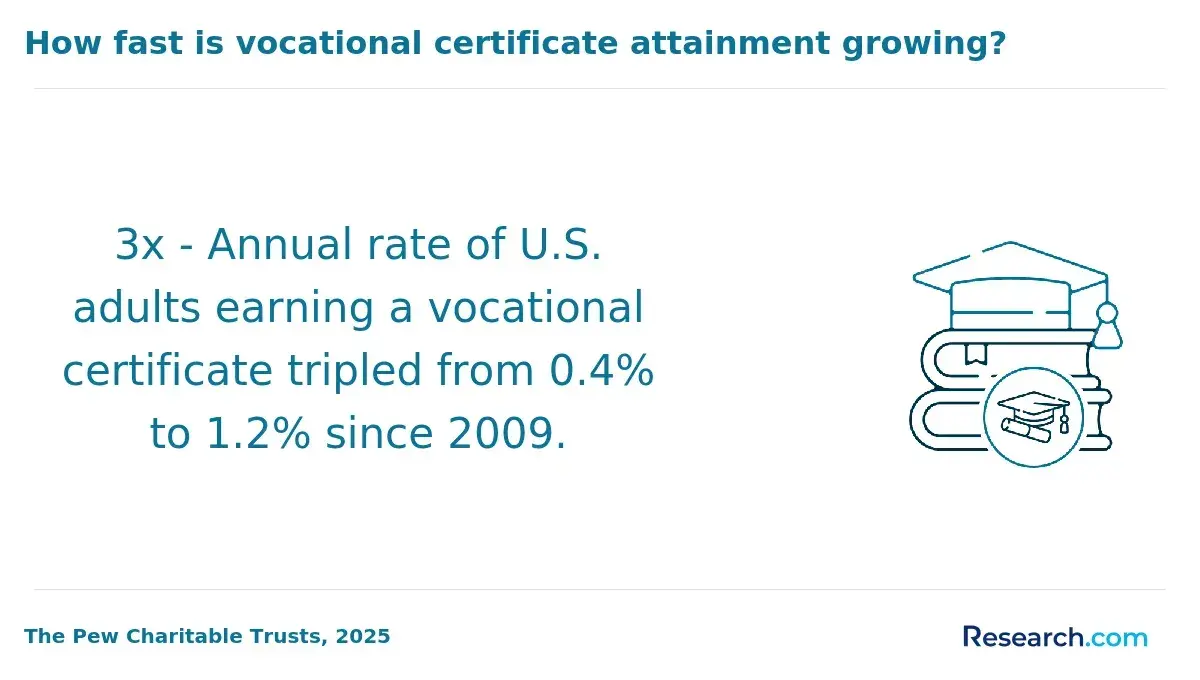
Certifications can improve competitiveness when they match the job family, but they are rarely a substitute for a degree, writing ability, or relevant experience. The best certification is one that repeatedly appears in postings for the role you want or fills a clear gap in your résumé.
The table below compares certifications and credentials that may be useful in public administration-adjacent postings. Not every employer requests them, so students should treat certifications as targeted differentiators, not universal requirements.
| Certification or credential | Most relevant roles | Why it may help | When it may not be worth prioritizing |
| Certified Associate in Project Management or Project Management Professional | Program manager, project manager, operations analyst, implementation specialist | Signals structured project planning, risk tracking, scheduling, and deliverable management | Less useful if target postings do not involve formal project management |
| Certified Government Financial Manager | Budget analyst, finance officer, grants manager, government accounting roles | Supports credibility in public finance, controls, and government financial management | Not necessary for general outreach, policy, or entry-level coordinator roles |
| Certified Public Finance Officer | Local government finance, municipal administration, budget leadership | Relevant for candidates committed to local government finance careers | Too specialized for students who are still exploring broad public administration paths |
| Certified Nonprofit Professional | Nonprofit program, development, volunteer management, community services | Can demonstrate commitment to nonprofit management and mission-driven operations | Less valuable for government policy or budget analyst tracks |
| SHRM-CP or public-sector HR credentials | Human resources, labor relations, workforce development, employee relations | Useful when postings involve hiring, employee policy, training, or compliance | Not needed for candidates outside HR or workforce administration |
| GIS, data analytics, or visualization certificates | Planning, public health, emergency management, performance management, evaluation | Shows ability to analyze location, service, and performance data | Should not replace core writing, policy, and budgeting skills |
Licensure is usually not required for general public administration roles, but specialized paths may have additional rules. Urban planning roles may prefer American Institute of Certified Planners credentials after experience; emergency management roles may value FEMA training; procurement roles may prefer purchasing credentials; and healthcare administration may require compliance or health-sector knowledge.
The main red flag is collecting credentials without a target. Before paying for certificate programs, compare at least 10 to 20 postings in your preferred role and region. If the credential appears only rarely, you may get a better return from an internship, portfolio project, writing sample, Excel training, or supervisor recommendation.
Employer expectations differ because public administration is a field of functions, not one single occupation. A city budget analyst, nonprofit program manager, public health coordinator, and policy researcher may all have public administration backgrounds, but each will be screened differently.
The table below shows how job posting expectations shift across major public administration career paths. Use it to tailor your coursework, résumé, and interview examples.
| Career path | Skills emphasized most | Credentials emphasized most | Experience emphasized most |
| City, county, or state administration | Budgeting, public meetings, procurement, records, policy implementation | Bachelor's for entry roles; MPA often preferred for advancement | Internships in local government, administrative support, council or board reporting |
| Nonprofit management | Grant writing, program evaluation, fundraising support, community partnerships | Bachelor's for coordinator roles; MPA or nonprofit certificate for leadership | Volunteer management, service delivery, funder reporting, community outreach |
| Policy analysis and research | Research methods, statistics, memo writing, legislative analysis, data interpretation | MPP, MPA, economics, public policy, or related graduate training often preferred | Research assistantships, policy briefs, data projects, writing samples |
| Public finance and budgeting | Excel, budget formulation, fiscal controls, grants, compliance, procurement | Finance coursework, MPA, accounting background, government finance credentials | Budget tracking, financial reporting, audit support, grant administration |
| Public health administration | Compliance, data reporting, emergency preparedness, program coordination | MPH, MPA, health administration, or related training depending on role | Health program internships, community health projects, reporting and evaluation |
| Consulting and management analysis | Data analysis, slide decks, client communication, process improvement, project management | Bachelor's or master's depending on seniority; analytics training often preferred | Case projects, dashboard work, evaluation reports, client-facing experience |
Region and employer type also matter. Federal postings may use formal occupational series and strict qualification language; local government postings may emphasize community knowledge and public meeting experience; nonprofit postings may value flexible operations skills; and consulting firms may expect stronger presentation, analytics, and deadline-driven project experience.
A strong application should mirror the employer's problem. If the posting is about grant compliance, lead with funding and reporting experience. If it is about community outreach, lead with partnership work and public communication. If it is about policy analysis, lead with research, writing, and evidence-based recommendations.
Emerging skills are becoming more visible because public agencies and nonprofits face pressure to make faster decisions, prove outcomes, protect data, and use technology responsibly. Public administration candidates do not need to become software engineers, but they increasingly need enough technical fluency to manage modern public programs.
The table below highlights emerging skill areas that are appearing more often in public administration-related postings and public-sector workforce discussions. These skills are most valuable when paired with core public administration judgment.
| Emerging skill area | What it means in public administration | Roles where it matters | How to build evidence |
| AI literacy and automation awareness | Understanding how automated tools affect service delivery, records, bias, privacy, and oversight | Operations, policy, compliance, service modernization, program management | Complete an AI ethics or public-sector technology project and explain governance risks |
| Data visualization and dashboards | Turning budget, service, or performance data into usable charts and dashboards | Performance analyst, program evaluator, management analyst, grants manager | Create a dashboard using public data, Excel, Tableau, or Power BI |
| Cybersecurity and privacy awareness | Recognizing risks around public records, personally identifiable information, vendor systems, and reporting platforms | Compliance, health administration, education, operations, procurement | Take privacy, records, or cybersecurity awareness training and apply it to a policy memo |
| Equity-centered program design | Designing and evaluating programs with attention to access, outcomes, and community impact | Community development, health, housing, education, human services | Use demographic or service data to identify gaps and recommend improvements |
| Climate resilience and emergency preparedness | Planning for disasters, infrastructure risk, public health emergencies, and continuity of operations | Emergency management, planning, local government, public health | Complete FEMA training, write a preparedness plan, or assist with continuity planning |
| Vendor and technology procurement | Evaluating contracts, service-level expectations, data protections, and implementation risks | Operations, procurement, IT governance, program management | Study public procurement rules and practice reviewing a sample request for proposals |
AI is especially important because public agencies must balance efficiency with transparency, fairness, privacy, and accountability. A candidate who can say, "I understand how to use AI tools responsibly for summarizing documents, improving workflows, or analyzing public comments while protecting sensitive information," will often sound more prepared than one who treats AI as either a shortcut or a threat.
The mistake to avoid is chasing every new tool. Build a practical technology stack around your target role: Excel first for most students, then visualization or GIS for data-heavy paths, and responsible AI or privacy knowledge for operations, compliance, and service modernization roles.
If you're interested in knowing more about AI tools, you can check out computer science degrees online.
Students should use job postings as a planning tool, not just as application targets. The goal is to identify repeated requirements, separate must-have qualifications from preferred ones, and build evidence before applying.
The sequence below can help public administration students turn job postings into a practical skills plan. It works for undergraduate students, MPA students, and career changers.
- Collect 15 to 25 postings for roles you would realistically apply to in your preferred location, sector, or remote market.
- Highlight every repeated requirement, including degree level, years of experience, software, writing tasks, budget duties, grant duties, certifications, and stakeholder responsibilities.
- Group the requirements into three categories: required qualifications, preferred qualifications, and differentiators that would strengthen but not replace your core eligibility.
- Compare your résumé against the repeated requirements and identify the three gaps most likely to keep you from being interviewed.
- Use electives, internships, capstones, part-time work, volunteer leadership, or certificates to close those gaps with evidence you can describe in interviews.
- Rewrite your résumé for each role using the employer's language, but only when it accurately reflects work you have done.
Students should prioritize qualifications in a practical order. First, meet the minimum education and experience requirements. Second, build proof of core skills such as writing, Excel, budgeting, grants, project coordination, or policy analysis. Third, add certifications or specialized tools only when they appear repeatedly in target postings.
Common mistakes can delay a job search even for capable candidates. The problems below are especially common among public administration students who prepare broadly but not strategically.
- Assuming a public administration degree alone is enough without showing applied experience, writing quality, or measurable project work.
- Listing soft skills such as leadership and communication without examples that prove them.
- Spending money on certifications before checking whether employers in the target role actually request them.
- Ignoring Excel, budgeting, grants, and data reporting because they seem less exciting than policy topics.
- Using the same résumé for government, nonprofit, consulting, and healthcare roles even though each screens for different evidence.
- Waiting until graduation to look at postings, which leaves too little time to add internships, projects, or technical skills.
A strong résumé bullet should connect action, tool, and result. For example, "Tracked quarterly grant expenditures in Excel and prepared documentation for funder reporting" is more useful than "Assisted with grants." Employers need to see what you can do, not just what topic you studied.
Public administration students should choose a career path by comparing three factors: the problems they want to work on, the work style they prefer, and the qualifications employers request. A student who enjoys community-facing work may be happier in outreach or program management than in policy research, while a student who likes data and structured analysis may prefer budgeting, evaluation, or consulting.
The table below connects common interests with career directions and preparation priorities. Use it as a decision guide rather than a rigid map.
| If you are drawn to | Consider career paths in | Prioritize these qualifications | Watch out for |
| Improving local services | City management, county administration, public works administration, constituent services | Local government internships, public budgeting, public meeting experience, policy implementation | Underestimating how much operations and finance matter in local government |
| Helping communities directly | Nonprofit programs, human services, community outreach, volunteer coordination | Grant writing, partnership management, program evaluation, service data tracking | Assuming passion alone replaces grant, reporting, and management skills |
| Analyzing laws and public choices | Policy analysis, legislative research, advocacy, think tanks, research organizations | Statistics, research design, writing samples, policy memos, data interpretation | Applying without a strong writing sample or evidence of analytical work |
| Managing money and accountability | Budget analysis, grants management, public finance, procurement, audit support | Excel, accounting basics, public finance, compliance, procurement rules | Avoiding finance coursework because it feels outside public service |
| Using data to improve programs | Program evaluation, performance management, consulting, public health analytics | Dashboards, survey methods, Excel, Power BI or Tableau, evaluation reports | Learning tools without understanding the policy or program context |
| Coordinating during crises | Emergency management, public health preparedness, resilience planning | FEMA training, incident command familiarity, continuity planning, interagency coordination | Waiting for a disaster-related role instead of building planning and operations experience first |
The best path is usually the one where your interests and employer demand overlap. If you like policy but postings in your target region mostly request budget and grant skills, you do not need to abandon policy; you may need to add finance or evaluation experience to become competitive.
Students comparing degree programs should also evaluate career services, internship pipelines, alumni networks, capstone quality, online flexibility, and whether the program teaches current tools. A program that helps you produce a budget analysis, policy memo, grant proposal, dashboard, or evaluation report gives you stronger interview evidence than a program built only around theory.
Before choosing a path, ask employers or alumni practical questions: What qualifications make entry-level candidates stand out? Which software do new hires actually use? Do managers prefer an MPA, MPP, MPH, or experience first? Which certifications are respected in this office? The answers can prevent overinvesting in credentials that do not match your market.
Public administration employers typically treat education as a screening requirement, but the expected level depends heavily on the job family and seniority. A bachelor's degree may be enough for coordinator, analyst, and specialist roles, while one year MPA, MPP, MPH, MBA, or related graduate degrees are more common in management, policy, research, and leadership postings.
The table below separates common credential levels by how employers tend to use them. This helps students decide whether to enter the job market now, pursue graduate study, or stack targeted experience first.
| Credential | How it appears in postings | Best for | Decision guidance |
| Bachelor's in public administration, political science, public policy, sociology, business, economics, or related field | Often listed as a minimum qualification for entry-level analyst, coordinator, administrative, and program roles | Students entering government, nonprofit, operations, outreach, or program support roles | Pair it with internships, Excel, writing samples, and a policy or budgeting project |
| Master of Public Administration | Often preferred or required for management, budget, policy, nonprofit leadership, and city management tracks | Candidates seeking supervisory, administrative, or cross-sector public leadership roles | Most useful when the curriculum includes finance, analytics, management, and applied projects |
| Master of Public Policy | Common in policy analysis, research, evaluation, legislative, and think tank roles | Candidates who want to analyze policy options and produce evidence-based recommendations | Choose if quantitative analysis and policy research matter more than general administration |
| Master of Public Health, MBA, JD, or specialized graduate degree | Requested in specialized postings tied to health administration, finance, law, compliance, or executive operations | Candidates targeting regulated or specialized sectors | Worth considering when job postings in the target sector repeatedly name that credential |
| Graduate certificates | Often preferred for specific skill areas such as nonprofit management, public finance, emergency management, or data analytics | Working professionals or students who need targeted skill proof without a full degree | Choose certificates that build missing skills rather than duplicate the degree |
The degree field is not the only factor. Employers also evaluate accreditation, relevant coursework, applied projects, internships, writing ability, and whether the candidate understands the agency's mission. For graduate programs, students should ask whether the curriculum includes public budgeting, statistics or analytics, human resources, ethics, program evaluation, and a capstone or practicum.
Cost should be weighed carefully. Federal Student Aid allows graduate and professional students to borrow up to $20,500 per year in Direct Unsubsidized Loans, but borrowing availability is not the same as affordability. A lower-cost MPA with strong internships, alumni networks, and applied projects may be a better fit than a more expensive program if both prepare the student for the same target roles.
Other Things You Should Know About Public Administration
A public administration degree can meet the education requirement for many entry-level government roles, but it is rarely enough by itself. Employers usually also look for writing ability, internships, Excel skills, policy or budget coursework, and evidence that you understand the agency's mission.
Excel is often the most practical first technical skill because it supports budgeting, grant tracking, performance measurement, and reporting. After that, students should add skills based on their target path, such as policy writing, grant management, Power BI, Tableau, GIS, or project management.
An MPA can be worth it for candidates pursuing management, public finance, nonprofit leadership, city administration, or program leadership roles. It is a better investment when the program offers applied projects, internships, strong career support, and coursework aligned with the jobs you plan to pursue.
Most general public administration jobs do not require certifications, but some roles prefer them. Project management, government finance, nonprofit management, procurement, GIS, and emergency management credentials can help when they match the posting and the candidate already meets the core education and experience requirements.
- Career Paths for Federal Program and Project Management Guide https://www.opm.gov/policy-data-oversight/career-paths-for-federal-program-and-project-management-guide/credentials-and-certifications/
- What Does a Public Administrator Do? https://www.allbusinessschools.com/public-administration/career-paths/
- Public Administration & Policy Jobs Guide (2026 Careers) – PublicAdministrationPolicy.org https://publicadministrationpolicy.org/resources/jobs/
- Experience Requirements Have Tightened Amid the Tech Hiring Freeze - Indeed Hiring Lab https://www.hiringlab.org/2025/07/30/experience-requirements-have-tightened-amid-the-tech-hiring-freeze/
- Competencies for the digital transformation of public administrations https://www.co-val.eu/blog/2020/04/08/digital-transformation-of-public-administrations/
- How to Become a Public Administrator https://teach.com/careers/government/become-public-administrator/
- Public VS Private Sector Careers: Which One is Right for You? - MANCOSA https://www.mancosa.co.za/blog/public-vs-private-sector-careers-which-one-is-right-for-you/
- Job Level Classification (2025): Frameworks & Best Practices https://nativeteams.com/blog/job-level-classification
- The role of data skills in the modern labour market | CEPR https://cepr.org/voxeu/columns/role-data-skills-modern-labour-market
- 5 Jobs a Public Administration Degree Can Help You Land | UT Permian Basin Online https://online.utpb.edu/about-us/articles/political-science/5-jobs-a-public-administration-degree-can-help-you-land