2027 Public Administration Degree Persistence Report: Retention, Stop-Out Risk, and Re-Enrollment Patterns

Co-Founder and Chief Data Scientist
Choosing a public administration degree is not just about curriculum; it is about whether the program helps you stay enrolled long enough to graduate. The National Student Clearinghouse Research Center reported that 36.8 million U.S. adults under 65 had some college but no credential, showing how common stop-out risk has become.
This guide is for prospective MPA, bachelor's, transfer, online, and working-adult students. You will learn how retention, re-enrollment policies, cost, format, and support services can affect completion and career momentum.
Key Things You Should Know
- Public administration-specific retention rates are not federally standardized by major, so students should compare school-level IPEDS retention, graduation, transfer-out, and re-enrollment data rather than relying on marketing claims.
- Cost pressure is a major persistence factor. College Board's 2024 pricing data lists average published tuition and fees at $11,610 for in-state public four-year colleges and $43,350 for private nonprofit four-year colleges, before aid.
- Persistence affects career timing. BLS data for May 2024 reports a $78,240 median annual wage for social and community service managers, a common public-service management pathway, but reaching such roles often depends on completing the credential and gaining relevant experience.
- What Do Retention Rates Reveal About Student Success in Public Administration Degree Programs?
- Which Students Are Most at Risk of Stopping Out of a Public Administration Degree Program?
What Do Retention Rates Reveal About Student Success in Public Administration Degree Programs?
Retention rates show how many students return after an enrollment period, usually from one fall term to the next. Persistence is broader: it tracks whether students continue making progress toward a degree, even if they change course load, transfer, or temporarily pause. A stop-out means a student leaves college without completing but may later return.
For public administration students, retention matters because the degree often attracts working adults, transfer students, first-generation students, military-affiliated learners, and career changers. These groups can succeed, but they need programs that are realistic about advising, scheduling, course sequencing, internships, and financial planning.
The table below explains the main persistence metrics students should request or verify when comparing public administration programs. These figures are useful because a high retention rate alone does not prove that students graduate on time.
| Metric | What It Measures | What It Can Reveal | Key Limitation |
| First-year retention rate | How many first-time students return the next year | Whether new students are supported through the transition into college-level work | Often excludes transfer, graduate, and returning adult students |
| Graduation rate | How many students finish within a defined time window | Whether students persist through the full program, not just the first year | May not fully capture part-time or transfer pathways |
| Transfer-out rate | How many students leave for another institution | Whether students may be using the school as a stepping-stone | A transfer can be positive if credits apply cleanly elsewhere |
| Stop-out and re-enrollment rate | How many students pause and later return | Whether the institution has pathways for students facing life or financial interruptions | Many schools do not publish this clearly by program |
| Credit completion ratio | How many attempted credits are successfully completed | Whether students are progressing academically each term | May be affected by course withdrawal rules and grading policies |
When comparing programs, look for consistency across metrics. A school with solid retention but weak graduation may help students start well but struggle to move them through capstones, internships, research requirements, or final credit requirements. A program with moderate retention but strong re-enrollment support may be a better fit for working adults who need flexibility.
Which Students Are Most at Risk of Stopping Out of a Public Administration Degree Program?
Students most at risk of stopping out are not necessarily less capable. Stop-out risk usually rises when academic demands, life responsibilities, course availability, and money problems collide. Public administration programs can reduce that risk when they identify pressure points early and respond before a student disappears from enrollment.
The table below summarizes common risk patterns and what they mean for a student choosing a public administration degree. Use it to assess whether a program has built-in safeguards for your situation.
| Student Situation | Why Stop-Out Risk Can Increase | What a Strong Program Should Offer |
| Working full time | Evening meetings, deadlines, and family obligations can conflict with courses | Predictable course rotations, asynchronous options, and part-time degree maps |
| Transfer student | Lost credits can extend time-to-degree and raise cost | Early transcript evaluation and written transfer-credit guarantees |
| First-generation student | College policies, aid renewal, and degree audits may be unfamiliar | Proactive advising, orientation, and milestone alerts |
| Adult re-entry student | Academic confidence and technology expectations may need rebuilding | Refresher resources, tutoring, and flexible pacing |
| Graduate public administration student | Capstone, internship, and professional workload may overlap | Clear capstone timelines, applied project options, and employer-aligned scheduling |
The most important red flag is a program that treats persistence as the student's problem alone. Public administration prepares people to manage public systems; a strong program should also manage its own student-success system with clear communication, transparent policies, and timely intervention.
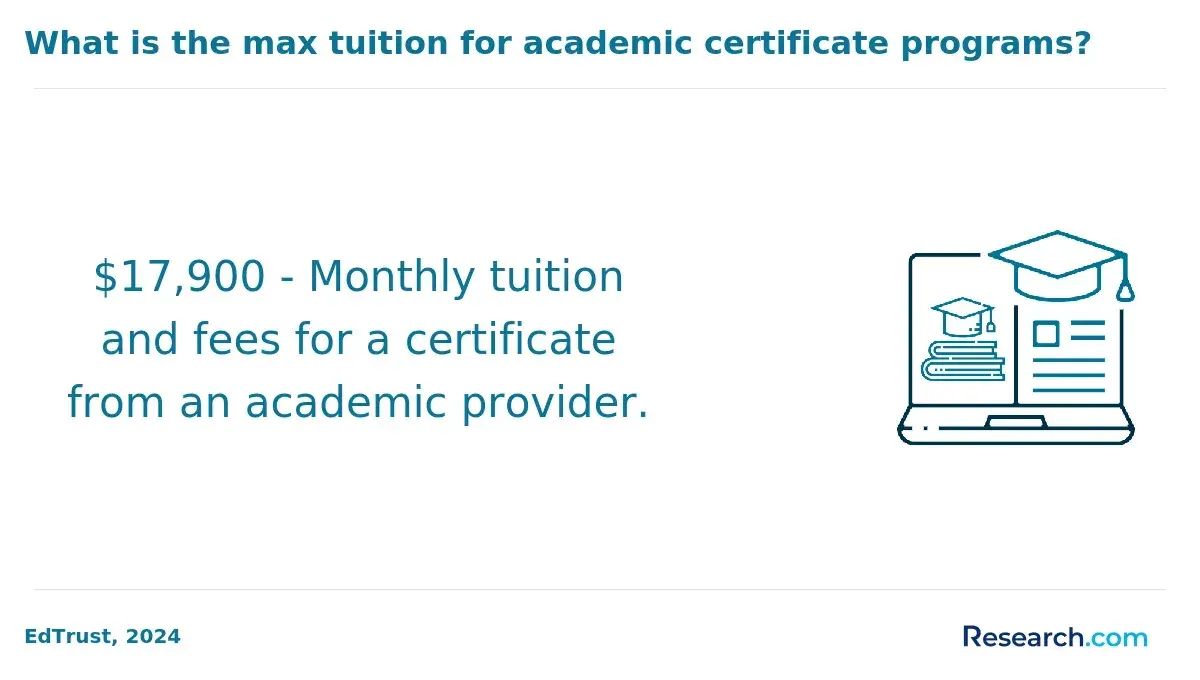
Academic and financial challenges often reinforce each other. A student who drops a required course may lose aid eligibility, extend graduation by a semester, or miss a once-a-year course sequence. That is why public administration students should evaluate the total pathway, not just the catalog description.
College Board's 2024 data shows average published tuition and fees of $11,610 for in-state public four-year institutions and $43,350 for private nonprofit four-year institutions. Those prices are not the same as net cost after aid, but they show why affordability planning is directly tied to persistence.
The most common academic and financial barriers fall into a few predictable categories. Reviewing these before you enroll can help you choose a program that fits your real life instead of an ideal schedule.
- Unclear course sequencing: If a required budgeting, policy analysis, research methods, or capstone course is offered only once per year, missing it can delay graduation.
- Insufficient transfer-credit clarity: Public administration students who enter with community college, military, or prior university credits should get a written degree audit before committing.
- Financial aid renewal problems: Dropped credits, low completion ratios, or unpaid balances can interrupt enrollment even when the student intends to continue.
- Overloaded schedules: Taking too many credits while working can lead to withdrawals that increase cost and reduce momentum.
- Unplanned internship requirements: Internships can be valuable, but students who already work in government or nonprofit roles should ask whether their employment can satisfy applied experience requirements.
A common mistake is choosing the lowest sticker price without checking whether courses are available when you need them. A slightly higher-cost program with stronger advising, summer options, and reliable course rotations may reduce total cost if it helps you avoid extra semesters.
Stopping out does not always mean a student has failed or left permanently. Many students pause because of health, family, job changes, military service, finances, or burnout. The key question is whether the program makes returning manageable.
The table below outlines common re-enrollment patterns. It helps students understand why policies should be reviewed before taking a break, not after.
| Re-Enrollment Pattern | Typical Reason | What Can Help the Student Return | Possible Risk |
| Planned leave of absence | Known work, health, family, or military obligation | Approved leave form, advisor-approved return term, and aid counseling | Policy deadlines may be strict |
| Financial stop-out | Unpaid balance or loss of aid eligibility | Payment plan, emergency aid, satisfactory academic progress appeal | Transcript holds or delayed registration can extend the break |
| Academic stop-out | Low grades, withdrawals, or failed prerequisite courses | Academic recovery plan, tutoring, reduced course load | Repeated course timing may delay graduation |
| Transfer re-entry | Student leaves one school and enters another | Credit evaluation before enrollment and degree-completion plan | Credits may not apply to major requirements |
| Graduate return after career pause | Professional responsibilities interrupt MPA progress | Updated program plan and capstone timeline | Catalog changes may affect requirements |
Before taking a break, students should complete a short persistence plan with an advisor. This plan should document the reason for leaving, expected return term, remaining credits, financial aid impact, course sequencing issues, and any deadlines for maintaining admission status.
If you already stopped out, start with the registrar and academic advisor rather than submitting a new application immediately. In some cases, reactivation is simpler than readmission. In other cases, a transfer may make sense, but only if the receiving school confirms how many credits count toward the public administration degree.
Support services improve persistence when they are proactive, easy to access, and connected to degree progress. A tutoring center is helpful, but it is not enough if students do not know they are off track until registration closes. The strongest programs use advising, financial aid counseling, early alerts, and career planning as one connected system.
The same support questions apply across human-service and public-service degree paths. For example, students comparing affordable online MFT programs california should also ask how advising, field placement support, and student-success outreach are coordinated.
The table below shows which services are most relevant to persistence in public administration programs and why they matter.
| Support Service | How It Supports Persistence | What Students Should Look For |
| Dedicated academic advising | Keeps students on sequence for prerequisites, electives, and capstone courses | Assigned advisor, required check-ins, and written degree plans |
| Financial aid counseling | Helps students avoid aid interruptions tied to withdrawals or credit load changes | Clear satisfactory academic progress guidance and emergency aid information |
| Tutoring and writing support | Supports policy writing, statistics, budgeting, and research assignments | Online and evening access for working students |
| Career services | Connects coursework to internships, public agencies, nonprofits, and alumni | Resume help, public-sector job search support, and employer connections |
| Early-alert systems | Identifies missed assignments, low grades, or attendance issues early | Faculty alerts paired with advisor outreach |
| Re-enrollment support | Creates a path back after a stop-out | Return-to-enroll counseling and updated degree audits |
A red flag is a program that says "students can contact support if needed" but does not explain when outreach happens. Students under pressure often delay asking for help. Programs with stronger persistence cultures do not wait until a student has already failed a course or missed registration.
Persistence affects graduation time because every withdrawal, missed prerequisite, unpaid balance, or unplanned stop-out can shift the timeline. In public administration, delays can also affect internship timing, promotion eligibility, graduate school plans, or applications for government and nonprofit roles.
BLS May 2024 data reports a $78,240 median annual wage for social and community service managers, a role aligned with many public administration and nonprofit management pathways. This does not mean a degree automatically leads to that salary, but it shows why completing the credential can matter for students pursuing leadership-oriented public-service careers.
The table below illustrates how enrollment patterns can affect time-to-degree. Actual timelines vary by transfer credits, course availability, prior learning credit, and whether the student is pursuing an undergraduate degree or MPA.
| Pathway | Typical Persistence Advantage | Common Delay Point | Career Impact |
| Full-time bachelor's student | Maintains momentum and completes sequences faster | Failed prerequisite or financial aid disruption | Earlier access to internships and entry-level public-sector roles |
| Part-time bachelor's student | Can continue working while studying | Longer exposure to life changes and course rotation issues | May keep income stable while building credentials gradually |
| Transfer student | Can reduce total credits if transfer is efficient | Credits applying only as electives | Efficient transfer can speed entry into upper-division policy, budgeting, and management courses |
| MPA student | Often connects directly to advancement goals | Capstone, internship, or comprehensive exam scheduling | Completion may support advancement into analyst, manager, or administrative roles |
| Stop-out and return student | Can preserve prior credits and resume progress | Catalog changes or expired credits | Returning with a clear plan can limit career disruption |
For career outcomes, persistence is not just about finishing. Students who stay engaged are more likely to build relationships with faculty, complete applied projects, secure references, and connect coursework to public agencies or nonprofit employers. Those activities can be as important as the diploma itself.
The public administration programs with the strongest persistence outcomes are usually not identifiable by a single national ranking. Because retention data is commonly reported at the institution level rather than the major level, students should look for programs that combine transparent outcomes, flexible scheduling, strong advising, and clear re-entry policies.
The table below gives a practical way to judge whether a public administration program is likely to support persistence. It focuses on evidence students can request or verify before enrolling.
| Program Feature | Why It Signals Stronger Persistence Support | What to Ask |
| Transparent retention and graduation data | Shows whether the school tracks student progress beyond recruitment | Can you share recent retention, graduation, and transfer-out data for students like me? |
| NASPAA accreditation for MPA programs | Indicates the graduate program has been reviewed against public-service education standards | Is the MPA accredited, and how are student outcomes assessed? |
| Dedicated public administration advising | Reduces errors in course selection and capstone planning | Will I have an advisor who understands public administration requirements? |
| Flexible course rotations | Helps working and part-time students avoid unnecessary delays | Are required courses offered every term, once per year, or on a rotating basis? |
| Transfer-credit clarity | Protects students from paying for credits that do not count | Can I receive a written transfer evaluation before enrollment? |
| Re-enrollment pathway | Helps students return after a planned or unplanned break | What happens if I need to pause for one or two terms? |
Students should be cautious about programs that advertise flexibility but cannot produce a part-time course map, online support model, or capstone schedule. Flexibility without structure can increase stop-out risk because students may not know what to take next or when required courses will be available.
A practical comparison should include at least three programs: one lowest-cost option, one strongest-support option, and one most flexible option. The best choice is the program that gives you the highest likelihood of finishing at a sustainable cost, not necessarily the one with the cheapest tuition or the most recognizable name.
Public administration student persistence is changing as more students expect flexible delivery, faster service, and clearer career alignment. The National Student Clearinghouse Research Center's Fall 2024 enrollment reporting showed renewed enrollment growth across higher education after earlier disruption, which means more students are returning to evaluate college options, including adult and career-focused pathways.
Credential-based hiring is also affecting student decisions. Some learners compare degree programs with shorter credentials in adjacent applied fields, such as online paralegal certificate programs, before deciding whether a full public administration degree is the better long-term path.
Several trends now shape persistence decisions in public administration. Students should consider these trends because they affect program format, advising expectations, and the value of staying enrolled.
- Hybrid and online normalization: More students expect public administration programs to offer online or blended options, but persistence depends on whether support services are equally accessible online.
- AI-supported advising and early alerts: Some institutions are using predictive tools to flag risk earlier, but students should still ask how human advisors follow up.
- Employer-aligned learning: Applied projects, internships, and workplace-based assignments can help students see immediate value in staying enrolled.
- Financial pressure: Rising living costs and tuition concerns make net price, aid renewal, and emergency grants more important to persistence.
- Adult learner growth: Programs that serve working adults need part-time maps, evening support, and re-entry pathways rather than traditional-only assumptions.
The trend to watch most closely is the shift from access to completion. Many programs can admit online or adult students; fewer can prove that those students receive timely advising, complete required courses, and return after interruptions. Students should ask for evidence, not just flexibility claims.
Students should evaluate public administration degree programs by asking one central question: "Can I realistically stay enrolled here until graduation if life gets complicated?" Retention and graduation rates matter, but they should be interpreted alongside cost, flexibility, transfer credit, advising, and re-enrollment policies.
When comparing online options, it can help to review how other applied degree areas present flexibility and support. For example, students looking at online photography degrees should still compare completion support, course sequencing, and technology expectations rather than judging by online format alone.
Use the following steps before choosing a public administration program. They are designed to help you identify whether the program reduces stop-out risk instead of simply enrolling students.
- Request the school's most recent retention, graduation, transfer-out, and student-success data for your student type, such as transfer, online, part-time, graduate, or adult learner.
- Ask for a written degree plan that shows every required course, expected term, prerequisite, internship, capstone, and elective option.
- Compare net price after grants, scholarships, employer tuition benefits, and fees instead of comparing tuition alone.
- Confirm how financial aid is affected if you drop from full-time to part-time, withdraw from a course, or take a leave of absence.
- Ask whether online students receive the same advising, tutoring, library, career, and emergency support as campus students.
- Review re-enrollment policies before you need them, including readmission deadlines, catalog-year rules, and whether credits can expire.
- Speak with current students or alumni about how responsive advisors and faculty are when problems arise.
Watch for these red flags during your search. A program may still be legitimate, but these issues should prompt more questions before you commit.
- No clear answer about course rotation or when required public administration courses are offered.
- No written transfer-credit evaluation before enrollment.
- Retention or graduation data that is unavailable, outdated, or only presented for the entire university without explanation.
- Online programs that rely entirely on self-service advising.
- Unclear internship, capstone, or comprehensive exam requirements.
- No stated process for returning after a stop-out.
- Admissions staff who discuss speed and affordability but not academic fit, workload, or support services.
Retention should matter, but it should not be the only deciding factor. Graduation rate shows longer-term completion, re-enrollment policy shows how the school handles setbacks, and support services show whether students have help before small problems become enrollment-ending problems. The strongest choice is the program whose structure matches your schedule, finances, academic preparation, and career goals.
Learning format affects persistence because it changes how students experience time, accountability, and access to support. Online public administration programs can work well for employed adults, but only when they include strong advising, responsive faculty, and clear weekly expectations. Campus programs can provide structure and networking, but they may be harder for students with work or caregiving obligations.
Students comparing online public-service degrees should look beyond delivery mode and examine how the program supports persistence. Similar questions apply in fields with intensive advising demands, such as online SLP masters programs, where flexibility must be balanced with supervised experiences and academic support.
The table below compares persistence considerations by format and enrollment status. It is not a ranking; it shows which structure may fit different student needs.
| Enrollment Pattern | Persistence Strength | Persistence Risk | Best Fit |
| Full-time campus | More structure, faster timeline, easier access to in-person resources | Less flexible for full-time workers or caregivers | Students who can prioritize school and use campus services regularly |
| Part-time campus | Allows work-school balance with local networking | Longer timeline can increase life-interruption risk | Students with stable local schedules and access to evening courses |
| Full-time online | Faster completion without relocating | Heavy weekly workload can be difficult without strong self-management | Students with disciplined study routines and reliable technology |
| Part-time online | Most flexible for working adults | Momentum can fade if courses are isolated or advising is passive | Students who need flexibility but can follow a structured degree plan |
| Hybrid | Combines flexibility with periodic in-person engagement | Travel or residency requirements may create hidden costs | Students who want networking but cannot attend campus every week |
The best format is the one you can sustain. If you work unpredictable shifts, asynchronous online courses may reduce stop-out risk. If you need external structure, a campus or hybrid program with regular meetings may be safer. If you enroll part time, ask whether the program has a formal part-time map so you do not lose momentum between required courses.
Other Things You Should Know About Public Administration
No. A high retention rate is a positive signal, but it does not guarantee graduation, career outcomes, or strong support for transfer and part-time students. Compare retention with graduation rates, course availability, advising quality, net cost, and re-enrollment policies.
No. Part-time enrollment can be a smart choice for working adults, caregivers, and career changers. The key is to choose a program with a formal part-time course map, predictable course rotations, and advising that keeps you moving toward graduation.
Talk to your advisor, financial aid office, and registrar before stopping out. Confirm how the break affects aid, remaining credits, catalog requirements, re-enrollment deadlines, and required courses that may not be offered every term.
Not automatically. Online programs can support strong persistence when they provide structured advising, accessible faculty, tutoring, career services, and clear weekly expectations. The risk increases when online students are expected to manage everything on their own.
- Do your graduate and online programs offerings match what students actually want? | EAB https://eab.com/resources/blog/adult-education-blog/do-your-graduate-and-online-programs-offerings-match-what-students-actually-want/
- Public Policy and Administration by the Numbers | Insight Into Academia https://insightintoacademia.com/public-policy-and-administration-by-the-numbers/
- Publications https://www.naspaa.org/publications
- Management Practices in Private and Public Higher Education Institutions https://www.gssrjournal.com/article/management-practices-in-private-and-public-higher-education-institutions
- 6 Common Reasons for Student Drop Outs & 1 Simple Solution https://www.qooper.io/blog/6-common-reasons-for-student-drop-outs-1-simple-solution
- New Research Answers Question Every College Wants to Know: Why Do Students Leave and How Do We Get Them Back? - UPCEA https://upcea.edu/new-research-answers-question-every-college-wants-to-know-why-do-students-leave-and-how-do-we-get-them-back/
- Mental Health, Stress Top Reasons Students Consider Leaving https://news.gallup.com/poll/644645/mental-health-stress-top-reasons-students-consider-leaving.aspx
- Time and Money: Why Students Take a Break https://www.higheredtoday.org/2024/05/24/why-students-take-a-break/