
2027 Most Valuable Nursing Degree Programs Ranking in Rhode Island

Co-Founder and Chief Data Scientist
Choosing the right nursing degree program is an important step toward a rewarding career in healthcare. This article introduces the 2027 Most Valuable Nursing Degree Programs Ranking in Rhode Island, developed by the Research.com team of data scientists. It aims to guide students in making an informed decision about which programs truly stand out in value and quality.
By exploring this ranking, you can discover nursing programs that offer great opportunities, strong outcomes, and a solid foundation for your future. Pursuing a nursing degree opens doors to meaningful work and community impact, making this a smart and fulfilling choice.
Key benefits of getting nursing degree in Rhode Island
- Graduates with a nursing degree in Rhode Island can earn competitive salaries, with Registered Nurses and Public Health Nurses averaging about $94,480 annually, while specialized roles like Operating Room Nurses earn up to $128,490 per year.
- Career paths from nursing degrees are diverse, including positions in hospitals, community health, and specialized units, as seen in graduates from the University of Rhode Island who successfully enter various healthcare settings.
- Online nursing degrees offer flexibility and convenience, allowing students from institutions like Rhode Island College to balance studies with life commitments while gaining the same valuable credentials as traditional programs.
- 2027 Most Valuable Nursing Degree Programs Ranking in Rhode Island
- What can I expect from nursing degree in Rhode Island?
- Where can I work with nursing degree in Rhode Island?
What can I expect from nursing degree in Rhode Island?
The average cost of pursuing a nursing degree in Rhode Island varies, but many students find it affordable thanks to several supportive options. Community colleges such as Rhode Island College and the University of Rhode Island offer competitive tuition rates, often around $6,000 to $10,000 per year for in-state students. Graduates frequently share how scholarships and programs like Rhode Island Promise significantly eased their financial burden, making their educational journey more manageable and focused on growth rather than stress.
Imagine a nursing student at a local community college, balancing clinical rotations at nearby hospitals with their coursework, all while benefiting from affordable tuition that lets them concentrate on gaining valuable hands-on experience. Many praise how financial assistance paired with immersive education ignited their confidence and prepared them for meaningful careers in healthcare.
These financial advantages open doors for aspiring nurses to achieve their goals within Rhode Island's supportive healthcare community, inspiring hope and ambition through every step of their degree programs.
Where can I work with nursing degree in Rhode Island?
Graduates with a nursing degree in Rhode Island step into a world filled with rewarding career opportunities. Those who studied at renowned institutions like the University of Rhode Island or Rhode Island College often find themselves working in major hospitals such as Rhode Island Hospital or Miriam Hospital, where they provide compassionate care in fast-paced emergency rooms or specialized surgical units.
Many graduates share how rewarding it is to support patients in long-term care facilities, helping Rhode Island's rapidly aging population maintain dignity and comfort. Others embrace roles in community health organizations or outpatient clinics, educating patients and managing chronic conditions. Imagine working with a close-knit team focused on improving wellness across urban and rural areas, a path open to enthusiastic nurses from local colleges.
Advanced practice nurses, including nurse practitioners trained in these Rhode Island schools, enjoy the independence to diagnose and treat patients, making a real difference in both city centers and smaller communities. The positive impact of their work energizes graduates, fueling their passion to grow within this vital profession.
Graduates with a nursing degree in Rhode Island can look forward to a rewarding career with competitive pay. Registered Nurses from local programs, such as those at the University of Rhode Island or Rhode Island College, typically earn around $94,480 annually, which reflects the strong demand for skilled nurses across the state. Many graduates find themselves working as Clinical Nurse Educators or Public Health Nurses, roles that share similarly attractive salaries and provide meaningful opportunities to impact community health.
Nursing graduates who specialize further, for example in emergency or operating room nursing, enjoy even higher earnings. Operating Room Nurses see median salaries reaching approximately $128,490, highlighting the financial potential available with advanced training and certification. Many new nurses start earning between $70,000 and $80,000, gaining experience working in Rhode Island's hospitals and healthcare centers while building their expertise.
Graduates often share how their education from Rhode Island's respected nursing schools opened doors to fulfilling careers with competitive salaries that help them live comfortably in the state, despite its higher cost of living. This financial stability paired with personal growth makes pursuing nursing degrees in Rhode Island an exciting and attainable goal for aspiring healthcare professionals.
- Rhode Island offers nursing degrees at associate, bachelor's, and advanced levels with accredited programs that meet state licensure requirements.
- In-state tuition for an associate degree in nursing typically ranges from $8,000 to $12,000, while bachelor's programs can cost between $30,000 and $50,000.
- The average starting salary for registered nurses in Rhode Island is about $65,000, rising to around $85,000 with experience and certifications.
- Registered nursing jobs in Rhode Island are expected to grow by approximately 9% from 2020 to 2030, exceeding the national average.
- Passing the NCLEX-RN exam is required for licensure, and many nursing programs include clinical training in local hospitals.
Completing a nursing degree in Rhode Island offers a clear and inspiring path to a rewarding career. Many students begin with the Associate Degree in Nursing (ADN), which takes about two to three years at community colleges, allowing graduates to step confidently into the workforce as registered nurses quickly. This shorter timeline is ideal for those eager to start making a difference in healthcare without delay.
Others choose the Bachelor of Science in Nursing (BSN), a four-year journey at renowned schools like the University of Rhode Island or Providence College. Graduates often share how the rich combination of leadership training, research, and clinical practice prepared them to excel in their roles and contribute meaningfully to patient care in Rhode Island's vibrant healthcare community.
For those seeking to elevate their impact, an MSN adds roughly two years beyond the BSN. Rhode Island College offers advanced programs where nurses grow into specialties such as nurse practitioners or educators, embracing new challenges with confidence and expertise.
To make informed decisions about their nursing education, prospective students in Rhode Island should also consider the affordability of various programs. Exploring options like affordable nursing schools in Rhode Island can provide valuable insights into institutions that offer quality education at a lower cost. By weighing factors such as tuition fees, financial aid availability, and potential return on investment, students can identify programs that align with their financial situation and career aspirations. This approach enables them to pursue their passion for nursing without shouldering overwhelming debt, setting them up for success in their future careers.
Choosing between an online and an on-campus nursing degree in Rhode Island opens exciting possibilities for your future. Online programs offer incredible flexibility, perfect for those balancing work or family, allowing you to study on your own schedule. Yet, you'll still gain invaluable hands-on clinical experience at local healthcare sites, meeting the Rhode Island Board of Nursing's standards for supervised clinical hours.
On the other hand, attending an on-campus program at places like the University of Rhode Island or Rhode Island College immerses you in vibrant learning communities. Here, graduates cherish the close connection with instructors and peers, alongside access to advanced simulation labs that bring nursing concepts to life. Many find the daily rhythms of campus life foster motivation and confidence.
Both paths prepare you equally well for NCLEX-RN success, backed by accredited curricula. Whether you thrive in a self-paced online environment or the energetic campus atmosphere, Rhode Island nursing programs empower you to pursue your passion with dedication and heart.
When evaluating the value of a nursing degree in Rhode Island, understanding the return on investment (ROI) is essential to making an informed decision. On average, BSN graduates in Rhode Island accumulate debt ranging from $25,000 to $40,000, yet they enter the workforce earning an average of $89,010 annually. This equates to a payback period of approximately 3–5 years when factoring in living expenses and interest on student loans. ADN holders typically invest less upfront-often under $15,000 in total tuition-and begin with starting salaries close to $75,000, resulting in an even shorter ROI window of 2–4 years. When comparing programs, consider both net price (tuition minus average financial aid) and expected starting salary. For instance, a program with a net price of $20,000 and a starting salary of $90,000 offers a faster break-even point compared to a $30,000 program yielding the same initial income. Additionally, graduates who pursue specialized roles-such as nurse practitioners or operating room nurses-can boost their mid-career earnings to $110,000–$125,000, significantly reducing overall debt burden over time. Prospective students exploring accelerated pathways or diploma routes may find inspiration in the structure of the best north carolina lpn program, which balances compressed timelines and clinical intensity to deliver strong ROI metrics. Ultimately, by comparing net costs, projected earnings, and time to recoup expenses, students can select a Rhode Island nursing program that maximizes both professional satisfaction and financial security.
The average cost of obtaining a nursing degree in Rhode Island varies depending on residency and institution, yet it remains an achievable goal for many aspiring nurses. For in-state students attending popular schools like the University of Rhode Island or Rhode Island College, the median total cost is around $16,942-an investment that many graduates confidently describe as opening the door to a rewarding and impactful career. Out-of-state students often face higher costs, with a median around $51,284, reflecting the nationwide trends of tuition differences. However, these figures include not just tuition but also crucial expenses such as clinical fees, uniforms, and exam preparation, all integral steps toward a fulfilling profession.
Many nursing graduates recall how the tuition at esteemed Rhode Island institutions balanced manageable costs with high-quality education that prepared them to serve communities with compassion and skill. Students pursuing nursing degrees here often find they receive personalized attention and solid clinical experience, thanks to smaller class sizes and dedicated university resources. The total cost nursing programs Rhode Island offers, combined with potential financial aid opportunities, motivates many to pursue their dreams with optimism.
For those still exploring options, reviewing a list of affordable nursing schools in Rhode Island can provide a helpful starting point toward choosing the best fit for both educational and financial goals. Each step toward a nursing career here reflects a meaningful commitment that leads to countless opportunities to make a real difference.

Ensuring that a nursing program holds the proper accreditation is essential for both quality education and eligibility to sit for the NCLEX-RN exam. In Rhode Island, reputable nursing programs are accredited by the Commission on Collegiate Nursing Education (CCNE) or the Accreditation Commission for Education in Nursing (ACEN), and approved by the Rhode Island Board of Nurse Licensure. When researching “nursing program accreditation in Rhode Island,” look for these key indicators of program excellence and compliance with national standards. Accredited programs follow a rigorous curriculum framework that aligns with the National Council of State Boards of Nursing (NCSBN) model to prepare students for safe, effective patient care. Graduation from a CCNE- or ACEN-accredited program is typically required to sit for the NCLEX-RN, and most employers prefer-or even require-degrees from accredited institutions. Before applying, confirm each school’s accreditation status through the CCNE or ACEN directories and verify state approval on the Rhode Island Department of Health website to avoid surprises during licensure application. While assessing program quality, it’s also wise to explore cost-effective options without compromising accreditation. For prospective students keen on balancing affordability with credentialing, our detailed analysis of budget-friendly programs can be found in the Low Cost Nursing Degree Programs Ranking in Washington, offering insights into how other states manage quality and cost. By prioritizing accredited programs, you secure both a solid educational foundation and a clear path to becoming a licensed nurse in Rhode Island.
Many nursing students in Rhode Island discover that financial aid opens doors to their dreams of healthcare careers. Graduates from institutions like the University of Rhode Island and Rhode Island College often share how Pell Grants, offering up to $7,395 annually, made a crucial difference in managing tuition. These grants, along with Federal Supplemental Educational Opportunity Grants and federal student loans, provide a strong foundation to cover education costs without overwhelming debt.
State-specific options shine as well. The Rhode Island Nursing Education Loan Program through RISLA offers loans with excellent terms for students ready to commit to nursing careers in the state, inspiring many to give back to their local communities. Merit-based and institutional scholarships available at Rhode Island nursing schools reward academic excellence and dedication, often reducing financial pressure and motivating success.
Many students also balance work as nursing assistants, with some local hospitals offering tuition reimbursement programs-turning on-the-job experience into financial support. National scholarships from nursing associations further brighten the path, proving that with determination, financial aid can truly empower your Rhode Island nursing journey.
Graduates must earn RN licensure in Rhode Island by meeting state Board of Nursing criteria and passing the NCLEX-RN exam. Strong pass rates signal program quality and prep for real-world practice.
- Complete an ACEN or CCNE-accredited nursing program.
- Register with Pearson VUE, schedule and sit for the NCLEX-RN.
- Apply for licensure through the Rhode Island Department of Health and submit required fees and transcripts.
Average NCLEX-RN pass rates (2023):
- University of Rhode Island: 95%
- Rhode Island College: 92%
- Community College of Rhode Island: 88%
For RN-to-BSN options that support licensure success, explore our cheapest rn to bsn pathway.
Starting your nursing journey in Rhode Island means building a strong foundation that sets you up for success. Nurses who graduated from well-known institutions like the University of Rhode Island or Rhode Island College often recall how meeting the prerequisites gave them confidence and readiness. You'll need a high school diploma or GED, with a good focus on science and math courses that spark your curiosity and prepare you for what lies ahead.
Before diving into core nursing courses, you'll complete essential college classes such as human anatomy and physiology, microbiology, chemistry, nutrition, and statistics or college-level math-subjects that bring the human body and healthcare principles to life. Many graduates remember how mastering these prerequisites felt like unlocking the keys to understanding patient care deeply.
Standardized tests like the TEAS are often required and seen as a positive challenge reflecting your readiness. Plus, completing background checks, immunizations, and CPR certification ensures you're prepared to enter clinical settings with confidence and responsibility. In Rhode Island, these steps are your gateway to joining a passionate community dedicated to compassionate care and making a real difference.
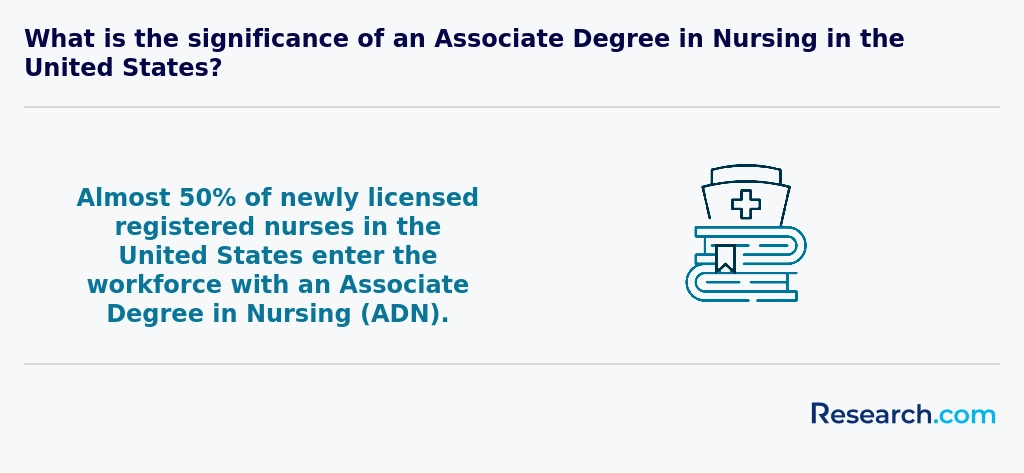
When pursuing a nursing degree in Rhode Island, students engage in a carefully structured curriculum that balances foundational science with specialized clinical training. Core coursework typically includes:
- Anatomy & Physiology I & II: Building blocks of human biology essential for all nursing interventions.
- Microbiology & Pathophysiology: Understanding disease processes and infection control in healthcare settings.
- Pharmacology for Nursing: Safe medication administration, dosage calculations, and drug mechanism studies.
- Health Assessment & Clinical Skills: Mastering patient interview techniques, vital signs, and physical examination.
- Adult Medical-Surgical Nursing: Managing acute and chronic conditions in adult populations through evidence-based practice.
- Maternal-Child & Pediatric Nursing: Caring for women and children across the lifespan, from prenatal to pediatric wellness.
- Psychiatric Mental Health Nursing: Addressing behavioral health, therapeutic communication, and crisis intervention.
- Community & Public Health Nursing: Promoting population health, disease prevention, and health education in diverse communities.
- Leadership, Management & Ethics: Developing decision-making, team coordination, and professional accountability.
- Research Methods & Evidence-Based Practice: Translating clinical research into quality patient care improvements.
- Simulation Lab & Clinical Practicum: Hands-on rotations in hospitals, clinics, and long-term care facilities under expert supervision. These courses are sequenced to reinforce theoretical knowledge with real-world application, preparing graduates for the NCLEX-RN exam and seamless entry into nursing roles. Students seeking to accelerate their clinical expertise and advance into doctoral practice can explore the accelerated dnp online pathway, which condenses advanced pharmacology, leadership, and policy courses into a streamlined format. By the end of the program, Rhode Island nursing graduates emerge with a robust skill set, ready to deliver compassionate, evidence-based care across a range of healthcare settings.
Nursing degree programs in Rhode Island offer a well-rounded course lineup designed to build confidence and competence. Students at top institutions like the University of Rhode Island engage deeply with core sciences-anatomy, physiology, microbiology, and chemistry-which provide a solid foundation for understanding human health and disease. Graduates often recall how these early classes felt challenging but rewarding, fueling their passion for patient care.
As students progress, nursing-specific subjects such as pharmacology, nursing ethics, health assessment, and pathophysiology become central. These courses prepare future nurses to think critically and respond compassionately in real-world situations. Many share memories of hands-on lessons that sparked their sense of responsibility and made the complexity of nursing come alive.
Practical clinical training is a highlight, with courses covering adult and pediatric nursing, mental health, maternity care, and community health. At institutions like Rhode Island College, simulation labs offer immersive and supportive environments where students practice lifesaving skills before stepping into hospitals. This blend of knowledge and experience empowers students and nurtures a genuine readiness to make a difference.
Nursing degree specializations in Rhode Island offer students enriching paths to impact their communities through healthcare. Graduates from institutions like the University of Rhode Island and Rhode Island College often highlight how areas such as Medical-Surgical Nursing allow them to provide compassionate adult care in dynamic hospital settings. Others find their calling in Pediatric Nursing, supporting the health of children with warmth and dedication.
Many students are inspired by the growing need for Geriatric Nursing, where they care for Rhode Island's vibrant senior community, or Mental Health Nursing, addressing vital behavioral health challenges. Those pursuing advanced degrees discover rewarding specializations like Family Nurse Practitioner or Neonatal Nursing, gaining hands-on experience through collaborations with local hospitals.
Choosing the right specialty shapes a fulfilling career and connects you with diverse opportunities. The state's nursing programs encourage exploration, helping you find your unique path. If you're looking for inspiration beyond Rhode Island, consider checking out the best north carolina lpn program for additional perspectives on nursing education.
Choosing the best nursing degree in Rhode Island starts with finding a program that matches your personal goals and lifestyle. Many graduates from the University of Rhode Island and Rhode Island College share how accreditation and strong clinical partnerships with local hospitals gave them confidence and hands-on experience that truly prepared them for success. Imagine yourself gaining essential skills at renowned facilities like Rhode Island Hospital, building the foundation for a fulfilling nursing career.
Affordability plays a key role, too. Many affordable nursing colleges in Rhode Island offer financial aid options that lighten the cost, making education accessible without compromising quality. Graduates often highlight the supportive environment and flexible program lengths-ranging from two-year ADN paths to full BSN degrees-which empowered them to balance work and study effectively.
If you seek to accelerate your journey, consider exploring programs with options such as the accelerated dnp online. This flexibility has helped many Rhode Island students advance quickly toward leadership roles or nursing specialties, truly transforming their futures.
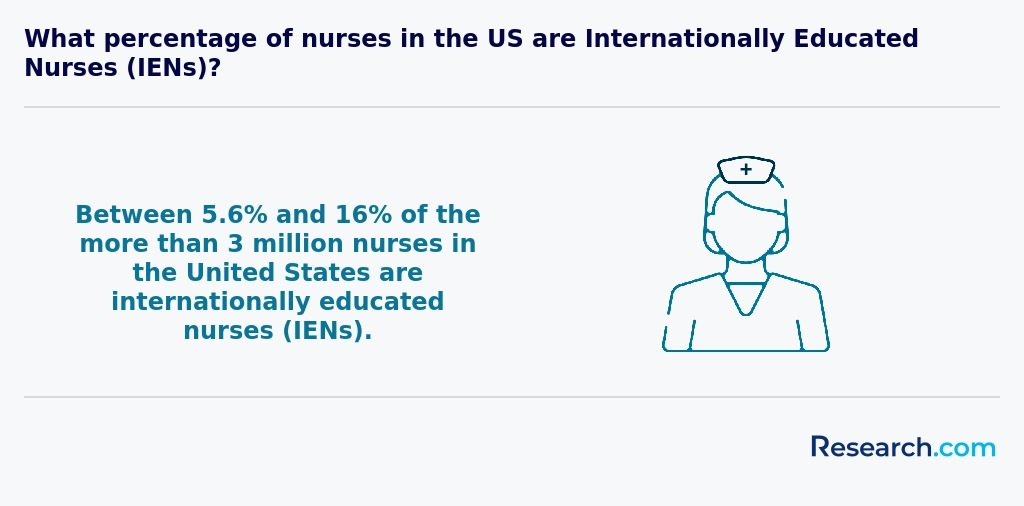
Nursing graduates in Rhode Island enjoy diverse career paths thanks to the state's thriving healthcare system. Many begin their journeys as registered nurses in renowned local hospitals and clinics, gaining hands-on experience that builds confidence and compassion. Graduates from prominent programs at universities like the University of Rhode Island share how their training empowered them to work in pediatric and geriatric nursing, serving both children and the elderly with dedication and care. These roles provide rewarding opportunities to make a real difference in patients' lives.
For those seeking to grow further, advanced roles such as Nurse Practitioners or Clinical Nurse Specialists offer a chance to lead and innovate in healthcare. Nurses often find fulfilling work in emergency care or psychiatric nursing at Rhode Island's major medical centers. The variety ensures that every graduate can find a niche that inspires and motivates them daily. Exploring nursing career opportunities in Rhode Island leads to professional growth supported by a community passionate about health.
Financially, while nursing programs can vary in cost, aspiring nurses can explore affordable options by checking resources like the Low Cost Nursing Degree Programs Ranking in Washington. This helps make the dream of becoming a nurse accessible and attainable without compromising quality education or career prospects.
The nursing job outlook in Rhode Island is exceptionally promising, fueled by the state's growing healthcare needs and an expanding aging population. Graduates from renowned institutions such as the University of Rhode Island and Rhode Island College consistently find rewarding employment in hospitals, outpatient centers, and community health services. Many new nurses share inspiring stories of quickly securing positions within prominent healthcare systems like Lifespan and Care New England, where they gain diverse experience and build fulfilling careers.
Rhode Island nursing employment opportunities are especially abundant in primary care and preventive health, reflecting a statewide commitment to expanding access. Nurses enjoy upward mobility as advanced practice roles grow in demand, making it an exciting time for those entering the field. The average salary around $77,000 further reinforces the appeal of pursuing nursing locally.
Students exploring nursing paths often combine their education with practical training and may also consider specialized one year graduate programs to accelerate their careers. This robust job market makes investing in a Rhode Island nursing degree a wise and uplifting choice.
2027 Most Valuable Nursing Degree Programs Ranking in Rhode Island
Investing in your education is a significant decision that can have a lasting impact on your future, and the Research.com team recognizes the importance of helping you make well-informed choices. To support prospective students in Rhode Island, we have carefully developed the "2027 Most Valuable Nursing Degree Programs Ranking in Rhode Island." Our dedication to quality, credibility, and accuracy is demonstrated through thorough research and analysis carried out to produce this ranking. We utilized the following reputable data sources to ensure a comprehensive assessment of nursing degree programs:
By reviewing this ranking, readers will gain valuable insights into the most valuable nursing degree programs available in Rhode Island, enabling them to make confident and informed decisions about their educational paths. For more information on our ranking process, please visit our
Research.com methodology page
.


Frequently Asked Questions About nursing
Nursing degree students in Rhode Island can maximize their learning experience by actively engaging in both clinical and academic opportunities. Rhode Island offers access to top healthcare facilities, such as the Lifespan health system, where students gain hands-on experience critical for skill development. Participating in internships and clinical rotations amplifies practical knowledge, which is essential for passing the NCLEX-RN exam and obtaining state licensure. According to the Rhode Island Board of Nursing, practical experience improves job readiness upon graduation.
Students should also take advantage of available academic support services and join nursing student organizations to network and grow professionally. Staying updated with Rhode Island's healthcare trends and continuing education workshops benefits long-term career success.
The nursing field in Rhode Island is evolving with several emerging niches aimed at addressing specific healthcare needs. One growing area is gerontological nursing, reflecting the state's increasing elderly population. According to the Rhode Island Department of Health, the number of residents aged 65 and older is expected to rise significantly by 2030, creating demand for nurses specialized in elderly care.
Another expanding niche is telehealth nursing. The COVID-19 pandemic accelerated the adoption of remote healthcare services in Rhode Island, and nurses trained in telehealth technologies are becoming essential to provide virtual patient care efficiently.
Additionally, pediatric nurse practitioners and mental health nurses are in higher demand, responding to an increased focus on childhood development and behavioral health challenges. These specialties offer promising career paths for nursing students in Rhode Island.
Preparing for the job market after completing a nursing degree in Rhode Island involves several key steps. First, graduates must pass the NCLEX-RN exam to become licensed registered nurses in the state. Rhode Island's Department of Health manages licensure and offers resources to help candidates through the process.
Networking is essential; joining local organizations like the Rhode Island Nurses Association can provide valuable connections and job leads. Additionally, gaining clinical experience through internships or residencies enhances employability. According to the U.S. Bureau of Labor Statistics, Rhode Island expects a 12% growth in nursing jobs through 2030, indicating strong demand.
Employers in Rhode Island prioritize several key skills when hiring nursing degree graduates. Strong clinical competence is essential, requiring graduates to demonstrate proficiency in patient care, medical procedures, and medication administration. Effective communication skills are also highly valued, as nurses must interact clearly with patients, families, and healthcare teams.
Critical thinking and problem-solving abilities are important for handling complex medical situations and making quick decisions. According to the Rhode Island Department of Labor and Training, teamwork skills rank among the top requested traits in healthcare job postings.
Additionally, adaptability is crucial due to the fast-paced nature of healthcare environments in the state's hospitals and clinics. Finally, knowledge of electronic health records (EHR) systems is increasingly necessary, as digital documentation becomes standard in Rhode Island's healthcare facilities.
Finding nursing internships in Rhode Island involves leveraging local healthcare providers and educational institutions. Many nursing programs, such as those at the University of Rhode Island and Rhode Island College, offer direct internship placements or partnerships with hospitals. The Rhode Island Department of Health states that internships often occur in major hospitals like Rhode Island Hospital and Miriam Hospital, which serve as prime clinical sites for nursing students.
Students should also explore state resources such as the Rhode Island Nursing Education Center, which connects students to available clinical internships. Networking through professional nursing associations in the state can provide additional leads. Internships typically range from 100 to 300 hours, gaining hands-on experience aligned with licensing requirements.
Obtaining a nursing degree in Rhode Island significantly enhances career mobility and advancement opportunities. Registered nurses (RNs) with a bachelor's degree (BSN) have access to higher-paying roles and leadership positions compared to those with an associate degree (ADN). According to the Rhode Island Department of Labor and Training, BSN-prepared nurses earn on average 15% more and face lower unemployment rates.
Advanced degrees, such as a Master of Science in Nursing (MSN), enable specialization in areas like nurse practitioner or nurse educator roles. These positions are in demand across Rhode Island's healthcare systems, offering greater job security and upward mobility. The state's focus on improving healthcare outcomes also drives employers to prefer higher-educated nursing staff.
Overall, nursing degrees in Rhode Island serve as a key stepping stone to expanded responsibilities and better compensation.
Studying for a nursing degree in Rhode Island offers strong preparation for interdisciplinary roles by emphasizing collaborative healthcare education. Nursing programs across the state integrate coursework that fosters teamwork among nurses, physicians, social workers, and other health professionals. This reflects the reality of Rhode Island's healthcare system, where coordinated care is critical due to an aging population and rising chronic conditions, according to the Rhode Island Department of Health.
Rhode Island nursing schools often include simulation labs and clinical experiences in diverse settings, allowing students to practice communication and problem-solving within interdisciplinary teams. Programs may also feature joint classes or projects with allied health disciplines. These experiences develop skills that are essential in modern healthcare environments, enhancing graduates' readiness to contribute effectively within integrated care models.
Choosing between a thesis and a non-thesis nursing degree program in Rhode Island depends on your career goals and learning preferences. Thesis programs typically focus on research, requiring students to complete a substantial research project. This path suits those interested in academic roles, advanced research, or pursuing a PhD.
Non-thesis programs emphasize practical skills and clinical experience, preparing students directly for nursing practice or leadership roles. According to the Rhode Island Board of Nursing, over 60% of nursing graduates in the state enter clinical positions immediately after graduation.
Consider your time commitment as thesis options usually take longer due to research demands. Additionally, investigate specific programs offered by Rhode Island institutions like the University of Rhode Island or Rhode Island College, as offerings and support may vary significantly.
Students based in Rhode Island interested in studying nursing abroad have several pathways aligned with U.S. higher education standards. Many accredited nursing programs in Rhode Island, such as those at the University of Rhode Island, offer study abroad partnerships with institutions in countries like the United Kingdom and Ireland. These programs allow students to gain clinical experience and academic credit overseas.
Additionally, students can consider international nursing degrees that are regionally accredited and recognized by the Commission on Collegiate Nursing Education (CCNE), ensuring eligibility for the NCLEX-RN licensing exam upon return to the U.S.
According to the Rhode Island Department of Health, the state requires all nurses to graduate from approved programs, making it crucial that abroad programs meet these standards before enrollment.
Part-time job opportunities in Rhode Island that complement nursing degree education often include roles such as certified nursing assistant (CNA), medical assistant, and patient care technician. These positions provide hands-on patient care experience that enhances classroom learning. According to the Rhode Island Department of Labor and Training, CNAs earn an average hourly wage of around $15, making this a practical option for students seeking income while gaining relevant skills.
Hospitals and long-term care facilities in Rhode Island frequently offer flexible shifts for part-time workers, aligning well with nursing students' schedules. Additionally, some clinics and home health agencies hire part-time aides.
Volunteering in health outreach programs or community clinics also helps build practical experience without formal employment. These roles support resumes and foster professional networking within Rhode Island's healthcare community.
Nursing students in Rhode Island benefit from a variety of networking opportunities designed to support their professional growth. The Rhode Island Nurses Association (RINA) offers events, webinars, and conferences where students can meet licensed nurses and healthcare leaders. Membership in RINA provides access to mentorship programs and career resources tailored for nursing students.
Additionally, many nursing programs in Rhode Island, including those at the University of Rhode Island and Providence College, collaborate with local hospitals for clinical placements. These connections help students build professional relationships within healthcare settings, which can lead to internships, job offers, and strong references.
State-level career fairs and nursing student organizations also facilitate networking by linking students with practicing nurses and employers in Rhode Island's healthcare system.
Alumni networks provide significant benefits to nursing degree students in Rhode Island by fostering professional connections and mentorship opportunities. Graduates often share job openings within local hospitals and clinics, supporting new nurses' entry into Rhode Island's healthcare workforce. According to the Rhode Island Center for Nursing, about 70% of nursing graduates find employment through networking.
These networks also offer access to continuing education resources and workshops, helping students stay updated on evolving clinical practices. Strong alumni relationships can ease job placements in prominent Rhode Island medical centers such as Rhode Island Hospital and Miriam Hospital, enhancing career prospects immediately after graduation.
Customizing a nursing degree program in Rhode Island to match your career goals begins with selecting the right specialization. Many state colleges, like Rhode Island College, offer tracks such as family nurse practitioner or psychiatric nursing, aligning with specific healthcare fields. Additionally, students can often choose elective courses focused on gerontology, pediatrics, or community health, which are in high demand locally.
Practical experience options, including clinical rotations at Rhode Island hospitals or community centers, allow students to gain hands-on skills in their area of interest. According to the Rhode Island Department of Labor, registered nurses earn an average annual wage of about $81,000, so tailoring your education can enhance your job prospects and salary potential.
Nursing students in Rhode Island commonly face several challenges related to the intensity of their academic programs. The demanding course load combines rigorous science classes with clinical practice, requiring strong time management skills. According to the Rhode Island Board of Nursing, clinical placements can be competitive, sometimes limiting hands-on experience opportunities.
Financial stress is another significant issue. The average yearly cost for nursing programs in Rhode Island ranges from $8,000 to over $20,000, depending on the institution and program type, as reported by the Rhode Island Department of Education. Balancing work and studies adds to the pressure.
Furthermore, adapting to evolving healthcare technologies and maintaining mental wellness amid high stress levels are common concerns among students.
With a nursing degree in Rhode Island, graduates can pursue several professional certifications to advance their careers. The most common initial certification is the Licensed Practical Nurse (LPN) or Registered Nurse (RN) license, required to practice in the state. Beyond this, nurses can seek specialty certifications such as the Certified Nurse Assistant (CNA), Certified Clinical Nurse Specialist (CNS), or certifications in areas like pediatrics, geriatrics, and critical care.
Advanced practice nurses may pursue certifications for Nurse Practitioners (NP), Nurse Anesthetists (CRNA), or Nurse Midwives (CNM). According to the Rhode Island Department of Health, holding these certifications can significantly improve job prospects and salaries within the state's healthcare system.
These certifications generally require passing exams from nationally recognized bodies such as the American Nurses Credentialing Center (ANCC) or the National Council of State Boards of Nursing (NCSBN).
To write a winning application for a nursing program in Rhode Island, start by carefully reviewing each program's specific requirements. Many schools, such as the University of Rhode Island and Rhode Island College, emphasize strong academic performance, especially in biology and chemistry. Aim for a cumulative GPA of at least 3.0 to remain competitive.
Highlight any healthcare-related experience in your application, including volunteering or work in clinical settings, as Rhode Island employers and educators value practical exposure. Prepare a well-crafted personal statement demonstrating your motivation for nursing and understanding of the profession.
Request letters of recommendation from instructors or healthcare professionals who can attest to your dedication and skills. Additionally, some programs require standardized test scores like the TEAS; check for up-to-date admission criteria.
Meeting all deadlines and submitting complete documentation is crucial. According to the Rhode Island Board of Nursing, applicants with thorough, well-organized applications have a higher chance of acceptance into reputable nursing schools.
The global view of a nursing career highlights it as a vital and respected profession with increasing demand. In the United States, including Rhode Island, nurses are essential to healthcare delivery and public health. According to the U.S. Bureau of Labor Statistics, registered nursing jobs in Rhode Island are projected to grow steadily through 2030, reflecting national trends.
Internationally, nursing is recognized for its role in improving community health and managing chronic diseases. Many countries face nursing shortages, creating global opportunities for skilled nurses. Rhode Island graduates often benefit from this demand due to the state's strong focus on nursing education and clinical training.
Globally, the profession emphasizes cultural competence and adaptability, skills that Rhode Island nursing programs increasingly integrate to prepare students for diverse healthcare settings.
Students pursuing nursing degrees in Rhode Island can gain practical experience through clinical placements, which are a required part of accredited nursing programs. These placements take place in hospitals, community health centers, and long-term care facilities across the state. For example, Rhode Island Hospital and The Miriam Hospital commonly serve as clinical sites for nursing students.
The Rhode Island Board of Nursing emphasizes supervised hands-on training to ensure students meet competency standards. Many programs also encourage participation in simulation labs that use advanced technology for skill practice.
Additionally, some institutions offer internships or partnerships with local healthcare providers, increasing access to real-world nursing environments. According to the Rhode Island Department of Labor, Rhode Island supports such experiential learning to help students transition smoothly into nursing roles.
Choosing the right concentration within a nursing degree program in Rhode Island begins with understanding local healthcare needs and job market trends. Rhode Island's healthcare sector, according to the Rhode Island Department of Labor and Training, shows strong demand for registered nurses with specialties in gerontology, pediatrics, and critical care. Prospective students should evaluate their interests alongside these opportunities to maximize career potential.
Additionally, consider program offerings at state schools such as the University of Rhode Island or Rhode Island College, which provide various nursing tracks. Researching licensure requirements and certification opportunities relevant to each concentration can also guide your decision. Practical experience via clinical placements in Rhode Island hospitals complements academic choices, enhancing employability.
- 2027 Most Valuable Online Nursing Degree Programs Ranking in Massachusetts
- 2027 Most Valuable Online Nursing Degree Programs Ranking in Connecticut
- 2027 Most Valuable Online Nursing Degree Programs Ranking in New York
- 2027 Most Valuable Online Nursing Degree Programs Ranking in New Jersey
- 2027 Most Valuable Online Nursing Degree Programs Ranking in Pennsylvania
- 2027 Most Valuable Online Nursing Degree Programs Ranking in Virginia
- 2027 Most Valuable Online Nursing Degree Programs Ranking in Ohio
- 2027 Most Valuable Online Nursing Degree Programs Ranking in Kentucky
- 2027 Most Valuable Online Nursing Degree Programs Ranking in North Carolina
- 2027 Most Valuable Online Nursing Degree Programs Ranking in South Carolina
See What Experts Have To Say About Studying Nursing
Read our interview with Nursing experts


- Scholarships https://www.chartercarefoundation.org/scholarships.html
- How to Choose a Nursing Program | All Nursing Schools https://www.allnursingschools.com/how-to-get-into-nursing-school/choose-the-right-school/
- Do I Have to Write a Thesis to Complete a Master’s Degree in Nursing? https://www.bestmasterofscienceinnursing.com/faq/write-thesis-complete-masters-degree-nursing/
- Client Challenge https://www.springerpflege.de/nursing-graduates-perceived-future-career-pathway-and-career-shi/50653658
- The Nurses' Alumni Association https://giving.mainlinehealth.org/get-involved/auxiliaries-and-womens-boards/lankenau-medical-center-womens-board/the-nurses-alumni-association
- Working While in Nursing School: 25 Ways to Make Money as a Nursing Student https://credenzahealth.com/career-advice/working-while-in-nursing-school-25-ways-to-make-money-as-a-nursing-student
- 10 Nursing Fields That Are Growing in Demand https://promedcert.com/blog/10-nursing-fields-that-are-growing-in-demand
- How to Choose the Right Nursing Program for Your Career Goals - Maria College https://mariacollege.edu/blog/how-to-choose-the-right-nursing-program-for-your-career-goals
- What Are the Best Jobs to Work While in Nursing School? https://www.dewv.edu/what-are-the-best-jobs-to-work-while-in-nursing-school/
- Nursing Internship and Externship Programs https://jobs.mayoclinic.org/nursinginternexternprograms


