
2027 Most Valuable Online Music Education Degree Programs Ranking in the Midwest

Co-Founder and Chief Data Scientist
Choosing the right music education degree program can feel overwhelming, especially when balancing your goals and budget. To help Midwest students navigate this, we present the 2027 Most Valuable Online Music Education Degree Programs Ranking in the Midwest, created by the Research.com team of data scientists.
This article offers clear, data-driven insights so you can confidently explore programs that truly deliver value.
Pursuing a music education degree brings creative fulfillment and exciting career possibilities. Discover which programs align best with your passion and future plans.
Key benefits of getting online music education degree in the Midwest
- Music education graduates in the Midwest typically enjoy rewarding careers, with entry-level music teachers earning an average of approximately $45,000 per year nationwide, providing financial stability while doing what they love.
- A graduate from a respected Midwest university often pursues diverse roles, such as school music teacher, private instructor, or community arts coordinator, offering flexibility and fulfillment in their career path.
- Online music education degrees allow students to balance studies with personal commitments, as seen by graduates from prominent Midwestern schools who praise the convenience and interactive learning without sacrificing quality.
What can I expect from online music education degree in the Midwest?
When exploring the cost of an online music education degree in the Midwest, many students find a pleasantly surprising affordability. Public universities in states like Indiana, Wisconsin, and Minnesota often offer tuition rates well below national averages, especially for residents. Graduates frequently share stories of managing their budgets while staying immersed in rich musical experiences without the burden of overwhelming debt.
One student from a respected Midwestern college recalls balancing part-time work with studies, taking advantage of scholarships aimed specifically at music education majors. This financial support made the journey feel more like an inspired adventure than a stressful obligation.
Typical tuition might range from moderate in-state rates to slightly higher out-of-state fees, but compared to many private programs, the difference is clear. The combination of competitive pricing, financial aid, and flexible online formats makes these degrees accessible without sacrificing quality-creating a hopeful pathway for future music educators eager to explore their passion.
Where can I work with online music education degree in the Midwest?
Graduates with an online music education degree in the Midwest often dive into vibrant careers as music educators in both public and private schools. Imagine leading a lively high school band in Illinois or directing a choir in Ohio-these opportunities are abundant, with about 20% of all K-12 music teachers nationwide teaching in this region. Many graduates from the University of Michigan or Indiana University cherish the chance to bring fresh, digital music tools into classrooms, making learning exciting and modern.
Some alumni find joy working with young children in early childhood education centers, nurturing their first musical experiences in supportive environments. Others embrace the dynamic world of community arts organizations or youth orchestras, where outreach programs allow them to connect with diverse groups and spark a love for music beyond traditional schools.
For those seeking leadership, roles in curriculum development or music administration within school districts and nonprofits offer rewarding paths with growth potential. Meanwhile, private studios in Chicago or Minneapolis offer entrepreneurial graduates the thrill of building personal teaching careers, fueled by thriving urban cultures and digital connectivity.
How much can I make with online music education degree in the Midwest?
Graduates holding an online music education degree in the Midwest often find rewarding career opportunities with salaries that reflect the vibrant educational landscape of the region. Teaching at the secondary school level in states like Illinois, Ohio, and Michigan typically offers annual earnings between $45,000 and $60,000. Many graduates from well-known Midwestern institutions pursuing online degrees celebrate starting salaries around $54,000 to $58,000, finding joy in connecting with students while earning a stable income.
For example, those teaching in Ohio's high schools report median salaries near $58,000, just enough to enjoy local culture and an active musical community. Some explore private instruction, charging $25 to $60 per hour, turning passion into flexible income streams. Others broaden their horizons by enrolling in advanced online programs offered by regional universities, boosting their pay to $65,000 or more.
With dedication and embracing the unique opportunities of the Midwest, graduates not only earn wages reflecting their skills but also experience the vibrant, supportive environments found in local schools and community programs.
- Key benefits of getting online music education degree in the Midwest
- What can I expect from online music education degree in the Midwest?
- Where can I work with online music education degree in the Midwest?
- How much can I make with online music education degree in the Midwest?
- How do we rank schools?
- 2027 Most Valuable Online Music Education Degree Programs Ranking in the Midwest
- What online music education degree graduates have to say
- Key Findings
- How long does it take to complete online music education degree in the Midwest?
- What's the difference between online and on-campus music education degree?
- What is the average cost of online music education degree in the Midwest?
- What financial aid is available to online music education degree students in the Midwest?
- What are the prerequisites for enrolling in online music education degree program in the Midwest?
- What courses are typically in online music education degree programs in the Midwest?
- What types of specializations are available in online music education degree programs in the Midwest?
- How do you choose the best online music education degree in the Midwest?
- What career paths are available for online music education degree students in the Midwest?
- What is the job market for online music education degree in the Midwest?
- Frequently Asked Questions About music education
- Top Trending Music Education Rankings
How do we rank schools?
Investing in your education is a significant decision that can profoundly impact your future, and the Research.com team recognizes the importance of making well-informed choices. To support prospective students in the Midwest, we have carefully developed the "2027 Most Valuable Online Music Education Degree Programs Ranking in the Midwest." Our dedication to quality, credibility, and accuracy is demonstrated through rigorous research and analysis carried out to assemble this ranking.
We utilized the following reputable data sources to ensure a thorough evaluation of online music education programs:
By reviewing this ranking, readers will gain critical insights into the most valuable online music education degree options in the Midwest, empowering them to make confident decisions about their academic and professional journeys. For a deeper understanding of how we create our rankings, please visit the Research.com methodology page.
2027 Most Valuable Online Music Education Degree Programs Ranking in the Midwest
# 1 position
University of Missouri
Master
The University of Missouri offers a 24-month Master's program focused on Education, featuring an open admission policy with a 78% acceptance rate. The program has a 75% graduation rate, indicating strong student success. The average total cost is $14,176, and financial aid is widely accessible, with 97% of students receiving support, reflecting a high level of aid for enrollees.
# 2 position

The University of Northern Iowa offers a Master's program in Education with a 24-month duration. The program has an open admission policy, accepting 93% of applicants. It supports a large online student body of 3,800 and features a graduation rate of 68%. The average total cost is $17,061, and 84% of students receive high levels of financial aid, making it accessible to many candidates.
# 3 position
Kent State University
Master
Kent State University offers a Master's program focused on Education with an open admission policy, accepting 86% of applicants. The program has a graduation rate of 64%, indicating a solid completion record. Nearly all students (97%) benefit from high levels of financial aid. The online student enrollment is significant, with 21,270 students pursuing studies remotely.
# 4 position

Northern State University offers a Master's program focused on Fine Arts with an open admission policy, accepting 93% of applicants. The program has a graduation rate of 49%, indicating that nearly half of students complete their studies. The average total cost is $14,216, and the institution provides a high level of financial aid, with 98% of students receiving assistance. There are 3,662 online students enrolled in this program.
What online music education degree graduates have to say
- Lena: Enrolling in the University of Iowa's online music education program was transformative. The flexible schedule let me balance family and studies while gaining deep theoretical knowledge paired with practical skills. The supportive faculty made me confident to advance my career in music education across the Midwest.
- Marcus: Western Michigan University's online degree amazed me with its interactive courses and diverse musical styles. I loved collaborating virtually with peers and professors who inspired creativity. This experience enriched my teaching methods and opened doors to new professional opportunities in community music programs.
- Ashley: The Ohio State University online music education program provided rigorous training and real-world application. Their innovative technology simulating classroom environments helped me thrive despite distance. I felt truly connected and equipped to lead as a passionate music educator wherever I go in the Midwest.
Key Findings
- Tuition for online undergraduate music education programs in the Midwest ranges from $10,000 to $25,000 per year, with public universities generally offering lower rates than private institutions.
- Early-career music educators in the Midwest earn between $40,000 and $50,000 annually, with salaries rising to $60,000 to $70,000 for experienced teachers in larger districts or higher education.
- The job market for music teachers in the Midwest is expected to grow about 3% over the next decade, mainly in public elementary and secondary schools.
- Additional job opportunities exist in private music schools, community centers, and online teaching platforms outside traditional public schools.
- Many online programs in the region follow accreditation standards from NASM and regional agencies, including supervised field experiences or student teaching arranged locally.
How long does it take to complete online music education degree in the Midwest?
For those exploring associate degrees-a path some graduates choose as a gateway or fresh start-two years often suffice. It's a quick, focused journey to gain fundamental expertise or jumpstart a career in music education. Meanwhile, graduates with prior bachelor's degrees frequently find one to two years in accelerated or bridge programs to be an intense but rewarding rhythm to deepen their knowledge.
Flexibility is a standout perk for Midwestern online students balancing life and learning. Year-round courses or accelerated sessions help some finish faster, while others take a gentler pace, welcoming more time for family or work. This adaptability transforms learning into a uniquely personal and fulfilling experience.
What's the difference between online and on-campus music education degree?
Exploring the world of music education in the Midwest reveals some exciting contrasts between online and on-campus programs. Imagine a University of Michigan graduate reminiscing about lively rehearsals and instant feedback from professors, all happening face-to-face in sprawling campus halls. That hands-on, immersive environment creates a vibrant community where ensemble work fuels growth and creativity.
On the flip side, consider an Indiana University Bloomington graduate who embraced the flexibility of an online degree, balancing work and studies with virtual lessons streamed straight to their living room. The digital format invites students to craft their own schedules, an appealing rhythm for those juggling careers or distant from campus life.
Cost also plays its part in the adventure. While in-state on-campus tuition hovers around $10,000 to $15,000 annually, online students often enjoy discounts up to 20%, sparking excitement about affordable access. Still, they navigate challenges like acquiring instruments and ensuring stable internet for seamless rehearsals.
Both paths honor rigorous standards through NASM accreditation, ensuring that whether under bright stage lights or behind a screen, every student hones their craft with dedication.
What is the average cost of online music education degree in the Midwest?
The typical journey to obtaining an online music education degree in the Midwest often involves a median total cost of around $14,208. This figure captures the balanced affordability that many graduates fondly recall, especially when reflecting on how their education opened doors to hands-on music teaching and creative exploration without overwhelming financial stress. For Midwest students, this cost represents a sweet spot between quality instruction and manageable expenses, allowing them to focus on mastering their craft while enjoying the flexibility of online study.
Graduates from institutions like the University of Nebraska at Kearney often highlight how their programs combined affordable tuition with access to rich digital resources and virtual ensemble experiences, creating an enriching environment. Students living in the Midwest appreciate how tuition and fees for online music education programs Midwest generally stay accessible, particularly at public universities where in-state rates reduce economic barriers.
When budgeting for your degree adventure, think beyond tuition alone-technology fees, instrument rentals, and course materials may add layers to your expenses. Yet many find that the financial aid specifically tailored for music education majors softens the overall investment. Curious learners looking to blend music and pedagogy can also discover innovative offerings by exploring fields related to instructional design, which complement traditional music education beautifully.
What financial aid is available to online music education degree students in the Midwest?
Imagine a passionate music student at a renowned Midwestern university discovering that their online music education degree is more affordable than expected. Many students find their path eased by federal aid through FAFSA, unlocking Pell Grants worth up to $7,395 annually, or low-interest federal loans that cover much of the tuition.
Graduates from institutions like Indiana University or University of Michigan often recall the thrill of receiving merit-based scholarships that celebrated both their academic achievements and musical talents. These scholarships feel like a personal cheer from their schools, making studies not just possible but enjoyable.
State programs add an exciting layer: Michigan's Tuition Grant supports private college attendees, Illinois offers the MAP grant to a broad range of students, and Ohio's College Opportunity Grant empowers online learners to pursue their dreams with less financial strain.
On top of that, organizations like the National Association for Music Education provide scholarships that feel like discovering hidden gems, encouraging continued growth and connection in the music community.
What are the prerequisites for enrolling in online music education degree program in the Midwest?
Many graduates remember the balancing act of proving their academic base-either a high school diploma for undergraduates or a relevant bachelor's for master's applicants. At institutions such as the University of Iowa, students faced music theory placement tests, which sparked curiosity and a deeper connection with the subject from day one.
Equally crucial is tech savvy; thriving online means mastering digital tools and having reliable internet access, turning home spaces into vibrant learning studios. Letters of recommendation and personal statements tell your story, sharing the spark that drives your musical dreams. These prerequisites together create an inviting yet rigorous gateway into the Midwest's vibrant world of music education.
What courses are typically in online music education degree programs in the Midwest?
Diving into an online music education degree in the Midwest unlocks a vibrant mix of courses that shape both your musical skills and teaching toolkit. Imagine yourself exploring Music Theory and Ear Training, where you deepen your grasp of harmony and rhythm, much like graduates from popular Midwestern colleges find excitement in mastering the language of music. Alongside, Music History takes you on a thrilling journey from Baroque to modern sounds, enriching your appreciation for diverse styles.
Students across institutions such as those in Ohio and Michigan often share how Conducting Techniques help them confidently lead ensembles-even from a distance. Courses like Music Technology introduce digital tools that spark creativity, allowing you to compose or teach with cutting-edge software. Personal stories from graduates highlight how Psychology of Music Learning clarifies how students absorb musical skills, making lesson planning more intuitive.
Core offerings like Applied Music Lessons and Curriculum Development empower learners to design engaging material for diverse classrooms, preparing you for the rewarding challenge of education in vibrant Midwestern communities.
What types of specializations are available in online music education degree programs in the Midwest?
Diving into online music education specializations Midwest programs reveals exciting choices built to match diverse passions. Graduates from schools like the University of Nebraska Omaha share stories of mastering instrumental music education, where they not only learned teaching techniques for piano and brass but also gained confidence leading youth orchestras. Others found their calling in vocal music education, honing skills in choir direction and voice pedagogy, ideal for those eager to inspire community choirs or school ensembles.
Explorers of Midwest music degree program concentrations often discover music technology as a thrilling avenue. Here, digital creativity meets education-students experiment with recording software and electronic instruments, preparing to bring innovation to modern classrooms. At Illinois State University, graduates express joy in shaping young learners' early musical journeys through early childhood music education, combining play and pedagogy in ways that brighten days and cultivate talent.
For those drawn to composition and theory, these programs unlock the ability to compose original works and teach advanced music concepts, opening doors to unique academic and creative pursuits. Many students appreciate that alongside these specializations, some universities also offer certification tracks, helping them qualify for state teaching licenses. Those curious about advancing even further might explore a doctorate of education to deepen their expertise and impact.
How do you choose the best online music education degree in the Midwest?
Choosing the best online music education degree in the Midwest feels like setting off on a unique journey where accreditation guides your path. Graduates from popular colleges here often share how ensuring their program was recognized by NASM or regional bodies gave them confidence employers respected their credentials. Imagine enrolling in a program where the curriculum covers everything from music theory to hands-on teaching practicums, preparing you for the vibrant classroom environments commonly found in the Midwest.
Cost can feel like a wild card, especially when comparing affordable music education programs Midwest offers. State universities often provide in-state tuition around $9,000 to $12,000 annually, while private options might stretch your budget. Many students find that online programs not only cut costs but also add flexibility-perfect for balancing life and study. Don't forget to explore financial aid, scholarships, and even specialized education doctoral programs without dissertation, which might open new doors.
Technology and career support also enrich your adventure. Picture working through courses on reliable platforms with asynchronous lessons, enabling smooth progress whether you're in bustling cities or quieter suburban areas of the Midwest. Successful alumni emphasize how career services helped them navigate licensure and job placement, essential for landing those rewarding public school teaching roles where state certification is mandatory.

What career paths are available for online music education degree students in the Midwest?
Graduates with an online music education degree in the Midwest find themselves on an exciting path filled with diverse opportunities. Many become licensed K-12 music teachers in states like Ohio and Illinois, where schools actively seek passionate educators from programs at well-known Midwestern universities. These graduates often share stories of excitement coaching school ensembles and leading vibrant music programs, enjoying both job stability and a salary range of $50,000 to $60,000.
Others embrace the entrepreneurial spirit by becoming private music instructors in dynamic cities such as Chicago and Minneapolis. These instructors appreciate the flexibility and the personal connection that comes from teaching one-on-one, often charging higher rates due to their formal education. This career path opens doors to balanced lifestyles and rewarding student progress.
For those drawn to academia or community work, opportunities abound as college music instructors or arts program coordinators. Some graduates pursue advanced studies online to unlock these doors. Additionally, careers connected to art therapy certification provide an adventurous alternative for applying music education creatively within communities.
The rich spectrum of online music education careers Midwest graduates consider reflects the broad value of their degree and training in their regional context.
What is the job market for online music education degree in the Midwest?
Graduates from popular Midwest universities often find that the job market for online music education degrees is both vibrant and welcoming. States like Illinois and Michigan, home to renowned programs, offer a variety of opportunities in public schools and community arts programs. Many alumni share stories of quickly landing roles as music teachers or private instructors, drawn by the region's appreciation for arts education and moderate cost of living.
Exploring online music education jobs in the Midwest reveals a landscape where educators not only teach but also innovate, developing curricula or coordinating local music initiatives. The demand extends beyond traditional schools, inviting graduates to engage with community centers and extracurricular settings where music enriches cognitive and emotional growth. This dynamic creates a rewarding career path filled with meaningful connections and creative freedom.
Understanding local certification and continuing education is crucial, and graduates from the Midwest often navigate these requirements with support from their institutions. For those wondering about career transitions, resources like the guide on moving from teacher to SLP prove invaluable in extending their professional horizons.
The Midwest job outlook for music education graduates continues to hold steady, inviting adventurous students to become part of vibrant educational communities while building fulfilling careers close to home.
Frequently Asked Questions About music education
Students pursuing online music education degrees in the Midwest can enhance their learning by actively engaging with interactive course materials and participating in virtual ensembles or workshops. The National Association for Music Education reports that collaboration and practical experience are vital for skill development in this field.
Midwestern universities often provide access to regional networks and local music events, which students should leverage for real-world experience. Additionally, setting consistent study schedules helps manage coursework alongside personal commitments effectively, a strategy endorsed by numerous education experts.
According to the Missouri Department of Elementary and Secondary Education, nearly 70% of music educators in the Midwest hold bachelor's degrees, underscoring the importance of accredited online programs.
The field of music education is expanding with several emerging niches that appeal to students pursuing online degrees in the Midwest. One growing area is music technology integration, where educators learn to incorporate digital tools like recording software and virtual instruments into classrooms. According to the National Association for Music Education, demand for these skills has increased by 20% over the last five years.
Another niche is community music education, focused on outreach programs and inclusive music teaching for diverse populations. In the Midwest, schools increasingly emphasize culturally responsive teaching to engage rural and urban communities.
Additionally, online music therapy education is gaining traction, with institutions offering specialized training to prepare professionals for mental health and wellness roles.
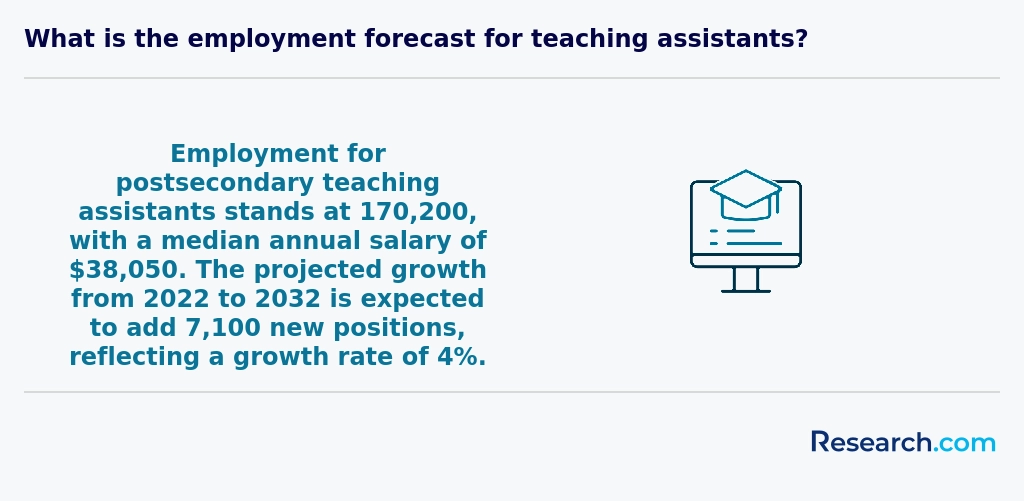
Graduates with an online music education degree in the Midwest can prepare for the job market by gaining relevant teaching experience through internships or substitute teaching positions. The U.S. Bureau of Labor Statistics projects a 4% growth for music teachers from 2022 to 2032, making practical experience essential for competitiveness. Networking with local schools and joining professional organizations like the National Association for Music Education can also open doors to job opportunities. Additionally, pursuing state teaching certification is crucial, as Midwest states require licensure for public school employment. Continuing professional development through workshops keeps skills current in a changing educational landscape.
Employers in the Midwest hiring graduates with online music education degrees seek a combination of practical and interpersonal skills. Strong proficiency in music theory and performance remains fundamental, supported by abilities to use digital tools for virtual teaching. According to the National Association for Music Education, adaptability in diverse classroom settings is highly valued.
Effective communication skills are essential, as music educators must engage students of varying skill levels across public and private institutions. Leadership and classroom management are also critical, with 67% of Midwestern school districts emphasizing these competencies in job listings, based on 2023 regional workforce reports.
Technological literacy, particularly familiarity with music notation software and online learning platforms, helps graduates succeed in increasingly digital education environments.
Finding internships for a music education degree in the Midwest involves strategic networking and leveraging university resources. Many Midwestern universities partner with local schools and community music programs to offer practical experience. The National Association for Music Education (NAfME) provides listings of internship opportunities and resources tailored to this field.
Students should also explore state education departments' websites, which often announce openings for music education internships, especially in Illinois, Ohio, and Michigan-states with strong music education programs. In addition, joining regional music education associations can increase internship prospects.
According to the U.S. Bureau of Labor Statistics, hands-on experience, such as internships, improves job placement rates by up to 20% for education graduates.
In the Midwest, earning an online music education degree can significantly enhance career mobility and advancement. Employers increasingly recognize the rigor of accredited online programs, which often include practical components like virtual student teaching and technology integration.
According to the National Center for Education Statistics (NCES), over 25% of music educators in the Midwest have pursued advanced credentials, frequently through online formats, correlating with higher salaries and leadership roles.
Graduates gain flexible access to licensure renewal and specialized training, allowing teachers to adapt in diverse school systems across states like Ohio, Illinois, and Michigan. This flexibility promotes relocation and career shifts within education settings.
Studying for a music education degree in the Midwest often includes strong interdisciplinary training, preparing graduates to work beyond traditional music classrooms. Programs emphasize collaboration with fields like technology, therapy, and general education. For example, many Midwestern universities integrate coursework in digital music production and special education, reflecting regional demand for versatile educators.
The Midwest hosts a significant portion of the nation's K-12 music teachers, with schools like the University of Michigan and Indiana University providing robust interdisciplinary frameworks, according to the National Association for Music Education. This equips students to engage with diverse learning needs and community outreach initiatives.
Such degrees promote skills in communication, adaptive teaching methods, and cultural awareness, which are essential in interdisciplinary roles. These aspects align with evolving job markets where music education intersects with other disciplines in academic and therapeutic settings.
Choosing between a thesis and a non-thesis music education degree program in the Midwest depends on your career goals and learning preferences. Thesis programs typically require original research and a written dissertation, preparing students for roles in academia or further graduate study. Non-thesis programs focus more on coursework and practical skills, ideal for professionals aiming to advance in teaching or administration.
The National Association for Music Education (NAfME) notes that Midwest schools often offer both options to meet diverse needs. In Illinois and Ohio, about 60% of music education programs are thesis-based, aligning with research-focused institutions.
Consider your interest in research, time commitment, and post-degree plans when choosing between these paths.
Students based in the Midwest seeking to study music education abroad often face limited direct options through US institutions. Most online music education degrees in the region focus on domestic programs, with international study typically requiring separate arrangements. However, some Midwestern universities partner with foreign conservatories or universities to offer study abroad components, allowing students to earn credits overseas while enrolled in their home program.
According to the National Association for Music Education, only 12% of Midwest music education programs incorporate formal international study opportunities as part of their curricula. Online students may also explore exchange programs or summer institutes abroad, though these are less common and often not fully integrated into online degree pathways.
It remains essential for prospective students to consult their institution's study abroad office and verify that international credits will transfer toward degree completion. For those prioritizing global experience, hybrid programs combining online coursework with short-term travel may provide the best balance.
Students pursuing an online music education degree in the Midwest can benefit from various part-time job opportunities that complement their studies. Teaching private music lessons is a popular option, allowing students to gain hands-on experience while earning income. According to the National Association for Music Education, such roles enhance pedagogical skills and improve classroom readiness.
Additionally, working as a rehearsal accompanist or music tutor in local schools and community centers can provide practical insights into curriculum development. Many Midwestern states, including Illinois and Ohio, offer part-time roles in school music programs, which contribute to real-world understanding of educational settings.
Freelance performance jobs, such as playing in community orchestras or church bands, also support skill application and networking.
Online music education students in the Midwest have access to various networking opportunities despite their remote status. Many universities offer virtual student organizations and ensemble groups that connect students regionally and nationally. For example, the National Association for Music Education (NAfME) hosts annual conferences and workshops where students can participate online or in-person.
Additionally, Midwestern schools often collaborate with local arts organizations, allowing students to engage in internships and community events. According to the Midwest Higher Education Compact, these partnerships enhance student exposure to professional networks crucial for career development.
Furthermore, alumni networks and mentorship programs play a significant role in supporting online learners as they prepare for careers in music education.
Alumni networks play a significant role for students pursuing online music education degrees in the Midwest. These networks create valuable connections between graduates and current students, offering mentorship and career guidance that can be crucial in a competitive field. According to the National Association for Music Education, strong alumni relations can increase job placement rates by up to 20% for recent graduates nationwide.
In the Midwest, where communities often emphasize local arts and education, alumni networks also help by facilitating internships and performance opportunities. They provide access to regional music educators and school districts, which is important since about 70% of music educators in this area hire through professional connections.
Furthermore, alumni groups often organize workshops and webinars that enhance professional skills beyond the classroom. These activities assist students in staying current with teaching methods and technology trends in music education.
Many online music education degree programs in the Midwest allow students to tailor their studies to align with specific career goals. Customization options often include choosing concentrations such as music theory, performance, or music technology. Some universities offer electives in conducting, composition, or music therapy, providing versatile pathways.
Additionally, students may select practicum and internship experiences related to their interests, such as teaching in public schools or community programs. According to the National Association for Music Education, Midwest schools increasingly emphasize practical experience to prepare students for diverse roles.
Advisors play a key role in helping students map out personalized curricula that meet both state certification requirements and individual aspirations.
Online music education students in the Midwest often face challenges related to hands-on learning. Music programs typically require practical performance and ensemble experiences, which can be difficult to replicate effectively online. According to the National Association for Music Education, nearly 60% of music educators emphasize in-person collaboration as critical for skill development.
Another common issue is limited access to high-quality instruments and recording equipment at home. Rural areas in the Midwest sometimes lack reliable high-speed internet, posing difficulties for live streaming lessons.
Finally, students may encounter fewer networking opportunities compared to traditional campus programs, impacting their professional growth.
Graduates with an online music education degree in the Midwest can pursue several professional certifications to enhance their careers. The most common certification is the state teaching license, which enables individuals to teach music in public schools. Each Midwest state, including Illinois, Michigan, and Ohio, requires passing content and pedagogy exams specific to music education.
Additionally, educators may pursue National Board Certification in Music, offered by the National Board for Professional Teaching Standards. This credential is respected nationwide and reflects advanced teaching competencies. According to the National Center for Education Statistics, nearly 10% of Midwest music teachers hold such certifications, highlighting its value.
Other options include certifications in music therapy or specialized instrumental training, depending on professional goals.
Applying to an online music education program in the Midwest requires a clear demonstration of your passion and competence. Highlight your musical background with specific examples, such as performances, teaching experiences, or coursework. Schools often value a well-rounded applicant who shows both practical skills and theoretical knowledge.
Include a carefully crafted personal statement that explains why you want to pursue music education online, emphasizing your commitment to teaching and your future goals. According to the National Association for Music Education, programs in the Midwest prioritize applicants who show potential for community impact.
Strong letters of recommendation from music instructors or employers familiar with your abilities can significantly enhance your application. Additionally, prepare a portfolio or audition recording if required. Check each school's specific application requirements as they vary widely.
Music education careers are viewed positively worldwide, emphasizing cultural exchange and lifelong learning. In the United States, particularly in the Midwest, the demand for qualified music educators continues to grow. According to the National Center for Education Statistics, about 8% of public school teachers in the Midwest specialize in music or the arts. Globally, educators often share similar goals-nurturing creativity and fostering community through music.
The U.S. system supports online degrees, offering flexibility for students balancing work or family. These programs, accredited by bodies like NASM, prepare graduates for careers in schools, community organizations, and beyond. This global importance reflects a widespread recognition of music education's role in personal and social development.
Gaining practical experience is crucial when pursuing an online music education degree in the Midwest. Many programs require practicum or student teaching placements, allowing students to work directly in local schools or community programs. Partnerships between universities and Midwestern school districts help facilitate these opportunities. For example, institutions in Illinois and Ohio often connect students with music classrooms or ensembles for hands-on teaching experience.
Additionally, students can participate in virtual clinics, workshops, and ensemble performances, which have grown since 2020. According to the National Association for Music Education, about 70% of Midwestern music ed programs include such practical elements. This blend of in-person and online activities helps prepare students for real classroom settings.
Choosing the right concentration within an online music education degree in the Midwest requires understanding your career goals and the program's offerings. Common concentrations include instrumental, vocal, general music education, and music technology. According to the National Association for Music Education, nearly 70% of music educators in the Midwest specialize in either vocal or instrumental instruction.
Research regional demand by reviewing teacher licensing requirements in states like Illinois, Ohio, and Michigan, where specific endorsements may influence your choice. Additionally, consider programs accredited by the National Association of Schools of Music (NASM) to ensure quality education.
Finally, evaluate online course flexibility and practicum placement options, which are crucial for balancing study with professional commitments.
Top Trending Music Education Rankings
References
- Write an application to the principal of A.B.C.school, palwal, for the post of a Music teacher in response - Brainly.in https://brainly.in/question/61600176
- How to Make a Living with a Music Degree - The Instrumentalist https://theinstrumentalist.com/may-2015-flute-talk/how-to-make-a-living-with-a-music-degree/
- Bachelor of Music Education (BMEd) - VanderCook College of Music https://www.vandercook.edu/bachelor-of-music-education-bmed/
- Music Teacher - Modern challenges for music education - Music Teacher https://www.musicteachermagazine.co.uk/content/feature/modern-challenges-for-music-education
- Music Master of Arts Without Thesis Secondary Education Program https://www.tyyc.itu.edu.tr/ProgramHakkinda.php
- Alumni network - Berkshire Music Trust https://www.berksmusictrust.org.uk/alumni-network/
- CMS Emerging Fields in Music https://www.routledge.com/CMS-Emerging-Fields-in-Music/book-series/CMSEMR
- Networking in College: Building Connections for Music Career Success https://insidemusicschools.com/blog/networking-in-college-building-connections-for-music-career-success/
- 7 Things Music Education Majors Can Do When Facing the Job Market https://majoringinmusic.com/7-things-music-education-majors-can-do-make-themselves-more-employable-2/
- 5 work experience ideas for students who love music – Study Work Grow https://studyworkgrow.com/5-work-experience-ideas-for-students-who-love-music/


