
2027 Most Valuable Online Music Education Degree Programs Ranking in the USA

Co-Founder and Chief Data Scientist
Choosing the right online music education degree can shape your future in exciting ways. Whether you're passionate about teaching music or pursuing a career in the arts, finding a program that fits your goals is essential.
This article introduces the 2027 Most Valuable Online Music Education Degree Programs Ranking in the USA, developed by the Research.com team of data scientists. It offers clear insights to help you weigh your options wisely.
Explore programs that combine quality learning with real value, making your path to a rewarding music career both achievable and inspiring.
Key benefits of getting online music education degree in America
- Music education graduates often pursue careers as music teachers or instructors, with median annual salaries around $62,000, offering a stable and satisfying income while sharing their passion for music.
- Graduates from popular universities like Berklee College of Music find diverse career paths, including performing, composing, and educational roles, reflecting the versatile opportunities available with this degree.
- Online music education degrees, such as those from Arizona State University, provide flexibility to balance studies with work or family, making education more accessible and tailored to individual lifestyles.
What can I expect from online music education degree in America?
The average cost of pursuing an online music education degree in America typically ranges around $10,000 per year at public in-state colleges, while private institutions often charge higher tuition. Many graduates from well-known programs, such as those at state universities with respected music departments, find that the savings on housing and commuting costs make online study a financially viable choice. For example, students studying at established public universities express relief at balancing rigorous coursework with their personal lives without added expenses from relocating or daily transport.
In practical terms, this means you can plan your budget more effectively by considering tuition alongside reduced living expenses. Some online music education students attend occasional on-campus sessions or submit video performances remotely, which minimizes travel costs. This flexibility allows you to maintain a steady income or manage family responsibilities while pursuing your degree, making the financial investment feel more manageable and rewarding.
Graduates from popular American institutions often highlight the accessibility and affordability combined with quality education as key factors in their positive experience, encouraging prospective students to explore accredited online programs tailored to their financial and professional needs.
Where can I work with online music education degree in America?
With an online music education degree in America, graduates often find rewarding careers teaching music in public and private K-12 schools, where steady demand and state certification ensure stable opportunities. Many alumni from well-known programs at universities like the University of Florida or Boston University share how they secured fulfilling teaching positions shortly after graduation, blending practical classroom skills with their passion for music.
Others leverage their degrees to lead community programs or private studios, offering individualized lessons that fit their flexible schedules. This path, favored by several graduates, allows them to nurture local talent while generating income on their own terms.
For those pursuing advanced degrees, universities and colleges provide openings to teach music pedagogy or direct ensembles. Colleges across America increasingly seek skilled instructors, with postsecondary arts teaching growing by 12% since 2015.
Graduates also thrive in arts administration or music therapy support roles, combining education expertise with organizational and interpersonal skills, creating varied avenues to apply their music education training.
How much can I make with online music education degree in America?
Graduates with an online music education degree in America can expect varying earnings depending on their career path and education level. Many start as music teachers in elementary or secondary schools, where salaries generally range from $40,000 to $63,000 annually. For instance, graduates from well-known programs like those at the University of North Carolina or Boston University often begin near the lower range but see steady growth as they gain experience.
Those who pursue advanced degrees or administrative roles, such as music program directors or curriculum coordinators, may earn between $70,000 and $90,000. Postsecondary music instructors, like those teaching at community colleges or smaller universities, typically make around $76,000 per year, but this usually requires a master's or doctorate.
Many graduates supplement their income by offering private lessons or working with online teaching platforms, where hourly rates range from $20 to $50. This flexible work appeals to those balancing teaching with performance or composition careers, reflecting the diverse opportunities available after earning an online music education degree.
- Key benefits of getting online music education degree in America
- What can I expect from online music education degree in America?
- Where can I work with online music education degree in America?
- How much can I make with online music education degree in America?
- How do we rank schools?
- 2027 Most Valuable Online Music Education Degree Programs Ranking in the USA
- What online music education degree graduates have to say
- Key Findings
- How long does it take to complete online music education degree in America?
- What's the difference between online and on-campus music education degree?
- What is the average cost of online music education degree in America?
- What financial aid is available to online music education degree students in America?
- What are the prerequisites for enrolling in online music education degree program in America?
- What courses are typically in online music education degree programs in America?
- What types of specializations are available in online music education degree programs in America?
- How do you choose the best online music education degree in America?
- What career paths are available for online music education degree students in America?
- What is the job market for online music education degree in America?
- Frequently Asked Questions About music education
- Top Trending Music Education Rankings
How do we rank schools?
Investing in your education is a significant decision that can profoundly impact your career, and the Research.com team recognizes the importance of providing trustworthy guidance. To support prospective students seeking quality online music education, we have carefully developed the "2027 Most Valuable Online Music Education Degree Programs Ranking in the USA." Our dedication to accuracy, credibility, and rigor is evident in the comprehensive research and analysis underlying this ranking.
We utilized the following reputable data sources to ensure a thorough evaluation of programs:
By exploring this ranking, readers will gain valuable insights to confidently select the best online music education degree programs tailored to their goals. For a detailed explanation of our methodology, please visit our Research.com methodology page.
2027 Most Valuable Online Music Education Degree Programs Ranking in the USA
# 1 position

The Master's program in Education at Georgia College & State University spans 24 months with an average total cost of $8,640. It has an open admission policy with a 78% acceptance rate and a graduation rate of 64%. The program enrolls 1,620 online students and provides high levels of financial aid, supporting 97% of its students throughout their studies.
# 2 position
Anderson University
Master
Anderson University offers a Master's program focused on Education with a graduation rate of 66%. The acceptance rate is 55%, indicating a less selective admission process. Most students, about 98%, receive financial aid, reflecting high aid availability. The program enrolls 2,662 online students and the average total cost is $10,950, making it a fairly accessible option for graduate education.
# 3 position
University of New Mexico
Master
The University of New Mexico offers an open admission Master's program focused on Education. The program spans 24 months, with an average total cost of $13,404. It has a graduation rate of 55% and enrolls 12,709 online students. All students benefit from high levels of financial aid, with 100% receiving support. Prospective students will find this program accessible and financially supported.
# 4 position

Kutztown University of Pennsylvania offers a Master's program focused on Education with an open admission acceptance rate of 91%. The program length is 18 months, and the average total cost is $15,480. It supports a large online community with 4,717 students enrolled. The graduation rate is 54%, and 98% of students benefit from high levels of financial aid, making it a financially accessible option.
# 5 position
University of Missouri
Master
The University of Missouri offers a 24-month Master's program focused on Education, featuring an open admission policy with a 78% acceptance rate. The program has a 75% graduation rate, indicating strong student success. The average total cost is $14,176, and financial aid is widely accessible, with 97% of students receiving support, reflecting a high level of aid for enrollees.
# 6 position

The University of Northern Colorado offers a Master's program focused on Education, designed to be completed in 24 months. The program has an open admission policy with an 86% acceptance rate. Approximately 2,500 students are enrolled online. The average total cost is $16,650, and 97% of students receive high levels of financial aid. The graduation rate stands at 51%, reflecting outcomes for those pursuing this degree.
# 7 position

The University of Southern Mississippi offers a Master's program focused on Education, designed to be completed in 24 months. It features an open admission policy with a 99% acceptance rate, making it accessible to most applicants. The program serves a large online population with 10,408 enrolled students. The average total cost is $13,383, and 97% of students receive high levels of financial aid. The graduation rate stands at 49%.
# 8 position

Campbellsville University offers a Master's program in Education lasting 24 months with an average total cost of $13,408. The program has an open admission policy with an 80% acceptance rate, making it accessible to many applicants. Approximately 79% of students receive moderate financial aid. The university has 8,038 online students enrolled and a graduation rate of 42%, reflecting the program's outcomes for completing students.
# 9 position

The University of Northern Iowa offers a Master's program in Education with a 24-month duration. The program has an open admission policy, accepting 93% of applicants. It supports a large online student body of 3,800 and features a graduation rate of 68%. The average total cost is $17,061, and 84% of students receive high levels of financial aid, making it accessible to many candidates.
# 10 position

The University of South Florida offers a Master's program focused on Education, featuring a moderately selective acceptance rate of 43%. The program supports a large online student body with 23,297 enrollees. It boasts a graduation rate of 77%, indicating solid completion success. Additionally, the program provides high levels of financial aid, with 89% of students receiving assistance.
What online music education degree graduates have to say
- Emily: Studying at Berklee Online allowed me to balance work and passion effortlessly. The interactive courses and expert feedback helped me grow professionally while staying connected to my family. The flexibility and top-notch faculty made earning my music education degree truly rewarding and inspiring.
- Jason: The University of Southern California's online music program exceeded my expectations with its rich curriculum and immersive technology. I loved collaborating virtually with peers nationwide, which enriched my learning experience beyond borders. It boosted my confidence as a music educator and opened exciting career doors.
- Sophia: Pursuing my music education degree through Indiana University's online platform was a transformative journey. The personalized mentorship and diverse course options allowed me to explore innovative teaching methods with ease. I felt empowered and equipped to inspire future musicians, all from the comfort of home.
Key Findings
- Online music education degrees cover core subjects like music theory, conducting, pedagogy, and ensemble performance tailored for remote learning.
- The average cost for a bachelor's degree in music education ranges from $20,000 to $50,000, varying by public or private school and residency status.
- Graduates can expect a median starting salary of $40,000 to $45,000, with experienced educators earning higher salaries depending on their district.
- The job market for music educators is projected to grow about 7% from 2022 to 2032, matching the average growth rate for all occupations.
- Practicum or student-teaching components remain important in online programs, and certification requirements differ by state, so it is crucial to check licensure rules.
How long does it take to complete online music education degree in America?
Completing an online music education degree in America typically takes about four years for a bachelor's degree, matching the pace of many on-campus programs. Graduates from schools like Berklee College of Music or the University of Florida often share that staying on a full-time schedule helps them finish in this timeframe, balancing coursework with practical experiences like student teaching. For those pursuing a master's degree, programs generally last one to two years, although part-time options available at institutions like Indiana University allow students to extend this to three years or more, fitting studies alongside work and family commitments.
Many students find that leveraging transfer credits or choosing universities offering accelerated courses, such as the University of Southern California's online music program, can significantly shorten their journey. Flexibility is a key benefit of online learning, letting students tailor course loads to their lives while feeling confident they're progressing steadily toward their goals.
What's the difference between online and on-campus music education degree?
The main difference between online and on-campus music education degrees in America lies in how you engage with your learning environment. On-campus programs at universities like the University of Michigan or Indiana University offer hands-on experiences such as live ensemble rehearsals, access to practice rooms, and face-to-face mentorship from faculty. Graduates often describe the energy of performing together as invaluable for their growth and motivation.
In contrast, online programs at institutions like Berklee College of Music's online division focus on flexibility, using video lessons and virtual collaborations. Students appreciate the ability to balance studies with personal schedules and take advantage of lower costs by avoiding housing and commuting expenses. However, successful online students emphasize the need for strong self-discipline and proactive efforts to find local performance opportunities to supplement virtual training.
Networking also differs; traditional students benefit from daily social interactions and campus events, while online learners create connections through scheduled video meetups and regional music groups. Evaluating your learning style and local music scene access can help you choose the path best suited to your goals.
What is the average cost of online music education degree in America?
The average cost of an online music education degree in America typically centers around a median total cost of approximately $13,792, though this figure varies based on residency and institution type. In-state students at public universities often benefit from tuition around $15,480 total, while out-of-state learners might expect closer to $15,780, making careful consideration of residency status essential when planning expenses. Graduates from well-known schools describe the value of investing in these programs, noting that accessible online formats allow balancing studies with personal and professional life, reducing commuting costs and enhancing flexibility.
When budgeting, remember that the total expenses for online music degree programs 2027 USA can include not only tuition but also technology fees and specialized materials. Many students emphasize how scholarships and grants made a tangible difference, easing financial pressure. Some institutions, including private colleges, offer flat tuition fees regardless of location, which can be a strategic advantage for out-of-state learners seeking quality music education.
For those weighing different pathways, considering the cheapest online doctorate in educational leadership may present future opportunities to advance in educational roles while managing costs effectively. Overall, research and applying for financial aid early are crucial steps toward making an online music education degree financially accessible and rewarding in the long term.
What financial aid is available to online music education degree students in America?
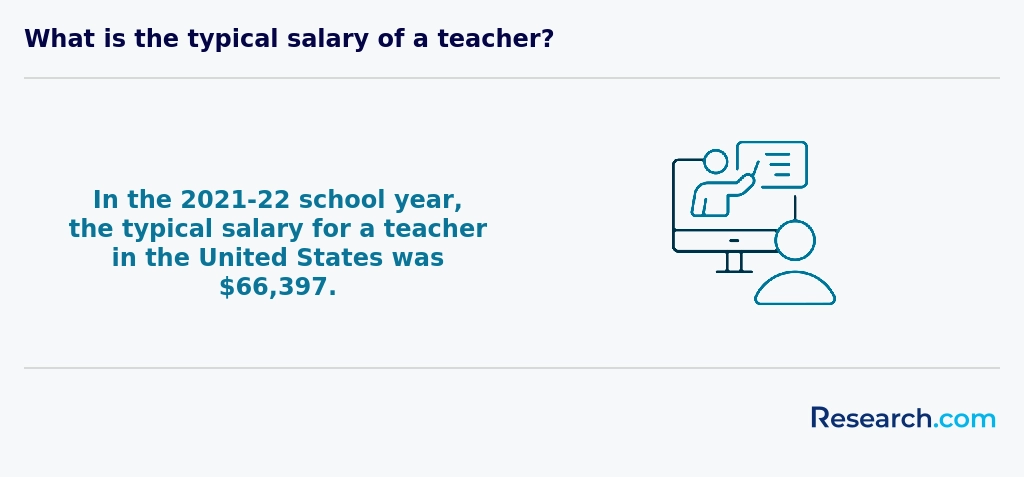
Online music education students in America often rely on federal financial aid as a key resource. Submitting the FAFSA opens doors to Pell Grants, which can cover up to $7,395 annually without repayment, a crucial support for undergraduates juggling tuition and instrument costs. Graduates from renowned schools like Berklee College of Music recall how these grants reduced their financial stress, allowing more focus on coursework and performance.
Supplemental aid such as the Federal Supplemental Educational Opportunity Grant (FSEOG) targets students with exceptional need, while federal student loans provide manageable borrowing options with low interest and deferred repayment. State programs also play a major role; for instance, Californians pursuing music education benefit from Cal Grant awards, and New Yorkers tap into the Tuition Assistance Program (TAP).
Scholarships specific to music education, often offered through universities or associations like the National Association for Music Education, reward talent and leadership, helping students cover not just tuition but also materials and technology. Additionally, many universities offer institutional aid and flexible payment plans exclusively for online learners, making expenses more manageable and empowering students to stay engaged and motivated throughout their studies.
What are the prerequisites for enrolling in online music education degree program in America?
To enroll in an online music education degree program in America, you must typically hold a high school diploma or equivalent, such as a GED, especially for undergraduate admission. Many universities-like those known for strong music education programs-expect a minimum GPA around 2.5 to 3.0. Successful applicants often share how submitting a music portfolio or audition video played a key role in showcasing their skills and passion, helping admissions see their potential beyond grades.
Graduate programs usually require a bachelor's degree, often in music or education, with some flexibility if you complete prerequisite courses in music theory or pedagogy. Graduates from respected institutions recall that letters of recommendation and a clear statement of purpose helped convey their dedication and readiness for advanced study.
Practical skills are vital too. Students must be comfortable with computers and online platforms, reflecting the digital nature of the courses. Familiarity with music software and recording technology is increasingly important, as real-world online classes often involve creating and submitting digital assignments that mirror professional music environments.
What courses are typically in online music education degree programs in America?
Online music education degrees in America typically include courses designed to build both musical skills and teaching expertise. Graduates from top programs at universities such as the University of Florida or the University of North Texas often highlight core classes like Music Theory and Ear Training, which develop their ability to read and understand complex music notation. These courses make it easier to teach varied student groups in real settings.
Students also dive into Music History, gaining a broad perspective of global musical traditions-a favorite among learners seeking to enrich their lessons with diverse examples. Applied Music or Instrumental/Vocal Performance courses help build proficiency on chosen instruments, an essential part of preparing future music educators.
Practical training, including student teaching or practicum experiences, lets students practice leading ensembles and applying teaching strategies, often coordinated online to fit working adults' schedules. Graduates report feeling confident and inspired by this hands-on approach, which is vital for teaching certification in the U.S.
Courses in Educational Psychology and Technology in Music Education further equip students to engage diverse learners effectively, blending modern tools with proven instructional methods.
What types of specializations are available in online music education degree programs in America?
Online music education degrees in America offer practical specializations designed to fit diverse career paths. Popular focuses include Music Education, where graduates from well-known universities share how courses in pedagogy and curriculum development prepared them to confidently lead classrooms and inspire young musicians. This specialization addresses the needs of those aiming to become certified music teachers, combining both theory and hands-on teaching practice.
For students drawn to honing their craft, Performance concentrations are common. Graduates often praise programs from reputable colleges for integrating virtual lessons and ensemble work, helping them maintain motivation and skill while studying remotely. Those interested in creative processes often choose Music Theory and Composition, learning harmony, counterpoint, and software for digital composition-skills vital for careers in arrangement or academic research.
Music Technology is another growing specialization, focusing on audio production and sound engineering skills that align with current industry demand. Students passionate about music's therapeutic potential find Music Therapy particularly rewarding, as some American colleges incorporate clinical training to enhance student empathy and real-world readiness.
To explore cost-effective options and maximize your investment in music education, consider researching the most affordable EdD online programs, which can be a helpful resource alongside degree choices. Choosing the right concentration aligns your studies with your career goals and supports your success in the evolving field of online music education specializations USA.
How do you choose the best online music education degree in America?
Focus first on accreditation when choosing an online music education degree in America. Programs recognized by bodies like the National Association of Schools of Music or regional accreditors ensure your degree holds value. Graduates from popular universities report feeling confident their credentials opened doors in schools nationwide. Next, examine the curriculum for a well-rounded balance of music theory, pedagogy, and hands-on teaching practice. Successful alumni often praise their programs for virtual lessons and student teaching placements that prepared them practically.
Affordability matters-many students find that affordable accredited online music programs America-wide offer tuition savings without sacrificing quality. Comparing costs, including fees and financial aid, helps avoid surprises. Flexibility in study pace and strong tech support are frequently mentioned by working professionals who juggled family and career during their studies.
Lastly, career services can make a real difference. Graduates from leading institutions note how program connections improved job prospects in schools and music organizations. For more options on flexible education, explore the best online EdS to EdD programs that meet various career goals.
What career paths are available for online music education degree students in America?
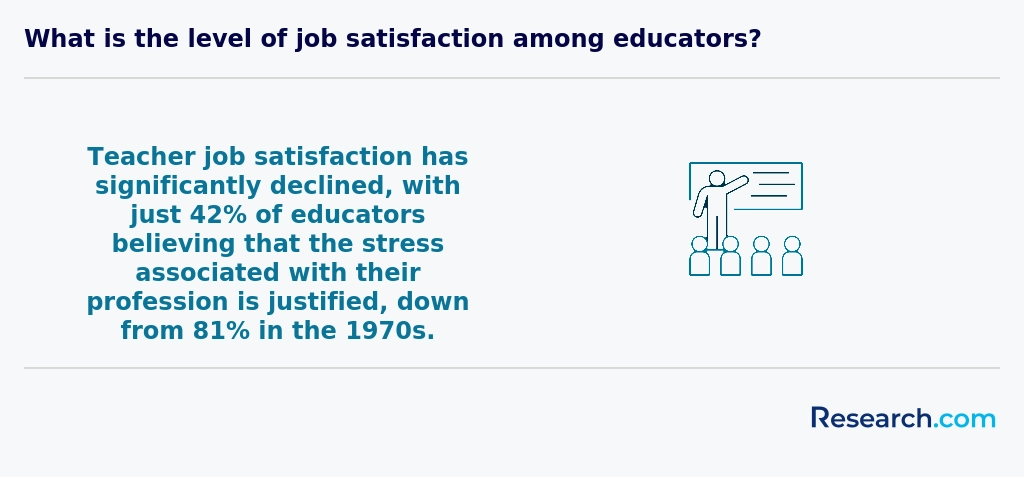
Graduates holding an online music education degree in America find diverse career opportunities tailored to various interests. Many pursue roles as music teachers in K-12 schools, benefiting from programs at well-known institutions like the University of Florida that offer pedagogical training aligned with state certification requirements. These graduates often share how rewarding it is to foster creativity in young students, with salaries averaging around $63,000 depending on location and experience.
Others thrive as private music instructors, enjoying flexible schedules while building personalized studios or working through music academies. This path offers independence, and graduates from schools such as Belmont University highlight the joy of one-on-one teaching.
Community programs also attract graduates who want to impact broader audiences by running workshops or directing youth ensembles. Moreover, some move into roles as curriculum specialists or educational technology consultants, capitalizing on their knowledge of digital tools improving music education. Pursuing higher degrees opens doors to college faculty and research careers, offering deep exploration of music pedagogy.
Exploring funding options is essential; many public online programs cost $5,000 to $15,000 annually, making them affordable compared to private colleges. For students interested in advancing their expertise, the best online MFA programs provide a practical next step. Overall, these career paths show promising growth in online music education careers USA, helping graduates find fulfilling roles in America's evolving music education landscape.
What is the job market for online music education degree in America?
The job market for graduates with an online music education degree in America remains steady, with opportunities in classrooms, community programs, and private instruction. Schools across the country seek educators who combine traditional musicianship with digital tools, making those with online credentials particularly valuable. Graduates from well-known music programs at universities often share how integrating technology into lesson plans helped them secure positions in both public schools and community centers.
For those exploring music education careers in America, staying adaptable is key. Taking advantage of digital platforms and after-school programs can open more doors. Graduates balancing their studies with work found this practical experience critical for competitive hiring. While salaries vary by state and experience, starting salaries typically range between $42,000 and $50,000 annually, with growth as skills develop.
When considering costs, many students choose institutions offering scholarships or financial aid specifically for music education. Comparing options, including public and private programs, helps manage tuition expenses. Some students interested in creative coursework also investigate options like the accredited online graphic design degree to broaden their skill set and career flexibility.
Frequently Asked Questions About music education
Students pursuing online music education degrees in America can enhance their learning by actively engaging with both digital resources and live interactions. The National Association for Music Education (NAfME) highlights the importance of regular practice combined with virtual collaboration to improve skills. Utilizing video conferencing tools for masterclasses and ensemble rehearsals helps bridge the gap created by remote learning.
Additionally, taking advantage of online libraries and databases such as JSTOR or ProQuest provides access to scholarly articles and scores. According to the National Center for Education Statistics, about 30% of U.S. higher education students take at least one online course, reflecting growing acceptance of digital formats. Time management and consistent feedback sessions with instructors further contribute to maximizing success in these programs.
Emerging niches within the music education field in the United States reflect shifting technologies and growing cultural trends. One key area is music technology education, which integrates digital audio production, sound engineering, and music software skills. The National Association of Schools of Music reports increasing demand for educators skilled in these tools. Another niche gaining attention is music therapy, combining musical instruction with psychological health support. According to the American Music Therapy Association, job growth in this sector is projected at 9% through 2031. Additionally, culturally responsive pedagogy is expanding, emphasizing diverse musical traditions to serve America's varied student populations.
After completing an online music education degree in America, preparing for the job market involves combining practical experience with networking. The Bureau of Labor Statistics reports a 2% growth in music teacher positions from 2022 to 2032, indicating steady demand.
Gaining experience through student teaching or internships enhances employability. Joining professional organizations like the National Association for Music Education (NAfME) offers access to job boards and workshops.
Building a strong portfolio that showcases teaching skills and musical expertise is essential. Additionally, obtaining state teaching certification boosts job prospects in public schools.
Developing technology skills relevant to online and blended classrooms is increasingly important in today's educational environment.
Employers in America value several key skills when hiring graduates with online music education degrees. First, strong musicianship and proficiency in multiple instruments are essential, allowing educators to engage diverse student groups. According to the National Association for Music Education (NAfME), effective communication and classroom management are also top priorities.
Additionally, technological competence is increasingly important as more schools integrate digital tools into their curricula. Skills in music software and virtual teaching platforms are highly sought.
Finally, adaptability and cultural awareness help graduates meet the needs of varied student populations, reflecting America's diversity.
Finding internships relevant to a music education degree in America involves several strategic steps. Start by exploring your college's career center and online internship portals such as Handshake or internships.com, which often list opportunities in school districts, community music programs, and arts organizations. According to the National Association for Music Education (NAfME), internships with public schools and after-school programs provide valuable hands-on teaching experience.
Many universities partner with local schools or music festivals, so ask your academic advisor about formal internship programs. Networking through professional organizations like NAfME enhances access to opportunities that align with your music education goals.
Online music education degrees in America significantly enhance career mobility by providing accessible, flexible learning paths for diverse students. Many programs are designed to meet state certification requirements, a key factor in advancing teaching careers. According to the National Center for Education Statistics, music educators with advanced degrees often see higher salaries and more leadership opportunities in schools.
The National Association for Music Education highlights that obtaining a degree online allows professionals to continue working while studying, thus maintaining job experience. This balance often accelerates promotions to roles such as department chair or instructional coordinator.
Moreover, online degrees expand access beyond geographic limitations, allowing candidates to pursue specialized credentials that boost competitiveness in the growing arts education market.
Studying for a music education degree in America equips students for interdisciplinary roles by integrating diverse subjects such as psychology, technology, and cultural studies into the curriculum. Programs approved by the National Association for Music Education (NAfME) emphasize skills in collaboration, communication, and creative problem-solving. According to the U.S. Bureau of Labor Statistics, nearly 30% of music educators engage in arts administration, therapy, or community outreach, showcasing the interdisciplinary nature of the field.
Online degrees often include coursework in educational technology, helping future teachers use digital tools effectively. This prepares graduates for versatile careers beyond traditional classroom settings.
When choosing between a thesis and a non-thesis music education degree program online in America, students should consider their career goals and learning preferences. Thesis programs typically require original research and a detailed written project, which is valuable for those planning to pursue a doctorate or academic career. According to the National Center for Education Statistics, less than 30% of master's music education students opt for thesis tracks, highlighting its specialized nature.
Non-thesis programs focus more on coursework and practical skills, appealing to those intending to work in schools or community music settings immediately. The Council for Music Education reports that many educators prefer this route for faster completion and applied experience. Understanding these differences helps students choose the best fit for their professional aspirations.
Students in America interested in studying music education abroad have several options, particularly through online degree programs offered by accredited foreign institutions. These programs allow learners to gain international perspectives without relocating. According to the National Center for Education Statistics, over 20% of American students considered online learning before the pandemic, and this trend supports international enrollment growth.
Many universities in Europe and Australia offer fully online Bachelor's and Master's degrees in music education, which often include synchronous and asynchronous coursework. These programs align with American accreditation standards, facilitating credit transfer and recognition by U.S. employers. Additionally, some institutions provide dual degrees or exchange programs that combine online study with short-term residencies abroad.
It is important for prospective students to verify program accreditation and consult resources such as the Council for Higher Education Accreditation to ensure the credibility of foreign programs before enrolling.
Part-time job opportunities that complement a music education degree in America often include roles such as private music instructor, accompanist, and music tutor. These positions allow students to apply pedagogical skills while earning income. According to the National Association for Music Education, private teaching remains one of the most common part-time jobs for music majors.
Working as a performer in local ensembles or community theaters is another valuable option. This hands-on experience enhances musicianship and networking within the industry.
Additionally, roles like music library assistant or sound technician in schools provide insight into educational and technical aspects. These jobs typically offer flexible hours accommodating academic schedules.
Online music education students in America benefit from diverse networking opportunities despite the virtual format. Many accredited programs offer access to exclusive online forums and alumni networks, fostering connections with peers and professionals nationwide. For example, the National Association for Music Education (NAfME) provides membership options for students, which can enhance professional contacts and resources.
Additionally, virtual workshops, webinars, and conferences have become common, connecting students with industry experts. According to the National Center for Education Statistics, over 40% of music education students in the US now engage in online collaborative projects, helping expand their professional networks.
Internships arranged through university partnerships offer further in-person networking possibilities, complementing online interactions.
Alumni networks provide significant benefits for students pursuing online music education degrees in America. These networks connect current students with graduates who have experience navigating the music education field, offering valuable mentorship and career advice.
Many alumni networks facilitate job placements and internships, which is crucial as the U.S. Bureau of Labor Statistics projects a steady demand for music educators through 2030. Access to such professional opportunities often results from connections made within these networks.
Additionally, alumni events and online forums create spaces for collaboration and continuing education. This helps students stay updated on the latest teaching methods and industry trends, enhancing their professional growth.
Customizing your online music education degree in America allows you to align your studies with your specific career goals. Many programs offer elective courses in areas like music theory, performance, composition, or technology. According to the National Association for Music Education, focusing on specialty courses can enhance job prospects in teaching, production, or therapy.
Additionally, you may select practica or internship options that provide real-world experience. Some schools partner with local organizations to offer hands-on opportunities remotely. Adjusting your course load and choosing projects related to your interests-such as K-12 music education or music business-helps tailor the degree.
This flexible approach ensures that your degree supports your distinct career path while meeting accreditation standards by bodies like NASM (National Association of Schools of Music).
Online music education students in America face several notable challenges. One major difficulty is the lack of hands-on, in-person instruction, which is essential for developing practical skills such as instrument technique and ensemble performance. According to the National Association for Music Education, over 60% of music educators emphasize the importance of real-time feedback, which can be limited in online formats.
Connectivity issues and access to high-quality recording equipment also pose barriers, especially for students in rural areas. Additionally, building meaningful peer and mentor relationships can be harder without traditional campus interaction.
Finally, some students struggle with self-discipline and time management, vital for success in largely self-directed online programs.
Graduates of online music education degrees in the United States can pursue several professional certifications to advance their careers. One common certification is the State Teaching Certification, required to teach music in public schools. Each state has specific requirements, but most include passing the Praxis II music content exam and completing a teaching practicum, according to the National Association for Music Education (NAfME).
Another option is the Certified Music Educator (CME) credential offered through the Music Teachers National Association (MTNA), which signifies proficiency in music pedagogy.
Additionally, some professionals seek certification in specialized areas such as Orff Schulwerk or Kodály Method, popular methodologies for teaching music to children. These certifications require additional training but enhance teaching effectiveness in diverse educational settings.
Writing a strong application for an online music education program in America begins with understanding the program's requirements. Most accredited schools require a detailed personal statement, transcripts, and letters of recommendation. According to the National Association of Schools of Music, clear evidence of musical proficiency and teaching experience dramatically improves chances of acceptance.
Applicants should highlight their technical skills and include recordings or portfolio links if requested. Demonstrating an understanding of both music theory and educational techniques is essential. It is also important to meet GPA requirements, which typically range from 2.5 to 3.5 for these programs.
Finally, tailoring your application to reflect your career goals aligned with the program's strengths shows commitment and focus-qualities valued by admission committees.
Global perspectives on a music education career reflect a growing recognition of its cultural and economic value. In the United States, music educators are vital to preserving artistic heritage and fostering creativity among diverse student populations. According to the National Center for Education Statistics, nearly 7.5 million students were enrolled in music classes during the 2021-2022 school year, highlighting steady demand.
Internationally, countries emphasize different music traditions, but US-trained educators often gain respect for their broad pedagogical approaches. Online degrees in America prepare candidates to work worldwide, as curricula include global music history, technology, and pedagogy.
Employment projections from the U.S. Bureau of Labor Statistics estimate a 4% growth in music teaching jobs through 2032, indicating steady opportunities for graduates both at home and abroad.
Gaining practical experience while studying for an online music education degree in America is essential for career readiness. Many programs incorporate virtual internships, allowing students to work with schools, community centers, or music organizations remotely. The National Association for Music Education (NAfME) reports that 75% of accredited programs encourage practical placements.
Students can also engage in online ensemble performances and digital teaching practicums, which simulate classroom environments.
Some universities partner with local schools to offer hybrid models where students complete in-person teaching hours near their residence.
Additionally, online workshops and certification courses in music technology and pedagogy provide hands-on skills valued by employers.
Choosing the right concentration within an online music education degree in America depends on your career goals and interests. Common concentrations include instrumental, vocal, technology, and music theory or composition. According to the National Center for Education Statistics, program availability varies widely, so identify schools offering your preferred focus.
Consider your target audience, such as K-12 teaching, community music programs, or private instruction. Specialized concentrations can prepare you for certification requirements in many states, where music educators must meet specific teaching standards.
Additionally, examine curriculum flexibility and applied learning opportunities like virtual ensembles or technology labs, which are crucial in online formats. Reviewing alumni outcomes and accreditation status will also guide your choice.
Top Trending Music Education Rankings
References
- Music Master of Arts Without Thesis Secondary Education Program https://www.tyyc.itu.edu.tr/ProgramHakkinda.php
- Music Teacher - Modern challenges for music education - Music Teacher https://www.musicteachermagazine.co.uk/content/feature/modern-challenges-for-music-education
- Why Choose Musicians Institute’s Online Degree Programs https://www.mi.edu/in-the-know/choose-musicians-institute-online-degree-traditional-music-schools/
- Alumni | JAM MUSIC LAB Private University Vienna https://www.jammusiclab.com/alumni
- Innovating Music Education: New Directions in Pedagogy, Learning, and Cultural Practice https://www.emeraldgrouppublishing.com/calls-for-papers/innovating-music-education-new-directions-pedagogy-learning-and-cultural-practice
- What Can You Do with a Music Degree? https://majoringinmusic.com/what-can-you-do-with-a-music-degree/
- Study Abroad for Music Majors https://talk.collegeconfidential.com/t/study-abroad-for-music-majors/3630433
- Music education (B.Mus.) | University of Idaho https://www.uidaho.edu/academics/degree-finder/music-ed-bmus
- Home - Teacher Education Academy for Music https://teacher-academy-music.eu/
- Benefits and Tips for Music Teacher Niche Marketing https://www.musicteachernotes.com/articles/benefits-and-tips-for-music-teacher-niche-marketing/


