
2027 Most Popular MBA Degree Programs Ranking in the West

Co-Founder and Chief Data Scientist
Choosing the right MBA program can be a game-changer for your career and personal growth. Our article introduces the 2027 Most Popular MBA Degree Programs Ranking in the West, thoughtfully crafted by the Research.com team of data scientists.
This ranking offers clear, data-driven insights to help you discover which programs are truly worth your time and investment. Whether you're looking to expand your network or boost your leadership skills, understanding these options makes your decision easier.
Explore this guide and take a confident step toward a brighter future with an MBA.
Key benefits of getting MBA degree in the West
- Salary for MBA degree graduates: While specific salary data from the source is not available, MBA graduates in the US typically enjoy lucrative career opportunities, often earning between $80,000 and $150,000 annually depending on their role and industry.
- Career paths for MBA graduates: Graduates from well-known Western universities often pursue diverse roles such as management consulting, finance, or entrepreneurial ventures, offering exciting growth and leadership potential.
- Benefits of online MBA degrees: Online MBA graduates from reputable universities gain flexible study options and valuable networking opportunities, allowing them to balance work and education effectively without sacrificing career growth.
- 2027 Most Popular MBA Degree Programs Ranking in the West
- What can I expect from MBA degree in the West?
- Where can I work with MBA degree in the West?
What can I expect from MBA degree in the West?
The average cost of pursuing an MBA degree in the West, particularly in the United States, often exceeds $70,000 per year at top institutions such as Stanford, Harvard, and Wharton. Graduates commonly recall balancing the significant financial investment against the long-term benefits-recognizing that while tuition is high, scholarships, fellowships, and employer sponsorships frequently help offset expenses.
For example, a typical two-year full-time program can total over $140,000 in tuition alone, not including living expenses. However, many MBA graduates reflect positively on the rigorous yet rewarding experience, emphasizing how the program's network and practical learning opportunities justified the cost. Schools in the West emphasize internships, consulting projects, and networking events that tangibly boost career prospects.
The Financial Times Global MBA Ranking 2024 reports these investments often translate to substantial salary increases, with over 100% growth within three years post-graduation. Given that 87% of employers in 2024 intend to hire MBA graduates, many alumni from Western programs feel confident in their return on investment after graduation.
Where can I work with MBA degree in the West?
An MBA degree in the West, especially from renowned institutions like Harvard Business School or Stanford Graduate School of Business, significantly broadens career options. Graduates frequently secure roles in consulting firms such as McKinsey & Company or Boston Consulting Group, where they apply problem-solving and strategic skills to complex business challenges. Many report excitement and satisfaction in rapidly advancing through these dynamic environments.
In finance hubs like New York City or San Francisco, MBAs often find lucrative positions in investment banking and private equity. Data from the U.S. Bureau of Labor Statistics show financial managers with MBAs earn median wages exceeding $140,000, reflecting strong employer demand and rewarding compensation.
Technology companies like Google and Amazon also attract MBA graduates for product management and business development roles. Graduates appreciate the blend of innovation and leadership these roles demand, frequently citing substantial growth opportunities.
Healthcare and pharmaceuticals increasingly value MBA expertise for improving operations and market strategy. Graduates from schools such as Wharton and Kellogg often report fulfilling careers in these sectors, applying their training to make a tangible impact.
Graduates with an MBA degree in the Western United States can expect a significant boost in earnings compared to holding only a bachelor's degree. On average, MBA holders start with salaries around $115,000 annually, nearly double that of undergraduates. For example, those who earn their MBA from top West Coast business schools such as Stanford GSB or UC Berkeley Haas often command median base salaries exceeding $150,000 right after graduation.
In dynamic sectors like technology, finance, and consulting-common paths for MBA grads in cities such as San Francisco, Seattle, and Los Angeles-entry-level salaries regularly surpass $130,000. Executives or mid-career professionals pursuing EMBA programs often see pay jumps of 50% or more, reflecting their enhanced leadership roles.
Beyond base pay, many MBA graduates benefit from bonuses-signing bonuses average $25,000 nationally-and stock options, which can increase total compensation by 20-30%. These packages make pursuing an MBA in the West a financially rewarding decision with clear long-term career advancement potential.
- The total cost of an MBA program in the Western US ranges from $60,000 to over $120,000, including tuition, fees, books, and living expenses.
- Full-time MBA programs typically last one to two years, while part-time and executive options offer more flexible schedules with longer completion times.
- Starting salaries for MBA graduates in the West are generally between $80,000 and $110,000 annually, with mid-career salaries reaching $150,000 or more in sectors like technology, finance, and consulting.
- Major cities such as San Francisco, Los Angeles, and Seattle have strong demand for MBA graduates in fields like technology, healthcare administration, financial services, and entrepreneurship.
- Admissions usually require an undergraduate degree, good GMAT or GRE scores (though some schools waive them), relevant work experience, and demonstrated leadership potential through essays and interviews.
Completing an MBA degree in the Western United States depends largely on the program format chosen. Traditional full-time MBA programs typically span two years, offering a structured curriculum covering core business topics followed by electives. Graduates from universities like those in California appreciate the deep immersion this format provides, allowing focused learning and networking.
Alternatively, accelerated MBA programs, common in top Western schools, reduce completion time to 12-18 months. Graduates often describe these programs as intense but rewarding, enabling quick return to the workforce with enhanced skills.
Part-time MBA options extend from three to five years, ideal for working professionals balancing career and education. Evening or weekend classes at institutions in Washington help these students maintain job responsibilities while advancing academically.
Executive MBA programs typically last 18-24 months and are tailored for seasoned professionals aiming to strengthen leadership and strategic capabilities without pausing their careers.
Online MBAs vary widely in duration, from one to three years, offering flexibility that many Western students find essential for managing personal and professional commitments simultaneously.
Investing in an MBA goes beyond immediate salary gains-it’s a strategic decision that can shape long-term career trajectories and financial growth. Prospective students can evaluate the return on investment (ROI) of an MBA by looking at both tangible metrics, such as increased earnings and faster career progression, and intangible benefits like enhanced leadership skills and a robust professional network. Key factors influencing ROI include:
- Cost-Benefit Analysis: Compare tuition fees and opportunity costs with the potential salary boost and career advancement. Many graduates report that despite the upfront investment, the long-term financial returns justify the expense, especially when aligned with clear career goals.
- Skill Development: MBA programs in the West focus on developing analytical, strategic, and interpersonal skills that remain valuable throughout your career. These competencies not only drive immediate results but also empower you to lead complex projects and innovate over time.
- Networking and Mentorship: The connections built during your MBA can result in long-term professional relationships that open doors to new opportunities. Alumni networks and career services often facilitate mentorship relationships that extend well beyond graduation, helping you navigate evolving market trends.
- Flexible Program Formats: For professionals who need to maintain their careers while studying, options like an online mba fast offer the flexibility to balance work and education without compromising on quality. By considering these factors, prospective students can gain a holistic view of how an MBA not only accelerates career growth but also provides lasting benefits through enhanced expertise, leadership, and access to a supportive alumni network. This comprehensive perspective helps in making an informed decision about pursuing an MBA in today’s competitive and constantly evolving business environment.
Online and on-campus MBA degrees in the West primarily differ in delivery and student experience. On-campus MBA students at universities like UCLA Anderson relish direct interaction with professors and peers, benefiting from live lectures and networking events on campus. These students enjoy immediate feedback and access to campus resources such as career services and study groups, which many find energizing and motivating.
Conversely, graduates from online MBA programs at institutions such as the University of Washington emphasize flexibility. They can balance coursework with full-time jobs or family commitments, often completing their degrees part-time over three years or more. The online format uses recorded lectures and discussion boards, requiring strong self-discipline but allowing learners to customize their schedules without sacrificing career progress.
Cost differences are notable as well. On-campus MBAs in the West can range from $60,000 to over $120,000, while online MBAs typically cost between $35,000 and $80,000. Both types generally hold AACSB accreditation, reassuring employers of program quality.
Evaluating the return on investment (ROI) of an MBA program is essential for prospective students weighing tuition costs against post-graduate earning potential. On average, graduates from top Western MBA programs report a 77% salary increase within five years, translating to an annual boost of $40,000–$60,000. When calculating ROI, consider both direct costs (tuition, fees, living expenses) and opportunity costs (foregone salary during full-time study). For example, a two-year program with $100,000 total tuition and $50,000 annual living costs requires a combined outlay of $200,000. If the graduate’s post-MBA salary increases by $50,000 per year, the payback period is roughly four years-often shorter for programs offering generous scholarships or stipends. To optimize ROI, prospective students should: • Compare average post-MBA salaries across schools and industries, factoring in regional cost of living. • Leverage employer sponsorships and scholarships to reduce upfront expenses. • Target programs with robust career services and strong alumni networks, which can accelerate job placement and salary growth. For those exploring more budget-friendly options without sacrificing quality, see our Affordable MBA Degree Programs Ranking in Massachusetts, which highlights institutions that deliver high ROI at a lower cost. By conducting a thorough ROI analysis, students can select an MBA program that aligns with both their career aspirations and financial goals.
The average cost of an MBA degree in the West reflects significant variation based on residency status and institution type. Median total costs for these programs are approximately $44,669, with in-state students typically paying around $13,150 and out-of-state students facing the higher median total of $44,669. These figures provide a more precise understanding for those assessing MBA tuition and fees 2027 West ranking, illustrating how location and affiliation affect affordability.
Graduates from public universities often recall managing expenses efficiently due to lower in-state tuition rates, which make prestigious programs in places like the University of Washington Foster School of Business or Oregon's Lundquist College of Business appealing. Conversely, alumni of top-tier, private Western schools mention the high price tag but emphasize the value of extensive alumni networks and career services, which can offset initial costs through better job placement. These varied experiences highlight how the average cost of MBA degree in the West must be weighed alongside personal and professional goals.
Additionally, students pursuing part-time, executive, or online formats often find more affordable options. Many programs, especially online, offer tuition between $30,000 and $60,000, enabling working professionals to study without sacrificing income. For those seeking flexible schedules, considering online mba fast options can be a financially savvy route to obtaining an MBA in the West.
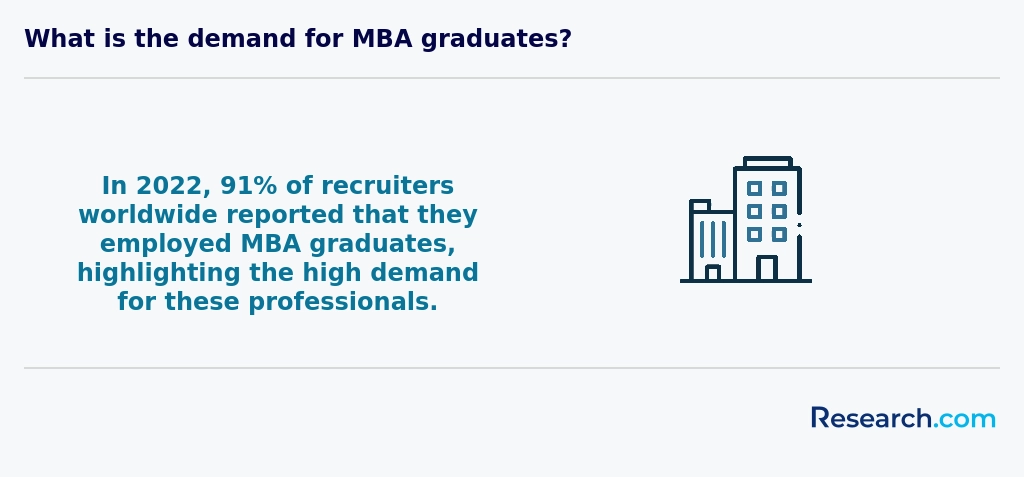
MBA program accreditation is a critical factor to consider when selecting a program, as it ensures that the institution meets certain standards of quality and excellence. In the West, reputable accrediting agencies such as the Association to Advance Collegiate Schools of Business (AACSB), the Accreditation Council for Business Schools and Programs (ACBSP), and the International Accreditation Council for Business Education (IACBE) evaluate and accredit MBA programs. These agencies assess factors such as faculty qualifications, curriculum, research, and student outcomes to determine whether a program deserves accreditation. Prospective students should look for accreditation from one of these recognized agencies when researching MBA programs, as it signifies a commitment to quality and continuous improvement. Additionally, accreditation can impact the recognition of degrees by employers and other academic institutions, making it essential for graduates to have a degree from an accredited program. Furthermore, some specializations within MBA programs, such as accounting or finance, may require additional accreditation or certification, which can further enhance the value of the degree. By prioritizing accreditation and quality assurance, students can ensure that they receive a high-quality education that prepares them for success in their chosen careers.
Financial aid options for MBA students in the Western United States are diverse, addressing the high average cost of over $120,000 for two-year programs at top schools. Graduates from universities like Stanford and UCLA often highlight merit-based scholarships as a key resource, which can cover partial to full tuition based on academic success and leadership potential. Need-based scholarships also play an essential role for students facing financial constraints.
Federal student loans remain a cornerstone for many, with Direct Unsubsidized and Grad PLUS Loans accessible via FAFSA. These loans offer comparatively lower interest rates and flexible repayment terms, making them a preferred first step. Students at institutions such as the University of Southern California report these loans as pivotal in managing costs before turning to private loans, which generally come with higher rates and stricter conditions.
Employer sponsorships are increasingly common, especially among MBA candidates employed in tech hubs like Silicon Valley. Companies often reimburse tuition, fostering enthusiasm among employees who see long-term career alignment. Additionally, assistantships or fellowships, though rarer in MBA programs, provide teaching or research roles with stipends at schools such as Berkeley Haas, easing financial pressure while gaining experience.
Finally, scholarships from professional organizations like the Forté Foundation and the National Black MBA Association contribute to a supportive environment, helping to diversify the MBA community in the West and fueling positive outcomes for recipients.
When evaluating MBA programs, understanding the return on investment (ROI) is essential to balance tuition costs against post‐graduation earnings. ROI measures how quickly graduates recoup their educational expenses through higher salaries, bonuses and career advancement. In the Western U.S., where average two‐year MBA tuition ranges from $40,000 at public institutions to over $100,000 at private schools, students typically achieve a break‐even point within 3–5 years, driven by median starting salaries of $100,000–$130,000 in high-demand sectors like technology and consulting. A simple ROI calculation compares total program cost (tuition plus living expenses) against expected post-MBA income. For example, a graduate who invests $80,000 in tuition and $40,000 in living expenses ($120,000 total) and secures a $120,000 starting salary effectively pays back their investment in about one year of work. Factoring in annual salary growth of 5–8% and bonus structures common in finance and consulting can further accelerate ROI, often yielding a threefold return over a decade. Prospective students should request detailed salary reports from career services offices and factor in opportunity costs-lost income while studying full-time-and potential employer sponsorships. For applicants prioritizing cost efficiency without sacrificing quality, comparing programs by ROI can illuminate alternative regions and affordable options. Many Western students also examine models in other states; for instance, the Affordable MBA Degree Programs Ranking in Massachusetts highlights institutions with lower tuition and strong career outcomes, offering a benchmark for cost-effective graduate education. By combining ROI analysis with factors like accreditation, alumni network strength and specialization fit, you can make a data-driven choice that maximizes both financial and professional returns.
To enroll in an MBA program in the West, candidates generally must hold a bachelor's degree from an accredited institution. Prestigious universities such as Stanford Graduate School of Business or the University of Chicago Booth School of Business often see applicants with strong quantitative foundations in fields like economics or finance, although diverse academic backgrounds are accepted. Graduates frequently emphasize how maintaining a minimum GPA around 3.0 was essential for meeting admissions standards.
Standardized tests remain critical, with the GMAT typically preferred; an average score between 700 and 730 is common among top Western MBA programs. Increasingly, the GRE serves as a competitive alternative, appreciated for its flexibility. Successful applicants share that early preparation for these tests helped alleviate stress during the application phase.
Relevant work experience-usually two to five years-is another cornerstone. Many applicants to schools like Harvard Business School or Kellogg recount that their practical insights and leadership roles made classroom discussions richer. Executive MBA programs demand even more extensive experience, often exceeding ten years, underscoring the importance of managerial expertise.
Additional requirements often include compelling letters of recommendation, a clear statement of purpose, and proof of English proficiency such as TOEFL scores for non-native speakers. Graduates from Western programs frequently highlight how articulating their career goals in essays boosted their confidence and admissions success.
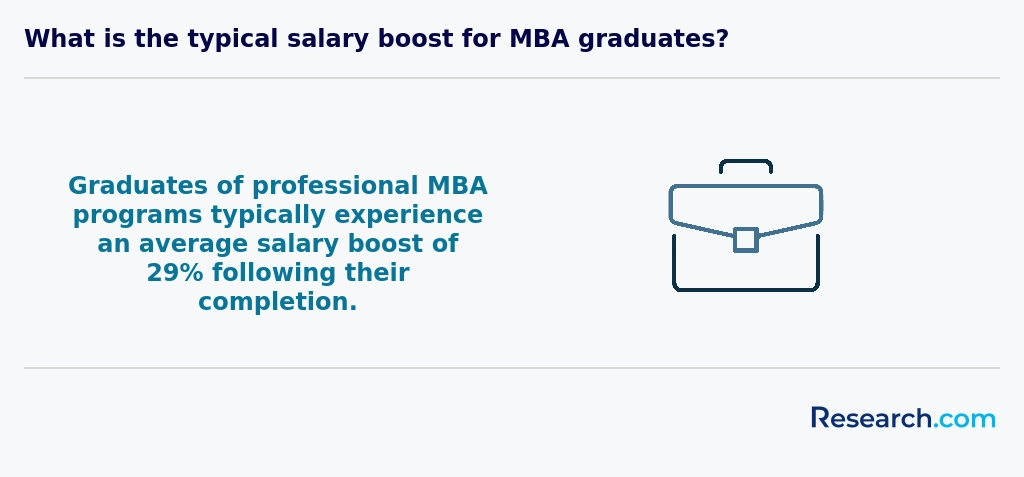
MBA programs in the West typically include core courses that form the foundational business knowledge essential for leadership roles. Graduates from well-known institutions such as Stanford and the Wharton School often highlight courses like Financial Management, where they learn to analyze financial statements and craft investment strategies, as directly applicable to real-world finance roles. Marketing classes delve into consumer behavior and strategic brand management, equipping students to create impactful campaigns in competitive markets.
Operations Management courses focus on supply chain logistics and process optimization, skills praised by graduates who have successfully navigated complex project deliveries in tech and manufacturing industries. Leadership and strategy subjects, including Strategic Management and Organizational Leadership, immerse students in case studies from leading corporations, fostering decision-making confidence necessary for executive positions.
Electives addressing emerging fields such as data analytics and sustainability have gained popularity; 45% of MBA job openings, according to the GMAC 2023 survey, request data analytics expertise. Many MBA students express enthusiasm for these specializations, finding them valuable for adapting to evolving business trends while studying at prominent Western universities.
In the West, MBA degree specializations cover a diverse range of fields tailored to meet evolving marketplace demands. Popular MBA concentration options western US programs typically include Finance, Marketing, Operations Management, Entrepreneurship, IT Management, Healthcare Management, and Human Resources. Graduates from prominent California and Washington business schools frequently express enthusiasm about how these specializations sharpen their competitive edge, whether managing investment portfolios or launching startups.
Students often highlight that combining concentrations enhances practical skills; for example, pairing IT Management with Entrepreneurship fosters innovation in tech ventures. Popular universities in the West, known for their flexible MBA tracks, support these customizable paths, aligning with findings that about 60% of US MBA programs provide specialized tracks.
Cost considerations also factor in; prospective students assess programs carefully, as detailed in the Affordable MBA Degree Programs Ranking in Massachusetts. This resource illustrates options that balance quality and investment, a key insight shared by many graduates navigating program choices.
Choosing the best MBA degree in the West requires analyzing the program's reputation and outcomes. Graduates from prestigious schools like Stanford Graduate School of Business and UC Berkeley Haas consistently report median starting salaries exceeding $140,000, demonstrating strong return on investment. Accreditation by AACSB ensures a rigorous curriculum, which is vital for career advancement in competitive industries. Many students find value in programs emphasizing innovation and leadership, especially given the region's tech-driven economy. For example, graduates from UCLA Anderson often highlight their access to a robust network in Los Angeles and Silicon Valley, which opens doors to top internships and executive roles. Considering affordable MBA degrees Western region, it's important to weigh tuition against the cost of living in metropolitan areas. Flexible options including part-time schedules or online tracks support those balancing work and study. Prospective students should explore financial aid and merit-based scholarships early. For convenience, consider exploring accelerated degree programs online to reduce time and expense.
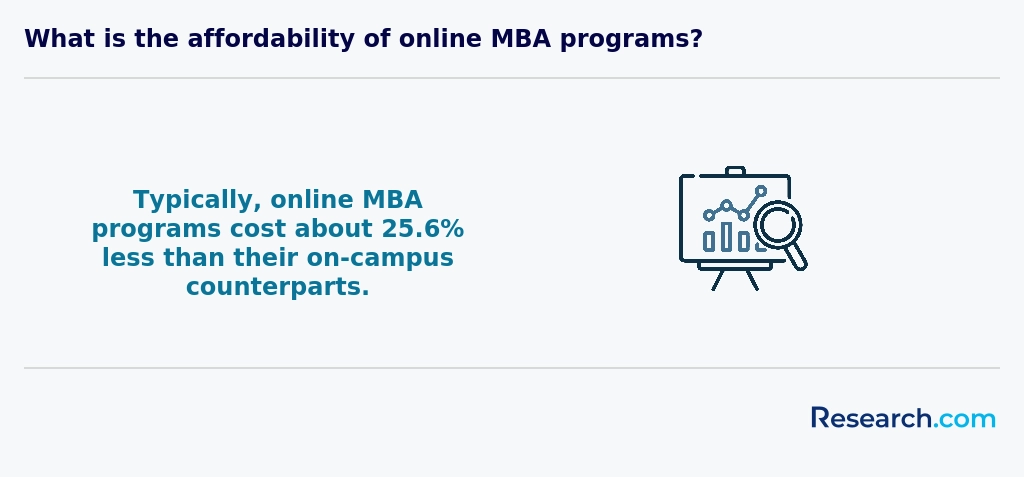
Graduates holding an MBA in the West often secure leadership roles such as product manager, operations manager, or CEO, thanks to rigorous programs at institutions like Stanford Graduate School of Business and UCLA Anderson. These roles demand strategic decision-making and cross-functional team management, skills emphasized in Western MBA curricula.
Finance careers remain strong, with graduates entering investment banking, corporate finance, and risk management in major financial hubs like San Francisco and Seattle. The West region MBA job prospects are further bolstered by projections from the U.S. Bureau of Labor Statistics expecting accelerated growth in finance-related occupations through 2030.
Consulting firms including McKinsey and Bain actively recruit from leading Western MBA programs where case study methodologies refine analytical and problem-solving expertise. Entrepreneurship also thrives, as graduates benefit from incubators offered by universities such as UC Berkeley, supporting ventures in vibrant startup ecosystems.
Many MBA students pivot to other sectors like healthcare management and technology. Those curious about flexible academic paths might explore an easy phd to complement their MBA strategically. Overall, MBA career opportunities in the West provide versatile, rewarding prospects tailored to ambitious professionals.
The job market for MBA graduates in the West remains strong, with 87% of employers planning to hire MBA holders in 2024, according to the Graduate Management Admission Council. Many graduates from leading Western institutions like the University of California, Berkeley, and the University of Washington have reported landing competitive roles in consulting, finance, and technology sectors shortly after graduation. Their leadership skills and analytical acumen are highly valued, especially in fast-growing metropolitan hubs like San Francisco and Seattle.
West region MBA career prospects 2027 look promising, supported by a 5% projected growth in managerial positions over the next decade. Graduates from top schools often benefit from rich networks and higher starting salaries, frequently exceeding $100,000 annually. Students pursuing MBA degrees must weigh these opportunities against program costs, which can exceed $150,000 at elite institutions. However, many report significant salary boosts and rapid career advancement within three years post-graduation.
Given evolving business trends, new graduates are also venturing into data analytics and sustainability management. For those interested in accelerated pathways, exploring options like a shortest masters degree online could provide a faster route into the market while maintaining career momentum.
2027 Most Popular MBA Degree Programs Ranking in the West
Investing in your education is a significant decision that can shape your future, and the Research.com team understands the importance of making informed choices. To assist prospective students in navigating the MBA landscape, we have meticulously crafted the "2027 Most Popular MBA Degree Programs Ranking in the West." Our commitment to quality, credibility, and accuracy is reflected in the extensive research and analysis conducted to compile this ranking.
We utilized the following reputable data sources to ensure a comprehensive evaluation of MBA programs:
By exploring this ranking, readers will gain valuable insights into the most sought-after MBA programs in the western region, helping them make confident and well-informed decisions about their educational and professional futures. For more details on our methodology, please visit our Research.com methodology page.


# 9 position
California Polytechnic State University-San Luis Obispo
Master of Business Administration


Frequently Asked Questions About MBA
MBA students in the West can maximize their learning experience by actively engaging in experiential opportunities such as internships, case competitions, and consulting projects. According to the Graduate Management Admission Council (GMAC), over 80% of U.S. MBA programs incorporate hands-on learning to prepare graduates for real-world challenges.
Networking is equally essential. Participating in student clubs, alumni events, and industry conferences broadens professional connections, often leading to job opportunities. Data from the U.S. News & World Report highlights that students who engage in networking report higher satisfaction and placement rates.
Additionally, selecting a specialization aligned with career goals enhances both knowledge and marketability. Exploiting campus resources like career coaching and workshops is also recommended to stay competitive in the job market.
The MBA landscape in the US is evolving with emerging niches addressing current market needs. One growing area is sustainability and social impact, where students learn to integrate environmental and ethical concerns into business strategies. According to the Graduate Management Admission Council (GMAC), programs focused on sustainability have seen a 25% increase in applications over the past three years. Another expanding field is healthcare management, driven by the complexity of the US healthcare system and demand for skilled leaders.
Additionally, technology management MBAs, covering artificial intelligence, data analytics, and digital transformation, are increasingly popular. These specialized degrees bridge business and IT, preparing graduates for roles in tech-driven industries. The financial sector also sees a rise in fintech-related MBA programs, reflecting innovation in digital payments and blockchain.
After completing an MBA degree in the West, particularly in the US, graduates should focus on building strong professional networks. According to the Graduate Management Admission Council (GMAC), over 90% of MBA employers value leadership and communication skills, so cultivating these through internships or campus clubs is crucial. Additionally, tailoring resumes to highlight project management and data analysis experience can improve job prospects, as these skills are highly sought after.
A significant number of US MBA graduates join sectors like consulting, finance, or technology, where understanding industry trends ahead of interviews is beneficial. Career services at many US business schools offer valuable resources, including job fairs and alumni connections, which can help in securing positions.
Employers in the US consistently seek MBA graduates with a blend of technical and interpersonal skills. According to the Graduate Management Admission Council's 2023 Corporate Recruiters Survey, leadership ability ranks highest, with 88% of employers prioritizing candidates who can inspire and manage teams effectively.
Analytical skills are also critical, as 76% of recruiters value graduates who can interpret complex data to support strategic decisions. Communication skills, particularly in presenting ideas clearly and negotiating, remain essential for 82% of US employers, highlighting the need for MBA programs to emphasize these abilities.
Additionally, adaptability and digital proficiency are increasingly important. The fast-evolving US business landscape demands that MBA graduates navigate change and use modern technology effectively, making these skills vital for career success.
Finding internships relevant to an MBA degree in the West requires a strategic approach. Start by leveraging your business school's career services, which often have exclusive partnerships with top companies. According to the Graduate Management Admission Council (GMAC), over 80% of MBA graduates in the U.S. secure internships through their schools' networks.
Networking is crucial; attending industry events, alumni meetups, and LinkedIn outreach can open doors. Focus on sectors aligned with your career goals, such as finance, consulting, or tech. Early applications, often in the fall for summer internships, increase chances of success.
Many respected programs, like those at Stanford or Wharton, host dedicated internship fairs offering direct access to recruiters.
An MBA degree in the United States significantly enhances career mobility and advancement opportunities. According to the Graduate Management Admission Council's 2023 Corporate Recruiters Survey, 87% of employers prefer candidates with MBA qualifications for leadership roles. The degree equips graduates with essential skills in management, finance, and strategy, making them competitive for promotions and cross-industry moves.
Statistics from the U.S. Bureau of Labor Statistics reveal that MBA holders earn a median annual wage approximately 25% higher than those without advanced degrees. Networking opportunities in MBA programs also play a crucial role in career growth by connecting students to influential professionals and recruiters.
Studying for an MBA degree in the West equips students with skills that cross traditional academic boundaries, essential for interdisciplinary roles. Many US MBA programs integrate courses from finance, marketing, operations, and technology, encouraging students to approach problems from multiple perspectives. According to the Graduate Management Admission Council (GMAC) 2023 report, 78% of MBA graduates felt their education helped them develop critical interdisciplinary skills.
US business schools often emphasize teamwork and real-world case studies that mimic complex organizational challenges. This method prepares students to collaborate effectively with diverse departments and industries. Furthermore, electives in data analytics, sustainability, and entrepreneurship allow learners to tailor their education toward emerging, cross-sector roles.
When choosing between a thesis and a non-thesis MBA program in the West, consider your career goals and learning preferences. Thesis MBAs typically involve original research and a written dissertation, appealing to students interested in academic or research-oriented careers. According to the National Center for Education Statistics, fewer than 20% of MBA students in the US pursue thesis options.
Non-thesis programs focus more on practical skills and coursework, suited for professionals aiming to enter or advance in industry quickly. Many top business schools, including those ranked by U.S. News & World Report, offer flexible non-thesis MBAs designed for working adults.
Costs and program length also differ: thesis tracks may take longer due to research time, while non-thesis options often offer faster completion.
Students based in the West looking to study for an MBA abroad have several options, primarily focused on programs within the United States and Canada. The US hosts many top-ranked MBA programs, with over 500 accredited schools offering flexible full-time, part-time, and online formats. According to the Graduate Management Admission Council (GMAC), around 60% of MBA candidates in the US consider international study to gain global business perspectives.
Canada also attracts Western students due to its reputable MBA programs and welcoming immigration policies. Schools like Rotman and Schulich offer programs recognized worldwide. These options allow students to access diverse teaching styles, industry connections, and potential work opportunities post-graduation.
The availability of scholarships and partnerships between Western and Canadian universities further expands study abroad prospects in the MBA field.
Part-time jobs that complement MBA education in the US often focus on roles that enhance business skills or provide real-world management experience. Common opportunities include internships in consulting firms, financial analysis positions, or marketing assistant roles. According to the Graduate Management Admission Council (GMAC), nearly 70% of MBA students work part-time during their studies to apply classroom knowledge practically.
Roles in startups or nonprofit organizations offer exposure to strategic planning and leadership. Internships with financial institutions help develop analytical expertise. Additionally, campus roles like student ambassadors or research assistants foster communication and project management skills, which are vital for MBA students aiming to build their professional network and resume in a competitive job market.
MBA programs in the Western United States offer robust networking opportunities essential for career growth. Students gain access to a diverse alumni network, often numbering in the tens of thousands for top institutions. According to a 2023 Graduate Management Admission Council (GMAC) report, 85% of MBA graduates from Western schools reported leveraging alumni connections for job placement.
Schools in the West frequently host industry conferences, workshops, and speaker series that connect students with leading business professionals. Internship programs provide direct exposure to key organizations, expanding professional contacts. Additionally, many MBA programs encourage participation in student clubs and case competitions, fostering peer collaboration and corporate engagement.
Alumni networks play a crucial role for MBA students in the West, especially within the US education system. Graduates often gain lifelong access to a vast pool of professionals, which can enhance career opportunities. According to a 2023 report by the Graduate Management Admission Council, 85% of MBA alumni credit their networks for job referrals or career advice.
These networks facilitate mentoring, internships, and exclusive job openings that might not be publicly advertised. Many top US MBA programs, like those at Stanford and Wharton, maintain active alumni groups that host events and networking sessions, helping students build valuable industry connections early.
Such connections often lead to higher salaries post-MBA; the US PayScale 2024 report shows MBA graduates with strong alumni involvement earn 15% more on average than those without.
Customizing an MBA program in the West, particularly in the United States, allows students to tailor their education to match specific career goals. Most US MBA programs offer elective courses across various fields such as finance, marketing, entrepreneurship, and technology management. According to the Graduate Management Admission Council's 2023 report, over 70% of MBA students pick specialized electives to build expertise aligned with their career aspirations.
Additionally, many schools provide concentration options or dual-degree programs, combining an MBA with law or healthcare management. Experiential learning through internships or consulting projects is also commonly available, helping students gain practical skills in their targeted industries.
The flexibility in course delivery-full-time, part-time, online, or hybrid formats-further supports individual scheduling needs, enabling professionals to balance work and study effectively.
MBA students in the West often face significant challenges balancing rigorous coursework with personal and professional demands. According to the Graduate Management Admission Council (GMAC), about 40% of MBA students report struggling to manage time effectively during their studies.
Another common issue is the financial burden. Tuition fees for top MBA programs in the US can exceed $70,000 annually, leading many students to rely on loans or employer sponsorships. This debt anxiety impacts academic focus and career decisions.
Adapting to diverse cohorts is also challenging. MBA classes often include students from various professional and cultural backgrounds, which requires strong interpersonal skills. Navigating this dynamic can be demanding but is essential for networking success.
With an MBA degree from a Western institution, graduates can pursue various professional certifications to enhance their expertise and career prospects. Popular options include the Certified Public Accountant (CPA) for those interested in accounting and finance, and the Project Management Professional (PMP) certification, which is highly valued in business operations and management.
Additionally, many MBA holders pursue the Chartered Financial Analyst (CFA) designation to advance in investment and financial analysis careers. The Certified Management Accountant (CMA) is another relevant certification focusing on financial management within organizations.
According to the Graduate Management Admission Council (GMAC), 40% of MBA graduates report that earning certifications boosts job opportunities in the U.S. market.
Writing a winning MBA application in the West requires clear demonstration of leadership potential, career goals, and academic ability. Top U.S. MBA programs, such as those at Harvard and Stanford, typically expect applicants to submit a strong GMAT score, with the average around 720 (Poets&Quants, 2023).
Essays should be concise, reflecting self-awareness and a clear vision for how the MBA will advance your career. Highlight unique experiences that distinguish you from other candidates. Recommendations must come from professionals who can attest to your management skills and achievements.
Finally, interviews assess communication and problem-solving skills, so preparation is essential. Following these evidence-based guidelines can increase your chances of admission.
The global perception of an MBA career remains highly favorable, especially in the West, where the degree is widely recognized as a key to leadership roles. According to the Graduate Management Admission Council's (GMAC) 2023 Corporate Recruiters Survey, 89% of employers in the US plan to hire MBA graduates, reflecting strong demand.
MBAs are seen as versatile, equipping graduates with skills applicable internationally, including finance, marketing, and strategic management. This versatility enhances career mobility across borders.
Further, data from the US Bureau of Labor Statistics indicates that MBA holders typically earn 25% to 50% more than those with only a bachelor's degree in business-related fields, highlighting financial advantages on a global scale.
Prestigious Western MBA programs consistently rank in top global spots, reinforcing their worldwide appeal and contributing to strong alumni networks and global opportunities.
Gaining practical experience while pursuing an MBA in the West is essential for career advancement. Many US MBA programs offer internships, which provide hands-on work in industries such as finance, consulting, and technology. According to the Graduate Management Admission Council (GMAC), over 75% of MBA students secure internships during their studies, gaining real-world insights.
Another popular option is participating in consulting projects where students work with real companies to solve business challenges. Schools like Harvard and Stanford incorporate this into their curriculum.
Networking events and business competitions are also valuable. They let students apply skills in dynamic settings and connect with potential employers, increasing job placement rates post-graduation.
Choosing the right concentration within an MBA program in the West involves aligning your career goals with market demand. Popular specializations include Finance, Marketing, Entrepreneurship, and Data Analytics, each offering unique skill sets. According to the Graduate Management Admission Council (GMAC) 2023 report, Finance remains the highest-paying concentration with median starting salaries around $95,000 annually.
It is crucial to assess your professional background and where you want to advance. For example, analysts might prefer Finance or Data Analytics, while those with creative interests may lean toward Marketing.
Additionally, consider program flexibility and elective options to tailor your studies effectively. Many Western U.S. schools offer concentrations that reflect emerging industry trends such as Sustainability and Technology Management.
Research labor market forecasts through resources like the U.S. Bureau of Labor Statistics to ensure demand for your chosen field remains strong over the next decade.
- Online MBA Program | WCU https://westcoastuniversity.edu/online-programs/master-business-administration
- How to Use Your MBA for Career Growth While You’re Still Studying - International Career Institute USA https://icieducation.com/blog/how-to-use-your-mba-for-career-growth-while-youre-still-studying/
- How Long Does It Take to Get an MBA Degree? | ACE Blog https://ace.edu/blog/how-long-does-it-take-to-get-an-mba-degree/
- Why MBA Graduates Embrace Global Perspectives for Career Growth https://www.thehighereducationreview.com/editors-guest/why-mba-graduates-embrace-global-perspectives-for-career-growth-nid-6271.html
- Overcoming Common Challenges Faced by Management Students https://iilm.edu/iilm-lucknow/blog/challenges-faced-by-management-students/
- Excellent career opportunities with a part-time MBA - Blogtrepreneur https://www.blogtrepreneur.com/excellent-career-opportunities-with-a-part-time-mba/
- What Work Experience Do You Need For an MBA? | Articles | Unimy https://www.unimy.com/article/blog-mba-preparation-admissions-mba-work-experience
- MBA Internships: Find 5400 MBA Intern Jobs https://internshala.com/internships/mba-internship/
- MBA Requirements: What do you really need for an MBA degree https://www.obseducation.org/en/blog/mba-requirements-what-do-you-really-need-for-an-mba-degree
- Why Employers Prize a Global Perspective from MBA Graduates | WU Executive Academy https://executiveacademy.at/en/knowledge/career/why-employers-prize-a-global-perspective-from-mba-graduates


