2027 Best Marketing Degree Programs Ranking in Virginia

Co-Founder and Chief Data Scientist
Choosing the right marketing degree program can shape your future career and open exciting opportunities. This article introduces the 2027 Best Marketing Degree Programs Ranking in Virginia, created by the Research.com team of data scientists to guide you in making informed decisions.
By exploring this ranking, you'll discover standout programs that match your interests and goals while gaining insight into what makes each unique. Earning a marketing degree offers valuable skills and confidence that can boost your success in a competitive field.
Take this step toward a rewarding educational journey tailored for you.
Key benefits of getting marketing degree in Virginia
- A marketing degree in Virginia can lead to well-paying jobs such as a Public Relations Specialist earning around $159,420 annually or a Digital Marketing Specialist making about $83,190 a year, offering strong financial rewards.
- Graduates from Virginia colleges often enjoy diverse career paths, from Sales Associate roles earning $53,280 to Media Planner careers with competitive wages, giving flexibility to explore different interests.
- Online marketing degrees from Virginia universities provide convenient learning options that fit busy lifestyles, allowing graduates to gain valuable skills and enter the workforce faster without compromising quality.
- 2027 Best Marketing Degree Programs Ranking in Virginia
- What can I expect from marketing degree in Virginia?
- Where can I work with marketing degree in Virginia?
What can I expect from marketing degree in Virginia?
The average cost of a marketing degree in Virginia can feel like navigating a vibrant marketplace bustling with choices, where tuition at universities such as the University of Richmond or Virginia Commonwealth University typically ranges between $25,000 and $40,000 per year for in-state students. Graduates often recall balancing this investment with part-time roles or internships that not only offset costs but also fueled their passion for hands-on learning in digital marketing labs and brand strategy workshops.
At George Mason University, flexible online options bring a new rhythm to the financial dance-allowing students to spread payments over multiple semesters while continuing to earn. These real-life financial strategies turn the abstract price tag into a doable adventure, transforming campus dreams into tangible milestones.
For many, the cost feels justified when internships in Northern Virginia's booming tech corridor translate theory into salary offers, making every dollar spent a step toward a thriving marketing career in the Commonwealth's diverse economic landscape.
Where can I work with marketing degree in Virginia?
Picture yourself stepping out of a marketing lecture at the University of Richmond, armed with fresh ideas, ready to transform Northern Virginia's booming tech scene. Graduates here dive into roles with giants like Amazon, shaping digital campaigns that capture attention from Alexandria to Arlington. The thrill of crafting brand stories for cutting-edge startups blends with the challenge of deep market research-every project feels like unlocking a new puzzle.
Meanwhile, those studying marketing at George Mason University find themselves drawn to healthcare giants like Inova Health System, creating outreach strategies that genuinely connect with families and communities. Imagine the satisfaction of seeing a public health campaign blossom into real-world change, all fueled by your marketing savvy.
Retailers and tourism boards across Virginia also beckon. Graduates recall lively brainstorming sessions for Virginia Tourism Corporation, turning local festivals into must-visit sensations. Whether it's promoting a beachside event in Virginia Beach or branding a Richmond retail chain, these careers brim with creativity and vibrant day-to-day challenges.
Imagine graduating from a well-known Virginia university, diploma in hand, ready to dive into the vibrant marketing world. Your first paycheck as a marketing assistant might surprise you-averaging around $83,190 a year, or about $40 an hour. This sets a solid foundation, reflecting both your hard-earned skills and Virginia's bustling economy.
Step into roles like digital marketing specialist or media planner, and you could maintain that $83,190 mean annual wage, enjoying the blend of creativity and strategy. And if your social savvy leads you toward public relations, the numbers jump impressively-the average annual wage for PR specialists in Virginia hits $159,420, a reflection of the high stakes and impact in this dynamic field.
Even sales associate roles in the state offer nearly $53,280 per year, an encouraging start for many eager graduates. These figures mirror what students from top programs in Richmond or Northern Virginia experience, where networking and local industry connections fuel opportunity.
- Marketing degrees in Virginia typically take four years for a bachelor's and two years for a master's program.
- In-state tuition at public universities averages around $12,000 per year, while private colleges often charge over $30,000 annually.
- Total costs including fees, books, and living expenses range from $50,000 to more than $120,000 depending on the institution and residency.
- Entry-level marketing salaries start between $45,000 and $50,000 per year, with median salaries rising to $70,000-$85,000 after five to ten years of experience.
- Virginia's marketing job market is supported by key industries like technology, government contracting, healthcare, and finance, with a projected 7% growth rate in marketing occupations over the next decade.
Harvesting a marketing degree in Virginia usually unfolds over about four full-calendar years for undergraduates, a rhythm echoed at familiar stages like Virginia Commonwealth University and James Madison University. Imagine juggling lively campus life, dynamic internships, and classes, all sculpting you into a marketing maestro within this well-trodden timeframe.
Graduate journeys flex between one to two years, depending on whether you dive full throttle or pace yourself. Picture yourself navigating an MBA or a specialized Master's in Marketing, folding your studies into real-world hustle, perhaps attending hybrid or fully online classes that Virginia's universities craft for busy professionals craving flexibility.
Every graduate recalls the blend of challenge and excitement-balancing transfer credits, embracing cooperative programs, and tailoring course loads-turning the passage of time into a personal triumph. With the tech and commerce buzz of Virginia's economy waiting on the other side, timely completion feels less like a deadline and more like stepping onto a vibrant stage prepped just for you.
Imagine juggling your marketing classes around a busy Northern Virginia commute-that's the magic of online degrees from schools like George Mason University. Graduates rave about the freedom to absorb lessons on their own time, perfect for parents or working pros balancing multiple hats. The click of a mouse replaces the dash to campus, turning rush hour into study hour.
Conversely, picture stepping onto Virginia Commonwealth University's vibrant Richmond campus, where rubbing elbows with professors and peers sparks opportunities. On-campus grads often praise the spontaneous brainstorming over coffee or real-time networking events that lead to internships with local businesses, fueling their marketing careers with connections you just can't download.
Cost-wise, online courses might shave off expenses like parking and housing. Yet, the shared sense of community and palpable energy inside classrooms remains an irreplaceable draw. Both paths weave the same academic fabric, yet deliver distinctly different tapestries tailored for your Virginia life rhythm.
The average cost of a marketing degree in Virginia often feels like embarking on a financial odyssey where numbers unfold differently depending on your residency and choice of institution. For many students, in-state tuition offers a welcome harbor, averaging around $19,297, thanks to local rates that temper the overall bill. Graduates from universities like the University of Virginia or Virginia Commonwealth University often recall this practical balance-tuition that aligns with their budget while still opening doors to vibrant marketing programs.
Yet, the dreamers heading to private schools in Richmond or Lexington experience the other side of the coin, where the total estimated cost climbs closer to $49,470. This sum includes not only tuition but also the hidden voyage of books, supplies, and living expenses that ripple through each semester. It's a vivid picture many marketing students paint: late-night study sessions fueled by coffee, juggling room and board costs, and the vibrant campus life that shapes their business acumen.
Understanding the Virginia marketing degree tuition and fees goes beyond just numbers; it's about envisioning your journey amidst these financial contours. Numerous students find that planning carefully and exploring scholarships helps bridge the price gap. For those seeking an affordable marketing school in virginia, these strategies are vital in making their educational dreams a realistic pursuit without sacrificing quality or experience.
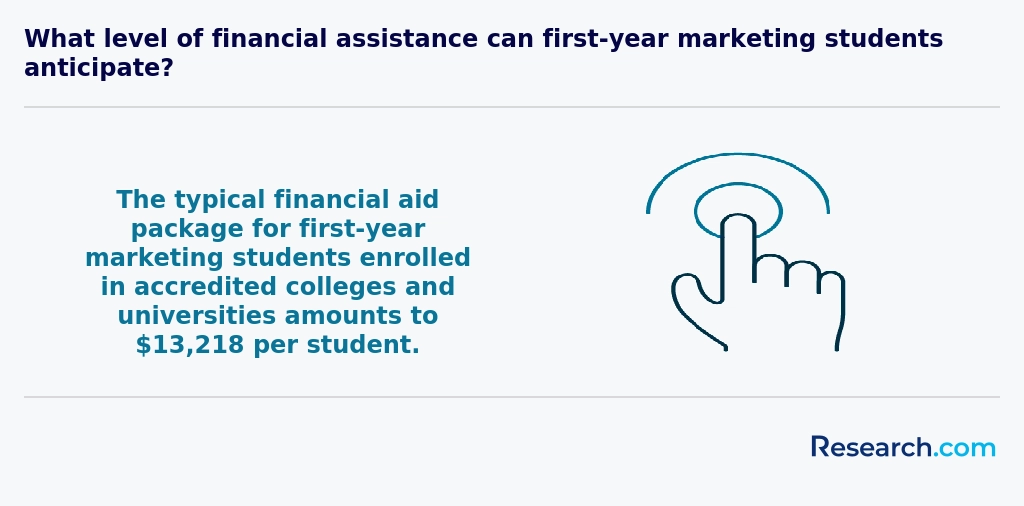
Picture yourself walking through the halls of James Madison University or the University of Richmond, clutching not just your textbooks but a Pell Grant that lightens your financial load by up to $7,395 a year-no payback required. Many marketing students here tap into the powerful gateway of FAFSA, unlocking grants, subsidized loans, or work-study gigs that sprinkle a bit of financial magic over tuition bills ranging from $12,000 to $25,000 at public schools, or climbing beyond $30,000 at private institutions.
Imagine a graduate relieved as the Virginia Tuition Assistance Grant chips away at steep private college costs with nearly $4,100 per year; others recall how the Virginia Commonwealth Award cushioned their pathway by targeting those with real financial need at public colleges. Work-study jobs aren't just cash-they're resumes in motion, perfectly blending earnings with indispensable marketing experience.
Then there are merit-based scholarships that feel like a pat on the back from your university, rewarding leadership, creativity, and hustle. Alumni from Virginia schools often share how the American Marketing Association scholarships or local employer tuition reimbursements transformed dreams into degrees, proving that financial aid here isn't just money; it's momentum.
When weighing your options, understanding the true return on investment (ROI) of a marketing degree in Virginia is critical. By comparing total program costs against projected earnings, you can make data-driven decisions that align with your financial and career goals. Average Program Costs and Earnings • Public Universities: Tuition averages $9,375 per year; with a typical four-year investment of $37,500, graduates often start at $78,880 annually, yielding a payback period of under two years. • Private Institutions: Four-year costs near $152,280; however, graduates from top-tier programs can command salaries exceeding $84,500, shortening the break-even point to around 1.8 years when factoring in accelerated career growth. • Community Colleges + Transfer Pathways: Two years at $3,501 annually followed by two years at a public university reduces overall tuition to approximately $26,752, cutting payback time by six months compared to direct four-year enrollment. Projected Salary Growth Data from the Bureau of Labor Statistics indicates a 23% growth in marketing roles by 2031. Graduates who pursue advanced certifications or internships often see a 15–20% salary increase within five years. When evaluating how much is a marketing degree, consider not just upfront costs but the potential for mid-career earnings that can exceed $150,000 in roles like Public Relations Specialist or Marketing Director. Maximizing Your ROI • Leverage internships and co-op programs to gain paid experience early. • Explore in-state aid, such as the Virginia Tuition Assistance Grant, to reduce net tuition. • Target specializations with high demand-digital marketing and analytics often offer the fastest salary ramps. • Consider accelerated or dual-degree tracks that combine bachelor’s and master’s credentials, reducing time to advanced roles. By quantifying both expenses and earning potential, you can choose a marketing degree program in Virginia that delivers the greatest long-term value, ensuring you graduate not only with knowledge but with a clear financial advantage.
Imagine stepping into the world of marketing at a Virginia university like the University of Virginia or Virginia Tech, where the journey begins with more than just ambition-it starts with a solid academic foundation. Graduates often recall how essential their high school diplomas, complete with strong English and math courses-especially algebra and statistics-were to grasping marketing's analytical side. These prerequisites act like your personal toolkit, sharpening your ability to decode market trends and consumer behavior.
Many students cheerfully share how meeting SAT benchmarks, typically between 1200 and 1400, opened doors, though some schools now welcome applicants test-optional, easing that pressure. For transfer or graduate hopefuls, the story deepens: a relevant bachelor's degree, good GPA, and sometimes glowing recommendation letters become the key to unlocking advanced marketing realms.
Think of computer skills and basic business know-how as secret ingredients that Virginia colleges insist you bring to the table-ready to mix into your coursework with confidence. These prerequisites, combined with financial savvy around tuition and scholarships, help craft the successful marketing student's blueprint.

At Virginia universities like Virginia Commonwealth and George Mason, marketing students dive into courses that feel less like lectures and more like playbooks for real-world impact. Imagine mastering Consumer Behavior as if decoding a friend's shopping list, or tackling Marketing Research like a detective piecing together clues to predict trends. These foundations ground you in understanding customers and markets-essential for any marketing wizard.
Graduates often recall the adrenaline rush from digital marketing projects, where social media campaigns at George Mason sparked genuine conversations with live audiences. Courses like Digital Marketing and Data Analytics transform tech jargon into powerful tools that turn numbers into narratives, driving savvy decisions on campaigns and branding.
Communication classes at Virginia Commonwealth amplify your voice through Integrated Marketing Communications and Brand Management, molding confident storytellers ready to captivate diverse audiences. Alongside these, supporting courses in Business Ethics and Economics add depth, ensuring marketing moves are as responsible as they are brilliant, making a degree here feel like a launchpad for purposeful creativity.
Virginia's marketing degree specializations open doors to vivid career landscapes, where digital marketing reigns supreme. Graduates from renowned universities dive into social media analytics and SEO like seasoned explorers navigating dynamic online ecosystems. Brand management concentrations offer another exciting avenue, empowering students with strategies to sculpt and elevate brand identities in fiercely competitive markets. In classrooms at popular Virginia colleges, market research students wrestle with big data, transforming abstract numbers into crystal-clear consumer insights that fuel smart decisions.
For those drawn to creativity fused with strategy, advertising tracks craft masters of compelling campaigns across both digital and traditional media. Niche specializations like international marketing challenge graduates to master cross-cultural tactics, bridging gaps between global markets and Virginia's economic hubs. It's easy to see why many choose local offerings to tailor their path.
You might wonder how much is a marketing degree here in Virginia; affordability often gives students breathing room to explore all these exciting Virginia marketing program concentration options and find their true passion.
Choosing the best marketing degree in Virginia is like assembling a toolkit for the future-each piece must fit the unique rhythm of your ambitions. Imagine a graduate from the University of Virginia who credits their success not only to rigorous courses but to hands-on projects reflecting Virginia's booming digital marketing scene. Their secret? Prioritizing curriculum that meshes perfectly with current industry demands. If you're hunting for best affordable marketing degrees in Virginia, weigh the balance between cost and quality; many grads found that public universities offered a vibrant education without sinking into debt, while scholarships made private schools an attainable dream.
Flexibility can also be a game-changer. A Virginia Tech student who juggled a part-time job admired evening classes that let them learn without sacrificing income. Career services matter deeply too, especially in Northern Virginia's bustling job market where internships and alumni connections become your launchpad. For a clear top marketing programs Virginia cost comparison, check out the Cheapest Marketing Degree Programs Ranking in New Hampshire for an idea of tuition trends that resonate even beyond state lines.
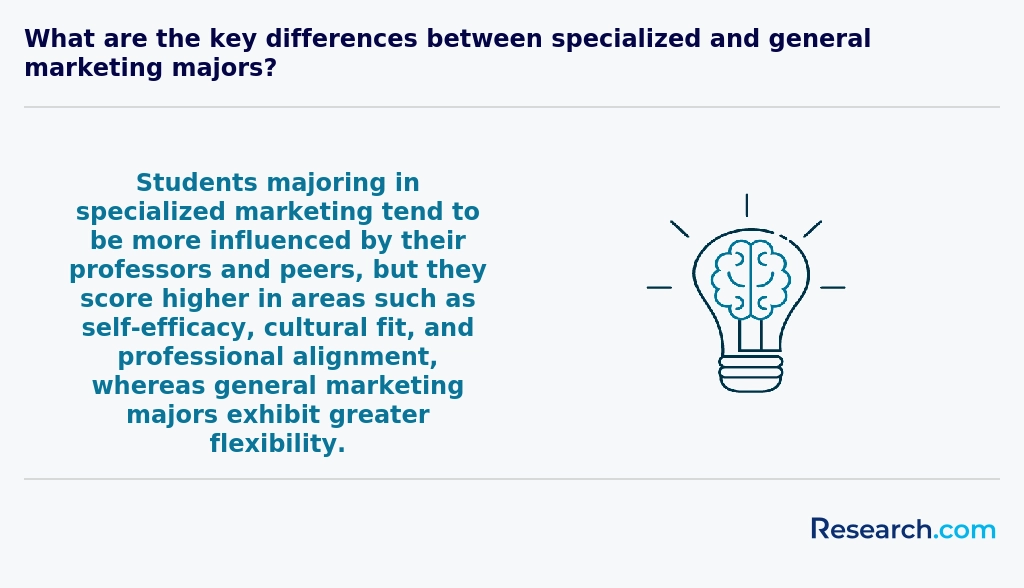
Graduates stepping out of Virginia's top marketing programs quickly discover a constellation of career paths shimmering with promise. Imagine crafting bold campaigns as a marketing manager in bustling Northern Virginia, where proximity to Washington, D.C. amplifies the impact of strategic storytelling. Recent graduates from Virginia's universities describe the thrill of seeing their ideas enliven brands in government contracting and high-tech firms.
Others dive into digital marketing, surfing the waves of SEO trends and social media buzz, especially in tech hubs like Arlington and Richmond. Here, the jobs with marketing degree in Virginia bloom, offering around $58,000 annually to creative minds eager to shape the online world. Some alumni find joy collaborating with product teams, marrying analytics and imagination to launch innovations in defense and tech industries.
For those captivated by data, market research analyst roles in Richmond provide a gateway to decoding consumer behavior, thriving alongside healthcare growth. Entry-level marketing coordinators often share stories of hands-on victories in campaign execution. Students balancing tuition costs-ranging from $20,000 to $35,000 annually-sometimes explore faster routes by pursuing a fastest associate's degree online to enter the vibrant Virginia marketing sphere quickly.
The marketing degree job outlook Virginia graduates face is alive with opportunity and a fresh breeze of innovation. Imagine recent graduates from popular schools across the state-immersed in Richmond's vibrant business scene or Northern Virginia's tech corridors-seizing roles as digital marketers or brand strategists crafting campaigns that reach millions. Their blend of creative flair and data precision proves invaluable as companies clamor for skills in SEO, content creation, and social media management. For many, landing an entry-level job in thriving hubs means a paycheck starting around $45,000 to $55,000, with seasoned marketing managers enjoying salaries near $125,000, showing the rewards for persistence and skill growth.
Students often share how Virginia's diverse economy-from government contracting to healthcare-shaped their career paths, with hands-on internships and networking pushing them into roles they once only dreamed of. The range of educational costs also allows aspiring marketers to tailor their journey, balancing passion and budget. Exploring the best programs for older adults online shows just how accessible a marketing degree can be at various stages of life, making every graduate's success story uniquely vibrant within Virginia's evolving job market.
2027 Best Marketing Degree Programs Ranking in Virginia
Investing in your education is a significant decision that can shape your future, and the Research.com team understands the importance of making informed choices. To assist prospective students in Virginia, we have meticulously crafted the "2027 Best Marketing Degree Programs Ranking in Virginia." Our commitment to quality, credibility, and accuracy is reflected in the extensive research and analysis conducted to compile this ranking.
We utilized the following reputable data sources to ensure a comprehensive evaluation of marketing programs:
By exploring this ranking, readers will gain valuable insights into the best marketing degree programs available in Virginia, helping them make informed decisions about their educational paths. For more details on our methodology, please visit our Research.com methodology page.


Frequently Asked Questions About marketing
Marketing degree students in Virginia can maximize their learning experience by combining academic knowledge with practical skills. Virginia hosts several universities offering accredited marketing programs that emphasize both theory and applied learning. Engaging in internships within Virginia's diverse business sectors-such as technology in Northern Virginia or agribusiness in rural areas-provides valuable real-world experience. According to the Bureau of Labor Statistics, Virginia's marketing employment is projected to grow by 7% through 2031, making internships crucial for networking and gaining competitive advantages.
Additionally, students should take advantage of campus resources like marketing clubs, guest lectures, and case competitions. Utilizing tools such as data analytics software and digital marketing platforms aligns with current industry demands. Collaborations with local firms or startups can also enhance practical understanding while building local professional connections essential for post-graduate employment in Virginia's vibrant economy.
The marketing field in Virginia is rapidly evolving, with several emerging niches gaining traction among professionals and students. Digital marketing, fueled by advances in data analytics and AI, continues to dominate, offering roles in areas like programmatic advertising and customer experience optimization. Another growing sector is influencer marketing, where brands collaborate with social media personalities to reach targeted audiences more authentically.
Virginia's strong defense and technology industries are also driving demand for niche marketing focused on cybersecurity solutions and tech innovations. Additionally, content marketing and video production are expanding as businesses prioritize storytelling to engage consumers. According to the U.S. Bureau of Labor Statistics, digital marketing jobs in Virginia are expected to grow about 8% through 2029, reflecting these trends.
After earning a marketing degree in Virginia, graduates should focus on gaining practical experience to improve job market readiness. Internships and cooperative education programs offered through Virginia universities significantly boost employment prospects. According to the Virginia Employment Commission, marketing-related jobs are expected to grow about 8% through 2030, highlighting opportunities but also increasing competition.
Networking is crucial in Virginia's dynamic business hubs like Richmond and Northern Virginia. Joining professional groups such as the American Marketing Association's local chapters can provide valuable contacts. Additionally, developing skills in digital marketing tools and data analysis aligns with trends identified by the Virginia Chamber of Commerce as in-demand competencies for marketers.
Employers in Virginia increasingly seek marketing graduates who combine strong analytical skills with creativity. Proficiency in digital marketing tools such as Google Analytics and SEO techniques is highly prized due to the state's growing tech and service sectors. According to the Virginia Employment Commission, data-driven decision-making ranks among the top five employer priorities in the region. Communication skills, both written and verbal, remain essential as graduates must effectively convey marketing strategies and collaborate across departments. Additionally, adaptability and project management abilities are valuable, reflecting trends highlighted by the Marketing Accountability Standards Board in 2023 related to workforce readiness in Virginia.
Finding marketing internships in Virginia involves a mix of leveraging university resources and exploring local industry opportunities. Many Virginia colleges, such as the University of Virginia and Virginia Commonwealth University, have dedicated career centers that connect students with internships in marketing firms and corporate marketing departments. According to the Virginia Employment Commission, sectors like professional services and information technology are hiring marketing interns actively.
Networking within local business groups, such as the Virginia Chamber of Commerce, also helps students access unadvertised internships. Online platforms like Handshake and LinkedIn provide listings tailored to Virginia students seeking marketing roles. Utilizing these resources increases the chance of securing valuable, practical experience in the state's competitive marketing market.
A marketing degree in Virginia significantly enhances career mobility and advancement opportunities. According to the U.S. Bureau of Labor Statistics, marketing management roles in Virginia are projected to grow by 7% from 2022 to 2032, faster than the average for all occupations. This growth supports increased demand for professionals with formal marketing education. Employers in Virginia's urban centers like Richmond and Northern Virginia often prefer candidates with a degree due to the competitive nature of marketing positions.
A marketing degree equips graduates with essential skills in digital marketing, consumer behavior, and data analysis, making them adaptable to various industries. This versatility allows professionals to shift across sectors such as technology, healthcare, and finance, which are strong in Virginia's economy.
Furthermore, graduates with marketing credentials tend to experience higher starting salaries and quicker promotions. The Virginia Employment Commission reports that marketing specialists earn a median annual wage of approximately $65,000, with managers earning significantly more, especially in metropolitan areas. These factors collectively demonstrate the positive role a marketing degree plays in career progression within Virginia.
Studying for a marketing degree in Virginia equips students with a broad skill set relevant to interdisciplinary roles. Virginia's programs often integrate principles from business, communications, psychology, and data analytics, reflecting the diverse demands of modern marketing careers.
Students learn how to analyze consumer behavior, design strategic campaigns, and use digital tools, preparing them to collaborate with teams in finance, IT, and creative fields. According to the National Center for Education Statistics, Virginia awards over 1,500 marketing-related bachelor's degrees annually, showing a robust educational environment.
Local industries, including tech and government sectors, also influence curricula, emphasizing cross-functional teamwork and real-world problem solving.
When choosing between a thesis and a non-thesis marketing degree program in Virginia, consider your career goals and learning preferences. A thesis program emphasizes research skills, ideal for students aiming for doctoral studies or research-oriented roles. Typically, thesis students spend more time developing original work, which can enhance analytical abilities.
Non-thesis programs focus on practical coursework and often require internships or projects, catering to those seeking immediate employment in marketing fields. Many Virginia universities offer both options to accommodate diverse needs.
According to the Virginia Economic Development Partnership, marketing professionals in Virginia showed a 5% employment growth from 2020 to 2023, highlighting demand for practical skills.
Review your interest in research, time availability, and job market trends to make an informed decision.
Students in Virginia seeking to study marketing abroad have several avenues available through their home institutions. Many Virginia universities with marketing programs, such as the University of Virginia and Virginia Tech, offer exchange programs and partnerships with international universities in Europe, Asia, and Latin America. These opportunities allow students to earn credits toward their marketing degrees while experiencing different global business environments.
Additionally, Virginia's higher education system encourages participation in semester-long or summer abroad programs, often supported by scholarships and financial aid. According to the Institute of International Education, roughly 10% of Virginia college students study abroad, with business fields among the most popular.
Virginia students interested in global marketing can capitalize on these programs to gain crucial cross-cultural skills relevant in today's international markets.
Students pursuing marketing degrees in Virginia can benefit from various part-time jobs that enhance their academic knowledge with practical experience. Roles such as social media coordinator, marketing assistant, and content creator are common opportunities aligned with marketing studies. Many Virginia-based companies, especially within the tech and retail sectors, seek interns or part-time staff to manage digital campaigns and customer engagement.
The Virginia Employment Commission reports that marketing-related part-time positions have grown by 4% annually in recent years, reflecting rising industry demand. Local advertising agencies in cities like Richmond and Charlottesville also offer flexible roles that help students develop skills in market research and brand management.
Additionally, many colleges collaborate with small businesses, enabling students to work on live marketing projects while studying. These experiences can significantly bolster a marketing resume while helping apply classroom learning to real-world challenges.
Marketing students in Virginia benefit from diverse networking opportunities that connect them with industry professionals and potential employers. Universities such as the University of Virginia and Virginia Commonwealth University have active marketing clubs and chapters of national organizations like the American Marketing Association (AMA), facilitating regular events, workshops, and guest speaker sessions.
Additionally, Virginia's proximity to Washington, D.C., offers valuable chances to engage with marketing firms, nonprofits, and government agencies. The state's Chamber of Commerce and local business groups often host networking mixers and career fairs tailored to marketing professionals.
According to the Virginia Economic Development Partnership, the marketing and advertising industry in Virginia employs over 28,000 people, emphasizing strong local demand and numerous internship possibilities.
Alumni networks provide significant advantages to marketing degree students in Virginia by fostering strong professional connections. These networks often include successful graduates working in key industries such as technology, government, and retail, all prominent in Virginia's economy. According to the Virginia Economic Development Partnership, Northern Virginia alone hosts over 1,000 tech firms, making alumni connections valuable for mentorship and job opportunities.
Marketing students can access internships and job openings through these networks, improving their career prospects. Additionally, alumni often participate in campus events and workshops, sharing real-world experience and industry trends critical for marketing skills development. This active engagement makes alumni networks an essential resource for students.
Customizing a marketing degree program in Virginia allows students to align their studies with specific career goals. Many Virginia universities offer electives in digital marketing, consumer behavior, and data analytics, enabling students to develop expertise in high-demand areas. For example, incorporating courses in social media strategy or marketing research can prepare students for roles in emerging sectors.
Students may also choose to pursue internships in Virginia's growing business hubs like Richmond or Arlington, gaining practical experience. Some programs allow specialization through certificates or concentrations, enhancing credentials.
Additionally, Virginia's proximity to federal agencies supports marketing careers focused on public relations and government communications. According to the National Center for Education Statistics, over 60% of marketing graduates in Virginia enter specialized sectors, highlighting the value of tailoring programs.
Marketing students in Virginia often face challenges related to rapidly changing industry trends and technology. With digital marketing evolving quickly, students must continuously adapt to new tools and platforms to stay competitive. According to the U.S. Bureau of Labor Statistics, Virginia's marketing job market is expected to grow by 8% through 2030, increasing the need for practical experience in addition to theoretical knowledge.
Access to internships can be competitive due to the concentration of marketing firms in areas like Richmond and Northern Virginia. Many students also find balancing coursework with work commitments difficult, especially as Virginia schools incorporate real-world projects into their curricula.
Graduates with a marketing degree in Virginia have several professional certifications to enhance their career prospects. Popular certifications include the Certified Marketing Professional (CMP) and the Digital Marketing Pro offered by the American Marketing Association. These credentials validate skills in marketing strategy, digital tools, and analytics.
The Virginia Employment Commission notes that marketing roles requiring certification often see higher salaries, with a median wage around 10% above the state average for marketing specialists. Additionally, Google's certified courses in analytics and advertising are valuable for digital marketing careers.
Many Virginia institutions also support certification exam preparation, helping students enter competitive fields such as brand management, market research, and digital advertising.
Writing a winning application for a marketing program in Virginia starts with clear demonstration of your passion and understanding of the field. Admissions committees look for applicants who articulate specific career goals related to marketing, backed by relevant experiences such as internships, volunteer work, or projects.
Highlight your academic achievements, especially in courses like business, communications, or statistics. Virginia schools often value strong quantitative skills paired with creativity, reflecting marketing's dual focus.
Use your personal statement to explain why you chose marketing and how a Virginia program fits your aspirations. Tailoring your essay for the state's vibrant business landscape, including sectors like tech and healthcare marketing, can strengthen your application.
Letters of recommendation should come from professors or supervisors who can attest to your analytical and interpersonal strengths.
Marketing careers are increasingly influenced by global trends, reflecting the interconnected nature of today's economy. For students in Virginia pursuing marketing degrees, understanding international markets and multicultural consumer behavior is essential. The U.S. Bureau of Labor Statistics notes that marketing specialist jobs are projected to grow 10% from 2022 to 2032, higher than the average for all occupations.
Many Virginia universities integrate global case studies and digital marketing skills to prepare graduates for worldwide opportunities. Firms in Virginia, including those in Northern Virginia's tech corridor, often seek marketers familiar with global branding and cross-cultural communication. This international perspective enhances job prospects both locally and abroad.
Gaining practical experience while studying for a marketing degree in Virginia is essential for building a competitive edge in the job market. Many universities in the state, including the University of Virginia and Virginia Tech, offer cooperative education (co-op) programs and internships that integrate real-world work experience with academic studies.
Students can also join marketing clubs and organizations on campus to apply their skills in event planning, digital marketing, and social media management. Virginia's growing economy, especially in Northern Virginia's tech and business sectors, provides numerous internship opportunities with companies seeking marketing talent.
According to the Virginia Economic Development Partnership, internships in marketing fields contribute significantly to student career readiness.
Choosing the right concentration within a marketing degree program in Virginia involves aligning your career goals with the demands of the local job market. Virginia's economy, with strong sectors in technology, government contracting, and healthcare, influences marketing specialties in demand. For example, concentrations in digital marketing and data analytics are growing, supported by Bureau of Labor Statistics projections showing a 10% increase in marketing analyst roles nationwide through 2032.
Investigate program offerings at Virginia universities to match concentrations with your interests, such as brand management, social media, or market research. Consider internship opportunities nearby, especially in cities like Richmond, Arlington, or Virginia Beach, for practical experience.
- 2027 Best Marketing Degree Programs Ranking in North Carolina
- 2027 Best Marketing Degree Programs Ranking in Ohio
- 2027 Best Marketing Degree Programs Ranking in New Jersey
- 2027 Best Marketing Degree Programs Ranking in Georgia
- 2027 Best Marketing Degree Programs Ranking in New York
- 2027 Best Marketing Degree Programs Ranking in Alabama
- 2027 Best Marketing Degree Programs Ranking in Rhode Island
- 2027 Best Marketing Degree Programs Ranking in Massachusetts
- 2027 Best Marketing Degree Programs Ranking in Missouri
- 2027 Best Marketing Degree Programs Ranking in Illinois
See What Experts Have To Say About Studying Marketing
Read our interview with Marketing experts

Sonya A. Grier, Ph.D.
Marketing Expert
Professor, Department of Marketing
American University

John R. Meindl
Marketing Expert
Adjunct Assistant Professor of Marketing
Hofstra University

- Marketing Major, Bachelor of Science (B.S.) https://catalog.vsu.edu/undergraduate/lewis-college-business/department-management-marketing/business-phase-marketing/
- Digital Marketing vs Traditional Marketing: What to Choose in 2025 https://www.careers360.com/courses/articles/digital-marketing-vs-traditional-marketing
- What Do Different Marketing Salaries in Virginia Look Like? https://www.allbusinessschools.com/marketing/salary/virginia/
- 15 Marketing Certifications to Build Must-Have 2025 Skills https://www.cmswire.com/digital-marketing/10-marketing-certifications-that-can-help-you-earn-a-better-salary/
- 12 Major Marketing Challenges and How to Address Them | NetSuite https://www.netsuite.com/portal/resource/articles/erp/marketing-challenges.shtml
- A Sample of Personal Career Goals and Career Strategy for Marketing Manager https://research-methodology.net/a-sample-of-personal-career-goals-and-career-strategy-for-marketing-manager/
- The Importance of Networking for Students Entering the Marketing Industry https://moviamedia.com/moving-billboard-blog/the-importance-of-networking-for-students-entering-the-marketing-industry/
- Academic Challenges of Marketing Students - Blog – Expert Tips & Insights for Students https://affordableassignments.co.uk/blog/academic-challenges-of-marketing-students/
- Study Marketing Abroad | Go Overseas https://www.gooverseas.com/study-abroad/marketing
- Marketing Assistant Cover Letter Sample https://www.kickresume.com/en/help-center/marketing-assistant-1-cover-letter-sample/