
2027 Easiest Online Higher Education Administration Degree Programs Ranking in the USA

Co-Founder and Chief Data Scientist
Choosing the right online higher education administration degree can feel overwhelming, but we're here to make it easier. This article features the 2027 Easiest Online Higher Education Administration Degree Programs Ranking in the USA, carefully crafted by the Research.com team of data scientists. It's designed to help you find programs that match your goals without unnecessary hurdles.
Exploring this ranking can guide you toward programs that fit your lifestyle and ambitions. Earning a degree in higher education administration opens doors to fulfilling careers in education leadership. Take this step confidently toward your future.
Key benefits of getting online higher education administration degree in America
- Graduates with a higher education administration degree can pursue rewarding careers in student affairs, academic advising, and enrollment management, where salaries often range from $50,000 to $70,000 annually, offering strong financial stability.
- An example graduate from a well-known university might start as an admissions counselor or student services coordinator, gaining valuable experience that opens doors to leadership roles in college administration.
- Online degree programs offer flexible schedules and the ability to learn from anywhere, as seen with graduates from popular online schools who balance work and study successfully while earning respected credentials.
What can I expect from online higher education administration degree in America?
The average cost of an online higher education administration degree in America varies significantly by institution type. Public universities often charge between $5,000 and $15,000 per year for in-state students, making it an affordable option for many seeking flexible, quality education. For example, graduates from well-known state universities frequently mention the financial accessibility combined with robust program offerings as pivotal in their decision to enroll.
In contrast, private institutions commonly exceed $20,000 annually, reflecting their extensive resources and alumni networks. Many graduates recall that despite higher costs, the personalized support and specialized coursework justified the investment. Financial aid and employer tuition reimbursement further ease the burden, enabling students to pursue their goals without overwhelming debt.
Experiences shared by alumni from respected colleges highlight how these programs balance cost with value by integrating practical assignments and real-world case studies. This approach strengthens leadership skills crucial for roles like academic coordinator or student services director, ultimately delivering both personal fulfillment and career advancement.
Where can I work with online higher education administration degree in America?
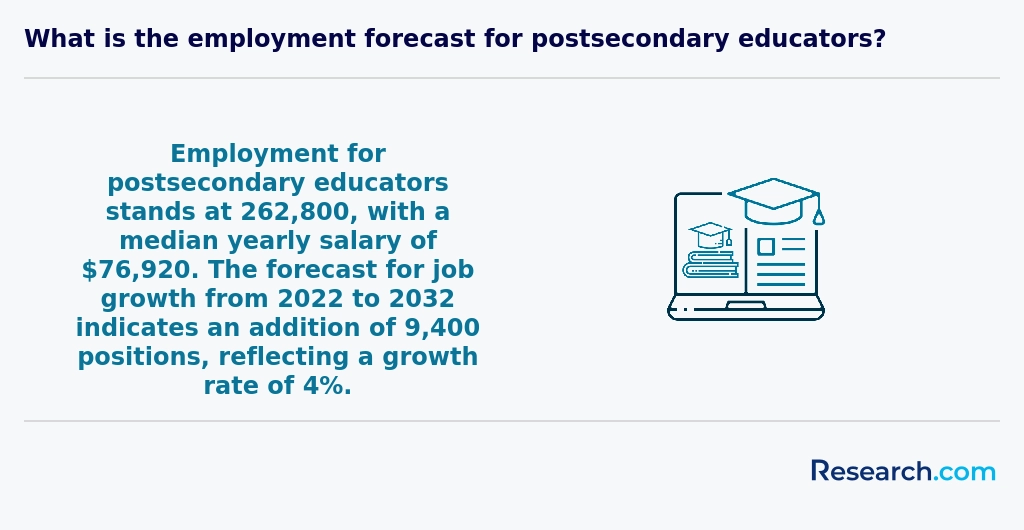
Graduates with an online higher education administration degree in America typically find employment within colleges and universities, where roles in student services, enrollment management, and campus administration are common. For example, graduates from well-known programs at institutions like Arizona State University often secure positions supporting academic advising or managing student engagement initiatives. According to the U.S. Bureau of Labor Statistics, about 214,400 postsecondary education administrators were employed in 2022, with a median annual wage of $99,840.
Community colleges also present significant opportunities, employing administrators focused on student retention and financial aid. These institutions serve millions of students yearly, emphasizing the demand for professionals familiar with their unique challenges. Graduates often express satisfaction in directly impacting diverse student populations.
Additionally, some graduates work in public and private school districts or state and federal education agencies, contributing to policy development, program evaluation, or compliance monitoring. The rise of online education has further expanded career paths into digital learning management and educational technology, reflecting real shifts seen during the COVID-19 pandemic.
How much can I make with online higher education administration degree in America?
Graduates with an online higher education administration degree in America can typically expect salaries that range widely depending on their role and experience. Entry-level positions, such as coordinators or assistant directors at institutions like Ohio State University or the University of Florida, usually earn between $50,000 and $65,000 annually. These figures reflect practical starting points for many recent graduates.
More experienced professionals, such as department heads or mid-level managers working at mid-sized public universities, often see salaries between $70,000 and $90,000. For example, graduates employed at schools known for their strong administration programs, like Penn State, report reaching this range as they gain experience and take on greater responsibilities.
Senior administrators, such as deans or directors at large research universities or flagship state institutions, often earn $100,000 or more per year. These roles combine leadership and strategic planning and highlight the earning potential tied to advanced degrees and years of service.
Students from popular online programs in education administration appreciate the flexibility to pursue these opportunities nationwide, with salaries often trending higher in metropolitan areas with prestigious universities. This range reflects a satisfying return on investment and promising career growth in this field.
- Key benefits of getting online higher education administration degree in America
- What can I expect from online higher education administration degree in America?
- Where can I work with online higher education administration degree in America?
- How much can I make with online higher education administration degree in America?
- How do we rank schools?
- 2027 Easiest Online Higher Education Administration Degree Programs Ranking in the USA
- What online higher education administration degree graduates have to say
- Key Findings
- How long does it take to complete online higher education administration degree in America?
- What's the difference between online and on-campus higher education administration degree?
- What is the average cost of online higher education administration degree in America?
- What financial aid is available to online higher education administration degree students in America?
- What are the prerequisites for enrolling in online higher education administration degree program in America?
- What courses are typically in online higher education administration degree programs in America?
- What types of specializations are available in online higher education administration degree programs in America?
- How do you choose the best online higher education administration degree in America?
- What career paths are available for online higher education administration degree students in America?
- What is the job market for online higher education administration degree in America?
- Frequently Asked Questions About higher education administration
- Top Trending Higher Education Administration Rankings
How do we rank schools?
Investing in your education is a significant decision that can shape your future, and the Research.com team understands the importance of making informed choices. To assist prospective students, we have meticulously created the "2027 Easiest Online Higher Education Administration Degree Programs Ranking in the USA." Our commitment to quality, credibility, and accuracy is demonstrated through rigorous research and comprehensive analysis.
We utilized the following reputable data sources to ensure a thorough evaluation of programs:
By reviewing this ranking, readers will gain valuable insights to identify accessible and high-quality online higher education administration degrees, empowering them to make confident, well-informed educational decisions. For more details on our methodology, please visit our Research.com methodology page.
2027 Easiest Online Higher Education Administration Degree Programs Ranking in the USA
# 1 position

Maryville University of Saint Louis offers a Doctoral program focused on Educational Leadership and Education, with an open admission policy reflecting a 95% acceptance rate. The program lasts 36 months and has a graduation rate of 66%. Approximately 99% of students receive high levels of financial aid. The average total cost for the program is $43,056, and it currently enrolls 7,061 online students.
# 2 position

Morehead State University offers a Master's program in Educational Leadership and Education designed to be completed in 24 months. The program has an open admission policy with a 77% acceptance rate and supports a large online student body of 4,745. Tuition averages $11,370, with 99% of students benefiting from high levels of financial aid. The program's graduation rate stands at 52%, reflecting moderate completion success.
# 3 position
Regent University
Doctor
Regent University offers a Doctoral program focused on Education with a duration of 36 months. The program has a graduation rate of 57% and an acceptance rate of 38%, indicating a moderately selective admissions process. Approximately 9,624 students are enrolled online. With an average total cost of $48,800, the program provides high levels of financial aid, as 97% of students receive assistance.
# 4 position
University of Louisville
Master
The University of Louisville offers a 24-month Master's program focused on Educational Leadership and Education. The program has an open admission policy with a 79% acceptance rate, making it accessible to many applicants. About 98% of students receive high levels of financial aid. The average total cost is $27,504. The graduation rate stands at 61%, and the program supports a substantial online enrollment of 5,630 students.
# 5 position
Walden University
Master
Walden University offers a Master's program focused on Educational Leadership and Education, serving 52,188 online students. The program provides high levels of financial aid, with 100% of students receiving support. The average total cost is $20,400, making it an accessible option for many prospective students. While specific data on graduation and acceptance rates is not available, the program's significant online enrollment reflects its broad reach.
# 6 position
Caldwell University
Master
Caldwell University offers a Master's program focused on Educational Leadership and Education with a duration of 12 months. The program has a graduation rate of 57% and a less selective acceptance rate of 71%. The average total cost is $24,300, with 100% of students receiving financial aid, indicating a high level of support. Currently, there are 80 online students enrolled in the program.
# 7 position

Grand Valley State University offers a Master's program focused on Educational Leadership and Education with an 18-month duration. The program has an open admission policy with an acceptance rate of 83%. It serves over 10,700 online students and has a graduation rate of 67%. The average total cost is $30,924, and 94% of students receive high levels of financial aid.
# 8 position
Duquesne University
Master
Duquesne University offers a Master's program in Education with a 24-month duration and an average total cost of $31,620. The program has an open admission policy with an acceptance rate of 84%. It boasts a graduation rate of 77%, and all students benefit from high levels of financial aid. Currently, 561 students are enrolled online, making it a well-supported option for distance learners.
# 9 position

Abilene Christian University offers a Master's program focused on Educational Leadership and Education, designed to be completed in 24 months. The program has a less selective acceptance rate of 66%. It boasts a graduation rate of 59% and provides high levels of financial aid, with 100% of students receiving assistance. The average total cost for the program is $26,136.
# 10 position
Pace University
Master
The Master's program in Educational Leadership at Pace University offers a 24-month curriculum with a graduation rate of 60%. The program has an open admission policy, accepting 76% of applicants. Nearly all students, 99%, receive financial aid, indicating a high level of support. The average total cost for the degree is $29,400. Currently, 979 students are enrolled in the online format of this program.
# 11 position
Hofstra University
Master
Hofstra University offers a Master's program focused on Educational Leadership and Education, lasting 18 months. The program has a graduation rate of 69% and an acceptance rate of 68%, indicating a less selective admission process. Nearly all students (99%) receive financial aid. The average total cost is $52,344, with 1,490 online students enrolled, making it accessible for distance learners seeking advanced education leadership skills.
# 12 position
Indiana State University
Master
Indiana State University offers a Master's program focused on Education, lasting 36 months. The program has an open admission policy with an 81% acceptance rate, making it accessible to many applicants. Graduates have a 43% completion rate. The average total cost is $30,927. A high 98% of students receive financial aid. Currently, 2,703 students are enrolled online in this program.
# 13 position
Andrews University
Master
Andrews University offers a 24-month Master's program focused on Educational Leadership and Education. The program has an open admission policy with an 82% acceptance rate, welcoming many applicants. About 99% of students receive high levels of financial aid, helping to offset the average total cost of $42,984. The program serves a sizable online student body of 553 and maintains a graduation rate of 72%, indicating a strong completion record.
# 14 position

East Texas A& M University offers a 12-month Master's program focused on Educational Leadership and Education. The program has an open admission policy with a 92% acceptance rate and enrolls 4,677 online students. Tuition averages $7,272, and 95% of students receive high levels of financial aid. The graduation rate stands at 43%, reflecting the program's completion outcomes for enrolled students.
# 15 position
Brenau University
Doctor
Brenau University offers a Doctoral program focused on Education lasting 24 months. The acceptance rate is open admission at 88%, making it accessible to most applicants. The graduation rate stands at 33%. Students pay an average total cost of $51,300. A notable 99% of students receive financial aid, indicating high support levels to assist with the program's expenses.
# 16 position
Indiana State University
DoctorIndiana State University offers a Doctoral program in Educational Leadership and Education with a duration of 24 months. The program has an open admission policy with an acceptance rate of 81%. It supports a large online community of 2,703 students. The graduation rate is 43%, and the average total cost is $71,370. Students benefit from high financial aid availability, with 98% receiving some form of assistance.
# 17 position

The University of Colorado Denver/Anschutz Medical Campus offers a Doctor-level program focused on Educational Leadership and Education. The program spans 36 months with an average total cost of $65,178. It has a less selective acceptance rate of 75% and a graduation rate of 46%. A significant majority of students, 94%, receive financial aid. The program currently enrolls 8,082 online students, reflecting its strong online presence.
# 18 position

The University of North Georgia offers a Doctor-level program focused on Educational Leadership and Education. This 36-month program has a graduation rate of 37%. It is less selective with an acceptance rate of 68%. The average total cost is $18,180. A high level of financial aid is available, with 91% of students receiving support. The program enrolls 9,317 online students, reflecting strong accessibility.
# 19 position
Andrews University
DoctorAndrews University offers a Doctoral program focused on Educational Leadership and Education, lasting 60 months. The program has an open admission policy with an acceptance rate of 82%, supporting high accessibility. Approximately 553 students study online. The graduation rate is 72%, and the average total cost is $84,546. A significant 99% of students receive financial aid, reflecting high aid availability in this program.
# 20 position
University of Florida
Master
The University of Florida offers a selective Master's program focused on Education, with an acceptance rate of 24%. The program lasts 24 months and features a high graduation rate of 91%. It serves 3,198 online students, providing a flexible learning environment. Tuition averages $18,397, and 94% of students benefit from high levels of financial aid, making the program accessible to many.
What online higher education administration degree graduates have to say
- Jessica: Earning my online Higher Education Administration degree from Arizona State University was a game-changer. The flexible schedule allowed me to balance work and study effortlessly. Faculty were approachable and supportive, making the online experience just as engaging as on-campus. I feel fully prepared to lead in academic settings now.
- Marcus: The University of Florida's online program gave me practical skills through interactive coursework and real-world projects. I appreciated the diverse network of peers from across the country, which enriched my learning. Studying online boosted my confidence and opened doors for career advancement in education administration.
- Alyssa: Choosing Columbia University for my online Higher Education Administration degree was the best decision. The rigorous curriculum challenged me intellectually while the virtual resources and mentorship provided a sense of community. I felt empowered throughout my studies and ready to impact higher education positively.
Key Findings
- Online higher education administration degrees typically offer Bachelor's or Master's levels, with Master's programs lasting about 18 to 24 months.
- Tuition for online Master's programs ranges from $10,000 to $30,000 depending on the institution's type and prestige.
- Employment for postsecondary education administrators is projected to grow 8% between 2022 and 2032, faster than the average for all occupations.
- Starting salaries for graduates usually range from $50,000 to $65,000, increasing to $80,000 to $100,000 or more with experience.
- Many programs offer flexible, asynchronous courses designed for working professionals.
- Accreditation from bodies like CAEP or regional agencies is essential for program quality and career credibility.
How long does it take to complete online higher education administration degree in America?
Completing an online higher education administration degree in America typically varies between two to six years, depending on the level and pace of study. Full-time students pursuing a master's degree at institutions such as the University of Southern California or Pennsylvania State University often finish in about two years, reflecting national averages reported by the NCES. Part-time students juggling career and family commitments around programs at universities like Michigan State may take three to four years, appreciating the flexibility that allows them to balance work and education without overwhelming stress.
Doctoral candidates, enrolled for example at Indiana University or the University of Florida, generally require four to six years to complete their Ed.D. or Ph.D., navigating coursework, exams, and dissertation phases. Many graduates attest that despite the longer timeframe, the structured support and cohort experiences significantly enhance their motivation and achievement.
Transfer credits and accelerated options, sometimes offered at schools like Northeastern University, can shorten this pathway to as little as 12 to 18 months, contributing to a more efficient and rewarding academic journey without sacrificing depth of learning.
What's the difference between online and on-campus higher education administration degree?
The primary difference between online and on-campus higher education administration degrees in America is the delivery method and student experience. On-campus programs at universities like the University of Michigan or Vanderbilt require physical presence, offering direct access to campus resources, face-to-face interaction with faculty, and networking opportunities. Graduates often recall hands-on experiences in campus libraries and mentorship from professors as vital to developing leadership skills.
Conversely, online degrees from institutions such as Penn State World Campus provide flexibility, allowing students-often working professionals-to study remotely on their own schedule. This format is praised for reducing commuting and housing costs, which aligns with data showing roughly 14% of education graduate students enrolled fully online in 2020, per NCES. Online learners benefit from digital lectures, discussion boards, and virtual group projects, fostering a unique, though sometimes less immediate, sense of community.
Tuition costs are generally comparable, but online students save on ancillary expenses. Both formats maintain accreditation standards, while internships or local practicums remain essential, with some programs coordinating placements to ensure practical experience.
What is the average cost of online higher education administration degree in America?
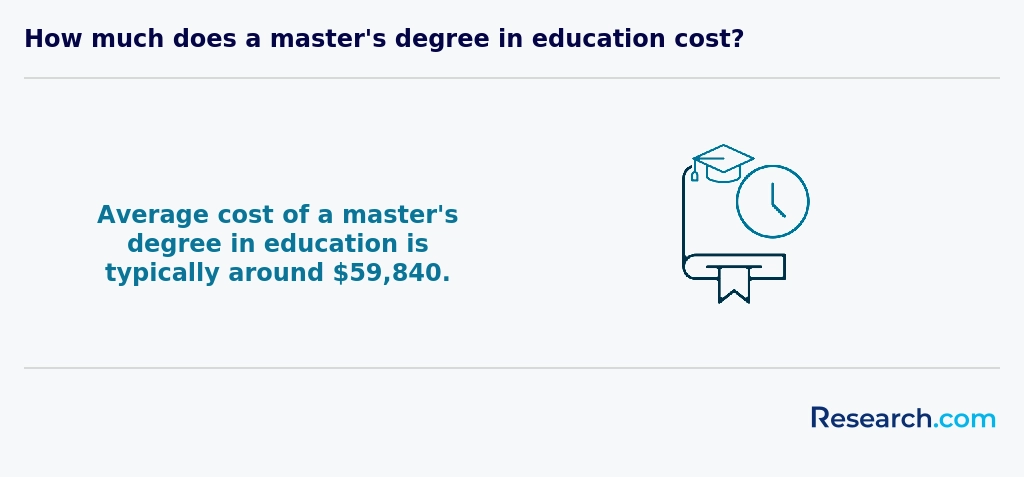
The average cost of an online higher education administration degree in America centers around a median total tuition of approximately $31,273. This figure reflects tuition charges across various institutions and residency statuses, with in-state students typically benefiting from a median total cost near $18,090. Out-of-state learners face higher rates, with median costs around $42,696, demonstrating a significant variance based on residency. These amounts underscore the importance of scrutinizing tuition fees when exploring online higher education administration degree tuition fees 2027 USA.
Students enrolled in popular universities, such as those renowned for leadership and education programs, often share positive experiences despite the financial commitment. Many highlight the flexibility afforded by online platforms, which allows them to balance career and family obligations while advancing their expertise in educational leadership. These graduates frequently mention the value derived from specialized curriculum and expert faculty, justifying the investment even when tuition approaches upper ranges.
Financial strategies like scholarships, employer tuition reimbursement, and federal aid remain critical for many learners. With the competitive pricing juxtaposed against traditional on-campus programs, online degrees are increasingly attractive. For those seeking accelerated or cost-effective pathways, exploring options such as the cheapest EdD programs may offer additional savings and convenience.
What financial aid is available to online higher education administration degree students in America?
Students pursuing online higher education administration degrees in America often leverage federal financial aid via FAFSA to manage costs typically ranging from $20,000 to $45,000. Federal loans, including Direct Unsubsidized and Grad PLUS Loans, provide accessible funding with favorable interest rates and repayment plans, which many graduates from universities like the University of Southern California have found instrumental in reducing immediate financial pressure.
While federal grants are scarce for graduate students, programs like Federal Work-Study help some students earn income during their studies, offering practical relief. Scholarships and grants from professional bodies such as the American College Personnel Association support candidates demonstrating academic merit and leadership, outcomes repeatedly acknowledged by graduates of top programs such as those at Boston College.
Employer tuition assistance also plays a significant role for working professionals enrolled in institutions like Indiana University, offering partial or full tuition reimbursement and enabling career advancement. Private loans serve as a last resort but usually involve higher costs, emphasizing the importance of maximizing federal aid opportunities first.
What are the prerequisites for enrolling in online higher education administration degree program in America?
Applicants for online higher education administration degrees in America must hold a bachelor's degree from an accredited institution, with many graduates sharing how this foundational step prepared them for advanced study. Universities like the University of Southern California and Penn State emphasize transcripts that demonstrate solid academic performance, often requiring a minimum GPA around 3.0. Graduates describe how maintaining strong undergraduate results eased their admissions process.
Standardized tests such as the GRE are increasingly being waived; more than half of U.S. graduate programs adopted test-optional policies by 2022. This shift has encouraged applicants who excel in professional settings but struggle with standardized exams.
Professional experience in education or administration is another critical prerequisite. Graduates from institutions such as Johns Hopkins University highlight how several years working in schools or colleges helped them relate to leadership coursework and policy analysis, enriching their studies.
Additional materials like letters of recommendation, personal statements, and resumes enable admissions committees to understand candidates' ambitions and readiness. Past students from these programs often reflect on how crafting these documents helped clarify their career goals and boost confidence during enrollment.
What courses are typically in online higher education administration degree programs in America?
Online higher education administration degrees in America commonly include courses focused on educational leadership, organizational theory, and policy analysis. Graduates from universities known for these programs often describe courses such as Higher Education Finance and Budgeting as invaluable, providing them practical skills in resource allocation within real college settings.
Typical coursework also covers Student Affairs and Services Administration, which equips students to manage campus life and support diverse student populations. For example, graduates from popular colleges emphasize how Enrollment Management and Retention Strategies coursework helped them develop effective recruitment plans in competitive academic environments.
Other key classes include Academic Program Development and Assessment, where students learn to evaluate and improve curricula, and Data-Driven Decision Making and Institutional Research, enabling evidence-based approaches to administration. Diversity, Equity, and Inclusion modules prepare administrators to foster welcoming spaces, a priority for many American institutions today.
Human Resources Management in Educational Settings rounds out the curriculum, grounding future administrators in employee relations and legal compliance. These combined courses ensure graduates feel confident navigating the complexities of U.S. higher education administration.
What types of specializations are available in online higher education administration degree programs in America?
Online higher education administration specializations USA typically include student affairs administration, academic affairs administration, institutional advancement, enrollment management, compliance and policy, and leadership development. Graduates from prominent universities often share how student affairs tracks enable them to enhance student engagement through counseling and housing programs, crucial for retention. Academic affairs specialization prepares candidates to navigate faculty affairs and accreditation, a vital component upheld by the Council for Higher Education Accreditation (CHEA).
Institutional advancement and enrollment management focus on strategic recruitment and fundraising, skills that graduates apply to maintain financial stability amid rising tuition costs, which have grown 3-5% annually according to the National Center for Education Statistics (NCES). Those pursuing institutional research and policy analysis become adept at data-driven decision-making aligned with federal reporting requirements like IPEDS.
Leadership and organizational development equips students with essential governance skills to steer complex educational environments. Online programs at leading colleges in America provide flexible formats that accommodate working professionals eager to gain expertise. For those seeking specialized online degrees in education administration America offers accessible options, including affordable paths that can be explored through resources like EdD leadership.
How do you choose the best online higher education administration degree in America?
Choosing the best online higher education administration degrees USA requires focusing on accreditation, curriculum depth, and faculty expertise. Graduates from well-known American universities often emphasize the value of attending accredited programs, such as those listed among accredited EdS to EdD programs, which assure recognized standards and eligibility for federal financial aid.
Course content should include student affairs, education law, and budgeting, reflecting real challenges administrators face. Students pursuing affordable accredited higher education administration programs America have reported success balancing work and study, especially when programs offer asynchronous classes.
Post-graduation, many alumni highlight how strong career services and alumni networks at institutions known for higher education administration degrees in America helped them secure leadership roles. Considering cost, with tuition varying from $10,000 to $30,000, alongside support resources, helps create a practical and rewarding educational path.
What career paths are available for online higher education administration degree students in America?
Graduates with an online higher education administration degree in America find diverse career opportunities across student affairs, academic administration, enrollment management, and financial aid. Many graduates from prominent universities, such as the University of Southern California or Northeastern University, experience roles like Student Affairs Coordinator or Director of Student Activities, where they actively improve campus life and promote student engagement. This aligns with trends showing growing demand in student support services.
Career opportunities for education administration degrees in America also extend to academic program coordination and registrar positions. Graduates often manage curriculum planning and faculty relations, essential to maintaining accreditation standards at institutions like Arizona State University. Enrollment management roles have expanded notably, with professionals analyzing trends and developing recruitment strategies amid intensifying competition, reflecting data from the National Association for College Admission Counseling.
Financial aid administration offers meaningful work, helping students secure grants and scholarships while ensuring compliance with federal regulations. Executive-level positions, such as Provost or College President, represent career growth possibilities with strong median wages. Those seeking to enhance their credentials may explore a master's in training and development online, often chosen by education administrators aiming to combine leadership with practical skills in this evolving field.
What is the job market for online higher education administration degree in America?
The job market for online higher education administration jobs USA is steadily expanding, fueled by the growing complexity of academic institutions and the rise of virtual learning environments. Graduates from reputable colleges often secure roles such as academic advisors or enrollment managers, supporting students in navigating both in-person and online systems. The demand particularly favors those who understand digital education platforms used at leading universities, which makes their skills highly relevant and sought after.
Employment growth in higher education administration job outlook America is projected at a stable 5% over the next decade, aligning with overall occupational averages. This steady trajectory assures graduates that the field remains resilient and continues to offer viable career opportunities. Many graduates appreciate this stability as they transition from well-known programs into increasingly specialized roles managing hybrid or fully online student services.
Salary prospects reflect this positive outlook, with typical ranges between $60,000 and $90,000 annually for experienced administrators. Entry-level positions start around $45,000 and tend to be more accessible after completing affordable online programs, making a degree from popular universities an appealing investment. Students interested in accelerated pathways may find valuable options by exploring 1 year MPA programs that complement their higher education administration credentials.
Frequently Asked Questions About higher education administration
To maximize the learning experience in online higher education administration degree programs, students should actively engage with course materials and participate in virtual discussions. Research from the National Center for Education Statistics shows that students who regularly interact with peers and instructors tend to perform better.
Time management is crucial. Setting a consistent study schedule helps balance coursework with other responsibilities. Many institutions offer tools and resources such as academic advising and tutoring to support students.
Additionally, gaining practical experience through internships or project-based assignments can deepen understanding. Certifications in education leadership or administration may also enhance career prospects.
Emerging niches within higher education administration in the U.S. reflect shifting institutional priorities and student needs. One growing area is student success and retention management. Administrators focusing on this help improve graduation rates, which currently average around 62% within six years at public universities, according to the National Center for Education Statistics (NCES).
Another niche is diversity, equity, and inclusion (DEI) leadership. As colleges seek to foster diverse campuses, administrators in this role develop policies that support underrepresented students. The American Council on Education notes DEI positions have expanded by over 25% in recent years.
Additionally, technology integration specialists are in demand. These administrators oversee digital learning platforms and data analytics to enhance educational delivery, responding to the online learning surge accelerated by the COVID-19 pandemic.
After earning an online higher education administration degree in America, preparing for the job market involves a strategic approach. Gaining practical experience through internships or part-time roles in colleges or universities is essential. These opportunities help build professional networks and provide insight into campus operations.
Professional certifications, such as those from the American Association of Collegiate Registrars and Admissions Officers (AACRAO), enhance credibility. According to the U.S. Bureau of Labor Statistics, employment for education administrators is projected to grow 9% from 2021 to 2031, highlighting positive job prospects.
Additionally, strengthening skills in data management, student services, and compliance with federal education laws can set candidates apart in this competitive field.
Employers in American higher education administration highly value a blend of leadership, communication, and organizational skills. According to the National Association of Colleges and Employers (NACE), 85% of hiring managers seek candidates with strong written and verbal communication abilities. Problem-solving and decision-making skills are also critical, enabling graduates to address complex campus issues effectively.
Data literacy has gained importance as institutions increasingly rely on analytics for enrollment and student success strategies. The U.S. Bureau of Labor Statistics notes that management roles in education expect proficiency in budget oversight and policy implementation.
Additionally, cultural competency and adaptability are essential for supporting diverse student populations in dynamic academic settings.
Finding internships relevant to a higher education administration degree in America begins with utilizing university career services. Many colleges partner with local colleges, education boards, and nonprofit organizations to offer internship placements. According to the National Association of Colleges and Employers (NACE), about 60% of internships in education fields lead to job offers.
Students should also explore professional associations like ACPA or NASPA, which often list internship opportunities on their websites. Networking through LinkedIn and attending virtual career fairs can connect candidates with potential employers across the U.S.
Finally, checking state department of education websites and higher education institutions' HR pages can reveal openings suited to administrative roles.
Obtaining an online higher education administration degree in America significantly enhances career mobility and advancement opportunities. According to the U.S. Bureau of Labor Statistics, employment for postsecondary education administrators is projected to grow 8% from 2021 to 2031, faster than the average for all occupations. This growth reflects increasing demand for skilled professionals who can manage institutional programs efficiently.
Graduates with this degree gain expertise in leadership, policy implementation, and student services, which are critical for administrative roles. Online programs also offer flexibility, allowing working professionals to upskill without interrupting their current careers, thereby improving promotion prospects.
Additionally, many institutions prefer candidates with formal credentials in higher education administration, as these degrees often correlate with higher salaries and leadership roles, such as registrar, dean, or director positions, enhancing long-term career growth.
Studying for a higher education administration degree in America equips students with skills to navigate complex institutional environments. Programs emphasize leadership, policy analysis, and student services, fostering abilities beyond traditional administrative tasks. According to the American Council on Education, many curricula integrate business management, counseling, and diversity training to prepare graduates for interdisciplinary roles.
Students learn to collaborate across departments, combining knowledge from finance, human resources, and academic affairs. This interdisciplinary approach addresses challenges like enrollment management and compliance with federal regulations, which require broad expertise.
The Bureau of Labor Statistics notes that higher education administrators often oversee multiple functional areas, making this degree a practical choice for versatile career paths.
When choosing between a thesis and a non-thesis online higher education administration degree program in America, consider your career goals and learning style. Thesis programs typically involve original research and are suited for students aiming for roles in policy analysis, academic research, or doctoral studies. According to the National Center for Education Statistics, about 30% of graduate education administration programs offer a thesis option.
Non-thesis programs focus on practical skills and coursework, appealing to professionals targeting management or administrative roles in colleges and universities. They often require comprehensive exams or capstone projects instead.
Evaluate the time commitment: thesis programs usually take longer due to research demands. Also, confirm if your target employers prefer one format over the other.
American students interested in online higher education administration degrees have limited options for studying these programs abroad, largely due to accreditation and curriculum differences. Most US-accredited programs emphasize alignment with bodies such as CAEP or NASPA, which many foreign institutions do not follow. However, some universities in the United Kingdom, Australia, and Canada offer online master's degrees with similar content focused on higher education leadership and policy.
These programs sometimes allow credit transfers or joint degrees in partnership with US universities. According to the National Center for Education Statistics, over 70% of US graduate students in education prefer fully accredited domestic programs, valuing recognized credentials for US job markets.
Students should carefully assess international programs' recognition before enrolling, especially if they plan to work within the United States after graduation.
Part-time job opportunities that complement an online higher education administration degree in America often involve roles within college campuses or educational service organizations. Positions such as academic advising assistants, student services coordinators, or admissions clerks provide practical experience in higher education settings. According to the National Association of College and University Business Officers (NACUBO), gaining hands-on administrative experience improves employability in the sector.
Other relevant jobs include working as research assistants in institutional research offices, which helps students understand data management and policy analysis. These roles build skills directly applicable to managing academic programs, compliance, and student affairs.
Online higher education administration students in America have multiple networking opportunities despite the virtual format. Many programs offer access to professional associations such as the American College Personnel Association (ACPA) and the National Association of Student Personnel Administrators (NASPA), which provide conferences, webinars, and local chapter meetings. According to NASPA, members can connect with over 14,000 professionals nationwide, fostering mentorship and collaboration.
Institutions frequently organize virtual career fairs and discussion forums specifically for online learners. Additionally, LinkedIn groups and alumni networks tailored to higher education administration are valuable platforms for sharing insights and job leads.
Alumni networks play an important role for students pursuing online higher education administration degrees in America. These networks provide valuable connections to professionals working within universities, colleges, and educational organizations. According to the National Association of Colleges and Employers (NACE, 2023), 70% of jobs are found through networking, highlighting the benefit for degree candidates.
Through alumni events, mentorship programs, and online forums, students gain insights about current trends in higher education administration. These connections can lead to internships and job opportunities, which are essential for career advancement in this competitive field. Additionally, many alumni offer guidance on navigating challenges unique to remote work and virtual administration roles.
Customizing an online higher education administration degree program in America allows students to align their studies with specific career goals. Many institutions offer elective courses or specialization tracks such as student affairs, enrollment management, or educational leadership. This flexibility helps students focus on areas that match their desired job roles.
Additionally, students can often choose from various capstone projects or internships that provide practical experience in their target fields. According to the National Center for Education Statistics, such hands-on opportunities can significantly improve job placement in education administration roles.
Lastly, online programs frequently provide access to career services and networking with professionals, which further supports tailored career preparation.
Students pursuing online higher education administration degrees in America often face challenges related to balancing work, family, and study commitments. According to the National Center for Education Statistics, over 75% of these students are part-time learners, which can make time management difficult.
Technical issues also pose hurdles. Reliable internet access and familiarity with learning management systems are essential but not universal among students, affecting their ability to participate fully in courses.
Another notable challenge is limited networking opportunities compared to traditional programs. Building professional connections is crucial in education administration careers, but online formats may reduce informal interactions.
Finally, some students struggle with accessing adequate academic advising and support services remotely, which can impact retention and success rates.
Graduates with an online higher education administration degree in the United States can pursue several professional certifications to enhance their careers. One key credential is the Certified Educational Planner (CEP), which focuses on academic advising and student support services. Another option is the Certified Fund Raising Executive (CFRE) designation, valuable for those working in development and alumni relations. Professionals may also consider the Senior Professional in Human Resources (SPHR) certification if their role includes HR responsibilities. According to the National Association of Colleges and Employers, certified administrators often experience higher job placement rates and salary growth within academic institutions.
Writing a winning application for an online higher education administration program in America requires clarity, relevance, and evidence of leadership potential. Admissions committees prioritize applicants who demonstrate an understanding of the challenges faced by today's colleges and universities. According to the National Center for Education Statistics, higher education administration roles are growing by 7% annually, highlighting the importance of well-prepared candidates.
Start by clearly stating your career goals and how the program aligns with them. Include specific examples of your experience in education, management, or related fields. Highlight any accomplishments that show your ability to improve institutional effectiveness or student outcomes.
Be sure to tailor your personal statement to each school's mission and values. Incorporate knowledge of current trends, such as diversity initiatives or data-informed decision-making. Finally, provide strong letters of recommendation from supervisors or colleagues who can attest to your leadership and commitment to higher education.
Higher education administration careers are increasingly recognized worldwide, but the United States remains a leading hub for advanced training in this field. According to the National Center for Education Statistics (NCES), over 900 institutions offer graduate programs in education administration across the U.S., many available fully online.
American programs emphasize leadership, policy, and management skills tailored to diverse campus environments. Globally, demand for skilled administrators is rising, driven by growing student populations and complex regulatory needs. U.S. graduates often find their training respected internationally due to the country's advanced educational infrastructure.
Professionals with U.S. degrees can expect opportunities in universities, government agencies, and nonprofit sectors worldwide. The evolving global landscape increases the value of a U.S.-based online education administration degree for those pursuing international careers.
Gaining practical experience while studying for an online higher education administration degree in America is essential to developing relevant skills. Many programs encourage internships at colleges or universities, offering hands-on involvement in student services, admissions, or registrar offices. According to the National Association of Colleges and Employers (NACE), internships improve job prospects by over 60% for graduates.
Students can also pursue virtual internships or part-time roles in educational institutions, which accommodate online schedules. Some schools partner with regional campuses to provide local in-person practicum experiences. Additionally, professional organizations like NASPA and ACPA offer student memberships that include access to workshops and networking useful for real-world applications.
Choosing the right concentration within an online higher education administration degree program in America begins with understanding your career goals. Higher education administration encompasses areas such as student affairs, enrollment management, and academic affairs. According to the National Center for Education Statistics, roles in student services are expected to grow by 8% through 2031, emphasizing the importance of specialization.
Consider job market demand, personal interests, and strengths when selecting a concentration. Researching program curriculum details and career outcomes can provide clarity. Some concentrations may focus more on leadership skills, while others emphasize policy or student support. Consulting resources like the American College Personnel Association can help you align your choice with industry needs.
Top Trending Higher Education Administration Rankings
References
- Skills Employers Look for in Business Graduates – EU Business School https://www.euruni.edu/blog/skills-employers-look-for-in-business-graduates/
- 12 Higher Ed Challenges in 2025 and Exemplars Solving Them https://changinghighered.com/higher-ed-challenges-2025-solution-examples/
- Internships in higher education - ACS https://www.acs-college.com/internships-in-higher-education
- Education Administration Internships https://www.aifsabroad.com/career-fields/education-administration-internships
- Higher Education Administration Specialization https://www.barry.edu/en/academics/education/educational-leadership-ms-eds/higher-education-administration-specialization
- M.Ed. Higher Education Administration Degree | Tiffin University https://go.tiffin.edu/masters-programs/master-of-education/higher-education-administration/
- Is a thesis always mandatory in a master's degree program? - EFMU: The Euler-Franeker Memorial University and Institute https://euler.euclid.int/is-a-thesis-always-mandatory-in-masters-degree-program/
- The Administration of a Higher Education Faculty Online Learning Community | Faculty Focus https://www.facultyfocus.com/articles/online-education/the-administration-of-a-higher-education-faculty-online-learning-community/
- HERS: Women Leaders in Higher Education | A Force for Change https://hersnetwork.org/
- Master's in Higher Education Administration | Columbia College https://www.columbiasc.edu/academics/graduate/masters-higher-education-administration


