
2027 Best Online Higher Education Administration Degree Programs Ranking in the South

Co-Founder and Chief Data Scientist
Are you considering advancing your career with a higher education administration degree? Choosing the right program can feel overwhelming, especially with so many options available online. This article features the 2027 Best Online Higher Education Administration Degree Programs Ranking in the South, created by the Research.com team of data scientists.
Our ranking is designed to help you make a confident and informed decision on which programs offer the best value and opportunities. Reading this guide will bring clarity and inspire you toward a fulfilling educational journey that fits your goals and lifestyle.
Key benefits of getting online higher education administration degree in the South
- Graduates with a higher education administration degree in the South typically earn around $50,000 to $60,000 annually in entry to mid-level roles, providing a stable and rewarding career path.
- Career options include student affairs coordinator, admissions director, or academic advisor, as seen in graduates from well-known Southern universities who successfully transition into diverse educational leadership positions.
- Online degrees offer flexibility and accessibility, allowing students to balance work and life while gaining the same respected credentials as traditional programs, exemplified by graduates from popular Southern online education programs.
What can I expect from online higher education administration degree in the South?
In the South, the average cost of an online higher education administration degree typically ranges from $10,000 to $20,000 for the full program. This affordability is a key factor for many students choosing renowned institutions like the University of Florida or Texas A&M, where graduates frequently highlight the balance between cost and program quality. These programs often include financial aid options and scholarships, making the investment manageable for residents and non-residents alike.
Graduates report that this price point aligns well with the comprehensive curriculum, which blends theory with practical applications such as budgeting, student affairs management, and organizational leadership. Hands-on internships or capstone projects, integral to these programs, offer real-world experience that enhances employability. Students appreciate how Southern universities have adapted to increased online enrollment, providing accessible and flexible learning environments suited to working professionals seeking leadership roles in higher education.
Where can I work with online higher education administration degree in the South?
Graduates with an online higher education administration degree in the South find diverse career opportunities in institutions like the University of North Carolina, Texas A&M, and Florida State University. Many work in student affairs roles such as student services coordinator or admissions advisor, where demand grows steadily-SREB reports a 3% annual increase in these positions.
Others enter academic affairs, managing curriculum development or serving as registrars and research analysts. These roles are prevalent in expanding public and private colleges across Georgia and North Carolina, reflecting the South's growing emphasis on academic program management.
University administration jobs in finance, compliance, and human resources are also strong options. Increasing federal funding for educational initiatives has raised demand for compliance officers and budget analysts familiar with Southern state regulations.
Community colleges, critical in Southern education access, have seen a 15% rise in administrative positions related to outreach and student retention, according to the American Association of Community Colleges. Graduates often value these roles for their direct impact on workforce development and student success.
Finally, private universities and nonprofits in urban centers provide opportunities in alumni relations and grant writing, allowing graduates to contribute to education policy and student support.
How much can I make with online higher education administration degree in the South?
Graduates with an online higher education administration degree in the South can anticipate earning between $50,000 and over $120,000 annually, depending on their experience and role. Entry-level administrators in states like Texas or Florida often start around $50,000 to $60,000, aligning with salaries reported by professionals at prominent Southern institutions such as the University of Georgia or Florida State University.
Mid-career professionals, including those managing student services or enrollment, typically see salaries from $70,000 to $85,000. Senior administrators, like directors or vice presidents at large universities such as the University of Texas system, may earn upwards of $90,000 to $120,000+. This range reflects institutional size, public versus private status, and available funding.
Graduates often express satisfaction with the balance of salary and benefits, noting that public universities provide strong retirement plans and job security, while private colleges may compensate with higher base pay. Expertise in online program administration further enhances earning potential, as South's growing digital education sector increasingly values these specialized skills.
Overall, earning trends in the South mirror national data closely, allowing graduates to pursue rewarding careers that combine competitive pay and meaningful impact within higher education.
- Key benefits of getting online higher education administration degree in the South
- What can I expect from online higher education administration degree in the South?
- Where can I work with online higher education administration degree in the South?
- How much can I make with online higher education administration degree in the South?
- How do we rank schools?
- 2027 Best Online Higher Education Administration Degree Programs Ranking in the South
- What online higher education administration degree graduates have to say
- Key Findings
- How long does it take to complete online higher education administration degree in the South?
- What's the difference between online and on-campus higher education administration degree?
- What is the average cost of online higher education administration degree in the South?
- What financial aid is available to online higher education administration degree students in the South?
- What are the prerequisites for enrolling in online higher education administration degree program in the South?
- What courses are typically in online higher education administration degree programs in the South?
- What types of specializations are available in online higher education administration degree programs in the South?
- How do you choose the best online higher education administration degree in the South?
- What career paths are available for online higher education administration degree students in the South?
- What is the job market for online higher education administration degree in the South?
- Frequently Asked Questions About higher education administration
- Top Trending Higher Education Administration Rankings
How do we rank schools?
Investing in your education is a significant decision that can shape your future, and the Research.com team understands the importance of making informed choices. To assist prospective students in the South, we have meticulously crafted the "2027 Best Online Higher Education Administration Degree Programs Ranking in the South." Our commitment to quality, credibility, and accuracy is reflected in the extensive research and analysis conducted to compile this ranking.
We utilized the following reputable data sources to ensure a comprehensive evaluation of higher education administration programs:
By exploring this ranking, readers will gain valuable insights into the best online programs available in the South, helping them make informed decisions about their educational paths. For more details on our methodology, please visit our Research.com methodology page.
2027 Best Online Higher Education Administration Degree Programs Ranking in the South
# 1 position
University of Florida
Master
The University of Florida offers a selective Master's program focused on Education, with an acceptance rate of 24%. The program lasts 24 months and features a high graduation rate of 91%. It serves 3,198 online students, providing a flexible learning environment. Tuition averages $18,397, and 94% of students benefit from high levels of financial aid, making the program accessible to many.
# 2 position
University of Louisville
Master
The University of Louisville offers a 24-month Master's program focused on Educational Leadership and Education. The program has an open admission policy with a 79% acceptance rate, making it accessible to many applicants. About 98% of students receive high levels of financial aid. The average total cost is $27,504. The graduation rate stands at 61%, and the program supports a substantial online enrollment of 5,630 students.
# 3 position

East Texas A& M University offers a 12-month Master's program focused on Educational Leadership and Education. The program has an open admission policy with a 92% acceptance rate and enrolls 4,677 online students. Tuition averages $7,272, and 95% of students receive high levels of financial aid. The graduation rate stands at 43%, reflecting the program's completion outcomes for enrolled students.
# 4 position

The George Washington University offers a Master's program focused on Educational Leadership and Education, lasting 24 months. The program has a graduation rate of 84% and is moderately selective, with an acceptance rate of 47%. Around 80% of students receive high levels of financial aid. The average total cost is $11,000, and the program enrolls approximately 5,000 online students.
# 5 position

Appalachian State University offers a Master's degree focused on Educational Leadership and Education, with a program length of 24 months. The program has an open admission policy with a 90% acceptance rate. About 69% of students receive moderate financial aid. The average total cost is $10,476. The graduation rate stands at 75%. There are 13,798 online students currently enrolled in this program.
# 6 position
University of Florida
DoctorThe University of Florida offers a Doctor-level program focused on Education, lasting 48 months. The program is selective with a 24% acceptance rate and has a high graduation rate of 91%. Approximately 94% of students receive financial aid, indicating strong support for learners. The average total cost is $40,385. Currently, 3,198 students are enrolled in the online format of this program.
# 7 position

Abilene Christian University offers a Master's program focused on Educational Leadership and Education, designed to be completed in 24 months. The program has a less selective acceptance rate of 66%. It boasts a graduation rate of 59% and provides high levels of financial aid, with 100% of students receiving assistance. The average total cost for the program is $26,136.
# 8 position

Morehead State University offers a Master's program in Educational Leadership and Education designed to be completed in 24 months. The program has an open admission policy with a 77% acceptance rate and supports a large online student body of 4,745. Tuition averages $11,370, with 99% of students benefiting from high levels of financial aid. The program's graduation rate stands at 52%, reflecting moderate completion success.
# 9 position

The University of North Georgia offers a Doctor-level program focused on Educational Leadership and Education. This 36-month program has a graduation rate of 37%. It is less selective with an acceptance rate of 68%. The average total cost is $18,180. A high level of financial aid is available, with 91% of students receiving support. The program enrolls 9,317 online students, reflecting strong accessibility.
# 10 position
The George Washington University offers a Doctoral program in Educational Leadership and Education, lasting 48 months. The program is moderately selective with a 47% acceptance rate and has an 84% graduation rate. It serves 5,000 online students, with 80% receiving high levels of financial aid. The average total cost of the program is $16,000, making it an accessible option for prospective students seeking advanced education in this field.
What online higher education administration degree graduates have to say
- Jasmine: Studying online at the University of Alabama gave me unparalleled flexibility while pursuing my higher education administration degree. The Southern support network and real-world applications prepared me well for leadership roles. I truly felt connected, even from afar, making the journey both rewarding and inspiring.
- Marcus: My experience with Florida State University's online program was transformative. The curriculum is rigorous, yet the professors provide genuine encouragement, creating a strong sense of community despite the distance. This degree has opened doors I never imagined, blending Southern hospitality with top-tier education.
- Elena: Completing my degree through Vanderbilt University's online platform was seamless and engaging. I appreciated the culturally rich Southern perspective integrated into coursework, which enhanced my understanding of higher education. The program's balance of theory and practice truly gave me confidence to excel in my career.
Key Findings
- Tuition for online higher education administration degrees in the South typically ranges from $10,000 to $25,000, with public universities offering more affordable in-state options.
- Job demand is strong, especially in states like Texas, Georgia, and Florida, due to large university systems and community colleges.
- Starting salaries generally fall between $50,000 and $60,000 per year, increasing to $70,000-$90,000 for mid-career roles, with senior administrators earning six figures.
- Online programs often feature flexible schedules and hybrid learning, with many accredited by SACSCOC, ensuring credit quality and transferability.
- Support services for online students include career counseling, networking, and tech support, aiding in career transitions to administrative roles.
- Some Southern states offer specific licensure or credentialing for educational leaders, which is important for careers in public institutions.
How long does it take to complete online higher education administration degree in the South?
Completing an online higher education administration degree in the South typically takes between one and three years for master's programs, depending on whether students enroll full-time or part-time. Graduates from well-regarded Southern universities, known for flexible online offerings, often finish around two years when attending full-time, balancing coursework while managing personal and professional responsibilities.
Many master's programs require 30 to 36 credit hours, and the asynchronous format allows students to tailor their pace. Some motivated students leverage accelerated tracks available at these institutions to complete degrees in as little as 12 to 18 months, which appeals to working professionals eager to advance quickly.
For those pursuing doctoral degrees such as an Ed.D. or Ph.D., completion can extend from three to six years. These students often juggle research and dissertation demands alongside jobs, making part-time enrollment common.
Graduates reflect positively on the blend of rigorous academics and scheduling flexibility offered by accredited Southern colleges, which helps them achieve credentials without sacrificing work or family time.
What's the difference between online and on-campus higher education administration degree?
The main difference between online and on-campus higher education administration degrees in the South centers on delivery format and flexibility. Online programs from institutions like the University of North Carolina offer the ability to complete coursework remotely, accommodating working professionals and parents balancing responsibilities. Graduates often appreciate the flexibility to study evenings or weekends, eliminating commuting and housing costs.
In contrast, on-campus programs at universities such as Florida State provide immersive experiences with face-to-face interactions, networking events, and direct access to faculty and campus resources. These elements foster stronger professional connections but require relocation or long commutes, increasing time and expense.
Both formats in Southern universities maintain accreditation standards, ensuring program quality. Tuition costs may be similar, but online programs can reduce fees related to campus facilities. Students report that hybrid options, combining online coursework with occasional residencies, like those at Vanderbilt University, create a balanced, engaging learning environment.
Understanding these differences helps Southern students select programs aligning with their schedules, career ambitions, and lifestyle preferences.
What is the average cost of online higher education administration degree in the South?
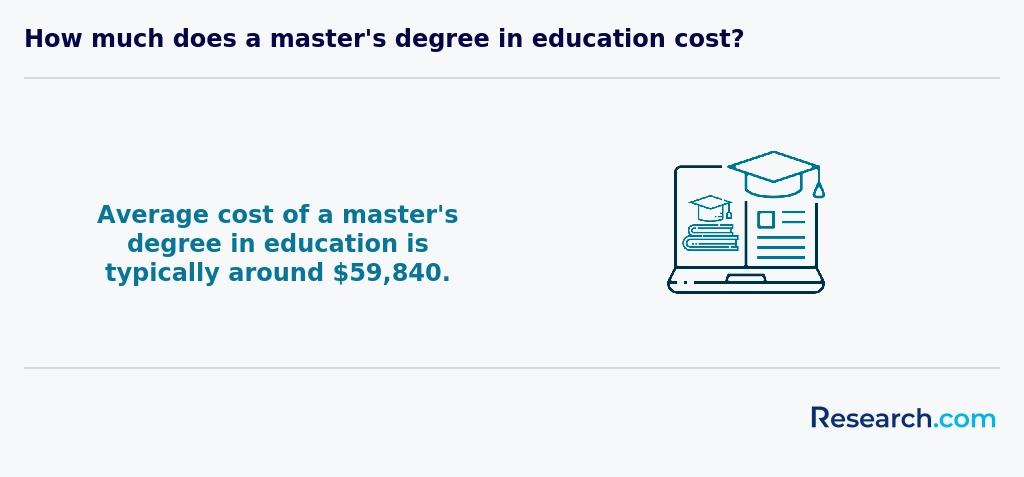
The average cost of an online higher education administration degree in the South varies depending on residency and institution type. Median total tuition and fees typically amount to around $26,820, with in-state students benefiting from significantly lower costs averaging approximately $14,775. Out-of-state students, on the other hand, can expect to pay closer to $28,298. These figures reflect the range of tuition expenses faced by students balancing affordability with the desire for quality credentials.
Graduates from well-known universities in the South often recount how choosing an in-state public institution helped them maintain manageable education debts while still accessing respected programs. For example, students enrolled in online degrees at universities like the University of Florida or the University of Georgia have reported total tuition around $15,000 to $20,000, in line with regional expectations. Many praise the option to study without relocating, which reduces living expenses and adds to the overall value.
The total tuition and fees for online education administration programs southern US usually include technology fees, course materials, and occasional program-specific charges. However, these are generally balanced by scholarships and financial aid offerings targeted toward education administration students. Those interested in a faster pathway may explore the fastest EdD program online, which some find beneficial for reducing time and cost commitments.

What financial aid is available to online higher education administration degree students in the South?
Students pursuing online higher education administration degrees in the South benefit from multiple financial aid options that significantly ease the typical $10,000 to $20,000 annual tuition costs. Federal aid through FAFSA remains the most accessible route, with many enrolling graduates recalling how Federal Direct Loans and Graduate PLUS Loans offered manageable repayment plans and flexibility around their work schedules during their time at schools like the University of Georgia or the University of North Carolina.
State-specific scholarships, such as those from the Southern Regional Education Board, are highly valued by candidates enrolled in regional institutions. Graduates often highlight grants and tuition waivers from states like Georgia and North Carolina as pivotal in their ability to focus on studies without excessive financial stress.
Scholarships awarded by universities and private organizations further reduce costs, with more than 60% of education graduate students securing such funding. Many working professionals delight in employer tuition reimbursement programs as an essential aid, enabling them to advance their careers without sacrificing income.
What are the prerequisites for enrolling in online higher education administration degree program in the South?
Enrollment in online higher education administration degree programs in the South typically requires a bachelor's degree from an accredited institution, often with a minimum GPA around 3.0. While degrees in education or administration are common, graduates with backgrounds in psychology, business, or public administration also meet criteria, reflecting diverse academic strengths.
Standardized test requirements like the GRE or GMAT have been relaxed by many Southern universities, widening access. For example, applicants to programs like the University of Florida's online Master's are often evaluated more on professional experience than test scores.
Many Southern programs prioritize candidates with one to two years of relevant work experience in educational settings or administrative roles. Graduates often report that their prior roles in student affairs or school administration helped them confidently tackle graduate coursework and career challenges.
Letters of recommendation, a statement of purpose, and an updated resume are typically required to demonstrate commitment and career clarity. International students may face added requirements such as credential evaluations or English proficiency exams like the TOEFL.

What courses are typically in online higher education administration degree programs in the South?
Online higher education administration degree programs in the South typically offer courses designed to equip students with practical and theoretical skills essential for campus leadership. Graduates from prominent Southern universities often highlight foundational courses such as Introduction to Higher Education Administration, where they learn about the organizational structure and governance unique to regional colleges and universities.
Other key courses include Student Affairs and Services, emphasizing real-world strategies for enhancing student engagement and campus life, and Enrollment Management, which focuses on recruitment, admissions, and retention-critical challenges for many Southern institutions. Graduates report that courses like Finance and Budgeting provide hands-on experience managing fiscal resources aligned with university goals.
Legal compliance and institutional assessment are covered through Legal Issues in Higher Education and Assessment and Evaluation courses, ensuring students understand regulatory requirements and can measure program effectiveness. Leadership theory, strategic planning, and diversity training further prepare Southern students to handle evolving campus environments with confidence and responsiveness.
What types of specializations are available in online higher education administration degree programs in the South?
Online higher education administration degree programs in the South typically offer specializations that address key leadership areas within academic institutions. Common tracks include Student Affairs, which prepares graduates to enhance student engagement through counseling and support services, and Higher Education Leadership, ideal for those aiming for executive roles such as deans or provosts. Enrollment Management focuses on admissions and recruitment, while Academic Affairs covers curriculum planning and faculty coordination. Financial Management in Higher Education equips students to handle budgeting and fundraising challenges.
Graduates from universities renowned in Southern states frequently report that these specializations align well with regional needs, especially considering the prominence of community colleges. This alignment reflects the practical emphasis found in many South regional higher education administration degree options. The flexibility of online formats supports working professionals, enabling them to apply what they learn directly to their roles. For those balancing careers with study, this adaptability proves motivating and rewarding.
Students exploring programs can also find value in specialized concentrations tailored to local institutional frameworks. Detailed program reviews are vital to ensure desired career paths match available tracks. For example, a growing number of prospective candidates pursue a doctorate in education online to deepen expertise and leadership capacity within Southern higher education systems.
How do you choose the best online higher education administration degree in the South?
Choosing the best online higher education administration degree in the South starts with verifying the program's accreditation, preferably by SACSCOC or a similar regional body, which ensures quality and employer recognition. Graduates from popular southern universities often emphasize how curriculum flexibility and specialization options, like enrollment management or community college leadership, helped align the program with their career goals.
Affordability is another crucial factor; many students benefit from affordable higher education administration programs southern US public institutions offer, especially for in-state tuition. For example, graduates have reported being able to balance full-time work and study due to asynchronous class formats and robust online support services, easing the challenge of managing competing responsibilities.
Job placement and graduation rates remain a key measure of program success. Students from top programs in the South often cite strong faculty networks that connect them to Southern institutions for internships and employment. Additionally, selecting programs that prepare for professional certification or membership in organizations can enhance career trajectories. Those interested in education doctoral programs without dissertation may find relevant options within these degrees.
What career paths are available for online higher education administration degree students in the South?
Graduates with an online higher education administration degree in the South often pursue diverse career opportunities, including academic advising, admissions management, financial aid coordination, registrar roles, and institutional research. These roles are crucial to sustaining the operational and academic integrity of southern universities like the University of Florida and the University of North Carolina. Many graduates report positive experiences navigating student services or enrollment strategies, feeling a strong sense of impact on student success and university growth.
Job prospects in southern states remain robust, aligned with a 6% projected growth for education administration roles through 2032. This steady demand reflects expanding campuses and evolving institutional needs, with graduates joining government education offices or nonprofit organizations tackling educational policy and advocacy. Southern administrators must also excel at compliance and academic policy, especially those educated under the Southern Association of Colleges and Schools Commission on Colleges guidelines.
Those interested in advancing further may explore an online PhD in leadership, which enhances qualifications for senior leadership roles in this competitive field.
What is the job market for online higher education administration degree in the South?
The job market for graduates with online higher education administration degrees in the South is expanding steadily due to increasing demand among regional universities. Colleges in Texas, Florida, Georgia, and North Carolina frequently recruit education administrators to support growing administrative needs. Graduates often secure roles in enrollment management, student affairs, and compliance administration, applying skills gained from programs at well-known Southern institutions.
Many graduates praise the flexibility of online programs at these universities, noting how their understanding of digital tools enhances their qualifications. This aligns closely with the South regional job outlook for education administration graduates, where hybrid and online program management expertise is highly valued. Salaries in the region typically range from $65,000 to $95,000, reflecting competitive pay for administrative roles at public and private universities.
Students pursuing these degrees appreciate the accessible tuition costs of Southern public universities, often between $8,000 and $15,000 annually. For those seeking to combine practical skills with affordability, exploring office administration college options online can provide a strong pathway toward meaningful employment in the field.
Frequently Asked Questions About higher education administration
Students pursuing online higher education administration degrees in the South can maximize their learning by actively engaging with course materials and participating in virtual discussions. Research indicates that South-based online learners who allocate consistent weekly study hours, typically 10-15 hours, tend to achieve higher success rates (NCES, 2023). Utilizing regional professional networks, such as the Southern Association of Colleges and Schools Commission on Colleges (SACSCOC), can also provide valuable mentorship and career connections. Additionally, applying practical experiences through internships or projects with local educational institutions enhances skills and comprehension. Staying organized with planners or digital calendars supports balancing study with personal and work responsibilities effectively.
The field of higher education administration is evolving rapidly, especially in the Southern United States. Emerging niches include student success management, where professionals focus on improving retention and graduation rates through data analytics and personalized support services. Another growing area is diversity, equity, and inclusion (DEI) administration, reflecting the increasing demand for inclusive campus environments.
Additionally, technology integration specialists play a key role, overseeing digital learning platforms and virtual student services. According to the Southern Regional Education Board, institutions in the South have expanded roles in online program management by 15% over recent years.
These niches offer strong career opportunities for graduates with online degrees in higher education administration.
Graduates with an online higher education administration degree in the South should focus on building practical skills alongside academic knowledge. According to the Southern Regional Education Board, networking is crucial, so attending regional conferences and joining professional organizations like the American Association of Collegiate Registrars and Admissions Officers can open doors.
Internships or part-time roles during or after studies increase employability. Southern institutions often value experience with student information systems and familiarity with Title IV regulations.
Additionally, tailoring resumes to highlight leadership and compliance expertise is essential. The Bureau of Labor Statistics projects a 6% growth in education administration jobs by 2030, particularly in growing Southern states such as Texas and Florida.
Employers in the South prioritize several key skills when hiring graduates with higher education administration degrees. According to the Southern Association of Colleges and Schools Commission on Colleges (SACSCOC), strong communication and interpersonal abilities are essential for managing student affairs and faculty relations effectively. Leadership skills also rank highly, as administrators often oversee teams and projects. Analytical skills, especially in data management and assessment, are increasingly important due to a growing emphasis on accountability and institutional research.
Familiarity with regional regulatory frameworks and accreditation standards further sets candidates apart. Graduates who demonstrate adaptability and cultural competence are preferred, reflecting the South's diverse student populations. The U.S. Bureau of Labor Statistics notes that demand for administrative professionals in education is projected to grow 6% by 2030, highlighting the need for these competencies.
Finding internships in the South for higher education administration students involves targeted strategies. Start by exploring partnerships between your online program and regional universities, as many institutions in states like Georgia, North Carolina, and Texas offer established internship placements. According to the Southern Association of Colleges and Schools Commission on Colleges (SACSCOC), Southern colleges emphasize practical experience, making internships a critical part of educational administration training.
Utilize university career centers and local professional organizations such as the Southern Association for College Student Affairs (SACSA) to identify openings. Networking with administrators at nearby colleges can also reveal unadvertised internships.
Online students should prioritize internships with virtual or hybrid options to align with their remote study.
An online higher education administration degree offers significant career mobility and advancement opportunities in the Southern United States. According to the U.S. Bureau of Labor Statistics, the South is experiencing growth in educational services jobs, including administrative roles, with a projected 6% increase from 2022 to 2032. This growth enhances job prospects for graduates in regions like Texas, Georgia, and Florida.
Professionals with a master's or doctoral degree in higher education administration often qualify for leadership roles such as registrars, academic deans, or enrollment managers. Regional employers increasingly value online degree holders due to their demonstrated self-discipline and technical skills needed for remote administration.
Moreover, accredited online programs align with Southern universities' recognition standards, facilitating credential acceptance across public and private institutions. According to research by the National Center for Education Statistics, graduates with advanced degrees in education administration earn 15-20% higher salaries in the South compared to those with only a bachelor's degree.
Studying for a higher education administration degree in the South equips students with skills applicable across multiple disciplines. Programs often integrate coursework in policy analysis, finance, student affairs, and organizational leadership, promoting a well-rounded understanding essential for interdisciplinary roles.
Southern institutions emphasize collaborative learning, reflecting diverse campus environments where administration intersects with academics, counseling, and community engagement. According to the Southern Association of Colleges and Schools Commission on Colleges (SACSCOC), over 60% of Southern universities include interdisciplinary projects in their administration curricula.
This training prepares graduates to navigate complex issues like enrollment management, diversity initiatives, and technological integration, which require coordination across departments and sectors within higher education.
Choosing between a thesis and non-thesis online higher education administration degree in the South depends on your career goals and learning preferences. Thesis programs focus on research and preparing students for doctoral studies or academic roles. Non-thesis options often emphasize practical skills and allow students to finish faster.
In Southern states, many public universities offer both formats, with about 40% of students opting for non-thesis paths due to career demands (NCES, 2023). Employers in administration often value relevant experience over research. Consider if you want to develop in-depth research skills or prioritize applied knowledge.
Also, review program requirements and time commitments, as thesis tracks may extend study by 6 to 12 months.
Students based in the South seeking to study higher education administration abroad face limited options, as most accredited programs are U.S.-based. While some international universities offer related degrees online, these often do not align with the U.S. higher education accreditation standards necessary for career advancement in the American system.
Many Southern institutions, like the University of Florida and University of Alabama, offer comprehensive online master's degrees in higher education administration designed to meet regional accreditation requirements.
For those interested in global perspectives, some U.S. schools include international practicum experiences but maintain a U.S. curriculum, ensuring transferability and recognition in Southern job markets.
According to the Southern Regional Education Board, 85% of Southern employers prefer candidates with degrees from regional accreditation bodies, underscoring the importance of U.S.-based online study.
Part-time job opportunities in the South that complement higher education administration degrees usually focus on campus-based roles. Positions like academic advising assistants, student affairs clerks, or admissions office support offer practical experience. According to the Southern Regional Education Board, gaining administrative experience is crucial for advancing in this field.
Many public and private institutions in Southern states such as Georgia, North Carolina, and Texas often hire part-time staff to support enrollment management and student services. These roles help students apply theoretical knowledge from their degree programs practically.
Additionally, jobs in university research offices or financial aid departments provide insight into higher education operations. These positions typically pay between $12 and $18 per hour depending on the institution and location, based on recent job market analyses by the US Bureau of Labor Statistics.
Online higher education administration students in the South benefit from diverse networking opportunities. Many Southern universities host virtual events, workshops, and panel discussions connecting students with experienced professionals. Regional organizations, such as the Southern Association of Colleges and Schools Commission on Colleges (SACSCOC), offer conferences where students can engage with peers and leaders in higher education.
Additionally, online students can join professional groups like the Southern Council for Higher Education Management and attend state-specific meetings in areas including Georgia and Texas. These platforms often provide mentorship programs that enhance career development.
According to the National Center for Education Statistics, Southern states account for over 30% of US postsecondary enrollments, increasing networking potential within this region's large academic community.
Alumni networks play a crucial role for students pursuing online higher education administration degrees in the South. These networks provide valuable professional connections, offering access to job opportunities within regional colleges and universities. According to the National Association of Colleges and Employers, referrals from alumni increase the chances of securing interviews by 37%.
Moreover, alumni often serve as mentors, guiding students through career development and industry trends in the Southern higher education landscape. This support helps students navigate challenges unique to the region's diverse institutions.
Engaging with active alumni enhances students' understanding of local educational policies and leadership practices, contributing to their long-term success in administration roles.
Customizing an online higher education administration degree program in the South allows students to align their studies with specific career goals. Many Southern universities offer concentration options such as student affairs, institutional research, or enrollment management. Selecting electives in leadership, law, or finance can further tailor the program. Additionally, some schools provide flexible practicum or internship placements with regional colleges or universities, enhancing practical experience relevant to local job markets.
According to data from the Southern Regional Education Board, institutions in the South increasingly emphasize customizable curricula to meet workforce demands. Aspiring administrators should review program tracks and speak with academic advisors to ensure course selections reflect their intended career path.
Online higher education administration students in the South often encounter challenges related to limited local networking opportunities. Unlike traditional campus experiences, virtual learners may find it harder to build professional connections within regional institutions. According to the Southern Regional Education Board, nearly 40% of Southern states report gaps in online student engagement strategies, which can impact motivation and retention.
Additionally, disparities in broadband access remain a notable barrier. The Federal Communications Commission highlights that about 22% of rural Southern households lack reliable high-speed internet, complicating participation in synchronous classes and timely submission of coursework.
Students also face balancing work, family, and study demands, as many pursue degrees part-time. This challenge is compounded by limited faculty availability during non-traditional hours, affecting timely academic support.
Graduates with an online higher education administration degree in the South can pursue several professional certifications to enhance their credentials. The most recognized is the Certified Professional in Learning and Performance (CPLP) offered by the Association for Talent Development. Another key credential is the Senior College Finance Administrator (SCFA), relevant for those focused on financial management.
Additionally, many opt for the Certified Fund Raising Executive (CFRE) certification, which complements roles in development and alumni relations. According to the Southern Association of Colleges and Schools (SACS), 65% of administrators in the region hold at least one professional certification, reflecting growing demand.
These certifications can boost career prospects and demonstrate specialized expertise in higher education administration.
Applying to an online higher education administration program in the South requires a clear, well-structured application. Start by highlighting relevant experience in academic or administrative roles, as many Southern universities value practical knowledge alongside academic achievement.
Strong letters of recommendation from professionals familiar with your work in education can improve your chances. According to the Southern Association of Colleges and Schools Commission on Colleges, programs in this region often emphasize leadership potential and community engagement.
Craft a personal statement that aligns your career goals with the program's strengths, using specific examples to demonstrate your commitment to advancing higher education in the South.
Lastly, ensure your academic transcripts meet the program's criteria and showcase your capacity for graduate-level work.
Careers in higher education administration are increasingly viewed through a global lens, reflecting diverse challenges and leadership styles worldwide. In the United States, particularly in the South, administrators focus on accessibility, affordability, and student success amid growing enrollment. According to the National Center for Education Statistics, southern states have seen a 15% rise in online program enrollment over five years, emphasizing the demand for skilled administrators who understand digital education management.
Globally, higher education leadership demands cultural awareness and policy adaptability. U.S. institutions often collaborate internationally, influencing administrative roles to align with global trends in education quality and technology use. This creates opportunities for administrators trained in U.S. standards to work across borders, especially in regions developing their higher education sectors.
Strong leadership is essential to navigate federal and state regulations while advancing institutional goals. As higher education evolves globally, administrators equipped with comprehensive, contemporary skills gain a competitive edge in a dynamic job market.
Gaining practical experience is essential when pursuing an online higher education administration degree in the South. Many programs incorporate internships or practicum opportunities with local colleges and universities. According to the Southern Association of Colleges and Schools Commission on Colleges (SACSCOC), partnerships between online programs and Southern institutions are common, facilitating real-world experience.
Students can also seek part-time roles in higher education offices, such as admissions or student affairs, which often welcome remote or flexible work arrangements. Additionally, professional organizations like the Southern Association for College Student Affairs (SACSA) offer networking and mentorship opportunities, helping students connect with experienced administrators.
Engaging in these activities enhances practical skills and improves job prospects after graduation.
Choosing the right concentration within an online higher education administration degree in the South involves aligning your career goals with regional industry demands. Popular concentrations include student affairs, enrollment management, and higher education policy. According to the Southern Regional Education Board, student affairs roles are growing by 12% in Southern states, reflecting increased demand for student support services.
Consider your interests and strengths when selecting a focus. For example, enrollment management suits those drawn to data and recruitment strategies. Research programs' curriculum details to ensure they offer courses matching your ambitions.
Networking opportunities and faculty expertise in your concentration also matter, as they can impact job prospects.
Top Trending Higher Education Administration Rankings
References
- Can Higher Education Improve Long-Term Career Success https://studysphereadvisors.com/how-higher-education-influences-long-term-career-growth/
- Top 5 rewarding higher education jobs https://www.tpp.co.uk/resources/blog/top-5-rewarding-higher-education-jobs/
- What Employers Actually Want From Graduates https://bodyswaps.co/resources/blog/what-employers-actually-want-from-graduates
- Job listings | EAIE https://www.eaie.org/career-centre/job-board/job-listings.html
- Graduate Employability Skills https://www.nepad.org/file-download/download/public/128784
- How Student Experience and Belonging Interventions Can Support Strong Postsecondary Outcomes https://www.ihep.org/publication/student-experience-and-belonging-strong-outcomes/
- Know more about thesis vs non- thesis: what is the difference? https://studyfans.com/en/blogs/816
- Higher Education Administration MA (Online) https://www.fdu.edu/program/og-higher-education-ma/
- Tom’s Pivot from Higher Ed to L&D https://pivotingoutofedu.com/uncategorized/toms-pivot/
- Skills Employers Look for in Business Graduates – EU Business School https://www.euruni.edu/blog/skills-employers-look-for-in-business-graduates/


