
2027 Most Valuable Healthcare Degree Programs Ranking in Rockford

Co-Founder and Chief Data Scientist
If you're considering a future in healthcare and living in Rockford, this article is for you. It introduces the 2027 Most Valuable Healthcare Degree Programs Ranking in Rockford, developed by the Research.com team of data scientists.
This ranking is designed to help you make confident decisions about which healthcare degrees offer the best value and opportunities. Exploring these programs can open doors to rewarding careers that make a real difference in people's lives.
Choosing the right degree now sets the foundation for your success and fulfillment in healthcare.
Key benefits of getting healthcare degree in Rockford
- Healthcare degree graduates in Rockford can expect competitive salaries, such as a Quality Improvement Coordinator earning about $103,150 annually or a Patient Care Technician making around $60,790 per year.
- Career paths are diverse, ranging from Medical Assistant roles to Clinical Research Coordinator positions, offering exciting opportunities like those seen in graduates from Rockford University's healthcare programs.
- Online healthcare degrees provide flexibility and convenience, allowing students like those from Rockford's online colleges to balance work and study while earning credentials that open doors to rewarding healthcare careers.
- Key benefits of getting healthcare degree in Rockford
- What can I expect from healthcare degree in Rockford?
- Where can I work with healthcare degree in Rockford?
- How much can I make with healthcare degree in Rockford?
- 2027 Most Valuable Healthcare Degree Programs Ranking in Rockford
- Key Findings
- How long does it take to complete healthcare degree in Rockford?
- Licensure and Certification: Your Path to Professional Excellence in Rockford, IL
- What's the difference between online and on-campus healthcare degree?
- Campus Life and Student Support Services
- What is the average cost of healthcare degree in Rockford?
- Essential Tips for Success in Healthcare Education
- What financial aid is available to healthcare degree students in Rockford?
- Return on Investment: Estimating Your Payback Period
- What are the prerequisites for enrolling in healthcare degree program in Rockford?
- Practical Training and Clinical Internship Opportunities
- What courses are typically in healthcare degree programs in Rockford?
- What types of specializations are available in healthcare degree programs in Rockford?
- How do you choose the best healthcare degree in Rockford?
- What career paths are available for healthcare degree students in Rockford?
- What is the job market for healthcare degree in Rockford?
- Top Trending Healthcare Rankings
- See What Experts Have To Say About Studying Healthcare
What can I expect from healthcare degree in Rockford?
The average cost of earning a healthcare degree in Rockford can vary, but many students find it manageable thanks to local resources and scholarships. For example, graduates from Rock Valley College often share how their associate degrees in nursing, including pathways to LPN or RN certification, balance quality education with affordable tuition. These programs typically range from around $5,000 to $15,000 per year, depending on residency status and course load.
Many healthcare students in Rockford tap into financial aid options offered by both public institutions and nonprofit organizations, which can significantly reduce out-of-pocket expenses. Imagine training in a busy clinical rotation at a Rockford hospital, knowing your costs are supported by scholarships or grants targeting critical fields like nursing and medical assisting.
This blend of accessible tuition and practical experience inspires confidence and fuels ambition. Graduates often reflect on how their education prepared them for a rewarding healthcare career without the overwhelming burden of debt, making Rockford a supportive environment for those passionate about making a difference in healthcare.
Where can I work with healthcare degree in Rockford?
Graduates with healthcare degrees in Rockford find a wealth of opportunities that truly make a difference in their communities. Many start their careers at prominent local employers like OSF Saint Anthony Medical Center or Mercyhealth Hospital and Trauma Center, where they join teams of nurses, technologists, and administrators delivering vital care every day. These workplaces offer a dynamic environment where graduates witness firsthand the impact of their skills.
Others from Rockford University and nearby colleges often share how working in outpatient clinics, dental offices, or community health centers connects them directly to patients in a personal and rewarding way. Imagine collaborating with mental health counselors or supporting public health programs focused on underserved populations-this variety enriches your experience and broadens your career path.
For those leaning toward health informatics or administration, local provider offices and insurance companies provide meaningful roles behind the scenes, shaping healthcare delivery with data and management expertise. And don't overlook long-term care and rehab centers, which offer fulfilling positions nurturing Rockford's aging population.
Rockford's healthcare sector also includes research and education organizations, perfect for graduates passionate about advancing medicine or coordinating clinical trials. The local landscape offers a vibrant foundation for any healthcare professional ready to grow and contribute.
How much can I make with healthcare degree in Rockford?
Graduates from healthcare programs in Rockford can expect promising starting salaries that grow quickly with experience. For instance, many Medical Assistants earn around $43,350 annually, a solid entry point into the field. Students from local colleges often share how internships at SwedishAmerican Health System provided invaluable hands-on experience, helping them confidently step into roles like Patient Care Technicians, who make approximately $60,790 per year.
Those who dive into specialized roles such as Health Information Technicians see average salaries near $43,380, reflecting the demand for organized patient data management in Rockford's hospitals and clinics. Graduates working as Clinical Research Coordinators-positions that reward attention to detail-earn similar wages around $43,350, reinforcing rewarding career paths after schooling.
For those aiming higher, Quality Improvement Coordinators report salaries exceeding $100,000 annually. Local graduates pursuing advanced certifications describe feeling empowered knowing their expertise leads to better patient outcomes and broader career opportunities. Rockford's healthcare education not only opens doors but fosters lasting financial stability and personal pride.
2027 Most Valuable Healthcare Degree Programs Ranking in Rockford
How do we rank schools?
Investing in your education is a significant decision that can shape your future, and the Research.com team fully recognizes the importance of making informed choices. To support prospective students in Rockford, we have carefully developed the "2027 Most Valuable Healthcare Degree Programs Ranking." Our dedication to quality, credibility, and accuracy is demonstrated through rigorous research and thorough analysis backing this ranking.
We leveraged the following reputable data sources to ensure a comprehensive evaluation of healthcare degree programs:
By consulting this ranking, readers will gain valuable insights into the most valuable healthcare degree programs in Rockford, empowering them to make well-informed decisions about their educational journeys. For further information on how this ranking was created, please visit our Research.com methodology page.


Key Findings
- Rockford offers healthcare degrees through community colleges and universities, including programs in nursing, medical technology, and health administration.
- Tuition at Rock Valley College averages about $4,000 per year for allied health programs, while four-year universities charge between $12,000 and $18,000 annually for bachelor's degrees.
- Entry-level healthcare professionals typically earn $55,000 to $65,000 annually, with median salaries rising to $75,000 to $90,000 after five to ten years of experience.
- The healthcare job market in Rockford is growing rapidly due to an aging population and expanding medical services, creating demand for nurses, therapists, and administrators.
- Local healthcare employers collaborate with educational institutions to offer internships and clinical rotations that improve practical experience and job readiness.
How long does it take to complete healthcare degree in Rockford?
Completing a healthcare degree in Rockford varies widely depending on the path you choose. Many graduates share how starting with an Associate Degree in Nursing (ADN) at local community colleges shaped their swift entry into the workforce, typically in about two years. This quick but solid foundation allowed them to gain practical experience and confidence early.
Others at Rockford University or Northern Illinois University's Rockford campus embarked on a Bachelor of Science in Nursing (BSN) journey, committing around four years of full-time study. These graduates often highlight the rewarding mix of classroom learning and clinical practice, shaping their professional growth.
For those driven to master specialized healthcare fields, pursuing a master's or doctoral degree means dedicating additional years-usually two for a master's and up to six for doctoral studies. Many mention how part-time or accelerated programs helped balance life's demands without sacrificing dreams. Remember, your pace can be uniquely yours, supported by Rockford's flexible options and vibrant educational community.
Licensure and Certification: Your Path to Professional Excellence in Rockford, IL
A critical yet often under-discussed component of a healthcare education is understanding licensure and certification requirements. In Rockford, IL, healthcare graduates not only need to complete their degree programs but also must obtain state-specific licenses and professional certifications to practice. This section provides an overview of essential steps and resources that can help students transition smoothly from academia to professional roles. Before graduation, it’s important to research the specific licensure requirements for your chosen field-whether you’re studying nursing, medical assisting, or health information technology. Many programs incorporate preparation for certification exams, which cover both theoretical knowledge and practical skills. Graduates are encouraged to take advantage of preparatory workshops and mentorship opportunities available at local institutions, as these can significantly boost exam readiness and confidence. Moreover, staying current with continuing education and certification renewal processes is vital in the ever-changing landscape of healthcare. For instance, certain master’s programs now offer online formats that cater to working professionals balancing education and career growth. To explore flexible advanced degree options, consider visiting ranking of most affordable online masters degrees in nutrition for programs that emphasize both affordability and quality. By understanding these licensing procedures and leveraging available resources, students in Rockford, IL can ensure they meet industry standards and enhance their employability. This proactive approach not only underscores the legitimacy of the educational journey but also aligns with professional development best practices, ultimately paving the way for a successful career in healthcare.
What's the difference between online and on-campus healthcare degree?
If you're weighing your options between online and on-campus healthcare degrees in Rockford, it's key to understand how each approach shapes your journey. Online programs offer remarkable flexibility, perfect for those balancing work or family. Many graduates from Rockford institutions share how asynchronous classes let them study evenings after shifts, turning challenges into opportunities without pausing their careers.
Conversely, on-campus degrees at colleges near OSF Saint Anthony Medical Center immerse you in a dynamic learning environment. You engage directly with instructors, access cutting-edge labs, and benefit from clinical placements backed by local hospital partnerships. Graduates often recall the energy of collaborating with peers and faculty, which boosted their confidence and professional network.
Online study might save on tuition and commuting, but it demands strong self-discipline and arranging clinical hours independently. Traditional programs may have higher costs but offer structured support and hands-on training crucial for many healthcare roles. Both paths require accredited programs recognized in Rockford to ensure your degree leads to licensure and career success.
Campus Life and Student Support Services
Rockford’s leading healthcare institutions not only excel in academic rigor but also prioritize vibrant campus life and robust student support services that enrich the overall educational journey. Students benefit from dedicated mentorship programs, career counseling, and extracurricular clubs that foster professional networking and community engagement. Campus events, health fairs, and volunteering opportunities enhance real-world experiences and ensure students are well-prepared for dynamic healthcare careers. Additionally, institutions frequently collaborate with local hospitals and industry leaders to offer internships and hands-on training sessions, bridging the gap between classroom learning and clinical practice. For more insights on programs that combine academic excellence with exceptional student life, consider exploring our valuable healthcare programs in illinois. These comprehensive support systems create an environment where students can thrive both professionally and personally, making the pursuit of a healthcare degree in Rockford, IL, a truly transformative experience.
What is the average cost of healthcare degree in Rockford?
The average cost of a healthcare degree in Rockford typically falls around $32,795 for in-state students and rises to approximately $42,653 for out-of-state students. These figures reflect the total cost of completing a program, encompassing tuition, fees, and related expenses. Graduates from Rockford University often share how investing in a healthcare degree there, despite its higher private tuition costs, opened doors to rewarding career opportunities that made every dollar worthwhile.
Community colleges in the area offer more budget-friendly pathways, with tuition rates often between $5,000 and $8,000 annually, making it a practical choice for many students. Many healthcare graduates from these institutions found the hands-on experience and affordable pricing ideal for launching their careers without heavy debt. When discussing healthcare degree tuition and fees Rockford students must also consider additional costs such as lab fees, textbooks, and uniforms-expenses that can add up but are essential for real-world readiness.
Exploring financial aid, scholarships, or employer tuition assistance is key to making healthcare education affordable. For those exploring specific options, programs like lpn degrees oklahoma specialization provide examples of targeted training that can complement broader healthcare studies and potentially reduce total costs.
Understanding the average cost of healthcare degrees in Rockford in the context of both private universities and community colleges helps future students plan confidently, knowing that practical, affordable education paths can lead to a fulfilling healthcare career.
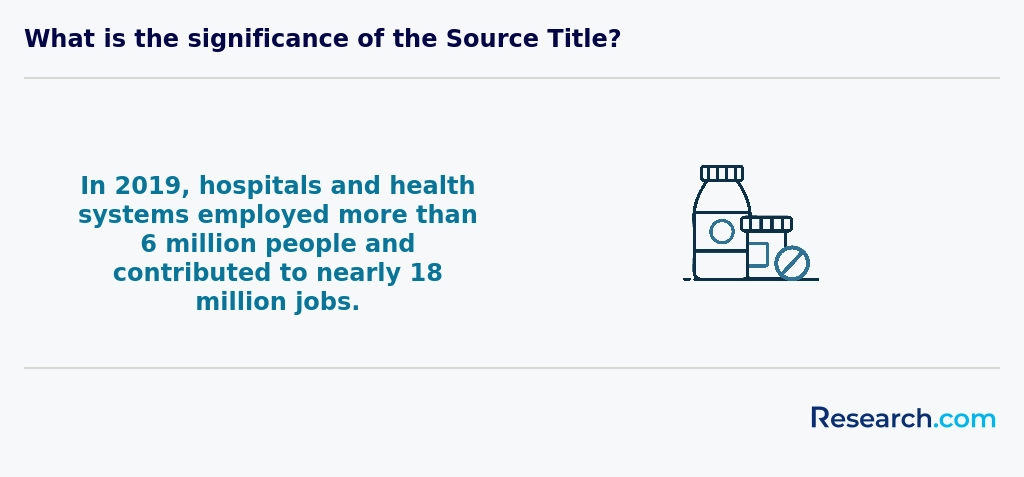
Essential Tips for Success in Healthcare Education
When pursuing a healthcare degree in Rockford, IL, integrating effective study habits and practical skills can greatly enhance your academic and professional journey. Start by setting clear career goals and developing a personalized study schedule that accommodates both coursework and hands-on training experiences. Building strong relationships with faculty and peers can open doors to invaluable mentorship and networking opportunities. Additionally, engaging in extracurricular activities such as healthcare clubs, seminars, and community service projects will boost your resume and enhance real-world understanding of the industry. Regular self-assessments and feedback sessions with academic advisors can help you identify areas for improvement and keep you on track throughout your program. For further insights into top-tier programs and industry standards, explore valuable healthcare programs in illinois to see how leading institutions support student success with innovative curricula and career services. Adopting these strategies will empower you to navigate the challenges of healthcare education with confidence and be well-prepared for a dynamic career in the field.
What financial aid is available to healthcare degree students in Rockford?
When you're pursuing a healthcare degree in Rockford, financial aid is a real game changer. Graduates from local institutions like Rock Valley College often share how Pell Grants provided crucial relief during tough semesters. These federal grants, offering up to $7,395 annually, don't require repayment, making them a gift to your academic journey. Completing the FAFSA early is essential-it's your gateway to this and other federal resources.
On the state level, the Illinois Monetary Award Program (MAP) Grant is a solid ally for Illinois residents attending schools such as Illinois State University's Rockford campus. Many students here find that MAP significantly lowers tuition bills, reducing stress and allowing focus on studies.
Local scholarships from organizations like the Rockford Area Economic Development Council are often spotlighted by students balancing work and classes. These awards, ranging from $500 to $3,000, reward dedication and can brighten your educational path.
Additionally, many Rockford healthcare employers offer tuition reimbursement programs. Imagine studying nursing at Rock Valley College and then benefiting from your employer covering tuition costs as you commit to serve the community-this partnership often turns education into a rewarding investment.
Return on Investment: Estimating Your Payback Period
Understanding how quickly you’ll recoup your educational investment is crucial when choosing a healthcare degree program in Rockford, IL. On average, associate‐level healthcare programs in the region cost about $18,000 in tuition and fees. Graduates stepping into roles such as Patient Care Technicians-who earn an average of $55,860 per year-can expect to break even in as little as five months of full‐time work. For those pursuing a bachelor’s degree, with total costs averaging $32,000, the higher entry‐level salaries of around $60,000 translate into a payback period of under eight months. Beyond these timelines, the lifetime return on investment (ROI) continues to grow. Mid‐career professionals in health information technology or healthcare administration often see salaries rise into the $75,000–$90,000 range, further accelerating ROI. Factors influencing your payback period include: • Program Length and Format: Accelerated or hybrid tracks can reduce living expenses and allow quicker entry into the workforce. • Financial Aid and Scholarships: Leveraging grants or merit awards can trim your upfront costs significantly. • Specialization Choice: High‐demand areas like health informatics or public health may yield faster salary growth. If affordability is top of mind, you may also want to compare options in other regions-see our Low Cost Online Healthcare Degree Programs Ranking in Norfolk, VA to identify programs with exceptionally low tuition. By weighing tuition outlays against realistic starting salaries and projected career growth, you can select a Rockford healthcare program that delivers maximum value-and the shortest path to a positive ROI.
What are the prerequisites for enrolling in healthcare degree program in Rockford?
To enroll in a healthcare degree program in Rockford, you'll need a solid foundation in science and math, just like many successful graduates from Rockford University and Rock Valley College have done. Most programs ask for a high school diploma or GED, with strong grades in biology, chemistry, and math-these subjects are the building blocks that will carry you through challenging coursework.
Official transcripts play a crucial role, showing your academic journey so far. Some Rockford programs also require SAT or ACT scores, so preparing early can boost your chances. Many students have found that submitting heartfelt personal statements or letters of recommendation adds a meaningful touch, helping them stand out in the competitive admissions process.
If you're aiming for nursing or radiologic technology, expect additional steps like background checks, up-to-date immunizations, and CPR certification. These ensure you're ready for real-world clinical settings-something every Rockford healthcare student discovers as both empowering and essential.

Practical Training and Clinical Internship Opportunities
Rockford’s healthcare degree programs prioritize hands-on learning through robust clinical internships and practicum experiences at leading local facilities such as OSF HealthCare Saint Anthony Medical Center, SwedishAmerican Hospital, and Rockford Health System. These partnerships ensure students complete the required clinical hours in departments ranging from patient care and diagnostic imaging to health information management. Interns work under the guidance of seasoned professionals, gaining real-world exposure to electronic health record systems, patient assessment protocols, and interdisciplinary teamwork. By integrating simulation labs and on-site rotations, programs help students build confidence in clinical decision-making, while regular feedback from preceptors sharpens both technical and interpersonal skills. In addition to traditional clinical placements, many programs offer specialized internships in healthcare administration, informatics, and coding. For students seeking to bolster their credentials, enrolling in affordable medical coding courses can streamline pathways into roles like Health Information Technician or Medical Billing Specialist. These affordable online modules complement on-campus practicum experiences by providing flexible schedules, targeted coding certifications, and direct alignment with industry standards such as ICD-10 and CPT guidelines. Together, these opportunities empower Rockford graduates to transition seamlessly into the workforce with proven competencies and competitive resumes.
What courses are typically in healthcare degree programs in Rockford?
Healthcare degree programs in Rockford offer a rich blend of courses that truly prepare you for real-world healthcare challenges. Graduates from popular institutions like Rock Valley College highlight the value of core classes such as anatomy and physiology, which help you visualize the human body and its complex functions firsthand. This foundational knowledge becomes invaluable during clinical practicums at renowned local hospitals.
Courses like microbiology and medical terminology are also essential, enabling you to communicate clearly with healthcare teams and understand patient conditions accurately. Many students find studying pharmacology particularly empowering, as it teaches the impact of medicines on patient recovery - a critical skill in any care setting.
In addition to science, ethical considerations and healthcare law classes provide guidance on making compassionate, legal decisions in fast-paced environments. The hands-on clinical skills courses simulate real patient interactions, building confidence before stepping into places like OSF St. Anthony Medical Center for internships.
By mastering these subjects in Rockford's supportive educational settings, you'll feel ready and inspired to join a diverse, growing healthcare workforce that truly makes a difference every day.

What types of specializations are available in healthcare degree programs in Rockford?
In Rockford, healthcare degree specializations offer a rich variety to match your passion and career goals. Many graduates from local universities recall how nursing paths like Registered Nurse (RN) and advanced tracks such as Nurse Practitioner opened doors to meaningful clinical work. If you're drawn to leadership, healthcare administration programs stand out, equipping students to manage hospital operations or influence healthcare policy within Rockford's thriving medical community. Exploring Rockford healthcare program specialization options also means engaging in exciting allied health fields.
Popular specializations include medical laboratory sciences, radiologic technology, respiratory therapy, and physical therapy assistant studies-each preparing students for hands-on roles that impact patient recovery every day. Students aiming for direct patient care but beyond nursing often choose occupational therapy or dental hygiene, fields that provide both personal fulfillment and strong local job prospects. Graduates from Rockford institutions frequently mention how affordable education combined with focused training sets them on rewarding career paths. For those interested in advanced clinical roles, exploring nurse practitioner degrees minnesota graduate programs can also provide valuable insights into further specialization.
How do you choose the best healthcare degree in Rockford?
Choosing the best healthcare degree programs Rockford offers means focusing on what truly matters to your future. Graduates from Rockford University often highlight how selecting accredited programs-such as those approved by ACEN or CCNE-gave them confidence when sitting for licensure exams. It's not just about the diploma; it's about real-world readiness and respect in the job market.
Think about affordability too. Many students find affordable healthcare degrees in Rockford through Rock Valley College, where tuition fits a manageable budget without sacrificing quality. Scholarships and employer tuition assistance make a big difference, so explore those options early to ease financial stress during your studies.
Flexibility is a lifeline for working adults; programs offering evening or hybrid classes at Rock Valley College helped past students balance work, family, and education. Finally, consider local job prospects-enrolling in programs with clinical partnerships in Rockford's healthcare facilities has led graduates to rewarding careers. For those interested in options beyond Rockford, exploring online nursing degrees michigan dissertation process can also be an inspiring step.

What career paths are available for healthcare degree students in Rockford?
Graduates with a healthcare degree in Rockford find themselves stepping into a vibrant job market where clinical roles like registered nurse (RN) and licensed practical nurse (LPN) remain in high demand. Many students from popular colleges in Rockford share how their hands-on experiences at local health systems give them confidence and practical skills, fueling their passion to make a real difference in patient care. Exploring allied health professions is another rewarding path; becoming a radiologic technologist or respiratory therapist opens doors to specialized fields offering stability and competitive salaries.
For those drawn to behind-the-scenes roles, healthcare administration and health informatics present exciting opportunities. Rockford's growing healthcare industry values professionals who can innovate and manage efficiently. Graduates often find themselves leading projects or supporting public health initiatives, which can be deeply fulfilling. If you're interested in blending technology and care, check out nursing programs in Minnesota for additional perspectives and growth strategies. These diverse paths showcase excellent healthcare career opportunities in Rockford that align with your aspirations and strengths.
Whether you envision direct patient care, management, or specialized technical roles, Rockford healthcare degree job prospects provide a solid foundation for a prosperous and meaningful career.
What is the job market for healthcare degree in Rockford?
The healthcare job market Rockford offers is vibrant and promising for graduates holding healthcare degrees. Many who studied at popular institutions like Rockford University and Rock Valley College share that the local demand for registered nurses, medical technologists, and healthcare administrators creates steady employment opportunities right after graduation. Hospitals and outpatient centers actively seek fresh talent, especially as the aging local population increases the need for skilled professionals in geriatrics and chronic disease care.
Graduates often highlight how their practical internships with healthcare providers around Rockford significantly enhanced their job readiness. This hands-on experience, combined with quality programs focused on in-demand skills, makes starting a healthcare career here both achievable and rewarding. Additionally, the Rockford healthcare degree employment outlook benefits from strong community health initiatives and growing fields like health informatics. Students aiming for growth and stability should explore these avenues.
When considering costs and benefits, it's wise to review options among the valuable healthcare programs in illinois near Rockford. Tuition rates align well with the competitive salaries in the region, reinforcing the value of investing in a healthcare education here.
Frequently Asked Questions About healthcare
Healthcare degree students in Rockford can maximize their learning experience by combining academic study with hands-on clinical practice. Local institutions often partner with healthcare facilities like the Rockford Memorial Hospital, providing vital internship opportunities. According to the Illinois Board of Higher Education, students engaged in experiential learning report higher job placement rates.
Participating in community health workshops and networking with local healthcare professionals also broadens practical knowledge. Additionally, making use of Rockford's health-focused research centers can enhance critical thinking and expose students to emerging healthcare trends. These strategies collectively build a well-rounded education aligned with regional healthcare needs.
Emerging niches in healthcare are reshaping career opportunities for Rockford students considering healthcare degrees. One rapidly growing field is telehealth, driven by advances in technology and the increased demand for remote patient care. According to the Illinois Department of Public Health, telehealth services in Rockford grew by over 30% between 2020 and 2023.
Another expanding area is healthcare data analytics, where professionals analyze patient data to improve outcomes and reduce costs. The Rockford Region Economic Development identified healthcare analytics as a key sector poised for growth.
Additionally, precision medicine and genetic counseling represent innovative paths. These specialties use genetic information to tailor treatments to individual patients, responding to advances in biotechnology and patient-centered care.
After completing a healthcare degree in Rockford, preparing for the job market involves several key steps. First, gaining relevant clinical experience through internships or externships offered by local hospitals such as SwedishAmerican Health System is crucial. These opportunities provide hands-on skills and networking connections.
Next, obtaining required state licenses or certifications, like those regulated by the Illinois Department of Financial and Professional Regulation, is essential to practice legally. Additionally, students should utilize Rockford area career centers and job fairs to connect with employers actively hiring healthcare professionals.
Staying informed about industry trends and continuing education can improve employment prospects. According to the Bureau of Labor Statistics, healthcare jobs in Rockford are projected to grow faster than average through 2030, making continuous skill development important.
Employers in Rockford highly value healthcare graduates who demonstrate strong clinical skills combined with effective communication. According to the Illinois Department of Employment Security, patient care abilities and familiarity with electronic health records are essential in local healthcare settings.
Additionally, teamwork and problem-solving skills are frequently emphasized by Rockford healthcare employers, reflecting the collaborative nature of medical environments. Graduates who understand healthcare regulations and can adapt to fast-paced changes also stand out.
Data from Rockford Health Systems indicate that 85% of successful hires possess experience with patient interaction and empathy, highlighting the importance of interpersonal skills in this region's healthcare sector.
Finding internships in Rockford related to healthcare degrees involves leveraging local healthcare facilities and educational institutions. Rockford is home to several hospitals like OSF Saint Anthony Medical Center and SwedishAmerican Hospital, which frequently offer internship programs for students in nursing, medical technology, and other healthcare fields.
Contacting the career services offices of local colleges such as Rock Valley College can provide valuable resources, including internship listings and networking events. Additionally, the Rockford Area Economic Development Council often promotes partnerships between students and healthcare employers.
According to Illinois Department of Employment Security, healthcare occupations in Rockford are projected to grow by approximately 10% over the next decade, increasing internship opportunities. Registering with statewide platforms such as the Illinois Health Career Pipeline can also connect students with relevant placements.
In Rockford, earning a healthcare degree significantly enhances career mobility and advancement opportunities. The city's healthcare sector is growing steadily, with the Illinois Department of Employment Security projecting a 15% increase in healthcare-related jobs by 2030.
Professionals holding degrees often qualify for higher-paying roles, such as nursing supervisors or health services managers, which require formal education and certification. According to the Rockford Area Economic Development Council, employers prioritize candidates with degrees for leadership positions.
Healthcare degrees also provide essential skills and credentials, allowing smoother transitions between specialties or into administrative roles. This flexibility is crucial in Rockford's dynamic healthcare market.
Studying for a healthcare degree in Rockford offers students comprehensive exposure to interdisciplinary collaboration. Local programs emphasize teamwork across nursing, public health, and health administration disciplines, reflecting real-world healthcare settings. According to Rockford University and Rock Valley College curricula, students engage in projects requiring coordination with professionals from various healthcare fields.
The region's healthcare network, including the SwedishAmerican Health System, promotes clinical experiences where students train alongside physicians, therapists, and social workers. This fosters skills necessary for integrated care delivery.
Furthermore, Rockford's healthcare degree programs incorporate current guidelines from the American Association of Colleges of Nursing and the Commission on Accreditation of Allied Health Education Programs, ensuring graduates are prepared for evolving interdisciplinary roles.
Choosing between a thesis and a non-thesis healthcare degree program in Rockford depends on your career goals and interests. A thesis program typically involves conducting original research and writing a detailed report. This path suits students aiming for research roles or pursuing doctoral studies. A non-thesis option usually emphasizes coursework and practical skills, ideal for those seeking direct entry into clinical or administrative healthcare jobs.
According to data from Rockford's healthcare sector, professionals with research experience often access advanced career opportunities and higher salaries, but practical skills graduates fill an immediate demand in local hospitals. Consider your long-term plans and consult advisors at Rockford institutions like Rockford University or Rock Valley College.
Students based in Rockford seeking healthcare degrees abroad have several viable pathways aligned with U.S. higher education standards. Many opt for exchange programs or partnerships offered through their home institutions, such as Rockford University, which occasionally facilitate study opportunities in countries with established medical systems.
Popular destinations include Canada, the United Kingdom, and Australia, known for their robust healthcare education and compatibility with U.S. credentials. Students should consider programs accredited by recognized bodies to ensure transferability of credits and future licensure.
Financial aid and scholarships for international healthcare studies are limited but available through federal programs and private foundations, making early research essential. Additionally, U.S. students must navigate visa requirements and licensing exams if intending to practice healthcare on return.
Part-time job opportunities in Rockford can significantly enhance the educational experience for healthcare students. Common roles include medical assistant positions, patient transporters, and pharmacy technicians, which provide hands-on experience with clinical procedures and patient interaction. According to the Illinois Department of Employment Security, healthcare support roles in the Rockford metropolitan area are projected to grow by 12% between 2022 and 2032, reflecting an increasing demand for healthcare services.
Local hospitals such as OSF Saint Anthony Medical Center often offer part-time internships or work-study programs tailored for students. These roles allow students to apply theoretical knowledge while developing professional skills.
Additionally, opportunities in long-term care facilities and outpatient clinics provide flexible schedules suitable for part-time work. These settings give insight into patient care management and interdisciplinary teamwork, crucial for a successful healthcare career in Rockford.
Healthcare students in Rockford have access to various networking opportunities that support their professional growth. Local institutions like Rock Valley College often host health-focused events and career fairs where students meet employers and healthcare professionals.
The presence of major healthcare employers such as OSF HealthCare and SwedishAmerican Health System provides internships and clinical rotations, allowing students to connect with seasoned practitioners. According to the Illinois Department of Employment Security, Rockford's healthcare sector is growing steadily, increasing the need for local talent and enhancing networking possibilities.
Additionally, professional organizations like the Rockford Healthcare Executives Forum offer meetings and seminars tailored for students and early-career professionals.
Alumni networks play a vital role in supporting healthcare degree students in Rockford by connecting them with experienced professionals in the local medical community. These networks often provide mentorship opportunities, helping students navigate education and career paths. According to the Rockford Area Economic Development Council, healthcare is a leading employment sector locally, emphasizing strong ties between graduates and employers.
Through alumni events and online groups, students gain access to job openings often not publicly advertised. Networking through alumni can increase employment chances in hospitals like OSF Saint Anthony Medical Center, a major healthcare provider in Rockford. This direct contact often leads to internships and clinical placements vital for hands-on experience.
Furthermore, alumni can offer guidance on licensure and continuing education requirements unique to Illinois healthcare professions. By leveraging these networks, students build professional relationships that enhance their career growth and success in Rockford's healthcare job market.
Customizing a healthcare degree program in Rockford allows students to align education with specific career goals. Many local institutions offer flexible coursework, including electives focused on fields like nursing, health administration, or public health. Rockford's healthcare sector, dominated by organizations such as OSF HealthCare, values practical experience, so students often can pursue internships or clinical placements within these systems to gain relevant skills.
Some programs also provide options for certificate specializations or dual degrees, which enhance career prospects in areas like healthcare informatics or management. According to the Illinois Board of Higher Education, tailored learning paths improve employment outcomes in healthcare by up to 20% locally.
Advisors in Rockford colleges typically assist students in selecting classes and practicum sites that support their professional ambitions, ensuring a well-rounded and targeted education.
Healthcare students in Rockford face several common challenges that mirror national trends but also reflect local conditions. One key difficulty is balancing the rigorous academic workload with clinical rotations, which often demand extensive time and emotional energy. According to the Illinois Department of Public Health, Rockford's growing healthcare facilities increase practical training opportunities but also heighten competition for placements.
Financial strain is another significant concern. Many students rely on loans or part-time jobs, which can add stress during demanding study periods. Furthermore, a 2023 report from the Rockford Area Economic Development Council highlights a shortage of healthcare instructors, which sometimes limits class sizes and delays program progress.
Lastly, adapting to fast-evolving medical technologies and protocols requires continuous learning outside classroom hours, posing a challenge to students aiming for excellence.
With a healthcare degree in Rockford, you can pursue several professional certifications to enhance your career prospects. Common options include Certified Nursing Assistant (CNA), Registered Nurse (RN), and Licensed Practical Nurse (LPN) certifications, all governed by Illinois state standards. For those interested in specialized roles, certifications such as Medical Assistant (CMA) or Emergency Medical Technician (EMT) are also available.
Advanced certifications like Certified Health Education Specialist (CHES) or Certified ProfessionalCoder (CPC) may require additional training or experience. According to the Illinois Department of Public Health, Rockford's healthcare sector continues to grow, increasing demand for certified professionals across these roles.
To write a winning application for a healthcare program in Rockford, start by thoroughly researching the specific program requirements. Most healthcare programs here value strong academic records, particularly in biology, chemistry, and math. Highlight any relevant volunteer or work experience in healthcare settings, as Rockford's healthcare industry, including major employers like OSF HealthCare and SwedishAmerican Health System, often seeks candidates with practical exposure.
Craft a clear, concise personal statement explaining your passion for healthcare and your career goals. Mention any local community involvement, as Rockford programs appreciate applicants committed to serving regional populations.
Ensure all recommendation letters come from professionals familiar with your academic or healthcare experience. According to the Illinois Board of Higher Education, competitive healthcare programs usually have acceptance rates below 50%, so a strong, well-rounded application is essential.
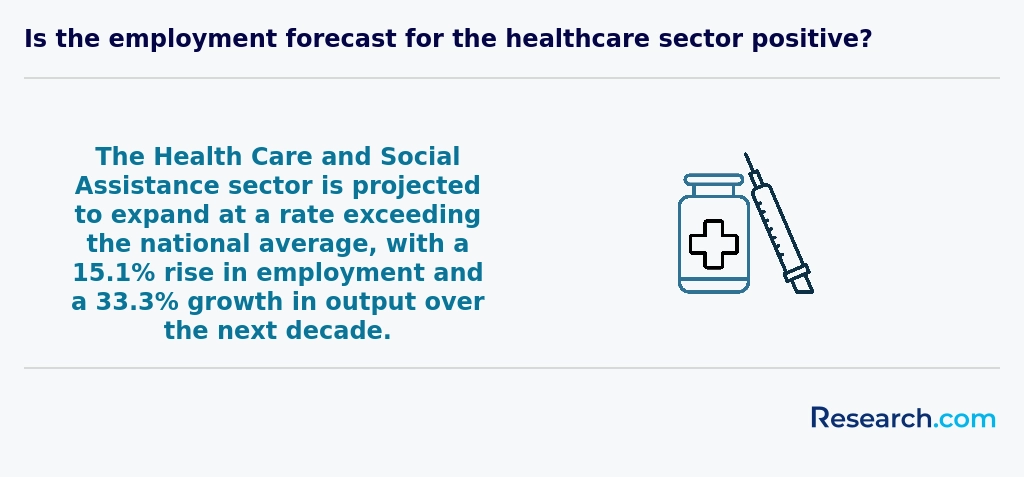
Global perspectives on healthcare careers emphasize the increasing demand for skilled professionals due to aging populations and health challenges worldwide. In the United States, including Rockford, healthcare employment is projected to grow 15% from 2019 to 2029, much faster than average for all occupations, according to the Bureau of Labor Statistics.
Healthcare degrees offer pathways to opportunities beyond local settings. Professionals with such degrees can work in international health organizations or participate in global health initiatives.
Rockford's healthcare sector is growing, with local hospitals and clinics supporting professional training. This aligns with global trends valuing diversity, technological proficiency, and cultural competency in healthcare delivery.
Gaining practical experience while studying for a healthcare degree in Rockford is essential to prepare for a successful career. Many local colleges and universities collaborate with Rockford-area hospitals and clinics, such as SwedishAmerican Health System and OSF HealthCare Saint Anthony Medical Center, to offer internships and clinical placements.
Students often participate in hands-on training through simulated labs and supervised externships. These programs allow students to apply classroom knowledge in real healthcare settings, improving clinical and communication skills.
According to the Illinois Board of Higher Education, approximately 60% of healthcare students in Rockford engage in practical experiences before graduation, boosting job readiness and employability.
Choosing the right concentration within a healthcare degree program in Rockford involves assessing both personal interests and local job market demands. Rockford's healthcare sector is growing steadily, with institutions like OSF Saint Anthony Medical Center driving strong employment opportunities, especially in nursing and allied health fields, according to the Rockford Area Economic Development Council.
Students should consider concentrations that align with Rockford's workforce needs, such as nursing, medical imaging, or health administration. Reviewing the Illinois Department of Employment Security data helps identify high-demand roles and projected growth rates in the region.
Additionally, hands-on clinical experiences offered by Rockford-based programs provide valuable insights into each concentration. Connecting with program advisors and local healthcare employers can also clarify which concentration matches your career goals and strengths.
Related Healthcare Rankings for Nearby Cities
- 2027 Most Valuable Healthcare Degree Programs Ranking in Chicago
- 2027 Most Valuable Healthcare Degree Programs Ranking in Peoria
- 2027 Most Valuable Healthcare Degree Programs Ranking in Grand Rapids
- 2027 Most Valuable Healthcare Degree Programs Ranking in Indianapolis
- 2027 Most Valuable Healthcare Degree Programs Ranking in Saint Louis
- 2027 Most Valuable Healthcare Degree Programs Ranking in Minneapolis
- 2027 Most Valuable Healthcare Degree Programs Ranking in Columbia
- 2027 Most Valuable Healthcare Degree Programs Ranking in Detroit
- 2027 Most Valuable Healthcare Degree Programs Ranking in Louisville
- 2027 Most Valuable Healthcare Degree Programs Ranking in Omaha
Top Trending Healthcare Rankings
See What Experts Have To Say About Studying Healthcare
Read our interview with Healthcare experts

References
- How to choose a bachelor's in healthcare administration | edX https://www.edx.org/resources/how-to-choose-a-bachelors-in-healthcare-administration
- What to Expect as a Health Science Major https://www.grace.edu/what-to-expect-as-a-health-science-major/
- Networking and Mentorship During Clinical Rotations https://rotatingroom.com/blog/medical-students-the-importance-of-networking-mentorship-during-your-clinical-rotations
- Building Your Network of Doctors and Medical Students - Medic Mentor https://medicmentor.org/building-your-network-of-doctors-and-medical-students/
- What can I do with a healthcare studies degree, and how can I start? https://mrcollege.ac.uk/what-can-i-do-with-a-healthcare-studies-degree-and-how-can-i-start/
- Challenges for Medical Students - Health Action Research Group https://www.healthactionresearch.org.uk/mental-health/challenges-for-medical-student/
- Online Degree vs. Traditional: Choosing the Right Path https://beal.edu/online-degree-vs-traditional/
- Niche Market Opportunities Research Among Healthcare Professionals (A Decision Analyst Case History https://www.decisionanalyst.com/casestudies/nichemarketopportunities/
- What Can You Do with a Health Sciences Degree? https://www.ycp.edu/news/what-can-you-do-with-a-health-sciences-degree
- Overcoming Common Challenges in Nursing School: Tips for Success - American Healthcare Institute https://amhealthinstitute.com/blog/overcoming-common-challenges-in-nursing-school-tips-for-success/





