
2027 Most Popular Fine Arts Degree Programs Ranking in San Jose

Co-Founder and Chief Data Scientist
Choosing the right fine arts degree program can feel overwhelming, especially in a vibrant city like San Jose. This article offers a clear guide to help you navigate your options with confidence.
The 2027 Most Popular Fine Arts Degree Programs Ranking in San Jose was created by the Research.com team of data scientists to provide reliable, data-driven insights. It highlights programs that stand out for quality and popularity, making your decision easier.
Exploring these programs can open doors to creative fulfillment and rewarding career paths. If you're passionate about the arts, this ranking is a valuable resource to start your educational journey right.
Key benefits of getting fine arts degree in San Jose
- Fine arts graduates in San Jose can earn competitive salaries, such as illustrators making around $71,420 annually, animators $109,630, and art therapists $75,660, offering rewarding financial opportunities.
- A graduate from San Jose State University might explore diverse careers including graphic artist, illustrator, or animator, showcasing the degree's flexibility in creative industries.
- Completing a fine arts degree online from institutions like San Jose State University Online provides flexibility for busy students and access to resources, making it easier to balance studies and personal commitments.
- 2027 Most Popular Fine Arts Degree Programs Ranking in San Jose
- What can I expect from fine arts degree in San Jose?
- Where can I work with fine arts degree in San Jose?
What can I expect from fine arts degree in San Jose?
The average cost of pursuing a fine arts degree in San Jose is quite reasonable, especially if you choose San Jose State University. Many graduates recall that in-state tuition hovers around $7,300 per year as of 2024, which makes the overall investment manageable without sacrificing quality. This affordability allows students to focus more on developing their skills in painting, sculpture, or digital media without the heavy burden of financial stress.
Community colleges like Evergreen Valley College provide even more accessible options, with associate degrees and certificates offering a solid foundation in the arts. Graduates often share how these programs gave them practical experience and a clear pathway to transferring into four-year universities.
From working in studios to participating in local gallery exhibitions, fine arts students in San Jose benefit from a balance of academic rigor and hands-on opportunities-made all the better when tuition fees are kept within reach. This environment encourages creative growth in a city where art and technology meet.
Where can I work with fine arts degree in San Jose?
With a fine arts degree in San Jose, you can find fulfilling work across the city's vibrant arts and tech scenes. Many graduates from institutions like San Jose State University and San Jose City College discover opportunities in galleries, museums, and art organizations. For example, the San Jose Museum of Art often looks for creative professionals to curate exhibitions and lead education programs, allowing artists to share their passion with the community.
Others tap into Silicon Valley's booming creative industries, contributing their artistic talents to graphic design, animation, or user interface projects at tech firms. It's common to see fine arts graduates blending creativity with innovation in dynamic roles that shape digital experiences.
Teaching is also a rewarding path, with graduates becoming inspiring art educators in local schools or colleges, supported by strong credential programs in the region. Freelancing and entrepreneurship thrive here too, as many artists build businesses offering photography, design, and art services, often showcased at San Jose's lively art fairs and craft markets.
Graduates with a fine arts degree from institutions like San Jose State University often find promising financial opportunities in the city's vibrant creative sectors. For instance, graphic artists typically earn around $64,700 annually, a rewarding figure that reflects the demand for digital skills in tech-driven San Jose. Many alumni share that starting salaries near $35,000 can grow quickly with experience and a strong portfolio, especially in fields like illustration, where the average annual wage reaches about $71,420.
Creative graduates who pursue animation can expect some of the highest earnings, with the mean annual wage hitting $109,630-ideal for those passionate about multimedia storytelling. Similarly, art therapists, utilizing artistic skills to support well-being, report salaries averaging $75,660, highlighting diverse career paths.
Success stories from San Jose's colleges show how combining artistic talent with technology skills leads to salaries that can surpass $70,000, inspiring recent graduates to explore roles beyond traditional art careers and embrace innovation in this lucrative market.
- Tuition for public fine arts programs in San Jose ranges from $7,000 to $9,000 per year for in-state students, while private schools charge between $20,000 and $35,000 annually.
- The fine arts job market in San Jose is growing at about 3% per year, with demand in graphic design, digital animation, advertising, and multimedia production.
- Entry-level salaries for fine arts graduates start around $40,000 to $45,000 annually, increasing to $60,000 to $75,000 with experience.
- Many programs include internships and partnerships with local businesses to help students gain practical experience and build portfolios.
- Students benefit from San Jose's active arts scene, including galleries, cultural events, and professional artist networks that support career growth.
Completing a fine arts degree in San Jose typically takes about four years if you study full-time at well-known institutions like San Jose State University. Graduates often recall how those years felt both challenging and rewarding, immersing themselves deeply in studios where creativity flourished. The journey includes around 120 to 130 semester units, blending hands-on art creation with history and theory classes, which keeps the experience dynamic and inspiring.
For those starting at a community college, the path usually involves earning a two-year Associate Degree for Transfer in Studio Arts. Then, transferring to a four-year university adds another two years to complete the bachelor's degree. Many students appreciate this stepwise approach, finding it a manageable way to build skills and confidence gradually.
Remember, some students who balance work or family responsibilities may take longer, but this flexible pace often enriches their artistic perspective. Your dedication in San Jose's vibrant art scene will shape your unique fine arts story.
Beyond academics and career prospects, the vibrant campus culture plays a pivotal role in shaping your artistic journey in San Jose, CA. Engaging in extracurricular activities-from on-campus exhibitions to collaborative art projects-provides invaluable opportunities to network with peers, local artists, and industry professionals. A thriving community fosters not only creative expression but also personal development, preparing you for both artistic and professional success. Many institutions host regular workshops, art fairs, and live events that encourage participation and innovation, enabling you to immerse yourself fully in a supportive environment similar to that of a popular fine arts school. Embracing campus life with its range of clubs, galleries, and interactive sessions ensures that your creative skills grow in tandem with real-world experiences, making every moment on campus a stepping stone towards a promising career in the fine arts.
Choosing between online and on-campus fine arts degrees in San Jose involves understanding how each path shapes your creative journey. Graduates from San Jose State University often recall the vibrant energy of studios and workshops where they painted side-by-side with peers, receiving immediate feedback from experienced professors. This immersive environment fosters deep connections and hones practical skills in ways that few online experiences can match.
Meanwhile, online students appreciate the freedom to balance art with life's demands, engaging with video critiques and virtual galleries while accessing resources from home. For example, those studying through digital programs often share how adapting to virtual studio sessions cultivated self-discipline and pushed their creativity in unique ways, though many note the absence of tactile studio time.
San Jose's artistic landscape thrives on community interaction, making in-person exhibitions and networking opportunities at local institutions invaluable. Yet, online programs offer flexibility that suits many aspiring artists' lifestyles, especially when combined with occasional hands-on workshops or local art collaborations.
The average cost of a fine arts degree in San Jose reflects a mix of affordability and investment in creative growth. For in-state students at institutions like San Jose State University, tuition typically runs around $8,400 for the full degree, offering accessible pathways for local students eager to develop their artistic talents. Graduates often share how this balance allowed them to focus on honing their craft without overwhelming financial stress.
San Jose fine arts degree tuition and expenses can vary widely though, especially when considering private art schools or out-of-state options. Those programs, while pricier-sometimes reaching total costs of over $44,000-often provide specialized resources, networking, and studios that can transform your experience and open doors to unique opportunities in the art world. Many students highlight the excitement of working in intimate creative settings, despite the added financial commitment.
Community colleges like San Jose City College offer even more affordable starting points under $2,000 per year for in-state attendees, ideal for those beginning their journey or exploring associate degrees. Alongside tuition, consider additional expenses for art supplies and technology, which might add a few thousand dollars annually but are essential to bringing your ideas to life.
Thankfully, financial aid programs are widely available. Applying for FAFSA and exploring institution-specific scholarships can significantly ease the burden. For students seeking flexibility and cost-effectiveness, exploring affordable online degree programs may be a smart way to blend savings with education that fits your lifestyle.
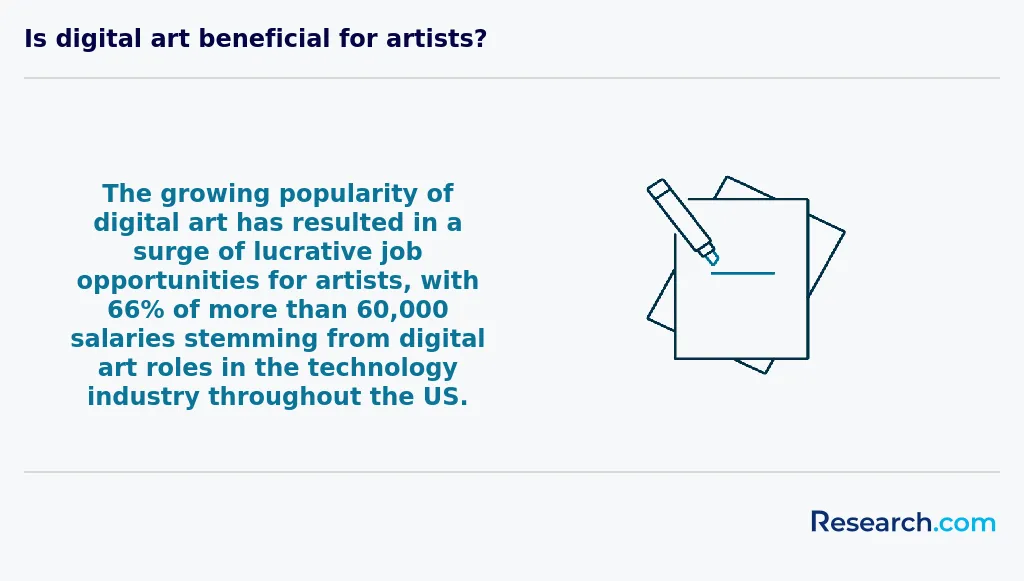
Ensuring a Fine Arts program holds proper accreditation is essential for validating educational quality, eligibility for financial aid, and smooth credit transfer. In San Jose, most reputable institutions maintain regional accreditation from the Western Association of Schools and Colleges (WASC) and specialized accreditation from the National Association of Schools of Art and Design (NASAD). NASAD accreditation, in particular, guarantees that a program meets rigorous standards in faculty qualifications, curriculum depth, and studio facilities, providing students with confidence that their degree is recognized by galleries, employers, and graduate schools nationwide. Prospective students should verify accreditation status on the U.S. Department of Education database and look for programs that regularly engage in peer review and outcomes assessment. Accredited programs often publish key performance indicators-such as graduation rates, job placement statistics, and alumni achievements-that reflect their commitment to continuous improvement. For those considering cost-effective online options, the most affordable online bachelors in creative writing degree also maintains full accreditation, demonstrating that affordability and quality can coexist. Choosing an accredited Fine Arts degree not only safeguards the value of your credential but also unlocks access to federal and state financial aid, including Pell Grants and Cal Grants. Accreditation further ensures that credits earned are widely transferable, supporting lifelong learning and the pursuit of advanced degrees such as MFAs or teaching credentials. By prioritizing accredited programs, students lay a solid foundation for a credible and rewarding career in the arts.
When pursuing a fine arts degree in San Jose, tapping into available financial aid can transform your educational journey. Many students at San Jose State University have found federal aid through FAFSA invaluable, unlocking Pell Grants that help cover tuition and materials without added debt stress. It's a practical step toward reducing financial burdens while focusing on creativity.
State programs like the Cal Grant offer additional support, especially for those maintaining good grades, easing the cost of studio fees and supplies. Imagine attending classes knowing you have a reliable grant that rewards your hard work and artistic dedication.
Institutional scholarships at local colleges often recognize artistic talent through portfolio reviews, much like those awarded at San Jose's prominent arts programs. These scholarships celebrate your unique vision and provide tangible financial relief, turning dreams into achievable goals.
Beyond this, private scholarships from arts councils can open doors to new opportunities, helping you specialize in disciplines like sculpture or digital media. Many fine arts students balance work-study roles on campus or nearby galleries, gaining hands-on experience and income simultaneously.
Immerse yourself in the vibrant artistic community that extends beyond the classroom. Fine arts programs in San Jose, CA, not only deliver top-notch academic training but also foster a lively campus atmosphere filled with inspiring extracurricular activities, gallery events, and collaborative projects. Students frequently engage in hands-on workshops, student-run exhibitions, and community outreach programs that enhance both their creative practice and personal growth. Through campus clubs, peer-led art initiatives, and mentorship programs with established local artists, learners cultivate networks that often lead to remarkable opportunities post-graduation. Prospective students can also explore rankings and success stories of institutions recognized as a popular fine arts school to get an idea of the enriching campus culture they might experience. This dynamic environment not only supports technical skill development but also helps shape a well-rounded artistic identity, making it an essential consideration when choosing the right fine arts program in the bustling creative hub of San Jose.
To enroll in a fine arts degree program in San Jose, you need more than just passion-you'll need to meet key prerequisites that showcase your readiness and dedication. Most programs, like those at San Jose State University, require applicants to have a high school diploma or equivalent. Graduates often recall how completing fundamental art courses in high school helped them build a solid foundation before college.
The game-changer, however, is your portfolio. This collection of your best artwork-whether paintings, sketches, or digital creations-serves as your personal story and proof of your skills. Many graduates mention how carefully following the portfolio guidelines provided by these San Jose institutions boosted their confidence during submission and admission.
Though SAT or ACT scores may sometimes be optional, crafting a compelling artist's statement and securing strong recommendations from art teachers or mentors can significantly strengthen your application. Visualize yourself sharing your creative journey, highlighting your goals-this personal touch truly resonates with admission committees here.

When you dive into a fine arts degree in San Jose, expect a rich blend of courses designed to sharpen both your technical skills and creative vision. Graduates from schools like San Jose State University often tell how foundational classes in drawing, painting, and sculpture laid the groundwork for their artistic confidence. Imagine spending mornings in studios experimenting with different media, then afternoons immersing yourself in art history-understanding the cultural stories behind your inspirations.
Many students find digital media courses incredibly exciting, as they merge traditional art with modern technology. Learning photography, video editing, and graphic design equips you with real-world skills that open doors in today's creative industries. Theoretical classes on visual theory and contemporary art challenge you to think deeper about your work's meaning and impact.
Specializing is a big advantage here. Whether your passion lies in ceramics, print media, or new media arts, San Jose programs provide the flexibility to pursue what truly moves you. This hands-on, thoughtful approach helps you grow as an artist while preparing you to thrive in the vibrant local arts community.

When exploring fine arts degree specializations in San Jose, students find a rich variety tailored to personal passions and industry demands. Graduates from San Jose State University often highlight how concentrations like studio art-covering painting, sculpture, and printmaking-built their foundational skills while fueling creativity. Others share excitement about the graphic design focus, a natural fit in this tech-savvy region, merging digital tools with artistic vision to produce compelling media and branding content.
Many students pursue photography or animation and digital media, reflecting the dynamic blend of art and technology prominent in Silicon Valley. For instance, animation courses emphasize not only creativity but also practical skills like motion graphics, which open doors to innovative career paths. Those who love hands-on craft might choose ceramics and 3D art, mastering physical materials in local community colleges known for accessible programs. The best fine arts programs with concentrations San Jose offers also include art history and theory, perfect for those drawn to exploring cultural and academic aspects of art.
With San Jose's unique blend of tech influence and artistic tradition, students find their studies enriched by close ties to industry trends. If you want to explore interdisciplinary opportunities, consider also looking into online speech pathology master's degree programs that align with your broader educational goals.
Choosing the best fine arts degree programs San Jose means focusing on what truly shapes your growth as an artist. Graduates from local institutions often emphasize the importance of accreditation and faculty expertise, highlighting how a program's connection to the creative community can nurture both skills and confidence. For example, many students at San Jose State University speak about the inspiring blend of traditional techniques with cutting-edge digital arts, fueled by mentors deeply engaged in Silicon Valley's vibrant arts scene.
Affordability plays a big role here, too. Affordable fine arts colleges in San Jose offer valuable options for passionate artists mindful of costs without sacrificing quality. Remember to factor in studio fees and material costs that can add up. Some grads share how they balanced expenses by seeking programs with strong internship ties to local galleries and tech firms, enriching their portfolios and career prospects.
To expand your horizons, explore opportunities like the top-rated affordable online master's in speech therapy, which illustrates how combining creative skills with complementary disciplines can open new pathways. Choosing wisely means blending practical experience with inspiration in your educational journey.
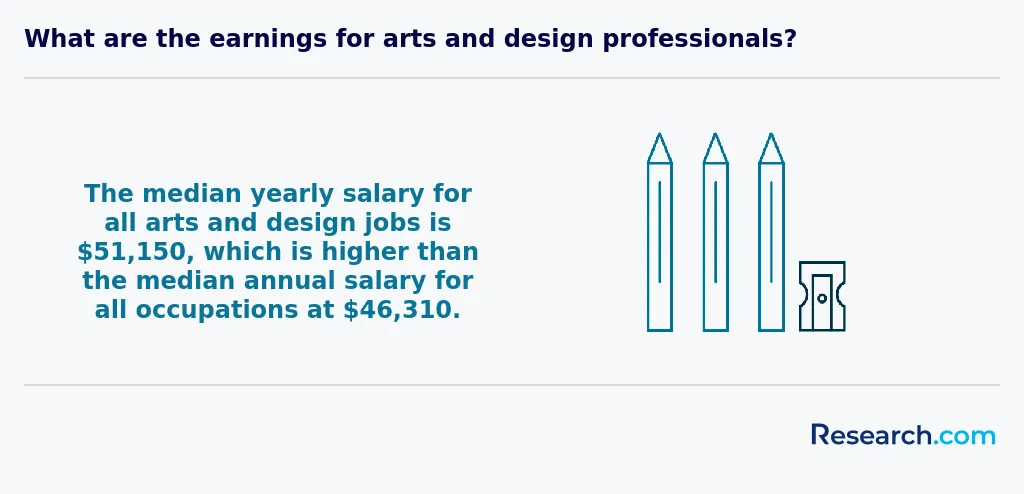
Graduates with a fine arts degree in San Jose can explore a rich array of career paths shaped by the city's dynamic art scene and tech-driven economy. Many find their footing as professional artists, showcasing work in local galleries or participating in community art shows, relying on personal reputation and multiple income streams to thrive. Others tap into the booming creative industries, collaborating with Silicon Valley companies on graphic design, animation, and multimedia projects-opportunities that can grow from entry-level roles earning around $45,000 to well-paid senior positions.
San Jose's top schools equip students for hands-on experiences that align with these fine arts career options San Jose graduates pursue. Some alumni become art educators after completing certification, teaching in local schools or workshops with competitive earnings. Understanding the steps to becoming a teacher in Wisconsin can also offer valuable insights into education pathways, even if based elsewhere.
Other paths include museum curation, art therapy, freelancing in illustration or photography, and conservation. By immersing yourself in San Jose's creative and tech-rich environment, you build a unique foundation to evolve your passion into a sustainable career.

The job market for fine arts degree holders in San Jose is unique and full of exciting possibilities. Graduates from popular fine arts schools in the area often find that combining traditional artistic skills with digital media sets them apart. For instance, alumni who have honed their graphic design or multimedia talents alongside classic painting or illustration tend to navigate the competitive landscape more confidently. This blend is especially prized in San Jose's tech-driven environment, where fine arts degree employment opportunities San Jose lean toward roles that bridge creativity and technology.
Many graduates tap into the city's vibrant galleries, tech firms, and cultural institutions, finding opportunities that challenge and inspire them. One notable advantage of studying here is the chance to immerse yourself in a community that values innovation and artistic expression equally. By engaging with local art networks and showcasing a diverse portfolio, you stand a great chance of thriving professionally. If you want guidance on choosing a school known for fostering such skills, exploring a popular fine arts school can be a helpful first step.
2027 Most Popular Fine Arts Degree Programs Ranking in San Jose
Investing in your education is a significant decision that can profoundly impact your future, and the Research.com team recognizes the importance of making well-informed choices. To support prospective students, we have carefully developed the "2027 Most Popular Fine Arts Degree Programs Ranking in San Jose." Our dedication to quality, credibility, and accuracy is evident in the thorough research and rigorous analysis undertaken to create this ranking.
We utilized the following reputable data sources to ensure a comprehensive evaluation of fine arts degree programs:
By consulting this ranking, readers will gain valuable insights to help identify the most suitable fine arts programs in San Jose, empowering them to make confident educational decisions. For a detailed explanation of our process, please visit our Research.com methodology page.


Frequently Asked Questions About fine arts
Fine arts degree students in San Jose can maximize their learning experience by engaging deeply with the city's vibrant artistic community. San Jose offers access to numerous galleries, museums, and local art events, which provide valuable real-world exposure alongside formal education.
Students should seek internships or volunteer opportunities at institutions such as the San Jose Museum of Art or the Contemporary Jewish Museum. These experiences enhance practical skills and professional networks.
Additionally, collaboration with peers and participation in student exhibitions can foster creative growth. Leveraging resources from local universities and community centers offers both technical training and mentorship, key to artistic development.
The fine arts field is evolving with several emerging niches that appeal to students pursuing degrees in San Jose. One notable area is digital and interactive media arts, driven by Silicon Valley's technological innovation. Programs increasingly incorporate skills like 3D modeling, animation, and virtual reality, reflecting job market demands reported by the National Endowment for the Arts (NEA).
Environmental and social practice arts are also gaining traction. These focus on community engagement and sustainability, aligning with broader cultural trends seen in U.S. art institutions.
Additionally, interdisciplinary art forms combining technology, performance, and traditional practices offer new career paths. San Jose State University's Art department highlights curriculum adaptations addressing these trends.
Graduates with a fine arts degree in San Jose should focus on building a strong portfolio showcasing their best work, as employers in creative fields prioritize demonstrated skills. Networking is essential; local art organizations and events like the San Jose Art Museum exhibitions provide valuable connections. According to the National Endowment for the Arts, establishing relationships in regional arts communities improves job prospects by up to 30%.
Internships or freelance projects during or after your degree enhance practical experience, especially in competitive Silicon Valley markets. Graduates should also consider digital skills, such as proficiency in graphic design software, which 67% of local employers list as important. San Jose's diverse art scene offers opportunities in galleries, media, and tech-related creative roles.
Employers in San Jose value fine arts graduates who demonstrate strong creativity and technical proficiency. According to the National Endowment for the Arts, skills like digital media expertise and proficiency with design software are increasingly important. Employers also seek graduates with effective communication skills, as collaboration across disciplines is common in the city's growing tech and creative sectors.
Problem-solving abilities and adaptability are crucial, given the fast-evolving nature of both traditional and digital art forms. Local surveys by San Jose cultural organizations highlight that graduates who combine artistic skills with business acumen have a competitive edge in the job market.
Finding internships in San Jose relevant to a fine arts degree involves leveraging local resources and networks. The city has a vibrant arts community, including galleries, museums, and tech companies interested in design and creative talent. Students should start by exploring internship listings on university career centers, such as San Jose State University, which connects students with local opportunities. According to the National Endowment for the Arts, internship participation improves job prospects significantly.
Local arts organizations like the San Jose Institute of Contemporary Art often offer internship programs. Additionally, sites like Handshake and the California Arts Council provide updated listings specific to the region.
A fine arts degree can significantly impact career mobility and advancement in San Jose's diverse job market. Graduates with fine arts credentials often find opportunities in local sectors such as technology, advertising, and entertainment, where creative skills are highly valued. According to the National Endowment for the Arts, creative professions in California have grown by over 4% annually, reflecting demand in regions like San Jose.
Many employers in the Silicon Valley area seek candidates who combine artistic talent with digital proficiency, enhancing the career prospects of fine arts graduates. Additionally, possession of a degree may open pathways to leadership roles in creative agencies and multimedia firms.
Networking through San Jose's art institutions and community organizations further supports career development, helping graduates stay connected and informed about emerging industry trends.
Studying for a fine arts degree in San Jose equips students with skills that extend beyond traditional art disciplines, fostering interdisciplinary collaboration. Local programs often integrate technology, design, and multimedia, reflecting Silicon Valley's innovative environment. This approach helps students develop versatile portfolios suited for roles in advertising, digital media, and user experience design. According to the National Center for Education Statistics, fine arts graduates in California have seen a 12% employment growth in interdisciplinary creative fields.
Courses frequently encourage teamwork across departments such as computer science and business, preparing students to navigate diverse professional settings. Industry partnerships also offer practical experience, enhancing adaptability in varied roles.
Choosing between a thesis and a non-thesis fine arts degree program in San Jose depends on your academic and career goals. A thesis program typically involves conducting original research or creating a substantial artistic project, which can be useful if you plan to pursue further graduate studies or a career in arts education. Non-thesis programs usually focus more on coursework and practical skills, appealing to students aiming for professional practice or immediate entry into the art industry.
In San Jose, schools offering fine arts degrees align with national trends where about 60% of fine arts graduates prefer non-thesis tracks for faster completion. The decision also involves considering the time commitment, as thesis options often take longer to finish.
Students in San Jose interested in studying fine arts abroad have several avenues through U.S. institutions with strong international partnerships. Many universities in California, including those near San Jose, offer exchange programs allowing fine arts students to study in countries like Italy, France, and Japan. These programs typically last one semester or a full academic year, providing exposure to global art techniques and cultures.
Additionally, some San Jose schools participate in global consortiums facilitating study-abroad opportunities focused on fine arts. According to the Institute of International Education (IIE), about 10% of U.S. fine arts students engage in study abroad, enhancing creativity and marketability.
Financial aid and scholarships specifically for study abroad in fine arts also exist, easing access for San Jose students.
In San Jose, students pursuing fine arts degrees can find several part-time job options that complement their education. Local art galleries and museums often hire assistants or exhibit coordinators, providing hands-on experience with curation and art presentation. Freelance opportunities in graphic design or illustration are common, leveraging skills developed in fine arts programs.
The Silicon Valley's strong tech presence also offers creative roles in advertising agencies and marketing firms, where artistic portfolios are highly valued. According to the U.S. Bureau of Labor Statistics, artist employment in the San Jose metropolitan area grew by 5% between 2020 and 2023, indicating a growing local market.
Additionally, teaching art classes or workshops at community centers allows students to refine their communication skills while earning income. These roles support practical learning and connect well with careers in arts education or community engagement in San Jose.
Fine arts students in San Jose benefit from numerous networking opportunities that connect them with local artists, galleries, and cultural institutions. The city's proximity to Silicon Valley fosters unique collaborations between technology and art communities. Organizations like the San Jose Institute of Contemporary Art offer events and exhibitions where students can meet professionals and showcase their work.
Additionally, San Jose State University hosts student art shows attracting local curators and collectors, providing valuable exposure. According to the California Arts Council, almost 75% of Bay Area arts professionals recommend regular attendance at regional art fairs and workshops as effective networking strategies.
Alumni networks play a significant role in supporting fine arts degree students in San Jose. These networks often provide valuable professional connections, which are crucial in the competitive creative industries. Graduates from San Jose's fine arts programs can access mentorship opportunities, career advice, and internships through alumni associations.
Many local art organizations and galleries collaborate with alumni groups, creating platforms for emerging artists to exhibit their work. According to the National Endowment for the Arts, networking and mentorship increase employment probabilities for recent graduates by up to 30%, an advantage reflected in San Jose's active arts community.
Furthermore, alumni events and workshops help students stay updated on industry trends and techniques. This ongoing engagement fosters a sense of community and shared resources beneficial for career growth in fine arts fields.
Customizing a fine arts degree program in San Jose allows students to align their education with specific career goals. Many local institutions offer elective courses spanning areas such as digital media, painting, sculpture, and graphic design. According to the National Center for Education Statistics, selecting specialized electives helps students develop a unique portfolio tailored to industry demands.
Students can also pursue internships with San Jose's vibrant tech and creative industries, gaining hands-on experience. Academic advisors in San Jose colleges often assist in creating individualized plans that combine studio work with art history or business courses, preparing graduates for diverse roles in galleries, tech firms, or education.
Fine arts students in San Jose commonly face financial challenges due to the high cost of living and tuition fees in the Bay Area. According to the College Board, the average annual tuition at California public universities has increased steadily, placing additional pressure on fine arts students who often need extra resources for materials and studio time.
Many students also struggle with balancing practical career concerns and creative aspirations. The competitive art market in Silicon Valley means students must develop strong portfolios while exploring diverse media, which can be demanding.
Additionally, access to specialized faculty and professional networks is limited in some local institutions compared to larger art hubs, impacting mentorship opportunities and internships.
With a fine arts degree in San Jose, you can pursue several professional certifications that enhance career opportunities in education, design, and arts administration. One common certification is the California Single Subject Teaching Credential in Art, which qualifies graduates to teach art in public K-12 schools. This credential requires additional coursework and passing the California Basic Educational Skills Test.
Other options include certifications in graphic design software, such as Adobe Certified Expert (ACE), which are valuable for digital artists and designers. The San Jose tech industry often values these credentials for creative roles. Arts administrators may seek the Certified Arts Administrator (CAA) designation from the Association of Arts Administration Educators.
According to the National Center for Education Statistics, earning these certifications can increase job prospects and potential salaries for fine arts graduates.
Applying to a fine arts program in San Jose requires careful preparation to stand out. Most institutions, including San Jose State University, emphasize a strong portfolio showcasing diverse artistic skills. Applicants should include recent work that reflects technical ability and creativity, as portfolios often weigh heavily in admission decisions.
Academic records are important; aim for a minimum GPA of 3.0, as competitive programs in California typically expect this. Personal statements should express your passion for art and describe your artistic journey clearly and sincerely. According to the National Association of Schools of Art and Design, demonstrating community involvement in local San Jose art events can add value to your application.
Recommendations from art instructors help verify your commitment and potential. Early application submission is recommended, as space in top San Jose programs fills quickly.
Fine arts careers hold varied global perceptions influenced by cultural values and economic factors. In the United States, including San Jose, fine arts professions often face pragmatic scrutiny due to competitive job markets and fluctuating funding for the arts. According to the National Endowment for the Arts, employment in visual and performing arts occupations is projected to grow by 4% from 2022 to 2032, slightly below the national average.
Internationally, countries with strong arts funding, such as Germany and South Korea, emphasize fine arts education's role in cultural preservation and innovation. However, U.S. fine arts graduates benefit from diverse career paths that include digital media and design, sectors expanding rapidly in technology hubs like San Jose. This fusion of technology and creativity enhances job prospects locally and internationally.
Gaining practical experience while studying for a fine arts degree in San Jose is essential for career development. Many local institutions encourage students to participate in internships at galleries, museums, and design firms. The San Jose Museum of Art and nearby tech companies often offer internship opportunities for art students.
Additionally, students can join campus art clubs and collaborate on community projects, which helps build a professional portfolio. Some schools organize art exhibitions where students display and sell their work, providing valuable real-world exposure.
Students may also take advantage of internships through the California Arts Council and local non-profits supporting the arts sector.
Choosing the right concentration within a fine arts degree in San Jose begins with understanding your artistic strengths and career goals. San Jose offers concentrations like painting, sculpture, graphic design, and digital media, each linked to distinct skill sets and job prospects.
Research local employment trends to see which skills are in demand. For example, the Bay Area's tech growth has increased opportunities for digital and multimedia artists, as reported by the California Employment Development Department in 2023.
Consider program resources as well. Some San Jose colleges provide specialized labs or partnerships with local galleries, enhancing hands-on experience. Reviewing curriculum details and speaking to faculty can help clarify what fits your interests best.
Finally, evaluate your personal passion since maintaining motivation is key to success in specialized fields like fine arts.
- 2027 Most Popular Fine Arts Degree Programs Ranking in San Francisco
- 2027 Most Popular Fine Arts Degree Programs Ranking in Los Angeles
- 2027 Most Popular Fine Arts Degree Programs Ranking in La Jolla
- 2027 Most Popular Fine Arts Degree Programs Ranking in Riverside
- 2027 Most Popular Fine Arts Degree Programs Ranking in San Diego
- 2027 Most Popular Fine Arts Degree Programs Ranking in Portland
- 2027 Most Popular Fine Arts Degree Programs Ranking in Seattle
- 2027 Most Popular Fine Arts Degree Programs Ranking in Denver
- 2027 Most Popular Fine Arts Degree Programs Ranking in Denton
- 2027 Most Popular Fine Arts Degree Programs Ranking in Dallas
- Quick Links https://www.alfabetaglobal.com/schools/san-jose-state-university/programs/bachelor-of-fine-arts-in-art-photography-da109f7d-ba84-4a47-afcc-625e656eb500
- Arts, History and Humanities in Global Perspective https://u-paris.fr/language/en/arts-history-and-humanities-in-global-perspective-en/
- BA Hons Fine Art Enrolment Form https://www.oca.ac.uk/courses/ba-fine-art/
- Certificate of Fine Arts | CFA Programs - New York Academy of Art https://nyaa.edu/continuing-studies/certificate-of-fine-arts/
- Careers in Fine Art https://www.artcenter.edu/academics/undergraduate-degrees/fine-art/careers-in-fine-art.html
- MFA Statement of Purpose: The Artist Statement + Academic Goals Hybrid https://gradpilot.com/news/mfa-statement-of-purpose-artist-statement-guide
- Visual/Commercial Arts - East Side Career Pathways https://eastsidecareerpathways.org/visual-commercial-arts/
- How to Use Art Challenges to Push Your Creative Boundaries - OCAD https://artcoursework.com/how-to-use-art-challenges-to-push-your-creative-boundaries/
- About Faculty of Design - Academy of Fine Arts https://en.asp.waw.pl/strona-glowna/faculties/faculty-of-design/about-faculty-of-design/
- Standards & Guidelines » CAA Guidelines https://www.collegeart.org/standards-and-guidelines/guidelines/mfa


