
2027 Most Valuable Fine Arts Degree Programs Ranking in Louisville

Co-Founder and Chief Data Scientist
If you're considering pursuing a fine arts degree in Louisville, making the right choice is essential for your future success. This article features the 2027 Most Valuable Fine Arts Degree Programs Ranking in Louisville, created by the Research.com team of data scientists to help you navigate your options with confidence.
Discover programs that offer both strong educational value and promising career opportunities. Whether you're passionate about painting, sculpture, or digital media, this guide aims to inspire and inform your next steps toward a rewarding creative journey.
Key benefits of getting fine arts degree in Louisville
- Salary advantages: Graduates in fine arts fields like Animator and Illustrator enjoy strong earning potential with mean annual wages of $109,630 and $71,420 respectively, reflecting rewarding career opportunities in Louisville.
- Career pathways: A fine arts graduate from the University of Louisville can explore diverse roles such as Graphic Artist or Art Therapist, combining creativity with stable job prospects and meaningful work.
- Online degree benefits: Earning a fine arts degree online from an institution like Bellarmine University offers flexible scheduling and access to quality education, enabling busy Louisville residents to balance studies and personal commitments effortlessly.
- 2027 Most Valuable Fine Arts Degree Programs Ranking in Louisville
- What can I expect from fine arts degree in Louisville?
- Where can I work with fine arts degree in Louisville?
What can I expect from fine arts degree in Louisville?
The average cost of pursuing a fine arts degree in Louisville varies significantly depending on the institution and residency status. For in-state students at the University of Louisville, annual undergraduate tuition averages around $11,000, making it a relatively affordable option compared to many other cities. However, out-of-state students face much higher rates, with tuition exceeding $28,000 annually. Bellarmine University, known for its strong arts programs and smaller community feel, charges closer to $30,000 per year as a private institution. Graduates often reflect on the challenge of balancing tuition costs with the value of personalized faculty interaction and hands-on opportunities offered by these schools.
Many fine arts students find scholarships at Bellarmine helpful in easing financial pressure, though competition can be intense. Some graduates recount real-life scenarios where internships facilitated through local galleries and cultural partnerships greatly enriched their education-experiences that many consider worth the financial investment despite the steep price.
Considering both public and private options, prospective students should weigh tuition costs alongside potential scholarships and practical experiences to find the right fit for their personal and artistic growth.
Where can I work with fine arts degree in Louisville?
Graduates with a fine arts degree in Louisville often find diverse opportunities aligned with their creative passions. Alumni from institutions like the University of Louisville recount entering roles at local landmarks such as the Speed Art Museum, where they apply their skills in curation or gallery management. These positions connect graduates directly with Louisville's rich cultural heritage, fostering meaningful engagement with the community.
Others gravitate toward the city's vibrant theater scene-working in set design or costume creation at venues like the Actors Theatre of Louisville-offering dynamic, collaborative environments that challenge and inspire. Graduates also frequently secure education roles within Jefferson County Public Schools, blending their artistic talents with teaching, responding to a steady demand for art educators in Louisville's urban settings.
Some fine arts students choose freelance paths, illustrating their work at local markets or partnering with groups such as the Kentucky Guild of Artists and Craftsmen, which provides valuable exposure and networking. Meanwhile, creative roles in advertising or media companies in Louisville present evolving options for those skilled in graphic and multimedia arts, demonstrating the practical adaptation of fine arts training to digital and commercial contexts.
Graduates with fine arts degrees in Louisville can expect a range of earnings depending on their career path. For example, those who become illustrators, a common route for fine arts alumni from institutions like the University of Louisville, earn a mean annual wage of about $71,420 according to recent BLS data. Similarly, graphic artists in Louisville typically make around $64,700 per year, which reflects opportunities in local design firms and growing digital media sectors.
Some graduates find rewarding careers as animators, where salaries can reach approximately $109,630 annually. This is often appealing to creative students who combine artistic skill with technology, offering a promising salary beyond traditional art roles.
Art therapy, while more specialized, shows a mean wage near $75,660, providing a meaningful career blending arts and mental health-an option gaining awareness among Louisville's fine arts community.
While art teaching salaries vary, earnings from these roles generally reflect local demand and experience. Graduates often supplement income with freelance projects or gallery work in Louisville's smaller but vibrant arts scene, making networking and adaptability essential for financial success.
- Tuition for fine arts programs at public universities in Louisville averages around $11,000 per year for in-state students, while private schools may charge over $25,000 annually.
- Additional costs can include art supplies, studio fees, and materials, which may add several hundred to several thousand dollars each year.
- Starting salaries for fine arts graduates in Louisville typically range from $35,000 to $40,000 per year, increasing to $50,000 to $60,000 with experience and specialization.
- Median salary growth over 5 to 10 years can reach 20% to 30% as professionals gain experience.
- Louisville's arts scene offers valuable networking opportunities through galleries, theaters, and art organizations, which assist with internships and entry-level jobs.
Completing a Bachelor of Fine Arts (BFA) degree in Louisville typically takes about four years of full-time study, consistent with national standards. Graduates from institutions like the University of Louisville often recall a dynamic mix of studio work, art history, and general education that fills these years with both challenge and creativity. However, this timeline can vary considerably based on personal circumstances.
Some students balance jobs or family responsibilities, opting for part-time enrollment or evening classes offered locally, which can extend their studies beyond the typical period. These flexible options, while lengthening the degree path, also provide valuable opportunities to engage with the arts community at a manageable pace.
For those pursuing advanced art degrees, an additional two to three years for a Master of Fine Arts (MFA) is common, particularly at Louisville-area schools emphasizing practical exhibitions and conceptual growth. Thus, while the typical duration is clear, individual experiences highlight a range of timelines shaped by personal and academic choices.
Accreditation is a critical factor when evaluating Fine Arts degree programs in Louisville, KY, as it ensures that your education meets nationally recognized standards of quality and rigor. The National Association of Schools of Art and Design (NASAD) and the Southern Association of Colleges and Schools Commission on Colleges (SACSCOC) are two primary accrediting bodies overseeing art and higher-education programs in Kentucky. Attending a NASAD-accredited fine arts program means you’ll benefit from a curriculum reviewed by industry experts, access to state-of-the-art facilities, and faculty who adhere to best practices in art instruction and research. Regional accreditation by SACSCOC guarantees that your credits are transferable and that you remain eligible for federal financial aid throughout your studies. For instance, the University of Louisville’s Department of Art + Design holds both NASAD and SACSCOC accreditation, giving graduates confidence that their credentials will be respected by employers and graduate schools alike. Bellarmine University and Spalding University also maintain rigorous accreditation, reflecting their commitment to continuous improvement and student success. When comparing programs, verify accreditation status on each institution’s website and consult the Department of Education’s Database of Accredited Postsecondary Institutions and Programs (DAPIP). Considering accreditation alongside factors like tuition and curriculum can guide you toward a program that balances quality with affordability-just as you might explore our Most Affordable Fine Arts Degree Programs Ranking in Utah to see how accredited programs can also offer budget-friendly options.
Online and on-campus fine arts degrees in Louisville offer distinct experiences tailored to different student needs. Graduates from the University of Louisville often recall the vibrant energy of in-person critiques and hands-on work with studio equipment, which enhances artistic growth through direct feedback and collaboration. This traditional setting benefits students who thrive on personal interaction and access to galleries and campus exhibitions, creating valuable networking and community engagement opportunities.
Conversely, online fine arts students appreciate the flexibility to balance coursework with jobs or family life, using digital platforms for video tutorials and virtual critiques. However, some Louisville students note the challenge of replicating hands-on experiences remotely, prompting programs to incorporate local studio partnerships or short on-site residencies. While online formats demand strong self-motivation, they open doors to those who might otherwise forgo higher education due to scheduling constraints.
Both paths require thoughtful consideration of learning preferences and access to resources. Whether attending Bellarmine University's campus or pursuing a digital degree, Louisville fine arts students find themselves navigating unique but equally valuable educational journeys.
In addition to rigorous academics and career-focused training, the overall college experience plays a pivotal role in shaping a Fine Arts student’s journey. Prospective students should consider not only the curriculum but also the vibrant campus life and extensive support services that help nurture artistic talent. Many institutions offer state-of-the-art art studios, on-campus galleries, and creative hubs where students can collaborate on projects and participate in art exhibitions. These environments foster networking with local artists and industry professionals, expanding both creative horizons and professional opportunities. Moreover, student support services-including career counseling, mentorship programs, and internship placement assistance-create a strong community atmosphere that bridges classroom learning with real-world experiences. For a closer look at programs that excel in these areas, explore the valuable fine arts programs in kentucky to see how top institutions integrate campus life with academic excellence.
The average cost of a fine arts degree in Louisville varies notably between institutions, but median estimates suggest a total expense around $43,649 for out-of-state students and approximately $21,168 for in-state students. These figures reflect the cumulative tuition and fees over the duration of the program, which typically spans four years for a bachelor's degree. Louisville fine arts degree tuition and fees at public universities like the University of Louisville tend to be more affordable, with in-state students benefiting from lower rates near $11,000 annually before supplies and other costs are considered.
Graduates from Louisville's fine arts programs often recall balancing tuition with the significant cost of art supplies, studio fees, and living expenses, which are essential for a hands-on creative education. Private colleges such as Bellarmine University usually have higher tuition, around $34,000 per year, but some students feel the smaller class sizes and specialized instruction justify the investment. Many students enthusiastically describe their time studying in Louisville, highlighting a vibrant arts community and the chance to grow creatively despite the financial challenges.
Prospective students should thoughtfully weigh these costs against their career goals and seek financial aid options. To explore the most valuable fine arts programs in kentucky, including those within Louisville, can help identify opportunities that align with both artistic ambitions and budget realities.

Fine Arts students in Louisville, KY not only benefit from rigorous academics but also from a vibrant campus culture that enriches their overall educational journey. Whether it’s participating in on-campus art exhibitions, engaging in collaborative projects with peers, or attending local gallery events, students quickly learn that the campus environment plays a crucial role in honing their creative skills. Many campuses organize regular workshops, artist talks, and networking events that bridge academic learning with real-world industry exposure. These extra-curricular opportunities offer students invaluable experiences, such as visiting community art centers or connecting with local professionals, which can greatly influence their career paths. Moreover, exploring the valuable fine arts programs in kentucky can provide additional insights into how various institutions nurture not just academic excellence but also a sense of community and artistic identity. Emphasizing student clubs, gallery tours, and interactive art installations, this section highlights the dynamic interplay between campus life and the pursuit of creative excellence.
Students pursuing fine arts degrees in Louisville often rely on a combination of federal, state, and institutional aid to manage tuition costs. For example, graduates from the University of Louisville recall that submitting the FAFSA early unlocked Pell Grants providing up to $7,395 annually, which eased financial strain without requiring repayment. These federal grants are often a crucial starting point for many fine arts students balancing creative pursuits with financial realities.
State-based support through programs like the Kentucky Educational Excellence Scholarship (KEES) also plays a vital role. Graduates from Bellarmine University share how KEES rewards, tied to high school academic performance, helped supplement their budgets, making private fine arts education more accessible. It's important, however, to recognize that eligibility and amounts vary, which can create uncertainty for applicants.
Moreover, targeted merit scholarships and departmental awards offer valuable assistance. Several fine arts students recount benefiting from portfolio-based scholarships at Louisville's arts schools, which recognize artistic achievement beyond grades. Local arts foundations and private organizations further contribute with grants and paid internships, providing both funding and career-building experience, making the financial aid landscape dynamic but requiring proactive exploration.
All Fine Arts programs in Louisville, KY, featured in this ranking maintain regional accreditation through the Southern Association of Colleges and Schools Commission on Colleges (SACSCOC) and specialized approval from the National Association of Schools of Art and Design (NASAD). This dual accreditation guarantees that coursework meets rigorous national standards, facilitates credit transfer between institutions, and ensures eligibility for federal financial aid. Prospective students should verify each institution’s accreditation status on the U.S. Department of Education’s database to confirm authoritative recognition. Beyond institutional accreditation, many programs boast affiliations with leading professional organizations-such as the Kentucky Art Education Association and the American Alliance of Museums-that provide students with industry-standard workshops, certification opportunities, and networking events. These partnerships often translate into portfolio reviews by gallery directors, guest lectures from prominent artists, and priority access to regional juried exhibitions, elevating both academic learning and professional preparedness. Louisville’s Fine Arts departments also cultivate relationships with local studios, galleries, and tech firms to offer structured internships and practicum placements. For example, cross-disciplinary collaborations enable art students to explore emerging fields; graduates have secured roles through connections made in programs aligned with cutting-edge degrees in video game design, blending traditional artistry with interactive media. Such industry-integrated training ensures that students graduate with a competitive edge and a demonstrated record of hands-on experience. To further validate program quality, many institutions pursue regular program reviews by independent accrediting bodies and invite external critics to assess student exhibitions. These continuous quality-assurance measures reinforce program credibility, helping employers and graduate schools recognize the value of a Louisville Fine Arts credential.
To enroll in a fine arts degree program in Louisville, applicants must typically hold a high school diploma or its equivalent, such as a GED. Graduates from popular Louisville colleges often reflect on how this basic academic foundation prepared them to navigate the demanding coursework ahead. Beyond formal education, submitting a portfolio is a critical prerequisite; it must showcase a diverse range of artistic skills relevant to the chosen discipline. This process can feel both exciting and intimidating, as it reveals a student's creativity and technical ability directly to admissions committees.
While some programs require letters of recommendation from mentors familiar with an applicant's artistic dedication, others focus more on the portfolio itself. Standardized tests like the SAT or ACT are increasingly optional, especially among Louisville's art-focused institutions, which prioritize creative potential over test scores. Many graduates recall the relief of such policies, feeling that their unique talents were truly recognized.
On-campus interviews may also be part of the process, providing a chance to connect personally with faculty and understand the community vibe at schools well-known in Louisville for their fine arts education. This interaction often helps prospective students feel more confident about their fit within these programs.
Fine arts degree programs in Louisville typically include a mix of foundational and specialized courses designed to build both technical skill and creative insight. Graduates from local institutions often reflect positively on core classes such as Introduction to Drawing and Design, Color Theory, and Art History, which provide necessary context and technique before advancing to more complex media. For instance, painting courses at these Louisville colleges frequently balance traditional practices like oil and acrylic alongside digital art tools such as Adobe Creative Suite, reflecting the blend of classical and modern approaches.
Students frequently describe studio courses as vibrant environments where hands-on learning under skilled instructors helps translate conceptual ideas into tangible work. Beyond technique, seminar-style classes encourage critical thinking about art's societal role, offering diverse perspectives from classical movements to contemporary themes. Graduates often appreciate professional practice courses that involve portfolio building and exhibition planning, preparing them practically for careers in galleries or education within Louisville's art scene.
Specializations in fine arts degree programs in Louisville commonly cover studio art, graphic design, photography, art education, art history, and sometimes creative writing. Graduates from the University of Louisville often highlight how studio art courses balance rigorous skill-building in traditional techniques like painting and sculpture with opportunities to exhibit contemporary work. These experiences cultivate enthusiasm and confidence that many find deeply rewarding.
Some local colleges focus on emerging areas like digital arts or ceramics, which may appeal to students seeking unique paths within the diverse fine arts degree specializations Louisville offers. For example, graphic design graduates often describe feeling optimistic about their career prospects due to the practical, technology-driven curriculum and strong job market in advertising and media. This focus aligns with national market trends.
Students should also consider broader creative fields such as degrees in video game design, which while not always categorized strictly under fine arts, represent a growing specialization within the digital creative industry. Louisville's programs, with their cultural ties and community connections, provide a chance to explore these expanding opportunities thoughtfully.
Ultimately, selecting a specialization involves weighing personal artistic passions against practical career outlooks, a decision many Louisville students navigate through hands-on learning and local gallery partnerships.
Choosing the best fine arts degree in Louisville involves more than just picking a school with a good reputation. Graduates from the University of Louisville often emphasize the importance of curriculum that balances intensive studio practice with broader liberal arts education, reflecting the distinction between Bachelor of Fine Arts and Bachelor of Arts degrees. This balance can shape your daily experience and career direction in lasting ways.
Cost is another critical factor. Public universities in Louisville tend to offer more affordable tuition rates compared to private colleges, aligning with national averages for in-state students. For those concerned about finances, exploring affordable fine arts colleges in Louisville is a sensible approach, and resources like the Most Affordable Fine Arts Degree Programs Ranking in Utah may offer useful comparative insight, even from outside the region.
Students who thrive often point to strong faculty expertise and access to art studios and galleries. Bellarmine University, for example, connects students to the vibrant local arts scene through internships and exhibitions, which many graduates credit for opening doors professionally. When weighing options, consider how well a program's resources and alumni networks align with your creative goals and the practicalities of career placement.
- Evaluate program structure and specializations
- Check for NASAD accreditation
- Compare tuition costs at local institutions
- Research faculty qualifications and resources
- Look into career placement and local arts connections

Graduates of fine arts programs in Louisville find career paths that extend well beyond traditional studio work. Some unlock their creativity through roles as professional artists or illustrators, contributing to local galleries or private commissions, reflecting the city's vibrant artistic culture. Those who studied at institutions like the University of Louisville often share experiences of networking within Louisville's cultural hubs, such as the Speed Art Museum, which helps bridge art creation with community engagement. However, competition in these roles requires both talent and perseverance.
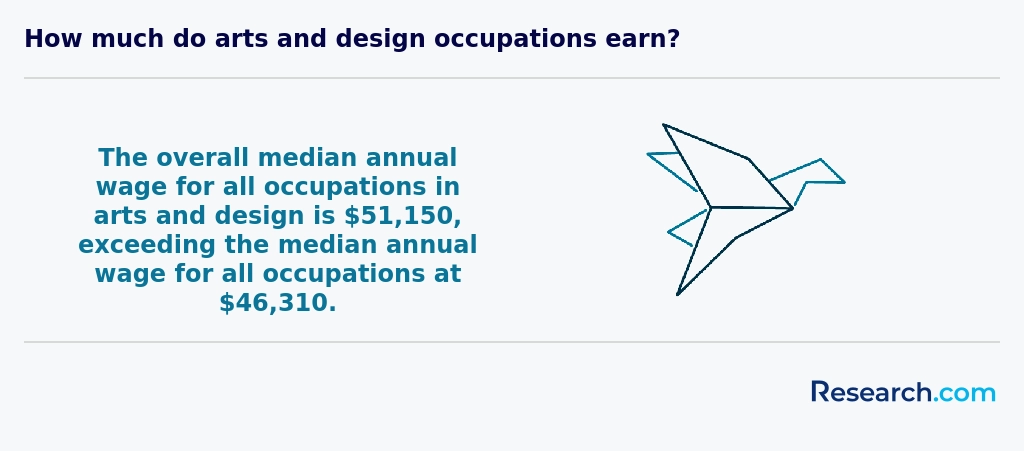
Other fine arts career opportunities in Louisville include graphic design, where graduates apply digital tools to create compelling visual content for advertising agencies or media companies. Many find this path rewarding, combining artistic vision with practical skills to meet market needs. With a median salary around $51,000 in Kentucky, it offers a measure of financial stability without compromising creativity.
Jobs for fine arts graduates in Louisville are not limited to making art alone. Teaching in schools or managing non-profit arts programs are viable options that some graduates pursue, motivated by a desire to foster community arts participation. Others explore theater production or museum curation, although these roles sometimes require additional training or specialization.
For those weighing the cost of a fine arts degree in Louisville, it is important to consider alternatives like the quickest associates degree programs, which may provide faster entry into creative industries. Overall, the range of careers reflects the evolving landscape for fine arts graduates in Louisville.
The fine arts degree job opportunities in Louisville present a dynamic but nuanced landscape. Graduates from local colleges often find promising paths in graphic design and multimedia, thanks to Louisville's expanding tech and advertising industries. Many report rewarding experiences working with community arts organizations or local galleries, where their creative skills are in demand. However, there is also awareness that entry-level roles might offer moderate salaries compared to national figures, though Louisville's reasonable cost of living helps balance this challenge.
Career prospects extend into education, with graduates frequently securing teaching roles in K-12 schools or assisting in university programs. Those engaged in freelance artistry or entrepreneurial ventures enjoy flexible options but face typical uncertainties of self-employment. The Louisville fine arts career outlook 2027 suggests steady local investment in cultural projects, which may gradually increase job availability. Students should weigh tuition costs, often aligning with national averages, and consider pathways for gaining real-world experience through internships. For those exploring affordable options, the easiest online associates degree programs may offer a practical starting point before pursuing advanced degrees.
2027 Most Valuable Fine Arts Degree Programs Ranking in Louisville
Investing in your education is a significant decision that can shape your future, and the Research.com team is committed to helping you make informed choices. To support prospective students in Louisville, we have carefully developed the "2027 Most Valuable Fine Arts Degree Programs Ranking in Louisville." Our dedication to quality, credibility, and accuracy is demonstrated through thorough research and rigorous analysis.
We utilized the following reputable data sources to ensure a comprehensive evaluation of fine arts programs:
By exploring this ranking, readers will gain valuable insights into the top fine arts degree programs in Louisville, enabling well-informed decisions about their educational paths. For more information on how this ranking was created, please visit our Research.com methodology page.


Frequently Asked Questions About fine arts
Fine arts degree students in Louisville can maximize their learning experience by engaging deeply with the city's vibrant arts community. Louisville is home to numerous galleries, such as the Speed Art Museum, which offers valuable exhibitions and workshops. Participating in local art events and internships with these institutions provides practical experience beyond the classroom.
Additionally, networking with local artists and attending open studios can foster mentorship opportunities. Students should also take advantage of Louisville's affordable living costs, allowing more time to focus on creative projects. According to the National Center for Education Statistics, hands-on experience significantly improves student outcomes in fine arts programs nationwide.
The fine arts field in Louisville is expanding beyond traditional disciplines, reflecting wider cultural and technological trends. Emerging niches include digital media arts, where students blend creativity with technology, developing skills in animation, 3D modeling, and virtual reality. This growth aligns with national trends reported by the National Endowment for the Arts, showing a rise in demand for digital art skills.
Another promising area is community-engaged art, which focuses on collaborative projects that connect artists with local neighborhoods. Louisville's vibrant art scene supports this niche, with organizations like the Kentucky Foundation for Women promoting socially conscious art.
Additionally, fine arts degrees now often incorporate interdisciplinary studies, merging visual arts with fields like business or education to prepare graduates for diverse career paths.
Preparing for the job market after earning a fine arts degree in Louisville involves several strategic steps. Graduates should build a strong portfolio showcasing diverse skills, as employers highly value practical experience. Networking is essential; Louisville's vibrant arts scene, including venues like the KMAC Museum and Speed Art Museum, offers opportunities for internships and collaborations.
Acquiring business skills, such as marketing and grant writing, can also improve job prospects. According to the U.S. Bureau of Labor Statistics, fine artists have a median annual wage of about $50,000, but local success depends on personal branding and connections. Joining local arts organizations like the Kentucky Guild of Artists and Craftsmen helps graduates stay informed about job openings and exhibitions.
Employers in Louisville seeking fine arts degree graduates prioritize a combination of technical and soft skills. Artistic proficiency and mastery of media such as painting, sculpture, or digital design rank highly. According to a 2023 report by the Louisville Arts Council, 78% of local employers emphasize creativity paired with the ability to adapt and innovate.
Communication skills are also essential, as artists often collaborate with clients, galleries, and marketing teams. Additionally, project management and time management help graduates meet deadlines in fast-paced environments.
Knowledge of digital tools, including Adobe Creative Suite, is increasingly required, reflecting industry standards within Louisville's evolving art scene.
Finding internships in Louisville relevant to a fine arts degree involves tapping into local cultural institutions and education networks. Louisville hosts a vibrant arts scene, including the Louisville Visual Art Association and the Speed Art Museum, both of which offer opportunities for student internships. According to Louisville's Arts Council, about 65% of local arts organizations provide internship or volunteer positions for emerging artists annually.
Students should also explore partnerships through their university's career services, which often connect students with galleries, theaters, and design studios. Networking at citywide arts festivals, such as the St. James Court Art Show, can also lead to internship contacts. Additionally, online platforms like Handshake and local job boards frequently feature fine arts internship listings specific to Louisville's creative sector.
In Louisville, earning a fine arts degree can significantly affect career mobility and advancement within the local creative sector. The city's growing art scene offers opportunities in galleries, design firms, and cultural institutions, which often value formal fine arts training.
According to data from the National Endowment for the Arts, artists in Kentucky have seen steady employment growth, with Louisville as a key hub. Graduates with a fine arts degree frequently access roles that require both creative skills and academic credentials, such as art education, curation, and multimedia design.
Moreover, many Louisville employers consider fine arts degrees valuable for positions that blend creativity and project management. This credential can also provide entry into freelance and entrepreneurial ventures, enhancing career flexibility and upward mobility.
Studying for a fine arts degree in Louisville equips students with skills that extend beyond traditional artistic practice, fostering interdisciplinary collaboration. Local programs emphasize integrating visual arts with digital media, design, and community engagement, reflecting the city's growing creative economy. According to the Kentucky Arts Council, Louisville's arts sector contributes over $202 million annually, encouraging fine arts graduates to engage with business, education, and technology fields.
Curricula often include courses in art history, multimedia production, and art education, helping students adapt to various professional environments. Internship opportunities with local galleries and creative startups provide practical experience in collaborative projects.
When choosing between a thesis and a non-thesis fine arts degree program in Louisville, consider your career goals. A thesis program typically involves producing a significant research or creative project, ideal for students aiming for advanced study or academic positions.
Non-thesis programs often focus on coursework and practical skills, appealing to those who want to enter the workforce quickly or pursue applied art roles. According to the National Center for Education Statistics, about 60% of fine arts graduates in Kentucky opt for non-thesis tracks, favoring hands-on experience.
Local institutions like the University of Louisville offer both paths, letting students tailor their focus whether on research or practice.
Students based in Louisville who wish to study fine arts abroad have various pathways through U.S. higher education programs that include international exchange opportunities. Many universities with fine arts departments, such as the University of Louisville, offer study abroad programs in Europe, Asia, and Latin America, allowing students to gain global artistic perspectives. These programs often range from a semester to a full academic year, providing immersive experiences in countries known for their art history.
Financial aid and scholarships specifically for study abroad are available to Louisville students, facilitating access to programs that may otherwise be cost-prohibitive. The National Association of Schools of Art and Design (NASAD) accredits many institutions involved in these exchanges, ensuring academic quality. According to Open Doors data, about 10% of U.S. fine arts students participate in study abroad programs, reflecting growing interest in global artistic education.
Students pursuing fine arts degrees in Louisville can benefit from diverse part-time job opportunities that enhance their skills and professional networks. Popular options include working as art gallery assistants, where students gain experience in curation and customer interaction within Louisville's vibrant art scene. According to the Louisville Visual Arts Association, internships and part-time roles at local museums and galleries often provide valuable hands-on learning.
Another opportunity is freelance graphic design or illustration, supported by Louisville's growing creative industry. Local nonprofits and small businesses frequently seek part-time designers, allowing fine arts students to build portfolios. Additionally, workshops and teaching assistant roles at community art centers offer practical experience in art education, a growing field in Louisville's cultural landscape.
Fine arts students in Louisville benefit from several robust networking opportunities that connect them with local artists, galleries, and cultural institutions. The city hosts annual events like the St. James Court Art Show, attracting over 200,000 visitors and providing direct exposure to practicing artists and industry professionals. Institutions such as the University of Louisville offer student memberships and access to artist talks and exhibitions, which foster peer and mentor connections. Local organizations like KMAC Museum and Louisville Visual Arts provide workshops and artist residencies that enable students to collaborate and build professional relationships within Kentucky's art community.
The Louisville Arts Council regularly organizes networking mixers and grant workshops tailored to fine arts students and emerging artists. According to the Kentucky Arts Council, nearly 30% of Louisville's artists engage in collaborative projects through these networks, which is above the national average. This strong community presence supports students in gaining local internships and gallery representation, critical for launching careers. With nearly 50 active arts organizations in the city, Louisville's fine arts students have diverse, accessible channels for professional growth and networking.
Alumni networks play a crucial role for fine arts degree students in Louisville by providing valuable professional connections and mentorship opportunities. Graduates from local institutions such as the University of Louisville and Bellarmine University often engage with current students through events and workshops, helping to bridge academic study and real-world experience.
These networks also offer access to job openings, internships, and gallery exhibitions specifically tailored to the Louisville art scene. According to the National Association of Colleges and Employers, 70% of positions in creative fields are filled through networking, highlighting the importance of these connections.
Strong alumni engagement can increase students' chances of career advancement and provide a supportive community that fosters artistic growth.
Students pursuing fine arts degrees in Louisville can tailor their programs through elective courses, internships, and specialized workshops offered by local institutions such as the University of Louisville. Electives allow exploration in areas like digital media, sculpture, or traditional painting, enabling learners to align their skills with artistic interests or market demands.
Internships with Louisville's vibrant arts community-such as galleries, theaters, and nonprofits-provide practical experience vital for career readiness. According to the Kentucky Arts Council, Louisville has seen a growth in art-related jobs by 5% over the past five years, emphasizing local opportunities.
Additionally, many programs encourage independent study or capstone projects, allowing students to focus on personal career goals while receiving faculty mentorship. This flexibility helps budding artists prepare for diverse careers in education, production, or commercial art sectors.
Fine arts students in Louisville often face several challenges during their studies. One major hurdle is balancing creative work with academic requirements, as many programs demand extensive studio time alongside traditional coursework. According to the National Endowment for the Arts, funding for arts education programs nationally has seen fluctuations, affecting resources available at some local institutions.
Students also commonly encounter financial pressures. Tuition costs combined with expenses for art supplies and materials can be significant. The Bureau of Labor Statistics notes that Louisville's average student debt for art majors is near the national average, which can add stress during and after studies.
Finally, securing internships or local exhibition opportunities poses challenges due to limited venues compared to larger cities. Industry connections are crucial, and students often work hard to build professional networks within Louisville's smaller arts community.
With a fine arts degree in Louisville, graduates can pursue various professional certifications to enhance their careers. One common certification is the National Board Certification in Visual Arts, which is recognized nationwide and helps demonstrate advanced teaching skills for those interested in art education.
Additionally, some may seek certification in museum studies or art conservation through institutes affiliated with major US organizations, improving opportunities in galleries and cultural institutions. Louisville's evolving arts scene supports certifications in digital media and graphic design, reflecting industry trends.
While specific local certification statistics are limited, resources like the Kentucky Arts Council provide guidance on credentialing and professional development in the region.
Applying to a fine arts program in Louisville requires a clear and compelling presentation of your artistic skills and passion. Start by carefully researching local institutions such as the University of Louisville, which is known for its comprehensive fine arts curriculum and connections to the city's vibrant art scene.
Prepare a strong portfolio showcasing a diverse range of your best work, as portfolio assessment is a critical component of admissions. Include detailed descriptions to explain your techniques and creative process.
Additionally, craft a concise personal statement that highlights your artistic goals and why Louisville's community and resources align with your ambitions.
Meeting all deadlines and following specific submission guidelines is essential. According to the National Endowment for the Arts, applicants demonstrating community engagement often gain an advantage, reflecting Louisville's emphasis on local culture.
Fine arts careers are increasingly viewed through a global lens, with professionals encouraged to engage in diverse cultural dialogues. In the US, including Louisville, graduates often benefit from expanding international art markets and cross-border collaborations.
The US Bureau of Labor Statistics reports that employment of artists and related workers is projected to grow about 3% from 2022 to 2032, reflecting steady demand. Louisville's growing arts scene, supported by organizations like the Kentucky Arts Council, offers opportunities for creative exchange that align with global trends.
Many fine arts programs in Louisville incorporate global art history and contemporary practices to prepare students for an interconnected world, emphasizing skills such as digital media and intercultural communication.
Understanding global perspectives helps Louisville students navigate both local and overseas galleries, exhibitions, and markets effectively.
Students pursuing a fine arts degree in Louisville can gain practical experience through several avenues tied to local institutions and opportunities. Many universities in Louisville offer internships in collaboration with nearby galleries, theaters, and art centers, which allow students to apply classroom knowledge to real-world projects.
Participating in community art events or volunteering at organizations like the Kentucky Museum of Art and Craft provides hands-on experience essential for building a professional portfolio. Additionally, Louisville's vibrant arts scene includes festivals and exhibitions where students can showcase their work.
According to the Louisville Arts Council, involvement in these activities improves job prospects for fine arts graduates by up to 30%.
Choosing the right concentration within a fine arts degree program in Louisville begins with understanding your personal interests and career goals. Fine arts programs typically offer concentrations such as painting, sculpture, graphic design, or digital media. Research Louisville's local art scene and job market to identify areas with strong opportunities. For example, Louisville's growing digital arts sector may favor digital media concentrations.
It's important to review curriculum details at schools like the University of Louisville and Bellarmine University, which report growing enrollment in contemporary art fields. According to the National Center for Education Statistics (NCES), fine arts graduates in Kentucky earn a median annual wage ranging from $35,000 to $50,000 depending on specialization.
Consider internship options and connections with Louisville galleries and studios that enhance practical experience. Talking to faculty and current students can also clarify which concentration aligns best with your skills and market demand.
- 2027 Most Valuable Fine Arts Degree Programs Ranking in Cincinnati
- 2027 Most Valuable Fine Arts Degree Programs Ranking in Indianapolis
- 2027 Most Valuable Fine Arts Degree Programs Ranking in Nashville
- 2027 Most Valuable Fine Arts Degree Programs Ranking in Columbus
- 2027 Most Valuable Fine Arts Degree Programs Ranking in Saint Louis
- 2027 Most Valuable Fine Arts Degree Programs Ranking in Chicago
- 2027 Most Valuable Fine Arts Degree Programs Ranking in Cleveland
- 2027 Most Valuable Fine Arts Degree Programs Ranking in Detroit
- 2027 Most Valuable Fine Arts Degree Programs Ranking in Memphis
- 2027 Most Valuable Fine Arts Degree Programs Ranking in Atlanta
- Benefits of Fine Arts Education: Creativity & Confidence Boost https://palcs.org/advantage-fine-arts-education-creativity-confidence/
- Alumni network - ESMA https://www.esma-artistique.com/en/outreach/alumni-network/
- What is Fine Arts? Meaning, Scope & Careers Explained https://jgu.edu.in/opjgublog/what-is-fine-arts/
- Fine Arts https://www.wits.ac.za/course-finder/undergraduate/humanities/fine-arts/
- fine art teaching and its challenges in the 21st century post ... https://www.sgojahds.com/index.php/SGOJAHDS/article/viewFile/296/320
- Arts, History and Humanities in Global Perspective https://u-paris.fr/language/en/arts-history-and-humanities-in-global-perspective-en/
- Art Internships: Your Complete Guide | Sotheby's Institute of Art https://sothebysinstitute.com/articles/art-internships-your-complete-guide/
- 404 – Seite nicht gefunden https://www.gostudent.org/en-gb/blog/what-jobs-can-you-get-with-a-fine-arts-degree
- Careers in Fine Art https://www.artcenter.edu/academics/undergraduate-degrees/fine-art/careers-in-fine-art.html
- How to Use Art Challenges to Push Your Creative Boundaries - OCAD https://artcoursework.com/how-to-use-art-challenges-to-push-your-creative-boundaries/


