
2027 Most Affordable Fine Arts Degree Programs Ranking in Troy

Co-Founder and Chief Data Scientist
Are you considering pursuing a fine arts degree in Troy but worried about costs? This article introduces the 2027 Most Affordable Fine Arts Degree Programs Ranking in Troy, carefully crafted by the Research.com team of data scientists. It's designed to help you make an informed choice by highlighting affordable programs that don't compromise quality.
Reading this guide can unlock opportunities to follow your passion while managing expenses. A fine arts degree opens doors to creativity, career growth, and personal fulfillment. Let us support your journey toward a bright artistic future.
Key benefits of getting fine arts degree in Troy
- Salary benefits: Graduates with fine arts degrees in Troy can earn competitive salaries, such as illustrators making around $71,420 annually and animators earning approximately $109,630 per year. These figures reflect promising financial prospects in creative careers.
- Career paths: A fine arts graduate from a Troy university can explore exciting roles like graphic artist or art therapist, enabling diverse creative expression and meaningful work. The degree opens doors to both traditional and innovative art professions.
- Online degree benefits: Completing a fine arts degree online from a Troy-based university offers flexibility to balance work and study while developing skills in a modern learning environment. This format empowers students to advance their careers without disrupting their lifestyle.
- 2027 Most Affordable Fine Arts Degree Programs Ranking in Troy
- What can I expect from fine arts degree in Troy?
- Where can I work with fine arts degree in Troy?
What can I expect from fine arts degree in Troy?
Financing a fine arts degree in Troy typically ranges from $15,000 to $25,000 per year at popular local institutions, reflecting a balance between quality education and affordability. Graduates recall managing these expenses through a mix of scholarships, part-time work within campus studios, and participation in paid exhibitions and internships offered by Troy's vibrant art community.
Many students appreciate Troy's affordable cost of living, which eases financial pressure and allows them to focus deeply on their creative projects. For example, a graduate from a well-known Troy college shared how accessing cutting-edge digital media labs without hefty fees enabled them to experiment boldly with mixed media art, fueling their enthusiasm and growth.
Looking ahead, Troy's fine arts programs are expected to integrate more technology-driven courses, potentially adjusting tuition slightly but offering richer, market-relevant skills. These emerging trends suggest that investment in a Troy fine arts degree will continue to provide strong value, combining practical studio work with innovative art practices aligned with evolving professional fields.
Where can I work with fine arts degree in Troy?
Graduates from fine arts programs at Troy's prominent institutions often step into vibrant roles within local galleries and cultural hubs like the Arts Center of the Capital Region. For example, a recent alumnus described the excitement of curating exhibits that directly engage the Troy community, blending traditional art with innovative multimedia displays. This hands-on experience highlights how a fine arts degree can lead to dynamic careers in event coordination and gallery management, fueled by practical skills developed during college projects.
Many Troy graduates also find fulfilling employment in museums or historical societies, where they design interactive exhibits or lead educational programs that bring art to life. One graduate shared how working at the Rensselaer County Historical Society enriched their storytelling abilities, enriching the visitor experience while applying their visual art expertise.
Teaching art in local schools or community workshops is another common path, especially as STEAM education grows. Graduates often report the joy of inspiring youth and shaping future artists through engaging classes, sometimes running their own art studios in Troy's creative neighborhoods.
In commercial sectors, fine arts alumni leverage their skills in design firms and media companies nearby, finding rewarding careers that combine creativity with emerging digital technologies. With Troy's artistic support network and proximity to larger markets, the future holds promising opportunities to innovate and thrive.
Graduates with a fine arts degree in Troy can expect varied salary prospects depending on their chosen career paths. For example, those entering graphic design, a popular field among Troy's fine arts alumni, can anticipate earning around $64,700 annually according to national data, reflecting strong demand for digital creativity.
Fine arts graduates who become illustrators often find rewarding work with an average salary of approximately $71,420. This aligns well with experiences shared by recent graduates from Troy's colleges, who highlight the excitement of combining traditional art skills with modern technology to meet client needs.
Animator roles, though more specialized, offer even higher earning potential at about $109,630 annually. Many Troy graduates explore animation through supplementary courses, enhancing their technical skills and opening doors to this dynamic sector.
Meanwhile, art therapists, a growing discipline linking art with wellness, earn roughly $75,660. Troy's fine arts students often express enthusiasm about how such careers allow them to positively impact communities while utilizing their creative training.
In Troy, success stories often involve leveraging local networks, such as galleries or arts centers, combined with technical proficiency to maximize earning potential and creative fulfillment in diverse, evolving industries.
- Annual tuition for fine arts programs in Troy ranges from $10,000 to $18,000 depending on the institution.
- Starting salaries for fine arts graduates average around $35,000 per year but can rise to $50,000-$60,000 with experience and career advancement.
- Job opportunities in Troy focus on graphic design, illustration, art education, and community arts programs.
- Internships and strong portfolios are important for job prospects in the local arts industry.
- Teaching fine arts in public schools may require certification and can lead to higher salaries.
Completing a fine arts degree in Troy typically takes about four years for a Bachelor of Fine Arts (BFA), mirroring the traditional full-time study model at Troy University and other local colleges. Many graduates describe this period as an immersive journey, balancing rigorous studio practice with exploration of art theory, often recalling late nights perfecting their portfolios and celebrating breakthroughs in creativity.
Some students choose a part-time or accelerated pace, adjusting their course loads to fit personal or financial needs, which can extend or shorten the typical timeline. For instance, community college students pursuing an Associate degree often finish in two years, using it as a practical stepping stone while building foundational skills.
Graduate fine arts programs in Troy, like the Master of Fine Arts, usually require two to three years, challenging students with intensive projects that deepen their artistic voice. This commitment often brings a strong sense of accomplishment and community, as many describe their experiences as transformative and inspiring for future careers.
Emerging trends, such as hybrid learning and digital portfolio development, hint at future possibilities where flexible pacing and innovative coursework might redefine how long students spend earning their degrees in Troy.
The fine arts field is continuously evolving, driven by emerging technologies and shifting cultural trends that open doors to innovative career paths. Recent developments such as digital art techniques, augmented reality installations, and interactive media have not only redefined creative expression but also expanded the job market for graduates. As institutions update their curricula to include these contemporary practices, students are better prepared to meet future industry demands. Additionally, local art scenes are increasingly embracing collaborative projects and public art initiatives that highlight community engagement, ensuring that graduates can contribute meaningfully to both traditional and digital arts landscapes. For those exploring cost-effective pathways, learning about affordable fine arts programs in new york can provide critical insights into how these trends are integrated into academic settings. Staying informed about these trends is essential for aspiring artists who wish to remain competitive and innovative in a rapidly transforming creative industry.
Graduates from Troy's prominent fine arts colleges often reflect on the vivid difference between immersive on-campus experiences and the flexibility of online programs. On-campus students relish tactile moments-standing amid kilns warming in a studio or adjusting lighting in a darkroom-deeply connecting with materials and peers. These hands-on experiences, typical at Troy's established institutions, nurture creative confidence and spontaneous critique sessions that feel energizing and inspiring.
Conversely, graduates from online fine arts programs appreciate the convenience of studying without relocating. For those balancing work or family, the chance to engage with art history lectures or digital portfolio workshops from home feels empowering and accessible. They note challenges like missing the physical buzz of studio environments but find creative ways to blend local workshops or community art spaces in Troy with virtual learning.
Looking ahead, hybrid models emerging in Troy may blend the best of both worlds, offering digital flexibility alongside scheduled in-person residencies. This approach could redefine fine arts education by fostering both independent innovation and hands-on mastery in a way that fits diverse lifestyles.
Troy, NY combines historic charm with a thriving arts scene, creating an ideal backdrop for Fine Arts students seeking both inspiration and community. On-campus facilities at institutions like Russell Sage College and RPI include state-of-the-art studios, digital media labs, and dedicated exhibition galleries, ensuring you have access to the tools needed for every stage of your creative process. Beyond the studio, student-run organizations such as the Troy Arts Collective host monthly open-mic nights, gallery crawls, and collaborative mural projects that foster networking and portfolio-building opportunities. Housing and local amenities further enrich the student experience. Many undergraduates choose the affordably renovated brownstones near Union Street, where rent averages just $700–$900 per month and local coffee shops double as impromptu critique spaces. Weekend art walks through downtown Troy connect students with community curators and gallery owners, while annual events like the Troy River Festival spotlight student exhibitions alongside professional artists. For those curious about affordability trends in other regions, it’s helpful to compare Troy’s cost of living and program expenses with benchmarks like the Inexpensive Fine Arts Degree Programs Ranking in Ohio. By blending an immersive campus environment, robust extracurricular offerings, and a supportive local art community, Troy equips Fine Arts students with both the creative inspiration and practical resources to excel during their studies-and beyond.
The average cost of a fine arts degree in Troy typically reflects a median total expense around $64,000 for in-state students and about $83,500 for out-of-state students. These figures encompass tuition along with other essential fees, supplies, and materials crucial for fine arts coursework. Graduates from Troy University, the region's prominent public institution for fine arts, often share how balancing budget management with creative pursuits has been a rewarding challenge that deepened their appreciation for both art and financial planning.
For students exploring affordable fine arts degree programs cost in Troy, in-state tuition remains a compelling advantage, providing access to quality education without the overwhelming financial burden often associated with private colleges. Many fine arts students report feeling empowered by scholarships and financial aid that further lighten these costs, enabling them to invest more confidently in art supplies and projects that fuel their passion.
While Troy does not host many private fine arts colleges, the community benefits from emerging trends in accessible education models and online resources. Prospective students may find inspiration in peers who have successfully navigated Troy University's offers and expanded their artistic networks locally. To understand how Troy compares nationally and find options suited to budget-conscious artists, students might explore affordable fine arts programs in new york, offering insights that resonate beyond regional borders.
Ensuring that your Fine Arts degree in Troy, NY comes from an accredited institution is vital for both academic credibility and financial aid eligibility. The National Association of Schools of Art and Design (NASAD) is the primary specialized accreditor for fine arts programs, while regional accreditation from agencies like the Middle States Commission on Higher Education confirms overall institutional quality. Accredited programs adhere to rigorous curriculum standards, qualified faculty requirements, and regular peer reviews-factors that directly impact the transferability of credits, graduate program admissions, and employer recognition. When evaluating affordability alongside accreditation, verify each school’s status on both NASAD and regional accreditor websites. Prospective students should look for clear statements of accreditation on college websites and consult the U.S. Department of Education’s database to confirm eligibility for Federal Pell Grants and Stafford Loans. Additionally, reviewing specialized benchmarks-such as those applied at the school of video game design-can offer insights into how top-tier programs maintain quality through ongoing assessment, faculty research output, and state-of-the-art facilities. Prioritizing accredited institutions ensures that your investment in a Fine Arts degree in Troy leads to recognized credentials and lasting career benefits.
Fine arts students in Troy can look forward to a variety of financial aid options that make their education more attainable and less stressful. Graduates of Rensselaer Polytechnic Institute often share how Pell Grants and subsidized federal student loans eased their financial burdens, allowing them to focus on creative projects rather than debt. These grants can cover a significant portion of tuition, while loans offer manageable repayment terms.
New York State's Tuition Assistance Program (TAP) serves as a crucial lifeline for many, especially those attending schools like Russell Sage College, where students have used TAP funds to offset fees for studios and art supplies. This state aid is essential for residents keen on pursuing innovative fine arts careers without overwhelming financial strain.
Merit-based scholarships and national awards further empower Troy's fine arts community, with several recipients describing the joy of receiving scholarships tied to portfolio excellence, inspiring them to push artistic boundaries. Work-study programs also create opportunities to earn income through campus art-related roles, enabling students to immerse themselves in their craft while gaining financial independence.
A Fine Arts degree isn’t just about mastering technical skills in the classroom-it's also about thriving in a vibrant campus community that fosters creativity, collaboration, and personal growth. Many students have reported that the artistic environment in Troy, NY, goes beyond academic lessons, offering an immersive lifestyle where art, culture, and innovation converge. From engaging gallery nights and interactive workshops to extracurricular clubs and community projects, campus life plays an essential role in shaping a well-rounded artist. Students often highlight the opportunities to participate in campus exhibitions, join art collectives, and network with professionals during local art fairs, which collectively enrich their educational journey. Additionally, institutions provide robust support through mentorship programs, student-led organizations, and partnerships with local cultural centers that help bridge classroom learning with real-world industry experience. Prospective students can explore detailed comparisons of these benefits as shared by those who have experienced them first-hand in affordable fine arts programs in new york. Embracing both academic rigor and lively campus culture enables artists to develop not just their technical skill sets, but also the professional networks and creative inspirations that carry forward into their future careers.
To enroll in a fine arts degree program in Troy, aspiring students typically need a high school diploma or GED paired with a strong portfolio showcasing their artistic talents. Graduates from Troy's notable arts colleges often recall how their portfolios-featuring paintings, digital art, and sculptures-were key in demonstrating both creativity and technical skill. This hands-on submission helps schools assess potential beyond grades, emphasizing originality and personal expression.
Many programs still request official transcripts reflecting solid performance in English and foundational art courses, ensuring students are prepared academically. Some colleges might ask for standardized test scores like SAT or ACT, though this trend is shifting as schools adopt more holistic reviews focused on passion and creativity.
Additionally, personal statements or interviews are growing in importance, allowing applicants to connect their artistic journey and future goals directly with admissions teams. At Troy's top universities, these components foster a deeper understanding of the student's motivation and commitment to fine arts, creating a more engaging and personalized application process.
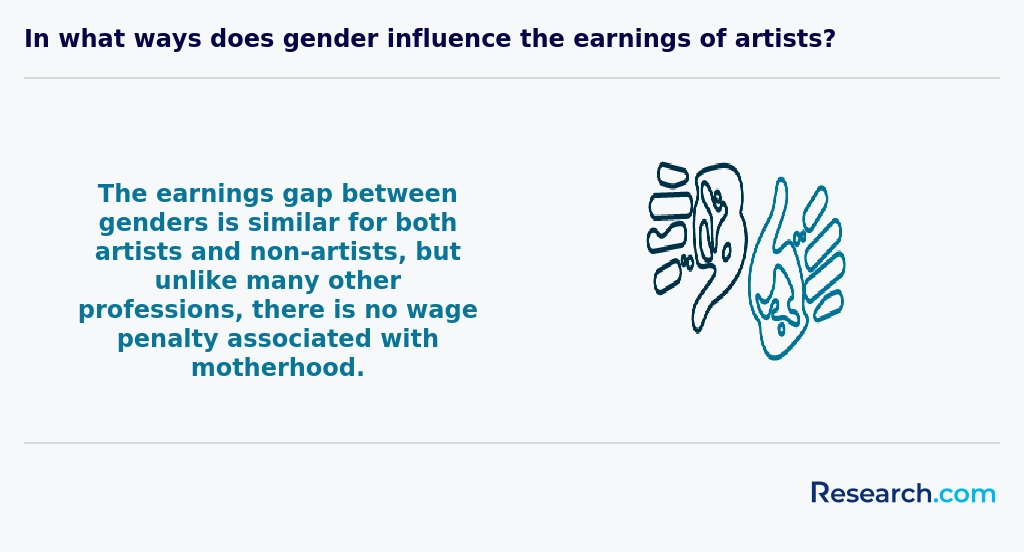
Fine arts degree programs in Troy typically include a dynamic mix of courses that prepare students for a variety of artistic careers. Graduates from popular colleges here often reflect on how foundational classes like Drawing and Painting helped them develop confidence in their creative expression. Sculpture courses invite students to experiment with materials, fostering hands-on skills that translate well into contemporary art practices.
Art History classes in Troy go beyond textbooks-students recall lively discussions about cultural movements that shape today's art scene, enriching their conceptual understanding. Digital Arts, including graphic design and digital imaging, equips students to engage with evolving technologies, a skill highly praised by recent graduates entering modern creative industries.
Emerging trends show that electives in animation and portfolio development are becoming increasingly valued. Many students find that tailoring their curriculum at Troy's institutions to include these areas opens doors to diverse opportunities, infusing their studies with both personal passion and professional readiness. The hands-on environment here sparks excitement and a genuine sense of artistic growth.
Fine arts degree specializations in Troy offer dynamic paths that prepare students for evolving creative careers. Graduates from popular colleges in the area describe how programs like Studio Art, Photography and Digital Media, and Graphic Design blend traditional techniques and cutting-edge technology, providing a balance that fosters confidence and innovation. Students often engage in real-world projects, galleries, and internships, experiencing firsthand how their skills translate beyond the classroom.
Fine arts programs with specialties Troy include unique tracks such as Ceramics and Glass Arts or Art Education, enabling students to develop personalized expertise rooted in community involvement and practical teaching methods. Many graduates find joy in collaborative environments that challenge them to merge classic disciplines with emerging digital trends, reinforcing their versatility. Institutions here also integrate interdisciplinary subjects, and some students expand their creative scope by connecting with the school of video game design, exploring new artistic frontiers through multimedia.
Choosing the best fine arts degree in Troy means looking beyond just name recognition. Graduates from well-known schools like Rensselaer Polytechnic Institute often reflect on how hands-on studio time and well-curated community art projects shaped their creative confidence and professional portfolios. These experiences are invaluable as they foster real-world skills and cultural engagement within Troy's vibrant art scene.
Many students find that programs offering a spectrum of specializations, from digital art to sculpture, allow them to explore evolving mediums and trends. When selecting from fine arts degree programs in Troy, prioritize schools with faculty who remain active in exhibitions and professional networks, ensuring mentorship stays relevant to today's artistic landscape.
Considering cost alongside quality is crucial, especially for those seeking affordable fine arts colleges Troy NY offers. Exploring scholarship options and community college pathways could help you manage expenses while pursuing your passion. You may also want to review local rankings such as the Inexpensive Fine Arts Degree Programs Ranking in Ohio for broader affordability insights.
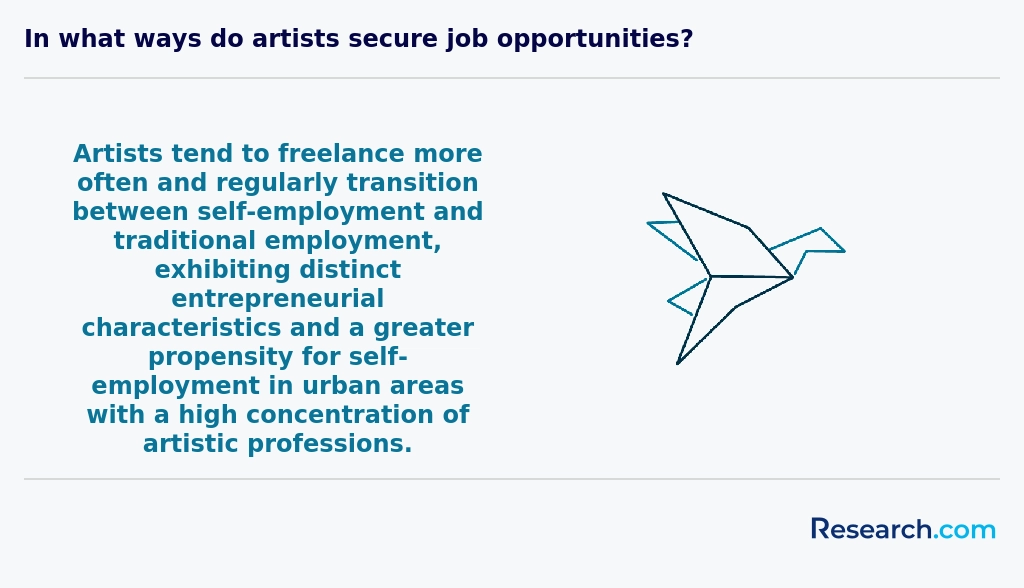
Fine arts graduates in Troy find a rich variety of career paths that reflect both tradition and innovation. Within popular colleges in Troy, graduates pursue roles as visual artists and illustrators, engaging with local galleries and commissions, which spark excitement as they showcase creativity and build strong community connections. The growing business sectors in Troy also offer promising opportunities for graphic designers, blending artistic skills with digital media to meet evolving market demands. Many graduates express pride in becoming art educators, shaping future generations through teaching roles in K-12 schools and community programs, which remain a stable and fulfilling path.
For those interested in cultural preservation and curation, Troy's museums and theaters provide avenues as curators and museum technicians, where graduates experience the satisfaction of keeping local history alive. Some take adventurous steps toward art therapy, combining their fine arts degrees with additional certification to make meaningful impacts. Students exploring fine arts career opportunities in Troy often discover valuable internships and community involvement that enrich their portfolios. Many also consider flexible educational options like the top 6 month associate degree to quickly enter the workforce, underscoring the diverse job prospects for fine arts graduates Troy holds today.
Graduates with a fine arts degree in Troy find a vibrant but competitive job market shaped by local galleries, community art centers, and nonprofit organizations. Those completing programs at institutions like Rensselaer Polytechnic Institute and Hudson Valley Community College often share experiences of securing part-time teaching roles or participating in exhibitions that connect them to the city's creative pulse. The employment opportunities for fine arts graduates in Troy lean toward freelance work or entrepreneurship, with many artists benefiting from the supportive, close-knit art community to launch studios or commission-based projects.
Despite Troy's smaller scale compared to larger metropolitan areas, recent graduates express optimism as the city's arts scene grows alongside educational initiatives. As the local economy values versatility, graduates expand their skillsets beyond traditional paths, sometimes blending tech or business skills gained at school. For those still exploring, Troy offers accessible education costs and diverse roles, positioning itself as a hub where creativity can thrive. Students curious about navigating these options may also consider exploring the easiest masters programs to get into that complement fine arts skills in this evolving market landscape.
2027 Most Affordable Fine Arts Degree Programs Ranking in Troy
Investing in your education is a significant decision that can shape your future, and the Research.com team understands the importance of making informed choices. To assist prospective students in Troy, we have meticulously crafted the "2027 Most Affordable Fine Arts Degree Programs Ranking in Troy." Our commitment to quality, credibility, and accuracy is reflected in the extensive research and analysis conducted to compile this ranking.
We utilized the following reputable data sources to ensure a comprehensive evaluation of fine arts programs:
By exploring this ranking, readers will gain valuable insights into affordable fine arts degree options available in Troy, empowering them to make informed decisions about their education and career paths. For more details on our methodology, please visit our Research.com methodology page.


Frequently Asked Questions About fine arts
Fine arts degree students in Troy can enhance their learning experience by engaging actively in both academic and community art events. Local institutions like Rensselaer Polytechnic Institute often host exhibitions and workshops that provide practical exposure beyond classroom theory. Participating in internships or collaborations with Troy's vibrant cultural organizations, such as the Arts Center of the Capital Region, helps students develop real-world skills and professional networks.
Additionally, seeking mentorship from experienced faculty and visiting artists can deepen understanding of diverse fine arts disciplines. Utilizing Troy Public Library's art resources and digital archives also supports research and creative projects, complementing hands-on practice with scholarly study.
The field of fine arts in Troy, like much of the United States, is experiencing a shift toward specialized and interdisciplinary niches. Emerging areas include digital media arts, where students integrate traditional art skills with technology to create interactive and multimedia works. This trend aligns with nationwide growth in digital art careers, as reported by the National Endowment for the Arts.
Another growing niche is art therapy, which combines psychology and art to support mental health. Troy's community health initiatives have increased demand for professionals with this skill set.
Sustainable and environmental art is also gaining traction, reflecting broader societal concerns. These niches offer innovative paths within fine arts degrees, appealing to students seeking both creative and practical careers.
Graduates with fine arts degrees in Troy should build a professional portfolio showcasing diverse work, which is essential for job applications in creative fields. Local galleries and community centers provide opportunities to exhibit art and gain exposure. Networking is also crucial; attending art events and joining organizations like the Troy Arts Council can connect graduates with potential employers and collaborators.
Internships and freelance projects help develop practical skills and work experience. According to the National Endowment for the Arts, about 20% of fine arts graduates secure jobs related to their field within the first year. Continuing education through workshops can further enhance employability in the competitive Troy job market.
Employers in Troy look for a combination of creative and practical skills in fine arts degree graduates. Strong technical abilities in various media such as painting, sculpture, and digital design are essential. According to the National Endowment for the Arts, 68% of art employers prioritize proficiency with digital tools and software.
Effective communication and collaboration skills are also highly valued as many artists work in teams or client-based environments. Problem-solving and adaptability help graduates navigate the evolving art market.
Additionally, business knowledge, including marketing and portfolio presentation, improves job prospects. Local Troy galleries report they seek candidates who demonstrate both artistic talent and professional work habits.
Finding internships in Troy relevant to a fine arts degree involves combining local resources and university career services. Rensselaer Polytechnic Institute often provides connections to nearby art galleries and design studios.
Students can also explore opportunities at the Arts Center of the Capital Region, which offers internship programs supporting various fine arts disciplines. According to the New York State Council on the Arts, internships in Troy's growing creative sector have increased by 12% over the past three years.
Additionally, visiting the Troy Public Library and community bulletin boards can reveal smaller local arts organizations seeking interns. Networking at Troy-based art exhibits and events is another effective method.
Many Troy universities also maintain online job boards tailored to fine arts internships, which can streamline the search process for students.
A fine arts degree in Troy can significantly enhance career mobility and advancement opportunities within the region's cultural and creative sectors. Graduates often find roles in galleries, design firms, education, and media, benefiting from strong local networks. According to the National Endowment for the Arts, fine arts professionals in New York state experience a 7% higher job stability rate compared to the national average, which supports career growth.
The degree also provides essential skills in critical thinking and creative problem-solving, valued across industries. Troy's growing arts scene and nearby urban centers offer additional job prospects, making the degree a versatile asset for long-term advancement.
Studying for a fine arts degree in Troy equips students with skills that transcend traditional art boundaries, fostering interdisciplinary collaboration. Programs typically integrate coursework in digital media, design, and communications, allowing students to engage with technologies relevant across multiple fields. For example, Troy-based institutions emphasize portfolio development aligned with industries such as marketing, film, and education, broadening career pathways beyond studio arts.
Furthermore, local fine arts curricula often include project-based learning and internships with community organizations, enhancing real-world applications. According to the National Center for Education Statistics, fine arts graduates in New York report a 15% higher engagement in interdisciplinary roles compared to graduates from other regions, reflecting regional educational strengths. This prepares Troy students to thrive in diverse professional environments.
Choosing between a thesis and a non-thesis fine arts degree program in Troy depends on your academic and career goals. A thesis program emphasizes research and the creation of a comprehensive project, which can be ideal if you plan to pursue graduate studies or a career in academia. Most Troy institutions offering fine arts degrees provide thesis options that include a written component alongside your artwork.
Non-thesis programs focus on practical skills and portfolio development, often allowing you to graduate faster. According to the National Center for Education Statistics, about 60% of fine arts students in Troy opt for non-thesis tracks due to their applied nature.
Consider your learning style, timeline, and professional aspirations when deciding. Contact Troy colleges directly for specific program details and requirements.
Students based in Troy interested in studying fine arts abroad have several pathways through US higher education institutions. Many Troy colleges participate in exchange programs with European art schools, particularly in countries like Italy and France, offering semester-long or year-long study abroad opportunities. These experiences provide exposure to internationally recognized art traditions and practices.
Additionally, partnerships between Troy's universities and foreign institutions allow students to earn credits transferable to their home degrees. The Institute of International Education reports that fine arts students comprise approximately 9% of US study abroad participants, reflecting a growing interest in cross-cultural artistic development.
Scholarship and financial aid options specifically for fine arts study abroad are also available, though limited, making early planning essential.
In Troy, students pursuing fine arts degrees can find several part-time job opportunities that enhance their practical skills. Local art galleries, such as the Arts Center of the Capital Region, often seek part-time assistants and curators, allowing students to gain hands-on experience with exhibitions. Additionally, teaching art classes or workshops at community centers offers opportunities to develop instructional skills and portfolio variety.
Retail positions in art supply stores like Blick Art Materials provide insights into materials and customer engagement relevant to artistic practice. According to the U.S. Bureau of Labor Statistics, these jobs contribute valuable experience and flexible hours for fine arts students balancing study commitments.
Fine arts students in Troy benefit from several networking opportunities that support their professional growth. Local institutions such as Rensselaer Polytechnic Institute and Sage College often host art exhibitions, workshops, and guest lectures, attracting both students and established artists. These events provide valuable face-to-face connections and portfolio exposure.
Community art organizations and galleries in Troy also offer internships and volunteer positions. This hands-on experience helps students build relationships within the regional art scene. According to the New York State Council on the Arts, networking activities in the Troy area can increase employment chances by up to 30% for arts graduates.
Additionally, students can join statewide associations like the New York Foundation for the Arts (NYFA), which frequently promote Troy-based events and collaboration opportunities.
Alumni networks offer valuable support to fine arts degree students in Troy by connecting them with experienced professionals in the local art community. These networks often provide mentorship opportunities, helping current students navigate career paths and develop their artistic skills. According to the National Association of Colleges and Employers, 85% of jobs are filled through networking, highlighting the importance of alumni connections. In Troy, where fine arts programs emphasize regional art scenes, alumni can introduce students to gallery exhibitions, internships, and collaborative projects. Through regular events and online platforms, alumni networks create a bridge between education and practical experience for fine arts students.
Many fine arts degree programs in Troy allow students to tailor their studies to match specific career goals. Typically, students can choose concentrations such as painting, sculpture, digital media, or graphic design. This specialization helps to build relevant skills for industries like galleries, advertising, or digital arts.
Additionally, Troy schools often offer internships and collaboration projects, providing real-world experience. Coursework flexibility lets students select electives aligned with interests, such as art history or multimedia production.
Advisors in Troy institutions guide students in creating personalized academic plans, balancing both creative and professional development.
Fine arts students in Troy often face financial challenges due to the high costs of materials and specialized equipment required for their coursework. According to the National Endowment for the Arts, these expenses can add several hundred dollars per semester, making budgeting a critical concern.
Another common difficulty is balancing academic workload with practical studio time. Many students report spending upwards of 20 hours per week in studios, which can complicate maintaining part-time jobs or internships. This challenge is echoed in surveys from Troy's college art departments.
Lastly, competition for gallery space and exhibition opportunities is intense. Troy's limited art venues mean students must be proactive and resourceful to showcase their work, a skill essential for building their professional portfolio.
With a fine arts degree in Troy, students can pursue a variety of professional certifications to enhance their careers. One common certification is the Certified Graphic Designer (CGD) credential, which can boost opportunities in digital and commercial art fields. Additionally, becoming a Licensed Art Therapist requires further graduate study and credentials through the Art Therapy Credentials Board.
Fine arts graduates interested in education can obtain teaching certifications specific to New York State for art instruction in public schools. Troy offers access to programs aligned with the New York State Education Department's standards. According to the National Endowment for the Arts, certified art teachers tend to earn higher salaries and report greater job satisfaction.
Writing a strong application for a fine arts program in Troy begins with thorough research. Identify the specific requirements of local institutions, such as Rensselaer Polytechnic Institute, known for its art-related interdisciplinary programs. Most fine arts programs request a portfolio showcasing your best work; ensure this portfolio is well-curated, diverse, and reflects your unique style and skills.
Additionally, prepare a clear personal statement explaining your passion for the arts, your career goals, and why you chose the Troy area. According to the National Portfolio Day Organization, submitting a professional and organized portfolio can significantly increase acceptance chances.
Lastly, gather strong letters of recommendation from art instructors or professionals familiar with your work. Pay attention to deadlines and consider including any relevant awards or exhibitions to strengthen your application further.
Globally, a fine arts career is often viewed as both challenging and rewarding, with opportunities that extend beyond traditional boundaries. In the United States, fine arts graduates increasingly engage with digital media, performance, and interdisciplinary practices, reflecting broader trends seen in global arts communities.
In Troy, New York, the demand for creative professionals aligns with national projections. According to the U.S. Bureau of Labor Statistics, employment for artists and designers is expected to grow by 4% from 2022 to 2032, a rate consistent with the national average. This suggests sustainability in the field for local graduates.
Internationally, fine arts careers benefit from cultural exchanges and technological advancements, allowing artists to reach wider audiences than before. This global perspective encourages Troy students to consider careers in diverse areas such as gallery curation, animation, or arts education.
Gaining practical experience while studying for a fine arts degree in Troy is essential for building a strong portfolio and improving career prospects. Many colleges in the area encourage students to participate in internships with local art galleries, museums, and design studios. These opportunities allow students to apply classroom knowledge to real-world projects and establish professional connections.
Students can also engage in cooperative education (co-op) programs, which combine academic study with paid work placements. According to the National Association of Colleges and Employers, nearly 60% of fine arts students who completed internships received job offers upon graduation.
Additionally, Troy hosts several art festivals and community workshops where students can showcase their work and gain valuable feedback.
Choosing the right concentration within a fine arts degree program in Troy starts with assessing your personal interests and career goals. Fine arts programs often offer specializations like painting, sculpture, digital media, or graphic design. Consider the skills that align with your strengths and the industries prevalent in the Troy area, such as local galleries, design firms, or media companies.
Research indicates that approximately 40% of fine arts students in New York State select concentrations linked to digital and multimedia arts, reflecting growing job market demand (National Endowment for the Arts, 2023). Visit campuses and speak with faculty to understand available resources and studio facilities.
Additionally, review graduation rates and alumni placement statistics for each concentration to gauge post-degree success. Balancing passion with market realities is essential in making an informed decision.
- 2027 Most Affordable Fine Arts Degree Programs Ranking in Worcester
- 2027 Most Affordable Fine Arts Degree Programs Ranking in New Haven
- 2027 Most Affordable Fine Arts Degree Programs Ranking in Providence
- 2027 Most Affordable Fine Arts Degree Programs Ranking in Cambridge
- 2027 Most Affordable Fine Arts Degree Programs Ranking in Boston
- 2027 Most Affordable Fine Arts Degree Programs Ranking in New York
- 2027 Most Affordable Fine Arts Degree Programs Ranking in Brooklyn
- 2027 Most Affordable Fine Arts Degree Programs Ranking in Ithaca
- 2027 Most Affordable Fine Arts Degree Programs Ranking in Rochester
- 2027 Most Affordable Fine Arts Degree Programs Ranking in Buffalo
- Three ways fine arts colleges help you grow as an artist https://www.cca.edu/newsroom/three-ways-fine-arts-college-will-help-you-grow-artist/
- Study Fine Arts Abroad – Top Universities & Careers https://thearchinternational.com/fine-arts/
- What is an art niche? And how to recognize yours - Arts To Hearts Project https://artstoheartsproject.com/how-to-define-your-niche-as-an-artist/
- Careers in the Arts: Who Stays and Who Leaves? https://snaaparts.org/findings/reports/careers-in-the-arts-who-stays-and-who-leaves
- Application writing tips for individual artists https://www.affta.ab.ca/funding/help-and-resources/resources-individual-artists/application-writing-tips-individual-artists
- Quick Links https://www.alfabetaglobal.com/schools/troy-university/programs/bachelor-of-fine-arts-in-studio-art-0ae0b3a8-4756-4c9e-8731-3702fb93b0ae
- Is a thesis always mandatory in a master's degree program? - EFMU: The Euler-Franeker Memorial University and Institute https://euler.euclid.int/is-a-thesis-always-mandatory-in-masters-degree-program/
- 404 – Seite nicht gefunden https://www.gostudent.org/en-gb/blog/what-jobs-can-you-get-with-a-fine-arts-degree
- How to Find Your Niche as an Artist - David Parrish https://www.davidparrish.com/how-to-find-your-niche-as-an-artist/
- Networking for Artists https://artquest.org.uk/how-to-articles/networking-for-artists/


