2027 Most Affordable Fine Arts Degree Programs Ranking in Stony Brook

Co-Founder and Chief Data Scientist
Choosing the right fine arts degree program can shape your creative future and open exciting opportunities. This article presents the 2027 Most Affordable Fine Arts Degree Programs Ranking in Stony Brook, created by the Research.com team of data scientists to guide you toward the best value options in the area.
Reading this ranking helps you make an informed decision without overwhelming costs, so you can focus on developing your artistic skills and passion. Pursuing a fine arts degree is a rewarding journey, and finding the right fit in Stony Brook is now easier than ever.
Key benefits of getting fine arts degree in Stony Brook
- The average annual wage for fine arts graduates in Stony Brook can range from $64,700 for graphic artists to $109,630 for animators, offering strong financial potential in creative careers.
- Graduates from Stony Brook universities often pursue diverse paths like illustration, animation, and art therapy, allowing for fulfilling work that matches their passions and creativity.
- Online fine arts degrees in Stony Brook provide flexibility and convenience, enabling students to balance studies with personal commitments while gaining skills just like traditional programs.
- 2027 Most Affordable Fine Arts Degree Programs Ranking in Stony Brook
- What can I expect from fine arts degree in Stony Brook?
- Where can I work with fine arts degree in Stony Brook?
What can I expect from fine arts degree in Stony Brook?
The average cost of pursuing a fine arts degree at Stony Brook University is approximately $10,410 per year for in-state undergraduate tuition as of the 2023-2024 academic year. This relatively affordable tuition makes Stony Brook an attractive choice for students seeking a comprehensive fine arts education without the financial strain common at private art institutions.
Graduates often recall the value of investing in a program where tuition supports access to well-equipped studios and resources, such as printmaking workshops and digital media labs. This hands-on experience, combined with personalized mentoring from accomplished faculty, enhances the overall educational value relative to the cost.
Students reflect positively on the balance between rigorous academic study and creative exploration that the tuition enables, allowing them to develop foundational skills while also experimenting across diverse media. The availability of scholarships tailored to art majors further reduces financial burdens and fosters a supportive learning environment in Stony Brook's College of Arts and Sciences.
Ultimately, the cost is seen as an investment in a rich artistic community that propels graduates toward careers in education, design, and gallery management throughout New York and beyond.
Where can I work with fine arts degree in Stony Brook?
Graduates with a fine arts degree from Stony Brook University find diverse employment opportunities across the local cultural and creative sectors. Many secure roles in renowned institutions like the Staller Center for the Arts, the Long Island Museum, and the Nassau County Museum of Art, where they contribute as curatorial assistants, exhibition coordinators, or preservation specialists. These positions allow graduates to actively shape the artistic landscape while applying their academic training in real-world settings.
Teaching art in Suffolk County's public and private schools is another rewarding avenue. Fine arts graduates often pursue certification to lead enriching programs that inspire creativity among young students, fostering community engagement and cultural appreciation. Additionally, working as teaching assistants or adjunct instructors within Stony Brook University's arts departments offers valuable experience and a supportive environment for those continuing their studies.
Beyond traditional roles, many graduates leverage digital skills to explore careers in animation, graphic design, and digital illustration within the greater New York metropolitan area. Freelance artistry also thrives locally, with artists participating in community festivals and nonprofit projects, gaining both exposure and income while nurturing their passion. This dynamic ecosystem reflects the vibrant, opportunity-rich environment awaiting Stony Brook fine arts alumni.
Graduates from fine arts programs in Stony Brook, such as those from local institutions like Stony Brook University, often find promising earning potential across diverse creative fields. For example, graphic artists typically earn a mean annual wage of $64,700, providing a stable income for graduates pursuing digital and commercial art careers.
Art teachers in the region, particularly those employed by community colleges or universities, can expect an average annual salary of $70,740, reflecting the strong demand for knowledgeable instructors who combine artistic skill with educational expertise. Illustrators working in Stony Brook similarly benefit from skilled training, with mean wages around $71,420, enabling them to support themselves through commissions and employed positions alike.
For those venturing into animation, earnings rise significantly; animators in the area report mean salaries of $109,630, highlighting the value of advanced technical and creative skills in media and entertainment sectors. Additionally, art therapists earn roughly $75,660, showcasing diverse opportunities for fine arts graduates integrating psychological and artistic disciplines.
Many graduates express satisfaction from combining their passion with a solid income. For instance, a Stony Brook fine arts alumnus working as a freelance illustrator appreciates the flexibility and competitive earnings, which mirror the higher-end salary data reported nationally.
- The average annual tuition and fees for in-state fine arts students at Stony Brook are about $10,410, while out-of-state students pay around $28,610.
- Living expenses and art supplies add several thousand dollars to the total cost of education.
- Fine arts graduates typically earn a median salary between $35,000 and $45,000 within five years after graduation.
- Experienced fine artists and arts administrators can earn $55,000 or more depending on their career path.
- Job opportunities exist in visual arts, graphic design, education, and museum work, but competition is strong.
- Access to New York City arts institutions offers valuable internships and networking opportunities for students.
Completing a fine arts degree in Stony Brook typically requires four years of full-time study, especially at institutions like Stony Brook University, which is well-regarded for its comprehensive art programs. Graduates often reflect on their experience juggling foundational courses in painting and sculpture alongside advanced studio projects and portfolio development within this timeframe. This four-year plan balances general education requirements and specialized art disciplines, enabling students to engage creatively while meeting academic benchmarks.
Some students choose part-time study due to personal or financial reasons, extending their completion time beyond four years. Others benefit from accelerated bachelor's-to-master's pathways, found at select Stony Brook institutions, allowing a faster transition into graduate-level fine arts. For example, MFA candidates generally invest an additional two to three years beyond the bachelor's degree, deeply focusing on professional practice and portfolio refinement.
Overall, Stony Brook fine arts students often find the structured four-year timeline both challenging and rewarding, providing a solid foundation for artistic growth within a supportive educational community.
Navigating the application process for a Fine Arts degree in Stony Brook, NY requires careful planning and attention to deadlines. Begin by reviewing each institution’s admissions calendar: most undergraduate programs have early decision deadlines in November and regular decision deadlines between January and February. Graduate applicants should note that MFA submissions often close by December 1 for fall enrollment. Key steps include: 1. Portfolio Preparation – Curate 10–15 pieces showcasing your strongest work across media (painting, digital, sculpture). – Label each piece with title, medium, dimensions, and creation date. – Submit digital files in JPEG or PDF format, adhering to file-size limits specified by each school. 2. Required Documents – Official transcripts (high school for BFA; undergraduate for MFA). – Letters of recommendation from art instructors or mentors highlighting your technical skills and creative potential. – Personal statement (500–800 words) detailing your artistic journey, career goals, and why Stony Brook’s program aligns with your vision. 3. Standardized Tests and Interviews – While SAT/ACT scores are increasingly optional, check individual program requirements. – Some programs may invite finalists for a virtual or in-person interview to discuss your portfolio and artistic aspirations. 4. Financial Aid and Scholarships – Complete the FAFSA by the priority deadline (typically March 1) to maximize eligibility for federal grants and work-study. – Explore institutional scholarships and external awards; platforms like Scholarship Universe can help you discover funding options. – For additional cost-saving alternatives, compare programs using our Low Cost Fine Arts Degree Programs Ranking in Colorado to benchmark tuition and aid packages. 5. Post-Submission Checklist – Confirm receipt of all materials via the application portal or admissions office. – Monitor your email for admission decisions, interview invitations, and financial aid offers. – Respond to offers of admission by the national decision deadline (May 1) to secure your place in the incoming class. By following these steps and adhering to each deadline, you’ll streamline your application journey and increase your chances of admission into an affordable, high-quality Fine Arts program in Stony Brook, NY.
Online and on-campus fine arts degrees in Stony Brook differ primarily in delivery and experience. On-campus programs, such as those offered by Stony Brook University, immerse students in hands-on environments with access to studios, workshops, and galleries. Graduates often highlight the value of direct faculty interaction and immediate feedback on their physical artwork, which enhances skill development and portfolio strength.
Conversely, online fine arts degrees emphasize theory, digital media, and art history. Students complete assignments remotely, which suits those balancing work or personal commitments. However, online learners must often supply their own materials and creative space, missing out on the tactile experiences and community found in university studios.
Cost considerations also differ. On-campus students face expenses beyond tuition, including housing and transportation, while online students might encounter technology fees but save on commuting. Those choosing on-campus studies frequently express a sense of inspiration from campus resources and peer collaboration, enriching their artistic journey in Stony Brook.
The average cost of fine arts degree programs in Stony Brook reflects a notable distinction between in-state and out-of-state tuition fees. At Stony Brook University, in-state students pursuing fine arts typically face a median total cost around $10,931, which aligns well with the university's reputation for affordable fine arts degree tuition fees. Out-of-state students, however, encounter significantly higher expenses, with median total costs reaching approximately $50,651. These figures encompass tuition and fees but do not fully account for the specialized studio materials and equipment costs that are essential to fine arts education.
Graduates from Stony Brook's fine arts programs often recall managing additional expenses related to portfolio development and exhibition fees, which can enhance the educational experience but add to overall spending. Despite these supplementary costs, many students find the investment rewarding due to the comprehensive curriculum and practical opportunities available. Such real-life challenges and rewards underscore the value of pursuing fine arts at an institution known for balancing quality and affordability.
For prospective students exploring cost-effective options, community colleges and private art schools around Long Island may present alternative pricing structures, yet Stony Brook stands out as a leading choice. Additionally, exploring financial support is crucial; New York State offers scholarships tailored to arts students, and merit- or need-based funding at the university can ease burdens. Students interested in related fields may also consider online library science programs accredited for flexible educational pathways.

Beyond the classroom, a vibrant campus culture plays a pivotal role in shaping a Fine Arts student's journey in Stony Brook, NY. Students benefit from modern art studios, exhibition galleries, and collaborative spaces that serve as hubs for creative expression and networking. Engaging with diverse campus organizations and attending local cultural events not only enriches artistic skills but also builds lasting professional connections. Many prospective students find that experiencing the dynamic community firsthand can be as influential as the academic curriculum. For example, exploring an affordable fine arts school in new york can offer insights into balancing rigorous studies with creative and social engagements, ultimately fostering a more holistic learning environment.
Fine arts students at Stony Brook University benefit from a variety of financial aid resources tailored to ease their academic journey. Many rely on federal programs like Pell Grants, which provide up to $7,395 annually without requiring repayment, helping graduates focus on developing their creative skills rather than worrying about tuition. Work-study opportunities enable students to engage in part-time roles relevant to their field, fostering both financial support and hands-on experience.
Institutional merit scholarships at Stony Brook recognize artistic talent and academic excellence, often transforming the financial landscape for fine arts majors who demonstrate dedication and promise. Graduates frequently mention how these awards made pursuing a rigorous arts curriculum both feasible and inspiring.
State support through New York's Tuition Assistance Program (TAP) can grant up to $5,665 yearly for eligible residents, substantially reducing out-of-pocket costs for in-state fine arts students. Additionally, external scholarships from organizations like the National Art Education Association supplement funding, offering relief and motivation during the demanding creative process.
Though private loans are available, many fine arts graduates emphasize combining grants and scholarships to minimize debt, allowing them to embark on their artistic careers with confidence and less financial strain.
Stony Brook’s Fine Arts programs offer more than just rigorous academics – they provide a vibrant community where creativity thrives both inside and outside the classroom. Students often describe campus life as an inspiring blend of artistic collaboration and cultural events, where informal gatherings, art clubs, and community exhibitions foster valuable networking and mentorship opportunities. Many fine arts students engage in extracurricular workshops, gallery tours, and live demonstrations that complement their hands-on studio work, giving them insights into real-world artistic practices while building lasting friendships. In this creative atmosphere, institutions encourage participation in interdisciplinary projects and local art initiatives, which not only enrich academic learning but also support personal development and career readiness. For a closer look at how to balance academic excellence with a lively creative environment, explore our guide on the affordable fine arts school in new york, where community and opportunity meet to shape tomorrow’s leading artists.
Applicants seeking enrollment in a fine arts degree program at Stony Brook University must satisfy several essential prerequisites. These include meeting the general undergraduate admission criteria, typically requiring a high school diploma with a competitive GPA around 3.0. Many successful applicants also submit SAT or ACT scores, although current testing policies should be confirmed directly with the university.
Crucially, prospective fine arts students must present a portfolio that compellingly exhibits their artistic abilities across diverse media like drawing, painting, or digital art. Graduates from Stony Brook's program often describe submitting their portfolios as an exciting opportunity to share their creative journey and technical growth, illustrating their passion and potential in a tangible form.
Additional prerequisites include completion of foundational art classes during high school and submission of letters of recommendation from art instructors or professionals. An artist statement is also required, providing insight into the applicant's motivation and long-term aspirations in the field. This rigorous process ensures candidates are well-prepared to thrive in Stony Brook's vibrant arts community.

Fine Arts degree programs in Stony Brook, NY, maintain rigorous quality standards through accreditation by the Middle States Commission on Higher Education (MSCHE) and the National Association of Schools of Art and Design (NASAD). These endorsements guarantee that curricula meet national benchmarks for studio instruction, art history, and emerging digital practices, ensuring that your credential holds value with employers and graduate schools. Accredited programs also offer automatic eligibility for federal financial aid and specialized scholarships, reducing your out-of-pocket costs. In addition to institutional accreditation, many Stony Brook fine arts departments cultivate strategic industry partnerships with local galleries, museums, and design firms. Through agreements with the Long Island Museum, the Parrish Art Museum, and regional advertising agencies, students gain priority access to internships, portfolio reviews, and collaborative exhibits. These alliances foster real-world experience, expand professional networks, and often lead to paid project opportunities while you’re still in school. Leveraging these connections, students participate in weekend workshops led by visiting curators and guest artists, attend portfolio-building seminars, and co-host pop-up galleries in downtown Stony Brook. Such hands-on engagements not only sharpen technical skills but also enhance your resume and digital presence-key factors in today’s competitive arts job market. For insights into related creative career paths, you might also explore what can you do with a music major, which illustrates how accredited programs and industry ties translate into diverse professional outcomes.
Fine arts degree programs at Stony Brook University engage students with a diverse array of courses that blend technical skill-building and creative exploration. Graduates often recall foundational studio classes in drawing, painting, and sculpture as instrumental in honing their hands-on abilities, establishing a solid base for more advanced work. These courses allow students to experience the tactile process of creation, sparking confidence and personal expression.
Alongside studio practice, students immerse themselves in art history and theory classes such as Modern Art and Contemporary Art, which provide vital context and critical perspectives. Many find these courses rewarding as they learn to connect their own creations to broader cultural and artistic movements, deepening their artistic identity.
Digital media, photography, and printmaking studios reflect how Stony Brook's program embraces evolving art forms, offering practical skills relevant to today's creative industries. Electives in specialized areas like ceramics and graphic design further allow personalized artistic journeys, often praised by students for fostering innovation and professional readiness.
Participation in critiques and exhibitions at Stony Brook cultivates valuable professional growth, with many graduates describing these experiences as inspiring milestones that boosted their confidence and networking opportunities.

Students pursuing a fine arts degree at institutions in Stony Brook can choose from a variety of fine arts specializations Stony Brook offers. A key concentration is Studio Art, where students engage directly with painting, sculpture, drawing, and printmaking. Graduates often recall the invigorating experience of experimenting with diverse media, fostering both creativity and technical skill crucial for professional artistic careers.
Another prominent specialization is Art History, focusing on the interpretation of art across cultures and eras. Those who studied this path at colleges in Stony Brook report how analyzing artworks in cultural contexts sharpened their critical thinking, opening doors to careers in museums or academia. Additionally, the growing New Media and Digital Arts track allows students to merge traditional techniques with technology like animation and digital design-reflecting contemporary trends within art degree concentrations in Stony Brook.
Many fine arts programs here also encourage interdisciplinary studies, supporting combinations with fields such as photography, graphic design, or art education, enabling personalized career pathways. For students considering broader educational goals, this flexibility parallels options found in related child development degree programs.
Choosing the best fine arts degree in Stony Brook involves focusing on program curriculum, faculty, and available resources tailored to your artistic goals. Graduates from popular institutions in the area often highlight the value of specialized courses in painting, sculpture, and digital media, combined with mentorship from experienced faculty who provide essential guidance and networking connections. Access to modern studios and galleries enhances practical skills, allowing students to experiment and showcase work in real-world settings.
Students pursuing affordable fine arts degree programs Stony Brook typically emphasize the importance of tuition costs and financial aid packages, as Stony Brook University offers a competitive advantage with lower in-state tuition compared to private schools. Internships affiliated with local art communities have proven crucial for graduates securing creative roles post-graduation. Seeking advice from current students and alumni reveals insights into program strengths and career support, which are vital components of a successful academic path.
Attending information sessions and exploring details about alumni outcomes can clarify expectations. Additionally, for students interested in teaching art, understanding timelines such as the oklahoma teaching certification timeline may broaden career possibilities beyond studio work.

Graduates holding a fine arts degree from institutions in Stony Brook frequently embark on diverse career paths that harness both their creativity and technical expertise. Among the most common roles are visual artists who exhibit their work in galleries or sell commissioned pieces, graphic designers crafting compelling visual content for marketing and media, and art educators inspiring new generations in schools or specialized programs. These opportunities reflect fine arts career opportunities in Stony Brook and are enriched by connections to local museums such as the Long Island Museum and Parrish Art Museum, where curatorial and exhibition roles are accessible.
Many graduates also find rewarding positions in emerging fields like digital media, animation, and user experience design, benefitting from Stony Brook's proximity to New York City's vibrant commercial art and design industries. Others leverage their degrees for advanced studies or professional development, exploring paths linked to cultural management or multimedia production. Those interested in expanding their expertise may consider related fields, with options visible through early childhood education degree pathways, demonstrating the versatile foundation a Stony Brook fine arts education provides.
Overall, the variety and vitality of Stony Brook fine arts degree job prospects reflect a dynamic creative economy welcoming graduates eager to innovate and thrive.
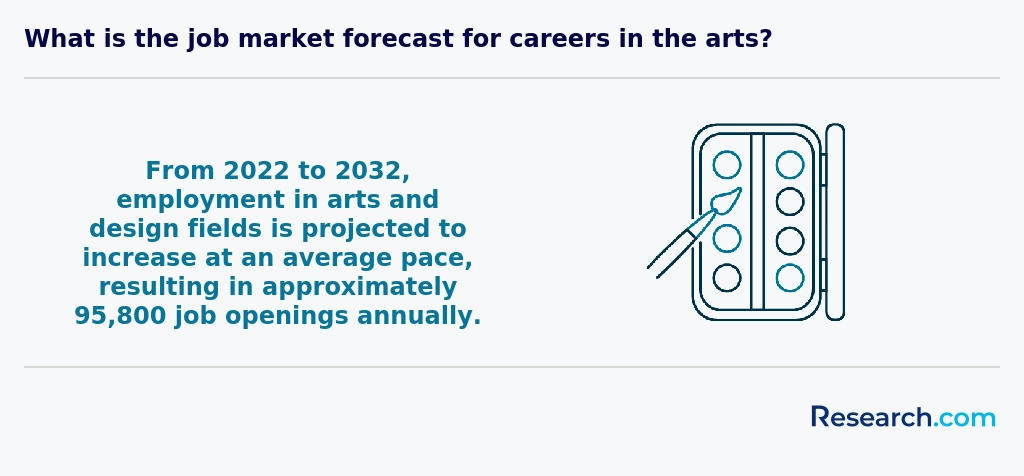
The fine arts career opportunities in Stony Brook reflect a competitive yet diverse job market influenced by both local and broader trends. Graduates from prominent institutions like Stony Brook University often find success balancing freelance commissions, gallery exhibitions, and digital content creation, which taps into the region's vibrant arts scene. Suffolk County's cultural hubs, such as local museums and galleries, provide employment possibilities but tend to favor part-time or contract roles.
Many graduates pursue stable employment through arts education in area schools, although additional credentials beyond a fine arts degree are typically required, highlighting the relevance of understanding teaching disadvantages. The rise of digital media sectors in Long Island supports opportunities in animation, graphic design, and multimedia production, enhancing prospects for those combining traditional studio arts with modern skills. Overall, the Stony Brook fine arts job market outlook emphasizes adaptability and diversification, as graduates leverage both classical training and emerging digital competencies to thrive professionally.
2027 Most Affordable Fine Arts Degree Programs Ranking in Stony Brook
Investing in your education is a significant decision that can shape your future, and the Research.com team understands the importance of making informed choices. To assist prospective students interested in fine arts, we have meticulously created the "2027 Most Affordable Fine Arts Degree Programs Ranking in Stony Brook." Our dedication to quality, credibility, and accuracy is reflected in the thorough research and analysis conducted to compile this ranking.
We utilized the following reputable data sources to ensure a comprehensive evaluation of fine arts programs:
By exploring this ranking, readers will gain valuable insights into the most affordable fine arts degree options in Stony Brook, empowering them to make informed and confident decisions about their education. For more information about our ranking process, please visit our Research.com methodology page.

Frequently Asked Questions About fine arts
Fine arts degree students in Stony Brook can enhance their learning by actively engaging with both academic and local art communities. Stony Brook University offers access to state-of-the-art studios and resources, which students should use to develop technical skills. Participating in workshops and exhibitions, such as those hosted by the University's Art Gallery, helps students gain valuable experience and exposure. Collaborating with peers and faculty encourages creative growth and networking opportunities critical for future careers. Additionally, students may benefit from internships or partnerships with nearby cultural institutions on Long Island, fostering practical insights into the professional art world. Staying involved beyond the classroom is key.
Emerging niches within the fine arts field reflect a growing emphasis on technology and interdisciplinary approaches. In Stony Brook, fine arts students increasingly explore digital media arts, which combines traditional artistic skills with digital tools such as animation, virtual reality, and interactive design. This blend of art and technology prepares graduates for careers in gaming, film, and online content creation.
Another promising area is community-engaged art, where artists collaborate with local groups to address social issues through creative projects. According to the National Endowment for the Arts, institutions in New York State report rising enrollment in these programs, highlighting their relevance.
Additionally, conservation and restoration of artworks represent a specialized niche, appealing to students interested in preserving cultural heritage. Such diverse opportunities demonstrate the evolving landscape of fine arts education in Stony Brook.
Preparing for the job market after completing a fine arts degree in Stony Brook involves strategic planning and skill development. Graduates should start by building a strong portfolio showcasing diverse projects, as employers and galleries prioritize proven creativity and technical skill. Networking is vital; attending local arts events, exhibitions, and connecting with the Long Island arts community can open doors to opportunities. According to the National Endowment for the Arts, arts employment growth remains steady, emphasizing the importance of both traditional and digital media skills. Internships and freelance work during study also enhance experience and marketability in this competitive field.
Employers seeking fine arts degree graduates in Stony Brook prioritize a blend of creative and technical skills. Strong proficiency in visual communication, including drawing, painting, and digital media, is essential. Graduates are also expected to demonstrate problem-solving abilities and adaptability, especially in collaborative projects. According to the National Endowment for the Arts, over 70% of employers value teamwork and interpersonal communication highly in creative fields.
In the Stony Brook area, familiarity with art software such as Adobe Creative Suite enhances job prospects. Additionally, knowledge of art history and cultural contexts remains important for roles involving curation or education. Portfolio presentation skills also play a critical role in securing employment.
Finding internships in Stony Brook for fine arts students involves leveraging both academic resources and the local arts community. Stony Brook University's College of Arts and Sciences offers a Career Center that lists arts-related internships, connecting students with nearby galleries, museums, and design firms. Students should also explore opportunities at the Long Island Museum and Patchogue Arts Council, which frequently seek interns for exhibitions and educational programs.
The U.S. Bureau of Labor Statistics notes that internships provide crucial hands-on experience, increasing employability post-graduation. Networking through faculty and attending local art events can reveal unadvertised positions. Starting early and applying broadly improves chances of securing meaningful fine arts internships in Stony Brook.
A fine arts degree in Stony Brook offers significant advantages for career mobility and advancement, particularly in creative industries and education. According to the National Endowment for the Arts, individuals with formal art training are often better equipped to adapt to evolving job markets through critical thinking and innovative skills. In Stony Brook, the proximity to New York City's vibrant art scene and local cultural institutions provides graduates with valuable networking opportunities that can lead to diverse career paths.
Local employers increasingly value the interdisciplinary skills that fine arts graduates bring, such as project management and digital media expertise. Graduates with fine arts degrees in Stony Brook have reported higher rates of engagement in both freelance and permanent roles. The U.S. Bureau of Labor Statistics notes that employment in arts-related occupations in New York state is projected to grow by about 5% through 2031, supporting upward career movement.
Studying for a fine arts degree in Stony Brook offers a strong foundation for interdisciplinary roles by integrating traditional art skills with emerging digital and theoretical approaches. The program encourages collaboration across departments such as computer science, media arts, and the humanities, reflecting the growing trend toward cross-sector creativity in the arts.
Students access cutting-edge studios and technology, fostering innovation in areas like interactive design and multimedia production. This diverse skill set is essential as employers seek professionals who can navigate both artistic and technical challenges.
According to Stony Brook University's College of Arts and Sciences, fine arts graduates often engage in projects linking visual arts, technology, and communication, preparing them for diverse careers in education, digital media, and cultural institutions.
Choosing between a thesis and a non-thesis fine arts degree in Stony Brook depends largely on your career goals and time commitment. A thesis program emphasizes original research or a significant creative project, which can be valuable if you plan to pursue further graduate study or a career in academia or professional art practice.
Non-thesis options often focus more on coursework and practical experience, appealing to students seeking to enter the workforce quickly or enhance specific skills without the extensive research component.
Stony Brook University's Department of Art offers both options, with the thesis path requiring a comprehensive project and oral defense, typically adding several months to program completion.
According to U.S. Department of Education data, students pursuing thesis programs generally spend 20-30% more time on research but gain deeper expertise.
Students based in Stony Brook interested in studying fine arts abroad have several pathways through their university's exchange programs and partnerships. Stony Brook University, known for its strong arts curriculum, participates in global study programs allowing fine arts majors to attend institutions in Europe, Asia, and Latin America while earning credits toward their degrees.
Popular destinations include Italian and French art schools, where students can engage directly with rich cultural histories and contemporary practices. These programs often last one semester or a full academic year and provide hands-on studio experience alongside coursework.
Financial aid and scholarships may be available to help offset costs, increasing accessibility. According to the Stony Brook Study Abroad Office, about 15% of arts students utilize these international options each year, illustrating the program's integration within the fine arts curriculum.
Students pursuing fine arts degrees in Stony Brook have several part-time job opportunities that complement their education and help build relevant skills. Working as a gallery assistant in local art galleries allows students to gain hands-on experience with art curation and public engagement. Museums such as the Long Island Museum occasionally offer part-time roles, providing insight into art preservation and exhibition management.
Additionally, freelance positions in graphic design or illustration can be found through nearby businesses or online platforms, letting students apply artistic skills commercially. Teaching art classes or workshops through community centers in Stony Brook also supports both income and practical communication skills.
Such roles not only supplement a fine arts education but often provide important networking opportunities within the local art community. According to data from the National Endowment for the Arts, combining practical experience with academic study enhances employability in creative fields nationwide.
Fine arts students in Stony Brook benefit from a variety of networking opportunities tied to both academic and local art communities. Stony Brook University's Department of Art offers events such as guest lectures, exhibitions, and workshops, which connect students with established artists and industry professionals. The university also promotes internships with local galleries and cultural institutions, providing practical experience and valuable contacts.
Additionally, students can join art clubs and organizations like the Fine Arts Club, fostering peer networking and collaboration. Nearby New York City offers expanded opportunities for art shows, internships, and industry events, accessible through direct university partnerships.
Alumni networks play a crucial role in supporting fine arts degree students in Stony Brook. Graduates from these programs often remain connected, providing mentorship and guidance to current students. This network helps emerging artists navigate career opportunities such as exhibitions, commissions, and teaching positions. According to the National Endowment for the Arts, connections within an academic community significantly enhance job placement rates in creative fields.
Stony Brook's fine arts alumni have access to local galleries and art organizations, strengthening professional ties. These relationships can lead to internships and collaborations, offering practical experience beyond the classroom. For students, tapping into this network can be a valuable asset in building their artistic careers.
Students pursuing a fine arts degree in Stony Brook can tailor their programs by selecting specialized courses aligned with their career goals. Many institutions offer concentrations such as painting, sculpture, digital media, or art history, allowing focused skill development.
Internship opportunities within the local arts community or nearby New York City enable practical experience, enhancing job readiness. According to the National Center for Education Statistics, nearly 45% of fine arts graduates in New York find employment in related fields within six months of graduation.
Furthermore, elective courses in business or marketing can be integrated to prepare for entrepreneurial careers in the arts. Academic advisors at Stony Brook's colleges can help craft a personalized curriculum that bridges creative and professional objectives.
Fine arts students in Stony Brook often face the challenge of balancing creative work with rigorous academic requirements. The intensive studio hours needed to develop skills can conflict with coursework in art history and theory, leading to time management difficulties. Additionally, funding and resources for materials may be limited; tuition and associated costs have risen nationally, impacting students' ability to afford supplies. According to the National Endowment for the Arts, many fine arts students also encounter uncertainty regarding career prospects, as the job market demands versatility beyond traditional art roles. These factors combine to make the fine arts path demanding yet rewarding.
With a fine arts degree in Stony Brook, students can pursue various professional certifications that enhance their career prospects. One popular option is obtaining certification as a Certified Graphic Designer through organizations like the Graphic Artists Guild. This credential validates skills in digital and traditional media.
Artists interested in teaching can acquire state certification to become licensed art educators in New York, which requires passing specific exams and completing education courses. Additionally, certification in art therapy is available but demands further graduate-level training and licensure.
Professional certifications help fine arts graduates stand out in competitive creative industries and education sectors.
Applying for a fine arts program in Stony Brook requires careful preparation and a clear presentation of your artistic skills. Many local institutions, including Stony Brook University, emphasize a strong portfolio showcasing diverse techniques and creativity. According to the National Association of Schools of Art and Design (NASAD), portfolios should contain 15-20 pieces demonstrating range and depth.
Besides the portfolio, a well-crafted personal statement is critical. Focus on your artistic journey, inspirations, and goals in fine arts. Highlight any relevant experience, such as exhibitions or workshops attended in Suffolk County or nearby areas.
Academic records, especially in art-related courses, are also considered. Meeting deadlines and following specific submission guidelines from Stony Brook-based programs will improve your chances significantly.
Fine arts careers in the U.S., including those pursued by students in Stony Brook, are increasingly influenced by global trends in creativity and cultural exchange. According to the National Endowment for the Arts, about 2.5 million Americans are employed in arts and design fields, reflecting robust demand. Globally, fine arts degrees are viewed as versatile, offering pathways not only in traditional roles like painting or sculpture but also in digital media, curation, and arts administration.
Stony Brook students benefit from this global perspective by gaining skills relevant worldwide, including cross-cultural communication and new media technologies. The integration of international art movements and techniques enhances employability, as employers seek artists who can engage diverse audiences.
Students pursuing a fine arts degree in Stony Brook can gain practical experience through various hands-on opportunities. Many programs encourage participation in campus galleries, where students exhibit their work and engage with the community. Internships at nearby art institutions or studios also provide valuable exposure to real-world practices.
Stony Brook University's Department of Art offers collaborative projects and workshops that simulate professional environments. Additionally, students often benefit from networking events and visiting artist lectures, which help build industry connections. According to the National Association of Schools of Art and Design, such experiential learning is essential for skill development in creative fields.
Choosing the right concentration within a fine arts degree program in Stony Brook requires careful consideration of your personal interests and career goals. Stony Brook University offers diverse fine arts disciplines, such as studio art, art history, and digital media. According to the university's Department of Art, students should evaluate their strengths in practical skills versus theoretical study to decide between hands-on creation and research-focused concentrations.
Additionally, prospective students can review course offerings and faculty expertise online to find specialties that align with emerging arts trends. Speaking with academic advisors and current students can provide valuable insight into the program's expectations and outcomes. Data from the National Center for Education Statistics indicates that interdisciplinary programs in fine arts show growth in demand, which may influence your choice. Ultimately, selecting a concentration that balances passion and practical skills will best prepare you for the arts job market.
- 2027 Most Affordable Fine Arts Degree Programs Ranking in New Haven
- 2027 Most Affordable Fine Arts Degree Programs Ranking in Brooklyn
- 2027 Most Affordable Fine Arts Degree Programs Ranking in New York
- 2027 Most Affordable Fine Arts Degree Programs Ranking in Providence
- 2027 Most Affordable Fine Arts Degree Programs Ranking in Worcester
- 2027 Most Affordable Fine Arts Degree Programs Ranking in Cambridge
- 2027 Most Affordable Fine Arts Degree Programs Ranking in Boston
- 2027 Most Affordable Fine Arts Degree Programs Ranking in Ithaca
- 2027 Most Affordable Fine Arts Degree Programs Ranking in Baltimore
- 2027 Most Affordable Fine Arts Degree Programs Ranking in Washington
- Networking for Artists: Unlocking Opportunities in the Art World - Ceri Hand https://cerihand.com/networking-for-artists/
- 40 Jobs After a BFA Degree: Career Options for Fine Arts Graduates - Artemisia College https://www.artemisiacollege.com/blog/fine-arts-degree-career-opportunities/
- Jobs | Staller Center at Stony Brook University https://www.stallercenter.com/jobs.php
- Complete guide to studying Fine Arts - TAI Arts https://taiarts.com/en/blog/guide-to-studying-fine-arts/
- Jobs | Academy of Fine Art https://academy-of-fine-art.com/en/jobs-en/
- Sense of Belonging Experiences of Arts and Design Alumni https://snaaparts.org/findings/reports/sense-of-belonging-experiences-of-arts-and-design-alumni
- Open for Admissions - Studying Art in the US in 2024 | ArtConnect Magazine https://www.magazine.artconnect.com/resources/open-admission-studying-art-us-2022
- Standards & Guidelines » CAA Guidelines https://www.collegeart.org/standards-and-guidelines/guidelines/mfa
- Alumni Network at Moore https://moore.edu/alumni/
- Know more about thesis vs non- thesis: what is the difference? https://studyfans.com/en/blogs/816