2027 Most Affordable Fine Arts Degree Programs Ranking in Honolulu

Co-Founder and Chief Data Scientist
Are you passionate about fine arts and seeking an affordable degree program in Honolulu? This article will guide you through the 2027 Most Affordable Fine Arts Degree Programs Ranking in Honolulu, carefully crafted by the Research.com team of data scientists.
Choosing the right program can shape your creative future without breaking the bank. Our ranking helps you explore options that combine quality education with cost-effectiveness.
Whether you're starting your journey or looking to advance your skills, discovering the right fine arts degree can open doors and inspire your artistic potential.
Key benefits of getting fine arts degree in Honolulu
- Fine arts graduates in Honolulu can expect rewarding salaries, with positions like Animator earning around $109,630 annually and Illustrators making about $71,420 per year.
- Career paths from Honolulu's fine arts programs often include graphic design, animation, and illustration, allowing graduates to work creatively in both local and global markets.
- Online fine arts degrees offer flexibility and accessibility, enabling students in Honolulu to balance studies and life commitments while gaining skills recognized by employers and creative communities.
- 2027 Most Affordable Fine Arts Degree Programs Ranking in Honolulu
- What can I expect from fine arts degree in Honolulu?
- Where can I work with fine arts degree in Honolulu?
What can I expect from fine arts degree in Honolulu?
The average cost of pursuing a fine arts degree in Honolulu is quite reasonable, especially if you're a resident of Hawaii. For example, at the University of Hawaii at Manoa, a leading institution for fine arts education, in-state undergraduate tuition averages around $12,000 per year as of 2023-2024. This affordability allows you to focus more on developing your artistic skills rather than being burdened by overwhelming debt.
Graduates often share how the supportive environment at these schools, complete with well-equipped studios and enriching community connections, made their investment feel truly worthwhile. Imagine spending your days learning not only traditional painting and sculpture but also exploring digital media and contemporary art forms, all while immersed in the vibrant cultural landscape unique to Honolulu.
Many students appreciate how their programs strike a balance between technical mastery and cultural exploration, fueled by the presence of galleries and public art projects around the city. This engagement creates priceless opportunities to grow as an artist within an inspiring, affordable setting.
Where can I work with fine arts degree in Honolulu?
Graduates from fine arts programs at Honolulu's well-regarded universities often find themselves stepping directly into vibrant roles within the city's art galleries and museums. Imagine working as a curator at the Honolulu Museum of Art, where you can shape exhibits that celebrate both modern creativity and rich Hawaiian traditions. This hands-on experience connects you deeply with the local art community and allows your passion to thrive.
Many alumni also thrive as art educators, teaching inspiring classes in public schools or community art centers. They help nurture the next generation's creativity, whether through painting workshops or digital media lessons, truly making a difference in Honolulu's diverse classrooms.
Others leverage their skills in Honolulu's growing creative industries-joining design firms or animation studios where they blend artistry with technology in advertising and digital storytelling. This path offers steady growth, aligned with market needs.
Lastly, some graduates embrace independent careers, showcasing their art at local festivals and galleries. With strong networking and business savvy gained during their studies, they flourish in Honolulu's supportive arts scene, turning passion into a sustainable livelihood.
Graduates from fine arts programs in Honolulu, such as those at the University of Hawaii at Manoa, often find their earnings reflect a blend of creativity and local market dynamics. For example, a graduate stepping into a graphic design role can anticipate a mean annual wage around $64,700, offering both stability and room for growth. This can be inspiring for those passionate about digital media and eager to blend artistry with technology.
Others pursuing careers as illustrators enjoy slightly higher earnings, with average salaries near $71,420. These roles provide opportunities to express personal style while contributing to publishing, advertising, or entertainment sectors within Hawaii.
For alumni drawn to educational paths or therapeutic roles, art therapy pays around $75,660 annually, reflecting how fine arts can support meaningful community work. Meanwhile, those reaching for highly specialized positions like animation can expect salaries in the range of $109,630-showcasing the powerful combination of art skills and advanced digital techniques.
Many Honolulu graduates feel energized by the city's vibrant arts scene, where hands-on experiences and connections through local galleries and festivals help translate these salary figures into real-life success stories. Balancing passion with practical knowledge is key to thriving here.
- Annual tuition for fine arts degrees in Honolulu ranges from $12,000 to $18,000 at public institutions and can exceed $25,000 at private schools.
- Additional costs such as supplies, studio fees, and living expenses increase the total investment for students.
- Starting salaries for fine arts graduates in Honolulu typically range between $30,000 and $40,000 per year.
- Mid-career salaries can grow to between $45,000 and $60,000, especially with skills in related fields like graphic design or art education.
- Fine arts job opportunities include galleries, museums, education, and tourism, but the local market is smaller and often relies on freelance or contract work.
- Accreditation by organizations such as NASAD ensures higher program quality and recognition, with many programs focusing on Pacific and indigenous art forms.
Completing a fine arts degree in Honolulu typically takes about four years, aligning with the journey of many driven students at the University of Hawaii at Manoa. These graduates often share how this timeframe balances rigorous coursework with inspiring studio practice, allowing them to develop skills in painting, sculpture, and digital media while building a strong academic foundation.
Some students choose part-time study, stretching their degree to five or six years to accommodate work or personal commitments. This path, though longer, offers flexibility and can enrich the learning experience by integrating real-world perspectives. Many find this balance rewarding as they combine creativity with life responsibilities.
For those pursuing advanced artistry, a Master of Fine Arts extends this timeline by another two to three years, emphasizing deep, inventive studio work and research. Honolulu students cherish the vibrant art community here, where internships and exhibitions often lengthen the process but boost growth and professional opportunities immensely.
Beyond tuition, understanding the full cost of attendance is vital for assessing program affordability. In Honolulu, students should budget for the following annual expenses: • Housing and Utilities: On-campus housing averages $14,400 per year, while off-campus rents can range from $12,000 to $18,000 depending on location and share arrangements. Utilities (electricity, water, internet) add approximately $1,200 annually. • Supplies and Materials: Fine arts students typically spend $800–$1,200 per semester on paints, canvases, clay, digital software licenses, and specialized tools. • Food and Personal Expenses: Meal plans average $5,500 per year; grocery shopping and personal expenses may cost an additional $3,000. • Transportation: A monthly bus pass runs about $70, totaling $840 annually; ride-sharing or occasional car rental can add $500–$800. • Health Insurance and Fees: Student health plans average $1,200 per year, plus campus activity fees of $200–$400. Factoring in these costs, a typical full-time Fine Arts student in Honolulu can expect a total annual budget of $28,000–$32,000. For a comparative look at overall affordability-including both tuition and living costs-review our Inexpensive Fine Arts Degree Programs Ranking in Massachusetts.
Choosing between online and on-campus fine arts degrees in Honolulu often comes down to how you want to experience your creativity. Students at the University of Hawai'i at Mānoa cherish the vibrant energy of working in studios filled with creative tools like kilns and printmaking presses. These spaces foster strong connections with mentors and classmates that fuel growth through hands-on practice and collaborative critiques-moments that online learning can't fully replicate.
On the flip side, online programs offer remarkable flexibility, ideal for those balancing work or family. Graduates who took this route often share how digital portfolios and video tutorials sharpened their discipline and self-motivation, though they had to seek materials independently. While they missed some in-person art scene immersion, they saved time and expenses linked to housing and commuting in Honolulu's higher cost environment.
Ultimately, experiencing Hawaiian culture and traditional arts firsthand on campus provides an inspiring backdrop that deeply enriches learning, but online paths open doors to fine arts education for those needing adaptable schedules.
As the art world rapidly evolves, staying ahead means understanding not only current opportunities but also anticipating future trends that can shape your career. Industry experts highlight the growing impact of digital technology on creative expression, with innovative tools empowering artists to experiment beyond traditional media. This digital shift is complemented by increased community-driven projects and sustainable practices that reflect Honolulu’s rich cultural heritage and environmental values. For instance, emerging platforms are enabling Fine Arts graduates to build global portfolios while remaining rooted in their local traditions. In today’s competitive landscape, students are encouraged to take advantage of resources that bridge academic learning with practical industry demands. By keeping an eye on evolving trends-such as the integration of augmented reality in exhibitions or the rising importance of social media in art promotion-prospective students can better prepare for a dynamic job market. It’s also beneficial to explore opportunities offered by affordable fine arts programs in hawaii, which often innovate curriculum and partnerships based on current industry shifts. Connecting with experienced mentors, attending workshops, and joining local art collectives are additional ways to stay informed, network effectively, and hone a competitive skill set. Ultimately, embracing these expert insights today will empower you to navigate the future of Fine Arts education with confidence and creativity.
The average fine arts degree cost Honolulu students face is shaped largely by whether they attend public or private institutions. Graduates from the University of Hawaii at Manoa, the city's well-known public university, often share how their investment felt manageable due to in-state tuition, typically around $12,186 for the entire degree. This makes the dream of studying fine arts in Honolulu more accessible, especially if you qualify for resident tuition rates.
On the other hand, those pursuing fine arts degrees out-of-state or at private colleges note that costs can rise significantly, reaching close to $53,169 in total. While private institutions in Honolulu are fewer, they can still offer unique programs but usually come with a higher price tag, reflecting the broader national trend. Students who choose these routes often emphasize the value of scholarships and financial aid in turning their passion into a reality without overwhelming debt.
When budgeting for your degree, remember that tuition is only part of the picture. Many fine arts students recount the unexpected expenses of supplies, studio fees, and living costs, which in Honolulu are higher than the mainland average. It's important to factor in these costs early to truly understand your financial commitment while immersed in a vibrant creative community.
Exploring options like affordable fine arts programs in hawaii can open doors to financial benefits and a strong foundation for your artistic career. These opportunities make pursuing your passion a practical decision grounded in real-world planning.

Pairing your Fine Arts degree in Honolulu, HI, with a complementary major or minor can significantly broaden your career prospects and marketability. By integrating interdisciplinary studies, you not only diversify your skill set but also demonstrate adaptability to potential employers in the competitive arts sector. 1. Liberal Studies Minor A versatile option, a flexible online liberal studies degree offers coursework in writing, critical thinking, and cultural analysis-skills that enhance your artistic practice and prepare you for roles in arts administration, education, or community outreach. 2. Art History Major Deepen your understanding of artistic movements and contextualize your work within global and Hawaiian traditions. An Art History specialization can lead to careers in curation, museum education, and academic research. 3. Digital Media or Graphic Design Minor Supplement traditional studio techniques with proficiency in software tools like Adobe Creative Suite. This combination equips you for in-demand roles in multimedia production, UX/UI design, and commercial illustration. 4. Business Administration Minor Gain foundational knowledge in marketing, finance, and entrepreneurship. Artists with business acumen often succeed as self-employed creatives, gallery owners, or cultural project managers. 5. Education or Art Therapy Certification For those passionate about teaching or healing through art, pairing your BFA with education credentials or art therapy certification opens pathways in K–12 schools, community centers, and healthcare settings. By thoughtfully selecting a complementary field, you elevate the value of your Fine Arts degree and unlock multidisciplinary opportunities across Honolulu’s vibrant cultural landscape.
If you're dreaming of a fine arts degree in Honolulu, financial aid can truly be a game-changer. Many students at the University of Hawaii at Manoa rely on federal aid like Pell Grants and Direct Subsidized Loans to help cover tuition, easing the financial pressure while focusing on their creativity. These funds don't just support classes but also living costs, making it possible to fully immerse in your art.
State scholarships from the Hawaii Community Foundation often reward artistic talent alongside financial need, giving you a real chance to be recognized for your unique skills. Graduates frequently share how institutional awards at local colleges-offered for exceptional painting, sculpture, or digital arts-streamline their path to artistic success without overwhelming debt.
Work-study positions tied to campus art projects not only bring in extra income but also hands-on experience, building your portfolio while you study. Numerous outside scholarships from local cultural organizations further empower artists committed to enriching Hawaii's vibrant creative community.
The landscape of fine arts is constantly evolving, with new technologies and cultural shifts reshaping both creative practices and career opportunities. Today’s fine arts students are not only learning traditional techniques but are also being equipped with digital skills that open doors to innovative roles such as digital installations, interactive media design, and sustainable art practices. These emerging trends are influencing curriculum developments at local institutions, ensuring that graduates remain competitive in an increasingly dynamic job market. Students are encouraged to stay informed about these industry changes by participating in local art events and online forums, as well as taking advantage of mentorship and networking opportunities. By integrating digital tools and real-world projects into their studies, many programs are offering experiential learning that bridges the gap between academic concepts and professional demands. For example, exploring affordable fine arts programs in hawaii can provide a pathway to innovative coursework combined with hands-on experience, preparing students to meet the evolving challenges of the creative industry. As global art trends continue to shift, staying updated on emerging practices ensures that fine arts graduates can adapt their skills to diverse environments and evolving artistic markets. This forward-thinking approach not only enhances personal artistic growth but also increases marketability in a competitive sector where flexibility and technological proficiency are increasingly valued.
To enroll in a fine arts degree program in Honolulu, you'll need to meet several important prerequisites that many successful graduates from places like the University of Hawai'i at Mānoa or Honolulu Community College have navigated with care. First, a high school diploma or equivalent is essential-it's the foundation that lets you step into the world of higher arts education here.
Equally crucial is assembling a compelling portfolio. Imagine your best works-whether vivid paintings, detailed sculptures, or innovative digital art-presented in a way that tells your unique creative story. This portfolio often becomes the heart of your application, showing institutions your skill and artistic vision.
Many students shared how submitting strong academic transcripts boosted their applications, especially when highlighting courses in art and design. Letters of recommendation from teachers who truly understand your passion can also make a meaningful difference.
And while some schools now waive test scores like the SAT or ACT, checking each program's specific requirements ensures you're perfectly prepared without surprises.

When pursuing a fine arts degree in Honolulu, you'll dive into courses that build both your artistic skill and creative confidence. Core classes like Foundations of Drawing and Painting are designed to sharpen your eye for detail and master essential techniques. Imagine working on your canvas in a sunlit studio at one of Honolulu's well-known art programs, surrounded by peers who share your passion.
Three-Dimensional Design and Sculpture courses encourage you to experiment with form and materials, turning ideas into tactile art. Digital Arts and Photography classes blend tradition with technology, preparing you to create art that speaks in contemporary media.
Graduates often reflect on how studying Art History and Criticism enriched their understanding of culture and concept, especially within Honolulu's vibrant Hawaiian art scene. Portfolio Development courses help showcase your best work, readying you for exhibitions and professional opportunities right here in the islands.
Electives like contemporary art theory and arts management round out your education, allowing you to tailor your expertise toward future goals in creation, curation, or education.
When pursuing fine arts specializations in Honolulu, students often immerse themselves in diverse fields that reflect both traditional techniques and contemporary innovation. Graduates from popular colleges describe their journeys through studio art, where painting and sculpture bring creative visions to life, and graphic design, a dynamic specialization combining creativity with technology to meet growing industry demand. Many find photography exciting, capturing the stunning Hawaiian landscape and learning to express stories visually.
Honolulu fine arts degree concentrations regularly include art education, preparing those passionate about teaching to inspire future artists, and ceramics or printmaking, which connect students to hands-on craftsmanship rooted in cultural traditions. The vibrant Pacific and indigenous influences unique to Honolulu enrich every class, offering a deeper sense of connection and pride. For those eager to expand their horizons, programs often support interdisciplinary options, blending fine arts with digital media or business, allowing graduates to thrive in varied careers. Consider exploring flexible online liberal studies degree paths if you want to complement your art studies with broader knowledge.
Choosing the best fine arts degree in Honolulu means looking beyond the surface. Graduates from the University of Hawaii at Manoa often share how the access to specialized studios and a close-knit faculty made their artistic journeys deeply rewarding. When considering programs, think about how a school's location in Honolulu's vibrant art scene can fuel your growth-local galleries and cultural events offer priceless networking opportunities that bring your creative ambitions to life.
Cost is a big concern, especially when searching for affordable fine arts degree programs Honolulu offers. Comparing tuition and financial aid options between schools like Honolulu Community College can ease your financial worries while enabling you to focus on your craft. Many students have found success balancing studies with internships at local arts organizations, gaining real-world experience alongside academic learning.
Look for programs where faculty expertise aligns with your artistic interests, whether that's digital media or traditional sculpture techniques. Also, explore your options thoroughly; resources such as the Inexpensive Fine Arts Degree Programs Ranking in Massachusetts can inspire ideas on managing costs while pursuing excellence in the arts.
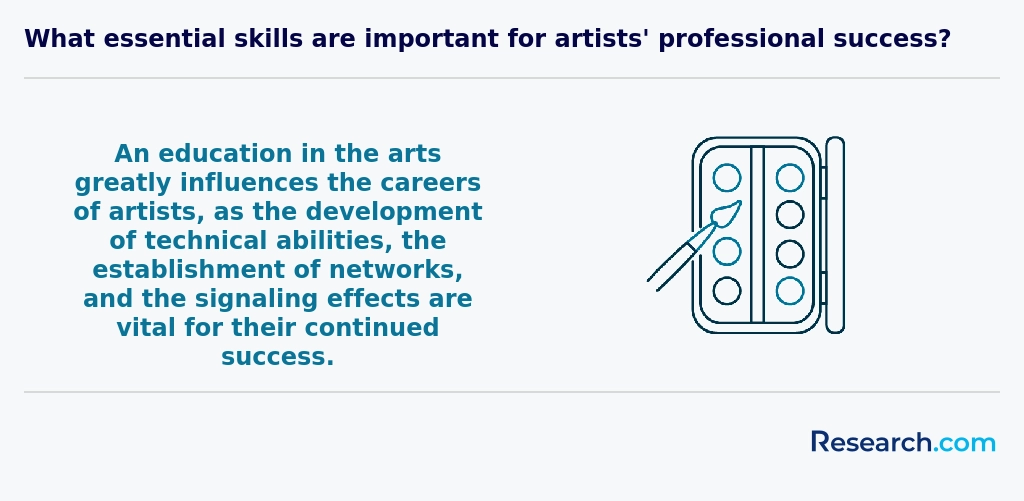
Graduates with a fine arts degree in Honolulu find a wide array of vibrant career opportunities. Many become professional artists, immersing themselves in Honolulu's thriving arts community supported by local galleries and the Honolulu Museum of Art. This environment fosters creativity and offers exhibition chances that many graduates treasure. Others choose the path of art educators, sharing their passion in schools or community programs across the islands, benefiting from Hawaii's supportive teaching opportunities and competitive salaries.
Some graduates leverage their skills in graphic design and digital media, joining advertising firms or tourism companies in Honolulu where visual storytelling plays a key role. The demand for such roles aligns well with the growing digital economy. Graduates from popular local colleges often speak enthusiastically about combining traditional art skills with modern technology, aligning perfectly with fine arts career opportunities in Honolulu.
Many also explore entrepreneurial ventures, creating online art shops or running workshops, valuing the flexibility it brings. For those seeking a faster entry into creative careers, it's worth exploring the best 6 month courses that pay well, which complement a fine arts background with practical, income-generating skills.
The job market for a fine arts degree in Honolulu offers a rich blend of opportunities shaped by the city's unique cultural heritage and vibrant arts scene. Graduates from well-known local institutions often find roles in galleries, museums, cultural events, and public art projects, where their artistic voice can truly resonate. However, competition is notable, and many fine arts degree job opportunities Honolulu graduates face include freelance commissions or part-time engagements rather than steady full-time positions, reflecting the niche nature of the field here.
Many graduates share that networking within Honolulu's tight-knit arts community is crucial-engaging in internships and local exhibitions often opens doors to more sustainable work. Those who expand their skills by integrating digital media or design usually stand out more in the marketplace. With living costs above the national average, it's wise to consider multiple income streams. Students curious about pathways after arts studies often explore easy two year degrees to diversify their career options alongside their passion.
Honolulu fine arts career prospects improve significantly when you embrace both tradition and innovation, making your journey as rewarding as your art.
2027 Most Affordable Fine Arts Degree Programs Ranking in Honolulu
Investing in your education is a significant decision that can shape your future, and the Research.com team understands the importance of making informed choices. To assist prospective students in Honolulu, we have meticulously crafted the "2027 Most Affordable Fine Arts Degree Programs Ranking in Honolulu." Our commitment to quality, credibility, and accuracy is reflected in the extensive research and analysis conducted to compile this ranking.
We utilized the following reputable data sources to ensure a comprehensive evaluation of fine arts programs:
By exploring this ranking, readers will gain valuable insights into the most affordable fine arts degree options in Honolulu, helping them make well-informed decisions about their educational investments. For more details on our methodology, please visit our Research.com methodology page.


Frequently Asked Questions About fine arts
Fine arts degree students in Honolulu can maximize their learning experience by actively engaging with the city's vibrant local art community. Honolulu offers unique cultural resources, including galleries, museums like the Honolulu Museum of Art, and frequent exhibitions that provide practical exposure outside the classroom. According to the National Endowment for the Arts, students involved in community-based art programs gain enhanced creativity and networking opportunities.
Additionally, internships at local studios or cultural institutions can provide hands-on experience and professional connections. Students should also consider participating in workshops and collaborative projects, which Hawaiian universities often facilitate. Taking advantage of Hawaii's diverse artistic traditions enriches both technique and cultural understanding.
Emerging niches within the fine arts field reflect evolving technology and community interests, especially in Honolulu's vibrant cultural landscape. Digital arts, including animation and virtual reality, are gaining traction as local institutions incorporate cutting-edge tools into their curricula. These areas align with Hawaii's growing creative tech sector, which saw a 12% workforce increase in 2023 according to Honolulu Economic Development reports.
Additionally, eco-art and sustainable design have become prominent, reflecting Hawaii's commitment to environmental stewardship. Artists in Honolulu increasingly explore cultural preservation through mixed-media projects that engage Indigenous stories and practices.
These niches offer students new opportunities to blend traditional techniques with innovative approaches.
After completing a fine arts degree in Honolulu, preparing for the job market involves building a strong portfolio that showcases your skills and unique style. Employers and galleries in Honolulu often look for candidates with both creativity and practical experience. Internships or volunteer opportunities at local art centers-like the Honolulu Museum of Art-can provide valuable connections and real-world exposure.
Networking is essential in Honolulu's close-knit art community. Attending exhibitions, workshops, and artist meetups helps graduates build relationships that can lead to job offers or commissions. According to the U.S. Bureau of Labor Statistics, strong networking increases employment opportunities by up to 30% in art professions nationwide.
Additionally, graduates should develop digital marketing skills to promote their work online, as many Honolulu artists find clients through social media platforms and personal websites. Fine arts graduates can also explore teaching, curatorial roles, or freelance design, offering diverse career pathways beyond traditional studio art jobs.
Employers in Honolulu seeking fine arts graduates often prioritize strong creative and technical skills. Graduates who demonstrate proficiency in digital media, traditional art techniques, and critical thinking are highly valued. According to data from the National Endowment for the Arts, adaptability and the ability to collaborate across disciplines are key in local art communities.
Communication skills, both visual and verbal, are essential as many fine arts roles involve client interaction and teamwork. Familiarity with the Hawaiian cultural context and local art history is also important for engagement in Honolulu's unique market.
Technical knowledge of software such as Adobe Creative Suite remains a common employer requirement, reflecting broader trends in the U.S. arts industry.
Finding internships in Honolulu relevant to a fine arts degree involves leveraging local cultural institutions and educational resources. Students should explore opportunities at venues like the Honolulu Museum of Art and the Hawaii State Art Museum, both known for supporting internships that offer hands-on experience in curation, gallery management, and artistic techniques.
Many universities, such as the University of Hawaii at Manoa, provide career services that list internships tailored to fine arts majors. Networking through local art events and workshops is also crucial, as 48% of internships in Honolulu are secured via personal connections, according to the Honolulu Arts Commission.
Additionally, applying early and consulting faculty advisors can improve chances of placement in competitive programs. Students may also consider virtual internships offered by arts organizations to complement practical skills training.
In Honolulu, earning a fine arts degree can significantly enhance career mobility and advancement within the local creative industries. The city's vibrant art scene, including galleries, museums, and cultural organizations, offers graduates diverse opportunities to apply their skills professionally. According to the U.S. Bureau of Labor Statistics (2023), employment for artists and designers in Hawaii is projected to grow by 8% over the next decade, which is slightly above the national average.
Graduates with fine arts degrees often benefit from connections made during their studies, including internships and community projects that bolster their resumes. These experiences can open doors to roles in education, gallery management, multimedia production, and public art commissions.
Moreover, Honolulu's local economy supports creative entrepreneurship, allowing fine arts degree holders to advance by launching their own studios or consulting practices. Strong networks and familiarity with regional art preferences improve prospects for promotion and business growth.
Studying for a fine arts degree in Honolulu offers unique preparation for interdisciplinary roles by combining traditional art skills with diverse cultural and technological influences. Honolulu's institutions emphasize collaboration across fields such as digital media, design, and cultural studies, reflecting the city's rich multicultural environment. According to the National Center for Education Statistics, fine arts programs in Hawaii often integrate courses in multimedia production and humanities, fostering versatility.
Students benefit from access to local galleries, studios, and tech labs, encouraging hands-on experience beyond conventional art forms. This approach equips graduates to contribute effectively in roles blending creativity with technology, education, or community engagement.
Choosing between a thesis and a non-thesis fine arts degree program in Honolulu depends on your career goals and learning preferences. Thesis programs typically focus on extensive research and a final project, ideal for students aiming to pursue graduate school or academic careers. In contrast, non-thesis options emphasize practical skills and coursework, suitable for immediate entry into creative industries.
Data from the National Center for Education Statistics show that Honolulu institutions offer both tracks, with about 60% of fine arts students opting for non-thesis paths due to their flexibility. Consider your interest in research and time commitment before deciding.
Students in Honolulu interested in studying fine arts abroad have several pathways through U.S. higher education institutions offering international partnerships or study abroad programs. Many University of Hawaii students, for example, can participate in exchange programs with universities in Europe or Asia, gaining global artistic perspectives while earning credits toward their degree.
According to the Institute of International Education, in recent years about 20% of University of Hawaii students in arts-related majors have utilized study abroad opportunities. These programs typically range from a semester to a full academic year.
Options often focus on immersive cultural experiences, such as art history study in Italy or contemporary art workshops in Japan. Hawaii's strategic location and university agreements facilitate easier access for local students to these programs.
Students pursuing fine arts degrees in Honolulu have several part-time job options that complement their studies and enhance their skills. Working as a gallery assistant or museum docent offers valuable experience in art curation and public engagement. Honolulu is home to institutions like the Honolulu Museum of Art, which often seek part-time staff. Additionally, freelance opportunities such as commissioned artwork, teaching private art lessons, or assisting local art studios can develop practical skills.
According to the U.S. Bureau of Labor Statistics, Honolulu's arts and culture sector employs more than 4,000 workers, providing a healthy job market for artists. These roles support networking and portfolio building concurrent with academic learning.
Fine arts students in Honolulu benefit from a variety of networking opportunities that connect them with local artists, galleries, and organizations. Institutions like the University of Hawaii at Manoa and Honolulu Community College often host art shows, workshops, and guest lectures where students can meet professionals and peers. According to the Hawaii State Foundation on Culture and the Arts, participation in community art events increases students' exposure to industry trends and career paths.
Additionally, Honolulu's vibrant arts scene includes nonprofit organizations such as the Hawaii Craftsmen and local artist collectives, which provide forums to showcase work and collaborate. Many students also take advantage of internships with galleries and cultural institutions, fostering valuable professional relationships early in their careers.
Alumni networks play a significant role in supporting fine arts degree students in Honolulu. These networks provide valuable connections within the local art community, enabling students to access mentorship and career advice. According to the Hawaii Arts Alliance, graduates benefit from networking events that foster collaboration with established artists and galleries in Honolulu.
Additionally, alumni often share information about exhibitions, job openings, and freelance opportunities, helping current students navigate the competitive arts market. Many Honolulu arts organizations hire from within these networks, which can increase employment chances for recent graduates. This access to resources strengthens career prospects beyond graduation.
Furthermore, alumni networks can assist with showcasing students' work in community galleries and events such as the annual Honolulu Biennial, promoting early exposure and professional growth in Hawaii's fine arts scene.
Students pursuing a fine arts degree in Honolulu have various ways to customize their programs to align with their career goals. Many institutions offer elective courses across disciplines such as digital media, sculpture, and graphic design, allowing for tailored skill development. Internships and community projects in Honolulu's vibrant art scene provide practical experience and networking opportunities. According to the National Center for Education Statistics, students can also combine fine arts with business or education electives to prepare for diverse roles.
Moreover, independent study options and thesis projects enable focused research on specific artistic interests, encouraging professional growth.
Fine arts students in Honolulu often encounter several unique challenges during their studies. One major issue is the limited availability of specialized resources and facilities, which can impact students' ability to fully explore diverse artistic media. According to the National Center for Education Statistics, smaller fine arts programs in Hawaii tend to have fewer on-campus studios compared to mainland institutions.
Additionally, financial constraints pose difficulties. The cost of living in Honolulu is among the highest in the US, increasing the burden of tuition and supplies for students. Many also face challenges accessing internships or local exhibitions due to the island's geographic isolation.
Networking opportunities remain limited, with fewer galleries or career events compared to larger metropolitan areas. This can make building professional connections harder for emerging artists.
With a fine arts degree, professionals in Honolulu can pursue several certifications to enhance their careers. One popular option is the Certified Graphic Designer (CGD) credential, recognized nationwide, which validates skills in digital and print design. Another pathway is obtaining a Teacher Certification in Art Education, allowing graduates to become licensed art teachers in Hawaii's public schools. Additionally, some fine arts graduates pursue certifications in art therapy, such as the Certified Art Therapist (ATR) credential, though this requires further graduate study. These certifications improve job prospects and credibility within the competitive Honolulu creative market, aligning with national standards in arts professions.
Crafting a winning application for a fine arts program in Honolulu begins with a strong portfolio showcasing your best work, as this is often the most critical element for admission committees. According to the University of Hawaii at Manoa's admissions guide, emphasis is placed on creativity, technical skill, and personal expression. Applicants should also include a well-written statement of purpose explaining their artistic goals and why they chose Honolulu, highlighting any connections to the local art scene.
Letters of recommendation from art instructors or professionals familiar with your work can significantly strengthen your application. Standardized test scores are generally less important for fine arts programs but check specific school requirements. Finally, meeting deadlines and attending any required interviews or auditions offered by Honolulu institutions is crucial to ensure full consideration.
The global perspectives on a fine arts career reflect a growing recognition of creative skills as valuable in diverse industries. In the United States, and specifically in Honolulu, fine arts graduates often pursue roles beyond traditional studio art, including design, multimedia, and education. According to the National Endowment for the Arts, creative occupations are projected to grow 4% from 2020 to 2030, highlighting steady demand.
Internationally, fine arts careers are influenced by cultural exchange and digital platforms, enabling artists to reach global audiences. For Honolulu students, the city's unique blend of Pacific and Asian cultures offers distinct inspiration and market opportunities in fine arts sectors.
The University of Hawaii system reports that local fine arts programs emphasize both traditional techniques and contemporary practices, preparing students for evolving career demands. Employment in Hawaii's arts and cultural sector has shown resilience, with 2,300+ jobs statewide as of 2023, according to the Hawaii State Department of Labor.
Gaining practical experience while studying for a fine arts degree in Honolulu often involves engaging with local art communities and academic programs. Many Honolulu institutions partner with nearby galleries and cultural organizations, offering internships that provide real-world exposure to fine arts practices. Students frequently participate in exhibitions, workshops, and collaborative projects that enhance their portfolios and industry skills.
The University of Hawaii at Manoa, for example, encourages students to intern at art centers or work alongside faculty on community-based art initiatives. In addition, Honolulu's vibrant art scene includes opportunities to volunteer or work in artist studios, galleries, and museums.
According to data from the National Endowment for the Arts, internships and hands-on experiences significantly improve employment prospects for fine arts graduates in urban settings like Honolulu.
Choosing the right concentration within a fine arts degree program in Honolulu involves understanding your personal interests and career goals. Fine arts concentrations commonly include painting, sculpture, digital media, and photography. Research indicates that Honolulu's art market increasingly values digital and multimedia skills, reflecting broader industry trends reported by the Honolulu Museum of Art.
Consider the program's faculty expertise and available facilities, as these resources can impact your learning experience. For instance, the University of Hawai'i at Mānoa offers programs with strong community engagement and exhibition opportunities, important for professional growth.
Additionally, reviewing course offerings and alumni success in local art scenes can guide your choice. Hawaii's Department of Labor notes growth in creative industries, suggesting fields like graphic design may offer diverse job opportunities after graduation.
- 2027 Most Affordable Fine Arts Degree Programs Ranking in San Francisco
- 2027 Most Affordable Fine Arts Degree Programs Ranking in Los Angeles
- 2027 Most Affordable Fine Arts Degree Programs Ranking in Portland
- 2027 Most Affordable Fine Arts Degree Programs Ranking in La Jolla
- 2027 Most Affordable Fine Arts Degree Programs Ranking in San Diego
- 2027 Most Affordable Fine Arts Degree Programs Ranking in Seattle
- 2027 Most Affordable Fine Arts Degree Programs Ranking in Riverside
- 2027 Most Affordable Fine Arts Degree Programs Ranking in Denver
- 2027 Most Affordable Fine Arts Degree Programs Ranking in San Antonio
- 2027 Most Affordable Fine Arts Degree Programs Ranking in Denton
- Fine Arts https://www.wits.ac.za/course-finder/undergraduate/humanities/fine-arts/
- What Jobs Can You Get With a Fine Arts Degree? https://www.gostudent.org/en-gb/blog/what-jobs-can-you-get-with-a-fine-arts-degree
- Networking for Artists: Unlocking Opportunities in the Art ... https://cerihand.com/networking-for-artists/
- Study Fine Arts Abroad – Top Universities & Careers https://thearchinternational.com/fine-arts/
- MFA Statement of Purpose: The Artist Statement + Academic Goals Hybrid https://gradpilot.com/news/mfa-statement-of-purpose-artist-statement-guide
- Complete guide to studying Fine Arts - TAI Arts https://taiarts.com/en/blog/guide-to-studying-fine-arts/
- BA Hons Fine Art Enrolment Form https://www.oca.ac.uk/courses/ba-fine-art/
- Know more about thesis vs non- thesis: what is the difference? https://studyfans.com/en/blogs/816
- Bachelor of Fine Arts in Art & Design (BFA) https://www.ualberta.ca/en/art-design/undergraduate-programs/bfa-art-and-design.html
- Challenges in the Arts in the 21st Century https://www.arts.gov/stories/magazine/2016/2/challenges-arts-21st-century