2027 Best Online Fine Arts Degree Programs Ranking in the Northeast

Co-Founder and Chief Data Scientist
Choosing the right online fine arts degree program can feel overwhelming, especially in the Northeast where options abound. This article presents the 2027 Best Online Fine Arts Degree Programs Ranking in the Northeast, carefully crafted by the Research.com team of data scientists to guide you toward top-quality programs.
Discover valuable insights that make selecting a program easier and more confident. Pursuing a fine arts degree online opens doors to creative growth and exciting career opportunities. Let this ranking be your helpful companion on the path to achieving your artistic ambitions.
Key benefits of getting online fine arts degree in the Northeast
- Salary Benefits: Graduates with a fine arts degree in the Northeast can enjoy competitive salaries, such as animators earning around $109,630 annually and illustrators making about $71,420. This demonstrates strong earning potential in creative fields.
- Career Paths: Fine arts graduates from popular Northeast schools often pursue careers as graphic artists, animators, or art therapists, offering diverse opportunities to turn passion into profession. These careers combine creativity with stability.
- Online Degree Advantages: Earning a fine arts degree online offers flexibility for busy lifestyles, enabling students to learn at their own pace while still gaining quality education from reputable Northeast universities. This convenience helps balance work, life, and study.
- 2027 Best Online Fine Arts Degree Programs Ranking in the Northeast
- What can I expect from online fine arts degree in the Northeast?
- Where can I work with online fine arts degree in the Northeast?
What can I expect from online fine arts degree in the Northeast?
The average cost of an online fine arts degree in the Northeast varies widely, largely influenced by whether students enroll in public or private institutions. Graduates from well-known public universities report tuition rates generally more affordable for in-state residents, often ranging between $10,000 and $20,000 annually. Many of these programs also extend similar pricing to out-of-state online learners, making the investment more accessible.
Students at private colleges in the region, such as those in New York or Massachusetts, often face higher tuition, with annual costs reaching upwards of $30,000 to $40,000. However, numerous alumni highlight the availability of targeted scholarships and financial aid that significantly alleviate expenses and enhance their educational experience.
Cost considerations aside, graduates frequently express satisfaction with the value of their programs, emphasizing the practical skills gained through flexible online platforms combined with occasional on-campus intensives. These elements contribute to a well-rounded education that justifies the financial commitment and positions them well within the Northeast's vibrant art market.
Where can I work with online fine arts degree in the Northeast?
Graduates with an online fine arts degree in the Northeast frequently secure positions in prominent cultural institutions such as museums and galleries. Alumni from institutions like the Rhode Island School of Design have found rewarding careers curating exhibitions or managing arts organizations in cities like Boston and Philadelphia. These environments allow artists to engage deeply with community and history, fostering professional growth and personal satisfaction.
Teaching opportunities also abound in the region, where community colleges and private arts schools value formally trained educators. Graduates report fulfillment in mentoring students at colleges like Pratt Institute, contributing to expanding STEAM initiatives in local K-12 schools. These roles enable artists to inspire future generations while applying their creative expertise.
The vibrant theater and entertainment sectors offer roles in set and costume design, especially in Boston and New York City's thriving performing arts scenes. Many graduates express enthusiasm about freelancing on digital media projects or collaborating with advertising agencies, where creativity thrives under fast-paced conditions. Emerging fields combining fine arts with technology, including virtual reality, present exciting, cutting-edge career paths unique to the Northeast's innovative landscape.
Graduates with an online fine arts degree in the Northeast can expect competitive earnings reflective of the region's vibrant arts communities and economic opportunities. For instance, many illustrators graduate from programs at universities such as the School of Visual Arts in New York and earn a mean annual wage of approximately $71,420, demonstrating solid financial prospects early in their careers. Graphic artists, including those completing degrees at institutions like the Maryland Institute College of Art, report average earnings close to $64,700 per year.
Art therapists, a growing field for fine arts graduates, have a mean annual salary around $75,660, offering a rewarding and lucrative career path often pursued by students from colleges with interdisciplinary arts programs in the region. Meanwhile, animators-who may train through specialized online programs affiliated with northeastern schools-command even higher salaries, with a mean annual income near $109,630.
These figures highlight how graduates can transform academic experiences into promising careers. Alumni from well-regarded Northeast institutions frequently share how their portfolios and connections cultivated through online studies have led to job offers and the ability to thrive creatively and financially in competitive markets such as Boston and New York City.
- Tuition for online fine arts bachelor's degrees in the Northeast ranges from $28,000 to $45,000, higher than the national average due to private and prestigious public schools.
- Entry-level salaries for fine arts graduates in the region are typically between $35,000 and $45,000 annually.
- Mid-career salaries can increase to an average of $50,000 to $65,000 depending on specialization and location.
- Job opportunities are abundant in cities like New York, Boston, and Philadelphia, especially in graphic design, multimedia art, and gallery management.
- Employment growth in fine arts careers is expected to be about 3% annually, slower than average for all occupations.
- Regionally accredited programs are essential for credit transfer and financial aid, with many universities offering strong online curriculums and student support services.
Completing an online fine arts degree in the Northeast typically takes about four years for full-time students, mirroring traditional on-campus programs at institutions such as those in New York and Massachusetts. Graduates often describe the experience as a balanced journey combining creativity and discipline, structured around the 120 to 130 credit hours required by regional accreditors like NECHE.
Many students find flexibility through part-time enrollment, extending their studies to five or six years to accommodate work or family, a common scenario for busy professionals pursuing their passion while managing responsibilities. Others benefit from accelerated options or credit for prior learning, allowing transfer students from community colleges to shorten their time to degree by up to a year.
The length of study depends heavily on factors like studio class availability and project deadlines, which can vary across popular colleges in the region. Graduates often highlight the rewarding challenge of integrating theoretical knowledge with practical skills, supported by tailored program pacing that respects diverse life circumstances.
Understanding the overall cost of pursuing an online Fine Arts degree is crucial for planning your education and future career. Tuition fees can vary widely, not only between different institutions but also based on in-state versus out-of-state rates and additional non-tuition expenses such as technology fees, art supplies, and course materials. For most programs in the Northeast, the average annual tuition for a Fine Arts degree is around $9,259, but some private or out-of-state programs may be significantly higher. It’s important to evaluate the return on investment by considering both the tuition costs and the potential career earnings discussed elsewhere in this guide. Researching program-specific costs and comparing what’s included can prevent unexpected expenses down the road. In addition, many schools offer payment plans, scholarships, or work-study opportunities to help offset these costs. For instance, if you’re looking to explore a detailed comparison, our article on best online fine arts programs in massachusetts provides an in-depth look at tuition rates and other financial considerations. When budgeting, consider hidden costs such as software subscriptions (like Adobe Creative Suite), shipping fees for art supply kits, and possible costs for studio access or printmaking facilities. Creating a detailed budget that accounts for both fixed and variable expenses can help ensure you're financially prepared to commit to your art education, enabling you to focus on developing your craft without unnecessary financial stress.
Online fine arts degrees in the Northeast offer students remarkable flexibility by allowing coursework to be completed remotely, making them ideal for those managing jobs, families, or residing outside urban hubs like New York or Boston. Graduates from such programs often appreciate the ability to engage with video lectures and virtual critiques on their own schedules, fitting education seamlessly into busy lives. Institutions offering online formats provide accredited curricula while lowering overhead costs, which can translate into more affordable tuition compared to traditional routes.
Conversely, on-campus programs at renowned institutions such as the Rhode Island School of Design and Pratt Institute provide immersive studio experiences that online formats cannot fully replicate. Students often describe hands-on access to specialized equipment, live workshops, and immediate, face-to-face feedback from faculty as instrumental in honing their craft. This environment fosters vibrant peer collaboration and dynamic networking, invaluable for post-graduate career opportunities.
Both paths carry their unique strengths: the online model excels in accessibility and adaptability, whereas the campus approach emphasizes tactile learning and direct mentorship-factors students consider carefully when choosing how best to pursue their fine arts education in the Northeast.
When evaluating an online Fine Arts degree in the Northeast, understanding both tuition and long-term value is essential. On average, annual tuition for a bachelor’s program ranges from $9,000 at public institutions to upwards of $25,000 at private colleges, with total program costs spanning $36,000–$100,000 depending on residency and school reputation. Beyond tuition, students should budget for technology fees ($200–$500 per semester), digital art software subscriptions ($50–$200 per year), and materials kits for courses like printmaking or sculpture ($300–$600 per course). Factoring in these expenses, the total cost of a four-year online Fine Arts degree can fall between $45,000 and $120,000. To measure return on investment, compare program costs against potential earnings. With median starting salaries of $64,500 for graphic artists and up to $111,130 for animators in the Northeast, graduates often recoup their degree investment within 2–4 years of full-time employment. For professionals prioritizing faster ROI, specialized tracks such as graphic design may offer higher entry-level salaries; many prospective students explore a graphic design degree online for its blend of creative training and strong market demand. Ultimately, the ROI of an online Fine Arts degree depends on factors like program length, scholarship opportunities, and career goals. Prospective students should use net price calculators, consider part-time study options to reduce debt, and research alumni salary data to ensure their investment aligns with long-term financial and artistic aspirations.
The average cost of an online fine arts degree in the Northeast is typically influenced by residency status, with in-state students paying a median total cost of around $15,780, while out-of-state students may incur costs near $29,776. These figures align with the overall pricing trends of public and private institutions in this region, reflecting both tuition and associated fees. Graduates from well-known colleges in the Northeast often share how the affordability of online programs enabled them to access quality education without the burden of relocation or high living expenses.
Students pursuing fine arts degrees online benefit from the region's established reputation for rigorous arts education, especially at universities renowned for their comprehensive virtual studio courses. These programs often incorporate all required materials into tuition, helping to control additional expenses. This practical financial setup is especially important since fine arts studies frequently include costs for studio supplies and specialized software, which are sometimes built into the tuition for online offerings.
Engaging with the best online fine arts programs in Massachusetts, for example, students find a balance between a manageable financial commitment and the enriching creative environment provided by institutions in the Northeast. Many report that the flexibility of online learning combined with the region's competitive tuition rates enhances their educational experience and overall satisfaction.
Prospective students examining the average online fine arts degree cost northeast will appreciate how the median pricing supports access to quality degrees without excessive debt, matching well with financial aid opportunities that many colleges offer to offset tuition. This affordability paired with academic rigor makes pursuing an online fine arts degree in the Northeast a compelling option for creative individuals seeking a cost-effective yet prestigious education.
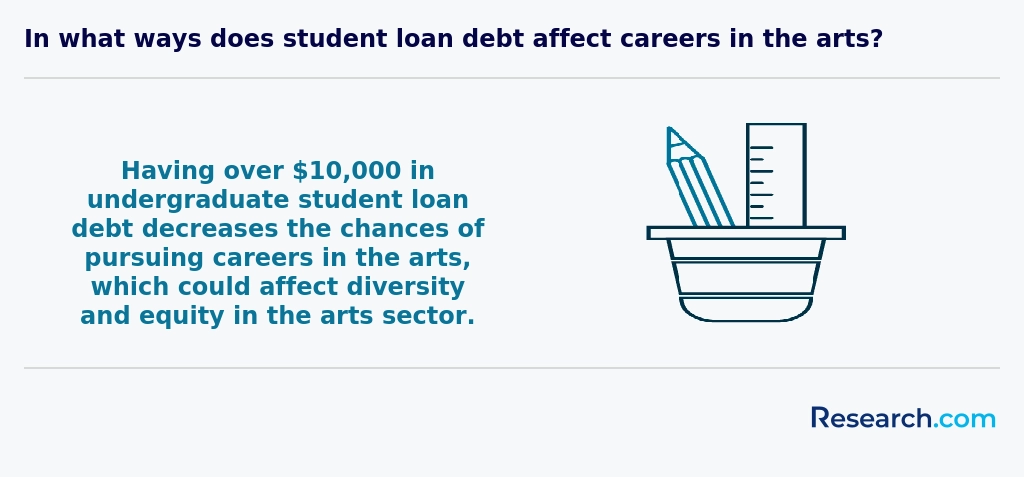
Understanding the full financial commitment of an online Fine Arts degree is essential for planning and avoiding unexpected expenses. On average, students in the Northeast pay $9,259 per year for in-state public institutions, while out-of-state tuition can reach up to $39,895 annually. Private colleges typically charge around 23% more than the average public rate. Beyond tuition, consider additional costs such as: • Technology Fees: Many programs assess a flat fee ($200–$600 per semester) for access to virtual studios, software licenses, and learning management systems. • Studio Supplies: Budget $500–$1,200 each year for materials like paints, canvases, clay, and digital equipment. Some schools offer supply kits shipped directly to students. • Graduation and Activity Fees: Expect one-time fees of $100–$300 for commencement and student services. • Books and Software: While digital resources are often included, specialized textbooks or premium creative software (e.g., Adobe Creative Cloud) may cost $50–$80/month. To offset expenses, explore scholarships, grants, and work-study programs specific to Fine Arts disciplines. Federal aid, institutional scholarships, and external awards can cover up to 75% of tuition in some cases. For those seeking highly budget-friendly options, compare our Affordable Fine Arts Degree Programs Ranking in Michigan to identify low-cost, high-quality programs that align with your goals.
Students pursuing online fine arts degrees in the Northeast often rely on a combination of federal, state, and private financial aid to manage tuition costs, which can exceed $20,000 annually at prominent schools like the Rhode Island School of Design or the School of Visual Arts in New York.
Federal aid, accessed through the FAFSA, provides essential support such as Pell Grants, which offer up to $7,395 annually without repayment obligations. Graduates frequently recall how these grants allowed them to focus on their creative work without the burden of excessive debt.
State programs like New York's Tuition Assistance Program (TAP) are invaluable for residents attending in-state institutions, further easing financial pressures. Many students at Massachusetts College of Art and Design benefit from such state-funded grants tailored to the Northeast region.
Private scholarships targeting fine arts majors, often based on portfolio strength or academic merit, also play a crucial role. Graduates emphasize how these awards fostered confidence and motivated them during their studies.
Veterans utilize the GI Bill for additional funding, while tuition payment plans at numerous online programs help learners spread costs, creating accessible pathways to artistic achievement and career development.
To enroll in an online fine arts degree program in the Northeast, students typically must have completed a high school diploma or an equivalent credential such as a GED for undergraduate admission. Graduate applicants usually need a bachelor's degree, preferably in fine arts or a related discipline. Graduates from well-known institutions in New York and Massachusetts recall how preparing a detailed portfolio of 10 to 20 original works was a pivotal step, as it allowed admissions committees a clear view of their creativity and artistic skill.
Applicants may also be asked to submit letters of recommendation from instructors or professionals familiar with their artistic abilities, along with a personal statement articulating their passion and career aspirations in fine arts. While standardized test requirements like the SAT or ACT have become less common in the region, some schools maintain test-optional policies.
Practical preparedness is crucial; students often share how having reliable internet and capable hardware for software like Adobe Creative Suite directly contributed to their success studying online through esteemed Northeast colleges.
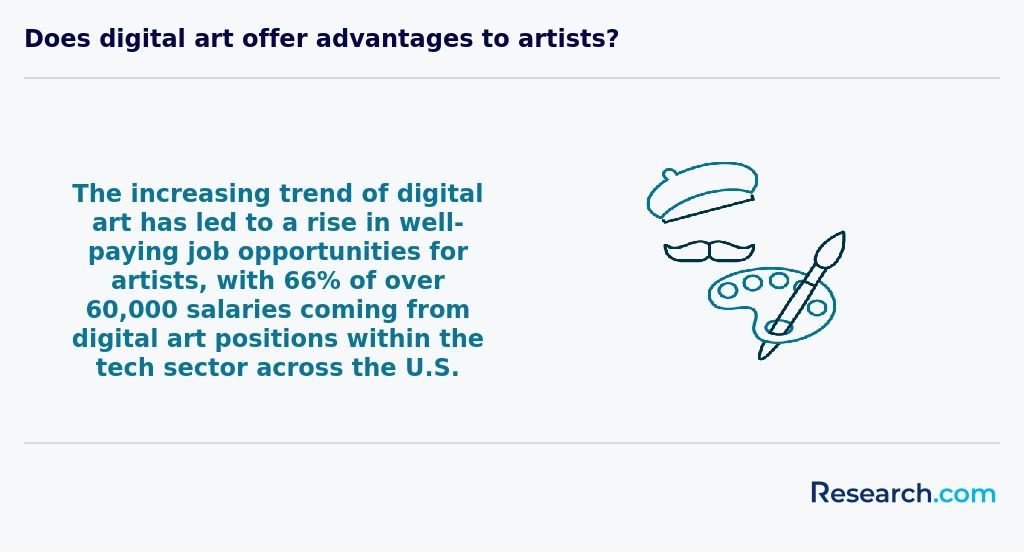
Thriving in an online Fine Arts program involves more than mastering the curriculum-it requires proactive planning, effective time management, and fully utilizing available resources. Begin by setting a structured schedule that balances coursework with creative exploration and personal projects. Create a dedicated workspace that mimics an art studio to maintain focus and stimulate inspiration. Additionally, make it a point to engage in virtual networking by joining discussion forums, online study groups, and digital exhibitions offered by your program. Another valuable strategy is to take advantage of your institution's career services and student support resources. Many schools offer mentoring programs, virtual workshops, and portfolio development sessions that are crucial in preparing you for the professional world. For example, students interested in advancing their careers should explore the best online fine arts programs in massachusetts, which provide tailored career guidance alongside comprehensive academic training. Finally, consistently seek feedback from peers and faculty on your work. Regular critique sessions not only enhance your technical skills but also build your confidence as an artist. By following these strategies and continually refining your craft, you can maximize your online learning experience and pave the way for a successful career in fine arts.
Online fine arts degree programs in the Northeast typically include a comprehensive array of courses designed to develop both practical skills and artistic theory. Foundational subjects often encompass drawing and painting, where students engage in traditional techniques fostering creativity and visual expression. Art history courses provide a broad understanding, covering periods from classical to contemporary art, enriching students' cultural and intellectual perspectives.
Many graduates from institutions like the Maryland Institute College of Art and the School of Visual Arts report that courses in sculpture and 3D design challenge them to experiment with various materials and innovative methods. The integration of digital arts is a standout feature, with instruction in software such as Adobe Creative Suite enabling students to navigate both traditional and contemporary art mediums confidently.
Photography is emphasized for its blend of technical mastery and artistic vision, while electives such as graphic design and animation allow students to tailor their studies toward their passions. Students also value courses in art criticism and professional practices, which enhance their ability to thoughtfully evaluate art and prepare portfolios for future career opportunities.
Online fine arts degree specializations in the Northeast encompass a broad spectrum of disciplines tailored to diverse artistic ambitions. Common options include Visual Arts, with an emphasis on drawing, painting, and sculpture, alongside Digital Arts, which introduces students to animation and 3D modeling. Photography and Illustration attract those interested in digital imaging and concept art, while Art Education prepares graduates for teaching roles. Many students from renowned metropolitan institutions report a deep sense of fulfillment mastering these areas, often citing the ability to combine creativity with practical skills as a key advantage.
Best fine arts concentration options Northeast colleges frequently expand to include niche fields like Studio Art and Art Therapy, blending creative development with psychological insights. Graduates often express enthusiasm over the flexibility of programs that combine synchronous and asynchronous formats, supporting their professional and personal lives. For students seeking to enhance their digital skill set, exploring a graphic design degree online is a popular pathway, adding valuable expertise to their portfolio.
Choosing the best online fine arts degree programs Northeast involves prioritizing accredited institutions recognized for their rigorous curriculum and faculty expertise. Graduates from well-regarded universities in the region often mention how faculty members-many of whom are practicing artists and industry professionals-enhanced their learning through mentorship and real-world project guidance. Programs that integrate studio art, digital media, and art history foster a comprehensive skill set, crucial for artistic growth and professional readiness.
Affordability remains a vital consideration, as in-state tuition at public universities in the Northeast averages around $11,900 annually, with private colleges charging substantially more. Some online programs offer reduced tuition or specialized financial aid for fine arts students, which can significantly ease the financial burden. Exploring resources such as the Affordable Fine Arts Degree Programs Ranking in Michigan may provide useful comparisons and inspire informed decisions.
Furthermore, graduates highlight the value of flexible online structures combining synchronous and asynchronous formats, allowing them to balance creative pursuits and personal obligations. Student support services like virtual studios or counseling are often praised for maintaining motivation and engagement in a remote learning environment, helping students achieve their artistic ambitions in the Northeast.
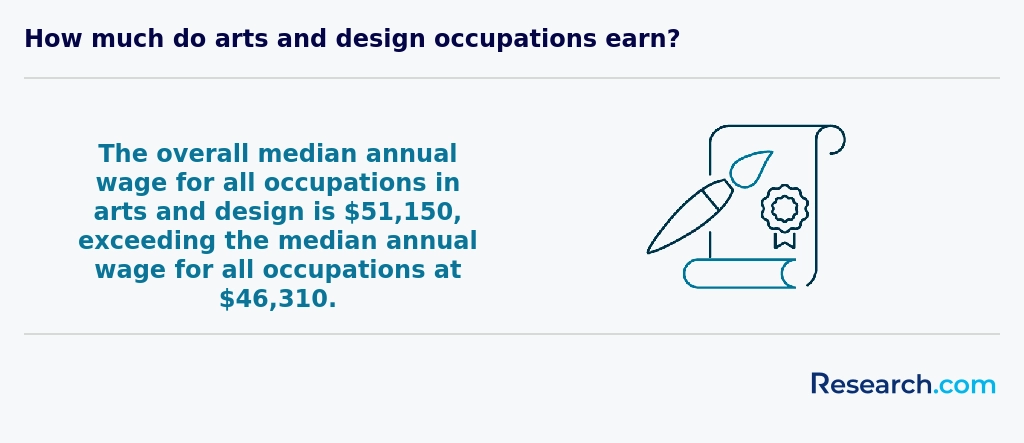
Graduates with an online fine arts degree in the Northeast find diverse career paths reflecting the region's dynamic creative and cultural sectors. Many pursue roles as professional artists or illustrators, capitalizing on thriving art communities in cities like New York and Boston to exhibit and sell their work. Others embrace fine arts job opportunities in the Northeast by entering education, teaching in K-12 schools or community programs where arts integration is highly valued, often leveraging their online credentials to secure certification.
Creative fields such as graphic design and multimedia art offer additional avenues, with graduates contributing to advertising, publishing, and digital media industries. The Northeast's emphasis on innovation supports freelance and salaried positions alike. Furthermore, arts administration and curatorial careers are popular among graduates who manage exhibitions and community outreach for museums and nonprofit organizations in hubs like Philadelphia and Providence.
The practical experience of fine arts graduates from prominent Northeast institutions demonstrates that investing in an online program can be rewarding and versatile. For students seeking to accelerate their career trajectory, exploring an accelerated college degree could be an advantageous option.
The job market for online fine arts degree jobs Northeast offers a competitive yet rewarding environment. Graduates from well-known institutions, such as those in Boston and New York, often find opportunities in dynamic creative sectors including graphic design, multimedia, and museum curation. Many graduates share positive experiences about how their online programs balanced traditional fine arts education with digital skills, preparing them for the evolving demands of commercial art roles prevalent in this region.
Fine arts career opportunities Northeast benefit from the dense concentration of cultural institutions and art agencies, which support steady demand despite modest projected growth. Students pursuing these programs frequently leverage strong portfolios and networking connections developed through local art communities. Financially, while on-campus tuition can be high, many turn to more affordable online options without sacrificing the quality or accreditation necessary to compete effectively in the job market.
For those considering advanced academic paths, exploring the easiest doctoral program offerings in related fields can complement artistic careers with research and teaching opportunities.
2027 Best Online Fine Arts Degree Programs Ranking in the Northeast
Investing in your education is a significant decision that can shape your future, and the Research.com team understands the importance of making informed choices. To assist prospective students interested in fine arts, we have meticulously crafted the "2027 Best Online Fine Arts Degree Programs Ranking in the Northeast." Our commitment to quality, credibility, and accuracy is reflected in the extensive research and analysis conducted to compile this ranking.
We utilized the following reputable data sources to ensure a comprehensive evaluation of fine arts programs:
By exploring this ranking, readers will gain valuable insights into the best online fine arts degree programs in the Northeast, empowering them to make well-informed decisions about their educational journey. For more details on our methodology, please visit our Research.com methodology page.



# 4 position
SUNY Empire State College
Bachelor of The Arts
# 5 position
Thomas Edison State University
Bachelor of Theater

Frequently Asked Questions About fine arts
Online fine arts degree students in the Northeast can maximize their learning experience by actively engaging with virtual studios and critique sessions, which many accredited programs emphasize. According to the National Endowment for the Arts, participation in interactive activities improves skill retention by up to 40%. Students should leverage local art resources, such as museums and galleries in cities like New York and Boston, to supplement online coursework. Utilizing regional artist networks and attending virtual or in-person exhibitions also enriches understanding and professional connections. Finally, consistent practice and seeking feedback through online platforms ensure steady artistic growth and development throughout the program.
The fine arts field in the Northeast is evolving with several emerging niches gaining traction. Digital arts, including animation and graphic design, continue to expand thanks to growing demand in media and entertainment industries. According to the National Endowment for the Arts, jobs in digital art-related fields are projected to grow by 8% nationally through 2030, with the Northeast showing above-average growth due to dense urban centers.
Another niche is arts therapy, which combines psychology and creative expression to support mental health. This area is expanding in response to increased awareness of wellness, especially in states like New York and Massachusetts, where many online programs offer specialized training. Additionally, interactive and immersive art forms, like virtual reality experiences, are becoming popular in museums and cultural institutions across the region.
After completing an online fine arts degree in the Northeast, it is crucial to build a competitive portfolio showcasing your best work. This portfolio often serves as the primary tool for job applications in creative fields. Networking plays a significant role; joining local art groups or attending virtual exhibitions can connect you with regional opportunities. According to the National Endowment for the Arts, over 25% of arts-related jobs in the Northeast require some professional experience or internships. Students should consider internships or freelance projects to gain practical experience. Additionally, researching art institutions in cities like New York and Boston can reveal valuable job prospects and community resources.
Employers in the Northeast value a blend of creative and practical skills when hiring fine arts graduates. Strong proficiency in digital tools like Adobe Creative Suite and 3D modeling software is increasingly essential, reflecting industry trends toward multimedia and design work. According to a 2023 report by the National Endowment for the Arts, 68% of regional employers prioritize adaptability and collaboration skills.
Creativity remains central, but so does the ability to meet client needs and work within budgets and deadlines. Communication skills, including presenting and critiquing artistic concepts clearly, are frequently mentioned as critical. These combined skills help graduates succeed in a competitive, evolving job market across the Northeast arts sector.
Finding internships in the Northeast related to a fine arts degree involves a targeted approach. Begin by exploring partnerships between universities and local museums, galleries, and theaters, as many institutions offer structured internship programs. According to the New England Foundation for the Arts, over 70% of regional arts organizations in this area provide internship opportunities.
Online job platforms like Handshake and LinkedIn are useful for locating listings specifically in cities such as New York, Boston, and Philadelphia. Networking through local arts councils and professional associations can also uncover hidden internships. Students should utilize their online program's career services, which often maintain updated regional contacts and resources tailored to fine arts.
An online fine arts degree can significantly enhance career mobility and advancement for individuals in the Northeast. The region's vibrant arts scene, including cities like New York and Boston, offers many professional opportunities that value formal education. According to the National Endowment for the Arts, individuals with bachelor's degrees in fine arts are 17% more likely to secure leadership positions in creative fields.
Online degrees provide flexible access to accredited programs, allowing students to balance current employment while advancing qualifications. Many employers in the Northeast prioritize candidates with proven skills and recognized degrees from regionally accredited institutions.
Additionally, fine arts graduates often benefit from expanded professional networks through online platforms affiliated with their institutions. These connections can lead to exhibitions, teaching positions, and roles in galleries or design firms, supporting career development in a competitive market.
Studying for a fine arts degree in the Northeast offers unique advantages for students preparing for interdisciplinary roles. Regional institutions emphasize collaboration between art, technology, and liberal arts, reflecting the Northeast's diverse job market. According to the National Center for Education Statistics, many online fine arts programs there include courses in digital media, design, and cultural studies.
This approach equips students with skills relevant outside traditional studios, such as multimedia production and project management. Graduates often find opportunities in creative industries, education, and tech sectors, benefiting from the Northeast's concentration of art galleries, museums, and innovation hubs.
The integration of practical and theoretical learning fosters adaptability, a key trait for interdisciplinary careers.
Choosing between a thesis and a non-thesis fine arts degree program in the Northeast depends largely on your career goals and learning preferences. Thesis programs typically require a significant research project or original work, which suits students aiming for advanced study or academic careers.
Non-thesis options often focus more on practical skills and portfolio development, appealing to those seeking immediate entry into the professional arts world. According to the National Center for Education Statistics (NCES), about 40% of fine arts programs in the Northeast offer thesis tracks, reflecting the region's emphasis on research and professional practice.
Consider the time commitment too: thesis programs generally take longer due to research demands. Ultimately, review curriculum details and outcomes from specific Northeast schools to make an informed decision.
Students in the Northeast looking to study fine arts abroad through online programs have several pathways available. Many universities in this region offer study abroad options integrated with their online fine arts degrees, allowing students to combine virtual learning with short international residencies. According to the Institute of International Education, over 60% of Northeast institutions promote fine arts exchange programs with Europe and Asia.
Students can also enroll in consortium agreements where credits earned abroad count toward their degree. Schools like the School of Visual Arts in New York facilitate partnerships with art institutions overseas to enhance global exposure.
Financial aid and scholarships specifically for art students studying abroad are increasingly accessible through regional foundations and university programs.
Part-time jobs that complement a fine arts degree in the Northeast often align with creative and cultural sectors. Opportunities include working as an art gallery assistant, museum docent, or art studio technician. These roles provide hands-on experience and networking within the regional arts community.
Additionally, freelance graphic design, photography, and art instruction are popular options among fine arts students balancing studies with employment. According to the U.S. Bureau of Labor Statistics, the Northeast hosts approximately 12% of the nation's arts and design jobs, making local demand relatively strong.
Internships or part-time work at community arts centers also offer valuable exposure to arts administration and event coordination.
Online fine arts students in the Northeast have varied networking opportunities despite distance learning's challenges. Many institutions offer virtual events, workshops, and webinars that connect students with faculty, alumni, and industry professionals. Additionally, schools in this region often maintain partnerships with local galleries and arts organizations, facilitating internships and collaborative projects.
The College Art Association reports that Northeastern schools emphasize building professional networks through online platforms like LinkedIn and specialized forums. Students may also attend nearby regional art fairs and exhibitions, fostering in-person connections. These combined virtual and local opportunities help students establish valuable relationships in the art community.
Alumni networks provide vital support for online fine arts degree students in the Northeast by fostering professional connections in a competitive field. Graduates can access mentorship opportunities, exposing them to industry trends and guidance on career development. According to the National Endowment for the Arts, the Northeast hosts a significant concentration of arts organizations, enhancing networking potential for alumni.
Such networks often share exclusive job openings, gallery exhibitions, and internships, which are valuable for students seeking practical experience. Participation in alumni events also encourages collaboration and artistic growth, helping students establish their presence regionally.
Schools like the Rhode Island School of Design and Maryland Institute College of Art emphasize alumni engagement, strengthening community ties within online programs.
Customizing an online fine arts degree in the Northeast involves selecting courses that align closely with your career goals. Many accredited institutions in this region offer flexible curricula allowing students to specialize in areas such as digital media, painting, sculpture, or art history. For example, schools often provide electives, independent study options, and internship placements tailored to career interests.
Additionally, some Northeastern programs enable students to collaborate with local art organizations through virtual exhibitions or community projects. According to the National Center for Education Statistics, nearly 40% of fine arts students in this region choose programs with internship components.
Advisors at these institutions work with students to design personalized degree plans that balance practical skills and theoretical knowledge, supporting diverse artistic careers.
Online fine arts students in the Northeast often face challenges related to limited hands-on art practice, which is crucial for skill development. Unlike traditional programs, remote formats may restrict access to studios, specialized equipment, or in-person critiques. According to the National Endowment for the Arts, nearly 45% of art students in this region report difficulties replicating the tactile experience online.
Another common challenge is building community and networking, which are vital in creative fields. Students can feel isolated without regular interaction with peers or faculty. Additionally, inconsistent internet access in rural areas of the Northeast can disrupt synchronous sessions and deadlines, impacting student performance.
Finally, financial concerns persist as many fine arts programs involve materials costs that may not be fully covered by online tuition, increasing the overall expense for students.
With an online fine arts degree, you can pursue various professional certifications that enhance career opportunities in the creative industry. While fine arts degrees focus on artistic skills, certifications often emphasize teaching, gallery management, or digital media expertise.
For example, obtaining a state teaching certification allows graduates to teach art in K-12 schools, which is a popular path in the Northeast. States like New York and Massachusetts require passing specific licensure exams and completing pedagogical training.
Additionally, certificates in graphic design, digital content creation, or museum studies can complement your fine arts degree. These are frequently offered by regional institutions and help align traditional fine arts skills with current market demands, according to the National Endowment for the Arts.
Writing a winning application for an online fine arts program in the Northeast requires clear focus and preparation. Start by researching accredited institutions, ensuring they are recognized by the Middle States Commission on Higher Education, which accredits many northeastern schools.
Highlight your artistic portfolio with strong, diverse samples that showcase your skills and creativity. According to the National Endowment for the Arts, portfolios significantly influence admission decisions in fine arts.
Demonstrate your commitment by crafting a thoughtful personal statement addressing your goals and why you want to study fine arts online. Be sure to connect your aspirations to the specific program's strengths.
Finally, request recommendations from instructors familiar with your work and character, as these add credibility to your application and help differentiate you from other candidates.
The fine arts career holds a significant place in global culture, emphasizing creativity and cultural expression. In the United States, and particularly in the Northeast, fine arts graduates contribute to a diverse creative economy valued at over $877 billion nationally, according to the U.S. Bureau of Economic Analysis.
Internationally, fine arts professionals often collaborate across borders, enriching their work through diverse cultural influences. The rise of digital media expands global opportunities, allowing artists from the Northeast to reach worldwide audiences.
According to the National Endowment for the Arts, nearly 5 million U.S. jobs relate directly to the arts sector, demonstrating promising employment potential for fine arts graduates.
Students pursuing online fine arts degrees in the Northeast can gain practical experience through local internships and collaborative projects. Many institutions partner with regional galleries, museums, and art centers, providing students hands-on opportunities in exhibiting and curating artwork. According to the National Endowment for the Arts, over 30% of Northeast fine arts graduates intern at nonprofit arts organizations, enhancing both skills and professional networks.
Online programs often encourage participation in virtual workshops and critique sessions, which simulate real-world artistic collaboration. Additionally, students can attend nearby art fairs and studio visits to engage with professionals and peers. These experiences are vital in building portfolios and understanding the regional art market dynamics.
Choosing the right concentration within an online fine arts degree program in the Northeast involves aligning your interests and career goals with available specialties. Concentrations often include areas like graphic design, studio art, digital media, or art history. According to the National Center for Education Statistics, programs in the Northeast frequently emphasize innovative digital arts due to regional job market demands.
Consider the faculty expertise and available resources of the institution. Schools such as the School of Visual Arts in New York or the Rhode Island School of Design offer advanced digital art options online.
Also, review curriculum flexibility and internship opportunities to gain practical experience in your chosen field.
- Art-Fine Arts/Media Arts Concentrations, BA https://www.nec.edu/programs/bachelor-of-arts-fine-arts-media-arts
- Top 10 Art Schools in the Northeast https://insights.masterworks.com/art/irl/schools-art-irl/top-10-art-schools-in-the-northeast/
- Art https://northeast.edu/degrees-and-programs/art
- High-Impact Educational Practices in the Arts and… | SNAAP https://snaaparts.org/findings/databriefs/high-impact-educational-practices-in-the-arts-and-post-college-community-engagement
- Benefits of Fine Arts Education: Creativity & Confidence ... https://palcs.org/advantage-fine-arts-education-creativity-confidence/
- Types of Financial Aid | PAFA - Pennsylvania Academy ... https://www.pafa.org/types-financial-aid
- Studio Art Financial Aid Application https://www.mfa.org/programs/studio-art-classes/studio-art-scholarship-application
- Online Fine Arts Programs https://www.onlinedegrees.com/fine-art-craft/
- Financial Aid https://www.theflorenceschool.org/faid.html
- 2026 Most Affordable Online Art Degrees https://www.onlineu.com/most-affordable-colleges/art-design-degrees