
2027 Best Online Bachelor's in Fine Arts Degree Programs Ranking in the USA

Co-Founder and Chief Data Scientist
Choosing the right online bachelor's degree in fine arts can be exciting and overwhelming. The 2027 Best Online Bachelor's in Fine Arts Degree Programs Ranking in the USA, developed by the Research.com team of data scientists, aims to simplify this process for you.
This article highlights top online fine arts programs, helping you find options that fit your goals and lifestyle. Whether you dream of creative expression or a rewarding career, earning a fine arts degree opens doors to new opportunities. Explore the ranking to make an informed decision and take the next step in your artistic journey with confidence.
Key benefits of getting online fine arts degree in America
- Fine arts degree graduates can earn competitive salaries, such as Animators making around $109,630 annually and Illustrators earning approximately $71,420 per year, showing strong financial potential in creative careers.
- Graduates often pursue diverse paths including graphic arts, animation, and illustration, with many successful alumni from popular universities turning their passion into rewarding professions.
- Online fine arts degrees offer flexibility and accessibility, allowing students from anywhere to learn at their own pace while balancing work or family, as proven by many thriving online program graduates.
- 2027 Best Online Bachelor's in Fine Arts Degree Programs Ranking in the USA
- What can I expect from online fine arts degree in America?
- Where can I work with online fine arts degree in America?
What can I expect from online fine arts degree in America?
The average cost of an online fine arts degree in America typically ranges from $15,000 to $40,000 in total tuition, depending on the institution and program length. Graduates from well-known art schools like those in New York or California often share how investing in their education felt worthwhile, especially given the flexible pace and the ability to balance creative projects with work or family life.
Many students experience spending extra on materials and software required for digital media courses, which universities increasingly integrate to mirror professional practices. For instance, learners at institutions known for innovation enjoy access to virtual studios and art critique sessions, making the cost feel justified as it closely simulates in-person experiences.
Financial aid opportunities and scholarships tailored for art majors help ease the financial burden, allowing students to focus on portfolio development and career goals. Graduates often report strong satisfaction, emphasizing how the program's convenience combined with high-quality mentoring supported their artistic growth without overwhelming expenses.
Where can I work with online fine arts degree in America?
Graduates with an online fine arts degree from renowned institutions like the Savannah College of Art and Design or the California Institute of the Arts often find themselves thriving in diverse creative roles across America. Many land positions in animation studios or graphic design firms, where their skills meet the high demand for digital content and branding. The rise of virtual reality and interactive media is opening new doors, allowing artists to contribute as concept creators for immersive experiences, blending traditional artistry with cutting-edge technology.
Others pursue fulfilling careers in education, teaching art at private schools or leading workshops online, inspired by stories of graduates sharing their passion beyond campus walls. Museums and galleries in cultural hubs such as New York or Chicago offer roles like curators and program coordinators, where graduates combine creativity with cultural stewardship. Freelance artistry also flourishes, with many graduates leveraging platforms to independently sell work or design bespoke projects, enjoying the flexibility to balance passion and income in ways once unimaginable.
Graduates with an online fine arts degree in America from well-regarded institutions such as the School of the Art Institute of Chicago or Savannah College of Art and Design often find themselves entering a landscape of promising financial opportunity. For example, illustrators earn a mean annual wage of about $71,420, reflecting the value of strong portfolios built during their studies. Similarly, graphic artists command around $64,700 on average, showcasing how digital skills acquired online can translate into stable incomes.
Art therapists, a growing niche combining creativity with mental health, earn roughly $75,660 yearly, illustrating new possibilities for fine arts graduates seeking meaningful, well-paying careers. Animators enjoy even higher earnings, with mean salaries reaching $109,630, pushing the potential earnings for online fine arts degree holders into an exciting, lucrative frontier.
These figures resonate with graduates who balanced freelance projects and coursework simultaneously, leveraging flexible online programs to build competitive resumes. By studying at institutions known for innovation in the arts, graduates enhance their ability to thrive financially in diverse roles across America's creative economy.
- Most online fine arts bachelor's degrees require about 120 credit hours, typically completed in four years of full-time study.
- Tuition ranges from $15,000 to $30,000 per year, with public in-state rates generally being lower than private institutions.
- Median annual wages for fine arts workers were around $52,000 in 2022, with entry-level salaries between $30,000 and $40,000.
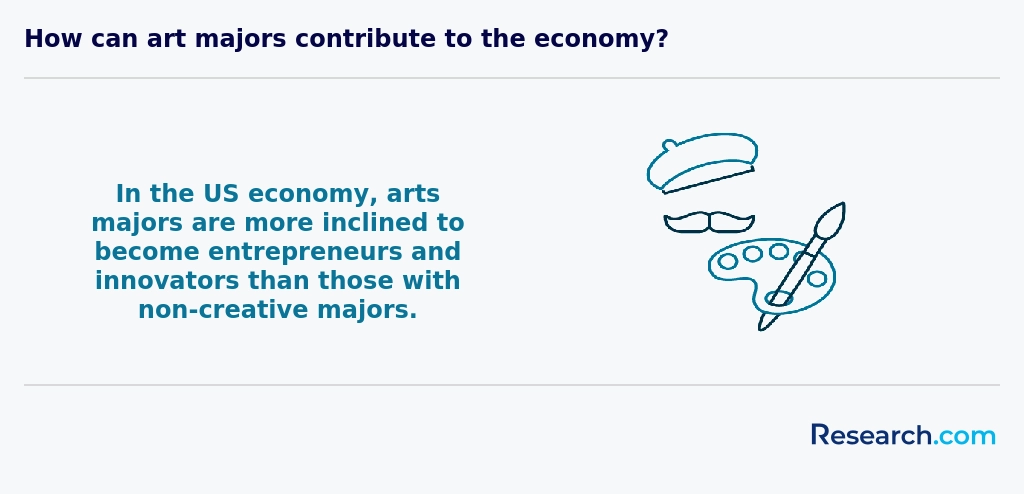
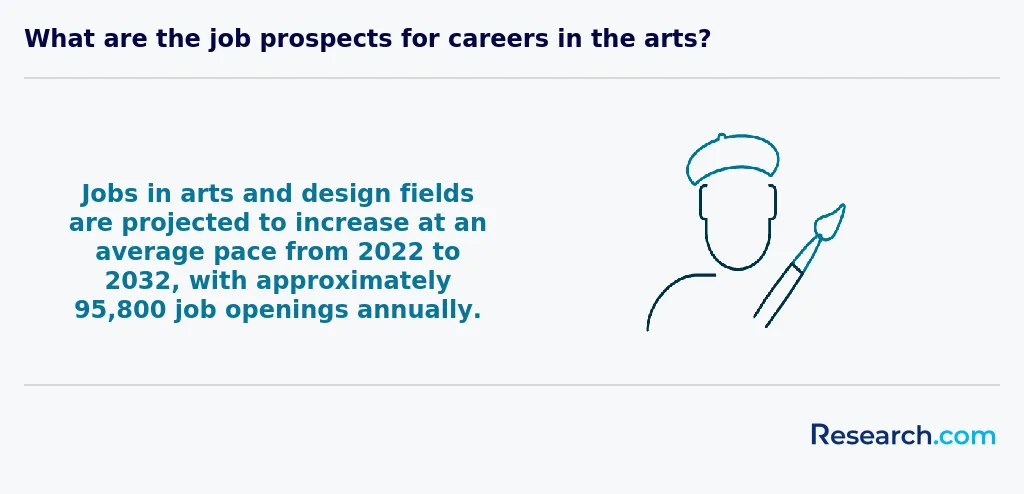
- Job growth in arts-related fields is projected at about 4% from 2022 to 2032, which is slower than the average for all jobs.
- Accreditation by agencies like NASAD is important for ensuring degree quality and can impact financial aid and job opportunities.
- Programs often include digital portfolios and virtual critiques to support career development and networking.
Completing an online fine arts degree in America typically takes around four years when studying full time, much like traditional programs at renowned institutions such as the School of the Art Institute of Chicago or the Savannah College of Art and Design. Graduates often recall balancing intense studio projects with flexible online schedules, appreciating how virtual studios and asynchronous classes allowed them to learn at their own pace.
Many students share how the option to accelerate their studies by taking extra credits or summer sessions helped them graduate in just three years, fueling excitement about entering the creative field sooner. Conversely, others value the ability to spread coursework over five years to juggle jobs or personal commitments, emphasizing how this flexibility fosters both growth and confidence.
Looking ahead, advancements in interactive technology and virtual reality studios promise even more personalized pacing and hands-on experiences, potentially reducing completion times while enhancing learning. Students across popular American fine arts colleges are optimistic about these emerging trends shaping a more adaptable, engaging path to degree completion.
One of the most valuable components of an online Fine Arts degree program is hands-on experience through internships and portfolio-building opportunities. Many top online Fine Arts programs partner with galleries, design studios, and creative agencies to offer virtual internships that mirror on-campus studio experiences. During these placements, you’ll collaborate on real-world projects, receive mentorship from industry professionals, and gain the practical skills needed to stand out in a competitive job market. To complement your internship, online programs often require a capstone project or professional portfolio review, ensuring you graduate with a cohesive body of work. This process typically includes feedback sessions with faculty and guest critics, helping you refine your artistic voice and technical abilities. For students drawn to animation and digital storytelling, it’s worth exploring the top animation degrees online, where dedicated courses and industry-aligned projects can further enhance your portfolio and employability. By integrating internships, capstone projects, and structured portfolio development into the curriculum, online Fine Arts degrees equip you with both the creative vision and the professional experience necessary to launch a successful career in the arts.
Online and on-campus fine arts degrees in America differ primarily in how students engage with their craft. Graduates from renowned institutions like the Rhode Island School of Design often speak about the invaluable hands-on studio time and immediate feedback from professors and peers that shaped their skills in ways online programs can struggle to replicate. Meanwhile, alumni of flexible online fine arts programs appreciate the freedom to balance work or family while pursuing their creative passions without relocating.
Imagine a student at the Savannah College of Art and Design submitting digital sculptures and receiving critique through video calls-this evolving method expands access but can feel less immersive than the tactile, in-person studio environment. Yet, the digital realm encourages new forms of creativity and collaboration across distances, opening doors for diverse voices. As more established schools refine their online offerings, the gap between experience types is narrowing, blending practical artistry with innovative virtual learning tailored to America's dynamic lifestyles.
When choosing an online Fine Arts degree program, understanding how your investment translates into long-term career benefits is crucial. Prospective students should assess not only the tuition costs but also the overall value-consider factors such as alumni success, networking opportunities, and the program’s alignment with current industry trends. A detailed ROI analysis can help you balance program fees with future earning potential, ensuring that you choose a path that supports both your creative ambitions and financial well-being. Look for schools that provide robust career services and have a proven track record of placing graduates in competitive roles, as these factors can significantly bolster your return on investment. For a comprehensive comparison of costs and outcomes in Fine Arts education, many students find it helpful to explore resources that highlight affordable fine arts colleges to make informed decisions tailored to their budget and career goals. Evaluating elements such as scholarship availability, potential for hands-on learning, and post-graduation earning statistics can empower you to select a program that not only nurtures your talent but also prepares you for a thriving career in the arts.
The average cost of an online fine arts degree in America varies depending on residency and institution type, with median total tuition and fees around $58,800. In-state students often see more affordable rates, averaging about $42,290, while out-of-state learners typically face higher costs near $46,275. These figures reflect the overall investment including tuition, fees, and necessary materials unique to fine arts programs, which can elevate expenses compared to other online degrees.
Many graduates from well-known universities specializing in fine arts recall balancing these costs with flexible payment plans or scholarships, which helped alleviate financial stress. Students studying remotely at places like renowned public universities benefit from reduced in-state tuition, while others at private colleges embrace the richer resources and faculty expertise despite higher prices. The financial commitment often aligns with the quality and depth of creative opportunities these institutions offer, fueling alumni's passion and skill development.
Understanding the total tuition and fees for online fine arts programs in the USA is critical, especially as students anticipate additional expenses such as technology and art supplies. These practical aspects form part of everyday student life in fine arts and can influence budget planning significantly. Exploring options for financial aid and institutional discounts enables many to pursue their artistic goals without overwhelming debt, making education feel both accessible and rewarding.
Prospective students looking for cost-effective options can find valuable information about the most affordable fine arts colleges nationwide by visiting affordable fine arts colleges. This resource helps navigate the financial landscape, ensuring smarter choices for education investment based on personal circumstances and career aspirations.
Online Fine Arts programs offer flexibility, but succeeding in a virtual learning environment requires proactive strategies. Start by establishing a dedicated workspace and a consistent schedule to keep your creative energy flowing and minimize distractions. Invest time in learning the digital tools and platforms used by your program; many institutions offer free online tutorials and resource centers to help you get up to speed. Engage actively in virtual discussions and feedback sessions as these interactions provide not only academic insights but also valuable networking opportunities with peers and industry professionals. Additionally, take advantage of career services and mentorship programs, which can guide you in building an impressive portfolio and transitioning into the art world. For those looking to balance quality with cost, exploring comprehensive guides on affordable fine arts colleges can offer further insights into achieving success without compromising financial stability. Remember, maintaining discipline, seeking support when needed, and consistently refining your creative skills are key steps to ensure your online Fine Arts degree leads to a fulfilling and successful career.
Many online fine arts students in America find federal financial aid a crucial support, especially through FAFSA, which unlocks access to grants, loans, and work-study. Graduates from institutions like the Savannah College of Art and Design often share how Pell Grants-offering up to $7,395 per year-dramatically eased their tuition burden, enabling focus on creative growth rather than financial stress.
State-based grants and scholarships also play a growing role. For instance, students attending public universities like California State University benefit from in-state awards designed to nurture local talent. These often combine merit and need-based criteria, reflecting an encouraging trend toward personalized support.
Institutional scholarships at top schools such as the Rhode Island School of Design are increasingly targeting online learners who demonstrate both artistic talent and financial need. Many graduates recall how these scholarships transformed their ability to invest in quality materials and advanced software.
Looking ahead, the rise of private scholarships through national arts foundations could expand, rewarding portfolios and creative essays, fueling optimism among future students seeking financial pathways aligned with their passion for fine arts.
Creating a standout portfolio is essential for online Fine Arts students who want to showcase their creativity and technical skills. In a virtual learning environment, your portfolio becomes the primary tool for demonstrating your talent and securing opportunities post-graduation. To build a compelling portfolio, start by selecting a diverse range of projects that highlight both your technical proficiency and creative experimentation. Include a mix of traditional media works and digital pieces if available, as this demonstrates your ability to adapt across platforms. Pay close attention to the presentation: organize your projects in a user-friendly and aesthetically pleasing format, and consider adding brief descriptions that explain your techniques, your creative process, and the challenges you overcame with each project. This contextual information can make a significant impact on potential employers or admissions committees in fine arts. Additionally, seek feedback from mentors, peers, and educators; regular critique sessions can not only help refine your collection but also mimic the real-world evaluation processes in professional art settings. For more insights on starting your career journey with quality education, you might also explore affordable fine arts colleges that offer comprehensive portfolio guidance and support services designed specifically for online learners. Finally, update your portfolio regularly as you complete new projects and refine your techniques. Your portfolio is a living document that grows with you throughout your career-ensuring it remains current and impactful will help open doors in competitive job markets and specialized fields within the fine arts industry.
Enrolling in an online fine arts degree program in America typically means meeting a few key prerequisites, but these are evolving as both technology and education adapt. Graduates from top schools like the Rhode Island School of Design or the School of the Art Institute of Chicago often reflect that a strong portfolio remains the heart of their application, showcasing creativity through digital media or traditional artwork.
Most programs still require a high school diploma or GED, yet some now welcome learners with non-traditional backgrounds, especially those who demonstrate potential through compelling portfolios or digital projects. Academic transcripts with a GPA around 2.5 to 3.0 are common benchmarks, but several colleges emphasize artistic promise over test scores, especially in light of recent test-optional policies.
Imagine a student at a university in California accessing specialized software from home, supported by strong internet and technical setup listed among prerequisites. Letters of recommendation from art mentors or instructors add a personal touch, reflecting passion and readiness to tackle creative challenges online. This forward-looking mix of traditional and digital criteria helps ensure students thrive in America's evolving online fine arts landscape.
Online fine arts degrees in America commonly include courses that balance hands-on creative practice with critical theory, reflecting the dynamic nature of contemporary art education. Many students from well-known institutions like the School of the Art Institute of Chicago or Savannah College of Art and Design describe immersive experiences in drawing, painting, and sculpture courses that build solid technical fundamentals while pushing creative boundaries.
Students often engage with digital media arts, including animation, graphic design, and photography, equipping them with skills to thrive in both traditional and emerging artistic fields. Graduates recall projects involving Adobe Creative Suite or 3D modeling software, which have helped them transition smoothly into today's tech-driven art world.
Alongside studio work, online programs frequently offer art history and criticism classes that deepen cultural understanding and sharpen analytical abilities. Some also integrate arts management and grant writing, helping students envision sustainable careers by mastering the business side of art.
These combined experiences create a versatile and inspiring curriculum, with students often sharing excitement about how their online classes from respected American colleges actively prepare them for a wide spectrum of artistic careers.
Online fine arts degree specializations USA continue to evolve, blending classic artistry with cutting-edge digital innovation. Graduates from leading institutions often share how their programs in painting, sculpture, and drawing have seamlessly incorporated virtual reality tools and digital media, enriching traditional techniques. Well-known colleges offering remote studies have seen students thrive by exploring graphic design fields, where skills in typography and branding meet immersive multimedia projects, opening broad career avenues.
Students pursuing the best fine arts majors online America appreciate the flexibility to combine animation and digital arts with game design, 3D modeling, and motion graphics. Their experiences often highlight collaborative projects that impressively blend storytelling and technology, fostering excitement and a sense of accomplishment. For those curious about the future of animation, discovering the top animation degrees online can be a transformative step, providing hands-on expertise that meets industry demands and creative passions alike.
When choosing the best online fine arts degree in America, evaluating accreditation is crucial. Graduates from popular colleges like those in California or New York often praise programs accredited by the National Association of Schools of Art and Design (NASAD) for providing recognized value and rigorous training. Imagine engaging in a digital studio environment where faculty, experienced artists themselves, guide you through techniques tailored to your passion-whether painting or sculpture-mirroring the real-world mentorship many online fine arts degree programs now offer. This blend of theory and innovative practice creates a dynamic path for emerging artists.
Affordability remains a top concern. Many students discover more accessible options by comparing costs and financial aid, sometimes opting for Inexpensive Online Fine Arts Degree Programs Ranking in the South. The flexible online format helps balance tuition with practical needs, letting students immerse themselves fully without overwhelming financial strain. Graduates often describe a sense of empowerment from managing their education alongside life commitments.
Exploring the best online fine arts degree programs USA involves more than cost; it's about access to evolving technologies too. Alumni from renowned programs highlight how virtual critiques and digital art tools boost creativity and peer collaboration, replicating the energy of campus studios through innovative online platforms. These experiences inspire confidence and drive, fueling successful entry into competitive creative industries.

With an online fine arts degree in America, graduates explore diverse career opportunities that extend beyond traditional studio work. Many find themselves thriving as visual artists, graphic designers, or art directors, often blending digital media skills nurtured during their studies at institutions known for their creative programs like the Rhode Island School of Design or California Institute of the Arts. These graduates report feeling empowered by the flexibility of online learning, enabling them to balance professional practice with creative experimentation.
Others leverage their fine arts training in emerging roles such as art educators or museum curators, often supported by additional certifications. For example, graduates from top programs express enthusiasm about contributing to community art education or conserving cultural heritage through remote roles. This evolving landscape underscores encouraging job prospects with online fine arts degree in America, proving that creative careers can adapt to shifting technological and cultural demands.
Students also pursue entrepreneurial ventures like building online portfolios or studios, illustrating a positive trend toward independent work. Those interested in accelerating their academic path may consider a fastest online bachelor degree option to enter the job market sooner and embrace these dynamic career opportunities for online fine arts degrees in the USA.
The job market for online fine arts degree graduates in America is evolving, blending traditional artistic skills with digital innovation. Many graduates from well-known institutions such as the Savannah College of Art and Design or the Rhode Island School of Design share stories of finding opportunities in graphic design and digital media, where their creativity is combined with technical proficiency. As industries increasingly rely on digital platforms, graduates who build strong portfolios see a growing demand for their work, especially in metropolitan hubs.
Exploring career opportunities for fine arts graduates in America reveals promising paths in fields like animation, illustration, and art education. Graduates from online programs often adapt quickly, leveraging flexible schedules to build freelance careers or collaborate on multimedia projects. With public online programs costing less than many on-campus options, students reduce debt and focus on developing skills that employers seek.
Those curious about the benefits of various online programs may want to explore the easiest bachelor's degree to earn as a starting point. Understanding the competitive yet expanding market for these degrees encourages students to embrace opportunities in fine arts where digital expertise and creativity intersect.
2027 Best Online Bachelor's in Fine Arts Degree Programs Ranking in the USA
Investing in your education is a significant decision that can shape your future, and the Research.com team understands the importance of making informed choices. To assist prospective students, we have meticulously created the "2027 Best Online Bachelor's in Fine Arts Degree Programs Ranking in the USA." Our commitment to quality, credibility, and accuracy is reflected in the extensive research and analysis conducted to compile this ranking.
We utilized the following reputable data sources to ensure a comprehensive evaluation of Fine Arts programs:
By exploring this ranking, readers will gain valuable insights into the best online Fine Arts degree programs across the USA, enabling them to make informed decisions about their educational paths. For more details on our methodology, please visit our Research.com methodology page.


# 3 position
Western Governors University
Bachelor of User Experience Design


# 8 position
Full Sail University
Bachelor of Computer Animation

# 9 position
Judson College
Bachelor of Music

Frequently Asked Questions About fine arts
Students pursuing online fine arts degrees in America can maximize their learning by actively engaging with virtual studio classes and critique sessions. According to the National Endowment for the Arts, a collaborative environment significantly enhances creative skills development. Utilizing digital portfolios and regularly sharing work with peers and instructors fosters constructive feedback and growth.
Moreover, supplementing coursework with virtual museum tours and local art community involvement broadens practical exposure. The Bureau of Labor Statistics notes that networking can improve job prospects in creative fields. Time management and setting dedicated studio hours are essential for balancing practice and theory effectively.
The fine arts field in America is expanding into several exciting niches driven by technological innovation and cultural shifts. Digital arts, including animation, video game design, and virtual reality (VR) environments, are rapidly growing areas, with the Bureau of Labor Statistics projecting a 4% growth in multimedia artist jobs through 2031.
Another emerging niche is art therapy, which combines creative expression with mental health treatment and is increasingly recognized in educational and clinical settings. Sustainability-focused art is also gaining attention, reflecting broader environmental concerns and aiming to raise awareness through eco-friendly materials and themes.
Additionally, social practice art, which involves community engagement, is becoming popular in academic programs, blending activism with artistic creation. These niches offer promising paths for students pursuing online fine arts degrees in the US.
Preparing for the job market after earning an online fine arts degree in America requires strategic steps. Building a strong portfolio is essential; it showcases your skills and creativity to potential employers. According to the National Endowment for the Arts, about 75% of fine arts graduates seek employment within two years, emphasizing the need for clear professional presentation.
Networking plays a critical role-joining organizations like the College Art Association or local art councils can open doors. Internships, even unpaid, provide valuable experience and contacts. Familiarity with digital tools and marketing your work online also enhances employability in today's competitive landscape.
Employers in the American fine arts field prioritize a blend of creativity and practical skills in graduates. Strong visual communication abilities remain essential, allowing artists to express ideas clearly through various media. According to the National Endowment for the Arts, adaptability and proficiency with digital tools, such as Adobe Creative Suite, have become increasingly important as the industry evolves.
Critical thinking and problem-solving are highly valued, helping artists address creative challenges effectively. Collaboration skills also stand out, since many projects involve teamwork with clients or other artists.
Additionally, knowledge of art history and cultural context enriches graduates' work and professionalism. A 2023 report by the College Art Association highlights that nearly 60% of employers seek graduates with a strong portfolio demonstrating technical skill and originality.
Finding internships relevant to fine arts degrees in America involves a mix of strategic research and networking. Many universities offering online fine arts programs maintain partnerships with galleries, museums, and creative agencies, providing students access to exclusive internship listings.
Websites like the National Endowment for the Arts and the College Art Association often post internships and grant opportunities. According to the National Association of Colleges and Employers, nearly 60% of internships in the arts sector lead to job offers, highlighting the importance of internships for career development.
Students should also explore local arts councils and community organizations, which frequently offer project-based roles. Joining professional groups on LinkedIn or attending virtual art fairs can expand connections. Preparing a strong portfolio remains critical to securing these positions successfully.
Obtaining an online fine arts degree in America can enhance career mobility by providing recognized credentials from accredited institutions. According to the National Center for Education Statistics, fine arts graduates are more likely to advance into specialized roles such as curators, art directors, or educators within five years of graduation.
Online programs offer flexible learning schedules, allowing working professionals to upskill without interrupting their careers. This flexibility often leads to promotions or career shifts, especially in creative industries where updated skills matter.
Employers increasingly value the combination of creativity and digital proficiency that online fine arts students develop. This blend can open doors to emerging fields like digital media and design.
Studying for a fine arts degree in America equips students with diverse skills applicable across multiple fields. Many programs emphasize collaboration, critical thinking, and creativity, which are essential for interdisciplinary roles.
According to the National Endowment for the Arts, 71% of fine arts graduates work in fields outside traditional art roles, including education, marketing, and technology. Online fine arts degrees often include courses in digital media, art history, and communication, providing a broad foundation.
This multidisciplinary approach prepares students to adapt and contribute to varied work environments that fuse art with other professional disciplines.
When choosing between a thesis and a non-thesis online fine arts degree program in America, consider your career goals. Thesis programs focus on a significant research or creative project, ideal for students aiming to pursue graduate studies or professional artistic research. Non-thesis tracks emphasize practical skills and coursework, better suited for those preparing for immediate employment in the arts industry.
The National Center for Education Statistics reports that about 40% of fine arts bachelor's degrees involve thesis work, reflecting strong research components in higher education. Review program requirements carefully to ensure alignment with your interests and time commitment.
Accreditation and faculty expertise also matter; well-established programs typically offer both options. Finally, check if online delivery supports your learning style and provides adequate mentorship, especially important for thesis completion.
American students interested in studying fine arts abroad through online programs have several pathways. Many U.S. universities partner with international institutions, offering joint online degrees or exchange opportunities that blend domestic and global coursework. These programs allow students to access diverse art perspectives without relocating. According to the National Center for Education Statistics, approximately 6% of undergraduate students participate in study abroad annually, though online alternatives are growing due to accessibility and cost concerns. Additionally, American accreditation bodies like the National Association of Schools of Art and Design (NASAD) help ensure quality in international online fine arts programs, supporting students in validating their credentials.
Many part-time jobs in America can effectively complement an online fine arts degree. Positions such as art gallery assistants or museum attendants provide practical exposure to the art industry while developing professional networks. According to the U.S. Bureau of Labor Statistics, many art-related roles, including freelance graphic design or teaching art classes, offer flexible hours suited for students.
Other opportunities include working as a photography assistant or freelance illustrator, which enhance technical skills relevant to fine arts graduates. These roles not only supplement income but also build portfolios, which are critical for career advancement in the competitive arts field in the U.S.
Online fine arts students in America have growing networking opportunities despite the remote nature of their studies. Many accredited programs integrate virtual art exhibitions, critique sessions, and collaborative projects to connect students. According to the National Endowment for the Arts, 87% of art students participate in at least one professional networking event during their degree.
Major universities also offer access to alumni networks, internships, and career services tailored to fine arts students, enhancing connections with industry professionals.
Students are encouraged to join national organizations such as the College Art Association and local art guilds, which often host online workshops and regional meetups that facilitate valuable contacts.
Alumni networks play a vital role for students pursuing online fine arts degrees in America. These networks connect graduates with industry professionals, offering valuable mentorship opportunities. According to the National Association of Colleges and Employers (NACE), 85% of jobs are filled through networking, which highlights its importance in fine arts careers.
For online students, alumni groups provide access to virtual events, workshops, and portfolio reviews, helping build skills beyond the classroom. They also offer potential job leads in galleries, studios, and creative agencies. Schools with active alumni networks often report higher employment rates within six months after graduation.
Overall, staying engaged with alumni supports professional growth and creative collaboration, crucial in the competitive American fine arts market.
Customizing an online fine arts degree in America allows students to align their studies with specific career goals. Many programs offer elective courses in areas like animation, graphic design, or fine art techniques, enabling focused skill development. According to the National Center for Education Statistics, over 70% of art degree programs provide flexible course options for specialization.
Additionally, students can choose between theory-based tracks or practical studio courses, tailoring their education to artistic or commercial careers. Internships and portfolio projects are often integrated, helping learners build professional experience remotely. This adaptability ensures students graduate with relevant skills for varied roles in the creative industry.
Online fine arts students in America often encounter unique challenges related to the practical nature of their discipline. Unlike traditional studio settings, remote learners must adapt to limited access to specialized equipment and materials necessary for hands-on projects. According to the National Endowment for the Arts, 65% of fine arts students report difficulties replicating studio experiences virtually.
Additionally, the lack of face-to-face mentorship can hinder skill development and networking opportunities critical for creative growth. Many students also struggle with time management balancing synchronous sessions with personal obligations. Technical issues like unreliable internet connections remain a consistent barrier, according to a 2023 EDUCAUSE survey of online learners.
Moreover, demonstrating artistic progress virtually poses assessment challenges for instructors, potentially affecting feedback quality. Addressing these obstacles requires adaptable curricula and institutional support tailored to fine arts pedagogy in online formats.
With an online fine arts degree, you can pursue several professional certifications that enhance your career opportunities in the arts industry. Common certifications include the National Art Education Association (NAEA) credentials for those interested in teaching art at various educational levels. Additionally, certifications in graphic design software like Adobe Certified Expert (ACE) can demonstrate technical proficiency in digital art tools.
Professional organizations such as the American Institute of Graphic Arts (AIGA) offer membership and certification that can boost your credibility. According to the Bureau of Labor Statistics, art directors with certifications earn a median annual wage above $100,000, highlighting the value of credentials in this field.
Obtaining certifications related to museum studies or art conservation can also open doors in galleries and cultural institutions. These specialized credentials often require hands-on experience but complement an online fine arts education well.
Writing a strong application for an online fine arts program in America requires clear presentation of your artistic goals and skills. Admissions committees often look for candidates with a distinctive portfolio that showcases creativity, technical ability, and diversity in media. According to the National Association of Schools of Art and Design (NASAD), a well-prepared portfolio can significantly improve acceptance chances.
In your statement of purpose, emphasize your reasons for choosing an online program and how it fits your career aspirations. Highlight any relevant academic achievements or professional experience related to art.
Many schools also require letters of recommendation; selecting recommenders familiar with your artistic work or academic dedication strengthens your application.
The global perspective on a fine arts career increasingly values versatility and digital skills. For students pursuing online fine arts degrees in America, this means adapting to a competitive market where artists collaborate across borders through digital platforms. According to the U.S. Bureau of Labor Statistics, employment for fine artists is expected to grow 5% from 2021 to 2031, reflecting steady demand on a global scale.
Internationally, fine arts careers blend traditional craft with modern technology, enabling artists to reach diverse audiences.
American programs emphasize this global outlook by incorporating digital media, expanding career opportunities in fields such as animation, graphic design, and multimedia arts.
Understanding global trends helps U.S. students position themselves for success worldwide.
Gaining practical experience while studying for an online fine arts degree in America is essential for developing skills and building a professional portfolio. Many accredited programs encourage participation in virtual art studios and workshops, which simulate hands-on activities.
Students can also seek internships with galleries, museums, or art organizations in their local areas. According to the National Endowment for the Arts, internships remain a key pathway to employment in creative fields.
Additionally, joining online artist communities or participating in virtual exhibitions helps students receive feedback and network with professionals. Some universities offer capstone projects or collaborative assignments with industry partners, enhancing real-world application.
Choosing the right concentration within an online fine arts degree in America involves understanding your personal interests and career goals. Common concentrations include painting, sculpture, graphic design, and digital media, each preparing students for distinct paths in the art world.
Research from the National Endowment for the Arts shows that visual arts specialties have varied employment rates, with digital media growing rapidly due to technology demands. Consider programs accredited by the National Association of Schools of Art and Design (NASAD), as they meet national standards for quality.
Review course offerings carefully to ensure they align with your desired skill set and explore faculty expertise. Also, look at opportunities for virtual exhibitions or internships, which can significantly impact practical experience and employability after graduation.
- Jobs | Academy of Fine Art https://academy-of-fine-art.com/en/jobs-en/
- Alumni network - ESMA https://www.esma-artistique.com/en/outreach/alumni-network/
- How to Network as an Artist - AGI Fine Art Blog https://agifineart.com/advice/the-art-of-reputation-how-to-network-if-youre-an-emerging-artist/
- Certificate of Fine Arts | CFA Programs - New York Academy of Art https://nyaa.edu/continuing-studies/certificate-of-fine-arts/
- Networking for Artists https://artquest.org.uk/how-to-articles/networking-for-artists/
- fine art teaching and its challenges in the 21st century post ... https://www.sgojahds.com/index.php/SGOJAHDS/article/viewFile/296/320
- 14 art niche ideas and how to determine yours https://www.gelato.com/blog/art-niche-ideas
- Download Our App Now https://www.nifafinearts.com/online-classes
- Bachelor of Fine Arts in Art & Design (BFA) https://www.ualberta.ca/en/art-design/undergraduate-programs/bfa-art-and-design.html
- What Alumni Say https://www.cityandguildsartschool.ac.uk/ma-fine-art/student-and-alumni-case-studies/


