
2027 Easiest Online Master's in Fine Arts Degree Programs Ranking in the USA

Co-Founder and Chief Data Scientist
Are you considering advancing your creative career with a Master's in Fine Arts but worried about balancing studies with life's demands? This article introduces the 2027 Easiest Online Master's in Fine Arts Degree Programs Ranking in the USA, crafted by Research.com's expert data scientists. Designed to guide prospective students, this ranking highlights programs that combine accessibility, quality, and flexibility.
Discover which programs stand out for ease and value, helping you make an informed decision that supports your artistic goals. Pursuing a fine arts degree online can open new doors while fitting your lifestyle.
Key benefits of getting online fine arts degree in America
- Salary benefits: Graduates with a fine arts degree can earn competitive salaries, such as Art Directors making around $125,920 annually and Museum Curators earning about $70,870 per year, showing strong earning potential in creative fields.
- Career paths: Fine arts graduates often pursue versatile roles including Senior Graphic Designers and Art Historians, with opportunities in education, museums, and media based on examples from well-known universities.
- Online degree advantages: Completing a fine arts degree online offers flexibility and accessibility, allowing students to balance work or personal life while gaining skills from reputable programs like those at Southern New Hampshire University.
- 2027 Easiest Online Master's in Fine Arts Degree Programs Ranking in the USA
- What can I expect from online fine arts degree in America?
- Where can I work with online fine arts degree in America?
What can I expect from online fine arts degree in America?
The average cost of an online fine arts degree in America can be a pleasant surprise for many aspiring creatives. Graduates from well-known institutions like Savannah College of Art and Design or the School of the Art Institute of Chicago often share how the online tuition fees-typically ranging from $15,000 to $40,000 for the entire program-felt more manageable compared to traditional on-campus expenses. This affordability shines brightest when factoring in savings from commuting, housing, and studio materials purchased locally or repurposed creatively at home.
Imagine a student diving into digital portfolios or virtual studio critiques from their cozy workspace, skipping the stress of relocating while connecting with passionate mentors across time zones. These cost-effective opportunities open doors for artists who balance jobs, family, or other commitments, turning what seemed like a lofty dream into an achievable, enriching journey. Embracing online learning doesn't just save money-it nurtures flexibility, independence, and innovation, key ingredients in any vibrant fine arts career.
Where can I work with online fine arts degree in America?
Graduates with an online fine arts degree from popular American schools often find themselves immersed in vibrant creative careers. Many dive into commercial art, working at advertising firms or media companies where their talents shape branding and digital campaigns. Picture a graduate from a well-known California art college designing eye-catching visuals for a startup's marketing push.
Others embark on educational journeys, teaching art history or techniques at community colleges or private art schools. For example, an MFA graduate from a renowned New York institution might inspire future artists through engaging virtual classes, blending theory with creativity.
The digital entertainment world also beckons, especially for those fascinated by animation or game design. Graduates often land roles crafting immersive video games or film effects for dynamic studios across the U.S. Imagine working remotely on a popular virtual reality project while leveraging skills honed online.
Museums and galleries in cities like Chicago or Boston seek curators and conservators with fine arts expertise, translating classroom knowledge into enriching cultural experiences. Many alumni also embrace entrepreneurship, launching independent studios or freelancing with the flexibility an online degree offers.
With an online fine arts degree in America, earnings open up exciting possibilities that vary widely depending on your path. Graduates from renowned programs like those at the Savannah College of Art and Design often find themselves stepping into roles such as Art Directors, who earn an impressive mean annual wage of $125,920 according to the latest U.S. Bureau of Labor Statistics data.
Many graduates explore careers as Senior Graphic Designers, where the mean annual wage sits around $64,700. Imagine crafting innovative campaigns for digital media in bustling cities like New York or San Francisco, where creative energy meets opportunity.
For those fascinated by history and culture, becoming a Museum Curator offers a rewarding earning potential near $70,870 annually. Postgraduates from the Rhode Island School of Design often share stories of enriching experiences preserving art for communities, blending passion with a solid income.
Fine arts professors typically reach even higher, with a mean annual salary nearing $100,840, inspiring the next wave of artists at colleges across the country. Meanwhile, art historians earn around $76,120, diving deep into stories behind masterpieces while maintaining a comfortable lifestyle.
These figures remind us that an online fine arts degree can fuel various adventures in art-driven careers, shaped by your unique talents and the vibrant communities you choose to join.
- Online fine arts degrees in the US include Bachelor of Fine Arts (BFA) and Master of Fine Arts (MFA) programs focusing on areas like painting, sculpture, digital arts, and graphic design.
- Tuition for undergraduate programs ranges from $15,000 to $40,000 per year at public universities and can exceed $50,000 annually at private schools.
- Graduate-level online fine arts degrees typically cost between $20,000 and $60,000 in total tuition, with extra expenses for art supplies and software.
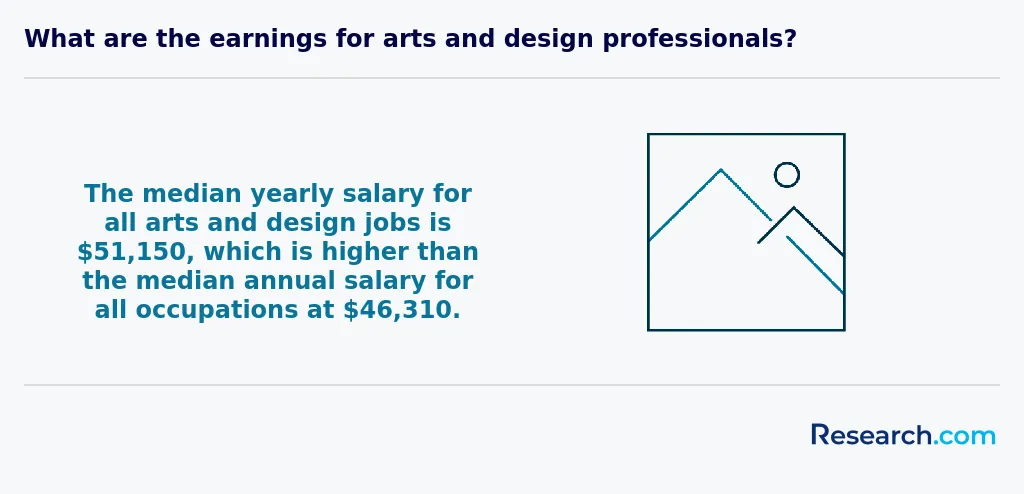
- Starting salaries for fine arts graduates average around $40,000 per year, while median wages for fine artists are about $51,000 annually.
- Job options include roles in museums, galleries, design firms, and digital media, with many graduates working freelance and using digital portfolios to showcase their work.
Graduate programs such as the Master of Fine Arts usually span two to three years of immersive study, blending intense studio work with thesis exhibitions, just like students at the School of the Art Institute of Chicago experience. The journey can be tailored too; some students embrace a part-time route, turning their degree into a long-term artistic adventure that fits their life rhythms and work commitments.
Things like transfer credits or required residencies add unique twists to each timeline, turning every student's experience into a personalized story of exploration and growth.
Diving into fine arts at a university like the Rhode Island School of Design or a vibrant art college in California often means immersing yourself in studios buzzing with creativity. Graduates recall the thrill of hands-on moments-spinning clay on a ceramics wheel, carefully layering prints in specialized labs, or sharing immediate reactions during lively critiques. These experiences are hallmarks of on-campus programs, where access to physical resources and face-to-face collaboration fuels artistic growth.
On the flip side, many adventurous students at schools offering online fine arts degrees embrace the freedom of creating from anywhere in the U.S. A graduate from an online program at a regionally accredited university recalls turning their home into a personal studio, experimenting with digital tools and video calls to connect with professors and peers. The flexibility to balance life and art becomes a joyful discovery, though they note the challenge of sourcing materials independently and missing that in-person energy.
Both paths in America lead to the same respected credentials, but your journey-whether surrounded by campus galleries or crafting art between Zoom sessions-shapes a unique, exciting experience.
Exploring the average cost of an online fine arts degree in America reveals a fascinating landscape shaped by whether you attend a public or private institution. Graduates from public universities, known for their practical approach and reputed programs, typically encounter a median in-state total cost around $15,630. Out-of-state students, eager to tap into artistic resources from universities beyond their home state, may pay closer to $26,208. These figures illustrate the vibrant financial diversity that reflects your adventurous choice of school and state.
Private colleges, often celebrated for their intimate classes and cutting-edge facilities, attract students willing to invest more in their creative journey. Here, the total tuition tends to hover near a median of $24,192, blending prestigious educational offerings with the excitement of exclusive programs. Many graduates share stories of how access to specialized tools and personalized mentorship made these costs worthwhile, fueling their artistic passions and career prospects.
Considering the total tuition and fees for online fine arts degree 2027, don't forget the additional expenses for supplies, digital software, and materials that bring your creativity to life beyond the classroom. Budgeting for these is an exciting part of the process, much like students before you who've embraced the thrill of sculpting their own unique educational experience. If you're also contemplating related disciplines, you might find value in exploring options like affordable online master's in architecture programs that complement your artistic skills.
Navigating an Online Fine Arts degree in America requires not only creative talent but also the right digital setup to ensure seamless studio practice and collaboration. To succeed, students should invest in: • Hardware Essentials – A reliable computer (Windows or macOS) with at least an Intel i5 processor, 8 GB of RAM (16 GB recommended), and a dedicated graphics card. Many artists also pair this with a pressure-sensitive drawing tablet (e.g., Wacom Intuos or XP-Pen Deco) for precise sketching and painting. • High-Speed Internet – A minimum upload/download speed of 25 Mbps enables lag-free virtual critiques, live streaming of guest lectures, and real-time collaboration in cloud-based studios. Test your connection with free online tools and consider a backup mobile hotspot for emergencies. • Software Suite – Familiarity with industry-standard applications boosts both skill development and employability. Core programs include Adobe Creative Cloud (Photoshop, Illustrator, InDesign), Autodesk SketchBook, and open-source alternatives like Krita or Blender for 3D modeling. Many institutions offer discounted student licenses or bundled plans-check with your financial aid office for support. • Learning Management Systems – Programs may use Canvas, Blackboard, or Moodle; ensure you can navigate assignment submissions, grade tracking, and discussion forums. Download mobile apps for on-the-go access and enable notifications to stay on schedule. • Digital Portfolio Platforms – Building and maintaining an online portfolio on Behance, ArtStation, or personal WordPress sites is crucial. For ideas beyond Fine Arts, you might explore related fields such as affordable online master's in architecture programs, where design software proficiency also plays a key role. By aligning your technical toolkit with program requirements, you’ll maximize studio time, engage fully with peers and faculty, and ensure your creative vision translates flawlessly in the digital realm.
Diving into the world of online fine arts degrees in America unfolds a treasure chest of financial aid options. Imagine a graduate from a renowned art school discovering that filling out the FAFSA unlocks federal grants and loans tailor-made for creatives like them. Even though Pell Grants are reserved for undergraduates, grad students can still tap into Direct Unsubsidized Loans and Grad PLUS Loans, covering a significant slice of tuition.
Picture a resident of California pursuing their MFA online and accessing state scholarships designed to nurture local talent. Many institutions, such as those in New York or Illinois, sweeten the deal with merit-based scholarships that reward students' artistic portfolios or academic achievements, fueling motivation and passion.
Beyond government aid, many graduates have capitalized on private scholarships from arts organizations and employer tuition reimbursement programs, blending work and study seamlessly. The joy of balancing a creative journey with a part-time job through Federal Work-Study fosters independence and financial savvy.
These tangible opportunities transform aspirations into reality, making the online fine arts path in America both attainable and exhilarating.
A vibrant portfolio is your magic key; imagine a collection bursting with paintings, digital designs, or sculptures that tell your unique story. Universities such as the School of the Art Institute of Chicago often look for this to glimpse your artistic passion and skills before opening their doors.
You might also craft a personal statement, sharing your dreams and how the program lights your path forward. Letters of recommendation from mentors who have witnessed your artistic journey add an encouraging voice, just as previous grads whose internships or exhibitions showcased their dedication have found helpful.
While GRE tests may no longer be a looming hurdle for most, some institutes still ask for them, so scanning each program's details is wise. For international explorers, proving English fluency and visa readiness becomes part of this exciting path.
Online fine arts programs in America invite you into a vibrant world where creativity meets rigorous study. Graduates from respected schools like the School of the Art Institute of Chicago or the Rhode Island School of Design often recall starting with hands-on courses in drawing, painting, or sculpture that sharpen essential skills. Imagine sculpting clay in your own space while receiving detailed feedback from instructors miles away-a blend of tactile artistry and digital connection.
Alongside studio practice, courses in art history and theory transport you through time, exploring ancient to contemporary movements that spark fresh inspiration. Many graduates cherish the challenge of interpreting these cultural stories, enhancing their creative vision.
Digital media classes add an exciting modern twist. Whether animating graphics or mastering multimedia design, students develop cutting-edge techniques that open new career paths. From portfolio building to critical theory discussions, every course is a step toward making your unique artistic voice heard across America's diverse art landscape.
Online fine arts degrees in America invite adventurous students to explore diverse pathways such as visual arts, where painting and mixed media awaken creative senses much like graduates from renowned colleges describe their transformative studio experiences. Graphic design, a favorite among many, sharpens digital creativity and software mastery, aligning perfectly with dynamic media careers. Photography programs bring technical learning and storytelling together, fostering the excitement of crafting compelling images from anywhere in the country. Students passionate about hands-on creation often pursue studio art specializations, blending traditional sculpture and ceramics with occasional in-person workshops to keep the craft alive despite distance.
The rich variety of American fine arts degree focus areas also includes illustration, perfect for those inspired by books and entertainment, along with art education for graduates who dream of nurturing creativity in communities. Many students discover how flexible and fulfilling online fine arts specializations USA can be, enjoying vibrant learning that fits their lifestyle. For those mindful of costs, the Cheapest Fine Arts Degree Programs Ranking in San Diego, CA offers helpful insights.
Choosing the best online fine arts degree in America is an exciting journey where accreditation plays a starring role. Graduates from well-known universities often reflect on how NASAD accreditation assured them their hard work was valued nationwide. Imagine engaging with a vibrant curriculum that includes visual arts or creative writing, all while staying connected with passionate faculty who truly mentor through virtual critiques-this is the hallmark of top-notch programs famous across the country.
Many seekers balance their dreams with budgets, looking for affordable online fine arts master's America offers. Online programs from respected colleges often reduce tuition costs and eliminate commuting expenses, making that creative path more reachable. For those wondering about time commitments, exploring the quickest online associates degree options can provide inspiration for flexible learning tailored to busy lives.
Students cherish programs blending cutting-edge digital tools with supportive services like career counseling and tech help. Graduates tell stories of how such flexibility empowered them to juggle work, family, and growth in a thriving artistic community. When choosing your path, consider how connections to galleries or publishers can elevate your future and deepen your engagement within best online fine arts degree programs USA.

Graduates holding an online fine arts degree in America step into a world brimming with dynamic career paths that blend creativity with opportunity. Many find themselves flourishing as professional artists, illustrators, or animators, crafting unique pieces for galleries or media outlets. For instance, graduates from popular art programs in California or New York often land roles in advertising agencies or digital marketing firms, harnessing their creativity to shape compelling visual stories-an exciting prospect for anyone curious about fine arts job opportunities in America.
Others embark on educational journeys, becoming art teachers in K-12 schools or colleges, where sharing their passion ignites inspiration in newer generations. Numerous graduates from respected public universities feel fulfilled by the stability and influence these roles offer.
Additionally, the blend of creativity and management invites many into arts administration as curators or gallery managers, inspired by thriving cultural hubs around the country. Some students even discover rewarding outlets in entertainment fields like set and costume design, leveraging technical skills honed during their online studies.
Exploring these paths is easier at colleges with open enrollment, where eager learners begin their journey with flexibility and enthusiasm.
The job market for online fine arts degree graduates in America invites a blend of creativity and persistence. Graduates from well-known institutions like the School of the Art Institute of Chicago or California College of the Arts often describe balancing excitement with the realities of a competitive landscape. While some find fulfilling roles in animation, gallery curation, or freelance projects, others navigate contract work that builds their portfolio and skills over time, a hallmark of online fine arts degree jobs USA.
For example, graphic design remains a promising path, offering steady demand fueled by marketing and digital media sectors. Many graduates leverage their digital skills alongside traditional artistry to stand out. Studying at institutions such as Savannah College of Art and Design helps students tap into these opportunities through robust online programs.
Patients and versatility are vital qualities as the job outlook for fine arts graduates in America often involves networking and self-promotion. Embracing platforms for online portfolios and freelancing can unlock unexpected doors. Prospective students should also explore the highest paying college majors to complement their artistic passions with financial savvy.
2027 Easiest Online Master's in Fine Arts Degree Programs Ranking in the USA
Investing in your education is a significant decision that can shape your future, and the Research.com team understands the importance of making informed choices. To assist prospective students, we have meticulously crafted the "2027 Easiest Online Master's in Fine Arts Degree Programs Ranking in the USA." Our commitment to quality, credibility, and accuracy is reflected in the extensive research and analysis conducted to compile this ranking.
We utilized the following reputable data sources to ensure a comprehensive evaluation of fine arts programs:
By exploring this ranking, readers will gain valuable insights into the easiest online Master's in Fine Arts programs across the USA, helping them make informed decisions tailored to their educational goals. For more details on our methodology, please visit our Research.com methodology page.

# 2 position
Full Sail University
Master of Media Design








Frequently Asked Questions About fine arts
Online fine arts degree students in America can maximize their learning by actively engaging with digital studio tools and virtual critique sessions. According to the National Endowment for the Arts, collaboration and feedback are essential for artistic growth, even in remote settings. Using platforms that support portfolio development and interactive assignments helps simulate traditional classroom experiences.
Additionally, students should balance their schedules to include both practical art creation and theoretical study, as institutions like the National Association of Schools of Art and Design emphasize this integration. Participation in online art exhibitions and networking via professional associations can also enhance real-world insights and career opportunities.
Emerging niches within the fine arts field in the United States reflect the growing influence of technology and cultural shifts. Digital media arts, including animation, virtual reality (VR), and augmented reality (AR), are rapidly expanding areas offering new artistic possibilities. According to the National Endowment for the Arts, digital art disciplines have seen increased demand due to their applications in entertainment and education.
Another growing niche is environmental and ecological art, which focuses on sustainability and climate change themes. This reflects a broader societal awareness and offers artists opportunities to contribute meaningfully to environmental advocacy.
Additionally, interdisciplinary practices that combine traditional arts with technology, social justice, and community engagement are gaining traction in American fine arts programs. These niches provide students with versatile skills applicable in diverse careers.
After earning an online fine arts degree in America, preparing for the job market involves building a strong portfolio showcasing your best work. According to the National Endowment for the Arts, visual artists who actively present their work increase employment opportunities significantly.
Networking is crucial; joining organizations such as the College Art Association or local artists' groups helps connect graduates with industry professionals. Internships and freelance projects provide practical experience and expand your contacts.
Understanding the business side of art, including marketing and contract negotiation, is essential. Many graduates complement their skills with short courses or workshops focused on these areas.
Lastly, leveraging platforms tailored to artists, like Behance or ArtStation, can enhance online visibility to galleries and potential clients.
Employers in the United States value a combination of creative and practical skills in fine arts degree graduates. Critical thinking and problem-solving abilities are essential, enabling artists to develop original concepts and adapt to project needs.
Strong technical skills, including proficiency with digital tools and software like Adobe Creative Suite, are increasingly important. The U.S. Bureau of Labor Statistics highlights that familiarity with industry-standard technology improves job prospects.
Communication skills also rank high, as artists must often collaborate with clients, marketers, and other professionals. Additionally, time management and project organization help graduates meet deadlines in fast-paced environments.
Understanding cultural trends and artistic history enriches creative output, making graduates more versatile in diverse workplaces.
Finding internships relevant to a fine arts degree in America starts with utilizing university career services. Many institutions offer dedicated online portals where students can access internship listings tailored to their field. The National Endowment for the Arts reports that internships in creative sectors grow annually, reflecting industry demand.
Professional networks like the College Art Association and local art councils provide valuable internship opportunities often not advertised on common job boards. Additionally, platforms such as Handshake specialize in connecting US students with internships across disciplines including fine arts.
Participating in virtual art exhibitions and social media communities can also lead to contacts offering internships. Remember to tailor your portfolio and resume specifically for each application to improve chances.
An online fine arts degree in America can significantly enhance career mobility and advancement by providing flexible access to specialized training and credentials. According to the National Endowment for the Arts, individuals with advanced arts degrees tend to experience higher employment rates and greater professional opportunities in creative industries.
Earners of fine arts degrees often qualify for roles in education, design, digital media, and arts management, where a master's degree is increasingly valued. Online programs also allow working professionals to improve qualifications without interrupting their careers, supporting upward mobility.
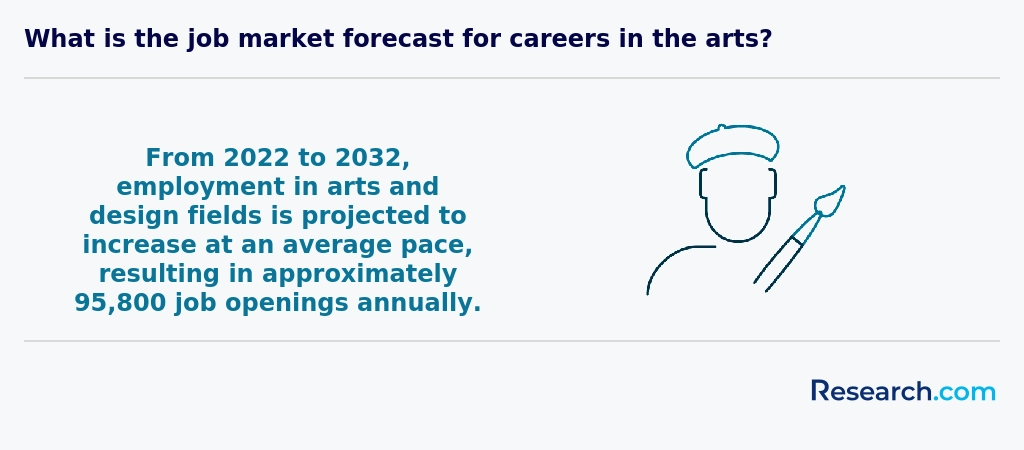
Moreover, the U.S. Bureau of Labor Statistics reports a positive job outlook for fine artists and related occupations, with about 4% growth projected through 2032. This highlights how formal education, including online fine arts degrees, remains important for staying competitive in the evolving job market.
Studying for a fine arts degree in America often involves a curriculum designed to foster creativity across multiple disciplines. Many U.S. programs emphasize skills in digital media, visual arts, and communication, preparing students for roles that blend art with technology and marketing.
According to the National Endowment for the Arts, over 70% of fine arts graduates engage in interdisciplinary work, combining art with fields like design, education, and digital content creation. Online programs frequently incorporate collaborations with other departments, encouraging students to develop versatile skills.
This interdisciplinary focus enhances employability by equipping students with abilities valued in diverse industries such as advertising, film, and interactive media. The flexibility of online learning also allows students to tailor their studies to emerging cross-field trends.
When choosing between a thesis and a non-thesis fine arts degree program in America, consider your career goals and learning preferences. Thesis programs require a substantial research or creative project, which suits students aiming for academic or professional art careers requiring deep expertise. The non-thesis option typically focuses more on practical skills and coursework, ideal for those seeking immediate industry experience.
According to the National Center for Education Statistics, about 40% of fine arts master's graduates in the U.S. opt for thesis tracks, reflecting the balance between research and practice. Programs may also differ in time commitment, with thesis paths sometimes taking longer due to project work. Assessing your strengths and long-term plans can guide you to the best fit.
Students in America interested in studying fine arts abroad have several options despite pursuing online degrees domestically. Many U.S. institutions offer partnerships with foreign universities, allowing students to complete parts of their curriculum overseas. According to the National Center for Education Statistics, around 15% of American fine arts students participate in study abroad programs during their undergraduate or graduate years. These programs often include virtual exchanges or short-term residencies, which blend well with online learning. Additionally, certain accredited online fine arts degrees provide foreign language and cultural components, enhancing international artistic perspectives.
Students pursuing online fine arts degrees in America often seek part-time jobs that build relevant skills while supporting their education. Common opportunities include working as art assistants in galleries or museums, where students gain experience in curation and exhibit setup. According to the U.S. Bureau of Labor Statistics, positions like graphic design assistants or freelance illustrators are growing fields related to fine arts, with expected 4% growth from 2022 to 2032.
Other options include teaching art classes or tutoring, which can improve both artistic technique and communication skills. Many universities offer on-campus or remote roles as teaching aides or research assistants in the arts departments. These jobs provide valuable practical experience and networking opportunities crucial for career development in fine arts.
Online fine arts students in America have access to various networking opportunities despite the virtual learning environment. Many accredited programs offer virtual art galleries, group critiques, and live seminars where students can interact with peers and faculty. These forums often serve as valuable spaces for collaboration and professional feedback.
Additionally, prominent art organizations such as the College Art Association and the National Art Education Association provide memberships, virtual conferences, and local chapter events. According to the National Endowment for the Arts, over 30% of fine arts professionals engage in these networks for career growth.
Social media platforms and specialized online communities also enable students to connect with industry professionals nationwide.
Alumni networks provide valuable support for students pursuing online fine arts degrees in America by fostering professional connections and career opportunities. Graduates from fine arts programs often rely on these networks to find internships, commissions, and exhibition possibilities that may not be widely advertised.
Many universities maintain active alumni groups that organize virtual events, workshops, and mentorship programs tailored to fine arts graduates. According to the National Endowment for the Arts, strong networking links can increase job placement rates in creative fields by up to 30%.
These connections also facilitate collaboration among artists, opening doors to joint projects and creative growth beyond the classroom environment. Alumni networks thus serve as an essential bridge between academic achievement and professional success in the arts.
Customizing an online fine arts degree program in America starts with selecting electives that align with your career goals. Many universities offer specialized tracks such as digital media, studio arts, or art education. This allows you to focus on skills most relevant to your desired profession.
Additionally, several programs encourage independent study or portfolio development tailored to individual interests. This flexibility helps students build a unique body of work to showcase to potential employers or galleries.
According to the National Center for Education Statistics, over 70% of art students engage in practicums or internships, which online programs may facilitate through partnerships, enhancing real-world experience.
Finally, consulting academic advisors and faculty mentors online can provide personalized guidance to ensure the program fits your aspirations.
Online fine arts students in America often face unique challenges related to the hands-on nature of art education. Unlike traditional programs, remote learning can limit access to studio spaces, specialized equipment, and in-person critiques, which are essential for skill development. According to the National Endowment for the Arts, nearly 40% of art students report difficulties adapting to virtual environments. Additionally, maintaining motivation while working independently proves challenging for many, as artistic growth thrives on community interaction and collaborative feedback. Connectivity issues and varying digital literacy levels also impact students, especially those in rural or underserved areas. These factors combined require proactive planning and support from institutions.
With an online fine arts degree in the United States, graduates can pursue several professional certifications to enhance their careers. Popular certifications include those offered by the National Association of Schools of Art and Design (NASAD), which accredits institutions rather than individuals but sets standards benefiting certified programs.
Artists and educators may also seek certification through the National Art Education Association (NAEA), which offers credentials and resources for teaching art in schools.
Additionally, specialization certificates in digital arts, graphic design, or art therapy are available from organizations like the American Art Therapy Association, supporting diverse professional pathways.
Such certifications can improve job prospects and validate expertise in competitive fields.
To write a winning application for an online fine arts program in America, start with a strong personal statement. Clearly explain your artistic goals and how the program aligns with your career plans. Highlight any relevant experience or awards. According to the National Endowment for the Arts, presentation and portfolio quality are critical, so curate your best, diverse work samples.
Many programs require recommendation letters; choose those familiar with your artistic skills and work ethic. Also, emphasize your ability to succeed in an online learning environment, demonstrating time management and self-discipline. Finally, adhere strictly to application guidelines and deadlines to show professionalism.
Globally, a fine arts career is recognized for its cultural and creative value, yet its economic viability varies widely. In the United States, fine arts professionals benefit from a growing gig economy, with the U.S. Bureau of Labor Statistics projecting a 5% employment growth for artists and related workers from 2021 to 2031.
American fine arts graduates often engage in diverse roles ranging from digital media to traditional studio practices, reflecting global trends in art consumption and production. Internationally, fine arts are increasingly integrated with technology and interdisciplinary approaches, which U.S. online programs emphasize to prepare students for a competitive market.
According to the National Endowment for the Arts, about 2.8 million people in the U.S. were employed in arts-related occupations in 2022, showing the sector's significant presence. Yet, artists worldwide face challenges like funding instability and varied cultural valuation, shaping career strategies differently across regions.
Gaining practical experience while pursuing an online fine arts degree in America is essential for building a strong portfolio and professional skills. Many accredited programs incorporate virtual studio assignments and peer critiques to simulate real-world art environments. Students often engage in internships with galleries, museums, or creative agencies; according to the National Endowment for the Arts, internships boost employment chances by over 20% in the arts sector.
Additionally, participating in community art projects and online exhibitions helps students apply their skills actively. Networking through virtual workshops and art forums also provides critical exposure to industry practices and trends.
Choosing the right concentration within an online fine arts degree program in America starts with understanding your interests and career goals. Popular concentrations include studio art, graphic design, digital media, and art education. The National Endowment for the Arts reports that fields like graphic design show steady job growth, with a projected 3% increase from 2020 to 2030. It's essential to review program curricula to ensure they align with industry standards and your creative focus. Additionally, consider faculty expertise and alumni success, often available through school websites or the National Center for Education Statistics database. This research helps ensure your concentration supports your professional ambitions.
- Essential Strategies for Artists to Master the Art of Networking https://www.artworkarchive.com/blog/essential-strategies-for-artists-to-master-the-art-of-networking
- Create a Niche Market for Your Art in a Sea of Artists https://lorimcnee.com/create-a-niche-market-for-your-art-in-a-sea-of-artists/
- Experiences and Studies - cedfa https://www.cedfa.org/experiences-and-studies
- Internships https://www.mfa.org/working-at-the-mfa/internships
- 404 – Seite nicht gefunden https://www.gostudent.org/en-gb/blog/what-jobs-can-you-get-with-a-fine-arts-degree
- Alumni Network at Moore https://moore.edu/alumni/
- Fine Art Courses & Degrees https://www.open.edu.au/study-online/art-design/fine-art
- What Alumni Say https://www.cityandguildsartschool.ac.uk/ma-fine-art/student-and-alumni-case-studies/
- Challenges in Undergraduate Art Education - Arts Education Partnership https://www.aep-arts.org/challenges-in-undergraduate-art-education/
- Careers in Fine Art https://www.artcenter.edu/academics/undergraduate-degrees/fine-art/careers-in-fine-art.html





