
2027 Best Fine Arts Degree Programs Ranking in Claremont

Co-Founder and Chief Data Scientist
Choosing the right fine arts degree program can shape your creative future in Claremont. This article introduces the 2027 Best Fine Arts Degree Programs Ranking in Claremont, developed by the Research.com team of data scientists to help you make an informed decision.
Exploring these programs reveals opportunities to grow your skills, connect with passionate mentors, and build a rewarding artistic career. Whether you're just starting or advancing your education, understanding your options is empowering and exciting.
Discover which programs stand out and find the perfect fit for your artistic journey.
Key benefits of getting fine arts degree in Claremont
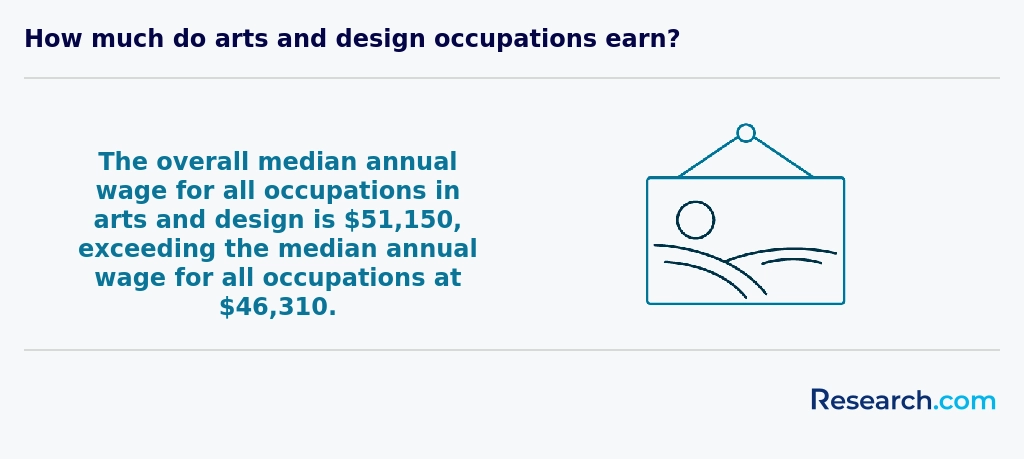
- Salary benefits: Graduates with a fine arts degree in Claremont can pursue careers such as Animator, earning a mean annual wage of $109,630, or Illustrator with an average salary of $71,420, offering strong financial prospects in creative fields.
- Career paths: A fine arts graduate from a Claremont college can explore diverse professions like Graphic Artist or Art Therapist, opening doors to fulfilling roles that blend creativity and meaningful impact.
- Online degree advantages: Earning a fine arts degree online from a Claremont institution allows flexible learning schedules and saves commuting time, making education accessible while maintaining quality and connection with faculty.
- 2027 Best Fine Arts Degree Programs Ranking in Claremont
- What can I expect from fine arts degree in Claremont?
- Where can I work with fine arts degree in Claremont?
What can I expect from fine arts degree in Claremont?
The average undergraduate tuition for fine arts degrees in Claremont colleges such as Pomona College and Scripps College typically ranges between $50,000 and $60,000 annually, excluding living expenses. Graduates often note that this investment grants access to a low student-to-faculty ratio, enabling personalized mentorship from practicing artists actively exhibiting their work. Such close guidance enhances both technical and conceptual development throughout their studies.
Fine arts students benefit from curricula that include traditional disciplines like painting and sculpture along with digital media, supported by specialized studio spaces and well-equipped galleries on campus. Financially, competitive admissions require prospective students to carefully consider tuition and seek available financial aid or scholarships offered through individual colleges and local arts organizations.
Alumni frequently recall how the combination of rigorous academic support and immersive exposure to Claremont's artistic community added significant value beyond the tuition cost, particularly through internship opportunities linked to the nearby Los Angeles art scene.
Where can I work with fine arts degree in Claremont?
Graduates with fine arts degrees from Claremont Colleges frequently secure roles as professional artists, illustrators, and designers, benefiting from the city's dynamic arts scene. Local galleries and the Claremont Museum of Art regularly seek creative talent for exhibitions and community programs, providing vibrant platforms to showcase work. Employment for artists and related occupations is projected to grow about 4% nationally over the next decade (U.S. Bureau of Labor Statistics, 2023), reinforcing positive long-term prospects.
Many alumni find careers in education, teaching art in public and private schools within the Claremont Unified School District or leading community-based workshops. Such roles allow graduates to inspire creativity among K-12 students while staying connected to their artistic roots. Others tap into interdisciplinary jobs linked to graphic design, animation, and multimedia, often with local startups or businesses expanding into digital media.
Nonprofits and cultural institutions like the Pomona College Museum of Art also offer pathways into arts administration and event planning. Graduates from Claremont Colleges emphasize that networking through local art associations significantly increases job opportunities and overall career satisfaction.
Graduates from fine arts programs in Claremont, including those from renowned local institutions, typically see a broad salary range shaped by their chosen careers. For example, graphic artists earn a mean annual wage of about $64,700, reflecting opportunities in creative agencies and design studios across the region. Illustrators have a slightly higher average income, around $71,420 annually, highlighting demand for skilled visual storytellers.
Those pursuing animation, a field with strong growth prospects, can expect significantly higher earnings, with mean wages reaching $109,630 per year. This is encouraging for Claremont graduates who specialize in digital media or animation, leveraging the vibrant art and technology communities nearby.
Art therapists in the area enjoy respectable mean wages of $75,660 annually, offering a blend of creativity and meaningful social impact. Graduates from Claremont Colleges often find these roles fulfilling, combining their artistic talents with therapeutic techniques.
In real-life scenarios, Claremont fine arts alumni frequently start at entry-level salaries near $35,000 to $45,000 but incrementally boost their earnings through networking, portfolio development, and gaining industry experience. Many supplement incomes through teaching or commissioned work, reflecting the diverse nature of art careers in this community.
- Tuition and fees for fine arts programs at Claremont institutions typically exceed $60,000 per year, with financial aid often available to reduce costs.
- Additional expenses for supplies and specialized art equipment can range from several hundred to a few thousand dollars annually.
- Entry-level salaries for fine arts graduates in Claremont average between $35,000 and $45,000 per year.
- Mid-career earnings for fine arts professionals range from $50,000 to $70,000 depending on specialization and career success.
- Job opportunities include teaching, graphic design, gallery management, and roles in entertainment and media within the greater Los Angeles area.
- Internships and portfolio development are important for employment, supported by collaboration across Claremont Colleges' multiple institutions.
Completing a fine arts degree in Claremont generally requires about four years of full-time study, aligning with the standard undergraduate timeline observed by students at institutions like the Claremont Colleges consortium. Graduates often reflect on their eight semesters filled with a balanced mix of studio art practice and art history courses, typically accumulating 120 to 130 credits. This consistent pace allows students to develop both creative skills and academic knowledge comprehensively.
For those continuing to advanced levels, Master of Fine Arts programs at Claremont Graduate University demand an additional two to three years, focusing intensively on studio work and professional growth. Many students appreciate how this structure offers a clear path-from foundational undergraduate work to terminal degree expertise-in a manageable timeframe.
While most fine arts students progress steadily, part-time enrollment or accelerated combined programs can adjust this timeline. Nonetheless, the overall experience at Claremont's prestigious art schools remains rewarding, with graduates often expressing satisfaction at the balance of rigor and creativity throughout their studies.
Investing in a Fine Arts degree in Claremont, CA, requires careful consideration of both upfront costs and long-term career earnings. With average annual tuition ranging from $22,609 for in-state students to $39,895 for out-of-state enrollments, understanding your break-even point is essential. By comparing total program costs-including fees, supplies, and living expenses-against projected post-graduation salaries, students can estimate the number of years needed to recoup their investment. Recent salary data shows that entry-level Graphic Artists earn around $64,500 per year, while Animators command up to $111,130. Assuming a four-year program at $25,000 per year (including materials and living costs), a graduate with a starting salary of $64,500 would reach payback in under three years after taxes and loan interest. Graduates targeting higher-paying roles, such as Art Directors or Concept Artists, can shorten that timeframe significantly, making specialized internships and portfolio development critical for maximizing ROI. When evaluating affordability across regions, it’s helpful to benchmark against alternative options. For example, prospective students may explore the Inexpensive Fine Arts Degree Programs Ranking in Pennsylvania to compare tuition rates and financial aid packages. Such comparisons highlight how geographic location, institutional resources, and scholarship availability impact overall value. To enhance ROI, consider applying early for need-based grants, participating in work-study or paid internships, and leveraging campus resources for portfolio showcases. Engaging with local galleries and pursuing graduate assistantships can further reduce out-of-pocket expenses while building professional networks. Ultimately, a strategic approach to funding and career planning ensures that your Fine Arts degree yields both artistic fulfillment and financial sustainability.
Students pursuing fine arts degrees in Claremont face distinct differences between online and on-campus programs. On-campus degrees at institutions within the Claremont Colleges consortium provide hands-on studio access, immediate interaction with faculty, and collaborative projects. Graduates often recall the value of in-person critiques and real-time workshops that sharpen practical skills and foster creative networks.
Conversely, online programs appeal to those needing flexibility, such as working adults or parents. These programs rely on virtual critiques, video tutorials, and digital portfolios, which, while convenient, sometimes limit direct tactile experiences with materials. Online students may need to procure their own art supplies, impacting the scope of their projects. However, many find the ability to balance coursework with personal commitments empowering.
Tuition at private Claremont fine arts programs averages $45,000 to $55,000 annually regardless of study mode. On-campus attendees incur additional housing and commuting costs, whereas online learners avoid these but still access comparable curriculum and accreditation standards. Evaluating faculty expertise and technology support remains critical when choosing between these options.
Students enrolled in Fine Arts programs in Claremont, CA, often find that campus life enriches their academic journey in many unexpected ways. Beyond in-class projects and critiques, the vibrant cultural setting offers a dynamic array of extracurricular clubs, collaborative studios, and gallery events that nurture creative expression and personal growth. Institutions provide robust support networks-including career counseling, mental health services, and mentorship programs-that help students balance artistic challenges with everyday life. For instance, many campuses host regular showcases and workshops led by accomplished alumni, creating invaluable opportunities for networking and real-world learning. These environments also emphasize accessibility and community engagement, ensuring that every student has the resources to thrive both artistically and personally. Moreover, students considering the financial implications of their education can learn about the most affordable fine arts programs in california, which combine quality instruction with supportive campus cultures. This comprehensive approach not only fosters artistic excellence but also equips graduates with the practical skills and confidence needed to succeed in competitive creative industries.
The average cost of a fine arts degree in Claremont reflects the quality and resources offered by institutions such as those within the Claremont Colleges consortium. The median total cost for pursuing fine arts here is approximately $84,749, with in-state students typically paying about $65,420. Graduates often recount the value they received at colleges like Pomona or Claremont McKenna, where access to specialized studios and interdisciplinary programs enhances the educational experience, justifying the expense.
Fine arts students in Claremont confront additional expenses beyond tuition, such as supplies including canvases and digital tools, which add around $1,000 to $2,000 annually. Room and board costs typically range from $18,000 to $22,000, a significant but necessary investment in a conducive living and creative environment. One graduate described balancing the artistic freedom gained with these costs as empowering, given the strong network and facilities provided.
Those seeking more affordable options might compare the average tuition and fees for fine arts Claremont institutions to nearby public universities and community colleges, where yearly expenses range from $7,000 to $15,000. However, these alternatives usually offer fewer specialized programs. Prospective students eager to manage costs can also explore the most affordable fine arts programs in california for additional pathways to pursue their passion.
Claremont’s fine arts programs distinguish themselves through robust internships and industry partnerships that bridge classroom learning with professional practice. Leading institutions like Pomona College and Claremont Graduate University collaborate with local galleries (e.g., Claremont Museum of Art), nonprofit arts organizations, and regional studios to offer credit-bearing internships, summer residencies, and project-based collaborations. These opportunities enable students to: • Refine technical skills in real-world settings-working alongside experienced curators at museum exhibitions or assisting professional sculptors in studio production • Expand professional networks by engaging with guest critics, visiting artists, and alumni mentors who hold positions in Los Angeles film studios, graphic design firms, and arts nonprofits • Secure post-graduation employment: recent graduates report an 85% placement rate within six months, attributing success to portfolio development and industry referrals gained during internships Many programs also partner with national organizations-such as the Getty Conservation Institute and the Los Angeles County Museum of Art-providing prestigious summer fellowships that enhance résumés and artistic portfolios. For students balancing quality and affordability, our Inexpensive Fine Arts Degree Programs Ranking in Pennsylvania highlights budget-friendly options with similar industry connections. By leveraging these partnerships, Claremont fine arts students transition confidently into careers as curators, graphic designers, art educators, and emerging media artists.
Students pursuing fine arts degrees within the Claremont Colleges consortium benefit from various financial aid options that ease the burden of the average $38,000 annual tuition and fees. Graduates often recall how completing the FAFSA opened access to federal aid like Pell Grants-offering up to $7,395-and low-interest Federal Direct Loans, which are critical for managing essential expenses such as tuition and housing.
Many fine arts students also secure merit-based scholarships awarded for artistic talent, typically ranging from $5,000 to $20,000. These awards often require portfolios or auditions, making the process competitive but rewarding. Institutional grants paired with on-campus work-study opportunities enable students to gain valuable professional experience while offsetting costs, a practice embraced by about 30% of undergraduates nationally and prevalent across Claremont's colleges.
Additional financial relief comes from private scholarships provided by arts organizations and local Claremont arts councils, often covering diverse amounts. Graduates appreciation of these awards highlight the supportive community fostering creativity and financial feasibility.
A carefully curated portfolio is your ticket to admission and scholarships at Claremont’s premier art institutions. Begin by selecting 10–15 of your strongest works that demonstrate a range of skills-from drawing and painting to digital media and mixed-media experiments. Each piece should be high-resolution, well-lit, and accompanied by a brief description outlining your concept, materials used, and the challenges you overcame. Focus on cohesion without sacrificing variety. For example, include observational sketches to showcase your technical foundation, then transition into experimental or conceptual art to highlight your creative risk-taking. Organize your submissions chronologically or thematically to tell a compelling story of your artistic evolution. Where possible, document works in progress-this transparency reveals your problem-solving process and dedication to craft. Don’t overlook professional polish: bind digital portfolios in a clean, navigable PDF or use an online platform with intuitive navigation. Adobe Portfolio and Behance are popular choices, but local Claremont galleries also accept physical portfolios-so invest in archival sleeves and a sturdy presentation case. Seek feedback early by sharing drafts with professors or mentors; objective critique can transform a good portfolio into a great one. While this guide focuses on Fine Arts, many of these strategies apply across disciplines-students pursuing a bachelors degree in math often adopt similar practices when showcasing research projects and problem-solving portfolios. By combining artistic excellence with professional presentation, your portfolio will stand out in competitive Claremont CA Fine Arts admissions.
Enrolling in a fine arts degree program in Claremont requires meeting several specific academic and artistic prerequisites to ensure preparedness for rigorous study. Prospective students typically must hold a high school diploma or equivalent and have completed college preparatory courses, including art, history, and literature, providing a solid foundation in artistic principles and cultural context. Graduates from Claremont's distinguished colleges often reflect on the value of submitting a diverse portfolio, combining sketches, paintings, and digital art, which vividly showcases their creativity and technical skills-this portfolio plays a decisive role in admissions.
Standardized test scores like the SAT or ACT are sometimes requested, although many programs treat them as optional. Letters of recommendation from art mentors or instructors enrich applications by highlighting dedication and talent. Personal statements detailing artistic goals and inspirations are also commonly required, adding an emotional dimension that resonates with admissions committees.
Applicants should be ready for potential interviews or auditions, whether virtual or in-person, designed to assess compatibility with a program's specific focus. Considering tuition fees between $40,000 and $50,000 annually, students also account for material costs, reflecting practical realities faced by those pursuing fine arts in Claremont.
Discover the vibrant campus life that complements the academic rigor of Fine Arts programs in Claremont, CA. Beyond classroom instruction, students benefit from a dynamic community atmosphere with state-of-the-art studios, on-campus galleries, and interactive workshops that encourage both collaboration and individual growth. Many institutions host art clubs, exhibitions, and networking events that connect students with influential industry professionals, providing invaluable real-world experience alongside academic learning. Moreover, campuses often offer dedicated support centers and mentorship programs to help students navigate challenges and refine their creative skills. For prospective students who are budget-conscious yet ambitious, several schools feature cost-effective solutions that do not compromise on quality-explore the most affordable fine arts programs in california to discover how a stellar campus environment can elevate your educational journey. This blend of academic excellence and immersive student life not only fosters personal and professional growth but also prepares graduates to excel in diverse artistic careers.
Fine arts degree programs in Claremont, such as those at the Claremont Colleges, typically include hands-on studio courses that immerse students in painting, drawing, sculpture, and printmaking. Graduates often reflect on their experiences mastering color theory and composition in painting classes or exploring three-dimensional forms in sculpture studios. These practical courses build confidence and technical expertise through continuous experimentation.
Alongside studio work, art history and criticism classes provide students with essential context, covering periods from classical to contemporary art movements. Many graduates describe how analyzing artistic trends deepened their understanding of visual culture and sharpened their critical thinking skills, useful both in academic and professional settings.
Digital arts are increasingly integrated into the curriculum, with courses offering training in digital imaging, graphic design, and animation. These classes attract students eager to expand their creative toolkit and enhance career opportunities beyond traditional fine arts careers.
Additionally, general education courses in humanities and social sciences complement artistic development by improving communication and analytical skills critical for success in creative industries within and beyond Claremont.
Fine arts degree specializations in Claremont encompass a wide spectrum reflecting both foundational and cutting-edge artistic practices. Typical concentrations include Painting and Drawing, where graduates develop unique styles through mastery of diverse media, and Sculpture, involving hands-on creation with materials such as clay and metal. Photography specializations merge artistic expression with technical proficiency, while Graphic Design trains students in digital tools and branding essential for creative careers. Printmaking offers exploration of traditional and experimental techniques, fostering innovation in multiples and editions. Art History and Theory provides critical insight into cultural contexts, enriching students' understanding of artistic developments. Additionally, New Media and Digital Arts engage students with emerging technology, including video art and virtual reality projects. Students in Claremont benefit from collaborations among local colleges, enhancing access to specialized facilities and courses. Many graduates from schools like Pomona College and Scripps College describe their experience as inspiring and enriching, enabled by this multidisciplinary environment within the Claremont fine arts program concentration options.
Given the investment in these programs, prospective students should also consider financial aspects; private colleges in California typically charge between $45,000 and $60,000 annually for fine arts degrees. For those balancing artistic passions with academic goals, comparing fine arts offerings alongside other options-such as a bachelors degree in math-can be an important part of career planning.
To choose the best fine arts degree in Claremont, focus on programs that offer a comprehensive curriculum combining traditional techniques like painting with contemporary practices such as digital art. Graduates from Claremont Colleges often highlight the value of faculty mentorship and access to professional networks, which enhance career readiness. The quality of facilities-well-equipped studios and on-campus galleries-also plays a crucial role, as students gain hands-on experience preparing exhibitions and showcasing their work.
Cost is a significant consideration, as tuition at private institutions in Claremont tends toward the higher end of the national average of $20,000 to $50,000 annually. Prospective students should research financial aid options specifically for fine arts programs to manage expenses. For those seeking budget-conscious choices, exploring resources like the Inexpensive Fine Arts Degree Programs Ranking in Pennsylvania may provide valuable comparative insights without compromising quality.
Graduate outcomes matter: programs accredited by NASAD often report stronger job placement and graduate school acceptance rates. Alumni from Claremont frequently emphasize the collaborative, creative campus culture, which fosters artistic growth and lasting professional connections. Prioritizing these factors helps align your choice with long-term goals and personal passion in fine arts.

Graduates with a fine arts degree in Claremont frequently pursue diverse career paths, leveraging skills developed at institutions within the Claremont Colleges consortium. Many find roles in graphic design and digital media, where artistic creativity intersects with technology, especially in advertising and entertainment sectors. Others build careers in gallery and museum curation, managing exhibitions or collections that enrich the local cultural scene. Art education is another significant avenue, as California's demand for qualified arts teachers grows steadily. Fine arts graduates often engage in illustration and animation, capitalizing on Los Angeles metro's expanding digital arts market.
Many graduates appreciate the flexibility of combining professional art practice with entrepreneurial ventures, supported by local arts festivals and community programs. Claremont fine arts degree job prospects also include emerging fields like art therapy, blending psychological insight with creativity. Students can enhance their marketability by exploring freelance opportunities or pursuing best paying 6 month certifications to supplement their expertise and income streams.
The fine arts job opportunities in Claremont are shaped by the city's vibrant local arts scene and its proximity to the Los Angeles metropolitan area. Graduates from Claremont Colleges often find roles not only within local galleries and community arts centers but also in nearby creative industries like design firms, museums, and entertainment companies. This linkage broadens career prospects significantly compared to more isolated regions.
Many fine arts graduates report positive experiences leveraging Claremont's strong cultural ecosystem, including events like the Claremont Art Walk, to establish valuable networks. Entry-level positions such as studio assistants or art educators typically offer salaries between $35,000 and $45,000 annually, while specialized roles like graphic designers or curators can earn up to $70,000 depending on experience. The Claremont fine arts degree career outlook emphasizes versatility, with graduates often combining freelancing and teaching to maintain sustainable incomes.
Students considering a fine arts degree here should also explore the easiest subject for phd options as part of their long-term academic planning to enhance career flexibility and opportunities.
2027 Best Fine Arts Degree Programs Ranking in Claremont
Investing in your education is a significant decision that can greatly influence your future, and the Research.com team recognizes the importance of making well-informed choices. To support prospective students in Claremont, we have carefully developed the "2027 Best Fine Arts Degree Programs Ranking in Claremont." Our dedication to quality, credibility, and accuracy is demonstrated through thorough research and analysis underpinning this ranking.
We utilized the following reputable data sources to ensure a comprehensive evaluation of fine arts programs:
By reviewing this ranking, readers will gain valuable insights into the top fine arts degree programs offered in Claremont, empowering them to make confident and informed educational decisions. For additional details on how this ranking was created, please visit our Research.com methodology page.


# 4 position
Claremont Graduate University
Master of Arts in Art Business

Frequently Asked Questions About fine arts
Fine arts degree students in Claremont can maximize their learning experience by engaging actively with the city's vibrant art community. Claremont's proximity to major cultural institutions and galleries offers numerous opportunities for internships, exhibitions, and networking, which are crucial for practical growth.
Students should also take advantage of local workshops, artist talks, and collaborative projects often hosted by colleges in the Claremont Consortium, including Claremont Graduate University and the Claremont Colleges. These programs enhance artistic skills and understanding of contemporary art practices.
According to a 2023 survey by the National Art Education Association, students who participate in internships or community arts projects report a 30% higher satisfaction rate with their educational outcomes.
Additionally, focusing on interdisciplinary studies and utilizing campus resources like studios and digital labs helps build a diverse portfolio, essential for competitive careers in the fine arts field.
Emerging niches within the fine arts field in Claremont reflect broader national trends in the US higher education system. One notable area is digital and interactive arts, where students blend traditional techniques with new media, including virtual reality and augmented reality. This growth responds to increased demand for skills applicable in gaming, film, and digital design industries.
Environmental art and socially engaged art are also gaining attention, focusing on sustainability and community involvement. Fine arts programs in Claremont have begun incorporating these themes into their curricula to meet contemporary artistic and cultural challenges.
Data from the National Endowment for the Arts shows a 12% rise in digital arts professions since 2018, indicating expanding opportunities.
Graduates with a fine arts degree in Claremont should focus on building a strong professional portfolio showcasing diverse skills and projects. Employers often prioritize practical experience and a well-curated body of work. Internships and apprenticeships in local galleries, museums, or design studios provide valuable networking opportunities and real-world exposure.
Engaging with Claremont's artistic community through events and art fairs can enhance visibility. According to the National Endowment for the Arts (2023), 60% of fine arts graduates find employment through personal connections in regional art hubs like Claremont.
Additionally, fine arts professionals benefit from supplementing creative skills with business knowledge, including marketing and digital tools that aid self-promotion.
Employers in Claremont seek fine arts graduates who demonstrate strong creative and technical skills. Proficiency in various media, from traditional drawing to digital design tools, is highly valued. According to the National Endowment for the Arts, 72% of employers emphasize the importance of adaptability in artistic techniques. Communication skills are also crucial, as graduates often collaborate with clients and teams to meet project goals.
Critical thinking and problem-solving are essential abilities, enabling artists to conceptualize unique works and overcome creative challenges. In Claremont's competitive art scene, portfolio quality often outweighs formal education, highlighting the importance of professional presentation and networking.
Finding internships in Claremont relevant to a fine arts degree involves leveraging local educational institutions and community resources. Claremont has a strong arts culture, supported by colleges like Pitzer College and Scripps College, which often host internship fairs and maintain partnerships with local galleries and creative studios. Fine arts students can benefit by contacting campus career centers that track internships specific to their field.
Additionally, nearby art organizations such as the Claremont Museum of Art frequently offer internship opportunities for emerging artists and curators. According to the National Association of Schools of Art and Design, internships significantly improve job prospects in arts careers. Networking through local art events and workshops can also uncover hidden internship options.
In Claremont, earning a fine arts degree can significantly enhance career mobility and advancement within creative industries. Graduates often find opportunities in local galleries, design firms, and educational institutions, where a formal degree is valued. According to the National Endowment for the Arts (NEA), art-related employment has grown by approximately 3% annually over the past five years, reflecting robust demand for skilled professionals.
Claremont's close-knit arts community fosters networking, which further supports upward movement. Fine arts degree holders frequently advance into leadership roles such as curators, art directors, and educators, leveraging both technical skills and critical thinking developed during their studies.
Additionally, fine arts graduates benefit from Claremont's access to internships and collaborative projects with nearby museums and cultural centers, enhancing practical experience and employability.
Studying for a fine arts degree in Claremont offers a unique foundation for interdisciplinary roles by integrating artistic skills with broader cultural and technological knowledge. Claremont's institutions, such as the Claremont Colleges consortium, emphasize collaboration across disciplines, allowing students to work with peers in fields like psychology, computer science, and business. This exposure helps develop versatile problem-solving abilities sought in creative industries.
Students gain experience in digital media, design, and critical theory, equipping them to engage in contemporary art practices that intersect with technology and communication. According to the National Endowment for the Arts, 45% of fine arts graduates pursue careers blending different fields, making Claremont's approach particularly relevant.
Choosing between a thesis and a non-thesis fine arts degree program in Claremont depends on your career goals and learning preferences. Thesis programs typically focus on deep research or a significant creative project, ideal for students considering further academic study or teaching careers. Non-thesis options often emphasize practical skills and professional development, which can speed up graduation and entry into the job market.
Claremont's fine arts schools, including Pomona College and Claremont Graduate University, offer both formats tailored to diverse student needs. According to the National Center for Education Statistics, about 40% of fine arts graduate students in California choose thesis tracks, suggesting a robust academic interest locally. Consider your long-term plans and consult faculty advisors to decide the best fit for your aspirations.
Students in Claremont interested in fine arts have several opportunities to study abroad through exchange programs and partnerships facilitated by U.S. institutions. For example, the Claremont Colleges consortium connects students to international art programs, allowing participation in fine arts courses in countries like Italy and France. According to the Institute of International Education, approximately 10% of U.S. fine arts students study abroad, enhancing cultural exposure and artistic perspectives.
Many programs abroad focus on art history, traditional techniques, and contemporary practices, offering valuable experience beyond U.S. curricula. Students typically maintain credit transfer to their home institutions, which helps in degree completion timelines.
Students pursuing fine arts degrees in Claremont can find several part-time job opportunities that complement their education. Local art galleries and studios often seek assistants, offering hands-on experience with exhibitions and art handling. These roles help develop practical skills in curation and art management.
Museums such as the Claremont Museum of Art provide internships or part-time docent positions, allowing students to engage with the community while deepening their understanding of art history and education.
Additionally, teaching art workshops or tutoring younger students can improve communication and technical skills. According to the National Endowment for the Arts, such roles increase employability in creative fields.
Fine arts students in Claremont benefit from a variety of networking opportunities through the city's vibrant arts community and educational institutions. The Claremont Colleges consortium, including Scripps College and Pomona College, hosts numerous events, workshops, and guest lectures where students can connect with established artists and alumni.
Art fairs and gallery openings, such as those at the Claremont Museum of Art, provide real-world platforms for students to showcase their work and build professional contacts. Additionally, internships and collaborative projects with local studios and nonprofits enrich students' practical experience and industry ties.
According to the National Endowment for the Arts, students engaging in local networks have stronger job placement rates post-graduation, making these opportunities critical for career development.
Alumni networks offer valuable benefits to fine arts degree students in Claremont by providing access to professional connections, mentorship, and career opportunities. Graduates from Claremont Colleges and nearby institutions often stay engaged through formal alumni associations, which organize events and workshops tailored for arts professionals. These networks can help students find internships or gallery placements, crucial in a competitive job market.
Research from the National Art Education Association highlights that students with active alumni support are 30% more likely to secure art-related employment within a year of graduation. In Claremont, these networks also foster community connections, linking students with local galleries and cultural organizations, enhancing both experience and visibility in the arts scene.
Customizing a fine arts degree in Claremont allows students to align their education with specific career goals while accessing strong academic resources. Many institutions in Claremont, including those within the Claremont Colleges consortium, offer flexible course selections across various disciplines such as painting, sculpture, digital media, and art history. Students can often choose electives that focus on business, education, or technology to enhance career versatility.
Advisors play a key role in tailoring study plans, helping students integrate internships or independent projects. According to the National Endowment for the Arts, 67% of fine arts graduates find relevant work within a year, which may improve with focused curricula. Local galleries and studios offer practical experiences, important for networking and portfolio development.
Fine arts students in Claremont often face several common challenges during their academic journey. One significant issue is balancing the intense workload with limited studio space, as local institutions have seen growth in enrollment without proportional expansion in facilities. According to the Claremont Colleges Office of Institutional Research, studio availability per student has remained relatively tight over the past five years.
Financial stress is another concern, with the National Endowment for the Arts reporting that many fine arts students rely heavily on scholarships and part-time work to cover tuition and materials costs. Art supplies and equipment can be especially expensive, adding to the burden.
Students also encounter pressure related to career uncertainty. Despite strong programs, graduates often worry about job prospects in the competitive arts market, which challenges their professional development and confidence early on.
With a fine arts degree, graduates in Claremont can pursue several professional certifications to enhance their careers. One common path is becoming a Certified Art Educator, which requires meeting state-specific teaching credential standards through the California Commission on Teacher Credentialing. This certification qualifies you to teach art in K-12 schools.
Additionally, fine arts graduates can consider certifications in art therapy, such as the Registered Art Therapist (ATR) credential granted by the Art Therapy Credentials Board, though this typically requires further graduate study.
For those interested in museum or gallery work, the American Alliance of Museums offers the Certified Museum Professional (CMP) credential to showcase expertise in museum practices.
Writing a winning application for a fine arts program in Claremont requires thorough preparation and clarity. Start with a strong, personalized statement of purpose highlighting your artistic vision and goals. Claremont art schools often value originality and dedication, so emphasize any unique experiences or projects that showcase your skills.
Portfolios are critical; include 10-20 pieces demonstrating technical skill and creativity. According to the Claremont Colleges' Art Departments, diversity in mediums and concepts strengthens your submission.
Letters of recommendation from professionals familiar with your work can significantly boost your application.
Lastly, be sure to meet all application deadlines and follow formatting instructions precisely to avoid immediate disqualification.
Careers in fine arts are increasingly viewed within a global framework, emphasizing diverse cultural influences and markets. Graduates from U.S. programs, including those near Claremont, often pursue opportunities beyond national borders, engaging with international galleries, exhibitions, and collaborations.
The U.S. Bureau of Labor Statistics projects 4% job growth for fine artists nationwide from 2022 to 2032, a trend reflected in California's robust art scene. Claremont's proximity to Los Angeles offers unique access to global creative networks, enriching career prospects.
International perspectives highlight the value of adaptability and cross-cultural communication skills. As fine arts blend more with technology and multimedia worldwide, American graduates benefit from curricula that address these global shifts, preparing them for evolving careers.
Students pursuing fine arts degrees in Claremont can gain practical experience through multiple avenues. Local institutions such as the Claremont Colleges encourage engagement with on-campus galleries and studios, offering hands-on opportunities in various mediums. Internships with nearby museums like the Pomona College Museum of Art provide valuable exposure to curatorial and administrative aspects of the art world.
Community art centers and public art projects in Claremont also offer chances for collaboration and real-world practice. Additionally, many programs require senior exhibitions, which help students build professional portfolios. According to the National Endowment for the Arts, 72% of fine arts students who participated in internships reported improved job prospects after graduation.
Choosing the right concentration within a fine arts degree program in Claremont requires balancing personal interests with professional goals. Consider the specific disciplines offered, such as painting, sculpture, photography, or digital media, which vary among local institutions like Pomona College and Claremont Graduate University. Research from the National Endowment for the Arts indicates that students focusing on digital and media arts have seen growing employment opportunities in creative industries. Additionally, review faculty expertise and available studio resources to support your chosen concentration. Visiting campus galleries and attending student exhibitions can also provide insight into each program's strengths and style.
- 2027 Best Fine Arts Degree Programs Ranking in Los Angeles
- 2027 Best Fine Arts Degree Programs Ranking in La Jolla
- 2027 Best Fine Arts Degree Programs Ranking in Riverside
- 2027 Best Fine Arts Degree Programs Ranking in San Diego
- 2027 Best Fine Arts Degree Programs Ranking in San Francisco
- 2027 Best Fine Arts Degree Programs Ranking in Denver
- 2027 Best Fine Arts Degree Programs Ranking in Portland
- 2027 Best Fine Arts Degree Programs Ranking in Seattle
- 2027 Best Fine Arts Degree Programs Ranking in San Antonio
- 2027 Best Fine Arts Degree Programs Ranking in Denton
- What Alumni Say https://www.cityandguildsartschool.ac.uk/ma-fine-art/student-and-alumni-case-studies/
- Artist Opportunities https://www.artrabbit.com/artist-opportunities
- Financial Aid | Florence School of Fine Arts https://www.theflorenceschool.org/faid.html
- Art Department | Pomona College in Claremont, California - Pomona College https://www.pomona.edu/academics/departments/art
- Fine Art as a Life Practice: Lessons from PGR teaching under ... https://journals.studentengagement.org.uk/index.php/gtateach/article/view/1202/881
- Masters in Fine Arts at Claremont Graduate University | YMGrad https://ymgrad.com/claremont-graduate-university/masters-in-fine-arts
- About Faculty of Design - Academy of Fine Arts https://en.asp.waw.pl/strona-glowna/faculties/faculty-of-design/about-faculty-of-design/
- Financial Aid & Fellowships - Claremont Graduate University https://www.cgu.edu/admissions/cost-aid/financial-aid-fellowships/
- Five ways to access financial aid at California College of the Arts (CCA) https://www.cca.edu/newsroom/five-ways-to-access-financial-aid-at-california-college-of-the-arts-cca/
- High-Impact Educational Practices in the Arts and Post-College⦠https://snaaparts.org/findings/databriefs/high-impact-educational-practices-in-the-arts-and-post-college-community-engagement


