2027 Most Valuable Online Bachelor's in Finance Degree Programs Ranking in Missouri

Co-Founder and Chief Data Scientist
Choosing the right finance degree program can shape your future career and open doors to rewarding opportunities. For students in Missouri, navigating the options may feel overwhelming.
This article features the 2027 Most Valuable Online Bachelor's in Finance Degree Programs Ranking in Missouri, developed by the Research.com team of data scientists. It's designed to help you make an informed decision by highlighting the most valuable programs available online.
Exploring these rankings can give you confidence in selecting a finance degree that aligns with your goals and sets you up for success.
Key benefits of getting online finance degree in Missouri
- Finance degree graduates in Missouri can expect strong salaries, with roles like Financial Advisor earning about $150,670 annually and Financial Analysts averaging $112,950.
- Graduates from popular Missouri universities often find diverse career paths, including credit analysis, investment banking, and insurance underwriting, offering exciting opportunities to grow and specialize.
- Online finance degrees offer flexibility and convenience, enabling students from anywhere in Missouri to balance work and study while gaining valuable skills recognized by employers.
- 2027 Most Valuable Online Bachelor's in Finance Degree Programs Ranking in Missouri
- What can I expect from online finance degree in Missouri?
- Where can I work with online finance degree in Missouri?
What can I expect from online finance degree in Missouri?
The average cost of an online finance degree in Missouri tends to dance around the $25,000 to $40,000 range, depending on the institution and program length. For many, this investment feels like unlocking a vault to a treasure trove of financial expertise without uprooting their lives. Graduates from places like the University of Missouri or Missouri State often share stories of balancing jobs and family while comfortably absorbing knowledge in asynchronous classes.
Imagine tuning into a lecture on corporate finance after the kids are asleep, while your coffee cools nearby-a rhythm familiar to many Missouri online finance students. These programs blend affordability with accredited rigor, making degrees accessible but still prestigious enough to turn heads in St. Louis's banking corridors or Kansas City's investment circles.
Some graduates vividly recall using modern financial software tools taught online, feeling a surge of confidence when applying those skills in local internships. The cost might seem significant, yet it's a gateway to careers rooted deeply in Missouri's thriving financial landscape, offering value far beyond tuition figures.
Where can I work with online finance degree in Missouri?
Graduates from Missouri's online finance programs quickly discover their skills are a golden ticket to dynamic careers spread across the state's economic mosaic. Imagine stepping out of the virtual classroom at a popular university like the University of Missouri-St. Louis and into a bustling bank lobby, where you're analyzing investments for UMB Financial or navigating loan portfolios at Commerce Bank. It's finance brought to life in Kansas City's skyscrapers or Springfield's thriving insurance offices.
Some alumni find themselves crunching numbers behind the scenes at Shelter Insurance or juggling risk assessments with Reinsurance Group of America, feeling the pulse of Missouri's growing insurance sector. Others thrive in manufacturing giants like Emerson Electric, transforming budget spreadsheets into strategic blueprints, or supporting financial flows at Mercy Health, ensuring hospitals run smoothly.
For those drawn to public service, imagine crafting fiscal policies or tax strategies for the Missouri Department of Revenue, where your finance degree translates into community impact. Online learners from Missouri colleges are not just numbers people-they're architects of growth, weaving their expertise through every corner of the state's vibrant economy.
With an online finance degree from Missouri's well-regarded programs-think University of Missouri or Saint Louis University-graduates often step into financial analyst roles earning around $112,950 annually, a leap from the local average near $82,000. Imagine a recent grad leveraging coursework in risk assessment to land a spot at a regional bank in Kansas City, where the mean hourly wage hits $54.30, turning complex data into dollars.
Personal financial advisors, another popular path, shine even brighter with mean yearly earnings of $150,670, often sweetened by commissions. A Saint Louis-based graduate shared how mastering investment strategies online helped them translate theory into real-world client success, fostering both confidence and income.
Credit analysts and insurance underwriters round out Missouri's robust finance roles with mean wages of $94,750 and $85,610 respectively, roles perfect for those who thrived on analytical precision during their studies. Missouri's cost of living being lower amplifies this earning power, making these salaries stretch farther in familiar local communities.
- Many Missouri universities offer accredited online finance degrees that meet regional and national education standards.
- Tuition for public universities ranges from $25,000 to $40,000 for a bachelor's degree, while private schools can exceed $50,000.
- Employment in finance within Missouri is expected to grow by about 6% over the next decade.
- Starting salaries for graduates typically range from $50,000 to $60,000, with experienced professionals earning between $80,000 and $100,000.
- Programs focus on practical skills like financial analysis, portfolio management, and risk assessment, with career services supporting job placement.
If you're eyeing an online finance degree in Missouri, expect the journey to typically span about four years of full-time dedication-mirroring the steady pace of traditional on-campus paths. Graduates from well-known schools like the University of Missouri often share how juggling their studies alongside life's daily demands stretched their timeline beyond that, sometimes up to six years. Yet, there's a spark of hope for the determined: accelerated paths let ambitious students finish in as little as three years.
Imagine a graduate who entered Stephens College armed with an associate degree from a Missouri community college. Thanks to generous credit transfers, their bachelor's took just two years, turning a daunting marathon into a manageable sprint. Flexible online semesters, including summer courses, become game changers, letting students stitch their studies seamlessly around family, work, or even small side hustles.
By tailoring enrollment intensity and tapping into credit recognition, Missouri students craft personalized timelines filled with optimism that balance ambition and real-life rhythms.
The choice between online and on-campus finance degrees in Missouri feels like choosing between two unique journeys through the financial world. Imagine a graduate from the University of Missouri tuning in to lectures late at night in a cozy home nook, savoring the freedom to juggle a part-time job or family duties while conquering financial models online. The asynchronous pace is a blessing for those who crave control over their schedules.
Meanwhile, graduates from Missouri State University recall vibrant campus days, brainstorming with peers in bustling study halls or networking at live events, their energy fueled by face-to-face connections and instant feedback from professors.
For many, online programs spark joy in flexibility and cost savings-no commute, no housing fees-while still maintaining Missouri's academic rigor. On-campus students thrive on campus resources, hands-on internships, and the visceral buzz of real-time collaboration, making the abstract world of finance feel immediate and tactile. Both paths pulse with possibility, shaped by how you want to engage with your education and life.
Understanding the return on investment (ROI) of an online finance degree in Missouri is essential for making an informed choice. On average, total program costs range from $38,496 for in-state students to $54,183 for out-of-state attendees, with most bachelor’s programs amounting to roughly $38,000–$45,000 in tuition and fees. Graduates report mean starting salaries between $65,000 and $75,000, depending on role and location, which translates to a payback period of approximately 1–2 years when factoring in living expenses and federal loan interest rates. Key ROI considerations:
- Average Salary vs. Tuition: With mean annual wages of $95,570 for financial analysts and $137,740 for financial advisors, many graduates see their investment fully recouped within 24 months.
- In-State vs. Out-of-State Costs: Leveraging lower in-state tuition can reduce payback time by up to six months. Residents also access state grants to further boost ROI.
- Financial Aid Impact: Scholarships, Pell Grants, and work-study opportunities can shave thousands off your net cost, improving overall ROI.
- Career Advancement: Earning certifications such as CFA or CFP can raise salaries by 10–20%, shortening the break-even horizon. For graduates considering advanced study, exploring what is the best career to pursue with an economics masters degree can further enhance long-term earning potential and solidify career growth.
The median total cost of earning an online finance degree in Missouri hovers around $45,000, creating a clear picture for those mapping out their educational budgets. Imagine a student at a popular Missouri public university, balancing part-time work while attending online courses; their tuition feels manageable, especially when weighed against the flexibility to avoid commuting or on-campus housing costs. These savings add up, softening the financial load and letting students focus on mastering concepts like investment analysis and financial modeling.
Graduates from Missouri's online finance programs often share stories of how the reasonable pricing combined with quality instruction gave them confidence to launch careers without drowning in debt. For many, the total expenses for online finance bachelor's Missouri residents face include technology fees and course materials, adding a few hundred dollars extra-but these are small prices for gaining a degree that opens doors.
Apart from tuition, envision how students at community-favorite colleges utilize financial aid or scholarships, softening the sticker shock of private school tuition that usually ranges between $25,000 and $30,000 annually. It's this mix of pragmatic costs and academic support that makes Missouri a viable setting for ambitious finance students.
For those wondering about pathways after completing their degree, exploring what is the best career to pursue with an economics masters degree can illuminate future prospects, tying financial knowledge to promising job markets nationwide.
Imagine unlocking your finance degree dreams in Missouri without drowning in debt-many online students at the University of Missouri found this was possible thanks to a treasure trove of financial aid. The mighty FAFSA gates open the federal arena, dishing out Pell Grants that sprinkle up to $7,395 per year for those who qualify, easing the burden like a trusted mentor. Missouri's own Access Missouri Financial Assistance Program steps in as a hometown hero, offering need-based grants that breathe life into budgets for both public and private college attendees.
Picture a graduate from a popular Missouri college who snagged merit scholarships just by rocking their GPA and test scores, turning academic grit into cold, hard cash. Employer tuition reimbursement dazzles working professionals, transforming their bosses into unexpected benefactors who chip away at tuition fees. And for the financial adventurers, private scholarships from foundations and Missouri-focused lists are hidden gems, waiting to be found and claimed.
Securing real-world experience and building professional connections are pivotal components of an online finance degree in Missouri. Many programs partner with regional businesses and financial institutions-such as St. Louis–based brokerage firms or Kansas City credit unions-to offer structured internship placements that let students apply classroom theory to market analysis, risk assessment, and portfolio management. These internships often run for a full semester, provide academic credit, and include mentorship from industry veterans, helping graduates transition smoothly into roles like financial analyst or credit risk manager. Beyond internships, networking initiatives are woven into most curricula. Virtual career fairs and finance club webinars connect students with alumni working at top companies, while guest lectures by CFA Society St. Louis members expose learners to current industry challenges. Yearly events-both online and in-person-enable peer collaboration and introduce prospective employers to standout projects from capstone courses. Many programs also offer dedicated career services portals, where students can schedule mock interviews, refine LinkedIn profiles, and access exclusive job boards. To broaden perspectives and compare program strengths, students may want to explore out-of-state affordability and partnership models. For example, our Affordable Finance Degree Programs Ranking in Idaho highlights cost-effective options that also emphasize employer engagement and robust internship pipelines. By leveraging these opportunities, Missouri learners can cultivate the networks and hands-on skills that significantly enhance employability and long-term career growth.
Cracking the code to enroll in an online finance degree in Missouri begins with a high school diploma or its equivalent-think GED-laying the groundwork just like many graduates from the University of Missouri recall. They remember juggling algebra and statistics, the backbone skills that professors demand for diving into financial markets and theories.
Imagine a recent graduate from Missouri State University who breezed through admissions by submitting transcripts that showed strong math and economics coursework. Some programs might even ask for SAT or ACT scores, though several Missouri schools have recently loosened this tie, welcoming test-optional policies to ease the path.
What truly sets successful candidates apart is their knack for self-discipline. Online learning isn't just clicking through videos; it's managing your schedule like a CFO runs company books. Schools often want transcripts to confirm prerequisite courses-such as intro to economics-have been conquered.
For transfer students, the game changes slightly. Missouri's Department of Higher Education acts like a trusted guide, offering articulation agreements that help align previous credits with new finance degree demands, creating smoother transitions for many hopeful online learners.

Imagine diving into a virtual classroom at a top Missouri university where you unravel the secrets of financial statements in Financial Accounting, feeling the thrill as you decode numbers that tell the story of a company's health. Graduates often recall how Managerial Finance courses transformed their perspective, equipping them to make decisions like budgeting a real business or assessing investment risks.
In Missouri's online finance programs, courses like Investment Analysis and Risk Management bring markets alive, simulating real-world portfolio decisions that graduates remember as electrifying challenges pushing their strategic thinking. Practical classes in Business Statistics or Data Analytics for Finance teach you to wield numbers like a detective, uncovering patterns that inform smarter financial moves.
It doesn't stop there-programs spice things up with lessons on Financial Ethics and International Finance, helping students navigate the complex, global regulatory maze. Missouri students appreciate how this blend readies them for diverse roles, reflecting the state's growing economy and its expanding financial sectors.
Diving into an online finance degree in Missouri means unlocking a treasure chest of specializations that shape your financial future. Picture a graduate from a top Missouri university navigating the intricate currents of corporate finance, mastering budgets and capital like an orchestra conductor directing a symphony of dollars. Others find their rhythm in financial planning and wealth management, imagining themselves guiding families through retirement and estate decisions with confidence and care. Investment banking and securities attract those with a taste for high-stakes capital markets, transforming theories into real-world portfolio victories. Meanwhile, graduates passionate about unpredictability channel their energy into risk management and insurance, becoming the guardians against financial storms. And let's not forget the pioneers in Financial Technology (FinTech), melding blockchain and digital payments into tomorrow's economy right from Missouri's virtual classrooms. These finance degree concentration options Missouri offer are not just academic tracks-they're personalized career stories waiting to unfurl.
Missouri's online finance degree specializations Missouri cater to diverse ambitions, and public universities keep costs competitive. If you're curious about affordability beyond these specializations, check out the Affordable Finance Degree Programs Ranking in Idaho to see how your investment in finance education stacks up regionally.
Picture yourself navigating the vibrant financial corridors of Missouri with an online finance degree that truly clicks with your ambitions. Graduates from top institutions often mention how regional accreditation, especially from the Higher Learning Commission, became their golden ticket-it meant their diploma wasn't just a paperweight but a passport recognized across the state's bustling finance hubs like St. Louis and Kansas City.
Imagine a program where courses reflect Missouri's unique economic flavors-investment strategies tuned to local markets or risk assessments shaped by the Midwest's industries. This alignment helped many students transform abstract numbers into real-world opportunities, making their education feel alive and utterly relevant.
Affordability tips from fellow learners highlight the charm of affordable online finance programs Missouri offers, especially with in-state tuition discounts that ease the financial strain. Plus, flexible schedules and responsive faculty made balancing family and work not just possible, but enjoyable.
For those intrigued by career readiness, linking your studies to thriving regional networks can boost job outcomes. And if you want a head start, don't overlook certificate programs that pay well as stepping stones toward your finance aspirations.
Imagine stepping into Missouri's finance world armed with an online degree, where your career paths unfold like a cityscape stretching from St. Louis skyscrapers to Kansas City's bustling business hubs. Graduates from institutions like the University of Missouri or Missouri State University often dive into roles as financial analysts, decoding investment puzzles that power local companies and startups. Their stories echo the challenge of assessing risks and returns amid Missouri's dynamic markets, truly embodying the essence of online finance careers in Missouri.
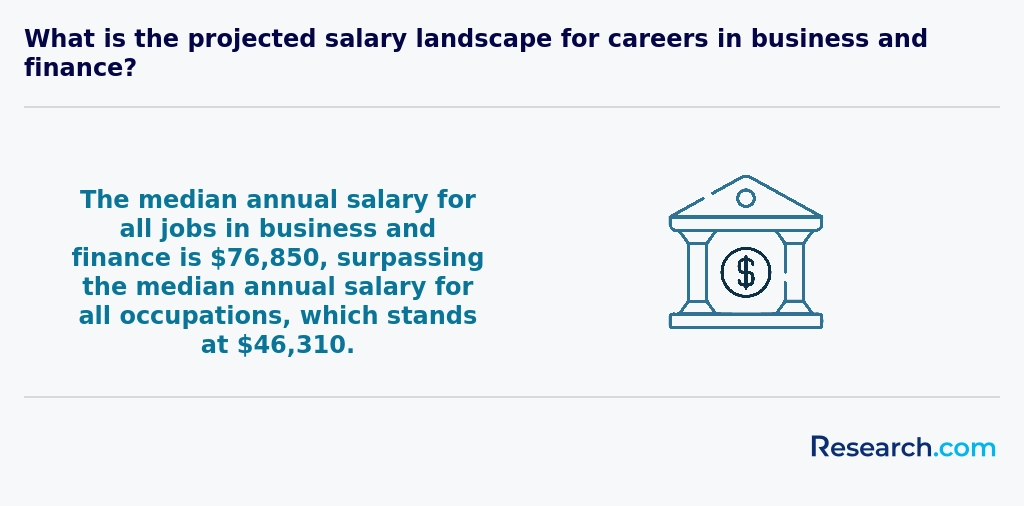
Others thrive as financial managers, commanding corporate strategies that steer manufacturing giants or insurance firms toward flourishing futures. Picture a recent graduate balancing spreadsheets and strategy sessions, exhilarated by a median salary near $128,000-a vivid motivation to complete that next course module. Financial advisors represent a more personal route, shaping lives and futures in healthcare and education sectors that pepper Missouri's landscape. For those seeking to stretch their academic journey, exploring the cheapest phd programs in usa offers an exciting extension beyond the standard finance degree.
The job market for graduates with an online finance degree in Missouri pulses with opportunity. Picture a graduate from a popular Missouri institution landing a role as a financial analyst at a bustling Kansas City bank, where their online education meets the fast-paced demands of real-world finance. With cities like St. Louis and Kansas City acting as vibrant financial hubs, these graduates find themselves in fertile ground, welcomed by banks, investment firms, and insurance companies looking for fresh talent.
Finance career opportunities Missouri online degrees open up span traditional roles-accountants, budget analysts-to emerging fields like fintech and data analysis. Many graduates marvel at the affordability and flexibility of programs that let them study without uprooting their lives, with tuition considerably lower than private colleges nationally. It's no surprise that many choose the least expensive online college options to kickstart their future.
Graduates describe feeling empowered by Missouri's lower cost of living, stretching salaries further than in pricier metros, allowing them to thrive as they build experience and network in the state's diverse economy. The robust demand for finance professionals ensures that stepping stones like internships or entry-level analyst positions quickly lead to fulfilling careers. This landscape is what truly embodies the promise behind the online finance degree job prospects Missouri offers.
2027 Most Valuable Online Bachelor's in Finance Degree Programs Ranking in Missouri
Investing in your education is a significant decision that can shape your future, and the Research.com team understands the importance of making informed choices. To assist prospective students in Missouri, we have meticulously crafted the "2027 Most Valuable Online Bachelor's in Finance Degree Programs Ranking in Missouri." Our commitment to quality, credibility, and accuracy is reflected in the extensive research and analysis conducted to compile this ranking.
We utilized the following reputable data sources to ensure a comprehensive evaluation of finance degree programs:
By exploring this ranking, readers will gain valuable insights into the most valuable online finance bachelor's degree programs in Missouri, enabling them to make confident and informed decisions about their educational investments. For more details about our approach, please visit our Research.com methodology page.


Frequently Asked Questions About finance
Students pursuing online finance degrees in Missouri can enhance their learning by actively participating in virtual discussions and group projects. Engaging with peers and instructors through platforms like Zoom or Canvas helps deepen understanding of complex financial concepts. Missouri's growing financial sector, including hubs like St. Louis and Kansas City, offers opportunities for networking and internships that complement online studies.
Using Missouri-specific economic data from sources such as the Missouri Economic Research and Information Center (MERIC) can help students apply theory to local market conditions. Additionally, regularly consulting the U.S. Bureau of Labor Statistics strengthen practical knowledge about Missouri's finance job outlook, where employment for financial analysts is expected to grow by 8% through 2031.
Emerging niches within the finance field reflect the sector's rapid evolution, particularly in Missouri's growing economic landscape. One significant area is financial technology (fintech), where innovations in blockchain, digital payments, and automated advising have created new career opportunities. Missouri's financial hubs, such as St. Louis and Kansas City, are increasingly hosting fintech startups, supported by local initiatives reported by the Missouri Economic Research and Information Center (MERIC).
Another niche is sustainable finance, focusing on investments that consider environmental, social, and governance (ESG) factors. This area is gaining traction nationally and within Missouri, driven by investor demand for responsible business practices.
Additionally, data analytics in finance is expanding, combining quantitative skills with financial knowledge to improve decision-making. Missouri universities offering online finance degrees increasingly incorporate such skills to meet market needs.
After completing an online finance degree in Missouri, preparing for the job market requires a focused approach. Start by obtaining relevant internships or part-time roles, as Missouri's financial services sector is growing, particularly in Kansas City and St. Louis metropolitan areas, which are major hubs for banking and investment firms.
Networking through Missouri-based finance organizations, such as the CFA Society St. Louis or Missouri Bankers Association, can open doors to job opportunities. Additionally, pursuing certifications like the CFA or CPA enhances credibility and employability within the state's competitive job market.
Stay updated on Missouri's local economic trends via sources like the Missouri Economic Research and Information Center (MERIC), which tracks finance sector growth and job outlook. This knowledge helps align skills with employer needs in the region.
Employers in Missouri highly value graduates of online finance degree programs possessing strong analytical skills. Being able to interpret financial data and market trends is essential in roles like financial analysis and planning. According to the Missouri Economic Research and Information Center (MERIC), the demand for financial analysts in the state is expected to grow by 7% through 2030, highlighting the importance of this skill.
Communication skills are also critical. Professionals must effectively present complex financial information to clients and stakeholders. Additionally, proficiency with financial software and tools, such as Excel and QuickBooks, is frequently requested by Missouri employers.
Understanding risk management and regulatory frameworks is another key skill area, especially with Missouri's growing banking and insurance sectors.
Finding internships in Missouri relevant to a finance degree involves a strategic approach combining university resources, online platforms, and local industry connections. Many Missouri colleges that offer online finance degrees provide dedicated career services, including internship databases and networking events. According to the Missouri Department of Economic Development, the financial services sector in Missouri employs over 80,000 people, indicating a variety of internship opportunities across banks, insurance companies, and investment firms.
Popular platforms like Handshake and LinkedIn host internships specifically targeted to Missouri students. Additionally, organizations such as the Missouri Bankers Association offer internship programs and job fairs tailored to finance students. Students should also consider reaching out directly to local firms in St. Louis and Kansas City, two key finance hubs in Missouri. Building relationships through informational interviews can open doors to hidden internship opportunities.
An online finance degree in Missouri significantly enhances career mobility by equipping students with essential skills like financial analysis, planning, and management. The Missouri Economic Research and Information Center shows a steady 5% growth in finance-related jobs, particularly in urban hubs such as St. Louis and Kansas City.
Employers increasingly value the flexibility and self-discipline demonstrated by online degree holders. Graduates often find roles in banking, corporate finance, and investment sectors with improved chances for promotion.
Moreover, earning an online degree broadens access to professional certifications that support career advancement, such as the CFA or CPA, which Missouri employers widely recognize.
Missouri's competitive salary for finance professionals, averaging around $75,000 annually per U.S. Bureau of Labor Statistics data, reflects strong opportunities for graduates to advance quickly.
Studying for an online finance degree in Missouri equips students with skills applicable across multiple fields, such as economics, business analytics, and information technology. Missouri universities often include courses in financial modeling, risk management, and data analysis, which are crucial for interdisciplinary roles.
The state's diverse economy, featuring industries like manufacturing, agriculture, and healthcare, allows finance graduates to apply their expertise in varied sectors. According to the Missouri Economic Research and Information Center, finance professionals are in demand to support strategic decision-making across these industries.
Additionally, Missouri's finance programs emphasize collaboration and communication, helping students work effectively with professionals from different backgrounds. This approach prepares graduates for roles that require blending financial knowledge with technology and management skills.
When choosing between a thesis and a non-thesis finance degree program in Missouri, consider your career goals and learning preferences. Thesis programs emphasize research, requiring students to complete an original study, which can benefit those aiming for graduate school or research-focused roles.
Non-thesis options focus on practical skills with more coursework, suited for students targeting immediate employment in finance sectors like banking or corporate finance. Missouri's economy, with strong financial hubs such as St. Louis and Kansas City, values applied skills that align with non-thesis programs.
Data from the Missouri Department of Higher Education shows growing demand in finance careers emphasizing analytical and practical experience, suggesting a non-thesis path might suit many students.
Students in Missouri seeking to study finance abroad have several options facilitated by American universities and international partnerships. Many Missouri-based institutions offer online finance degrees with study abroad components or exchange programs in countries known for financial markets, such as the UK, Singapore, or Germany. According to the Institute of International Education's 2022 Open Doors Report, finance remains among the popular fields for US students studying overseas. Additionally, some programs provide virtual international internships, allowing Missouri students to gain global finance experience remotely. These opportunities enable learners to access diverse financial concepts and global markets while maintaining Missouri residency.
Part-time job opportunities in Missouri that complement online finance degree education often focus on roles that develop analytical and financial skills. Positions such as bank teller, accounting assistant, and financial customer service representative are common. These jobs provide practical experience with monetary transactions and client interactions, valuable for finance students.
Missouri's financial sector employs about 132,000 people, according to the U.S. Bureau of Labor Statistics (2023). Working part-time in local banks or credit unions can expose students to financial regulations and software frequently used in the industry.
Additionally, internships with insurance agencies and real estate firms offer insights into investment and risk management, which are key finance concepts. These opportunities help finance students apply academic knowledge in real-world settings.
Online finance students in Missouri benefit from multiple networking opportunities that enhance their academic and professional growth. Many institutions offer virtual career fairs and webinars where students connect with industry leaders and alumni. Additionally, Missouri hosts chapters of national finance organizations such as the Financial Management Association International and the CFA Institute, which provide online networking events and mentorship programs.
The state's proximity to major financial hubs like St. Louis and Kansas City also allows students to engage remotely with local finance professionals via LinkedIn groups and virtual meetups. According to the Missouri Economic Research and Information Center, finance jobs are expected to grow by 5% through 2028, emphasizing the importance of building strong professional connections.
Alumni networks play a crucial role for online finance degree students in Missouri by providing access to professional connections and career opportunities. Graduates from Missouri institutions often enter finance sectors centered in St. Louis, Kansas City, and Springfield, where local networks offer valuable industry insights and job leads. According to the Missouri Economic Research and Information Center, the finance and insurance sector employs over 120,000 people statewide, emphasizing the importance of strong professional ties.
Networking through alumni groups helps students find mentors, internships, and entry-level jobs, which are key to launching finance careers. Many Missouri universities maintain active online forums and regional events, facilitating collaboration between current students and experienced alumni in finance fields.
Students pursuing an online finance degree in Missouri can tailor their studies by selecting electives that align with their career goals. Many programs offer courses in areas like investment management, financial planning, or corporate finance, allowing personalization based on interests. Some universities also provide opportunities for certificates or specializations related to risk management or data analytics.
Missouri's Department of Higher Education notes that integrating internships or practical projects through partnerships with local financial firms can enhance real-world experience. Customization options help students prepare for in-demand roles, with the Bureau of Labor Statistics projecting a 5% growth in finance-related positions statewide through 2030.
Online finance students in Missouri commonly face challenges related to balancing coursework with personal and professional responsibilities. Many pursue degrees while working full-time, which can strain time management skills. Additionally, staying motivated without the structure of on-campus classes is difficult for some students.
Technical issues also arise, especially in rural parts of Missouri where internet access can be unreliable, impacting participation in live lectures and timely submission of assignments. According to the Federal Communications Commission, nearly 15% of Missouri households lack broadband access.
Furthermore, finding affordable, high-quality programs that are regionally accredited is important, given the rising cost of higher education in the state. Employers in Missouri's growing finance sector value practical experience, which can be hard to gain remotely.
With an online finance degree in Missouri, you can pursue various professional certifications to enhance your career prospects. Popular certifications include the Certified Financial Planner (CFP), which is highly valued for personal financial advising roles. Another key certification is the Chartered Financial Analyst (CFA), ideal for those interested in investment analysis and portfolio management.
Additionally, the Certified Management Accountant (CMA) credential focuses on financial management skills, useful in corporate finance settings. Missouri professionals often pursue these certifications to meet local industry standards and improve earning potential. According to the Missouri Economic Research and Information Center, finance-related jobs have grown steadily, increasing demand for certified experts.
Applying to an online finance program in Missouri requires clear focus and preparation. Start by researching Missouri institutions with accredited finance degrees, as regional accreditation is crucial for quality and future job prospects. Highlight your background in math, economics, or business to show readiness for the rigor of finance courses.
Strong application essays should explain your career goals and why Missouri's online format suits your needs. Missouri's finance sector is growing, particularly in Kansas City and St. Louis, making relevant internships or work experience valuable to mention. According to the U.S. Bureau of Labor Statistics, financial analyst jobs in Missouri are projected to grow by 9% through 2030, reinforcing the program's value.
Include recommendation letters from professionals who can speak to your analytical skills and commitment. Finally, ensure your resume and transcripts are up-to-date and clearly demonstrate your qualifications for the program.
Finance careers offer a broad global perspective because the field intersects with international markets, trade, and regulatory environments. For students in Missouri pursuing online finance degrees, understanding global finance trends is crucial as Missouri's economy connects with worldwide industries like agriculture, manufacturing, and banking.
The U.S. Bureau of Labor Statistics projects a 16% growth in financial analyst jobs nationally by 2031, with increasing demand for professionals versed in global economics. Missouri's financial sector benefits from this trend, especially in metropolitan areas like St. Louis and Kansas City, which host major firms engaged in international finance.
Effective finance professionals need knowledge of global markets, currency fluctuations, and cross-border investments. Many Missouri online programs include courses on international finance to prepare students for such roles.
Students pursuing an online finance degree in Missouri can gain practical experience through various opportunities. Many universities encourage virtual internships with local financial firms in St. Louis and Kansas City, where Missouri's finance sector is most concentrated. Organizations like the Missouri Bankers Association often offer internship listings tailored to finance students.
Additionally, participating in finance-related case competitions or joining student investment clubs online helps build real-world skills in analysis and decision-making. Missouri's workforce data shows growing demand for financial analysts, highlighting the importance of practical experience. Some programs also integrate simulation software to mimic market conditions, allowing students to apply concepts virtually.
Choosing the right concentration within an online finance degree program in Missouri involves aligning your career goals with the specialization that fits the state's economic landscape. For instance, concentrations like corporate finance, investment management, or financial planning reflect prominent sectors in Missouri's job market. According to the Missouri Economic Research and Information Center, finance-related occupations are expected to grow by around 7% through 2030.
Consider your interests in areas such as banking, insurance, or real estate finance-industries well-established in Missouri's economy. Research programs that offer relevant coursework and internship opportunities to build practical skills. Additionally, verify if the program prepares you for certifications recognized nationally or within Missouri, such as CFA or CFP, which can enhance employability in the state's competitive finance sector.
See What Experts Have To Say About Studying Finance
Read our interview with Finance experts

Andrew Karolyi
Finance Expert
Dean of the Cornell SC Johnson College of Business
Cornell University

Ekaterina Potemkina
Finance Expert
Assistant Professor of Finance
Indiana University

Jason James Sandvik
Finance Expert
Assistant Professor of Finance
University of Arizona

- Study Finance Abroad: 2026 Global Guide to Courses & Careers https://www.hotcoursesabroad.com/subject/finance/
- International Finance (English) Master Programme (Thesis and Non-Thesis) - GRADUATE SCHOOL OF TRADE AND FINANCE https://ticaret.edu.tr/ticaret-ve-finans-enstitusu/en/ma-in-international-finance/
- Online bachelor's in finance degrees | edX https://www.edx.org/bachelors/online-bachelors-degree-finance
- Online Bachelor's Degree: Finance https://www.umgc.edu/online-degrees/bachelors/finance
- Types of Finance Degrees | Accounting.com https://www.accounting.com/degrees/finance/
- The Rise of Niche Jobs in Africa’s Finance Sector | CA Global https://www.caglobalint.com/post/the-rise-of-niche-jobs-in-africas-finance-sector/
- Finance Internships: Find 255 Finance Intern Jobs https://internshala.com/internships/finance-internship/
- Navigating financial challenges in higher education - Office for Students https://www.officeforstudents.org.uk/publications/navigating-financial-challenges-in-higher-education/
- Are Cover Letters Important? | Morgan Stanley https://www.morganstanley.com/articles/are-cover-letters-important
- Guide to Finance Internships | Higherin https://higherin.com/career-guides/finance/finance-internships