
2027 Most Valuable Finance Degree Programs Ranking in Denver

Co-Founder and Chief Data Scientist
Choosing the right finance degree program is an important step toward a successful career, especially for students in Denver. This article introduces the 2027 Most Valuable Finance Degree Programs Ranking in Denver, created by the expert Research.com team of data scientists.
With clear insights and reliable data, this ranking helps you find programs that offer the best opportunities. Whether you're just starting or looking to advance, understanding your options can make a real difference.
Explore these top programs and take confident steps toward a rewarding future in finance.
Key benefits of getting finance degree in Denver
- Finance degree graduates in Denver can expect strong salary prospects, with roles like Financial Advisor earning a mean annual wage of $150,670 and Financial Analyst positions paying around $112,950 per year.
- Career paths for graduates are diverse, including opportunities in investment banking, credit analysis, and insurance underwriting, offering exciting growth and rewarding challenges in Denver's dynamic market.
- Online finance degrees provide flexible learning options, enabling students to balance work and study while gaining valuable skills recognized by Denver employers, making career advancement both accessible and convenient.
- 2027 Most Valuable Finance Degree Programs Ranking in Denver
- What can I expect from finance degree in Denver?
- Where can I work with finance degree in Denver?
What can I expect from finance degree in Denver?
The average cost of obtaining a finance degree in Denver typically ranges between $10,000 and $15,000 annually at public universities such as the University of Colorado Denver and Metropolitan State University of Denver. Graduates often recall that in-state tuition rates made these programs financially manageable while still delivering rigorous coursework.
Many students find value in leveraging financial aid and scholarships specifically designed for finance majors, which helps reduce the overall burden. Private colleges in Denver usually charge higher fees, reflecting their specialized training and access to exclusive internship placements in the city's vibrant financial sector.
Graduates frequently highlight how the investment in their education translated into real-world opportunities. For example, internships arranged through these universities connected them with local firms in sectors like technology and energy, reinforcing the practicality of their studies and the return on tuition spent.
This financial landscape supports a balanced approach where affordability aligns with robust career-oriented experiences.
Where can I work with finance degree in Denver?
Graduates from finance programs at institutions like the University of Denver and Metropolitan State University find diverse employment paths in Denver's robust economy. Many secure roles in banking and financial services at local banks like FirstBank, working in commercial lending or financial analysis. These positions often offer competitive salaries, with financial analysts in the Denver metro area earning a median annual wage around $93,000 as reported by the BLS in 2023.
Others transition into investment and asset management firms scattered throughout the city, gaining hands-on experience in portfolio management and risk assessment. Graduates describe these roles as challenging yet rewarding, providing direct involvement in shaping local financial markets.
Corporate finance roles abound in sectors such as energy and aerospace, where alumni contribute to budgeting and forecasting efforts. Additionally, some graduates find meaningful careers in public finance with city and state agencies, managing budgets or issuing municipal bonds.
Denver's growing startup scene also attracts finance graduates eager to work in fintech and venture financing, offering dynamic environments that foster innovation and entrepreneurial spirit.
Graduates with a finance degree in Denver can expect competitive earnings, with entry-level financial analysts earning around $55,000 to $70,000 annually, reflecting local market data and BLS figures. Those who studied at institutions such as the University of Denver often report starting close to the national mean annual wage of $112,950 for financial analysts, especially when internships and networking enhance their profiles.
More advanced roles offer even higher pay. Financial advisors in Denver typically earn around $150,670 per year, according to the Bureau of Labor Statistics, making this an attractive path for graduates from colleges like Metropolitan State University of Denver. Similarly, credit analysts and investment banking analysts see average annual wages of approximately $94,750 and $112,950, respectively, signaling strong earning potential early in their careers.
Denver's financial sector growth supports salaries that comfortably match the region's moderate cost of living, making it an optimistic environment for new graduates. Many find that obtaining certifications such as CFA or CFP further accelerates their income, often pushing senior professionals well beyond $150,000 annually, especially when bonuses are included.
- In-state tuition at public universities in Denver ranges from $10,000 to $15,000 per year, while private schools charge between $30,000 and $45,000 annually.
- Additional costs such as fees, books, and living expenses are not included in the tuition prices.
- Entry-level finance graduates in Denver typically earn between $55,000 and $65,000 per year.
- Mid-career salaries for finance professionals in Denver average from $90,000 to $110,000, depending on experience.
- The job market for finance roles in Denver is projected to grow by 7-9% through 2030, especially for financial analysts and advisors.
- Finance programs in Denver offer internships and specialized tracks in corporate finance, investment analysis, and financial planning.
Completing a finance degree in Denver typically takes about four years for full-time bachelor's students, aligning with the standard timeframe seen nationwide. Graduates from well-known institutions like the University of Denver or Metropolitan State University often reflect pride in managing this rigorous yet rewarding schedule, balancing core business and specialized finance courses.
For those juggling work and study, part-time enrollment is common, extending completion to five or six years. Many students appreciate the flexibility this offers, allowing steady progress without sacrificing income. Conversely, some accelerate their studies, finishing in three years through intensive course loads, a path praised by graduates eager to enter Denver's competitive financial sector sooner.
Master's programs in finance or MBA concentrations typically require one to two years. Denver's evening and online options enable professionals to further their education without pausing their careers, a convenience that consistently earns positive feedback from students striving to enhance their credentials in a dynamic job market.
On-campus finance degrees in Denver, such as those offered at Metropolitan State University of Denver, provide students with a hands-on learning environment that includes face-to-face lectures, real-time discussions, and direct networking opportunities. Graduates often highlight the benefit of easy access to local financial institutions for internships and strong connections to citywide job fairs, enhancing their practical experience in Denver's robust investment and banking sectors.
Conversely, online finance programs, popular among working professionals attending schools like the University of Colorado Denver, offer flexible schedules and self-paced learning. These students appreciate balancing career and family while advancing their education through video lectures and interactive assignments. The asynchronous format demands discipline but allows progress without disrupting daily routines or relocating.
Cost differences also play a role; on-campus tuition averages $7,000 to $10,000 annually for in-state students, while some online programs may reduce fees due to lower facility use. However, prestigious institutions often price both formats similarly. Students often praise online courses for integrating digital finance tools that sharpen tech skills critical in today's markets.
Understanding the true value of a finance degree means looking beyond tuition costs and salary figures in isolation-calculating how long it takes to recoup your investment drives smarter decisions. Average Annual Tuition vs. Starting Salary • Associate Degree: ~$3,564 /year tuition; entry-level roles average $55,000 /year → ~1.3 years to break even • Bachelor’s Degree: ~$9,600 /year tuition; starting salaries around $96,220 /year → ~2.1 years to break even • Master’s Degree: ~$11,500 /year tuition; post-grad salaries near $110,000 /year → ~2.5 years to break even Key ROI Considerations • Time to Payback: Bachelor’s programs in Denver offer one of the fastest payback periods among major metros, thanks to strong local demand for finance talent. • Career Track Impact: Specializations like investment banking and risk management typically yield higher initial salaries. Discover what are the highest paying careers for finance majors to optimize your choice. • Internship Value: Hands-on experience during your degree can boost starting offers by up to 10%, shortening ROI timelines further. Maximizing Your ROI 1. Select an accredited program with low net tuition after scholarships and aid. 2. Pursue high-impact internships in Denver’s financial hubs to command top starting salaries. 3. Leverage alumni networks and mentorship programs to accelerate career placement. By integrating cost data with expected earnings and experiential learning opportunities, you’ll choose a finance degree path in Denver that delivers both short-term affordability and long-term financial rewards.
The average cost of a finance degree in Denver can vary significantly depending on the institution and residency status. For in-state students at public universities such as the University of Colorado Denver, the median total cost typically hovers around $10,753. This figure represents tuition and mandatory fees over the full course of a bachelor's program. Out-of-state students, however, face a notably higher median total cost of approximately $48,282, reflecting additional tuition surcharges and living expenses. These numbers provide a more precise view of the total tuition and fees for finance programs Denver compared to national averages.
Graduates from private institutions, including the University of Denver, frequently encounter tuition costs closer to the median out-of-state figure or above, yet many express satisfaction with the quality of education and networking opportunities afforded. Finance students often share positive experiences about balancing these costs against extensive financial aid offerings and scholarships, which can mitigate overall expenses and increase access to valuable resources.
Aside from tuition, other expenses such as books, supplies, housing, and living costs should be factored into budgeting. The reality of managing these combined expenses is a common theme shared by finance students in Denver, who often remark that careful financial planning is essential. Understanding the average cost of finance degree in Denver helps prospective students evaluate their investment and make informed decisions based on realistic expectations.
For those curious about career outcomes in the finance field after graduation, exploring what are the highest paying careers for finance majors can provide further insight into the potential returns on this educational investment.

Denver’s top finance programs don’t just shine through their curricula-they’re supported by world-class faculty whose research drives innovation in the industry. Professors at the University of Denver’s Daniels College of Business and Metropolitan State University of Denver hold PhDs from Ivy League and Big Ten schools, publish regularly in peer-reviewed journals such as the Journal of Finance and Journal of Financial Economics, and serve as consultants to leading firms in Colorado’s booming fintech sector. Undergraduate and graduate students can get hands-on experience by joining research teams focused on areas like behavioral finance, sustainable investing, and quantitative risk modeling. These opportunities often culminate in conference presentations at events like the Western Finance Association Annual Meeting or co‐authorship on papers exploring emerging topics-an excellent way to build both your résumé and professional network. If you’re seeking programs that pair rigorous academic mentorship with affordability, consider exploring our Affordable Finance Degree Programs Ranking in San Antonio, TX for additional insight on faculty-driven research initiatives at competitive tuition rates.
Finance students in Denver benefit from multiple financial aid sources tailored to their needs. Federal aid, accessed via FAFSA, includes Pell Grants offering up to $7,395 annually for those with significant need, and subsidized loans with favorable interest rates for half-time enrollment or more. For in-state students, public university tuition typically ranges from $10,000 to $12,000 per year, making these grants crucial.
State programs such as Colorado's Opportunity Scholarship Initiative (COSI) provide additional need-based scholarships, awarding several thousand dollars annually to residents enrolled in finance programs. Graduates from the University of Denver and Metropolitan State University of Denver frequently report relying on merit-based scholarships from their schools, often reducing costs by at least 25% through academic achievement or financial need recognition.
Working students often find employer tuition reimbursement valuable, particularly in Denver's competitive finance job market. Private scholarships from local organizations like the Financial Women of Denver add another aid layer, helping students face tuition challenges more confidently and pursue their degrees with less financial stress.
To enroll in a finance degree program in Denver, applicants generally need a high school diploma or GED recognized by colleges such as Metropolitan State University of Denver or University of Colorado Denver. Foundational math courses like algebra and statistics are critical, as finance students often recall these subjects as key building blocks for their success in quantitative finance classes.
Strong academic performance in quantitative areas, demonstrated by GPA or test scores, remains important, although many Denver institutions have adopted test-optional policies after COVID-19. Graduates often mention this flexibility made applying less stressful. Personal statements and letters of recommendation may also be required to highlight motivation and professional aspirations.
Transfer students must submit official transcripts and sometimes complete prerequisite college courses like introductory finance or economics. Understanding these requirements helps prospective students better prepare, ensuring they meet expectations at respected Denver schools known for their finance curriculum.
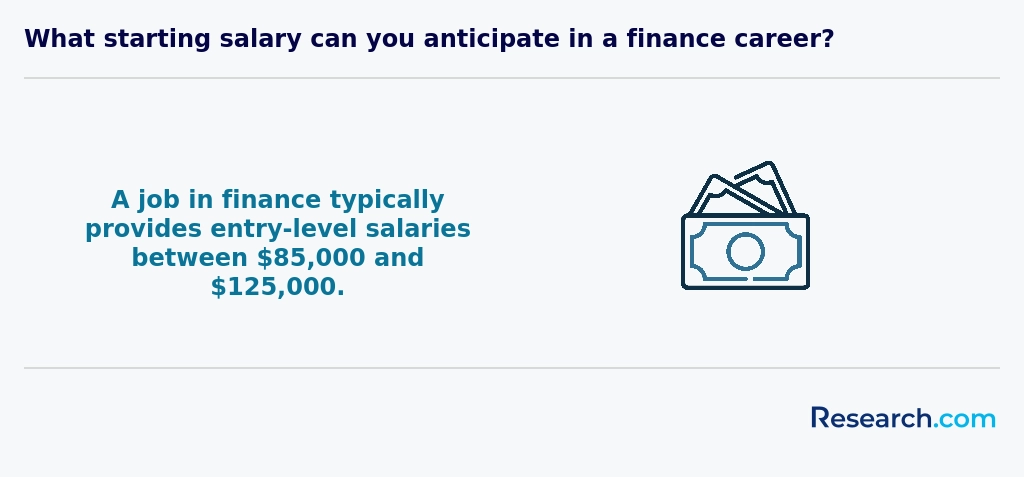
Finance degree programs in Denver typically begin with core courses such as accounting, economics, and statistics, which are essential for developing analytical skills in financial data interpretation. Graduates from local universities often recall how mastering these fundamentals helped them confidently analyze real-world market trends during internships at Denver-based firms.
As students progress, specialized courses become central, including financial management, corporate finance, and investment analysis. These courses often involve case studies relevant to Denver's growing finance sector, allowing students to apply budgeting, capital structuring, and securities evaluation in familiar economic contexts.
Additional classes like financial markets and institutions provide insights into regulatory environments and banking systems that students directly observe through local industry partnerships. Electives such as risk management and personal finance offer practical skills, with graduates often highlighting how these have improved their individual retirement planning and informed real-life insurance decisions.
Quantitative methods and business law courses round out the curriculum, equipping students to navigate analytic challenges and compliance issues crucial to Denver's dynamic energy finance and investment sectors.
Finance degrees in Denver commonly offer several specialized tracks tailored to the city's economic landscape. Among the most prevalent are Corporate Finance, which prepares graduates to manage capital structures and financial planning in local companies, and Investment Management, focusing on securities analysis and portfolio strategies, suited to Denver's growing wealth advising and brokerage sectors. Graduates from popular Denver colleges often describe these concentrations as directly relevant to their career success within the Mountain West financial industry.
Additional specializations include Financial Planning, emphasizing retirement and tax strategies-critical in a region with a higher median household income-and Risk Management and Insurance, which addresses risk mitigation for energy and insurance firms prominent in Denver's market. Real Estate Finance and Quantitative Finance are also offered, reflecting Denver's robust property sector and the increasing importance of data analytics in finance respectively. Interest in these tracks aligns closely with local job market demands and university offerings, illustrating the appeal of finance degree specializations in Denver.
Prospective students should explore accessible programs that fit their budget, considering that the average annual tuition for public universities in Colorado falls between $12,000 and $20,000. Further insights into cost-effective options can be found in the Affordable Finance Degree Programs Ranking in San Antonio, TX, helping align academic ambitions with financial realities.
Choosing the best finance degree programs in Denver requires a data-driven approach. Accreditation by bodies like AACSB ensures academic rigor and employer recognition. Graduates from well-known Denver colleges often highlight how programs combining strong theoretical foundations with hands-on internships at local financial firms boosted their confidence and employability. Tuition costs vary significantly: public universities average around $11,000 annually for in-state students, whereas private institutions may exceed $30,000. However, many finance students find that financial aid and scholarships available in the region help offset costs, making affordable finance colleges Denver viable options.
Focus on curriculum relevance by prioritizing schools that emphasize skills such as investment management and risk assessment. Students report that programs integrating industry partnerships enhance learning with real-world applications, enhancing their readiness for Denver's expanding financial sector. When evaluating options, also assess faculty expertise and job placement rates, which are key indicators of program quality. For flexibility, consider whether part-time or online options accommodate your schedule. Exploring good college majors can also guide your selection process.

Graduates with a finance degree in Denver find varied career paths, including corporate finance, investment banking, and financial planning. Local companies frequently seek financial analysts to assess investments and manage budgets, with entry-level salaries around $65,000. Many graduates from universities in Denver appreciate how their education connects directly to these roles in Denver's expanding economy. This practical exposure fosters confidence as alumni enter the workforce.
Investment banking jobs appeal to graduates eager for fast-paced environments involving mergers and capital raising. Despite being competitive, these positions offer substantial rewards and growth, aligning well with the strong Denver finance degree career opportunities in Denver's growing business sector. Similarly, roles in personal finance advising are rising due to Denver's population increase, where advisors help clients with retirement and tax planning, earning median salaries near $90,000.
Some graduates pursue niche roles in Denver's energy sector, managing renewable energy investments under Colorado's unique regulatory landscape. Others find success in government or nonprofit finance roles. Many also enhance their prospects by exploring online certifications that pay well without a degree, supplementing their finance degrees to remain competitive in Denver finance degree job prospects.
The finance degree job outlook Denver graduates face is notably strong due to the city's diversified financial sector and expanding economy. Denver-Aurora-Lakewood employs over 17,000 financial analysts earning a mean wage above $93,000 annually, surpassing the national average. This robust demand is fueled by the city's role as a hub for banking, investment, and corporate finance services. Graduates from popular local universities often find themselves quickly integrated into roles such as financial analysis and portfolio management, benefiting from Denver's growing tech and energy industries that require advanced financial expertise.
Denver finance career opportunities 2027 continue to grow, with fintech startups and regional bank headquarters offering dynamic job openings. Many graduates report positive early career experiences, attributing their success to strong professional networks and internships available in the area. The favorable wage-to-tuition ratio, where starting salaries often exceed $60,000 despite average tuition costs of $8,000 to $12,000, motivates many local students. For those interested in advancing quickly, exploring a quickest masters degree in finance is a popular choice among these graduates aiming to boost their market competitiveness.
2027 Most Valuable Finance Degree Programs Ranking in Denver
Investing in your education is a significant decision that can shape your future, and the Research.com team understands the importance of making informed choices. To assist prospective students in Denver, we have meticulously developed the "2027 Most Valuable Finance Degree Programs Ranking in Denver." Our commitment to quality, credibility, and accuracy is demonstrated through comprehensive research and detailed analysis to provide trustworthy guidance.
We utilized the following reputable data sources to ensure a comprehensive evaluation of finance degree programs:
By exploring this ranking, readers will gain valuable insights into the most valuable finance degree programs in Denver, enabling them to make well-informed decisions about their educational and career paths. For more information on how this ranking was created, please visit our Research.com methodology page.
# 1 position
Colorado State University Global
Master of Finance



Frequently Asked Questions About finance
Finance degree students in Denver can maximize their learning by engaging with the city's strong financial sector. Denver is home to over 400 financial services firms, offering ample internship and networking opportunities that complement classroom theory. Students should seek internships with local banks, investment firms, or fintech startups to gain practical experience.
Leveraging resources at institutions such as the University of Denver and Metropolitan State University of Denver, which have strong finance programs, helps deepen technical skills. Joining finance clubs or attending industry events hosted by the Denver Metro Chamber of Commerce can build valuable connections.
Additionally, students should stay updated on local economic trends through publications like the Denver Business Journal to understand market nuances relevant to the region.
The finance field is rapidly evolving, with several emerging niches gaining prominence. In Denver, areas like fintech, sustainable finance, and data analytics are becoming key growth points. Fintech involves using technology to improve financial services, reflecting Denver's growing tech hub status. Sustainable finance focuses on investments that consider environmental, social, and governance (ESG) factors, responding to increased demand for responsible business practices.
Data analytics skills are also in high demand as financial institutions seek to leverage big data for better decision-making. According to the Denver Office of Economic Development, jobs requiring advanced finance and tech skills are expected to grow by over 12% through 2028.
Preparing for the job market after completing a finance degree in Denver involves several key steps. Graduates should focus on gaining practical experience through internships with local financial firms or corporate finance departments. According to the Denver Metro Chamber of Commerce, internships increase employability by over 30% in the region's competitive finance sector.
Networking is also crucial. Joining Denver-based finance and business organizations, such as the Colorado Finance Association, can provide valuable connections. Additionally, obtaining certifications like the CFA (Chartered Financial Analyst) can enhance a graduate's profile.
Denver's finance industry is growing, with a 12% increase in financial jobs projected by the U.S. Bureau of Labor Statistics through 2030. Graduates should stay updated on local economic trends and leverage university career services to fine-tune resumes and interview skills.
Employers in Denver highly value finance graduates who demonstrate strong analytical and quantitative skills. According to the Colorado Department of Labor, proficiency in data analysis and financial modeling ranks among the top competencies sought after by employers. This reflects Denver's growing financial services sector, where 15% annual job growth in finance roles was reported in 2023.
Additionally, communication skills are critical. Employers expect graduates to effectively explain complex financial concepts to clients and stakeholders. Ethics and regulatory knowledge also play important roles, as Denver hosts multiple firms focused on compliance within evolving financial regulations.
Technical aptitude with software tools such as Excel, SQL, and Python is increasingly important, with many job postings citing these as basic requirements. Finally, problem-solving and adaptability are essential due to the dynamic nature of financial markets in the Denver metro area.
Finding internships relevant to a finance degree in Denver involves several strategic steps. Start by exploring internship programs offered by local financial institutions, including Charles Schwab and Janus Henderson, which have significant presences in the city. Utilizing university career centers, such as those at the University of Colorado Denver, can connect students with exclusive internship listings and networking events.
Online platforms like Handshake and LinkedIn are also valuable for discovering finance internships within Denver's growing financial sector, which employs over 25,000 professionals according to the Denver Metro Chamber of Commerce. Additionally, attending local finance and business networking events can provide direct contact with hiring managers seeking interns.
A finance degree significantly enhances career mobility and advancement in Denver's competitive job market. According to the Bureau of Labor Statistics, Denver's financial sector employs over 30,000 professionals, with job growth expected to exceed the national average by 8% through 2030. Graduates with finance degrees gain strong analytical skills and industry knowledge crucial for roles in banking, investment, and corporate finance.
Regional employers emphasize credentials like a finance degree when promoting candidates to managerial positions or specialized roles. Additionally, Denver's status as a growing financial hub means degree holders are more likely to access higher salaries, with median wages surpassing $80,000 annually for experienced professionals.
Networking opportunities and internships available through Denver's universities further boost career progress by connecting students with leading companies in the area.
Studying for a finance degree in Denver offers unique interdisciplinary preparation due to the city's diverse economy and growing financial sector. Denver universities integrate courses in economics, data analytics, and technology to equip students with skills beyond traditional finance. For example, the Denver Metro area's FinTech industry, valued at over $1 billion annually, encourages programs to include technology-driven finance solutions.
Students gain practical experience through internships with local banks, investment firms, and startups, fostering collaboration across business, technology, and regulatory fields. According to the U.S. Bureau of Labor Statistics, Denver's financial services employment is projected to grow by 8% from 2022 to 2032, reflecting a demand for versatile professionals.
These factors enable graduates to enter roles requiring knowledge in finance, compliance, and analytics, fulfilling the needs of multidisciplinary teams in finance and related industries.
Choosing between a thesis and a non-thesis finance degree program in Denver depends on your career goals and learning preferences. A thesis option involves conducting original research and writing a detailed paper, which suits students aiming for research roles or doctoral studies. It can enhance critical thinking and analytical skills.
The non-thesis path focuses more on coursework and practical skills, ideal for those seeking immediate employment or professional certifications like the CFA. In Denver, where financial services are growing rapidly-adding over 15,000 jobs since 2019 according to the Colorado Department of Labor-practical skillsets are highly valued.
Consider your time commitment, as thesis programs often require more months to complete. Budget and funding availability at institutions like the University of Denver may also influence your choice.
Students based in Denver interested in studying finance abroad can explore various options through partnerships between local universities and international institutions. For example, the University of Denver offers study abroad programs where finance students can spend a semester at partner schools in Europe or Asia, gaining global financial perspectives.
Many programs provide opportunities to learn international finance, banking regulations, and global markets-skills increasingly valued in Denver's growing financial sector. According to the Denver Metro Chamber of Commerce, the local finance industry saw a 5% employment growth in 2023, emphasizing demand for globally aware graduates.
Additionally, U.S. financial aid often supports eligible students studying abroad, making these experiences more accessible. Students should discuss options with their academic advisors to align study abroad choices with their Denver-based degree plans.
Denver offers several part-time job opportunities that complement finance degree studies, providing practical experience alongside academic learning. Positions such as bank teller, financial clerk, or accounting assistant allow students to apply core financial concepts in real-world settings. According to the U.S. Bureau of Labor Statistics, Denver's financial services sector grew by 4.5% between 2021 and 2023, creating increased demand for entry-level workers.
Internships at local investment firms or credit unions are also common, giving students exposure to portfolio management and client relations. Additionally, roles in retail financial services can develop skills in customer interaction and sales, both crucial in finance careers.
Finance students in Denver benefit from diverse networking opportunities that enhance career prospects. Major universities such as the University of Denver and Metropolitan State University offer finance clubs and events, connecting students with local professionals. The Denver Metro Chamber of Commerce, hosting finance-related seminars and mixers, is another key resource. According to Denver Economic Development & Opportunity, over 50 finance companies have headquarters in the region, which provides ample internship and job shadowing possibilities.
Students can also join organizations like CFA Society Denver, gaining access to workshops and speaker events with industry experts. These platforms foster meaningful connections that support career growth within Denver's finance sector.
Alumni networks offer significant advantages to finance degree students in Denver by providing valuable professional connections. These networks often include graduates working in local banks, investment firms, and corporate finance departments, which can lead to internships and job opportunities.
According to the Denver Metro Chamber of Commerce, 70% of jobs in the local finance sector are filled through networking channels, underscoring the importance of alumni contacts. Students gain access to mentorship and career advice from experienced professionals familiar with the Denver market.
Furthermore, alumni events and online groups create platforms for knowledge sharing, keeping students informed about industry trends and local financial regulations. This connection enhances employability and career growth within Denver's competitive finance environment.
Students pursuing a finance degree in Denver can tailor their education by selecting electives that align with their career goals, such as investment analysis, risk management, or corporate finance. Many universities in Denver offer flexible course options and concentrations, allowing students to specialize in areas like financial planning or real estate finance.
Internships and cooperative education programs with local financial firms provide practical experience and networking opportunities, crucial in Denver's growing finance sector. According to the Denver Metro Chamber of Commerce, the city's finance and insurance industry employs over 50,000 professionals, offering diverse roles for graduates.
Additionally, certifications like CFA or CFP can be integrated into study plans to enhance job prospects.
Finance students in Denver often face challenges related to balancing rigorous coursework with practical experience. According to the Colorado Department of Higher Education, finance programs demand strong analytical skills and mastery of complex financial modeling, which can be stressful for many students.
Another common challenge is the competitive local job market. Denver's growing financial sector attracts many qualified candidates, making internships highly sought after. The Denver Metro Chamber of Commerce reports that while job opportunities are increasing, standing out to employers requires networking and real-world experience.
Additionally, the cost of education and living expenses in Denver can be significant. Students need to manage budgets while investing in specialized software and certifications relevant to finance careers.
With a finance degree in Denver, graduates can pursue several key professional certifications to boost their careers. Popular options include the Chartered Financial Analyst (CFA) designation, recognized globally and valuable for investment management roles. The Certified Financial Planner (CFP) certification suits those interested in personal financial planning and wealth management.
Other credentials like the Certified Public Accountant (CPA) can complement finance knowledge, especially for roles involving accounting and auditing. Denver's growing financial sector, as reported by the Denver Metro Chamber, values these certifications for increased job prospects and higher salaries.
Additionally, the Financial Risk Manager (FRM) certification is ideal for those focusing on risk assessment and management within banking or corporate finance. Each certification requires specific exams and work experience, and combining a degree with these credentials often leads to accelerated career growth in Denver's competitive market.
To write a winning application for a finance program in Denver, start by highlighting your academic achievements in math, economics, or business-related courses. Admissions committees value strong quantitative skills. Include relevant internships or work experience in financial firms, banks, or related industries, as Denver hosts a growing financial sector with major firms like Charles Schwab and Janus Henderson Investors.
Craft a clear, concise personal statement that explains your genuine interest in finance and connects your goals to opportunities available in Denver's market. According to the Colorado Department of Labor, finance jobs in the region are projected to grow by 7% through 2030, signaling strong career potential.
Finally, secure strong recommendation letters from educators or employers who can attest to your analytical skills and commitment. Completing standardized tests such as the SAT or ACT may be necessary depending on the program's requirements.
The global perspective on a finance career highlights increasing demand for professionals skilled in financial analysis, risk management, and international markets. In the United States, including Denver, finance jobs are expected to grow by 6% from 2021 to 2031, according to the U.S. Bureau of Labor Statistics. Denver's growing economy, with strong sectors in banking and investment services, offers promising opportunities for finance graduates.
Internationally, finance professionals must navigate global regulations and market dynamics. Understanding global financial systems is essential today, as companies increasingly operate across borders.
Denver's financial sector benefits from this global integration, making a finance degree here valuable for careers that connect local, national, and international finance markets.
Gaining practical experience while studying for a finance degree in Denver is essential for career readiness. Many universities in Denver offer internship programs that connect students with local financial firms, banks, and corporate finance departments. These internships provide hands-on experience in real-world finance settings, often allowing students to work on investment analysis, financial planning, or risk management projects.
Denver's growing financial sector includes major employers like Charles Schwab and Nasdaq, which regularly offer internship opportunities. According to the Denver Metro Chamber of Commerce, nearly 60% of finance students secure internships before graduating, enhancing their job prospects.
Additionally, students can join finance clubs and case competitions hosted by institutions or community organizations. These activities mimic professional environments and build valuable skills such as financial modeling and decision-making.
Choosing the right concentration within a finance degree program in Denver involves evaluating your career goals and the local job market. Denver's economy, with strong sectors in banking, real estate, and energy, influences which specializations offer the best opportunities. For example, focusing on investment analysis or corporate finance can lead to roles in Denver's expanding financial services industry. According to the U.S. Bureau of Labor Statistics, financial analysts in Colorado earn a median wage above the national average, reflecting demand in metro areas like Denver.
It's also important to consider program flexibility and internships offered by Denver colleges, as hands-on experience is critical. Research concentrations such as risk management, financial planning, or real estate finance to see which match your interests and local trends.
- 2027 Most Valuable Finance Degree Programs Ranking in Manhattan
- 2027 Most Valuable Finance Degree Programs Ranking in Lubbock
- 2027 Most Valuable Finance Degree Programs Ranking in Omaha
- 2027 Most Valuable Finance Degree Programs Ranking in Edmond
- 2027 Most Valuable Finance Degree Programs Ranking in Abilene
- 2027 Most Valuable Finance Degree Programs Ranking in Springfield
- 2027 Most Valuable Finance Degree Programs Ranking in Dallas
- 2027 Most Valuable Finance Degree Programs Ranking in Columbia
- 2027 Most Valuable Finance Degree Programs Ranking in Minneapolis
- 2027 Most Valuable Finance Degree Programs Ranking in Saint Paul
See What Experts Have To Say About Studying Finance
Read our interview with Finance experts

H. Kent Baker
Finance Expert
Professor at Department of Finance and Real Estate
American University

Jason James Sandvik
Finance Expert
Assistant Professor of Finance
University of Arizona

Ekaterina Potemkina
Finance Expert
Assistant Professor of Finance
Indiana University

- Financial Aid | University of Colorado Denver https://www.cudenver.edu/financial-aid
- Online Bachelor's Degree in Finance | CSU Global | Accredited https://csuglobal.edu/academic-programs/undergraduate-degrees/bachelors-degree-finance
- Study Finance Abroad | Go Overseas https://www.gooverseas.com/study-abroad/finance
- FINANCE AND BANKING (THESIS / NON-THESIS) - Lisansüstü Eğitim Enstitüsü https://lee.nisantasi.edu.tr/en/finance-and-banking-thesis-non-thesis-2/
- 2024 Best Business Schools | How Alumni Rate Their Undergraduate Business Degrees https://poetsandquantsforundergrads.com/news/best-business-schools-alumni-rate-undergraduate-business-degrees/5/
- Financial Aid & Scholarships | Community College of Denver https://www.ccd.edu/financial-aid-scholarships
- Master of Science (M.S.) Major in Quantitative Finance and Economics (Non-thesis Option) https://mycatalog.txstate.edu/graduate/mccoy-business-administration/finance-economics/quantitative-finance-economics-nonthesis/
- Top 10 Accounting and Finance Skills Employers Want | Tamarack Recruiting | Tamarack Recruiting https://tamarackrecruiting.com/top-10-accounting-and-finance-skills-employers-want-tamarack-recruiting/
- Top Accounting Skills to Land Finance and Accounting Jobs https://www.kbwfinancial.com/top-skills-for-accounting-and-finance/
- Your Guide to Getting a Job in Finance https://www.mountunion.edu/academics/undergraduate-degrees/finance/your-guide-to-getting-a-job-in-finance


