
2027 Most Valuable Finance Degree Programs Ranking in Abilene

Co-Founder and Chief Data Scientist
Choosing the right finance degree program is an important step for students in Abilene looking to build a successful career. This article introduces the 2027 Most Valuable Finance Degree Programs Ranking in Abilene, created by the Research.com team of data scientists. It is designed to help you make an informed choice by highlighting programs that offer real value.
Reading this ranking will give you a clearer view of your options and boost your confidence in selecting a finance degree. A strong education in finance can open doors to rewarding opportunities and personal growth.
Key benefits of getting finance degree in Abilene
- Finance degree graduates in Abilene can expect rewarding salaries, such as $150,670 annually for Financial Advisors and $112,950 for Financial Analysts, reflecting strong earning potential in the field.
- Graduates from popular Abilene colleges often find diverse career paths, including roles like Credit Analyst or Investment Banking Analyst, offering exciting opportunities to grow and specialize.
- Online finance degrees provide flexible learning schedules and comparable career outcomes, allowing students to balance work and study while accessing quality education from recognized Abilene institutions.
- 2027 Most Valuable Finance Degree Programs Ranking in Abilene
- What can I expect from finance degree in Abilene?
- Where can I work with finance degree in Abilene?
What can I expect from finance degree in Abilene?
When considering the average cost of a finance degree in Abilene, students should expect tuition to range roughly between $18,000 and $25,000 per year at institutions like Abilene Christian University and McMurry University. Graduates often recall budgeting carefully for tuition, books, and fees while taking advantage of financial aid and scholarships to lower their expenses.
Many students find that living locally or sharing housing with peers can significantly reduce overall costs. For example, finance majors frequently balance coursework with part-time internships at local banks or credit unions, gaining both experience and supplemental income.
Because Abilene's programs emphasize practical skills, graduates appreciate the investment, noting that hands-on projects and software training prepare them well for jobs. These opportunities help make the financial commitment worthwhile by boosting confidence and employability in a competitive market.
Students following this path often encourage future applicants to explore all financial resources available through their university's aid office and to plan for a manageable budget that accounts for both tuition and living expenses.
Where can I work with finance degree in Abilene?
Graduates with a finance degree in Abilene often find themselves working in well-established local industries, making the transition from campus to career straightforward and promising. For example, graduates from universities like Abilene Christian University and McMurry University frequently secure roles in banking and financial services, joining regional branches of Bank of America or First Financial Bank where they handle financial analysis, loan underwriting, or portfolio management.
Others move into healthcare finance at major local centers such as Abilene Regional Medical Center, applying their skills to manage budgets and compliance. This path suits graduates who enjoy detailed, analytical work alongside healthcare professionals, providing a stable and impactful career.
Many finance students also take advantage of opportunities in the education sector by working on grants and budgets for school districts or universities, gaining valuable experience in institutional financial planning. For those interested in energy, roles in oil and gas services around Abilene offer practical applications of risk and cost management, tapping into Texas's energy market.
This range of options allows graduates to match their strengths and interests with real-world financial roles right here in Abilene, making their education highly relevant and rewarding.
Graduates with a finance degree from popular schools in Abilene often begin their careers in roles like financial analysts or credit analysts. Locally, entry-level financial analysts can expect salaries between $55,000 and $70,000, though BLS data reports a mean annual wage of about $112,950 nationwide. This means as you gain experience, especially with employers who value certifications such as CFA or CPA, your earning potential grows significantly. For instance, credit analysts in the region typically start closer to the mean annual wage of $94,750.
Those who advance into positions like financial advisors or investment banking analysts see even higher rewards. Financial advisors earn an average of $150,670 per year nationally, a figure that reflects the strong demand for expertise in personal financial advising. Graduates from Abilene institutions have shared that focusing on specialties like corporate finance or risk management has led to more job offers and higher salaries.
Real-life examples from Abilene graduates show that practical experience combined with relevant certifications can bridge the gap between local starting salaries and national averages, creating a promising career path right in the city.
- The average cost for a finance bachelor's degree in Abilene ranges from $20,000 to $30,000 per year, including tuition, fees, and living expenses.
- Finance degree programs in Abilene typically require four years of full-time study and lead to a BBA or BS in Finance.
- Starting salaries for finance graduates in Abilene average between $48,000 and $53,000 annually, with mid-career salaries reaching about $75,000 or more.
- The local finance job market has a moderate growth rate of 3% to 5% annually, with opportunities in banking, insurance, and corporate finance sectors.
- Many programs in Abilene offer internships and preparation for certifications like CFA or CFP to enhance employability.
Completing a finance degree in Abilene typically takes about four years for full-time students at institutions like Abilene Christian University or Hardin-Simmons University. Graduates often share that managing core courses such as investment analysis and corporate finance alongside general education requirements fits well into this timeframe when students stay on track.
For those balancing work or other commitments, part-time attendance can extend completion beyond four years, but choosing a lighter course load allows steady progress without burnout. Some students find value in accelerated programs combining bachelor's and master's degrees, which can be completed in around five years, saving time and increasing career readiness.
Graduate degrees like a master's or MBA with a finance focus usually add one to two years, allowing for deeper specialization in areas like financial modeling or risk management. Practical advice from recent graduates emphasizes scheduling classes carefully and leveraging campus resources to stay motivated and meet deadlines.
Choosing between online and on-campus finance degrees in Abilene depends largely on your lifestyle and learning preferences. Graduates from Abilene Christian University often highlight the benefits of face-to-face interaction with professors and classmates, which helps build local networks and gain direct access to internships in Abilene's business community. Attending classes on campus also means utilizing resources like finance clubs and career services, which enrich the traditional college experience.
On the other hand, graduates who pursued online finance programs from Texas-based universities appreciate the flexibility to balance studies with work or family commitments. They value being able to access recorded lectures and complete assignments on their own schedule, which reduces commuting time and living expenses. While some online students miss out on in-person networking, many still engage in virtual discussions and alumni groups, making it easier to study without uprooting their daily routines.
Financially, on-campus programs at places like McMurry University typically involve tuition plus housing costs, whereas online degrees may offer savings on ancillary fees but comparable tuition rates. Understanding these differences helps you align your choice with your goals in Abilene's educational scene.
Graduation and employment outcomes are critical indicators of a program’s effectiveness, reflecting both student satisfaction and market relevance. In Abilene, TX, finance degree programs demonstrate strong performance in these areas, with most institutions reporting graduation rates above 65% and employment rates within six months of graduation exceeding 80%. These metrics not only underscore the quality of education but also provide prospective students with tangible evidence of return on investment. At Abilene Christian University, the finance program boasts a 72% four-year graduation rate and an 85% job placement rate within six months, thanks in part to robust career services and on-campus recruiting events. Hardin-Simmons University reports a 68% graduation rate and an 82% employment rate, attributing success to its partnership with local financial firms for internships. McMurry University graduates achieve a 70% graduation rate and 83% immediate placement, often entering roles as financial analysts and advisors at leading regional employers. For students exploring related fields, it can be insightful to compare outcomes with other disciplines; for example, those interested in quantitative and policy-oriented careers may review the best economics degrees to understand how economics programs fare in graduation and placement statistics. Such cross-program comparisons help applicants gauge the competitiveness and support services of different departments. Overall, the combination of high graduation and employment rates in Abilene’s finance programs signals a strong alignment between curriculum and industry needs. Prospective students should review these outcome metrics alongside tuition costs and career aspirations to make an informed decision that maximizes both educational value and long-term earning potential.
The average cost of a finance degree in Abilene is around $52,838 for most students, with in-state residents typically paying closer to $38,580. Graduates from local universities like Abilene Christian University and McMurry University often share how budgeting wisely helped them manage these costs without overwhelming debt. Tuition is a major part of the total expenses, but additional costs such as fees, textbooks, housing, and transportation should also be carefully planned for, as they can add another $8,000 to $12,000 annually.
Many finance students choose to live off-campus or commute from home, which can significantly reduce housing costs and thereby lower the total cost for finance degree programs Abilene options. Graduates frequently emphasize the value of exploring all available financial aid opportunities, including scholarships and loans, which are especially beneficial at private universities where tuition can exceed $30,000 per year.
Students looking ahead might also consider graduate programs, which usually range from $15,000 to $35,000 per year depending on enrollment. Those uncertain about the time commitment for higher degrees may want to research the quickest phd programs as an efficient path to advance their careers without unnecessary financial strain.
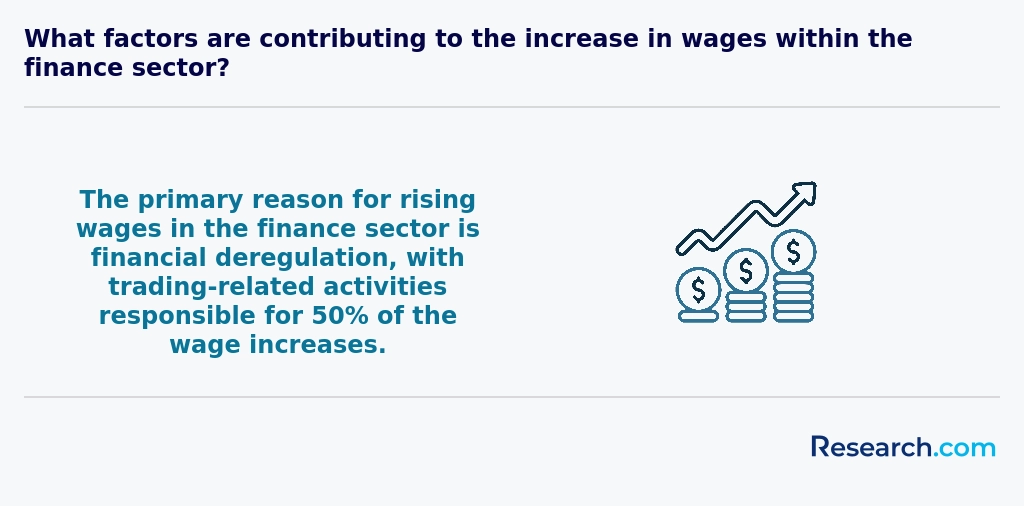
Students pursuing finance degrees in Abilene often begin by completing the FAFSA to access federal aid like Pell Grants, which can cover up to $7,395 per year without repayment. Many finance graduates from Abilene Christian University recall how this support eased their budget, allowing them to focus more on studies than finances.
Local scholarships and grants are also valuable; for example, Hardin-Simmons University offers merit-based scholarships that have helped students cut tuition by up to half. Those awards motivated graduates to maintain strong academics while managing living costs.
State programs such as the Texas Tuition Equalization Grant can reduce expenses for students attending private colleges nearby. The Texas Grant supports financially needy students at public universities, a resource several alumni leveraged to minimize debt.
Working professionals can also explore employer tuition assistance, often available through local financial firms, enabling students to earn their degree part-time without overwhelming expenses. While private loans remain an option, past students advise exhausting federal and state aid first due to better terms and less stress.
Understanding the true return on investment (ROI) of a finance degree is essential for making an informed decision. In Abilene, TX, the average total cost of a four‐year finance degree (tuition, fees, and living expenses) ranges from $40,000 to $100,000, depending on public vs. private institutions. Graduates face varying break‐even timelines based on their starting salaries and debt load. • Average Annual Salary vs. Cost – Financial Advisor: Mean annual wage $137,740 – Break‐even in ~3–4 years – Credit Analyst: Mean annual wage $92,180 – Break‐even in ~2–3 years – Insurance Underwriter: Mean annual wage $82,990 – Break‐even in ~2–3 years • Net ROI Calculation 1. Total program cost (C) 2. First‐year salary (S₁) 3. Annual salary growth (g ~3–5%) 4. NPV of earnings over 10 years minus C Graduates who finance their education with minimal debt often see positive ROI within five years. Those seeking to compare cost‐effective options nationwide can explore the Most Affordable Finance Degree Programs Ranking in North Dakota, which highlights institutions where tuition and living expenses are significantly lower-potentially shortening the break‐even period. By evaluating your projected earnings against program costs, you can prioritize institutions and financial aid packages that maximize long‐term value, ensuring your finance degree accelerates both career growth and financial security.
To enroll in a finance degree program in Abilene, start with a high school diploma or GED, which is mandatory at institutions like Abilene Christian University and Hardin-Simmons University. Graduates recall how submitting official transcripts highlighting strong performance in math and economics helped secure their spots.
Next, prepare your SAT or ACT scores; many programs expect results around 1050 to 1200. However, some universities now accept test-optional applications, welcoming students with robust extracurriculars or work experience in finance-related fields.
For those pursuing graduate studies, such as an MBA focusing on finance, an accredited bachelor's degree with solid transcripts is essential. Test scores from the GRE or GMAT, generally between 300 and 320, can be required, though flexibility exists depending on the school. Professional experience often strengthens applications, a fact graduates frequently appreciate as it reflects their real-world skills.
Finally, expect to provide letters of recommendation, personal statements, and proof of residency. Many students find completing preliminary courses in accounting or statistics before or during their first semesters smooths the transition and builds confidence in managing core finance subjects.
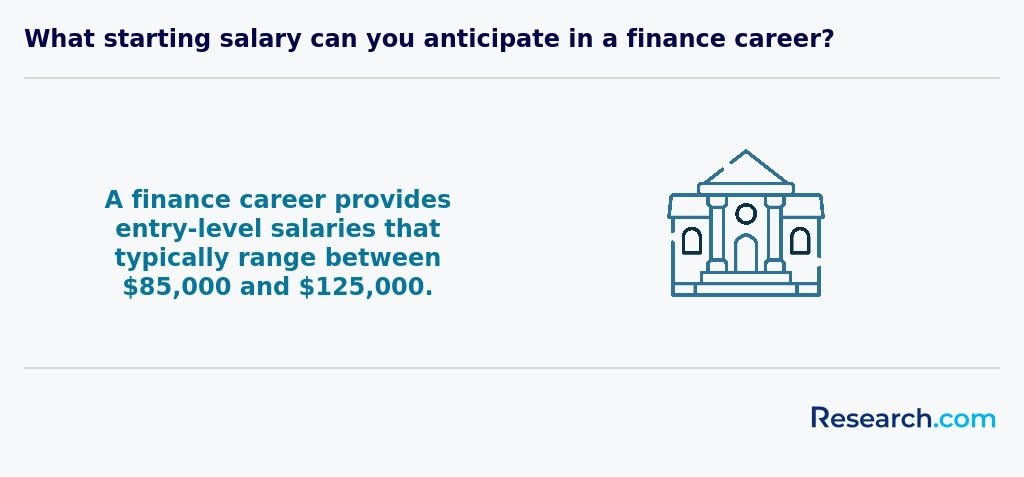
Finance degrees in Abilene typically include courses that build a thorough understanding of core financial principles combined with practical skills. Graduates from popular local colleges often mention how classes like Financial Accounting helped them grasp day-to-day business operations by analyzing real financial statements. Meanwhile, Corporate Finance courses prepare students to make decisions on capital investments and funding, essential for anyone looking to work in business management or banking.
Investment-related courses teach portfolio strategies and securities analysis, which students find useful when working on projects simulating real market scenarios. Popular universities emphasize Financial Markets and Institutions, showing how banks and regulatory agencies influence local and national economies, providing insights relevant for Abilene's diverse sectors.
Quantitative skills gain strong focus through Quantitative Methods for Finance, which many students find eye-opening for practical data analysis and risk assessment. Programs also include Risk Management and Insurance and even Personal Finance, which reflect everyday financial challenges graduates face, especially those interested in advising roles.

When exploring finance degree specializations in Abilene, expect practical options tailored to local industry needs. Graduates from popular colleges often choose Corporate Finance, where they learn budgeting and investment strategies essential for managing business finances. Others prefer Investment Analysis and Portfolio Management, which prepares them to assess risks and returns-skills crucial for roles in Abilene's growing investment firms.
Students focusing on Financial Planning develop expertise in personal finance, retirement, and tax strategies, often leading to careers as trusted financial advisors. Another valuable path is Risk Management and Insurance, where students master techniques to protect assets through insurance and derivatives. Banking and Financial Institutions concentration equips learners for operational roles in local banks and credit unions, meeting the demand for compliance and lending professionals.
Many who pursue a finance degree in Abilene appreciate how these Abilene finance program concentration options connect classroom lessons to real jobs nearby. For those considering further education, an accredited online PhD in accounting can also complement these specializations and expand career opportunities.
Start by verifying accreditation to ensure your degree is respected by employers in Abilene's growing financial sector. Graduates from popular colleges here consistently highlight how programs accredited by AACSB or ACBSP opened doors in local companies.
Next, analyze the curriculum. Look for courses covering financial analysis, investment management, and risk management. Many students value programs offering internships or capstone projects tying real-world experience to coursework, which is vital in Abilene's job market.
Affordability is important; the range for affordable finance degrees Abilene TX offers varies widely. Public universities tend to be less costly, but private schools provide strong networking opportunities. Graduates often recommend researching financial aid early to manage expenses effectively.
Consider flexible scheduling if you work while studying. Part-time and online options at Abilene institutions enable a balanced lifestyle without sacrificing learning quality. Exploring related fields can help too, as seen in students who expanded their options by reviewing accounting schools in Oklahoma.

Finance degree career opportunities in Abilene include roles like financial analysts, personal financial advisors, and corporate finance professionals. Graduates from local institutions such as Abilene Christian University often find that internships available through the university help build connections with regional banks and companies, opening doors to these positions. For example, financial analysts in Abilene evaluate investments and financial data, supporting local economic growth with salaries competitive for the region.
Other careers involve financial planning, where advisors assist clients with retirement and investment strategies-particularly relevant due to the area's aging population. Graduates appreciate that understanding local demand helps tailor their skillset for sustained success. Budget analysts and finance managers working in manufacturing or healthcare also form a vital part of the market, offering various paths toward well-paid roles.
Exploring practical options can be enhanced by reviewing offerings at nearby community colleges or exploring business degree programs New Jersey since those give insight into comparable finance professions. Career-focused graduates experience confidence knowing Abilene's diverse finance sector supports multiple job types suited to their training.

The finance degree job outlook Abilene reveals a steady but manageable demand for graduates, reflecting the city's balanced economy. Graduates from Abilene Christian University and McMurry University report finding entry-level financial analyst roles and positions in corporate finance within local banks and insurance firms. Many emphasize that lining up internships early on with these regional employers significantly boosted their chances of securing a job after graduation.
Employment opportunities for finance graduates Abilene extend beyond traditional roles, with local companies increasingly valuing skills in financial technology and data analysis. One graduate shared that enhancing these skills made a noticeable difference when applying for mid-level financial management positions in manufacturing firms around the city. Networking in Abilene's business community also plays a critical role, as many job openings arise through connections rather than broad job boards.
Residents considering investment in education appreciate the affordability of local public universities, with tuition far below national averages. For those interested in leadership roles in related fields, exploring options such as the best online MBA for nonprofit leaders can be a practical next step to expand career potential in Abilene and beyond.
2027 Most Valuable Finance Degree Programs Ranking in Abilene
Investing in your education is a significant decision that can shape your future, and the Research.com team recognizes the importance of making well-informed choices. To support students seeking the best finance degree programs in Abilene, we have carefully developed the "2027 Most Valuable Finance Degree Programs Ranking in Abilene." Our dedication to quality, credibility, and accuracy is evident through the thorough research and analysis undertaken to produce this ranking.
We utilized the following reputable data sources to ensure a comprehensive evaluation of finance programs:
By consulting this ranking, readers will gain valuable insights that can guide them toward selecting the most beneficial finance degree programs in Abilene. For more information on how this ranking was created, please visit our Research.com methodology page.


Frequently Asked Questions About finance
Finance degree students in Abilene can maximize their learning experience by engaging with local financial institutions and organizations. Abilene hosts several banks and investment firms providing internships that offer practical, hands-on experience. According to the U.S. Bureau of Labor Statistics, internships improve job prospects by up to 20% for finance graduates nationwide, a benefit students in Abilene can capitalize on.
Utilizing resources at institutions like Abilene Christian University or McMurry University, students should participate in finance clubs and networking events. These opportunities enhance learning through peer collaboration and real-world case studies. Additionally, Abilene's growing business sector facilitates access to guest lectures from local finance experts, allowing students to stay updated on market trends specific to West Texas.
Emerging niches within the finance field in Abilene reflect nationwide trends influenced by technology and changing markets. One fast-growing area is financial technology (fintech), focusing on software and innovation to improve financial services. Students pursuing finance degrees here can expect to find coursework or internships related to blockchain, digital payments, and automated investing platforms.
Another significant niche is sustainable finance, which integrates environmental, social, and governance (ESG) criteria into investment decisions. This is becoming important as businesses and investors demand greener financial products.
In addition, data analytics within finance is expanding, combining statistical skills with financial knowledge to guide corporate strategy. Firms in Abilene increasingly seek graduates who can analyze big data to optimize financial performance.
According to the Abilene Chamber of Commerce, fintech-related jobs increased by 15% locally from 2020 to 2023, highlighting the area's growing opportunities. These emerging fields offer promising paths for finance graduates seeking relevance and advancement in the evolving US financial landscape.
After completing a finance degree in Abilene, preparing for the job market involves building both practical skills and professional connections. Many graduates benefit from internships or part-time roles in local financial institutions, such as banks and insurance companies, which are active employers in the Abilene area according to the Texas Workforce Commission.
Networking is essential; attending events hosted by organizations like the Abilene Chamber of Commerce or local chapters of national finance associations can open doors. Additionally, obtaining industry certifications like the CFA or CFP can enhance job prospects and earning potential. Staying updated with regional economic trends and regularly consulting resources like the Bureau of Labor Statistics for salary and job growth data will support effective career planning.
Employers in Abilene highly value finance degree graduates who demonstrate strong analytical and quantitative skills. These abilities are essential for interpreting financial data and supporting sound decision-making in local businesses and financial institutions. Communication skills also top the list, as professionals must clearly explain complex financial information to clients and stakeholders.
Knowledge of financial software and technologies is increasingly important, reflecting the digital trend in Abilene's growing economy. According to the Texas Workforce Commission, demand for finance-related roles in the region has grown by 7% over the past five years, emphasizing the need for adaptability and continuous learning.
Furthermore, ethical judgment and attention to detail remain critical due to regulatory requirements and risk management in finance careers.
Finding internships in Abilene related to a finance degree involves leveraging multiple local resources. Start with nearby universities, such as Hardin-Simmons University, which often have career centers that promote finance internships with local firms. Networking events and job fairs in Abilene provide opportunities to meet professionals from banking, investment, and insurance sectors, important in the city's economy.
Abilene's finance industry is supported by regional banks and financial service companies that occasionally offer internships. Websites like Handshake and local Chamber of Commerce job boards are helpful to monitor current openings. Additionally, contacting employers directly by email or phone can reveal unadvertised internships.
According to the Texas Workforce Commission, finance and insurance jobs in the Abilene metropolitan area have shown steady growth, suggesting increasing internship opportunities for finance students.
A finance degree significantly enhances career mobility and advancement opportunities for professionals in Abilene. Local employers often seek candidates with formal financial education to fill roles in banking, investment, and corporate finance. According to the U.S. Bureau of Labor Statistics, the Dallas-Fort Worth-Arlington metro area, which includes Abilene, is projected to see a 7% growth in financial analyst jobs through 2031. This growth indicates expanding opportunities for degree holders.
Graduates with finance degrees in Abilene typically start in entry-level finance positions and can progress to senior analyst or managerial roles within five to seven years. Networking through local business groups and the Abilene Chamber of Commerce also supports career advancement.
Studying for a finance degree in Abilene equips students with skills that extend beyond traditional finance roles. Local programs emphasize interdisciplinary approaches, integrating courses in economics, data analysis, and business communication. This blend enables graduates to adapt in fields like consulting, risk management, and financial technology.
Many Abilene institutions collaborate with regional industries, providing real-world project experience and internships that foster cross-sector knowledge. According to the Texas Workforce Commission, finance professionals in Abilene benefit from understanding local economic trends, which enhances strategic decision-making skills applicable in multiple sectors.
Such comprehensive training prepares students to navigate complex business environments effectively.
Choosing between a thesis and a non-thesis finance degree program in Abilene depends on your career goals and learning preferences. A thesis option involves conducting original research, ideal for students considering doctoral studies or research-intensive jobs. This path usually requires extra time and commitment but enhances analytical skills.
Alternatively, a non-thesis program focuses on coursework and practical experience, appealing to students aiming for immediate employment in finance roles such as financial analysts or advisors. Data from the National Center for Education Statistics shows that about 60% of finance graduates in Texas prefer non-thesis options for quicker workforce entry.
Local institutions like Abilene Christian University offer both formats, so consider your professional goals and time availability when deciding.
Students in Abilene who wish to study finance abroad have several pathways through U.S. institutions offering study abroad programs. While Abilene itself hosts prominent schools such as Abilene Christian University, these institutions often partner with international universities in Europe, Asia, and Latin America to offer finance-related courses overseas.
Typical programs last from a summer term to a full academic year, giving students exposure to global markets and finance practices. Financial aid and scholarships are often available for study abroad participants, easing potential cost barriers.
According to data from the Institute of International Education, approximately 10% of U.S. students studying business fields participate in study abroad, highlighting a growing trend that Abilene students can tap into. Faculty-led trips and exchange programs remain the most common options, with focus areas including international finance, economics, and global markets.
Students pursuing finance degrees in Abilene have several part-time job opportunities that enhance their educational experience. Roles in local banks, such as financial teller positions at institutions like Simmons Bank or First Financial Bank, provide hands-on exposure to banking operations. Additionally, internships or assistant positions at accounting firms offer practical knowledge in financial analysis and reporting, which are crucial for finance students.
Companies in Abilene's growing healthcare and manufacturing sectors sometimes seek part-time workers for budgeting and cost analysis support. According to the Texas Workforce Commission, finance-related roles in Abilene have grown by 5% over the past three years, reflecting expanding job opportunities for students.
Finance students in Abilene have access to several valuable networking opportunities that can enhance their career prospects. Local institutions like Abilene Christian University and Hardin-Simmons University often host finance-related events, workshops, and guest lectures featuring regional financial professionals. These events provide direct contact with industry experts and alumni.
The Abilene Chamber of Commerce is active in promoting business connections and hosts regular mixers and seminars that finance students can attend to meet local business leaders and potential employers. Additionally, internships and cooperative education programs available through universities connect students with banks, investment firms, and insurance companies in Abilene.
Organizations such as the CPA Society of Abilene and Texas Society of CPAs offer student memberships, presenting chances to network with certified professionals in finance and accounting. These resources collectively support strong professional relationship building within the local financial community.
Alumni networks provide valuable support to finance degree students in Abilene by connecting them with experienced professionals. These networks often offer mentorship opportunities, helping students navigate career paths and improve job prospects. According to a 2023 survey by the National Association of Colleges and Employers, 70% of students find employment through connections in alumni groups.
In Abilene, where the finance sector is growing steadily, local alumni can share insights about regional markets and companies. This localized knowledge is crucial, as it prepares students for practical challenges specific to the area's economic environment.
Many Abilene universities facilitate networking events and job fairs, which broaden access to internships and full-time positions. Such engagement increases students' likelihood of employment within six months of graduation, aligning with U.S. Department of Education statistics on graduate success rates.
Customizing a finance degree program in Abilene allows students to align their education with specific career ambitions. Many local institutions provide elective courses in areas such as investment analysis, financial planning, and corporate finance, enabling learners to focus on their preferred finance subfield.
Internships with Abilene-based companies, including those in the energy and manufacturing sectors, offer practical experience and networking opportunities relevant to the local job market. Additionally, students can often engage in finance clubs or participate in competitions to sharpen their skills.
The flexibility in course selection helps tailor knowledge to roles like financial analyst, advisor, or risk manager. Prospective students should consult academic advisors early to map out a personalized curriculum that supports their goals effectively.
Finance students in Abilene often face several notable challenges during their academic journey. One common issue is balancing coursework with limited local internship opportunities in finance, as Abilene's economy is more focused on healthcare, education, and manufacturing sectors, according to the Abilene Economic Development Corporation. This can affect practical experience essential for future employment. Additionally, students must navigate complex financial regulations and advanced mathematical concepts, which can be difficult without strong foundational skills. Affordability is another concern; while public institutions offer competitive tuition rates, managing living expenses remains a hurdle for many. These factors shape the typical obstacles faced by finance students in Abilene.
With a finance degree in Abilene, graduates can pursue several respected professional certifications that enhance career prospects in the financial sector. Popular certifications include the Chartered Financial Analyst (CFA), Certified Financial Planner (CFP), and Certified Public Accountant (CPA) for those interested in accounting aspects of finance. The CFA is especially valued for investment management roles.
These certifications typically require passing rigorous exams and relevant work experience, often between two to four years. Local financial firms in Abilene frequently seek professionals holding these credentials. According to the Texas Workforce Commission, demand for certified finance professionals in Abilene has grown steadily in recent years.
Obtaining such certifications can significantly boost earning potential and open doors to specialized roles in financial analysis, planning, or auditing within the region.
When applying to finance programs in Abilene, it is important to focus on clear and concise personal statements. Admissions committees value applicants who demonstrate a strong interest in finance through relevant coursework, internships, or work experience.
Highlight your quantitative skills and familiarity with financial tools or software, as these are critical in finance studies.
Abilene's local institutions often emphasize community involvement and leadership, so be sure to include any volunteer work or extracurricular activities.
Standardized test scores like the SAT or ACT remain important; aim for scores above the national average to strengthen your application.
Lastly, request letters of recommendation from teachers or employers who can attest to your analytical abilities and dedication to the field.
Finance careers are increasingly viewed through a global lens, with U.S. graduates-including those from Abilene-well positioned to engage in international markets. According to the U.S. Bureau of Labor Statistics, demand for financial analysts is expected to grow 7% from 2021 to 2031, driven partly by globalization and cross-border investments.
Many finance roles now require understanding of global economics, currency fluctuations, and international regulations. Abilene's growing business environment offers opportunities to connect with industries like oil, agriculture, and energy that have global trade links. This local-global dynamic enhances the practical value of a finance degree earned in Abilene.
Studying finance with a global perspective prepares students to work in multinational firms or financial institutions dealing with international portfolios. Programs in Texas often include coursework on international finance, reflecting this trend.
Students pursuing a finance degree in Abilene can gain practical experience through internships, which are often offered by local banks, investment firms, and the growing insurance sector. Institutions such as Abilene Christian University encourage students to participate in internship programs that provide real-world financial analysis and portfolio management opportunities. According to the Texas Workforce Commission, internships in financial services in the Abilene area have grown by approximately 8% annually, reflecting increasing industry demand.
Additionally, finance students may engage in on-campus organizations like finance clubs and investment societies that simulate market trading and financial planning. Volunteering for nonprofit organizations or community credit unions in Abilene also offers hands-on financial management experience valuable to future employers.
Choosing the right concentration within a finance degree program in Abilene depends on your career goals and local industry demands. Key concentrations often include corporate finance, investment analysis, and financial planning. Corporate finance aligns well with Abilene's growing manufacturing and service sectors, where budgeting and capital management skills are valuable.
Investment analysis suits those interested in roles in asset management, especially relevant given Texas's expanding energy markets. Financial planning is ideal for students aiming to work with individuals and families, a need supported by Abilene's diverse population. According to the Bureau of Labor Statistics, finance-related occupations in Texas are expected to grow about 6% by 2030, indicating steady demand in these areas.
Research specific course offerings and internship opportunities available locally to match practical experience with your interests. Consulting Abilene's college advisors and reviewing job market reports can also guide your choice effectively.
- 2027 Most Valuable Finance Degree Programs Ranking in Lubbock
- 2027 Most Valuable Finance Degree Programs Ranking in Dallas
- 2027 Most Valuable Finance Degree Programs Ranking in San Antonio
- 2027 Most Valuable Finance Degree Programs Ranking in Edmond
- 2027 Most Valuable Finance Degree Programs Ranking in Houston
- 2027 Most Valuable Finance Degree Programs Ranking in Springfield
- 2027 Most Valuable Finance Degree Programs Ranking in Manhattan
- 2027 Most Valuable Finance Degree Programs Ranking in Denver
- 2027 Most Valuable Finance Degree Programs Ranking in New Orleans
- 2027 Most Valuable Finance Degree Programs Ranking in Columbia
See What Experts Have To Say About Studying Finance
Read our interview with Finance experts

Ekaterina Potemkina
Finance Expert
Assistant Professor of Finance
Indiana University

H. Kent Baker
Finance Expert
Professor at Department of Finance and Real Estate
American University

Jason James Sandvik
Finance Expert
Assistant Professor of Finance
University of Arizona

- Types of Finance Degrees | Accounting.com https://www.accounting.com/degrees/finance/
- Finance Degree Program in Texas | HSU https://www.hsutx.edu/academics/undergraduate-majors-minors/finance-degrees/
- International Finance (English) Master Programme (Thesis and Non-Thesis) - GRADUATE SCHOOL OF TRADE AND FINANCE https://ticaret.edu.tr/ticaret-ve-finans-enstitusu/en/ma-in-international-finance/
- FINANCE AND BANKING (THESIS / NON-THESIS) - Lisansüstü Eğitim Enstitüsü https://lee.nisantasi.edu.tr/en/finance-and-banking-thesis-non-thesis-2/
- Finance and… at Abilene Christian University | Vaia https://www.vaia.com/s/degree/abilene-christian-university/finance-and-financial-management-services-bba/
- 2026 Finance Career Outlook: Top 7 Global Roles, Salaries & Skill Requirements | Saraf Academy https://saraf.academy/top-7-global-finance-careers-in-2025-skills-salaries-and-the-best-courses-to-get-you-there/
- Upgrade to Global Finance Major: What It Is & Why It Matters https://pages.riley-eyewear.com/riley-eyewear/global-finance-major-what-it-is-and-why-it-matters-1767646948
- 2024 Best Business Schools | How Alumni Rate Their Undergraduate Business Degrees https://poetsandquantsforundergrads.com/news/best-business-schools-alumni-rate-undergraduate-business-degrees/5/
- Level up your finance future - propel your career with our MBA in Financial Management! https://www.daad.pl/pl/university-ad/coburg-hs-fm-260414/
- Top 10 Accounting and Finance Skills Employers Want | Tamarack Recruiting | Tamarack Recruiting https://tamarackrecruiting.com/top-10-accounting-and-finance-skills-employers-want-tamarack-recruiting/


