
2027 Most Popular Finance Degree Programs Ranking in Portland

Co-Founder and Chief Data Scientist
Considering a finance degree in Portland? This article introduces the 2027 Most Popular Finance Degree Programs Ranking in Portland, crafted by the Research.com team of data scientists. It's designed to help you make informed decisions about which programs truly stand out.
Choosing the right program can shape your future career and open doors in the financial world. By exploring this ranking, you gain valuable insights that simplify your search and boost your confidence.
Discover opportunities that align with your goals and feel empowered to take the next step toward a rewarding finance career.
Key benefits of getting finance degree in Portland
- Salary for finance degree graduates: Graduates can expect competitive salaries, such as a Financial Advisor earning a mean annual wage of $150,670 and a Financial Analyst around $112,950, showcasing strong earning potential in Portland.
- Career paths: A finance degree from a Portland university opens diverse opportunities, from investment banking to credit analysis, allowing you to pursue roles that match your passions and skills.
- Online degree benefits: Earning a finance degree online offers flexibility for busy schedules and often lower costs, making it easier to balance learning with work or family commitments while gaining the same valuable knowledge.
- 2027 Most Popular Finance Degree Programs Ranking in Portland
- What can I expect from finance degree in Portland?
- Where can I work with finance degree in Portland?
What can I expect from finance degree in Portland?
The average tuition cost for finance degrees in Portland's public universities typically ranges from $9,000 to $12,000 per year for in-state students, according to the National Center for Education Statistics. Students enrolled at Portland State University, a leading institution for finance studies, find these rates manageable compared to private colleges, which usually charge higher tuition but offer business-related scholarships that can ease financial burdens.
Graduates often reflect positively on the value of their education, noting how hands-on internships with local financial firms complement their coursework in investment analysis, corporate finance, and risk management. This blend of theory and practice enhances career readiness without excessive debt, spotlighting the practical affordability of studying finance in Portland's public institutions.
For many, this cost structure enables access to quality programs that prepare them for roles within Portland's expanding financial sectors, including banking, venture capital, and corporate finance. The balance between tuition expenses and career opportunities contributes to growing student satisfaction and optimism about financial futures post-graduation.
Where can I work with finance degree in Portland?
Graduates with a finance degree from Portland State University or other local colleges often find diverse employment opportunities across Portland's dynamic economy. Many start careers in commercial banks like U.S. Bank or KeyBank, where roles such as financial analysts and loan officers are in demand to support the city's growing financial services sector. According to Oregon Employment Department data, over 6,000 finance and insurance professionals work in the Portland metropolitan area as of 2023.
Investment firms in Portland, including regional asset management companies, offer roles in portfolio management and risk analysis. Graduates appreciate these positions for the challenging, quantitative work and chances to impact local wealth management.
Corporate finance roles are common at major companies like Intel in nearby Hillsboro. Finance graduates engage in budgeting, forecasting, and financial planning, gaining hands-on experience with complex operational finance.
Several graduates also thrive in Portland's startup scene, providing financial consulting and accounting services to new ventures. Public sector jobs with the City of Portland or Multnomah County appeal to those interested in grant management and public budgeting, rounding out the city's finance career options.
Graduates with a finance degree in Portland can expect competitive salaries that reflect the city's robust financial sector. Entry-level financial analysts start with mean annual wages around $112,950, which aligns well with reports from local graduates at institutions like Portland State University. These roles often serve as a solid footing for early career professionals eager to apply classroom knowledge in real-world settings.
More seasoned experts, such as financial advisors, typically earn substantially more, with mean salaries near $150,670. Portland graduates pursuing advisory roles note that this figure includes commissions and bonuses, boosting total income and providing powerful incentives to exceed client expectations.
Credit analysts in the area receive mean annual wages of about $94,750, while investment banking analysts earn roughly $112,950. These roles, popular among finance students seeking dynamic careers, offer strong earning potential and professional growth in Portland's thriving markets.
Insurance underwriters, another career path for finance degree holders, make around $85,610 annually. Many local graduates appreciate how these salaries support living in Portland's moderately high-cost environment while allowing them to build expertise and advance confidently in their fields.
- Tuition for finance degrees in Portland ranges from about $9,000 per year at public universities to over $30,000 annually at private institutions, excluding fees and living costs.
- Portland's job market for finance graduates is strong, supporting roles in financial services, banking, insurance, and investment firms.
- Entry-level finance salaries in Portland typically range from $55,000 to $60,000 per year, rising to $85,000-$100,000 after five to ten years of experience.
- Many programs focus on internships and practical skills to improve job prospects and provide networking in the local finance sector.
- Certifications such as CFA and CFP are recommended and local schools often offer preparation courses to increase employment opportunities and salary potential.
Completing a finance degree in Portland generally takes about four years of full-time study for bachelor's programs, consistent with most U.S. universities. Students at well-regarded institutions like Portland State University often complete 120 to 130 credit hours, mixing general education and finance-specific courses, which creates a structured yet dynamic academic experience.
Many graduates appreciate the balance offered by part-time or accelerated options. Part-time students, who might juggle jobs or family responsibilities, often take six years or more, but they value the flexibility that lets them apply classroom concepts directly to their work. Graduate students pursuing a Master of Science in Finance or an MBA with a finance focus typically commit to two years of full-time study. Popular local programs offer evening and weekend classes, making it easier for working professionals to advance their careers without sacrificing income.
This adaptability, combined with internship opportunities available at Portland universities, allows students to gain valuable real-world experience while progressing through their degree on a schedule that fits their life circumstances.
Calculating the return on investment (ROI) for a finance degree in Portland, OR, helps prospective students assess the true value of their educational commitment. On average, bachelor’s degree holders in finance spend $38,496 per year at public institutions (in-state) and earn starting salaries between $60,000 and $75,000 locally. Assuming total tuition and fees of $153,984 over four years and an entry-level salary of $67,500, the simple payback period is approximately 2.3 years. For master’s candidates, average tuition ranges from $30,000 to $60,000 per year, with graduates commanding median salaries of $95,000 to $115,000, translating to a payback period of under three years. Key ROI factors: • Total Cost of Attendance: Incorporates tuition, fees, books, and living expenses-typically $200,000+ for a full bachelor’s program. • Salary Differential: Finance graduates in Portland earn roughly 25% more than peers with non-finance degrees, boosting lifetime earnings by hundreds of thousands. • Payback Period: With a 2–3 year recoup time, students begin net-positive cash flows early in their careers. • Long-Term Growth: Finance roles show an 8% projected growth through 2032, further enhancing ROI over a 20-year horizon. Students seeking to optimize ROI may compare on-campus and online formats, weighing lower overhead against networking opportunities. For those considering advanced studies, explore best masters in finance online to identify cost-effective programs with high placement rates. By evaluating these metrics side by side, you can choose the finance pathway in Portland that delivers maximum financial and career returns.
On-campus finance degrees in Portland, such as those at Portland State University, provide students with structured schedules and direct, face-to-face interaction with professors and peers. Graduates often recall how attending in-person classes helped them build valuable local networks, crucial for entering Portland's competitive financial sector, which includes banks and fintech startups. These programs also offer access to internships through university partnerships, enhancing real-world experience.
In contrast, online finance degrees offer flexible learning tailored to working professionals or those balancing personal commitments. A graduate from an online program at the University of Oregon noted how asynchronous lectures allowed studying at their own pace, reducing commuting time and related costs. This flexibility can be especially beneficial for Portland residents managing work and family.
Both formats require accreditation by bodies like AACSB or ACBSP, ensuring quality and employer recognition in Portland's job market. Tuition varies, with online options often less expensive due to savings on housing and commuting, though some programs charge per credit hour. These differences help students align their education with personal and financial needs.
The average cost of a finance degree in Portland reflects a clear distinction between in-state and out-of-state students. The median total cost for obtaining a finance degree in Portland stands at $59,808, which aligns closely with the median for out-of-state students. In contrast, in-state students enjoy a significantly lower median total cost of approximately $34,889. This cost comprises tuition, fees, room, and board, highlighting the value of residency when planning your education expenses.
Graduates from public universities like Portland State University often share that attending as in-state students eased their financial burden, enabling them to focus on gaining practical skills without overwhelming debt. In comparison, private institutions such as the University of Portland, though pricier, offer smaller classes and personalized attention, which some students find worth the investment. These experiences reflect the balance between cost and educational environment that students must consider.
Many students find that understanding the total cost of finance degree programs Portland provides clarity for budgeting beyond tuition, including living expenses and materials which are notably higher in urban settings like Portland. Additionally, students interested in expanding their career horizons can research global business job opportunities post-graduation, further emphasizing the value of their educational investment.
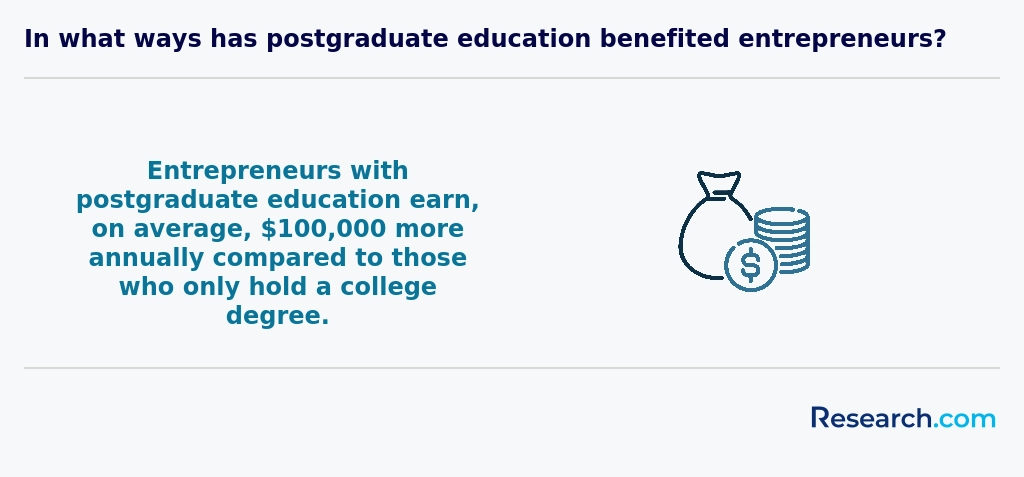
Students pursuing finance degrees in Portland benefit from multiple financial aid options to manage tuition costs, which range from $11,000 to $14,000 annually at public institutions and can exceed $35,000 at private schools. Federal aid is a significant resource, with Pell Grants providing up to $7,395 per year to eligible students, reducing the financial strain during their studies. Many graduates recall how these grants allowed them to focus on demanding coursework without overwhelming debt.
At Portland State University's School of Business, merit-based scholarships ranging from $1,000 to $5,000 annually have notably supported students' educational journeys, making finance degrees more accessible. Additionally, the Oregon Opportunity Grant offers critical assistance to lower-income students attending public colleges, helping bridge the gap between tuition and available resources.
Work-study programs also enable students to earn income while gaining practical experience, which previous recipients describe as empowering and instrumental for building their resumes. Some Portland employers, especially in banking and investment sectors, extend tuition assistance to employees pursuing finance degrees, further nurturing career development.
Private and professional organizations provide targeted scholarships and grants, rewarding academic excellence and ambition. Local chapters of groups like the Financial Management Association International create competitive opportunities for motivated students aiming to advance in the finance field.
Understanding the ROI of a finance degree is crucial for students balancing tuition costs with future earning potential. In Portland, OR, the average total cost of a four-year finance bachelor’s program ranges from $60,000 (in-state public) to $240,000 (private). With mean starting salaries around $85,000–$95,000 and mid-career salaries exceeding $130,000 for roles like Financial Advisor, Credit Analyst, or Insurance Underwriter, most graduates recoup their investment within 2–4 years of full-time employment. Key factors influencing ROI include: • Tuition and fees: Public vs. private rates, plus living expenses. • Financial aid and scholarships: Grants, merit awards, and work-study can reduce net cost by 30–60%. • Career trajectory: Accelerated promotions in corporate finance or fintech can shorten payback periods. • Internships and networking: Early professional experience often leads to higher starting offers. Comparative analysis shows that while Portland offers strong earning potential, cost-effective alternatives exist. For example, students seeking lower tuition options can review our Cheapest Finance Degree Programs Ranking in District of Columbia for benchmarking and creative funding strategies. To maximize ROI: 1. Apply early for institutional scholarships and state grants. 2. Leverage internships with local firms-many convert to full-time roles. 3. Consider accelerated or hybrid pathways to reduce living-cost durations. 4. Utilize campus career services to negotiate starting salaries and bonuses. By quantifying costs against projected earnings and leveraging financial aid, prospective finance students in Portland can make data-driven decisions that ensure their degree delivers both professional fulfillment and financial returns.
To enroll in a finance degree program in Portland, applicants must have a high school diploma or its equivalent, such as a GED. This ensures readiness for college-level work. Graduates from Portland State University recall that strong performance in algebra, statistics, and economics was crucial, reflecting the quantitative nature of finance studies. High school transcripts highlighting these subjects strengthen an application significantly.
While some Portland colleges have adopted test-optional policies recently, submitting SAT or ACT scores often boosts competitiveness, especially for students with borderline GPAs. About 80% of U.S. four-year institutions require or recommend these scores, so many local programs follow this trend.
Additional materials like letters of recommendation, personal statements, and resumes showcasing related extracurriculars or work experience are frequently requested. These allow admissions committees to assess motivation and fit, a point echoed by several finance graduates who found these elements pivotal in their acceptance.
Financial prerequisites are also important; for example, Portland State University charges approximately $11,500 annually for in-state tuition, below the national average, making finance programs financially accessible with available aid.

Finance degree programs in Portland typically include core courses that build a strong foundation in financial principles and analytical skills. Graduates from popular local universities highlight how courses like Financial Accounting teach them to interpret balance sheets and income statements, skills they use daily in internships at Portland-based firms.
Corporate Finance coursework offers practical insights into managing budgets and investment strategies, often reinforced by case studies drawn from the regional economy. Investment Analysis classes simulate real market conditions, allowing students to manage virtual portfolios that mirror Portland's growing tech and green energy sectors.
Essential economics courses, covering both micro and macro perspectives, help students understand market forces that impact local businesses. Combining this with Statistics and Quantitative Methods, students build quantitative skills crucial for roles in data-driven finance jobs prevalent in Portland's job market.
Specialized classes such as Financial Markets and Institutions and Risk Management prepare students to navigate complex banking environments and assess financial risks, giving graduates a competitive edge in Portland's expanding financial services industry.
Finance degree specializations in Portland cover several focused areas that appeal to students seeking targeted expertise within the city's dynamic economy. Graduates from leading local universities often highlight Corporate Finance for its practical approach to capital management and strategic risk assessment, directly applicable in Portland's growing business parks. Similarly, Investment Banking and Securities specialization prepares students for roles in trading and portfolio management, benefiting from access to the city's expanding financial networks.
Students pursuing Portland finance program concentration options frequently choose Financial Planning and Wealth Management, where they develop skills for advising diverse clientele on retirement and tax strategies-an area with rising demand among local residents. Risk Management and Insurance specialization equips students to handle regulatory frameworks and protect assets, aligning with the regional insurance sectors. Real Estate Finance attracts those interested in Portland's thriving property market, combining investment and valuation techniques.
Graduates often share that these specializations enrich their understanding and employability. Some continue to advance in academia with a PhD in forensic accounting, deepening niche financial expertise critical in an evolving market.
Choosing the best finance degree programs in Portland involves assessing multiple measurable factors such as accreditation, curriculum relevance, and cost. For example, Portland State University, known for strong employability outcomes, attracts graduates who frequently secure local finance roles within six months. Its accredited programs ensure students receive quality education that employers trust, enhancing career prospects.
Another critical consideration is affordability; public universities offer in-state tuition between $8,000 and $12,000 annually, making them attractive for students seeking affordable finance colleges Portland Oregon. Compare this with private colleges where tuition can exceed $25,000 per year, so carefully budgeting is essential. Practical curriculum elements like internships with Portland businesses bring real-world experience that students often praise for building professional networks.
Flexibility also plays a vital role for many students juggling work or family commitments. Part-time and online options help maintain balance. For broader context on top school choices, resources like the Virginia business schools ranking illustrate how regional analysis can assist decision-making.
Graduates pursuing a finance degree job opportunities in Portland can expect diverse career options that tap into the city's expanding financial and tech sectors. Many graduates from institutions like Portland State University find roles as financial analysts, leveraging data to drive investment decisions in local corporate and startup environments. Others pursue careers as financial planners or advisors, helping Portland's growing population manage wealth and plan for retirement.
Career options for finance graduates Portland also include accounting and auditing roles, which remain steady due to regulatory demands in the city's established businesses. Corporate finance specialists and risk managers are in demand among large local firms, reflecting Portland's dynamic economy. Additionally, graduates connected to Portland's tech scene often secure positions in financial technology startups, engaging in product development or compliance areas.
Students preparing for these paths benefit from competitive salaries, with financial analyst roles in the metropolitan area averaging about $81,000 annually. Many finance students appreciate Portland's balance of affordability, exemplified by public universities, and access to a diverse job market aligned with their skills. For those interested in intersecting finance and innovation, exploring business technology careers in Portland is promising.
The finance degree job outlook Portland reveals steady growth opportunities supported by the city's dynamic economy and expanding financial sector. Graduates from well-known Portland universities often find rewarding careers in banking, corporate finance, and investment firms, with starting salaries typically ranging from $55,000 to $65,000. Many report rapid advancement fueled by hands-on internships and cooperative education programs offered locally, making it easier to transition into financial advising, risk management, or underwriting roles.
The competitive environment in Portland encourages graduates to pursue certifications such as CFA or CFP, significantly boosting their marketability. A typical graduate might work with tech companies or sustainable energy firms, applying financial analysis skills to support environmentally conscious projects, reflecting the city's emphasis on ESG investing. The availability of affordable education-with annual costs between $20,000 and $35,000-and financial aid further enhances prospects for those seeking a Portland finance career opportunities.
Students interested in advancing their expertise often explore the best masters in finance online programs, enabling career growth without relocating. This flexibility, combined with the region's positive job outlook, makes Portland an attractive destination for finance graduates.
2027 Most Popular Finance Degree Programs Ranking in Portland
Investing in your education is a significant decision that can shape your future, and the Research.com team understands the importance of making informed choices. To assist prospective students in Portland, we have meticulously crafted the "2027 Most Popular Finance Degree Programs Ranking in Portland." Our commitment to quality, credibility, and accuracy is reflected in the extensive research and analysis conducted to compile this ranking.
We utilized the following reputable data sources to ensure a comprehensive evaluation of finance degree programs:
By exploring this ranking, readers will gain valuable insights into the most popular finance degree programs in Portland, enabling them to make well-informed decisions about their educational and career pathways. For more details on our methodology, please visit our Research.com methodology page.


Frequently Asked Questions About finance
Finance degree students in Portland can maximize their learning by engaging in internships with the city's robust financial sector. Portland hosts over 200 banks and credit institutions, providing ample opportunities for real-world experience, according to the Oregon Bankers Association. This practical exposure complements classroom knowledge and enhances employability.
Joining finance-related student organizations or local chapters of national groups like the Financial Management Association can also deepen understanding and expand professional networks.
Leveraging Portland's reputation as a growing tech and green economy hub is another strategy, as emerging industries demand finance expertise. Utilizing university career centers to connect with local employers is highly recommended.
The finance field is rapidly evolving, and several emerging niches are gaining attention among students pursuing finance degrees in Portland. One notable area is financial technology (FinTech), which blends technology and finance to improve services like payments, lending, and blockchain applications. Portland's growing tech scene supports this shift, with local startups driving innovation.
Another niche attracting interest is sustainable finance, emphasizing investments that prioritize environmental, social, and governance (ESG) criteria. This aligns with Oregon's strong environmental values.
Additionally, data analytics in finance is expanding, as companies increasingly use big data to improve investment strategies and risk management. According to the Bureau of Labor Statistics, data-related roles in finance are expected to grow by 10% nationally through 2030.
After earning a finance degree in Portland, preparing for the job market involves several key steps. Graduates should focus on gaining practical experience through internships or cooperative education programs, which local employers highly value. Portland's growing financial sector, including firms tied to banking, asset management, and fintech, offers diverse opportunities. According to the Portland Business Journal, finance-related jobs in the area are expected to grow by 8% through 2028, indicating a positive hiring outlook. Networking with professionals in organizations such as the Portland Finance Professionals Association can open doors to job opportunities. Additionally, earning certifications like CFA or CFP can enhance employability in competitive roles.
Employers in Portland increasingly value finance degree graduates with strong analytical and quantitative skills. Proficiency in data analysis tools, such as Excel and SQL, is essential to interpret financial data and support decision-making. According to the Bureau of Labor Statistics, attention to detail and critical thinking are among the top attributes sought in financial analysts nationwide, including Portland's growing finance sector.
Effective communication skills also rank highly, as professionals must clearly present complex financial information to clients and stakeholders. Additionally, knowledge of regulatory compliance and risk management is critical due to Portland's evolving business environment. Practical experience through internships or co-ops enhances employability significantly in this competitive market.
Finding internships in Portland relevant to a finance degree involves leveraging local resources and understanding the city's financial landscape. Portland hosts branches of major banks like U.S. Bank and Wells Fargo, along with numerous investment firms and credit unions, providing diverse internship opportunities.
Students should utilize university career centers, which often maintain partnerships with local businesses. According to the National Association of Colleges and Employers, finance internships in the U.S. show a 60% conversion rate to full-time jobs, emphasizing their value.
Additionally, platforms like Handshake and LinkedIn list many Portland finance internships. Networking events hosted by local chapters of finance associations, such as the CFA Society Portland, are also useful for connecting with employers.
A finance degree significantly enhances career mobility and advancement opportunities in Portland's dynamic job market. Graduates gain essential skills in financial analysis, risk management, and investment strategies that employers highly value across industries. According to the U.S. Bureau of Labor Statistics, Portland's finance sector has grown steadily, with a 5% increase in financial analyst jobs projected through 2028.
Portland's thriving tech and green energy industries often seek finance professionals to manage complex budgets and investment portfolios, opening diverse career paths. Holding a degree also tends to correlate with higher salaries; Glassdoor reports finance graduates in Portland earn an average of 10-15% more than those without a formal finance education.
Additionally, local universities often connect students with internships and networking opportunities, fostering quicker advancement within regional firms.
Studying for a finance degree in Portland equips students with skills beyond traditional finance, preparing them for interdisciplinary roles across industries. Programs often integrate coursework in economics, data analytics, and business management, reflecting the diverse needs of Portland's growing economy.
Portland's finance graduates benefit from collaborations with local tech firms and green energy companies, aligning academic study with real-world challenges. According to the Oregon Employment Department, sectors like tech and sustainable business have seen a 12% growth in demand for finance professionals with versatile expertise.
This multidisciplinary focus ensures students can adapt to roles involving financial modeling, strategic planning, and data-driven decision-making in varied environments.
Choosing between a thesis and a non-thesis finance degree program in Portland depends on your career goals and learning preferences. A thesis option requires conducting original research and writing a detailed paper, which is ideal if you plan to pursue a PhD or work in research-heavy roles. According to the National Center for Education Statistics, about 30% of finance master's graduates nationwide choose thesis tracks, often leading to higher academic qualifications.
In contrast, non-thesis programs emphasize coursework and practical skills, appealing to students targeting immediate industry roles in Portland's growing finance sector. The local Bureau of Labor Statistics reports a 7% growth in finance jobs in Oregon through 2030, favoring professionally oriented graduates.
Consider your learning style, time commitment, and whether you aim for advanced research or practical experience when deciding.
Students based in Portland interested in studying finance abroad have several pathways through U.S. institutions' established exchange programs and partnerships. Local universities like Portland State University offer study abroad opportunities in finance-related fields through collaborations with European and Asian business schools.
The U.S. Department of Education's Institute of International Education reports that around 10% of business students participate in study abroad programs, with finance majors particularly drawn to global financial centers such as London and Singapore.
Many programs also provide integrated internships abroad, giving Portland students practical experience alongside academic study. These options are valuable for gaining insights into international markets, critical for careers in finance.
Students pursuing finance degrees in Portland have access to various part-time job opportunities that can enhance their education. Positions such as financial analyst interns, bookkeeping assistants, and banking clerks are common and provide practical experience. According to the Portland Business Alliance, the city hosts over 20,000 finance-related jobs, reflecting a strong local market for finance skills.
Many financial firms and credit unions in Portland offer flexible, part-time roles suitable for students. These jobs often involve data analysis, client communication, or supporting financial planning-skills directly relevant to finance curricula. Additionally, some startups in the Portland area seek interns for financial modeling and market research tasks.
Engaging in such roles not only supports learning but also helps build valuable professional networks within Portland's financial sector.
Finance students in Portland benefit from a variety of networking opportunities through local institutions and professional organizations. Universities like Portland State University offer finance clubs and events that connect students with alumni and industry leaders. The city hosts chapters of national groups such as the CFA Institute and FINRA, providing access to seminars, workshops, and career fairs.
Portland's growing financial sector includes banks, investment firms, and fintech startups, creating internships and job shadowing possibilities. According to the Portland Business Alliance, the finance and insurance industry accounts for over 12,000 jobs locally, encouraging strong university-company partnerships.
Additionally, networking events like the annual Oregon Finance Summit bring together professionals, allowing students to build valuable contacts and gain insights into current market trends.
Alumni networks provide valuable support for finance degree students in Portland by offering access to industry contacts. Graduates working in local financial firms, banks, and investment companies often share job openings and internship opportunities through these networks. According to the Portland Business Alliance, connections gained via alumni can increase employment chances by nearly 30% compared to applicants without such contacts.
Moreover, alumni frequently participate in mentorship programs, helping current students navigate the complexities of Portland's finance sector. These relationships can improve students' understanding of market trends and regulatory issues specific to Oregon and the Pacific Northwest region.
Events hosted by alumni groups also facilitate networking, enabling students to build professional relationships early in their careers.
Students pursuing a finance degree in Portland can tailor their education through elective courses that align with their career goals. Many local universities offer specializations such as investment management, corporate finance, or financial analytics. Choosing certificates or minors in related fields like data science or economics also enhances marketability.
Internships with Portland-based financial firms, including Wells Fargo and Umpqua Bank, provide practical experience crucial for career development. According to the Oregon Employment Department, finance jobs in Portland grew by 5% between 2020 and 2023, highlighting expanding opportunities.
Additionally, some programs feature flexible online or hybrid classes, allowing students to balance education with work. Networking events sponsored by Portland finance associations further support customized career pathways.
Finance students in Portland often face several challenges unique to the region's educational and economic landscape. One significant hurdle is the competitive job market; the city hosts many financial and tech companies, making internships and entry-level roles highly sought after. According to the 2023 Oregon Employment Department, finance-related positions in Portland grew by just 2.5%, indicating modest job market expansion compared to other majors.
Additionally, the high cost of living in Portland affects students' financial stability, with average rents exceeding $1,500 per month, as noted by the Portland Housing Bureau. Many students juggle part-time jobs alongside demanding coursework. Moreover, balancing practical experience with theoretical knowledge remains a core difficulty, given the fast pace of financial industry changes nationally.
With a finance degree in Portland, graduates can pursue various professional certifications to enhance their career prospects. Popular certifications include the Chartered Financial Analyst (CFA), highly regarded in investment management. The CFA requires passing three exams and relevant work experience.
Another common certification is the Certified Public Accountant (CPA), especially for those interested in accounting and auditing roles. Oregon's Board of Accountancy outlines the requirements, including education and exam criteria.
The Financial Risk Manager (FRM) certification suits professionals focusing on risk management and is recognized internationally. Additionally, the Certified Financial Planner (CFP) credential targets personal financial advisors. Earning these certificates can significantly boost earning potential and job opportunities in Portland's growing financial sector.
Writing a winning application for a finance program in Portland requires clear focus and careful preparation. Start by highlighting your academic achievements, particularly in math, economics, and business-related courses, as these are critical for finance studies. According to the National Center for Education Statistics, applicants with a GPA of 3.5 or higher tend to have better admission chances. Portland's finance industry, supported by many local banks and investment firms, values practical experience, so include internships or volunteer roles related to finance.
Strong letters of recommendation from professors or employers that reflect your analytical skills and work ethic can also enhance your application. Tailoring your personal statement to express your passion for finance, along with Portland's growing finance sector, shows commitment. Utilize resources like the Common Application and meet all admission deadlines strictly, as timely applications improve your chances.
A finance career offers diverse opportunities that extend beyond local markets, reflecting the interconnected nature of the global economy. Students in Portland pursuing finance degrees can expect to engage with concepts like international markets, currency exchange, and global investment strategies. According to the U.S. Bureau of Labor Statistics, financial analyst roles are growing by 9% nationally, faster than average, highlighting strong demand.
Portland's finance sector increasingly aligns with global trends, influenced by the city's growing ties to international trade and technology companies. This global perspective helps graduates remain competitive by understanding risks and opportunities worldwide.
Many Portland institutions incorporate case studies emphasizing multinational corporations and cross-border transactions, preparing students for global finance roles.
Students pursuing a finance degree in Portland can gain practical experience through internships available at the city's strong financial and corporate sectors. Many local banks, investment firms, and corporate headquarters offer internship programs geared toward finance students. According to the Portland Business Journal, over 60% of finance students in Portland secure internships before graduation.
Universities often partner with businesses to provide cooperative education (co-op) opportunities, allowing students to alternate between classroom study and paid work experience. Additionally, students are encouraged to join finance clubs and participate in case competitions, which simulate real-world financial problem-solving. Volunteer opportunities in nonprofit finance departments also provide hands-on experience.
Choosing the right concentration within a finance degree program in Portland involves aligning your interests with local industry demands. Popular concentrations include corporate finance, investment management, and financial planning. Portland's growing technology and green energy sectors often influence the demand for skills in financial analysis and sustainable finance.
Research local employers and job trends; for example, the Portland Metro Economic Profile highlights a 5% annual growth in finance-related jobs as of 2023. Selecting a concentration with strong internship opportunities in Portland can enhance employment prospects. Speak with advisors and alumni to understand how different tracks prepare you for careers in the city's competitive finance market.
- 2027 Most Popular Finance Degree Programs Ranking in Riverside
- 2027 Most Popular Finance Degree Programs Ranking in San Diego
- 2027 Most Popular Finance Degree Programs Ranking in Denver
- 2027 Most Popular Finance Degree Programs Ranking in Omaha
- 2027 Most Popular Finance Degree Programs Ranking in Lubbock
- 2027 Most Popular Finance Degree Programs Ranking in Manhattan
- 2027 Most Popular Finance Degree Programs Ranking in Minneapolis
- 2027 Most Popular Finance Degree Programs Ranking in Saint Paul
- 2027 Most Popular Finance Degree Programs Ranking in Edmond
- 2027 Most Popular Finance Degree Programs Ranking in Abilene
See What Experts Have To Say About Studying Finance
Read our interview with Finance experts

Andrew Karolyi
Finance Expert
Dean of the Cornell SC Johnson College of Business
Cornell University

Jason James Sandvik
Finance Expert
Assistant Professor of Finance
University of Arizona

H. Kent Baker
Finance Expert
Professor at Department of Finance and Real Estate
American University

- Your Guide to Getting a Job in Finance https://www.mountunion.edu/academics/undergraduate-degrees/finance/your-guide-to-getting-a-job-in-finance
- International Finance Careers: A Comprehensive Guide https://survey.moorlandassociation.org/moorlandassociation-news/international-finance-careers-a-comprehensive-guide-1767647521
- How to Get a Finance Internship with No Experience – 365 Financial Analyst https://365financialanalyst.com/career-advice/how-to-get-a-finance-internship-with-no-experience/
- Financial Aid https://avedapdx.com/admissions/financial-aid
- Study Finance Abroad | Go Overseas https://www.gooverseas.com/study-abroad/finance
- FINANCE AND BANKING (THESIS / NON-THESIS) - Lisansüstü Eğitim Enstitüsü https://lee.nisantasi.edu.tr/en/finance-and-banking-thesis-non-thesis-2/
- Top Accounting Skills to Land Finance and Accounting Jobs https://www.kbwfinancial.com/top-skills-for-accounting-and-finance/
- Are Cover Letters Important? | Morgan Stanley https://www.morganstanley.com/articles/are-cover-letters-important
- Finance Internships: Find 248 Finance Intern Jobs https://internshala.com/internships/finance-internship/
- Top 10 Accounting and Finance Skills Employers Want | Tamarack Recruiting | Tamarack Recruiting https://tamarackrecruiting.com/top-10-accounting-and-finance-skills-employers-want-tamarack-recruiting/


