2027 Best Online Bachelor's in Exercise Science Degree Programs Ranking in the South

Co-Founder and Chief Data Scientist
Choosing the right exercise science degree program is an important step toward a rewarding career in health and fitness. This article presents the 2027 Best Online Bachelor's in Exercise Science Degree Programs Ranking in the South, developed by the Research.com team of data scientists.
Designed to guide students in making informed decisions, the ranking highlights programs that combine quality education with flexibility.
Exploring this ranking will help you discover programs that fit your goals and lifestyle, empowering you to take the next step confidently in your educational journey.
Key benefits of getting online exercise science degree in the South
- Exercise science graduates in the South often pursue careers as fitness trainers or physical therapy aides, with average hourly wages around $20 to $25, offering a solid income while helping others improve their health.
- Graduates from Southern schools like the University of Florida frequently explore diverse paths like sports coaching, wellness consulting, or rehabilitation, providing exciting and varied career opportunities.
- Online exercise science degrees from institutions like Liberty University allow students to balance studies with personal commitments, making education more accessible and flexible while gaining the same respected credentials as traditional programs.
- 2027 Best Online Bachelor's in Exercise Science Degree Programs Ranking in the South
- What can I expect from online exercise science degree in the South?
- Where can I work with online exercise science degree in the South?
What can I expect from online exercise science degree in the South?
Many prospective students wonder about the average cost of an online exercise science degree in the South, a question often swept aside by more exciting course content. Graduates from popular Southern universities report tuition ranging from approximately $8,000 to $20,000 for a full program, depending on whether the school is public or private and the extent of hybrid versus fully online components. This cost feels real when balancing budgets alongside clinical internship requirements, which often involve local facilities and some travel expenses.
Consider a student juggling work and study in Georgia who found the investment manageable because the program's flexible scheduling allowed part-time enrollment, easing financial pressure. Many share a sense of pride in gaining practical experience connected closely to Southern healthcare systems or sports teams, making costs feel like a worthwhile commitment to future career opportunities rather than just a bill.
This practical approach to learning and pricing challenges the notion that online degrees lack value, especially in the South, where connections created during study often lead directly into rewarding job roles in fitness and rehabilitation.
Where can I work with online exercise science degree in the South?
Graduates with an online exercise science degree in the South find themselves at the intersection of healthcare innovation and community wellness, stepping into roles that often surprise newcomers. Far beyond just gyms, many work as exercise physiologists or wellness coaches in bustling rehabilitation clinics across Florida, Texas, and Georgia, where demand is surging due to an active population eager to manage chronic conditions through movement. Imagine a graduate from a Texas university collaborating with physical therapists to design personalized recovery plans, reshaping how patients regain strength and independence.
Others embrace the vibrant sports culture in the Southeast, supporting collegiate athletic programs or local teams as strength and conditioning coaches. Graduates from institutions like the University of North Carolina or Florida State often highlight the rewarding challenge of enhancing athletes' performance while mitigating injury risks.
Education roles also beckon, with community colleges hiring exercise science experts to lead health initiatives or coach young athletes remotely-proving that online degrees unlock flexible and impactful career paths across the South's expanding health and fitness landscape.
Graduates earning an online exercise science degree in the South often find salary expectations shifting depending on their professional focus and location. For example, many recent alumni from universities like the University of Alabama or the University of South Carolina who become fitness trainers report starting salaries near $42,000 annually, with those working in Texas or Florida sometimes reaching closer to $45,000. These figures may initially feel modest, yet they reflect the reality of regional market demands and cost of living advantages.
Others who step into roles such as physical therapy assistants enjoy higher earnings, averaging about $60,000 per year according to 2023 regional data. Graduates working in metropolitan hubs like Atlanta or Miami often benefit from rates edging towards $65,000, a figure that resonates profoundly with those balancing student loans and the desire for career growth.
Wellness coordinators or sports medicine specialists, particularly from programs at universities like Florida State University, can command starting salaries in the $50,000 to $70,000 range. These roles often require extra certifications, reflecting the added value of continued education and specialization beyond the degree. The financial path for many Southern graduates reveals a landscape where ambition, location, and credentials intertwine to shape earning potential in compelling and sometimes unexpected ways.
- Tuition for online exercise science bachelor's programs in the South ranges from $8,000 to $15,000 per year, with total costs typically between $24,000 and $45,000 for the full degree.
- Graduates start with an average salary between $40,000 and $50,000 annually, with potential to earn $55,000 to $70,000 or more after gaining experience.
- Employment growth for exercise science-related jobs in the South is projected to be about 11% over the next decade, faster than the average for all occupations.
- Top states for job opportunities include Texas, Florida, and Georgia, due to large metropolitan areas and expanding healthcare sectors.
- Accreditation from bodies like CAAHEP or regional accreditors ensures quality education and eligibility for certification exams.
Completing an online exercise science degree in the South usually takes about four years for full-time students, but this timeline isn't as fixed as many assume. Graduates from universities like the University of Florida or Kennesaw State University often share how flexible scheduling helped them balance family, work, and study without feeling overwhelmed. For part-time learners, the journey may stretch beyond five years, yet this flexibility fuels motivation instead of stress.
Some students accelerate their progress by leveraging prior credits or taking summer courses, cutting completion time to as little as three years. This fueled a sense of accomplishment and momentum for those ready to dive in intensively. Meanwhile, practicum experiences, though sometimes thought to be delays, often integrate smoothly, making real-world application part of the learning rhythm rather than an obstacle.
Rather than fixating on "typical" durations, Southern online students find that success stems from customizing their pace and environment. Embracing that adaptability transforms the timeline into a personalized pathway, making the degree feel achievable amidst everyday demands.
Graduates from Southern universities often describe a clear divide between online and on-campus exercise science degrees in how they experience learning and engagement. For instance, students enrolled at popular institutions offering online programs appreciate the flexibility to balance work and family while accessing video lectures and virtual labs at their own pace. This setup suits those who thrive on self-discipline and value saving on commuting and housing costs, creating a sense of independence and achievement.
Conversely, on-campus learners at the same Southern colleges highlight the immersive, hands-on nature of their education. They recall real-time instruction in campus fitness centers and direct mentorship during internships-moments that build confidence in clinical skills like exercise testing and rehabilitation. The vibrancy of face-to-face peer collaboration fosters lasting networks and motivation that often feels irreplaceable, anchoring their professional identity early on.
Both paths ultimately aim to cultivate competent professionals in the region's growing health industry, but the difference lies in the student's choice of interaction style, practical exposure, and lifestyle integration-the latter especially crucial for Southern students juggling multiple obligations.
The average cost of an online exercise science degree in the South reveals interesting contrasts that challenge common assumptions about affordability. While many believe a Southern education must be cheap, median in-state total costs hover around $20,770, which is surprisingly moderate but not negligible. Out-of-state students, by comparison, face a steep rise with median costs around $66,314, almost triple the in-state expense. These figures suggest that choosing residency status and institution type play crucial roles in the ultimate price tag.
Graduates from popular Southern universities often reflect on their journey's financial aspects, highlighting that even moderate tuition can feel like a significant investment when layered with technology fees and specialized lab costs. Yet, many express satisfaction, especially those who chose public universities known for affordable online exercise science bachelor's programs Southern US, as these institutions strive to balance quality education with reasonable pricing.
Students who explored accelerated programs shared how trimming time spent in school helped alleviate some financial pressures, turning the intense effort into long-term savings. The picture painted here is not just raw numbers but a lived experience shaped by financial decisions, institutional offerings, and personal circumstances.
For those weighing costs against outcomes, understanding the typical financial commitment alongside potential average salary for exercise science major can transform worries into strategic planning, revealing a nuanced approach to pursuing an online exercise science degree in the South.
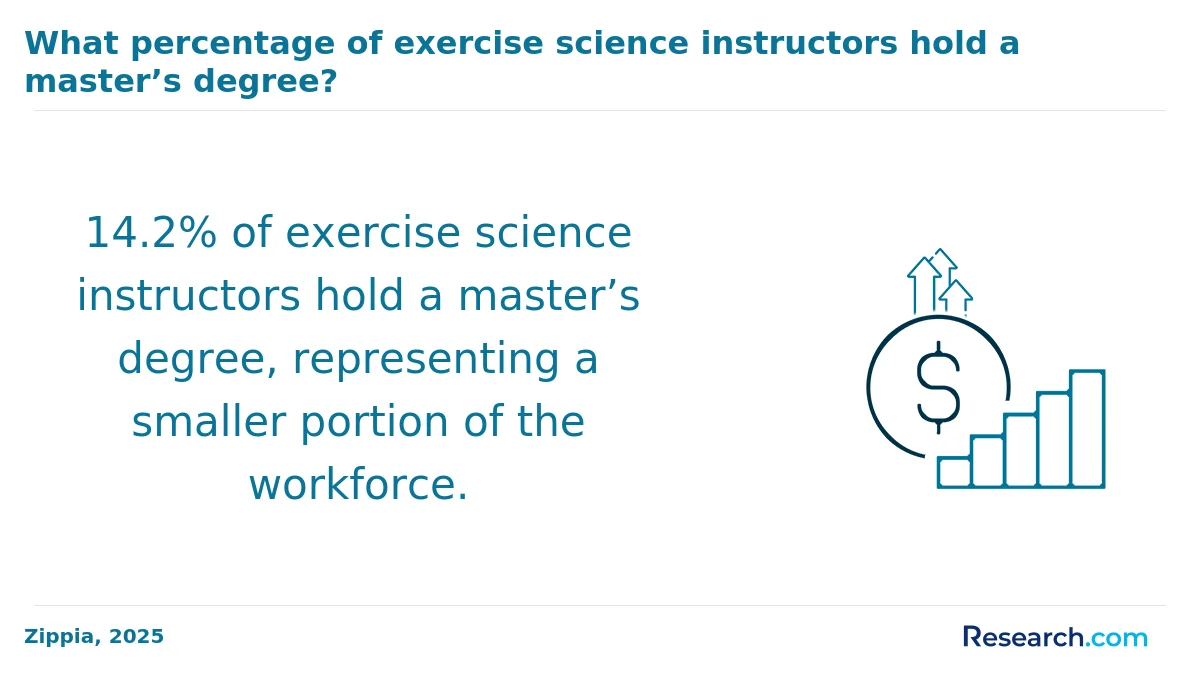
Many students pursuing an online exercise science degree in the South discover that financial aid options extend far beyond loans, transforming their educational journey into a more manageable and hopeful experience. Graduates from prominent Southern schools frequently share stories of federal Pell Grants that covered substantial parts of their tuition costs-up to $7,395 annually-allowing them to focus more on learning than on financial stress.
State-specific scholarships in places like Florida and Georgia often make a huge difference, especially for those attending public universities in their home states. These funds, targeted to students who demonstrate both merit and need, can turn the dream of an affordable degree into reality.
Universities themselves commonly offer scholarships or assistantships tailored to exercise science majors, lightening the financial load with awards that range widely but consistently spark a sense of accomplishment and belonging.
Even private scholarships from organizations linked to kinesiology provide meaningful support, showcasing a community invested in your success. Add to this employer tuition reimbursement plans for working learners, and the financial picture becomes one of opportunity, not obstacle.
- Federal Pell Grants covering up to $7,395 annually
- State-based scholarships and grants in Southern states such as Florida and Georgia
- Institutional scholarships targeting health and exercise science majors
- Private scholarships from professional organizations
- Employer tuition reimbursement programs
Enrolling in an online exercise science degree in the South is not just about checking boxes-it's about proving you're ready to dive deep into the science of human movement. Graduates from well-known Southern universities often reflect on how meeting prerequisites like a high school diploma or GED and maintaining a minimum GPA around 2.5 helped them build confidence early on. These aren't arbitrary hurdles; they prepare you for the challenge ahead.
Many students recall balancing the completion of core science courses-biology, chemistry, anatomy-either before or during their studies. This foundational knowledge proved essential when tackling complex topics like physiology online, where self-motivation fueled success.
Official transcripts and sometimes letters of recommendation became their ticket into rigorous programs, ensuring they had the academic and personal drive needed. In the South, where programs vary widely, some schools eased testing demands, reflecting a shift to a more holistic view of potential.
Knowing these requirements empowers you to approach your journey with determination, seeing each step as a building block toward mastering exercise science.
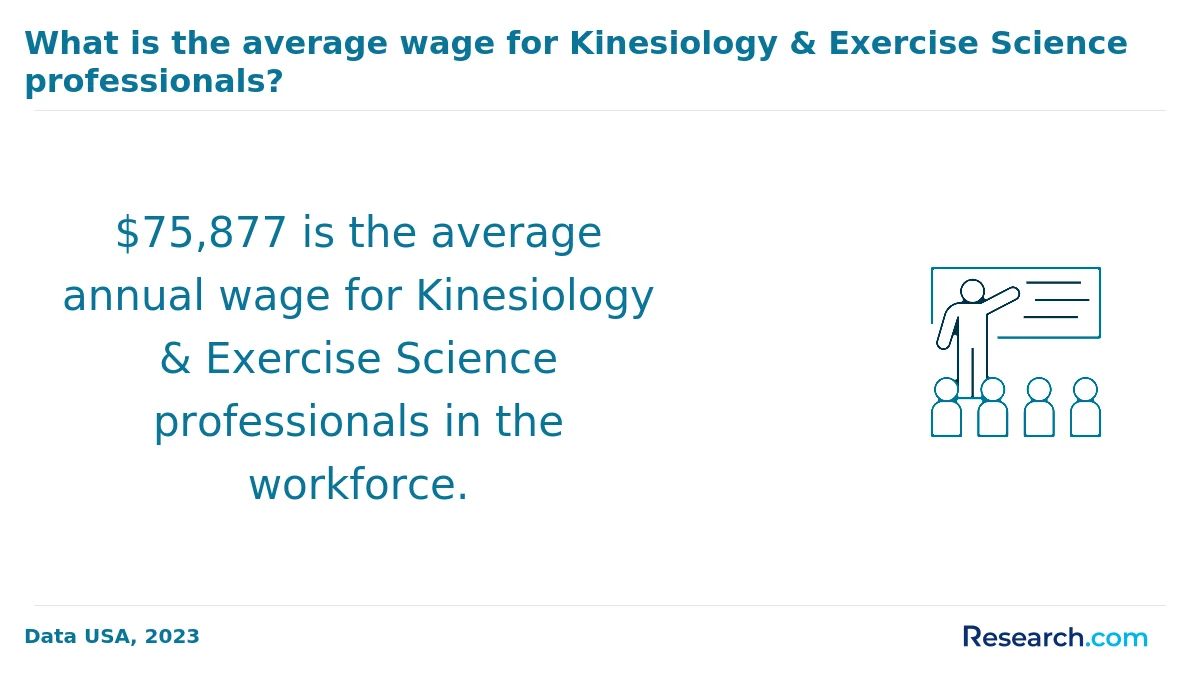
Online exercise science degrees in the South immerse students in a curriculum that goes far beyond memorizing anatomy charts. Graduates from well-known Southern institutions often describe their coursework as transformative, diving deeply into anatomy and physiology to really grasp how the body responds under stress-knowledge that turns typical workouts into science-backed training sessions.
Courses like kinesiology challenge students to reconsider basic movement, uncovering the complex biomechanics behind every step and stretch. This isn't abstract theory; graduates recall applying these lessons while coaching athletes or designing rehabilitation programs during virtual internships, bridging theory and practice across local Southern clinics.
Nutrition classes open eyes to how tailored diets can elevate performance and recovery, with students excited by how practical sports nutrition guides can transform clients' lives. Exercise physiology courses reveal the body's adaptive marvels, inspiring students to create personalized fitness plans that truly resonate with their future clients' needs in Southern communities.
Health promotion and wellness coaching then push students to master behavior change-not just understanding movement, but championing lifelong wellness in real-world Southern settings.
Online exercise science specializations in the South go beyond the typical and invite students to explore diverse career paths. Graduates from popular Southern universities often find themselves drawn to sports performance, where they help athletes enhance agility and strength through advanced training and biomechanics. Others embrace health promotion, inspired by the impact of educating communities about wellness - a passion frequently sparked during studies at well-known colleges in Florida or Texas. Rehabilitation remains a vital specialization, preparing students to support recovery in post-injury scenarios, often experienced firsthand during internships at Southern rehabilitation centers.
Fitness instruction specializations challenge graduates to design inclusive programs that resonate with a variety of populations, a rewarding skill developed through hands-on projects from Georgia-based programs. Some students even choose niche fields like pediatric exercise science or occupational health, tailoring careers to unique interests. These vibrant options reflect the best Southern states exercise science degree options, ensuring students find a specialization that aligns with both passion and purpose while pursuing accredited online kinesiology degree programs.
Choosing the best online exercise science degree in the South demands more than just scanning program brochures. Graduates from popular Southern universities often reflect on how accreditation and curriculum depth shaped their career paths. For instance, selecting a program accredited by national bodies ensures your education holds weight locally and beyond. Imagine studying kinesiology and biomechanics through a university in North Carolina that integrates real-world internships, giving you the confidence of hands-on experience even while learning remotely.
Affordability matters too, especially when weighing options for affordable exercise science bachelor programs Southern US schools offer. Online options sometimes reduce tuition but watch for hidden fees. Graduates often celebrate the balance of flexibility and academic rigor-Texas and Florida institutions frequently provide asynchronous classes that support working professionals juggling multiple responsibilities.
Seek programs that actively support certification prep and career services. Many Southern alumni share how these resources opened doors for them in competitive job markets. For those comparing costs and value, exploring affordable exercise science graduate programs online can reveal unexpected opportunities that align with both budget and ambition.
Online exercise science careers in the South open doors to paths that stretch beyond traditional fitness roles, inviting graduates to rethink impact in their communities. Consider those from renowned Southern universities who step into certified personal trainer positions, not just coaching individuals but tackling the region's high obesity rates with empathy and energy. Others find themselves drawn to clinical environments, working as physical therapy assistants at outpatient clinics, where the blend of science and compassion transforms patient outcomes daily.
Strength and conditioning coaching is another vibrant avenue, especially in Southern schools and athletic programs, where graduates apply deep knowledge to elevate student-athlete performance. The region's emphasis on health promotion also creates roles for wellness coordinators and corporate fitness consultants, who spark culture shifts within urban workplaces like Atlanta and Dallas. These examples reflect the genuine possibilities available for exercise science degree job opportunities Southern US.
With tuition at many public universities remaining accessible, students often explore further certifications without worrying about overwhelming debt. For those interested, programs offering an affordable bachelor in sports management online provide a strategic way to expand career horizons while remaining rooted in the South's dynamic health science environment.
The job market for online exercise science degree graduates in the South defies stereotypes of limited opportunities. Many find rewarding roles in busy hospitals and therapy centers, designing rehab programs that genuinely transform lives. Graduates from popular Southern universities often share how their education arms them with practical skills sought after by expanding fitness centers and wellness programs in major metro areas like Atlanta and Miami. This is not just a degree; it's a gateway to impactful careers amid a population increasingly aware of health.
Exercise science career opportunities Southern US also extend into collegiate and pro sports, where alumni become strength and conditioning coaches, blending science with passion. These roles are especially crucial in states tackling higher rates of chronic diseases. Passionate graduates often remark how their Southern-based online studies gave them flexibility and access to targeted knowledge, enabling them to meet regional healthcare needs effectively.
For those weighing costs, many turn to an affordable master in physical education online to gain expertise without burdening finances, reflecting a smart approach to entering a competitive yet growing regional job market.
2027 Best Online Bachelor's in Exercise Science Degree Programs Ranking in the South
Investing in your education is a significant decision that can shape your future, and the Research.com team understands the importance of making informed choices. To assist prospective students in the South, we have diligently created the "2027 Best Online Bachelor's in Exercise Science Degree Programs Ranking in the South." Our commitment to quality, credibility, and accuracy is demonstrated through thorough research and analysis. We utilized the following reputable data sources to ensure a comprehensive evaluation of exercise science programs:
By exploring this ranking, readers will gain valuable insights into the top online exercise science degree programs in the South, empowering them to make confident and informed decisions about their educational journey. For more details on our methodology, please visit our Research.com methodology page.


Frequently Asked Questions About exercise science
Online exercise science degree students in the South can maximize their learning experience by engaging actively with their digital coursework and supplementing it with local, hands-on opportunities. Many Southern universities offer virtual labs and interactive simulations, which allow students to practice biomechanical and physiological concepts safely at home. Combining these tools with internships or part-time work at nearby clinics or fitness centers enhances practical skills and professional networking.
According to the National Center for Education Statistics, Southern states like Georgia and North Carolina have seen a 15% growth in exercise science programs, reflecting strong regional demand.
Joining student organizations and professional groups focused on health and exercise science also provides vital peer support and career resources in this field.
The exercise science field is expanding into several promising niches, especially relevant for students pursuing online degrees in the South. One growing area is geriatric exercise science, focusing on improving older adults' health and mobility. Given the South's aging population-with some states expecting a 20% increase in residents over 65 by 2030-this niche offers significant career opportunities, according to the U.S. Census Bureau.
Another emerging area is telehealth fitness coaching. Online platforms now enable exercise professionals to guide clients virtually, blending technology with physical training, which is especially popular in rural Southern regions. Sports performance analytics is also advancing, integrating data science to optimize athlete training and injury prevention.
These niches align well with the evolving demands of Southern communities and the increasing availability of online education resources. National sources like the American College of Sports Medicine highlight these trends as key growth sectors.
After completing an online exercise science degree in the South, preparing for the job market involves gaining relevant certifications and practical experience. Many employers in this region value certifications such as the Certified Exercise Physiologist (CEP) or Certified Strength and Conditioning Specialist (CSCS), which can enhance job prospects. Internships and volunteer opportunities at local health clinics or sports facilities provide hands-on experience crucial for employment. Networking through professional associations like the South Carolina Exercise Science Association or Georgia Athletic Trainers' Society also helps graduates connect with potential employers. According to the U.S. Bureau of Labor Statistics, fitness careers in the South are expected to grow by 15% between 2022 and 2032, highlighting increasing opportunities in the field.
Employers in the South seeking graduates with an online exercise science degree prioritize a blend of technical knowledge and interpersonal skills. Graduates must demonstrate strong understanding of human anatomy, physiology, and kinesiology to design effective fitness programs.
Additionally, communication skills are crucial, as professionals often work directly with clients and healthcare teams. According to the Southern Regional Education Board, Southern employers emphasize teamwork and the ability to personalize fitness plans for diverse populations.
Data from the U.S. Bureau of Labor Statistics shows growth in health-related jobs in Southern states, increasing demand for adaptability and proficiency with technology in exercise assessment tools.
Overall, employers value graduates who combine scientific expertise with practical skills tailored to the region's population health needs.
Finding internships in the South relevant to an exercise science degree requires strategic research and networking. Start by exploring partnerships that universities have with local hospitals, fitness centers, and rehabilitation clinics, as many schools maintain these connections to support their students. Organizations such as the American College of Sports Medicine (ACSM) often list internships and job opportunities in southeastern states.
Additionally, websites like Handshake and internships.com can help locate positions specifically in states like Florida, Georgia, and Texas, where exercise science programs are prominent. According to the Bureau of Labor Statistics, these regions show steady growth in health-related fields, increasing internship availability.
Contacting faculty advisors for recommendations and attending regional professional conferences also enhance chances of securing internships. Many Southern universities encourage experiential learning, ensuring students gain practical experience before graduation.
An online exercise science degree in the South can significantly enhance career mobility and advancement. Employers in healthcare, sports, and wellness increasingly value candidates with accredited degrees, and online programs accredited by the Commission on Accreditation of Allied Health Education Programs (CAAHEP) meet this demand. According to the U.S. Bureau of Labor Statistics, the South shows a growing need for exercise physiologists and related roles, with projected job growth of over 10% through 2030.
Online degrees offer flexibility, allowing professionals to upskill while continuing to work. This flexibility helps graduates qualify for certifications like the ACSM Certified Exercise Physiologist, which improves job prospects and salary potential in Southern job markets.
Studying for an online exercise science degree in the South equips students with knowledge across multiple disciplines, including biology, kinesiology, nutrition, and psychology. Southern universities often emphasize collaborative learning, preparing students to work with healthcare professionals, fitness experts, and researchers simultaneously. According to the Southern Regional Education Board, many programs integrate internships and case studies focused on real-world, interdisciplinary environments.
Furthermore, the rise of chronic health conditions in Southern states, as reported by the CDC, increases demand for exercise science professionals who understand diverse health factors. Graduates are thus prepared to contribute in settings such as rehabilitation clinics, wellness centers, and sports organizations.
When choosing between a thesis and a non-thesis online exercise science degree program in the South, consider your career goals first. Thesis programs emphasize research, ideal for students aiming for graduate school or roles in academic and clinical research. Non-thesis programs focus more on coursework and practical application, fitting those pursuing immediate employment in fitness, rehabilitation, or coaching.
In Southern U.S. universities, thesis options often require fewer credit hours but demand significant time for research and writing, which can be challenging alongside work commitments. According to the Southern Association of Colleges and Schools, about 40% of exercise science programs in the region offer thesis tracks.
Financially, thesis programs may take longer, impacting tuition costs, but they can enhance your CV with published research. Non-thesis paths offer quicker completion rates, often favored by professionals seeking certification like ACSM or NSCA.
Students based in the South seeking online exercise science degrees with an international focus have limited direct options for studying abroad online. Most U.S. institutions primarily offer domestic online programs, but some Southern universities participate in exchange partnerships or offer summer study abroad opportunities related to exercise science.
For example, universities in Texas and Florida occasionally collaborate with European or Canadian institutions to provide short-term, hybrid experiences combining online coursework with onsite visits. However, fully online exercise science degrees from international schools are rare and often require credit transfer evaluations.
The National Academy of Sports Medicine reports a rise in demand for regionally accredited programs, emphasizing U.S.-based online study over abroad options due to certification requirements in the South.
Students pursuing online exercise science degrees in the South can benefit from part-time roles that reinforce their academic knowledge. Common jobs include fitness trainers, physical therapy aides, and wellness coaches, which allow practical experience alongside coursework.
According to the U.S. Bureau of Labor Statistics, the Southern states show a steady growth rate of about 10% for fitness-related occupations through 2030, higher than the national average. This growth creates opportunities in gyms, rehabilitation centers, and community health programs.
Additionally, working as research assistants at regional universities or community health organizations helps students apply exercise science principles in real-world settings.
Online exercise science students in the South benefit from several networking opportunities despite their remote status. Many universities in this region, such as the University of Florida and Texas A&M, offer virtual networking events, alumni groups, and professional organization connections tailored to online learners. According to the Southern Association of Colleges and Schools Commission on Colleges, these programs emphasize community building through online forums and mentorship initiatives.
Regional chapters of the American College of Sports Medicine (ACSM) and other professional bodies frequently hold conferences and workshops accessible to online students. These events facilitate connections with local healthcare providers and fitness professionals, expanding career possibilities in the vibrant Southern exercise science market.
Alumni networks offer significant advantages for online exercise science degree students in the South. These networks provide vital professional connections, often leading to internships, job opportunities, and mentorship. According to the National Strength and Conditioning Association, 75% of exercise science graduates find employment through networking. Southern universities with strong alumni communities help students tap into regional health and fitness markets, which are growing due to increased demand for wellness programs.
Alumni also share industry trends and advice on certifications, which are crucial in exercise science careers. This ongoing support helps students transition smoothly from online learning to practical, local employment. Many Southern colleges maintain active online alumni platforms, enhancing accessibility for distance learners.
Customizing your online exercise science degree program in the South involves selecting electives and concentrations that align with your career goals. Many Southern universities offer specializations in areas such as sports performance, rehabilitation, or health promotion. For example, the University of North Carolina system provides options emphasizing clinical application or fitness management.
You can also tailor your program through internships or practicums, which some Southern schools facilitate virtually or within local facilities. According to the National Strength and Conditioning Association, gaining practical experience is essential.
Additionally, consider programs accredited by the Commission on Accreditation of Allied Health Education Programs (CAAHEP) to ensure quality education recognized across the Southeastern job market.
Online exercise science students in the South often face challenges related to access and resources. Many programs require hands-on components such as lab work or internships, which can be difficult to complete remotely due to limited local facilities. According to the Southern Regional Education Board, about 30% of Southern states have fewer accredited exercise science programs, limiting in-person opportunities.
Additionally, internet connectivity remains an issue in rural areas, affecting consistent participation in virtual lectures and coursework. Financial concerns also play a role; out-of-state tuition and limited scholarships for online learners can increase costs. These factors combined can make navigating an online exercise science degree in the South a more complex endeavor for students.
With an online exercise science degree, graduates in the South can pursue several respected professional certifications to advance their careers. Popular certifications include the Certified Strength and Conditioning Specialist (CSCS) offered by the National Strength and Conditioning Association. This credential is highly valued for roles in athletic training and fitness coaching.
Another key certification is the Certified Exercise Physiologist (CEP) through the American College of Sports Medicine. This is especially relevant for those working in clinical or rehabilitation settings.
Additionally, certifications in personal training from organizations like the National Academy of Sports Medicine can complement an exercise science degree. Obtaining these certifications often requires a combination of education, supervised experience, and passing an exam.
Writing a winning application for an online exercise science program in the South begins with clear organization and strong academic credentials. Ensure your high school or college transcripts demonstrate solid performance in biology, chemistry, and anatomy courses, essential for exercise science.
Personal statements should highlight your passion for health and fitness, with specific goals connected to regional opportunities like sports medicine or wellness industries prominent in Southern states. According to the Southern Association of Colleges and Schools Commission on Colleges, programs value applicants who understand local healthcare trends.
Letters of recommendation from science instructors or fitness professionals strengthen your profile. Finally, meet all deadlines promptly and follow each program's unique application guidelines to improve your chances of acceptance.
Exercise science careers offer diverse opportunities on a global scale, but the United States remains a leading influence in the field. Professionals trained in exercise science from Southern online programs can expect their skills to align with worldwide health and fitness trends, including chronic disease prevention and sports performance enhancement.
In the South, states like Texas and Florida employ a growing number of exercise physiologists, with the U.S. Bureau of Labor Statistics projecting a 16% job growth for these roles through 2031, faster than the average for all occupations.
Globally, demand is increasing for experts who can promote physical activity and wellbeing. U.S.-based online degrees from Southern institutions prepare students to meet international standards, integrating evidence-based practices respected worldwide.
Accredited programs often emphasize certifications valued both nationally and internationally, enhancing graduates' mobility and career prospects across borders.
Online exercise science degrees in the South often include opportunities to gain practical experience through local internships and clinical placements. Many programs partner with gyms, rehabilitation centers, and healthcare facilities to help students apply theoretical knowledge. According to the Commission on Accreditation of Allied Health Education Programs (CAAHEP), hands-on practice is a key component in accredited exercise science curricula.
Students can also participate in research projects at regional universities or community health initiatives. For example, Southern states report growing investment in physical therapy and wellness sectors, creating diverse practical settings. Additionally, professional organizations like the American College of Sports Medicine offer student memberships and networking for real-world exposure.
Choosing the right concentration within an online exercise science degree program in the South involves aligning your interests with career goals and regional industry demands. Popular concentrations include kinesiology, sports nutrition, and rehabilitation sciences.
Research from the National Strength and Conditioning Association highlights that Southern states have growing opportunities in physical therapy and fitness industries, impacting concentration choices. For example, Texas and Florida report higher employment rates for exercise science graduates.
Consider whether you prefer clinical settings, athletic training, or wellness coaching, as these focus areas influence course selection and certification preparation. Also, check if the program offers internship options or partnerships with local healthcare providers.
Lastly, accreditation by bodies such as the Commission on Accreditation of Allied Health Education Programs ensures quality education tailored to evolving professional standards in the South.
- Online Bachelor's in Exercise Science https://online.maryville.edu/online-bachelors-degrees/exercise-science/
- Sport and Exercise Science is at the heart of tackling global challenges https://www.physoc.org/blog/sport-and-exercise-science-is-at-the-heart-of-tackling-global-challenges/
- eta College: Bachelor of Exercise:Sports Science (Online) https://etacollege.com/bachelor-of-exercise-sports-science-online/
- Online Exercise Science Program https://stmary.edu/online-programs/exercise-science.html
- Sports and Exercise Science Personal Statement https://www.personalstatementservice.com/blog/examples/sports-and-exercise-science-personal-statement
- Exercise and Sport Science (B.S.) - USC Upstate https://uscupstate.edu/programs/exercise-and-sport-science/
- Exploring Careers in Health and Exercise Sciences: From Personal Training to Public Health - UNCF https://uncf.org/the-latest/a-gym-centered-career-apply-your-knowledge-with-health-and-exercise-sciences
- International Exercise science Conferences In Europe 2026-2027 https://conferenceineurope.net/topic-list/exercise-science
- Exercise Science research provides opportunity, advances knowledge https://www.gcc.edu/Home/News-Archive/News-Article/exercise-science-research-provides-opportunity-advances-knowledge
- 2026 Best Online Exercise Science Degrees https://www.onlineu.com/degrees/exercise-science