2027 Most Valuable Engineering Degree Programs Ranking in Boulder

Co-Founder and Chief Data Scientist
Choosing the right engineering degree program in Boulder can feel overwhelming, but you're not alone. This article introduces the 2027 Most Valuable Engineering Degree Programs Ranking in Boulder, created by the Research.com team of data scientists. It's designed to help you make informed decisions about your education and future career.
By exploring this ranking, you'll discover programs that offer strong returns on investment and promising opportunities. Pursuing an engineering degree can open doors to exciting, fulfilling careers that make a real impact. Let's explore these valuable options together.
Key benefits of getting engineering degree in Boulder
- Engineering degree graduates in Boulder can expect strong earning potential, with Mechanical Engineers earning around $105,220 annually, Electrical Engineers about $117,680, and Civil Engineers approximately $101,160, reflecting rewarding financial benefits.
- A graduate from a popular Boulder university often explores career paths in diverse fields such as mechanical design, electrical systems, civil infrastructure, or industrial process optimization, providing exciting opportunities to shape the future.
- Completing an engineering degree online offers greater flexibility, enabling students to balance work and study effectively while gaining quality education from Boulder-based institutions, making it a smart and convenient choice for many.
- 2027 Most Valuable Engineering Degree Programs Ranking in Boulder
- What can I expect from engineering degree in Boulder?
- Where can I work with engineering degree in Boulder?
What can I expect from engineering degree in Boulder?
The average cost of earning an engineering degree in Boulder, particularly at the University of Colorado Boulder, varies depending on residency status and program length. In-state students often find tuition and fees more affordable, while out-of-state students face higher costs. Graduates frequently mention managing expenses through a mix of scholarships, internships, and part-time jobs aligned with Boulder's strong tech and research sectors.
Some engineering students appreciate how hands-on projects and industry collaborations help justify costs by providing valuable experience, which eases job placement. Others point out that while the tuition might feel steep upfront, the investment pays off with Boulder's robust local demand for engineers, especially in aerospace and renewable energy fields.
Graduates' reflections often highlight the challenge of balancing financial realities with academic rigor. Many describe the sense of achievement in accessing state-of-the-art resources and participating in funded research, which in their view, adds tangible value beyond the sticker price.
Where can I work with engineering degree in Boulder?
Graduates with an engineering degree in Boulder often find themselves immersed in vibrant industries such as aerospace, technology, and sustainability. Those coming from institutions like the University of Colorado Boulder frequently secure roles at major aerospace companies like Ball Aerospace or Lockheed Martin, where their skills in systems and mechanical engineering are put to use developing cutting-edge technologies. These graduates describe the thrill of contributing to projects that push the boundaries of space exploration and defense.
On the technology side, many engineers enjoy opportunities within thriving startups and established firms like Proofpoint and NetApp. Electrical, computer, and software engineers, especially, benefit from Boulder's collaborative ecosystem supported by local universities, enabling real-world application of their academic work, often leading to roles focused on innovation and product development.
Others find meaningful careers in environmental and civil engineering by working on renewable energy projects or municipal infrastructure improvements. Graduates note pride in contributing to Boulder's sustainability goals through roles in local government or private sector firms, reflecting passions nurtured during their academic journey.
Graduates with engineering degrees in Boulder can anticipate salaries that reflect both the region's thriving tech ecosystem and its local cost of living. For instance, mechanical engineers report mean annual wages around $105,220, while electrical engineers often see higher salaries averaging $117,680 annually, according to BLS data. Civil engineers earn somewhat less but still competitive figures near $101,160 per year. These salary ranges align well with the experiences of recent graduates from institutions like the University of Colorado Boulder, where alumni enter companies such as Ball Aerospace or tech startups eager to compensate for their technical skills.
Many engineering students remark on the advantage Boulder offers due to its moderate living costs compared to other tech hubs, which helps their salaries go further. Entry-level roles can start between $60,000 and $70,000, but with practical experience or certifications, graduates often exceed the $100,000 mark within a few years. These figures demonstrate that an engineering degree from a Boulder college can unlock rewarding pay, especially when tied to active local industries.
- Boulder offers accredited engineering programs in areas like mechanical, electrical, civil, and computer engineering, with the University of Colorado Boulder as a key institution.
- In-state undergraduate tuition at public universities ranges from $12,000 to $14,000 per year, while out-of-state tuition can be about $38,000 annually.
- Engineering graduates in Boulder have starting median salaries between $68,000 and $75,000 per year, with mid-career salaries rising to $90,000-$110,000.
- The job market is strong due to Boulder's tech and aerospace sectors, with many opportunities in software development, renewable energy, and advanced manufacturing.
- Local organizations like the Colorado Technology Association help with networking and career growth in engineering fields.
Completing an engineering degree in Boulder typically takes around four years of full-time study, especially for those enrolled at the University of Colorado Boulder, the region's flagship institution for engineering education. Graduates often describe the journey as intense yet rewarding, balancing foundational courses in math and physics with hands-on labs and projects that prepare them well for real-world challenges.
Some students find that incorporating internships or co-op programs extends their study by a semester or two, but they value this time as it provides crucial industry experience and connections. Others who pursue a Master of Science in Engineering usually add about two more years, which many approach with enthusiasm for deepening their expertise.
Accelerated combined bachelor's and master's degree tracks are appealing to those eager to start their careers sooner, potentially finishing within five years instead of six. Yet, these paths demand careful time management and commitment, as students juggle rigorous coursework and research.
Online and on-campus engineering degrees in Boulder differ notably in delivery but both hold value depending on your circumstances. On-campus students at institutions like the University of Colorado Boulder enjoy hands-on access to advanced labs and workshops, fostering deeper practical skills through face-to-face collaboration and real-time experimentation. Graduates often recall the energizing atmosphere of working alongside peers and professors, which can spark creativity and confidence.
Conversely, online programs offer essential flexibility for those balancing jobs or family commitments. While virtual labs and simulations cannot fully replicate physical experimentation, many online students appreciate the ability to learn from anywhere without relocating. They often engage through video lectures and online discussions, developing disciplined time management that suits their lifestyle.
- Cost differences emerge as well-on-campus tuition ranges widely from $11,000 to $35,000 annually, while online programs might save on housing and commuting though tuition remains similar.
- Networking also shifts; local connections and internships in Boulder's engineering sectors are more accessible to on-campus students, while online learners rely on digital networks.
Ensuring your engineering degree in Boulder, CO carries the proper accreditation is vital for both academic recognition and career advancement. The Accreditation Board for Engineering and Technology (ABET) is the gold standard for programmatic accreditation in engineering; it rigorously evaluates curriculum content, faculty qualifications, laboratory resources, and continuous improvement processes. Graduating from an ABET-accredited program not only satisfies most state licensure requirements-including eligibility to sit for the Fundamentals of Engineering (FE) and Professional Engineering (PE) exams-but also signals to employers that you possess a curriculum-aligned, industry-validated skill set. When comparing institutions, verify both institutional accreditation (e.g., by the Higher Learning Commission) and programmatic accreditation by ABET’s Engineering Accreditation Commission (EAC) or Applied and Natural Science Accreditation Commission (ANSAC), depending on your specialization. ABET accreditation demonstrates that a program adheres to strict criteria in student outcomes, faculty expertise, and facilities that support hands-on learning-key factors in Boulder’s experiential engineering culture. For students seeking flexibility without compromising on program quality, accredited online options are increasingly available. Prospective students may explore the best online software engineering degree programs, many of which hold ABET accreditation, ensuring the same rigorous standards apply whether you study on campus or remotely. Always confirm accreditation status before applying to ensure seamless credit transfer, eligibility for federal financial aid, and respect in the global engineering community.
The average cost of an engineering degree in Boulder reflects a balance between in-state affordability and out-of-state expense. For many students attending the University of Colorado Boulder, the median total cost for in-state residents is approximately $15,666 for the entire degree, while out-of-state students can expect to pay significantly more, with median costs reaching about $63,902. These figures represent the full price of completing the degree, including tuition, fees, and estimated living expenses, painting a clearer picture than just upfront tuition alone.
Graduates often recall managing both academic demands and budgeting challenges, especially when factoring in housing and day-to-day costs. Those living on or near campus benefit from the vibrant community and networking opportunities, which adds value beyond the textbook expenses. Such experiences demonstrate how the Boulder environment may justify the higher price for out-of-state students, who sometimes offset costs through scholarships or assistantships.
In considering the average cost of engineering degree in Boulder, it's important to compare these expenses with other institutions. Many prospective engineering students evaluate not only the tuition but also the broader financial commitment, which includes living and personal expenses.
The thoughtful application of financial aid remains essential. For students exploring value, understanding the computer science degree return on investment can shed light on potential career earnings relative to education costs, which applies similarly to engineering degrees. This perspective helps students view cost as one component in a bigger picture of long-term benefits.
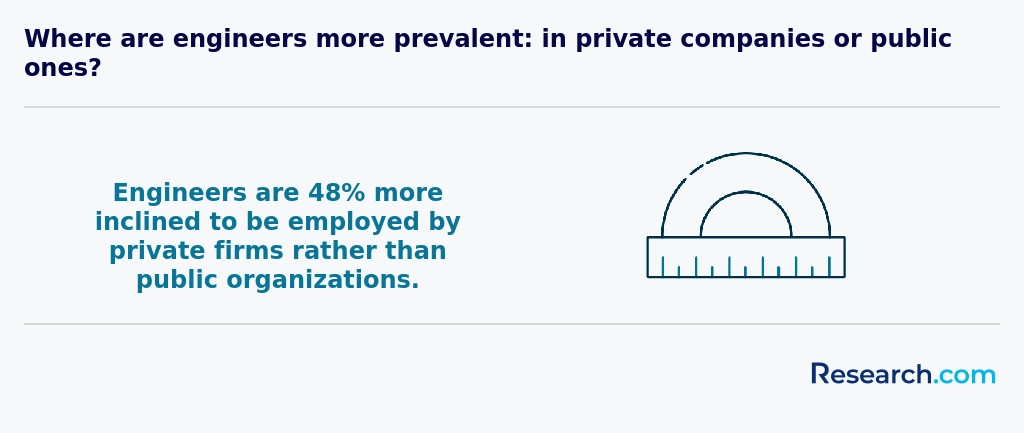
Boulder’s engineering programs are distinguished by their robust research opportunities and close ties to industry, ensuring students gain hands-on experience in cutting-edge labs and real-world projects. At the University of Colorado Boulder, undergraduates can join faculty-led initiatives in the Integrated Teaching and Learning Laboratory (ITLL) or collaborate on renewable energy research at the Renewable and Sustainable Energy Institute. Likewise, Colorado School of Mines offers access to specialized centers such as the Energy and Environment Research Center, where students work alongside industry partners on carbon capture and mineral processing. Industry collaborations extend beyond campus: local companies like Ball Aerospace and IBM Research regularly sponsor capstone projects, provide paid internships, and host student workshops, enhancing students’ professional networks. The Engineering Co-op Program at CU Boulder places students in semester-long positions with startups and Fortune 500 firms, fostering practical skills that translate directly to higher employability and return on investment. For those weighing the cost-benefit of different locations, it can be helpful to compare Boulder’s offerings with alternative markets-see the Affordable Engineering Degree Programs Ranking in Chicago, IL for a complementary perspective on affordability and industry engagement. By integrating research experiences, state-of-the-art facilities, and corporate partnerships, Boulder’s engineering degrees not only bolster students’ technical expertise but also strengthen their candidacy for competitive roles in fields ranging from aerospace to environmental consulting.
Engineering students in Boulder commonly rely on several forms of financial aid to make their education more affordable, with the University of Colorado Boulder being the main hub for such support. Many graduates recall how applying for federal aid through FAFSA unlocked access to Pell Grants, offering up to $7,395, which significantly lowered their financial stress during undergrad years.
At the state level, the Colorado Graduate Grant and other scholarships for STEM students can be game changers, especially for residents, offsetting tuition that reaches around $12,000 annually for in-state students. Graduates often mention the merit-based scholarships provided by CU Boulder's College of Engineering & Applied Science, like the Engineering Scholars Program, which awards up to $5,000-an amount that felt like a direct acknowledgement of their hard work and motivation.
Work-study programs also come up frequently in alumni stories; students describe how these jobs offered practical experience while easing day-to-day expenses. Though federal loans remain an option, many emphasize borrowing cautiously due to long-term repayment concerns. Local engineering societies offering scholarships add another hopeful layer to the mosaic of funding opportunities available in Boulder.
To enroll in an engineering degree program in Boulder, students typically need a solid foundation in math and science, demonstrated through high school coursework. Graduates from local universities often recall how completing Algebra II, Geometry, and AP Calculus AB or BC provided essential skills needed in their first-year engineering classes. Physics and chemistry classes further prepare applicants by grounding them in practical problem-solving experiences, which Boulder institutions highly value.
Standardized test scores, particularly in math, can strengthen applications. For instance, students accepted at the University of Colorado Boulder often exceed the 75th percentile in math sections of the SAT or ACT, reflecting not only academic ability but also dedication and readiness to tackle challenging material. However, some colleges have become test-optional, recognizing alternative ways to assess potential.
Beyond academics, applicants must demonstrate motivation and analytical thinking-this might be through a personal statement, recommendations, or STEM-related extracurriculars like robotics clubs or local internships. Graduates frequently emphasize how these experiences boosted their confidence and made their applications stand out, showing genuine engagement with engineering before even starting college.
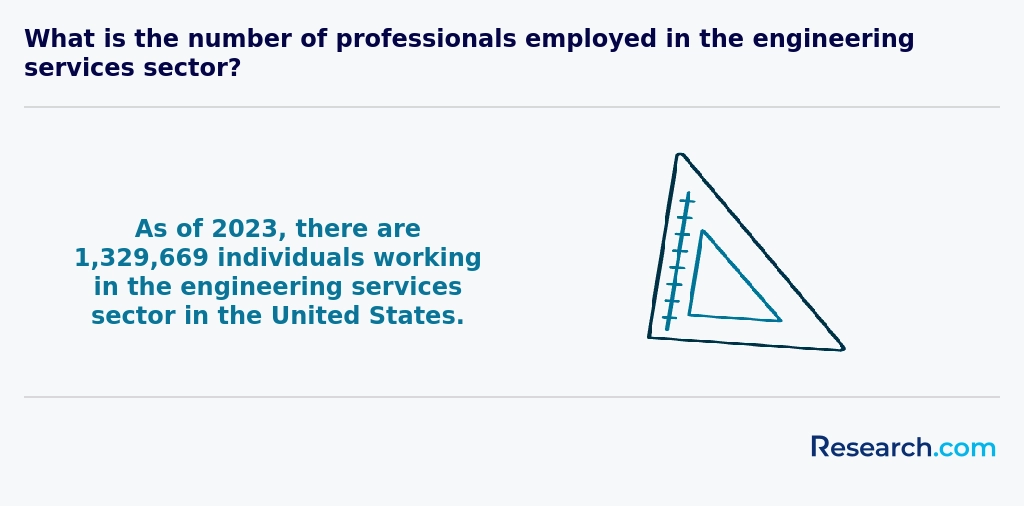
Accreditation is a vital indicator of quality education and industry relevance for engineering degree programs in Boulder, CO. Prospective students should verify that the programs they consider are accredited by recognized organizations, such as ABET, which rigorously evaluate curriculum, faculty expertise, and facilities. Attending an accredited institution not only ensures adherence to high educational standards but also enhances employment prospects and professional licensure opportunities. Additionally, many accredited institutions, including the valuable engineering school in colorado, are recognized for their commitment to continuous improvement and innovation in their engineering programs. By choosing an accredited program, students can be confident in the reliability and credibility of their degree, positioning them for long-term success in a competitive job market.
Engineering degrees in Boulder integrate core courses such as calculus, physics, and chemistry, which form the essential foundation across disciplines. Graduates from institutions like the University of Colorado Boulder recall struggling at first with these demanding subjects, yet found their practical relevance rewarding when applied in laboratory settings or real-world projects.
Typical courses include statics and dynamics, materials science, thermodynamics, and fluid mechanics-subjects that bring clarity to forces, material behavior, and energy systems. For students pursuing electrical or computer engineering, courses in circuits and programming languages like Python or C++ are standard, lending skills crucial for Boulder's growing tech community.
These programs often encourage early exposure to hands-on experiences. Many graduates report that internships with local aerospace and renewable energy firms helped transform abstract theories into tangible innovations. Such exposure can heighten enthusiasm and confidence, reinforcing why these courses matter beyond the classroom.
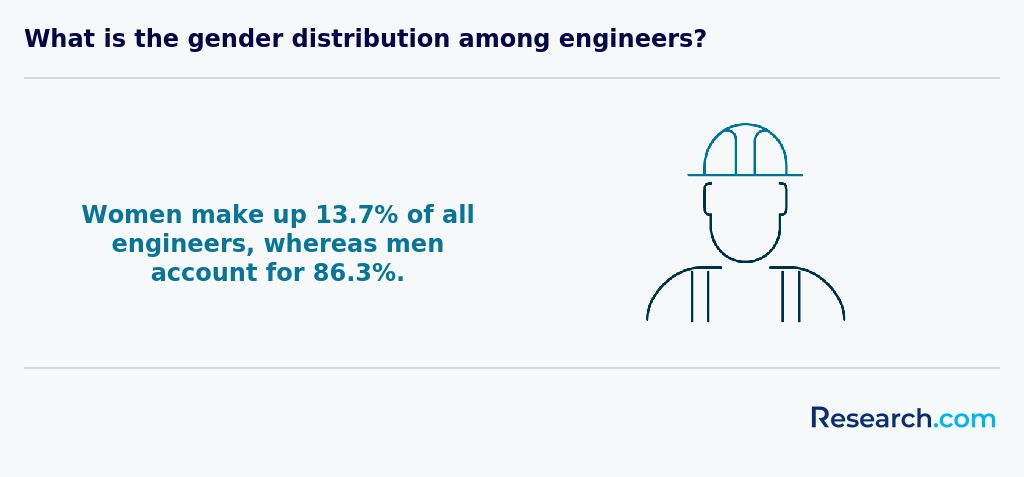
Engineering degree specializations in Boulder reflect a broad spectrum of fields tailored to evolving industry needs. At the University of Colorado Boulder, graduates highlight rich opportunities in traditional areas like Civil, Mechanical, and Electrical Engineering alongside cutting-edge disciplines such as Biomedical and Environmental Engineering. This diversity equips students to tackle real-world challenges, whether designing sustainable infrastructure or developing innovative medical devices. The presence of Aerospace and Chemical Engineering programs also leverages the city's industrial connections, offering students hands-on experience through internships with local tech and aerospace firms.
Some graduates find their paths influenced by the emerging trends in Data Engineering and Systems Engineering, which address growing demands for expertise in managing complex technological networks and big data. These specializations demonstrate how Boulder's engineering programs adapt, contributing to high employability and promising career trajectories. Prospective students considering flexible options might explore distance learning cybersecurity, adding another dimension to their skill set.
Overall, Boulder engineering programs with highest salary potential often combine thorough academics with immersive, industry-relevant experiences, making them appealing for ambitious students eager to balance theory and practice.
Choosing the best engineering degree in Boulder requires balancing academic reputation with personal goals and financial realities. Graduates from the University of Colorado Boulder often praise the access to advanced research facilities and strong ties to local aerospace and tech industries, which enhance practical learning and job prospects. Yet, not every program suits every student's ambitions. It's vital to assess specialization options-whether aerospace, civil, or electrical engineering-and consider how they align with Boulder's distinct industry landscape.
Many students value programs that emphasize internships or cooperative education, offering hands-on experience that fuels confidence and career readiness. Affordability is also crucial; students seeking affordable engineering schools Boulder Colorado find the in-state tuition costs relatively manageable compared to private institutions, though living expenses in Boulder may offset savings. Additionally, some may explore flexible pathways like 1 year master's programs online to accelerate or complement their education while minimizing costs.
Deciding benefits from examining faculty expertise and program graduation rates critically. Graduates often share that mentorship profoundly shaped their academic journey, making these qualitative factors as vital as quantitative data when evaluating programs.
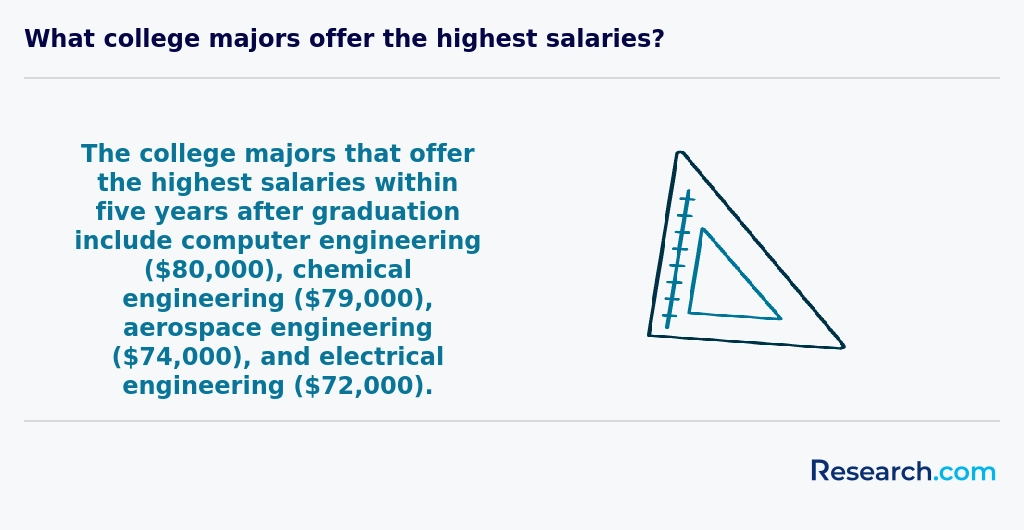
Engineering graduates in Boulder find a variety of career paths thanks to the city's dynamic market and strong ties to technology, aerospace, and environmental industries. Many graduates from the University of Colorado Boulder report beginning their careers in software development roles at local startups or established IT companies, where innovation and a collaborative culture foster personal and professional growth. Others pursue civil and environmental engineering positions, contributing directly to Boulder's sustainability projects or urban infrastructure expansion, reflecting the region's commitment to green initiatives.
Jobs for engineering graduates Boulder Colorado also span aerospace firms such as Ball Aerospace, where specialized skills are highly valued. Some graduates choose academic or research roles linked to university labs or government agencies, benefiting from Boulder's rich ecosystem of research opportunities. Realistically, not every path promises high pay immediately, but many find satisfaction in the meaningful impact their work has on the community and environment.
Prospective students should carefully weigh these diverse opportunities alongside the cost of education, considering options like online engineering degrees to complement their in-person studies in Boulder.

The engineering job opportunities in Boulder are strong, supported by a vibrant tech ecosystem and established companies like Ball Aerospace and Google. Graduates from local institutions often find themselves recruited for roles in aerospace, software, and environmental engineering, reflecting the city's diverse industrial base. Many graduates describe feeling optimistic about their career prospects, especially since their education at Boulder's well-regarded universities aligns closely with local industry needs.
Boulder engineering degree employment outlook is promising but requires strategic planning. Entry-level salaries range between $70,000 and $85,000, which is competitive but on par with national averages, pushing grads to consider further certifications or advanced degrees. Students often highlight the importance of networking through groups like the Society of Women Engineers, which helps bridge the gap between classroom and job market.
Studying locally is appealing not only for job prospects but also because the cost of a degree here tends to be lower than nationwide. Many graduates point to the balance of affordable tuition and the chance to join firms eager for homegrown talent as part of why they view Boulder as a valuable engineering school in colorado.
2027 Most Valuable Engineering Degree Programs Ranking in Boulder
Investing in your education is a significant decision that can profoundly impact your future, and the Research.com team recognizes the importance of guiding prospective students in Boulder toward the best opportunities. To support this, we have carefully developed the "2027 Most Valuable Engineering Degree Programs Ranking in Boulder." Our dedication to quality, credibility, and accuracy is demonstrated through rigorous research and thorough analysis.
We utilized the following reputable data sources to ensure a comprehensive evaluation of engineering programs:
By reviewing this ranking, readers will gain valuable insights into Boulder's most valuable engineering degree programs, helping them make well-informed decisions about their educational investments. For more information on how this ranking was developed, please visit our Research.com methodology page.

Frequently Asked Questions About engineering
Engineering degree students in Boulder can enhance their educational experience by engaging in hands-on projects and internships offered through local industries and the University of Colorado Boulder. The city's strong connection to tech companies and research centers provides ample opportunities for practical learning. According to the Bureau of Labor Statistics, Boulder's engineering sector continues to grow, with an increase of 7% in employment from 2021 to 2023, highlighting local demand.
Students should take advantage of campus resources such as tutoring centers, faculty office hours, and engineering clubs. Networking with professionals in Boulder's thriving tech community also supports career readiness and skill development.
Emerging niches within the engineering field are shaping the future of technology and innovation, particularly in Boulder's dynamic academic and industrial environment. Areas like renewable energy engineering are rapidly growing, fueled by Boulder's commitment to sustainability and green technologies.
Another promising niche is bioengineering, where advances in medical devices and biotechnology are gaining traction. According to the National Science Foundation, bioengineering job opportunities in Colorado are expected to rise by over 15% by 2030.
Additionally, aerospace engineering remains a stronghold in Boulder due to nearby aerospace companies and research centers. The integration of artificial intelligence and data analytics in these fields is creating new roles and specialties.
Students considering engineering degrees in Boulder should also explore environmental and software engineering, both of which stand out for their growth potential and relevance to local industry.
Graduates with engineering degrees in Boulder can enhance their employability by engaging in internships and cooperative education programs during their studies. Local companies such as Ball Aerospace and IBM often offer opportunities that provide practical experience and professional networking.
Additionally, joining professional organizations like the Colorado Engineering Council or attending industry conferences in Denver and Boulder helps students connect with potential employers and stay updated on technological trends.
Developing strong technical skills alongside soft skills such as communication and teamwork is crucial, as employers in Boulder prioritize candidates who can collaborate effectively in multidisciplinary projects.
According to the Bureau of Labor Statistics, the employment of engineers in Colorado is expected to grow 7% from 2022 to 2032, reflecting a stable job market in the region.
Employers in Boulder seek engineering graduates with strong technical skills, including proficiency in software like MATLAB, CAD, and Python, which are essential for roles in aerospace, civil, and electrical engineering. According to the Colorado Department of Labor, 78% of Boulder engineering employers prioritize problem-solving abilities. Communication skills are also crucial, as engineers frequently collaborate in interdisciplinary teams.
Data from the National Association of Colleges and Employers (NACE) highlights that adaptability and experience with emerging technologies, such as renewable energy systems prevalent in Boulder's green tech sector, enhance job prospects. Practical experience through internships or co-op programs is highly valued, providing hands-on skills aligned with industry demands.
Finding internships in Boulder relevant to an engineering degree involves a blend of local networking, university resources, and online platforms. The University of Colorado Boulder's Engineering Career Center is a primary resource, offering job fairs and direct employer connections-more than 75% of engineering students secure internships through its programs annually, according to CU Boulder Career Services 2023 data.
Local tech companies such as Ball Aerospace and Google's nearby engineering offices regularly recruit interns, highlighting Boulder's strong industry presence. Students should also explore platforms like Handshake and LinkedIn, focusing on Boulder-based engineering roles.
Joining professional organizations like the Boulder Section of the American Society of Civil Engineers can provide additional networking opportunities and access to exclusive internships.
In Boulder, an engineering degree significantly enhances career mobility and advancement opportunities. The city's growing tech and aerospace sectors rely heavily on engineering expertise, with companies such as Ball Corporation and Google offering competitive roles. According to the U.S. Bureau of Labor Statistics, engineers in Colorado experience a 6% job growth rate through 2030, faster than the national average.
Graduates with an engineering degree from Boulder's institutions commonly benefit from strong industry connections, internships, and local networking events. These factors contribute to smoother transitions into roles with higher responsibility and salary. Additionally, professional certifications paired with a degree often accelerate promotions.
Studying for an engineering degree in Boulder offers a unique preparation for interdisciplinary roles due to the region's strong ties between universities, industry, and research centers. The University of Colorado Boulder, a key institution here, integrates courses that combine engineering with fields like environmental science, computer science, and business.
This interdisciplinary curriculum equips students with broad problem-solving skills essential in today's workforce, where projects often cross multiple fields. For example, many programs encourage collaboration on real-world projects involving local tech companies and startups, fostering teamwork across specialties.
According to the National Center for Education Statistics, CU Boulder awards over 1,000 engineering degrees annually, reflecting robust program offerings that emphasize both technical expertise and versatile knowledge application.
Choosing between a thesis and a non-thesis engineering degree program in Boulder depends largely on your career goals and interests. Thesis programs emphasize research and typically require substantial original work, ideal for students considering a PhD or research roles. Non-thesis options focus more on coursework and practical skills, suitable for those aiming to enter industry immediately.
Boulder's engineering schools, such as the University of Colorado Boulder, offer both options. According to the university's 2023 enrollment data, about 40% of graduate engineering students opt for thesis tracks, reflecting strong research infrastructure in areas like aerospace and civil engineering.
Cost, time commitment, and faculty mentorship availability also differ. Thesis programs can take longer due to research demands, while non-thesis degrees often provide faster completion. Consider how these factors align with your professional plans.
Students based in Boulder interested in studying engineering abroad have several pathways through US university programs. The University of Colorado Boulder, a leading institution in engineering, offers exchange programs with international partner universities in Europe and Asia, allowing students to earn credits abroad that count toward their degrees. Such programs typically last one semester and provide valuable global experience.
Additionally, students can pursue semester-long or year-long study abroad options through third-party programs recognized by Boulder's engineering departments. According to the Institute of International Education, about 15% of engineering students nationwide participate in these programs annually.
Financial aid and scholarships specifically for study abroad are often available, easing costs for students taking engineering courses outside the US.
Students pursuing engineering degrees in Boulder have access to a variety of part-time job opportunities that complement their academic training. Local tech companies and startups often seek interns or part-time assistants in fields such as software development, mechanical prototyping, and data analysis. According to Boulder Economic Council data from 2023, nearly 15% of local hires in engineering roles were college students working part-time.
Additionally, positions in research labs affiliated with the University of Colorado Boulder provide hands-on experience with testing equipment and materials, which is valuable for engineering students. Opportunities also exist in renewable energy firms, reflecting Boulder's growing sustainable tech sector. These roles enhance practical skills alongside classroom learning, improving employment prospects after graduation.
Boulder offers engineering students strong networking opportunities through local universities and industry connections. The University of Colorado Boulder, known for its engineering programs, hosts career fairs annually that attract over 200 tech and engineering companies, giving students direct access to potential employers.
The city's vibrant tech scene, including startups and established companies like Google and IBM, provides internships and cooperative education programs. Engineering students can engage with professional organizations such as the Boulder chapter of the Society of Women Engineers and IEEE, which hold regular meetings and events.
Additionally, Boulder's many innovation hubs and coworking spaces foster collaboration between students and professionals, enhancing networking possibilities.
Alumni networks provide significant advantages to engineering degree students in Boulder by connecting them with experienced professionals. These networks offer mentorship opportunities, allowing students to gain insights into evolving technologies and industry trends. According to the University of Colorado Boulder, strong alumni ties often lead to internships and job placements in top engineering firms within Colorado's growing tech sector.
Engaging with alumni can enhance students' professional development through networking events and workshops. Data from the National Association of Colleges and Employers shows that 70% of jobs are found through connections, highlighting the importance of such networks. For Boulder engineering students, this means increased chances of launching successful careers locally and beyond.
Engineering degree programs in Boulder offer various options to customize your education according to career goals. Many universities, including the University of Colorado Boulder, provide flexible curricula with numerous electives and specializations like aerospace, civil, or environmental engineering. Students can often choose from minors or certificates in emerging fields such as renewable energy, data science, or robotics, enhancing their skill sets.
Additionally, internships and cooperative education opportunities with local tech companies allow hands-on experience aligned with specific career interests. Graduate students may pursue interdisciplinary research projects, tailoring thesis topics to industry needs. According to the National Center for Education Statistics, personalized study plans improve job placement rates in STEM fields.
Engineering students in Boulder often face a variety of challenges typical to rigorous STEM programs. One major difficulty is managing the demanding coursework, which includes advanced mathematics, physics, and specialized engineering subjects. Data from the University of Colorado Boulder shows that engineering students report higher stress levels compared to other majors, with over 60% indicating that workload impacts their mental health.
Additionally, balancing practical lab work and internships alongside academic commitments can be tough. Securing relevant internships poses challenges due to competitive local tech industries.
Another common obstacle is mastering teamwork skills required for many projects, as well as adapting to rapidly evolving technologies in fields like aerospace and environmental engineering.
With an engineering degree in Boulder, you can pursue several recognized professional certifications that enhance career prospects. The most common is the Professional Engineer (PE) license, awarded after passing the Fundamentals of Engineering (FE) exam and completing relevant work experience. This license is crucial for engineers focusing on public safety and consulting.
Other valuable certifications include the Project Management Professional (PMP), which is useful for engineers managing projects, and the Certified Manufacturing Engineer (CMfgE), offered by the Society of Manufacturing Engineers.
Local employers in Boulder often prefer candidates with these certifications, reflecting nationwide trends highlighted by the National Society of Professional Engineers and the Colorado Department of Labor reports.
To write a winning application for an engineering program in Boulder, start by highlighting your academic excellence, particularly in math and science courses. Most Boulder engineering schools, including the University of Colorado Boulder, value a strong GPA and rigor in STEM subjects. According to CU Boulder's admissions data, about 75% of successful applicants have a GPA above 3.5.
Next, demonstrate relevant experience through internships, research projects, or extracurricular activities related to engineering. Boulder's tech climate encourages practical skills and innovation. A well-crafted personal statement should clearly explain your passion for engineering and how studying in Boulder fits your career goals.
Finally, obtain strong letters of recommendation from teachers or professionals familiar with your skills, as these provide insight beyond your grades. Meeting application deadlines and preparing for any required standardized tests like the SAT or ACT also play key roles.
Engineering careers are increasingly valued worldwide for their role in driving innovation and solving complex problems. In the United States, and specifically in Boulder, engineering is recognized as a strong pathway to job security and high earning potential. According to the U.S. Bureau of Labor Statistics, engineering jobs are projected to grow 8% from 2022 to 2032, faster than the average for all professions.
Boulder is home to a growing tech and renewable energy sector, creating unique opportunities for engineers locally and globally. Graduates with engineering degrees from Boulder institutions often find roles in multinational companies focusing on sustainability and advanced technologies.
Global perspectives emphasize versatility and adaptability for engineers, with a strong foundation in STEM skills paired with problem-solving and communication abilities. Internationally, engineering is seen as a gateway to participate in addressing global challenges such as climate change and infrastructure modernization.
Gaining practical experience while studying engineering in Boulder is essential for career readiness. Many universities in the area, such as the University of Colorado Boulder, offer cooperative education (co-op) programs and internships with local tech companies.
Students can engage in research projects through faculty-led labs, often focusing on aerospace, renewable energy, and software engineering-key industries in Boulder's economy. According to the CU Boulder Career Services, over 60% of engineering students complete at least one internship before graduation.
Additionally, local startups and established firms frequently recruit students for part-time work or summer positions, providing hands-on application of classroom knowledge.
Professional groups like the Boulder Engineering Council also facilitate networking and project opportunities for students seeking real-world experience.
Choosing the right concentration within an engineering degree program in Boulder involves assessing your personal interests and career goals alongside local industry demands. Boulder is known for strong aerospace, environmental, and software engineering sectors. According to the Boulder Economic Council, aerospace companies account for over 30% of local engineering jobs. Exploring concentrations aligned with these industries can increase employment prospects.
Consider the curriculum strengths at Boulder institutions, such as the University of Colorado Boulder, which offers specialized tracks in mechanical, electrical, and environmental engineering. Reviewing faculty expertise and available research opportunities helps tailor your choice.
Internships and hands-on projects with Boulder-based firms provide real-world insights. Engaging with local engineering professional organizations also aids decision-making by revealing current trends and regional needs.
- 2027 Most Valuable Engineering Degree Programs Ranking in Denver
- 2027 Most Valuable Engineering Degree Programs Ranking in Colorado Springs
- 2027 Most Valuable Engineering Degree Programs Ranking in Tempe
- 2027 Most Valuable Engineering Degree Programs Ranking in Tucson
- 2027 Most Valuable Engineering Degree Programs Ranking in Fayetteville
- 2027 Most Valuable Engineering Degree Programs Ranking in Minneapolis
- 2027 Most Valuable Engineering Degree Programs Ranking in Riverside
- 2027 Most Valuable Engineering Degree Programs Ranking in Saint Louis
- 2027 Most Valuable Engineering Degree Programs Ranking in Irvine
- 2027 Most Valuable Engineering Degree Programs Ranking in Los Angeles
See What Experts Have To Say About Studying Engineering
Read our interview with Engineering experts

Bohdan W. Oppenheim
Engineering Expert
Professor Emeritus of Healthcare Systems Engineering
Loyola Marymount University


Jasna Jankovic
Engineering Expert
Associate Professor
University of Connecticut

- engineering degree - Tłumaczenie po polsku - Słownik angielsko-polski Diki https://www.diki.pl/slownik-angielskiego
- 3507 Bachelor Mechanical Engineering - University of Colorado at boulder https://www.findcourse.com/en/highereducation/course/3507/
- Guide to Engineering Internships https://www.internwise.co.uk/candidate-journey/industry-internships/guide-to-engineering-internships
- Breaking Into Engineering: First Job Tips | Intuitive https://careers.intuitive.com/en/employee-stories/career-growth-advice/breaking-into-engineering-tips-for-landing-your-first-job/
- targetjobs https://targetjobs.co.uk/careers-advice/engineering/what-skills-do-engineering-employers-look
- Thesis vs. Non-Thesis Master's Programs: Which is Right for You? https://potomac.edu/thesis-vs-non-thesis-masters/
- Engineering Educational and Career Goals: 6 Reasons Why Continuing Your Engineering Education Advances Your Career https://www.pdh-pro.com/pe-resources/engineering-educational-and-career-goals-6-reasons-why-continuing-your-engineering-education-advances-your-career/
- The Rise of the Niche Engineer https://www.sterling-engineering.com/niche-engineer/
- Know more about thesis vs non- thesis: what is the difference? https://studyfans.com/en/blogs/816
- Thesis vs Course Based Masters... https://talk.collegeconfidential.com/t/thesis-vs-course-based-masters/1709151