2027 Most Valuable Engineering Degree Programs Ranking in Ann Arbor

Co-Founder and Chief Data Scientist
Choosing the right engineering degree program is a big step toward a rewarding future. This article introduces the 2027 Most Valuable Engineering Degree Programs Ranking in Ann Arbor, created by the Research.com team of data scientists to guide you in making smart decisions.
By exploring this ranking, you'll learn which programs offer the best opportunities in terms of value and career potential. Whether you're passionate about innovation or eager to build a strong foundation, this guide helps you discover engineering paths worth considering.
Getting an engineering degree can open doors to exciting careers and personal growth.
Key benefits of getting engineering degree in Ann Arbor
- Salary for engineering graduates: Mechanical engineers in Ann Arbor earn a mean annual wage of $105,220, while electrical engineers make around $117,680, offering strong financial rewards for your hard work and skills.
- Career paths: Graduates from the University of Michigan have diverse opportunities, including roles in automotive design, robotics, and sustainable energy, helping you find a career that fits your passion.
- Online degree benefits: Completing an engineering degree online through local institutions provides flexibility and allows you to balance work and study, making education more accessible without sacrificing quality.
- 2027 Most Valuable Engineering Degree Programs Ranking in Ann Arbor
- What can I expect from engineering degree in Ann Arbor?
- Where can I work with engineering degree in Ann Arbor?
What can I expect from engineering degree in Ann Arbor?
The average annual cost for an engineering degree in Ann Arbor varies depending on residency status. At the University of Michigan's College of Engineering, in-state students typically pay around $18,878 for tuition and fees, making it an affordable option for Michigan residents aiming to build a strong engineering foundation without excessive debt.
Out-of-state students, however, should anticipate a higher investment, with costs around $60,056 annually. Many graduates recall balancing these expenses with scholarships, assistantships, and co-op opportunities-allowing them to gain hands-on experience while easing financial pressure.
Students often find these costs justified by the university's top-tier resources, such as the Wilson Student Team Project Center, which offers tangible project experience, and extensive industry partnerships that boost career prospects immediately after graduation. Engaging in internships or research roles can also provide financial support while enhancing practical skills, making the investment in an Ann Arbor engineering degree strategically worthwhile.
Where can I work with engineering degree in Ann Arbor?
Engineering graduates in Ann Arbor commonly find rewarding opportunities across several thriving industries. Many discover roles in the automotive sector, leveraging connections with companies like Fiat Chrysler Automobiles and Toyota, which offer hands-on experiences in designing vehicle components and developing autonomous technologies. Graduates from the University of Michigan often share how internships and cooperative programs with these firms have accelerated their career paths by providing real-world exposure.
Beyond automotive, the city's expanding tech scene presents strong prospects in software development, cybersecurity, and data analytics. Entrepreneurs and startups frequently collaborate with engineering students from local colleges, creating vibrant internships where practical skills in computer science or electrical engineering are in demand.
Biomedical engineering graduates benefit from proximity to Michigan Medicine, gaining unique chances to innovate medical devices and healthcare technologies. Meanwhile, others find success in consulting, energy, or environmental firms focused on sustainability-fields growing due to Ann Arbor's commitment to clean energy. These varied paths showcase that pursuing an engineering degree here opens doors to practical, impactful careers tailored to your skills and passions.
Graduates with engineering degrees in Ann Arbor can expect competitive salaries that reflect the region's strong industrial and tech presence. For example, mechanical engineers typically earn about $105,220 annually, while electrical engineers can make around $117,680 per year according to the latest U.S. Bureau of Labor Statistics data. Civil engineers and industrial engineers also earn solid wages, averaging $101,160 and $103,150 annually, respectively.
Students from the University of Michigan's College of Engineering often report landing positions with starting salaries near these figures, benefiting from the university's close connections to local employers. Early-career engineers usually start between $65,000 and $80,000, gaining rapid earnings growth by applying skills in automotive, manufacturing, or software development sectors dominant in Ann Arbor.
By focusing on gaining specialized skills and internships during their degree, graduates position themselves for salaries exceeding $100,000 within a few years. This steady career progression combined with Ann Arbor's moderate living costs offers an encouraging financial outlook for engineering students.
- Ann Arbor is home to the University of Michigan, a top-ranked public engineering program in the U.S.
- In-state tuition and fees average about $17,000 per year, while out-of-state students pay around $55,000 annually.
- Total estimated cost for a four-year engineering degree ranges from $128,000 to $280,000, including living expenses and other costs.
- Entry-level engineering salaries typically start at $70,000, increasing to about $110,000 with experience.
- The local job market includes opportunities in automotive, aerospace, software, and biotech sectors.
- Strong industry connections provide internships, job placements, and professional development events for students.
Completing an engineering degree in Ann Arbor typically takes four years for full-time students at well-known schools like the University of Michigan. Most graduates follow a clear path, finishing foundational courses in the first two years and moving on to specialized classes afterward. This straightforward timeline helps students plan their schedules and manage tuition costs effectively.
However, many students choose to gain hands-on experience through co-op programs or internships. While these opportunities can extend the duration to five years, graduates often find the extra time rewarding. Real-world engineering projects boost confidence and make job hunting much easier after graduation, turning an extended study period into a valuable investment.
For those pursuing graduate engineering degrees locally, expect an additional one to two years depending on full-time or part-time enrollment. Smart course planning and financial aid can help manage both time and expenses in Ann Arbor's competitive engineering programs, enabling students to graduate on schedule and with strong career prospects.
On-campus engineering programs in Ann Arbor, such as those at the University of Michigan, provide a rich, hands-on experience. Graduates often recall working in state-of-the-art labs and collaborating directly with professors and peers, which boosts confidence and practical skills. The regular interaction fosters valuable networking that helps secure internships and job opportunities locally.
In contrast, online engineering degrees offer flexibility that suits busy schedules, especially for working professionals or those with family commitments. Students can study at their own pace, eliminating commuting time in Ann Arbor's traffic. However, some online learners mention missing the immediate feedback and lab access found on campus, which requires more self-motivation and resourcefulness.
Cost-wise, on-campus degrees in Ann Arbor vary widely based on residency, with in-state tuition significantly lower than out-of-state. Online programs often reduce costs but may add fees for lab kits or proctored exams. Evaluating personal learning style, schedule, and budget helps decide which path aligns best with individual goals.
Ann Arbor’s engineering programs stand out not only for rigorous coursework but also for unparalleled hands-on learning through state-of-the-art facilities and multidisciplinary research centers. At the University of Michigan’s College of Engineering, students collaborate in the Lurie Nanofabrication Facility, gaining experience in semiconductor processing, while the Michigan Engineering Zone (MEZ) offers mentorship spaces where high school teams develop robotics projects under university guidance. Across campus, the Center for Wireless Integrated MicroSensing and Systems (WIMS2) enables experimentation in IoT and sensor networks, and the U-M Robotics Institute hosts annual competitions that sharpen skills in automation and computer vision. These resources amplify the benefits of an engineering degree, allowing students to prototype solar-powered vehicles in the Solar Car Team garage or to test bioengineering innovations in the Biomedical Engineering Design Laboratory. Eastern Michigan University’s engineering labs also provide remote instrumentation suites, ensuring online learners access virtual controls for chemical reactors and mechanical test rigs. Concordia University’s Maker Space welcomes interdisciplinary teams to 3D-print prosthetic limbs and conduct materials testing, fostering a culture of innovation. By engaging in funded research projects-such as Michigan’s Sustainable Mobility initiative or EMU’s Smart Grids collaboration-students publish findings, attend conferences, and secure patents before graduation. Access to entrepreneurial support through the Center for Entrepreneurship further equips aspiring engineers to spin off startups based on their capstone work. These immersive environments not only reinforce theoretical concepts but also position Ann Arbor graduates at the forefront of industry trends, making their transition into high-impact careers both seamless and rewarding.
The average cost of earning an engineering degree in Ann Arbor, particularly at the University of Michigan, is approximately $77,432 in total expenses over the course of the program. This figure includes tuition, fees, housing, supplies, and other essentials, reflecting the realistic financial commitment required. Graduates from this prestigious institution often recall balancing these costs with scholarships and personal budgeting, which helped them feel confident about managing their education investment.
While the tuition alone for in-state students is significantly lower-around $17,736 total-the overall expenses, including room and board, push the total cost considerably higher. Out-of-state students, facing the same total cost of $77,432, often benefit from merit-based scholarships or engineering-specific grants that can make a substantial difference. Visualize a typical Ann Arbor engineering student who lives on campus and budgets carefully for books and personal expenses, allowing them to enjoy campus life without constant financial stress.
Understanding the average cost of engineering degree in Ann Arbor is crucial for planning. Many students successfully navigate this by applying early for financial aid and utilizing university resources. Additionally, those curious about future opportunities can research relevant paths to careers-for example, exploring computer science career options, which often align with engineering skills-helping to justify their educational expenses with clear, rewarding outcomes.

Engaging in an engineering degree in Ann Arbor, MI, isn’t solely about rigorous coursework-it’s also about immersing yourself in a vibrant campus culture that fosters creativity, collaboration, and personal growth. Students thrive not only in state-of-the-art laboratories and research centers but also in a community that offers diverse extracurricular activities, mentoring programs, and networking events. Campus facilities, ranging from modern engineering labs to innovation hubs and makerspaces, provide hands-on experiences that are as critical as classroom learning. These environments help nurture real-world problem-solving skills and inspire innovative thinking, ensuring that graduates are well-equipped for a dynamic career landscape. Additionally, many institutions organize regular industry seminars and tech showcases, creating direct pathways to internships and future employment opportunities. For a deeper understanding of how top-notch facilities and a robust campus life contribute to academic excellence, check out our ranking of valuable engineering programs in michigan. This holistic undergraduate experience not only prepares students academically but also cultivates a network of peers and professionals that can be invaluable throughout their careers.
Engineering students in Ann Arbor often secure financial aid through federal grants like the Pell Grant, which many students find a game-changer since these funds do not require repayment. At the University of Michigan, a leading hub for engineering, undergraduates frequently rely on these grants combined with low-interest federal student loans to make their dreams manageable. One graduate recalls how the Pell Grant eased immediate financial worries, letting them focus on demanding coursework.
Merit and need-based scholarships offered by the College of Engineering are another vital resource. These awards are competitive but rewarding, sometimes covering thousands of dollars and boosting confidence through recognition of academic efforts. Many students describe the scholarship application as a meaningful process that helped them reflect on their leadership and dedication.
Graduate students benefit from research and teaching assistantships that not only cover tuition but also provide stipends. This real-world involvement in engineering projects at the university adds practical experience and financial peace of mind, making advanced degrees accessible without overwhelming debt. Local residents working in tech industries often access employer tuition assistance programs, creating additional pathways to fund their studies without sacrificing income.
To enroll in an engineering degree in Ann Arbor, you first need a solid high school foundation, especially in advanced math and science. Graduates often recall that taking courses like algebra, calculus, physics, and chemistry prepared them well for the rigorous curriculum at local institutions like the University of Michigan.
Standardized tests such as the SAT or ACT are also key. Many successful applicants report that achieving an SAT score around 1440 or an ACT near 32, benchmarks typical at Ann Arbor engineering schools, greatly boosted their admission chances.
Beyond academics, applicants must submit detailed applications, including transcripts, recommendation letters, and personal statements. Many students find that showcasing practical experience-such as robotics club involvement or internships-adds a strong, confident edge to their profiles.
Finally, Ann Arbor's engineering programs emphasize readiness and offer academic advising to help you meet prerequisites, ensuring you feel supported and prepared as you transition into specialized study fields.

Ann Arbor’s engineering programs are distinguished by deep collaborations with industry leaders and cutting-edge research centers, ensuring students gain real-world experience alongside academic rigor. At the University of Michigan’s Center for Wireless Integrated MicroSensing and Systems (WIMS2), undergraduates and graduates work on projects ranging from wearable health monitors to autonomous drone navigation. Partnerships with automakers like Ford and Toyota Motor Engineering Institute offer co-op placements, enabling students to apply classroom concepts to vehicle design and manufacturing processes. Beyond automotive applications, interdisciplinary labs such as the Michigan Robotics Institute and the Energy Institute provide funded research assistantships, where students develop sustainable energy solutions or advanced robotic systems. These opportunities not only bolster technical expertise but also enhance resumes: a senior working in the Solar Car Team recently secured a full-time position with a leading renewable energy firm based on prototype development experience. While Ann Arbor excels in research-driven education, cost considerations remain crucial. Students comparing program value and affordability can explore our Most Affordable Engineering Degree Programs Ranking in San Diego, CA to evaluate how similar research opportunities align with budget-friendly tuition options elsewhere.
Engineering degrees in Ann Arbor, especially at the University of Michigan's College of Engineering, include a well-rounded mix of core and specialized courses that build strong practical skills and theoretical knowledge. Graduates often recall starting with essential classes like calculus, differential equations, and physics, which lay the groundwork for understanding complex engineering problems.
Hands-on learners value courses in general chemistry and computer programming early on, as these provide tools for material science analysis and coding skills needed in projects and labs. Many students find that moving into specialized subjects-such as thermodynamics for mechanical engineering or circuits for electrical engineering-helps them connect theory with real-world challenges.
Labs and team projects are frequent, providing collaborative environments where students apply concepts like robotics programming or structural analysis to tangible tasks. Graduates often highlight how this blend of coursework and teamwork boosted their confidence and prepared them for engineering careers directly aligned with Ann Arbor's vibrant tech and research community.
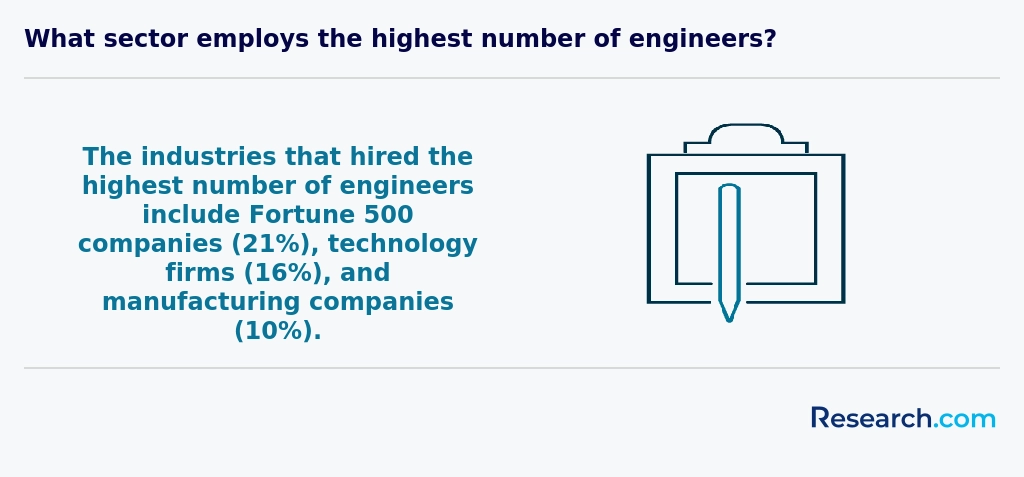
Engineering degree specializations Ann Arbor offers are diverse, reflecting both traditional disciplines and emerging technologies. At the University of Michigan, students often choose from civil, mechanical, electrical, and computer engineering, each providing hands-on experiences like designing sustainable infrastructure or developing innovative hardware-software systems. Graduates frequently express enthusiasm about working on real-world projects that influence local industries and communities.
Options extend to biomedical and environmental engineering, fields that appeal to those passionate about healthcare technology and addressing global sustainability challenges. The interdisciplinary programs here stand out, combining areas such as robotics, data science, and cybersecurity-skills highly valued in the evolving tech landscape of Ann Arbor.
Many students appreciate the flexibility in Ann Arbor engineering program options, enabling them to tailor their education to market demands and personal goals. For those interested in computer science integration, exploring the highest ranked online computer science programs can augment their engineering expertise and open broader career paths.
To choose the best engineering degree programs in Ann Arbor, start by identifying which specialization fits your passion and future career. Popular programs at institutions like the University of Michigan offer mechanical, electrical, civil, computer science, and biomedical engineering-all with strong faculty and research opportunities that past graduates consistently praise for boosting confidence and skills.
Affordability is key for many students. Engineering colleges in Ann Arbor provide competitive in-state tuition rates around $17,000 annually. Reflecting on graduates' experiences, many found that balancing tuition costs with access to internship and co-op programs helped them gain practical skills without excessive debt.
Job placement is another crucial factor. Over 90% of graduates from Ann Arbor's top engineering schools secure jobs or graduate school spots within six months, often with starting salaries near $80,000. If you're evaluating value, check data on valuable engineering programs in michigan to compare outcomes and return on investment.

Engineering graduates in Ann Arbor find a wealth of career paths across diverse industries. Many leverage the city's proximity to Detroit's automotive hub by entering automotive engineering roles, contributing to designing and improving next-generation vehicles. Others pursue biomedical engineering, benefiting from collaborations with the University of Michigan's cutting-edge research and local healthcare facilities. Software and computer engineering positions are abundant thanks to Ann Arbor's booming tech startup scene and established companies, where graduates often innovate in real-life projects used daily.
Civil and environmental engineering provide a direct impact on infrastructure and sustainability, as the city invests in green initiatives and construction projects. Electrical and electronics engineering also thrives here, with opportunities in manufacturing and robotics, preparing graduates for high-demand technical roles. Practical experience from internships adds confidence, as reflected in graduates who discuss how these real-world settings shaped their career choices.
These benefits of an engineering degree in Ann Arbor reflect the strong engineering career opportunities in Ann Arbor, supported by the University of Michigan's influence and local industry demand. For students targeting top engineering jobs Ann Arbor graduates pursue, engaging with these sectors early boosts prospects and workplace readiness.
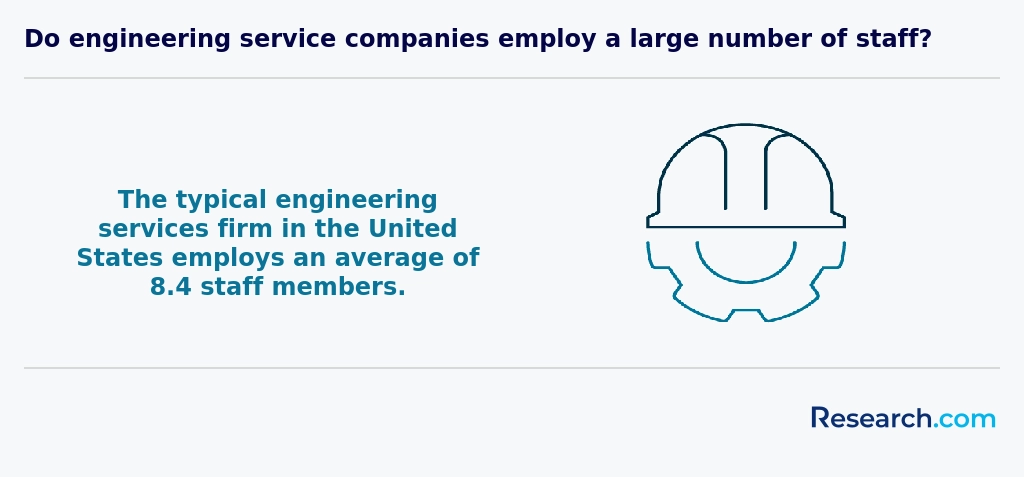
Graduates with engineering degrees from the University of Michigan in Ann Arbor enjoy a robust job market supported by strong academic-industry connections. Many report securing internships and full-time roles with major employers like Ford and General Motors, where their skills in electrical or mechanical engineering quickly translate into meaningful projects. This vibrant ecosystem promotes a positive career outlook, especially given the city's emphasis on research and innovation.
The engineering jobs outlook in Ann Arbor remains bright due to consistent hiring in automotive technology, clean energy, and biomedical fields. Graduates appreciate the competitive starting salaries ranging from $70,000 to $75,000, which reflect the region's demand for specialized skills. Networking opportunities through university events and local societies further enhance employment chances.
For students considering cost versus benefit, in-state tuition at the University of Michigan offers significant savings compared to national averages, improving return on investment. Prospective engineers can also explore options like the Most Affordable Engineering Degree Programs Ranking in San Diego, CA for comparative insights.
2027 Most Valuable Engineering Degree Programs Ranking in Ann Arbor
Investing in your education is a significant decision that can profoundly impact your future, and the Research.com team recognizes the importance of making well-informed choices. To support prospective students in Ann Arbor, we have carefully developed the "2027 Most Valuable Engineering Degree Programs Ranking." Our dedication to quality, credibility, and accuracy is demonstrated through extensive research and rigorous analysis applied during the ranking process.
We utilized the following reputable data sources to ensure a comprehensive evaluation of engineering programs:
By consulting this ranking, readers will gain valuable insights into the most valuable engineering degree programs available in Ann Arbor, empowering them to make confident and informed decisions about their educational and career goals. For a detailed explanation of how this ranking was created, please visit our Research.com methodology page.

Frequently Asked Questions About engineering
Engineering students in Ann Arbor can maximize their learning experience by actively engaging with the University of Michigan's College of Engineering, which consistently ranks among the top engineering schools in the United States. Utilizing its extensive research facilities and participating in hands-on projects enhances practical skills. According to U.S. News & World Report, the college's interdisciplinary labs offer exposure to cutting-edge fields such as robotics and energy systems.
Students should also seek internships with local industries, including automotive and tech companies in the Detroit metropolitan area, to gain real-world experience. Joining engineering clubs and attending networking events helps build professional connections early in their careers.
Finally, leveraging tutoring centers and faculty office hours can provide personalized academic support, improving mastery of complex subjects common in engineering curricula.
The engineering field in Ann Arbor is evolving rapidly, with several emerging niches gaining attention. One key area is sustainable engineering, where innovations focus on renewable energy and environmentally friendly materials. The University of Michigan, located in Ann Arbor, reports a growing interest in clean energy technologies supported by local research grants.
Another niche is biomedical engineering, driven by advances in medical devices and health informatics. Ann Arbor's proximity to leading hospitals fuels this trend, with increased internship opportunities for students.
Robotics and automation also gain momentum, reflecting Michigan's automotive heritage and shifts toward autonomous vehicles and smart manufacturing. According to the American Society for Engineering Education, enrollment in these specializations has increased by over 15% in recent years.
After completing an engineering degree in Ann Arbor, preparing for the job market involves a mix of practical experience and networking. Internships during your studies are crucial; Ann Arbor hosts companies like Toyota Research Institute and Duo Security, offering valuable industry exposure. According to the University of Michigan's Career Center, over 80% of engineering students secure internships before graduation, which significantly improves job prospects.
Building technical skills through projects and certifications related to your specialization strengthens your resume. Additionally, participating in local engineering organizations and job fairs, such as those hosted by the Ann Arbor SPARK initiative, helps connect with potential employers. Developing strong communication skills is equally important for career advancement.
Employers in Ann Arbor highly value engineering graduates with strong technical and problem-solving skills. According to the 2023 Michigan Engineering Workforce Report, proficiency in software tools like MATLAB, CAD, and Python is essential in the local job market.
Beyond technical expertise, communication skills play a crucial role. Engineers must collaborate across multidisciplinary teams, making clear and concise communication vital.
Additionally, practical experience through internships or co-op programs enhances job readiness. The Ann Arbor region, home to several automotive and technology firms, reports 65% of employers prefer candidates with hands-on project experience.
Analytical thinking and adaptability are also sought after, reflecting the evolving demands of engineering roles in this tech-driven area.
Finding internships in Ann Arbor for engineering students often begins with utilizing university resources. The University of Michigan, a leading institution in the city, offers a robust career center that connects students to local companies through job fairs and internship listings. These opportunities frequently come from firms in the automotive, software, and manufacturing sectors, which are strong in the Ann Arbor region.
Networking is essential; students are encouraged to join engineering student organizations and attend industry events, where connections with professionals can lead to internships. According to the National Association of Colleges and Employers (NACE), 60% of engineering internships are secured through personal contacts.
Online platforms like Handshake, used by many University of Michigan students, specifically list internships in Ann Arbor. Engineering-specific internship programs often focus on practical skills and may offer paid positions, providing valuable experience relevant to a future career.
In Ann Arbor, earning an engineering degree significantly enhances career mobility and advancement opportunities. The city's robust engineering job market, supported by the presence of major tech firms and the University of Michigan, creates a strong demand for skilled engineers. According to the U.S. Bureau of Labor Statistics, engineers in the Ann Arbor metropolitan area enjoy an average salary 15% higher than the national average, reflecting local market strength.
Graduates with engineering degrees frequently find pathways into diverse industries such as automotive, electronics, and biotechnology, which dominate Ann Arbor's economy. Many employers prioritize candidates with formal engineering education for leadership and specialized technical roles.
Additionally, Ann Arbor offers numerous professional networks and continuing education resources. These support engineers in gaining certifications and advanced skills, factors proven to accelerate career growth according to reports from the Michigan Economic Development Corporation.
Studying for an engineering degree in Ann Arbor offers students unique opportunities to develop skills critical for interdisciplinary roles. The University of Michigan, a top-ranked institution located in Ann Arbor, integrates engineering with fields such as business, medicine, and computer science. According to the university's College of Engineering, over 40% of engineering students participate in minors or dual degrees, which enhances their adaptability across sectors.
Ann Arbor's engineering programs emphasize teamwork and project-based learning, often involving collaboration with local industries and research centers. This approach reflects industry demands for professionals who can communicate and work effectively across disciplines.
Furthermore, Ann Arbor's vibrant tech and healthcare sectors provide internships and cooperative education experiences that expose students to real-world interdisciplinary challenges, preparing them for diverse career paths after graduation.
When choosing between a thesis and a non-thesis engineering degree program in Ann Arbor, students should consider their career goals and interests. Thesis programs emphasize research, often requiring 6 to 12 months dedicated to original work, which benefits those aiming for doctoral studies or R&D roles.
Non-thesis programs focus on coursework and practical experience, typically appealing to professionals targeting industry positions or immediate job placement. According to the University of Michigan's College of Engineering data, about 40% of graduate engineering students opt for thesis tracks, highlighting its popularity for research-oriented careers.
Financial and time commitments also differ: thesis programs may take longer to complete, while non-thesis degrees can allow faster entry into the workforce.
Students should carefully assess their academic strengths, professional ambitions, and learning preferences when deciding.
Students based in Ann Arbor have several avenues for studying engineering abroad through programs affiliated with local universities. The University of Michigan, a leading institution in engineering education, offers multiple study abroad options specifically designed for engineering students. These programs often include partnerships with top universities in Europe, Asia, and Australia, allowing students to spend a semester or year abroad while earning credit toward their degree.
According to the University of Michigan's Center for Global and Intercultural Study, over 150 programs are available worldwide, with many tailored to engineering disciplines such as aerospace, civil, and electrical engineering. Additionally, students can access internships and research opportunities abroad through sponsored programs.
These options help Ann Arbor students gain international experience, an asset highly valued in the engineering workforce. The strong emphasis on STEM exchange programs supports skill development in a global context, preparing graduates for competitive roles internationally.
Ann Arbor offers various part-time job opportunities that align well with engineering degree studies. Local technology firms and startups frequently seek interns or part-time assistants, providing practical experience in software development, mechanical design, and electrical engineering. According to the University of Michigan's Engineering Career Resource Center, about 60% of engineering students find on-campus or local jobs related to their fields.
Research labs at the university also hire students for roles such as lab technicians or research assistants, offering hands-on exposure to cutting-edge projects. Additionally, positions in IT support, data analysis, and CAD drafting can complement the technical skills gained in coursework.
These roles help students apply theoretical concepts in real-world settings, improving employability after graduation.
Engineering students in Ann Arbor benefit from robust networking opportunities primarily through the University of Michigan's College of Engineering. The college hosts numerous career fairs attracting more than 250 companies annually, offering students direct access to industry leaders and potential employers. Professional organizations such as the Society of Women Engineers and the American Society of Mechanical Engineers have active chapters on campus, providing regular workshops and events to connect students with alumni and professionals.
Moreover, Ann Arbor's proximity to a thriving tech corridor encourages collaborations between students and local startups or established firms. Internship programs and co-op placements are widely promoted through university partnerships, enhancing real-world connections. According to the University of Michigan's Career Center, over 80% of engineering students secure internships before graduation, increasing their engagement with professional networks.
Alumni networks provide significant benefits to engineering students in Ann Arbor, a city known for its strong ties to the University of Michigan and local tech industries. These networks offer valuable mentorship opportunities, connecting students with experienced graduates who provide guidance on career paths and industry trends.
Many alumni work in engineering firms and startups across Michigan, facilitating internships and job placements. According to the University of Michigan's Career Center, over 70% of engineering students secure employment through alumni referrals.
Additionally, alumni networks host events and workshops that enhance professional skills and foster networking in the region's competitive engineering sector.
In Ann Arbor, engineering students have multiple ways to customize their degree programs to match career aspirations. Many universities offer specialized tracks within engineering disciplines, such as mechanical, electrical, or biomedical engineering. Students can select electives aligned with industries prevalent in the region, including automotive, software, and healthcare technology. According to the University of Michigan's College of Engineering, over 30% of courses are elective, allowing tailored learning paths.
Internship programs with local companies provide hands-on experience and networking opportunities, enhancing career readiness. Additionally, students can pursue dual degrees or minors in business or data science, increasing versatility in the job market. Certifications and research projects further help tailor the educational experience to specific professional goals.
Engineering students in Ann Arbor commonly face a demanding academic workload that requires strong time management skills. Many report challenges balancing rigorous coursework with lab assignments and team projects, which are essential components of engineering programs in the area.
Financial concerns also affect students, as tuition and living expenses in Ann Arbor can be high. According to the University of Michigan's 2023 data, in-state tuition for engineering undergraduates averaged around $17,000 annually, while out-of-state students paid over $55,000.
Additionally, students often experience pressure from competitive environments. Ann Arbor's engineering programs are known for high admission standards and intensive grading curves, creating stress for many.
Access to internships and hands-on experience is crucial but can be competitive. Engineering students must navigate local industry demands in sectors like automotive and technology to secure valuable positions before graduation.
With an engineering degree from Ann Arbor institutions, graduates can pursue several key professional certifications to enhance their careers. One of the most recognized is the Fundamentals of Engineering (FE) exam, typically the first step toward becoming a licensed Professional Engineer (PE). Passing the FE allows candidates to gain the necessary experience before sitting for the PE exam.
Besides the PE license, engineers may also seek certifications like the Project Management Professional (PMP), valuable in managing complex engineering projects. Certifications in specialized fields, such as Certified Manufacturing Engineer (CMfgE) or Certified Systems Engineering Professional (CSEP), are also popular.
Licensing boards and professional societies nationally, including those active in Michigan, set exam standards and requirements for these certifications to ensure quality and safety in engineering practice.
Applying for an engineering program in Ann Arbor requires a strategic approach to stand out. Focus on showcasing strong academic performance, particularly in math and science courses, as these are critical for engineering admissions. The University of Michigan, the leading institution in Ann Arbor, reports average admitted students have SAT scores around 1440-1560 and a GPA above 3.8.
Highlight relevant extracurricular activities such as robotics clubs, engineering competitions, or internships. Demonstrating practical experience reinforces your commitment and skills. Carefully craft your personal statement to explain why engineering interests you and how studying in Ann Arbor aligns with your career goals.
Letters of recommendation should come from teachers familiar with your analytical abilities. Finally, make sure to meet all application deadlines and supplement materials like portfolios if required by specific programs. Following these steps increases your chances of a successful application.
Engineering careers in the United States, including Ann Arbor, are increasingly viewed through a global lens. According to the U.S. Bureau of Labor Statistics, engineering jobs are expected to grow by 6% nationally from 2022 to 2032, underscoring a steady global demand for technical expertise. Ann Arbor is home to the University of Michigan, a top-ranked engineering school recognized worldwide, which enhances students' opportunities for international collaboration and research.
Graduates with engineering degrees from Ann Arbor often engage in multinational projects and benefit from global industry partnerships. This international exposure prepares students for careers not only in the U.S. but also in engineering hubs across Europe and Asia. Additionally, knowledge of global standards and sustainability practices is increasingly vital, reflecting worldwide priorities in engineering fields.
Gaining practical experience while studying for an engineering degree in Ann Arbor is crucial for career readiness. Many local universities, including institutions like the University of Michigan, offer cooperative education (co-op) and internship programs that connect students with leading companies in engineering fields. These placements provide hands-on work opportunities and can last from a semester to a full year.
Ann Arbor's strong technology sector and proximity to Detroit's automotive industry create abundant chances for internships in areas such as automotive engineering, robotics, and aerospace.
Additionally, student engineering organizations and research labs offer projects that simulate real-world challenges, helping students build practical skills outside the classroom.
Choosing the right concentration within an engineering degree program in Ann Arbor involves evaluating your interests, career goals, and local industry demands. The University of Michigan, a leading institution here, offers diverse concentrations such as mechanical, electrical, civil, and computer engineering, each with unique career paths. According to the U.S. Bureau of Labor Statistics, computer and electrical engineers in Michigan have a median annual wage exceeding $90,000, reflecting strong local demand.
Consider the concentration's alignment with Ann Arbor's tech and automotive sectors, which frequently hire engineers specialized in software, robotics, and materials. Exploring faculty expertise and research facilities can also provide insights into program strengths.
Internship opportunities in Ann Arbor's vibrant engineering community play a crucial role; programs with strong industry ties enhance job prospects after graduation. Additionally, reviewing course content and accreditation status, such as ABET certification, ensures quality education aligned with professional standards.
- 2027 Most Valuable Engineering Degree Programs Ranking in Detroit
- 2027 Most Valuable Engineering Degree Programs Ranking in Cleveland
- 2027 Most Valuable Engineering Degree Programs Ranking in Dayton
- 2027 Most Valuable Engineering Degree Programs Ranking in Chicago
- 2027 Most Valuable Engineering Degree Programs Ranking in Milwaukee
- 2027 Most Valuable Engineering Degree Programs Ranking in Pittsburgh
- 2027 Most Valuable Engineering Degree Programs Ranking in Rochester
- 2027 Most Valuable Engineering Degree Programs Ranking in Syracuse
- 2027 Most Valuable Engineering Degree Programs Ranking in Saint Louis
- 2027 Most Valuable Engineering Degree Programs Ranking in Washington
See What Experts Have To Say About Studying Engineering
Read our interview with Engineering experts

Bohdan W. Oppenheim
Engineering Expert
Professor Emeritus of Healthcare Systems Engineering
Loyola Marymount University


Jasna Jankovic
Engineering Expert
Associate Professor
University of Connecticut

- Guide to Engineering Internships https://www.internwise.co.uk/candidate-journey/industry-internships/guide-to-engineering-internships
- Arya College | Best B.Tech College in Jaipur, Rajasthan, India https://www.aryacollege.org/resources/common-challenges-faced-by-engineering-students/
- Know more about thesis vs non- thesis: what is the difference? https://studyfans.com/en/blogs/816
- Networking for engineers: your questions answered https://targetjobs.co.uk/careers-advice/engineering/networking-engineers-your-questions-answered
- Top 5 Demanding Engineering Fields in 2025: Future-Proof Your Career - MEC https://mailamengg.ac.in/top-5-demanding-engineering-fields-2025/
- How to Study Abroad as an Engineering Major https://www.semesteratsea.org/study-abroad-engineering-major/
- Get experience in engineering with an internship https://gradireland.com/careers-advice/engineering/get-experience-engineering-internship
- 18529 mechanical engineering English-speaking jobs in Poland https://englishjobs.pl/jobs/mechanical_engineering
- Careers in Engineering https://discover.alpenacc.edu/programs/degrees_and_programs/engineering_career_options.php
- All STEM Placements/Internships | Gradcracker - Careers for STEM Students https://www.gradcracker.com/search/all-disciplines/engineering-work-placements-internships