2027 Best Online Master's in Engineering Degree Programs Ranking in the South

Co-Founder and Chief Data Scientist
Choosing the right online master's in engineering program can shape your future and open doors to exciting career opportunities. This article features the 2027 Best Online Master's in Engineering Degree Programs Ranking in the South, developed by the Research.com team of data scientists to guide you through the most reputable options available.
By exploring this ranking, you'll gain valuable insights to help make an informed decision. Earning an engineering degree online offers flexibility, quality education, and a pathway to professional growth-all tailored to fit your busy lifestyle.
Key benefits of getting online engineering degree in the South
- Engineering graduates in the South can expect strong salary prospects, with positions like Project Engineer earning a mean annual wage of $137,750 and Research Engineers averaging $120,630.
- Popular Southern universities often lead graduates into diverse careers such as Biomedical Engineering or Control Systems Engineering, opening doors to exciting and impactful industries.
- Online engineering degrees offer flexible schedules and lower costs, allowing students to balance work and study efficiently while still gaining credible qualifications respected by employers.
- 2027 Best Online Master's in Engineering Degree Programs Ranking in the South
- What can I expect from online engineering degree in the South?
- Where can I work with online engineering degree in the South?
What can I expect from online engineering degree in the South?
When considering the cost of an online engineering degree in the South, you'll find that tuition is generally more affordable compared to other U.S. regions. On average, public universities in states like Texas, Georgia, and North Carolina charge between $10,000 and $18,000 per year for in-state graduate students. This accessibility allows many aspiring engineers to pursue advanced degrees without overwhelming financial strain.
Graduates from well-known institutions such as those in the Research Triangle often share how this balance between quality and cost empowered them to focus on learning cutting-edge skills instead of worrying about excessive debt. These programs also offer financial aid and employer tuition reimbursement, making it possible to juggle work and education smoothly.
You'll find yourself engaging deeply with both theoretical concepts and practical applications in flexible formats, thanks to the mix of synchronous and asynchronous course designs. This way, you can tailor your learning around your professional and personal life, much like many successful engineering alumni from southern schools have done.
Where can I work with online engineering degree in the South?
Graduates from online engineering programs at schools like Georgia Tech and the University of Texas often find themselves stepping into dynamic careers across the South's thriving industries. Picture a mechanical engineering graduate working alongside experts at Boeing in Alabama, where innovation in aerospace design shapes the future of flight. Or imagine a fellow graduate landing a role at BMW in South Carolina, optimizing manufacturing processes to enhance automotive production efficiency.
Many alumni also thrive in Texas's booming energy sector, contributing to petroleum extraction projects or spearheading renewable energy developments supported by local initiatives. The diversity of options is incredible, especially with technology hubs in Raleigh and Austin offering roles in software and cybersecurity engineering. Graduates remind me how rewarding it is to apply their skills in real-world challenges, from designing cutting-edge systems to managing critical infrastructure projects, all while residing in the South.
Choosing an online engineering degree here means embracing opportunities directly tied to regional economic strengths-opening doors you might not have imagined before starting your studies.
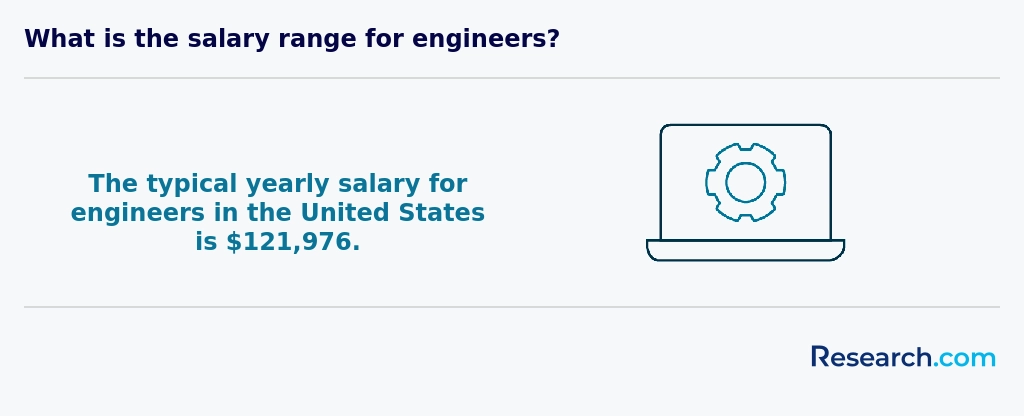
Graduates with online engineering degrees from Southern universities like Georgia Tech or the University of Texas often find rewarding salary opportunities that reflect their dedication and skill. For instance, as a Research Engineer, you can anticipate a mean annual wage around $120,630, which echoes the strong demand for innovation in Southern tech hubs.
Those stepping into Project Engineer roles tend to earn even more, with mean salaries reaching approximately $137,750 per year. This level of compensation matches the critical responsibilities they handle in infrastructure and energy sectors prominent in Southern states like Texas and Florida.
Product Development Engineers, common among graduates from schools such as North Carolina State University, receive mean wages near $110,430, a solid figure considering the region's growing manufacturing and aerospace industries.
Control Systems Engineers enjoy median earnings close to $118,350, benefiting from the South's expanding electrical and automation fields. Biomedical Engineering graduates earn around $106,700, a testament to rising healthcare technologies across Southern medical centers.
By completing an online engineering degree in the South, you position yourself in a vibrant job market where salaries steadily grow with your experience and certifications. Many graduates feel proud knowing their hard work from home classrooms translates into life-changing financial results in dynamic Southern industries.
- Tuition for online engineering master's degrees in the South ranges from $15,000 to $30,000, which is generally more affordable than many private or out-of-region programs.
- Early career salaries for graduates average around $70,000 per year, increasing to about $100,000 by mid-career.
- Key industries driving job growth in the South include aerospace, automotive manufacturing, energy, and telecommunications.
- Programs are typically accredited by ABET, ensuring recognized educational standards and supporting licensure opportunities.
- Many programs offer part-time enrollment and asynchronous courses, making it easier for working professionals to study.
- Financial aid options like scholarships, employer tuition reimbursement, and federal student aid are widely available to help with costs.
Completing an online engineering degree in the South usually takes about four years for full-time students pursuing a bachelor's degree, with most programs requiring around 120 to 130 credit hours. Graduates from universities like Texas A&M and Georgia Tech often share how part-time study extended their journey to five or six years, allowing them to balance work and family while steadily advancing. Others have embraced accelerated options, finishing in as little as three years by leveraging prior college credits or dedicating extra hours to their studies.
For master's degrees, the timeline can be as short as one year for full-time learners but often stretches to three or four years when studying part-time. Many Southern programs value flexibility, with asynchronous classes that helped graduates juggling jobs progress smoothly without sacrificing quality learning.
Ultimately, the key is setting a pace that works for your lifestyle and goals-just like those who've thrived in Southern online engineering programs, turning challenges into opportunities for success.
Investing in an online master’s in engineering is not just about earning a degree-it’s about achieving measurable career gains that outweigh the upfront costs. On average, graduates from Southern programs report total tuition and fees between $10,000 and $30,000, while entry-level salaries range from $60,000 to $80,000. By comparing these figures, most students recoup their investment within two to four years, depending on specialization and local cost of living. To calculate ROI more precisely, consider all cost components: tuition, technology fees, study materials, and potential income lost while studying. Financial aid and employer tuition reimbursement can dramatically shorten payback periods, turning a four-year program into a three-year break-even scenario. Additionally, programs that include hands-on capstone projects and strong career services tend to accelerate job placement, reducing the gap between graduation and salary initiation. Maximizing ROI also involves strategic specialization choices-fields like software and electrical engineering often command higher starting salaries, while emerging areas like renewable energy engineering offer fast-growing opportunities. Networking through alumni associations and leveraging internships further enhance salary negotiations. For deeper insights into compensation trends and salary benchmarks, see our guide on computer engineer career salary. By aligning program costs with long-term earning potential, prospective students can make data-driven decisions that ensure their online engineering degree delivers both personal growth and financial reward.
Choosing an engineering degree in the South means deciding between the vibrant, hands-on experience of on-campus learning and the flexible, self-driven path of online study. Graduates from universities like Georgia Tech or the University of Texas at Austin often share how the on-campus environment immersed them in labs and group projects, building connections in bustling tech hubs like Atlanta or Houston. This face-to-face interaction offers invaluable networking opportunities that kickstart careers.
On the other hand, many Southern students find online engineering programs ideal, especially those juggling work or family, such as programs from Auburn University or North Carolina State University. These students appreciate the freedom to study anywhere, fitting lectures and assignments around their busy lives. Yet, they often supplement their learning with virtual simulations or occasional trips to campus for hands-on labs.
Understanding these differences can empower you to choose the path that feels right-balancing practical experience with flexibility to thrive as an engineer in the evolving Southern job market.
Accreditation ensures a program meets industry standards and qualifies you for professional licensure. Look for both:
- ABET (Accreditation Board for Engineering and Technology) for programmatic approval
- Regional accreditation from recognized U.S. agencies
Why it matters:
- Licensure: only graduates from ABET-accredited programs can sit for FE and PE exams
- Credit transfer: enhances portability if you change schools
- Employer trust: shows your degree meets rigorous quality benchmarks
How to verify:
- Visit ABET.org for program listings
- Check the university’s accreditation page or catalog
For cost-sensitive options that still maintain accreditation, explore our guide to the cheapest online engineering degree.
The average cost of an online engineering degree in the South generally hovers around $22,407, reflecting a balance between public and private university tuition rates. Many students pursuing a master's in engineering find that attending public universities like the University of Florida or Texas A&M University offers an affordable path, especially if they qualify for in-state tuition rates, which can be as low as $9,810 total. These more affordable options allow students to focus on excelling academically without overwhelming financial stress.
Graduates from Southern universities often share how careful budgeting for tuition and fees helped them stay motivated throughout their program. Keep in mind, out-of-state students typically face higher costs, with a median around $29,829. This makes it essential to consider residency status when calculating your total expenses for online master's in engineering Southern US programs.
Private universities in the region tend to charge a flat rate, which can be higher, but they sometimes provide valuable networking and career support. Many students looking for competitive quality combined with cost efficiency compare multiple programs before committing. Those pursuing an engineering degree online in the South often find success by exploring scholarships, employer tuition reimbursement, and financial aid to help manage expenses.
For students keen on practical, respected institutions, reviewing a valuable engineering school in georgia can be a great start to understand both academic quality and cost dynamics. Planning based on clear numbers and real student experiences makes the journey more predictable and achievable.
Embarking on an online engineering degree can be rewarding when you adopt effective strategies for success. Prospective students can optimize their learning experience by embracing practical study habits, building a supportive network, and leveraging available resources. First, develop a dedicated study schedule that fits your work and personal commitments. Prioritize time management by setting clear goals and breaking tasks into manageable milestones. Moreover, engage actively with virtual classroom discussions and online forums to enrich your learning and exchange ideas with peers. Additionally, seek guidance from academic advisors and career services early on-many programs offer tailored support to help you navigate challenges and stay on track. Participating in virtual study groups or mentorship programs can further enhance your understanding of complex topics. For instance, exploring opportunities at a valuable engineering school in georgia can provide access to unique resources and networking events that bridge theory with real-world application. Finally, take advantage of supplementary materials such as online workshops, tutorials, and industry webinars. These initiatives not only deepen your technical knowledge but also prepare you for practical challenges in today’s competitive job market. By integrating these strategies into your academic journey, you pave the way for both personal growth and professional success as you progress through your online engineering degree program.
Students pursuing online engineering degrees in the South can tap into a range of financial aid options designed to ease their journey. Federal aid, accessed through FAFSA, unlocks vital support such as Direct Unsubsidized Loans and Grad PLUS Loans, which many graduates from universities like Georgia Tech and the University of Texas at Austin have relied on to cover tuition costs.
Merit-based scholarships are another powerful resource. Several Southern schools reward academic excellence and professional promise, helping students reduce expenses while inspiring them to excel. Imagine receiving a scholarship that recognizes your hard work and lifts a financial weight off your shoulders-that's a reality many online engineering students experience.
State-specific programs also make a difference. Texas residents often benefit from the Tuition Equalization Grant, while Georgia students may access the HOPE Scholarship. These targeted aids encourage STEM study and open doors to affordable education without sacrificing quality.
Other supportive options come from professional bodies and employers, who understand the value of investing in your growth. Many companies in the South provide tuition reimbursement or development funds, transforming your education into a career asset while reducing financial pressure.
Navigating the application process for online master’s in engineering programs in the South can be straightforward if you follow these key steps and timelines: 1. Research and Select Programs • Compile a shortlist of ABET-accredited online engineering programs that align with your specialization and career goals. • For budget-minded applicants, explore our Affordable Engineering Degree Programs Ranking in New Mexico to compare tuition and fees. 2. Prepare Application Materials • Transcripts: Request official transcripts from all prior institutions. • Test Scores: Submit GRE or GMAT scores if required (waivers may apply for work experience). • Letters of Recommendation: Obtain two to three strong references from academic or professional supervisors. • Personal Statement: Craft a 500-word essay addressing your engineering background, career objectives, and why you chose an online format. 3. Meet Deadlines • Fall Intake: Applications typically open in August and close by December 1. • Spring Intake: Applications generally open in June and close by October 15. • Rolling Admissions: Some programs review applications year-round-apply early to secure financial aid. 4. Submit and Follow Up • Complete the online application form, pay the application fee (usually $50–$100), and upload all documents. • Monitor your applicant portal for interview invitations or requests for additional information. By adhering to these steps and deadlines, you’ll maximize your chances of acceptance into a top online master’s in engineering program in the South.
To enroll in an online engineering degree program in the South, you'll need a strong academic foundation that most universities expect. A bachelor's degree in engineering or a closely related field is typically required. Graduates from schools like Georgia Tech or the University of Texas often share how completing prerequisite coursework in calculus, physics, and chemistry was essential to feeling confident and prepared.
Many programs ask for a GPA around 3.0, ensuring you have the dedication to handle graduate rigor. For instance, students balancing jobs and studies at Vanderbilt University found that maintaining this GPA helped them secure scholarships and boost their professional growth.
Some programs may still request GRE scores, though numerous Southern institutions are shifting towards waivers to foster wider access. Don't forget professional experience or recommendation letters, which can highlight your real-world skills, especially if you're studying part-time.
International students must prove English proficiency, typically through TOEFL or IELTS, to match U.S. standards. Meeting these criteria opens doors to competitive programs and financial aid, making your dreams of advancing in engineering more achievable.

Before enrolling, confirm ABET accreditation – the industry standard recognized by state boards and employers. Graduates of ABET-accredited online engineering degree programs meet educational requirements for the Fundamentals of Engineering (FE) exam and eventual Professional Engineer (PE) licensure in most Southern states.
- Check your state board’s licensure rules to ensure your program satisfies credit-hour and curricular requirements.
- Verify any residency or capstone project mandates; some online degrees require short in-person lab sessions.
Earning an accredited master’s boosts your credibility, strengthens job prospects, and keeps you on track for PE certification while benefiting from flexible, affordable studies.
When diving into an online engineering degree in the South, you'll start with solid foundations-think calculus, physics, and chemistry. These basics build your confidence to tackle real-world problems, like designing energy-efficient machinery or analyzing material strengths, skills graduates from schools like Georgia Tech and Texas A&M often praise.
Next come core engineering courses such as statics, dynamics, and materials science. These classes are crucial; for example, understanding how forces act on a bridge or the properties of building materials directly impacts projects you'll someday lead.
- Many Southern programs integrate computer-aided design (CAD) and programming, enabling you to create precise digital models or develop software that solves engineering challenges.
- You'll also find specialized courses tailored to regional industries-energy systems, sustainable engineering, and advanced manufacturing-reflecting the economic heartbeat of states like North Carolina and Georgia.
- Alongside technical skills, expect project management and ethics classes that empower you to lead responsibly in your career.
This curriculum mirrors what successful online graduates from top Southern universities experienced, blending theory with the hands-on skills needed to thrive in evolving engineering fields.
When exploring online engineering degree specializations in the South, you'll find options tailored to vibrant regional industries. Graduates from top Southern universities often highlight programs in electrical engineering, where they work on power systems and electronics crucial to the energy sector that thrives in states like Texas and Florida. Others pursue mechanical engineering, gaining skills in automotive and aerospace technologies prominent in Georgia and Alabama. Civil engineering attracts students passionate about building infrastructure in rapidly growing Southern cities, while industrial engineering students optimize manufacturing and logistics processes, essential to the region's robust economy.
Students also choose computer engineering and software engineering, focusing on programming, embedded systems, and cybersecurity-fields gaining momentum across Southern tech hubs. Many find this path rewarding, as they access flexible, affordable online engineering programs southern states especially appreciate for balancing career goals with personal commitments. If you're curious about career outcomes, check out insights on computer engineer career salary to understand the opportunities awaiting you in these dynamic fields.
Environmental engineering is another growing specialization, empowering students to address sustainability challenges through pollution control and renewable energy projects-reflecting the South's commitment to innovation and responsible growth.
Choosing the best online engineering degree in the South begins with focusing on accreditation. Graduates from well-known programs like those at University of Texas or Georgia Tech often praise ABET accreditation for opening doors to licensure and high-quality jobs. This assurance reflects a program's rigor and value in the region's competitive industries. When considering affordable online master's in engineering Southern states, remember that tuition can vary widely, with many public universities offering significant in-state discounts that make education both accessible and rewarding.
Specialization is another crucial factor. For example, students interested in aerospace often find Florida's programs aligned with the nearby industry especially inspiring, while Texas offers unique energy engineering tracks that connect with local power companies. Flexible, asynchronous course formats allow working professionals to balance family and study, a feature many Southern graduates highlight as key to their success.
Don't overlook practical support and outcomes. Schools renowned across the South often provide tutoring, career counseling, and strong employer partnerships that boost internship and job opportunities. For comprehensive options and cost-effective choices, explore the Affordable Engineering Degree Programs Ranking in New Mexico, which offers insight into competitive programs beyond just Texas or Florida.
Graduates holding an online engineering degree in the South find themselves poised for diverse, rewarding careers across dynamic industries. Many start in civil engineering, where they design vital infrastructure-roads, bridges, and water systems-that shape their local communities. Others dive into mechanical engineering roles in thriving automotive and aerospace sectors around universities known for their strong engineering programs, such as those in Texas and Florida. Electrical engineering opportunities abound as well, with energy hubs in the South offering work in power generation and smart grid technologies that help keep the region energized and advancing.
Software and computer engineering careers are increasingly vital as Southern industries embrace automation and digital transformation. Environmental engineering also stands out, tackling regional concerns like coastal erosion-an area where innovative graduates from Southern colleges apply their skills to meaningful challenges. Those considering varied career timelines often benefit from flexible schedules offered by online programs, and some enhance their pathways by exploring accelerated courses to gain momentum faster. These options reflect the many ways students navigate promising online engineering degree careers in the South.
The job market for graduates with an online engineering degree in the South is vibrant and growing, offering tremendous opportunities in diverse fields. Graduates from well-known institutions like Texas A&M or Georgia Tech often find rewarding roles in booming aerospace and energy sectors, particularly in states like Texas and Georgia. Electrical and mechanical engineering careers thrive here, fueled by industries in cities such as Houston and Atlanta. Civil engineering graduates are instrumental in shaping urban development projects across southern metros, while those focused on software and computer engineering benefit from rapidly expanding tech hubs like Raleigh-Durham and Austin, demonstrating the strong demand for these skills.
Those weighing the options will appreciate that online programs in the South are typically more cost-effective, often between $10,000 and $30,000 for a master's degree, making the prospect of pursuing engineering more accessible. With starting salaries commonly between $75,000 and $85,000, many graduates feel confident about their investment in an online degree. Many successful alumni praise the flexibility of earning their degrees while gaining valuable experience in the southern job market, noting the importance of choosing ABET-accredited programs for employer recognition.
For ambitious students exploring online engineering jobs in the South, practical advice is to look into schools with strong local industry ties and to consider options like the cheapest online doctorate programs as a pathway to further advancement and specialization.
Engineering career outlook Southern US shows steady growth, supported by infrastructure expansion and the rise of electric vehicles. This exciting environment encourages graduates to actively engage with their communities and industries, building networks and honing skills that align with regional demands. Overall, pursuing an online engineering degree in the South opens doors to a stable, rewarding, and evolving profession.
2027 Best Online Master's in Engineering Degree Programs Ranking in the South
Investing in your education is a significant decision that can shape your future, and the Research.com team understands the importance of making informed choices. To assist prospective students in the South, we have meticulously crafted the "2027 Best Online Master's in Engineering Degree Programs Ranking in the South." Our commitment to quality, credibility, and accuracy is reflected in the extensive research and analysis conducted to compile this ranking.
We utilized the following reputable data sources to ensure a comprehensive evaluation of engineering programs:
By exploring this ranking, readers will gain valuable insights into the best online master's engineering programs in the South, empowering them to make well-informed decisions about their educational journey. For more details on our methodology, please visit our Research.com methodology page.

# 2 position
University of Maryland-College Park
Master of Technology Entrepreneurship and Corporate Innovation, Online


# 9 position
Louisiana State University and Agricultural & Mechanical College
Master of Civil Engineering


Frequently Asked Questions About engineering
Online engineering degree students in the South can maximize their learning by actively engaging with virtual labs and simulation tools, which are increasingly incorporated into accredited programs. The Southern Association of Colleges and Schools Commission on Colleges (SACSCOC) ensures quality education, so selecting SACSCOC-accredited schools is key for recognized credentials.
Joining regional professional organizations like the American Society of Civil Engineers (ASCE) - Southern Section can provide networking and mentorship opportunities. Additionally, setting a structured study schedule and participating in online discussion forums improves knowledge retention.
According to the National Science Foundation, Southern states have seen a 15% rise in engineering graduate enrollment recently, reflecting growing local demand.
The engineering field is rapidly evolving, with emerging niches gaining prominence, especially in the Southern United States. Areas such as renewable energy engineering are expanding due to the South's investment in solar and wind power projects. According to the U.S. Department of Energy, states like Texas and North Carolina lead in solar capacity growth.
Another growing niche is biomedical engineering, supported by research hubs in cities such as Atlanta and Raleigh. This field combines engineering principles with healthcare advancements, creating innovative medical devices and technologies.
Additionally, cybersecurity engineering is becoming vital as industries seek to protect critical infrastructure. The Southern region's technology sectors show strong demand for specialized cybersecurity skills.
Graduates with online engineering degrees in the South should focus on building professional networks early. Organizations like the Southern Engineering Workforce Alliance offer valuable connections to regional employers. According to the U.S. Bureau of Labor Statistics, engineering jobs in Southern states are projected to grow by 5% through 2031, highlighting the importance of targeted job search strategies.
Internships and cooperative education programs remain crucial, even for online learners, providing hands-on experience highly valued by Southern industries such as aerospace and manufacturing. Additionally, obtaining professional certification, like the Fundamentals of Engineering (FE) exam, improves job prospects significantly.
Finally, leveraging university career services and attending local engineering conferences in the South can open doors to employment opportunities.
Employers in the South seek engineering graduates with strong technical and soft skills. Key abilities include proficiency in computer-aided design (CAD), data analysis, and problem-solving. A 2023 report by the National Society of Professional Engineers highlighted that 78% of Southern employers value hands-on experience with industry-standard software.
Communication and teamwork are equally critical, as many engineering projects require collaboration across disciplines and departments. According to the Southern Regional Education Board, graduates with strong interpersonal skills have a 25% higher employment rate within six months of graduation.
Adaptability and a lifelong learning mindset are also important given the rapid advancement in technologies such as AI and automation in Southern manufacturing hubs.
Finding internships in the South relevant to an engineering degree involves several strategic steps. Start by exploring university career centers, which often have partnerships with regional companies and provide exclusive listings. Many Southern states like Texas, Georgia, and North Carolina host large engineering industries, including aerospace, energy, and manufacturing sectors, offering numerous internship opportunities.
Use online platforms such as Handshake and internships.com, filtering for local opportunities in Southern cities. Professional organizations like the Society of Women Engineers (SWE) and the National Society of Black Engineers (NSBE) also feature internships specific to these regions.
The Southern Regional Education Board reports that internships significantly improve job placement rates for engineering students, emphasizing their value.
Obtaining an online engineering degree in the South can significantly enhance career mobility and advancement. The region's growing industries, including aerospace, energy, and manufacturing, demand skilled engineers, making advanced degrees increasingly valuable. According to the U.S. Bureau of Labor Statistics, engineers in Southern states often experience faster job growth than the national average, partly due to investments in infrastructure and technology.
Online programs offer flexibility, allowing professionals to continue working while earning credentials that qualify them for promotions or specialized roles. They also expand access to accredited degrees recognized by Southern employers, supporting career transitions across states within the region.
Credentials from accredited online programs can improve earning potential by 10-20%, based on surveys published by the National Society of Professional Engineers.
Studying for an online engineering degree in the South equips students with skills critical to interdisciplinary roles by integrating diverse fields such as computer science, business, and environmental studies. Southern universities often emphasize collaboration across disciplines to reflect regional industry needs, including aerospace, energy, and manufacturing.
The U.S. Bureau of Labor Statistics notes that states like Texas and Georgia lead in engineering employment, highlighting the importance of versatile engineers who can work in varied teams. Programs typically offer electives and project-based learning to build adaptability and problem-solving skills.
Accredited Southern institutions align curricula with industry standards from ABET, ensuring graduates meet broad technical and managerial competencies.
Choosing between a thesis and a non-thesis engineering degree program in the South depends on your career goals and interests. Thesis programs often emphasize research and prepare students for doctoral studies or jobs in research and development. In contrast, non-thesis options focus more on coursework and practical skills, which can be ideal for professionals aiming to advance in industry.
In Southern universities, approximately 40% of engineering master's students opt for thesis tracks, reflecting strong research activity in states like Texas and Georgia, according to the Southern Association of Colleges and Schools Commission on Colleges (SACSCOC). Employers in the region often value practical experience highly, so a non-thesis path can be well-suited for those targeting leadership roles or technical specialization.
Consider your learning style and time availability, as thesis programs require significant independent research, while non-thesis paths typically offer more flexible schedules for working students. Additionally, some online programs in the South provide options to switch tracks based on student progress. Checking program accreditation and faculty expertise in your specialization will also support an informed choice.
Students based in the South who want to study engineering abroad have several options, though most international engineering programs require temporary relocation. Many Southern universities partner with foreign institutions, offering study abroad semesters or dual degree opportunities. These partnerships typically involve accredited engineering programs in Europe, Asia, or Canada, recognized by ABET-a critical accreditation body for U.S. engineering degrees.
Additionally, some Southern schools offer online collaborative programs where students take courses from foreign universities remotely. According to the Southern Regional Education Board, about 30% of Southern engineering schools have such international links. However, full online engineering degrees from abroad remain rare, so students should verify U.S. accreditation and licensure compatibility before enrolling.
Part-time jobs that complement engineering degree education in the South often leverage the region's growing industries, like aerospace, automotive, and energy. Students can find opportunities as engineering interns at companies such as Lockheed Martin in Georgia or Nissan in Tennessee, gaining hands-on experience while studying online.
Technical roles in manufacturing plants or research labs provide practical skills aligned with coursework. According to the U.S. Bureau of Labor Statistics, engineering employment in Southern states like Texas and North Carolina is projected to grow steadily through 2030.
Additionally, tutoring in STEM subjects or assisting professors with research at local universities can reinforce engineering knowledge.
Online engineering students in the South benefit from a growing range of networking opportunities tailored to their needs. Many southern universities offer virtual career fairs and industry panels that connect students with regional employers in sectors like aerospace, automotive, and energy. For example, Texas and Georgia rank among the top states for engineering job growth, making their university events especially valuable.
Professional organizations such as the Southern Society for Engineering Education provide online forums and local chapter events, helping students build relationships with peers and mentors. Additionally, platforms like LinkedIn have active southern engineering groups where members share job leads and collaboration opportunities.
Alumni networks play a crucial role for online engineering degree students in the South by providing valuable professional connections. These networks foster mentorship opportunities, helping students navigate career paths in states like Texas, Georgia, and North Carolina, where engineering jobs are growing rapidly. According to the National Science Foundation, Southern states accounted for a 12% increase in engineering employment from 2019 to 2023. Alumni can offer insights into industry trends and recommend specialized roles in sectors such as aerospace, energy, and manufacturing prevalent in the region. This peer support often enhances job placement and internship access.
Many Southern universities maintain active alumni associations that host virtual events and networking sessions. Such activities promote collaboration and knowledge sharing, which benefits students balancing education with work. In a competitive field, strong alumni ties can differentiate candidates during recruitment and professional development. Overall, building relationships with graduates from your program connects you to a broader regional engineering community, supporting both academic and career advancement.
Customizing an online engineering degree program in the South typically involves selecting electives and concentrations that align with your career goals. Many Southern universities offer diverse specializations such as civil, mechanical, electrical, or software engineering, allowing students to tailor their coursework accordingly.
Additionally, you can often choose from project-based modules or research opportunities that provide practical experience relevant to industry demands. For example, the Southern Regional Education Board reports that institutions in states like Texas and North Carolina emphasize applied learning in collaboration with local industries.
Some programs also provide flexibility in internship options and capstone projects, enabling students to build strong professional networks in their fields.
Online engineering students in the South often face challenges related to access and resources. Many rural areas in Southern states experience slower internet speeds, which can impact the ability to participate in live lectures or download large technical files. According to the Federal Communications Commission, about 23% of residents in these areas lack reliable broadband. Additionally, limited local access to hands-on lab facilities can hinder practical learning essential for engineering disciplines.
Balancing work, family, and coursework is another common difficulty. Southern students often juggle full-time jobs while studying online, which requires strong time management skills.
Finally, regional variations in program accreditation and employer recognition sometimes cause concern for graduates entering the local job market. The Accreditation Board for Engineering and Technology (ABET) remains the key standard nationwide, but awareness varies by region.
With an online engineering degree, professionals in the South can pursue several respected certifications that enhance career prospects. One of the most recognized is the Professional Engineer (PE) license, which allows engineers to sign off on projects and offer services to the public. According to the National Society of Professional Engineers, many Southern states require candidates to pass the Fundamentals of Engineering (FE) exam, followed by relevant work experience before taking the PE exam.
Other valuable certifications include the Certified Manufacturing Engineer (CMfgE) and Project Management Professional (PMP), the latter being beneficial for engineers managing large teams or projects. These credentials remain in demand as Southern industries like aerospace, automotive manufacturing, and energy continue to grow.
Obtaining certification can increase salary potential; for example, states like Texas and Georgia report engineers with PE licenses earning 20-25% more on average than non-licensed peers. Resources such as the National Council of Examiners for Engineering and Surveying (NCEES) offer details on exam preparation and requirements tailored to Southern regions.
To write a winning application for an online engineering program in the South, start by highlighting your technical skills and relevant experience. Admissions committees prioritize candidates with a strong foundation in math, science, and engineering principles, so provide specific examples from work or academic projects.
Emphasize your motivation for pursuing an online degree by explaining how it aligns with your career goals. Southern universities often value applicants who demonstrate commitment to regional industries such as aerospace, energy, and manufacturing, which are prominent in states like Texas and Georgia.
Ensure your letters of recommendation speak to your problem-solving abilities and teamwork, key skills in engineering fields.
According to the Southern Regional Education Board, over 50% of engineering graduates remain in the South after earning their degree, underscoring the region's demand for skilled professionals.
Finally, tailor your personal statement to reflect how the program's online structure fits your lifestyle and professional responsibilities.
Engineering careers hold a significant global importance, shaping industries from technology to infrastructure. In the United States, especially in the South, engineering fields experience strong growth, with the Bureau of Labor Statistics projecting a 7% increase in engineering jobs from 2021 to 2031. This is higher than the average for all occupations, showing solid regional demand.
Globally, engineers are recognized for solving complex problems and driving innovation. For students in the South pursuing online engineering degrees, this means their education aligns with worldwide standards and opportunities.
The South is home to leading programs accredited by ABET, ensuring graduates meet international quality benchmarks. According to the National Science Foundation, Southern states contribute substantially to engineering research and development, highlighting the region's role in the global engineering community.
Gaining practical experience while pursuing an online engineering degree in the South is achievable through several effective methods. Many Southern universities partner with local industries to offer virtual internships, allowing students to work on real-world projects remotely. According to the National Society of Professional Engineers, 65% of Southern engineering programs include cooperative education opportunities.
Additionally, students can engage in project-based courses or virtual labs designed to simulate hands-on tasks. Joining professional organizations like the American Society of Civil Engineers' Southern chapters provides networking and mentoring. Finally, some programs encourage local site visits or partnerships with nearby companies to fulfill experiential learning requirements.
Choosing the right concentration within an online engineering degree program in the South begins with evaluating your career goals and interests. Popular concentrations often include civil, mechanical, electrical, and computer engineering. According to the U.S. Bureau of Labor Statistics, fields like electrical and computer engineering are expected to grow faster than average through 2030, especially in Southern tech hubs such as Austin and Raleigh.
Research regional industry demands to ensure your specialization aligns with job opportunities. Universities in the South, such as Georgia Tech and the University of Texas, often tailor programs to these local market needs. Accreditation by ABET is also crucial, as it assures program quality and can impact licensure and employment.
See What Experts Have To Say About Studying Engineering
Read our interview with Engineering experts

Jasna Jankovic
Engineering Expert
Associate Professor
University of Connecticut

Bohdan W. Oppenheim
Engineering Expert
Professor Emeritus of Healthcare Systems Engineering
Loyola Marymount University


- Networking for engineers: your questions answered https://targetjobs.co.uk/careers-advice/engineering/networking-engineers-your-questions-answered
- 9 Online Schools That Accept FAFSA (and How to Get Financial Aid) https://www.studentloanplanner.com/financial-aid-online-colleges/
- WHAT EMPLOYERS ARE LOOKING FOR – Career Connections Center | Milwaukee School of Engineering https://www.msoecareerconnections.com/channels/what-employers-are-looking-for/
- 6+ Engineering Cover Letter Examples (with In-Depth Guidance) https://www.tealhq.com/cover-letter-examples/engineering
- iLearn Engineering - Our Courses https://www.ilearnengineering.com/ourcourses
- Getting Noticed in the Engineering Job Market Or Grabbing More Work for your Firm https://www.eit-za.com/getting-noticed-in-the-engineering-job-market-or-grabbing-more-work-for-your-firm/
- Know more about thesis vs non- thesis: what is the difference? https://studyfans.com/en/blogs/816
- Undergraduate Online Financial Aid | Bushnell University https://www.bushnell.edu/financial-aid/undergraduate-online/
- How important is College Alumni Networks https://talk.collegeconfidential.com/t/how-important-is-college-alumni-networks/1964579
- 4 Strategies for engineering students to gain quality, hands-on experience https://starfishmedical.com/resource/gain-quality-hands-on-experience/