2027 Best Engineering Degree Programs Ranking in Lawrence

Co-Founder and Chief Data Scientist
Choosing the right engineering degree program in Lawrence can shape your future career and open doors to exciting opportunities. This article presents the 2027 Best Engineering Degree Programs Ranking in Lawrence, created by the Research.com team of data scientists to help you make an informed decision.
By exploring this ranking, you'll discover which programs offer strong academics, practical skills, and promising prospects. Earning an engineering degree is a rewarding path that builds problem-solving abilities and innovation potential.
Reading this guide will empower you to find a program that fits your goals and passions.
Key benefits of getting engineering degree in Lawrence
- Salary benefits: Engineering degree graduates in Lawrence can expect competitive salaries, such as Mechanical Engineers earning a mean annual wage of $105,220 and Electrical Engineers making around $117,680, reflecting strong financial rewards in this field.
- Career paths: Graduates from local universities often pursue varied roles in civil, industrial, and electrical engineering, unlocking opportunities in construction, manufacturing, and technology industries with room for growth and innovation.
- Online degree advantages: Earning an engineering degree online in Lawrence allows flexible scheduling and the ability to balance work and study, making it easier to gain skills without sacrificing income or family time.
- 2027 Best Engineering Degree Programs Ranking in Lawrence
- What can I expect from engineering degree in Lawrence?
- Where can I work with engineering degree in Lawrence?
What can I expect from engineering degree in Lawrence?
The average cost of an engineering degree in Lawrence, primarily through the University of Kansas School of Engineering, typically ranges around $11,000 per year for in-state tuition, with out-of-state students paying closer to $28,000 annually. Graduates often reflect on balancing these costs with the value of a rigorous curriculum that combines theoretical and practical skills. Many appreciate the university's strong industry ties, which support paid internships and co-op opportunities, effectively offsetting expenses while gaining real-world experience.
For instance, students mention how participating in lab projects and team assignments built confidence and marketable skills, justifying the investment. In contrast to generic programs, Lawrence's engineering education includes access to the Kansas City metropolitan job market, easing post-graduation employment and financial stability.
Scholarship options and financial aid further ease costs, with students citing university support as key to managing tuition. The overall investment aligns with positive outcomes, such as the $85,000 median engineer salary in Kansas, making it a financially sensible choice for local and regional applicants.
Where can I work with engineering degree in Lawrence?
Graduates with engineering degrees from institutions like the University of Kansas in Lawrence find strong employment prospects across several local industries. Many secure positions in manufacturing companies specializing in machinery, electronics, and aerospace components, engaging in product design and quality assurance. These roles reflect Lawrence's manufacturing sector, which accounted for nearly 12% of local employment in 2022.
Others pursue opportunities at KU itself, contributing to applied research projects or managing campus facilities, particularly in civil, environmental, and biomedical engineering fields. Engineers with computer, software, or electrical backgrounds benefit from proximity to the Kansas City metro area's growing tech hubs, working in cybersecurity, renewable energy, and network systems development.
Local government agencies also hire civil and environmental engineers for infrastructure and sustainability planning, providing stable, community-focused careers. Median salaries for engineers in this region range from $75,000 to $110,000 annually depending on discipline and experience, supporting a positive outlook for Lawrence graduates eager to apply their skills locally.
Graduates with an engineering degree in Lawrence can expect competitive salaries that reflect both local industry demands and the broader Kansas job market. Entry-level salaries for disciplines like mechanical engineering generally start around $60,000 to $70,000 annually, closely matching observed trends in the region.
According to the U.S. Bureau of Labor Statistics, mechanical engineers in Kansas earn a mean annual wage of approximately $105,220, while electrical engineers make higher, averaging $117,680 per year. Civil engineers typically earn around $101,160 annually. These figures highlight how studying at notable institutions in Lawrence, such as the University of Kansas, can lead to rewarding career outcomes.
Graduates from Lawrence-based programs report increasing opportunities in technology and manufacturing firms, where experienced engineers earn between $85,000 and $120,000. The combination of local support, internships, and proximity to research centers helps graduates quickly translate their degrees into well-paying roles that steadily grow with experience and specialized skills.
- Lawrence, Kansas has accredited engineering programs with ABET recognition, ensuring quality education.
- In-state tuition and fees typically range from $9,000 to $12,000 per year, while out-of-state students pay around $25,000 or more annually.
- Entry-level engineers in Lawrence earn an average starting salary of about $65,000 per year.
- Mid-career engineers in the area make approximately $90,000 annually on average.
- Mechanical, electrical, and civil engineering are the most common fields, supported by local tech firms and manufacturing companies.
- Internships and cooperative education programs are highly valued and can improve job prospects after graduation.
Completing an engineering degree in Lawrence typically requires about four years of full-time study, aligning with the Bachelor of Science in Engineering programs at institutions like the University of Kansas. Graduates often report that this timeframe reflects the standard 120 to 130 credit hours needed, including core courses in math, physics, and engineering fundamentals.
Many students balancing work or family commitments choose part-time enrollment. These students commonly experience extended completion times of five to six years. However, those who leveraged advanced placement or dual enrollment credits from high school found themselves progressing faster, bypassing introductory classes and sometimes graduating early.
Some Lawrence-based universities offer accelerated combined degree options, allowing students to earn both bachelor's and master's degrees within five years. Graduates appreciate these programs for efficiently deepening their expertise while minimizing additional time on campus.
Students also emphasize the value of internships and co-ops offered by Lawrence engineering programs. While these experiences can extend the total time to degree, they significantly boost job preparedness and confidence entering the workforce.
Engineering isn’t just about classroom learning-it's also about the vibrant campus life and the holistic support systems that help students flourish. In Lawrence, KS, institutions like the University of Kansas offer a dynamic environment where academic rigor blends with an active student community. Prospective students can benefit from a range of resources including modern laboratories, collaborative study spaces, and specialized engineering clubs that organize competitions, hackathons, and networking events. These opportunities encourage innovation, peer mentorship, and practical skills that go beyond textbooks. Campus resources also extend to wellness centers, career counseling, and student advisory services, ensuring that learners have both professional guidance and personal support during their studies. Many students emphasize the importance of extracurricular activities in building leadership skills, promoting teamwork, and fostering community engagement. For instance, joining engineering-related student organizations or attending industry speaker sessions can provide insights into real-world challenges and help establish invaluable industry connections. Additionally, campus housing and recreational facilities contribute to a well-rounded college experience, promoting social interaction and a balanced lifestyle. For those looking to make education more affordable without compromising quality, exploring the cheapest engineering schools in kansas may offer further benefits alongside robust campus life. This integrated approach not only prepares students for technical success but also nurtures the interpersonal skills essential for long-term career achievements.
Choosing between online and on-campus engineering degrees in Lawrence involves distinct differences in learning environment and interaction. On-campus students at institutions like the University of Kansas benefit from direct access to state-of-the-art labs and hands-on workshops. These graduates often describe the value of real-time collaboration with professors and peers, which enhances their understanding of complex engineering concepts through immediate feedback and group projects.
In contrast, online learners enjoy flexibility that suits working professionals or those balancing family commitments. They can access classes and resources remotely, often at their own pace, which appeals to many Lawrence residents unable to relocate. However, these students may miss out on the tactile, in-person experiences valued by their on-campus counterparts, despite engaging with virtual labs and digital simulations.
Cost considerations also differ. On-campus programs include added expenses like housing and transportation, often pushing annual costs above $20,000, while some local online programs offer discounted tuition. Both formats maintain quality through ABET accreditation, reassuring employers and students about program rigor.
The average cost of a 4-year engineering degree in Lawrence typically centers around $41,800, reflecting the combined tuition and fees for students attending local institutions like the University of Kansas. In-state students usually pay closer to $12,102 annually, resulting in a total cost substantially lower than that for out-of-state students, though both groups must budget for additional expenses such as housing, supplies, and living costs. Engineering graduates from Lawrence often remark on the balance between cost and quality, noting that the investment feels reasonable given the strong program reputation and career opportunities.
For students calculating the total engineering degree expenses Lawrence 2027 might bring, it's crucial to consider these median figures alongside the typical supplementary expenses. Some students share how they managed to combine scholarships and work-study programs to make their education more affordable, which is common at schools like the University of Kansas. This financial planning typically helps reduce the net amount paid, allowing a degree to feel like a worthwhile investment without excessive debt.
When evaluating the average cost of engineering degree in Lawrence, personal experiences emphasize the value students gain relative to their spending. The moderate annual tuition fees, combined with Lawrence's cost-effective living environment, create an encouraging scenario for many pursuing their engineering degrees. Prospective students interested in further details about the value and outcomes of engineering degrees in Kansas can explore rankings at https://research.com/rankings/engineering/most-valuable-engineering-ks.

Engineering students in Lawrence benefit from multiple financial aid sources that make education more affordable despite average annual tuition fees ranging between $9,000 and $12,000 for public institutions. Federal aid options like Pell Grants, which provided up to $6,895 in 2022-2023, and Federal Direct Loans offer substantial support without immediate repayment pressure. Many Lawrence students directly experience relief from these programs, allowing them to focus on demanding engineering coursework.
State programs, such as the Kansas Comprehensive Grant Program, also reduce financial barriers for resident undergraduates attending local colleges. Scholarships for underrepresented groups, including the Kansas Ethnic Minority Scholarship, foster diversity and opportunity within engineering disciplines at universities like the University of Kansas.
Institutional scholarships awarded by Lawrence's engineering schools often recognize academic excellence or high-demand specialties like electrical or civil engineering. Graduates frequently recount how merit-based awards significantly offset their tuition, helping them stay motivated. Work-study roles tied to engineering fields provide practical experience while easing financial burdens, bolstering resumes for future employment.
Additional funding often comes from external engineering organizations offering competitive scholarships, reinforcing students' academic and career aspirations in Lawrence's engineering community.
Students aiming to enroll in engineering degree programs in Lawrence typically must have completed a high school diploma or equivalent with strong coursework in mathematics and sciences. Common prerequisites include Algebra I and II, Geometry, Pre-Calculus or Calculus, Physics, Chemistry, and occasionally Biology or Computer Science. Graduates from the University of Kansas' engineering program recall that mastering these subjects was crucial for their academic success and confidence during their first semesters.
Most Lawrence institutions expect a minimum GPA between 2.5 and 3.5, depending on program competitiveness. Many students found that excelling in STEM extracurriculars like robotics clubs or science fairs played a key role in strengthening their applications and fostering enthusiasm for engineering challenges.
Standardized tests like the SAT or ACT remain part of some application processes but are increasingly optional, which relieves pressure for many prospective students. Personal statements and recommendation letters often highlight genuine passion and practical achievements in engineering, which admissions committees highly value.

Lawrence, KS engineering programs distinguish themselves through a wealth of research opportunities and cutting-edge facilities designed to foster innovation and hands-on learning. At the University of Kansas, students engage with the Structural Engineering and Materials Laboratory, where they test the durability of new composite materials under real-world conditions. Prospective civil engineers often collaborate with faculty on National Science Foundation-funded projects, gaining experience in sustainable infrastructure design. Mechanical and aerospace engineering majors can access the Multidisciplinary Research Laboratories, featuring wind tunnels, robotics workstations, and precision manufacturing equipment. Undergraduates have the chance to contribute to grant-supported initiatives-such as drone development for environmental monitoring-alongside graduate students and faculty mentors, accelerating their technical skills and bolstering resumes. Electrical and computer engineering students benefit from state-of-the-art cleanrooms and microfabrication facilities, enabling them to prototype semiconductors and sensors. Through partnerships with local tech firms, participants in these labs often transition directly into internships that emphasize practical applications, further enriching their academic journey. For students seeking more affordable online options while still engaging with robust research components, resources such as Cheapest Online Engineering Degree Programs Ranking in Michigan can provide valuable insights into cost-effective pathways. Whether through on-campus labs or virtual simulations, Lawrence’s engineering programs prioritize research excellence, ensuring that graduates emerge as well-prepared problem solvers ready to make an immediate impact in industry and academia alike.
Engineering degrees in Lawrence, particularly at the University of Kansas, feature a comprehensive set of courses beginning with essential sciences and math. Graduates often recall the challenge and satisfaction of mastering Calculus I, II, and III alongside General Physics with lab sessions, providing a solid analytical foundation. These courses underpin the problem-solving skills required throughout their studies.
Specialized engineering classes vary by discipline; mechanical engineering students typically engage with statics, dynamics, and thermodynamics, which are directly applicable in real-world design projects. Electrical engineering peers focus heavily on circuit analysis and digital systems, often finding these classes critical when working on hands-on labs or senior design projects.
Students also frequently highlight programming coursework in languages like Python and MATLAB as key to developing practical software skills, while CAD and data simulation courses enhance their ability to visualize and model engineering solutions. This blend of theory and practice, common in Lawrence programs, leaves students well-prepared and confident entering the workforce.
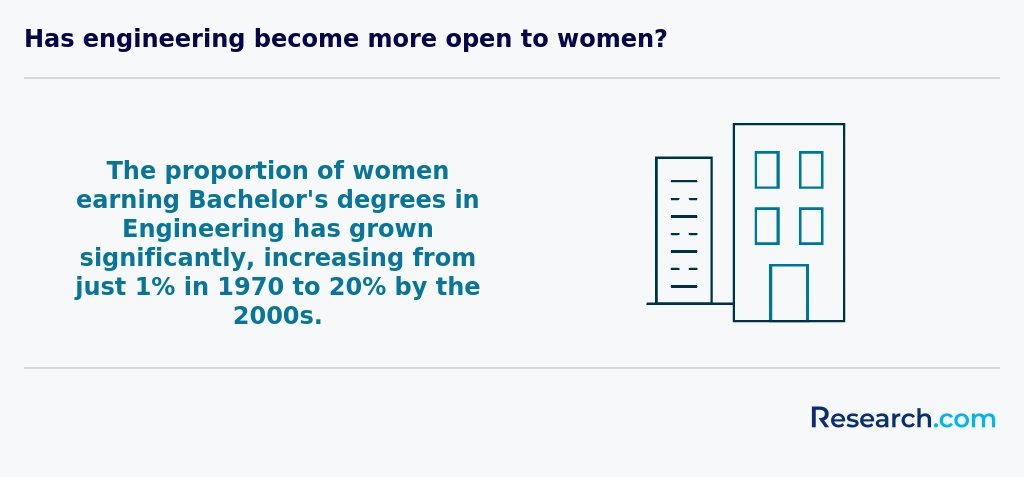
Engineering degree specializations in Lawrence commonly include civil, mechanical, electrical, computer, and environmental engineering. Civil engineering graduates often find rewarding roles designing infrastructure such as roads and bridges, complementing Kansas's infrastructure development trends. Mechanical engineering students benefit from the area's proximity to industrial hubs, enabling hands-on experience in automotive and aerospace sectors. Electrical engineering programs address the rising demand for renewable energy experts, reflecting regional power and telecommunications advancements.
Students pursuing computer engineering enjoy collaborations with local tech companies, enhancing their skills in software and hardware integration. Environmental engineering is growing due to sustainability concerns in agriculture and industry, which resonates well with forward-thinking students in Lawrence's engineering programs. Some institutions also offer emerging fields like biomedical engineering and materials science, though availability varies.
Graduates from Lawrence's universities express satisfaction with the practical focus of their studies, highlighting real-world projects and internships that bridge theory and application. These varied options make Lawrence a strong choice for those seeking the best engineering fields to study in Lawrence. Additionally, prospective students can explore affordable options through low tuition computer science programs to complement their engineering pursuits.
Choosing the best engineering degree in Lawrence involves evaluating programs primarily offered at the University of Kansas, known for its ABET-accredited engineering degrees. Accreditation is crucial as it assures graduates meet industry standards and enhances licensure and employment opportunities. Graduates often cite the strong curriculum and faculty expertise as key to their academic success, especially in specializations like mechanical and electrical engineering.
Cost remains a significant consideration; in-state tuition for engineering programs ranges between $10,000 and $15,000 annually, making Lawrence a competitive option compared to private college prices nationally. Students frequently benefit from scholarships and financial aid tailored to this field, ensuring affordability among the affordable engineering colleges Lawrence KS offers. Many students also emphasize the value of Lawrence's industry connections, especially for internships and co-op placements in aerospace and technology companies.
Finally, reviewing post-graduation outcomes helps gauge a program's effectiveness. Lawrence engineering graduates often report strong employment rates supported by local industry demand. For those interested in software and computer engineering, which show rapid job growth nationwide, exploring career paths in computer science may enrich decision-making toward choosing the best engineering degree programs in Lawrence.
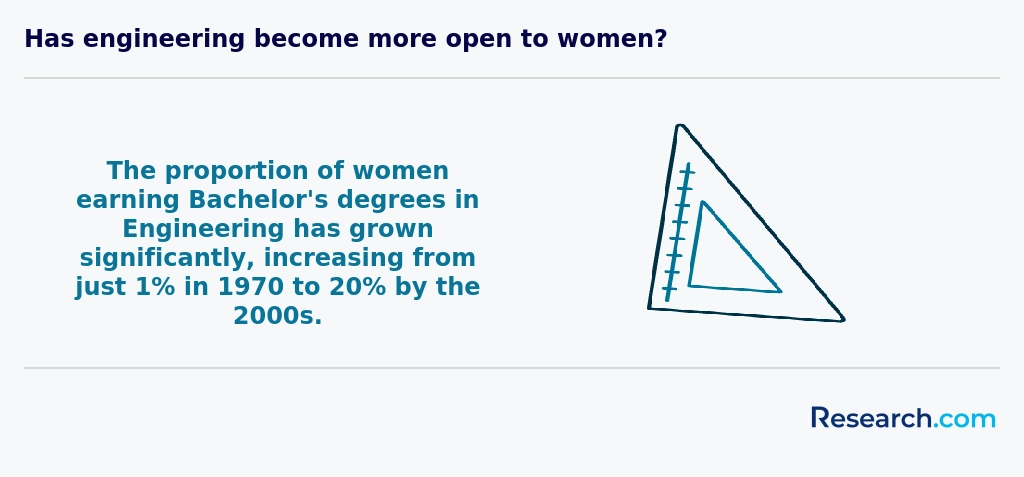
Graduates with an engineering degree in Lawrence encounter diverse career paths across robust sectors. Civil engineering roles are prominent, focusing on infrastructure development amid Kansas' regional growth, offering graduates the opportunity to contribute to tangible community projects. Electrical and computer engineering positions thrive within local tech firms supporting the expanding digital economy of nearby Kansas City. Mechanical engineering careers in Lawrence emphasize automation and sustainable technologies, attracting students who prioritize innovation. Environmental engineering is another high-demand path, addressing local concerns such as water resource management and renewable energy initiatives.
Many graduates from universities in Lawrence share that hands-on experiences, internships, and cooperative programs significantly enhance their job prospects for engineering graduates Lawrence. These opportunities foster strong industry connections and mastery of practical skills relevant to the local market.
Software engineering and systems design roles also attract graduates, especially those blending engineering with computer science studies. Students researching these options can refer to the engineering degree rankings to strategically select programs suited for their career goals.

The engineering job opportunities in Lawrence reflect a stable and promising market, supported by both local industry and the influence of the nearby Kansas City metropolitan area. Graduates from popular institutions such as the University of Kansas often find roles within advanced manufacturing, infrastructure projects, and renewable energy sectors. These employers value skills in civil, mechanical, electrical, and software engineering, aligning with Lawrence's economic focus on technology and environmental innovation.
Graduates report positive experiences securing internships and co-op positions that provide practical skills, boosting their employability in this competitive market. The median salary range for engineers in Lawrence is approximately $75,000 to $90,000, making it an attractive location compared to national averages. Potential students should also consider cost factors; for instance, the cheapest engineering schools in kansas offer affordable tuition, helping to balance the investment of obtaining an engineering degree in this area.
Overall, Lawrence's engineering degree employment outlook is favorable, particularly for those specializing in infrastructure and emerging technologies, supported by strong university-industry connections and regional demand.
2027 Best Engineering Degree Programs Ranking in Lawrence
Investing in your education is a significant decision that can shape your future, and the Research.com team understands the importance of making informed choices. To assist prospective students in Lawrence, we have meticulously crafted the "2027 Best Engineering Degree Programs Ranking in Lawrence." Our commitment to quality, credibility, and accuracy is reflected in the extensive research and analysis conducted to compile this ranking. We utilized the following reputable data sources to ensure a comprehensive evaluation of engineering programs:
By exploring this ranking, readers will gain valuable insights into the top engineering degree programs in Lawrence, enabling well-informed decisions about their educational paths and career prospects. For more details on our methodology, please visit our Research.com methodology page.

Frequently Asked Questions About engineering
Engineering degree students in Lawrence can maximize their learning experience by engaging actively with practical opportunities such as internships and cooperative education programs. Local industries, including aerospace and manufacturing sectors, frequently collaborate with universities to offer hands-on experience.
Participating in student organizations and engineering clubs helps develop teamwork and leadership skills while expanding professional networks. Additionally, utilizing campus resources like tutoring centers and faculty office hours can enhance understanding of complex subjects.
Attending workshops, seminars, and career fairs in Lawrence increases exposure to emerging technologies and potential employers. According to the U.S. Bureau of Labor Statistics, Lawrence's engineering employment has grown steadily by 3% annually, highlighting the importance of real-world experience.
The engineering field in Lawrence is increasingly embracing emerging niches that reflect current technological and environmental trends. Areas such as renewable energy engineering are gaining traction, supported by Kansas' investment in wind energy projects. According to the U.S. Bureau of Labor Statistics, demand for engineers skilled in sustainable energy solutions is expected to grow by over 8% nationally through 2030.
Biotechnical engineering also represents a growing niche, leveraging advances in healthcare technology and agricultural innovation prevalent in the region. Additionally, cybersecurity engineering is expanding rapidly due to rising concerns about data protection and infrastructure security, with regional tech companies in Lawrence actively seeking specialists.
These specialized engineering fields provide promising opportunities for students pursuing engineering degrees within Lawrence's academic institutions.
After completing an engineering degree in Lawrence, preparing for the job market involves strategic steps to increase employability. Students should participate in internships, which provide practical experience and networking opportunities. According to the National Association of Colleges and Employers (NACE), 62% of engineering graduates with internship experience receive at least one job offer upon graduation.
In Lawrence, local industries such as manufacturing and technology actively seek skilled engineers. Engaging with the University of Kansas Career Center or attending local job fairs can connect graduates with employers.
Additionally, obtaining relevant certifications, like the Fundamentals of Engineering (FE) exam, enhances credentials. Building a professional network through engineering societies such as IEEE or ASME is also critical.
Employers in Lawrence seek engineering graduates who combine strong technical expertise with practical problem-solving abilities. Proficiency in software tools such as CAD and MATLAB is highly valued, reflecting industry standards in local manufacturing and tech companies. According to recent data from the Kansas Department of Labor, 68% of engineering roles demand competency in data analysis and programming languages like Python or C++.
Communication skills also rank high, as engineers often work in multidisciplinary teams and must explain complex ideas clearly. Additionally, adaptability and a willingness to learn new technologies are critical due to rapid advancements in engineering fields. Local employers emphasize internships and hands-on experience, which improve readiness and job performance.
Finding engineering internships in Lawrence involves strategic research and networking. The city hosts various engineering firms and manufacturing companies that regularly offer internship opportunities to local students. Leveraging resources like the University of Kansas career center can be particularly helpful, as it provides listings tailored to engineering fields and guidance on application processes.
Students should also attend local career fairs and industry meetups, common in Lawrence's active professional community. According to the Kansas Department of Labor, the engineering sector in Lawrence has seen a 5% growth in internship postings over the past two years, reflecting increasing opportunities.
Additionally, exploring online platforms such as Handshake, which partners with Lawrence institutions, can connect students to relevant internships. Building relationships with faculty for referrals and joining engineering societies, like the KU Engineering Student Organization, further enhances prospects.
Obtaining an engineering degree in Lawrence significantly enhances career mobility and advancement opportunities. The city benefits from a strong presence of industries, such as manufacturing, technology, and logistics, which actively seek skilled engineers. According to the U.S. Bureau of Labor Statistics, engineers in Kansas, including Lawrence, enjoy a median annual wage approximately 10% higher than the state average, reflecting robust demand.
Graduates with an engineering degree have access to various roles and leadership positions due to their technical competencies and problem-solving skills. Employers in Lawrence value credentials accredited by ABET, which many local institutions provide.
Furthermore, Lawrence's proximity to Kansas City's tech corridor creates additional cross-regional opportunities, improving regional career mobility. Engineering degrees open pathways not only in traditional engineering fields but also in management and research, enhancing promotion prospects over time.
Studying for an engineering degree in Lawrence equips students with skills applicable to interdisciplinary roles by emphasizing a blend of technical knowledge and collaborative problem-solving. Many Lawrence institutions integrate coursework from computer science, environmental science, and business, reflecting real-world engineering challenges.
According to the National Center for Education Statistics, engineering programs in Kansas, including those in Lawrence, often require teamwork on diverse projects, encouraging students to communicate across disciplines.
This approach helps graduates adapt to industries where engineering intersects with data analysis, sustainability, and management, making them versatile professionals prepared for evolving job markets.
Choosing between a thesis and a non-thesis engineering degree program in Lawrence depends on your career goals and personal preferences. Thesis programs typically require original research, ideal for students aiming for doctoral studies or research-intensive careers. Non-thesis options focus more on coursework and practical skills, suitable for those targeting industry positions.
Local universities in Lawrence offer both tracks, with about 40% of engineering graduate students opting for thesis routes according to recent enrollment data from the Kansas Board of Regents. Consider faculty expertise and available research facilities when choosing thesis programs.
Financial aid and program duration also vary; thesis programs may take longer but provide teaching assistant opportunities. Non-thesis paths often allow for faster completion.
Students in Lawrence seeking to study engineering abroad have several pathways through partnerships and exchange programs offered by local universities. The University of Kansas, a major institution in Lawrence, participates in international collaborations allowing students to spend semesters at engineering schools in Europe and Asia. These programs provide exposure to diverse engineering practices and enhance global employment prospects. According to KU's 2023 data, approximately 12% of engineering undergraduates engage in study abroad opportunities. Additionally, students can pursue dual-degree options by enrolling in joint programs that combine Lawrence-based study with coursework overseas. These experiences enrich technical skills and cultural understanding.
Lawrence offers several part-time job opportunities that can complement an engineering degree education by providing practical experience alongside academic learning. Many local tech companies and research labs in Lawrence seek interns or junior engineering assistants, often around $15-$20 per hour, helping students apply theoretical knowledge in real projects. According to the Kansas Department of Labor, engineering-related roles in Lawrence have grown by 7% annually since 2020, reflecting a rising demand for technical skills in the region.
Campus-related roles such as lab assistants or tutoring in mathematics and physics are also common, allowing students to deepen their understanding while earning. Additionally, firms in the advanced manufacturing sector frequently hire engineering students part-time for quality control and CAD support tasks. These roles enhance both technical and professional skills, benefiting students' future careers.
Engineering students in Lawrence have access to numerous networking opportunities through local universities, professional organizations, and industry events. The University of Kansas, located in Lawrence, hosts career fairs and engineering expos that attract over 200 companies annually, providing students with direct contact to potential employers.
Local chapters of national organizations like the Society of Women Engineers (SWE) and the American Society of Mechanical Engineers (ASME) offer student memberships, workshops, and networking mixers. These groups facilitate connections between students and professionals within the Kansas engineering community.
Additionally, Lawrence's growing tech and manufacturing sectors frequently collaborate with universities for internships and mentorship programs, essential for career development in engineering fields. Resources at KU's School of Engineering and other institutions support student networking and job placement efforts effectively.
Alumni networks play a crucial role for engineering degree students in Lawrence by providing valuable connections and career support. Graduates from local universities often join active alumni groups that host networking events, mentorship programs, and job fairs. According to the Kansas Chamber of Commerce, nearly 65% of engineering students in Lawrence find internships or job opportunities through alumni referrals.
This community helps students gain insights into industry trends and local engineering companies, such as those in aerospace and manufacturing sectors prevalent in the region. Access to experienced alumni mentors can also improve students' professional development and employability.
Furthermore, alumni networks in Lawrence frequently facilitate partnerships between universities and employers, fostering research collaborations and hands-on project opportunities. This practical exposure is key in preparing engineering students for the competitive U.S. job market.
Customizing an engineering degree program in Lawrence allows students to align their education with specific career objectives. Many local institutions offer flexible curricula and elective courses focused on fields such as mechanical, electrical, or civil engineering. Students can often select internships, co-op opportunities, or research projects related to Lawrence's growing tech and manufacturing sectors, which help build practical skills and professional networks.
Advisors at these schools typically support tailored academic plans, enabling learners to emphasize subjects like renewable energy or software development. According to the National Center for Education Statistics, Kansas engineering graduates had an employment rate above 85% within six months, reflecting strong regional demand.
Engagement with local industry events and professional organizations in Lawrence further enhances career-ready skills while personalizing one's educational journey.
Engineering students in Lawrence often face demanding coursework that requires strong problem-solving and analytical skills. The rigorous curriculum can lead to high stress, especially during exams and project deadlines. According to the National Science Foundation, engineering programs nationwide report dropout rates as high as 40%, reflecting these challenges.
Access to hands-on laboratory experience is critical but sometimes limited due to resource constraints at local universities like the University of Kansas. This can affect students' practical learning opportunities.
Additionally, balancing part-time jobs and internships with academic responsibilities presents time-management difficulties for many Lawrence students. The local job market is competitive, emphasizing the need for strong networking and professional skills early in the program.
With an engineering degree, graduates in Lawrence can pursue several professional certifications to advance their careers. The most recognized certification is the Professional Engineer (PE) license, which requires passing the Fundamentals of Engineering (FE) exam and gaining relevant work experience.
Other certifications include the Certified Manufacturing Engineer (CMfgE) and Project Management Professional (PMP), both valuable for engineers seeking specialization. According to the National Society of Professional Engineers, around 30% of engineers in Kansas hold a PE license, reflecting the region's commitment to professional standards.
Local resources like the University of Kansas provide exam preparation courses, aiding Lawrence students in certification pursuits.
Applying for an engineering program in Lawrence requires careful preparation to stand out among competitive candidates. Start by ensuring your academic record reflects strong performance in math, science, and related subjects, as these are foundational for engineering studies. According to the University of Kansas admissions data, a minimum GPA of 3.0 is often expected for engineering applicants.
Next, craft a personal statement that clearly explains your motivation for pursuing engineering and how your background aligns with the field. Highlight any relevant internships, projects, or extracurricular activities that demonstrate practical skills and genuine interest. Including specific goals and linking them to Lawrence's engineering opportunities strengthens your case.
Additionally, secure strong letters of recommendation from teachers or professionals who can attest to your abilities and character. Finally, perform well on standardized tests like the SAT or ACT if required, with emphasis on math scores. Following these guidelines increases the chances of a successful application to a Lawrence engineering program.
Engineering careers hold significant global importance, with demand rising steadily across multiple sectors including technology, infrastructure, and renewable energy. In the United States, and specifically in Lawrence, Kansas, engineering graduates benefit from opportunities tied to the region's growing industries and research institutions. According to the U.S. Bureau of Labor Statistics, engineering jobs are expected to grow about 7% from 2022 to 2032, faster than the average for all occupations.
Globally, engineers are recognized as essential drivers of innovation, particularly in areas such as sustainability and smart technologies. Lawrence's proximity to research centers and tech companies provides local students with competitive advantages through internships and collaborative projects.
Moreover, engineering degrees from accredited programs in Lawrence align with international standards, facilitating career mobility worldwide. The Accreditation Board for Engineering and Technology (ABET) ensures quality curricula that meet global industry needs.
Gaining practical experience while studying for an engineering degree in Lawrence involves several valuable opportunities. Many local universities, including the University of Kansas, offer cooperative education (co-op) programs that allow students to work full-time in engineering roles while earning academic credit.
Internships with nearby industries, such as aerospace and manufacturing firms in the Lawrence region, provide hands-on learning and often lead to job offers after graduation. According to the Kansas Department of Labor, engineering internships in Lawrence have grown by 8% over the past five years, reflecting strong industry connections.
Students can also engage in research projects with faculty, which strengthens skills in problem-solving and design. Additionally, attending local engineering clubs and competitions helps build teamwork and technical abilities.
Choosing the right concentration within an engineering degree program in Lawrence requires understanding both personal interests and local industry trends. Lawrence offers access to programs in mechanical, electrical, and civil engineering among others, reflecting regional demand. For example, the city's growing tech and manufacturing sectors often seek electrical and mechanical engineers, according to the Lawrence Chamber of Commerce 2023 report.
Students should evaluate their strengths in math and science, as well as consider future job opportunities. Research on employment prospects in Lawrence indicates that civil engineering jobs are expected to grow by 6% through 2030, aligning with city infrastructure projects.
Visiting local colleges and discussing with academic advisors can provide insight into program specifics and hands-on experiences available. This practical approach helps in making an informed decision tailored to career goals and the Lawrence job market.
- 2027 Best Engineering Degree Programs Ranking in Fayetteville
- 2027 Best Engineering Degree Programs Ranking in Saint Louis
- 2027 Best Engineering Degree Programs Ranking in Chicago
- 2027 Best Engineering Degree Programs Ranking in Milwaukee
- 2027 Best Engineering Degree Programs Ranking in Nashville
- 2027 Best Engineering Degree Programs Ranking in Colorado Springs
- 2027 Best Engineering Degree Programs Ranking in Denver
- 2027 Best Engineering Degree Programs Ranking in Huntsville
- 2027 Best Engineering Degree Programs Ranking in Tuscaloosa
- 2027 Best Engineering Degree Programs Ranking in Dayton
See What Experts Have To Say About Studying Engineering
Read our interview with Engineering experts

Joseph Reichenberger
Engineering Expert
Professor of Civil Engineering & Environmental Science
Loyola Marymount University

Jasna Jankovic
Engineering Expert
Associate Professor
University of Connecticut


- How to Study Abroad as an Engineering Major https://www.semesteratsea.org/study-abroad-engineering-major/
- Networking for engineers: your questions answered https://targetjobs.co.uk/careers-advice/engineering/networking-engineers-your-questions-answered
- Engineering Students' Challenges And Ways To Overcome Them - Bgi Bhopal https://bgibhopal.com/overcoming-challenges-as-an-engineering-student/
- How long does it take to get an Engineering Degree? - The Study Abroad Portal https://thestudyabroadportal.com/studyabroadblog/how-long-does-it-take-to-get-an-engineering-degree/
- The Rise of the Niche Engineer https://www.sterling-engineering.com/niche-engineer/
- Challenges, difficulties and barriers for engineering higher education https://www.jotse.org/index.php/jotse/article/view/1696/645
- Engineering Educational and Career Goals: 6 Reasons Why Continuing Your Engineering Education Advances Your Career https://www.pdh-pro.com/pe-resources/engineering-educational-and-career-goals-6-reasons-why-continuing-your-engineering-education-advances-your-career/
- How Do You Decide Which Engineering Career is Right for You? https://www.straighterline.com/blog/which-engineering-career-right-for-you
- Julie Mowatt https://www.nspe.org/career-growth/pe-magazine/may-2019/survey-provides-global-perspective-engineering
- Engineering Learning & Teaching https://engineeringedu.press/