2027 Easiest Online Master's in Educational Leadership Degree Programs Ranking in Georgia

Co-Founder and Chief Data Scientist
Exploring online master's degrees in educational leadership can feel overwhelming, especially when balancing work and life in Georgia. This article introduces the 2027 Easiest Online Master's in Educational Leadership Degree Programs Ranking in Georgia, developed by a skilled team of data scientists at Research.com.
Our goal is to help you make an informed choice about the best programs that fit your needs and lifestyle. Earning this degree can open doors to rewarding leadership roles in education, offering both personal growth and professional opportunities.
Discover programs designed to support your success every step of the way.
Key benefits of getting online educational leadership degree in Georgia
- Graduates with an educational leadership degree in Georgia can expect competitive salaries, with school principals earning a median annual wage around $98,000 nationwide, reflecting rewarding financial prospects.
- Career paths often include roles such as school administrators or district leaders, as seen with University of Georgia graduates who successfully enter leadership positions in local schools.
- Online degrees from Georgia Southern University allow flexible learning schedules and reduced commuting time, making it easier for working professionals to advance their education without sacrificing current job commitments.
- 2027 Easiest Online Master's in Educational Leadership Degree Programs Ranking in Georgia
- What can I expect from online educational leadership degree in Georgia?
- Where can I work with online educational leadership degree in Georgia?
What can I expect from online educational leadership degree in Georgia?
The average cost of an online educational leadership degree in Georgia generally ranges between $10,000 and $20,000 for in-state students, making it a practical investment in your future. Graduates from well-known institutions like Georgia Southern University and Kennesaw State University often share how affordable tuition combined with financial aid made their goals attainable without overwhelming debt. These programs offer in-state tuition rates that can be significantly lower than on-campus options, helping you manage expenses while balancing work and family commitments.
Many students appreciate how access to employer tuition reimbursement programs further eases financial pressure. For example, one graduate described feeling empowered knowing their investment led directly to new leadership opportunities in their school district. Paying this cost means gaining access to expert faculty and hands-on internships designed to prepare you for Georgia's certification requirements, elevating both your confidence and career prospects.
Ultimately, this balance of quality education and competitive tuition helps you pursue your passion for educational leadership with less stress, enabling you to focus on developing skills to impact schools meaningfully.
Where can I work with online educational leadership degree in Georgia?
With an online educational leadership degree in Georgia, you open doors to diverse and rewarding career paths that impact communities directly. Graduates from institutions like the University of Georgia and Georgia State University often find themselves stepping into roles as principals or assistant principals within well-established districts such as Fulton County or Gwinnett County Schools. These positions allow you to lead schools, inspire teachers, and shape student success daily.
Many alumni share how their training prepared them for district-level roles-working as curriculum coordinators or instructional supervisors-where they influence broader educational policies across schools. Others have found fulfilling careers in higher education administration, guiding students or managing programs at Georgia's universities, drawing on the leadership techniques they refined during their studies.
Nonprofit organizations and educational consulting firms also value graduates for their expertise in school improvement and teacher development. Knowing your degree aligns with certifications required by the Georgia Professional Standards Commission makes these opportunities even more accessible, empowering you to make a tangible difference in education statewide.
Graduates earning an online educational leadership degree in Georgia often see promising salary outcomes, reflecting their vital roles in schools and districts. For example, school principals in Georgia earn a median salary of around $108,000 annually, a clear sign that leadership positions come with rewarding compensation for those passionate about shaping education.
Many graduates from respected institutions like the University of Georgia or Kennesaw State University have shared how their advanced degrees unlocked opportunities as district administrators or educational coordinators, roles that can start near $65,000 and rise substantially with experience and credentials.
Postsecondary education administrators in Georgia typically earn about $85,000 per year, demonstrating a diverse range of career paths within educational leadership. This growing potential is especially encouraging in urban areas like Atlanta, where competitive salaries meet the higher cost of living.
By pursuing these degrees online, students can balance work and personal life while positioning themselves for financial growth and professional impact in Georgia's educational landscape.
- Online educational leadership degrees in Georgia prepare students for roles like principals and district administrators, focusing on school management and policy.
- Tuition for these master's programs ranges from $10,000 to $25,000, with public universities offering lower costs for in-state residents.
- Entry-level salaries for assistant principals typically start around $58,000 per year, with experienced leaders earning over $90,000 annually.
- The median wage for school administrators in Georgia was about $84,000 in 2023, indicating strong earning potential.
- Programs often include Georgia-specific laws and leadership standards to help meet state certification requirements.
Completing an online educational leadership degree in Georgia usually takes between 1.5 to 3 years, depending largely on how you choose to pace your studies. Many graduates from institutions like the University of Georgia and Georgia State University share that enrolling full-time helps them finish around two years, while part-time students balance work and family, extending their journey to closer to three years. This flexibility means you're able to design a path that fits your life.
Think of it like navigating a busy schedule: if you pick accelerated tracks offered by some universities, you might complete your degree in as little as 12 to 18 months, especially if you've got prior experience in education. Others find value in taking a bit more time, especially when capstone projects or practicums demand hands-on learning that enriches real-world leadership skills.
Remember, Georgia's educational leadership programs typically require around 30 to 36 credit hours, and many students appreciate how transfer credits can shorten their time. The journey demands commitment, but the support and flexible structure of Georgia's online programs make it achievable and rewarding.
Choosing between online and on-campus educational leadership degrees in Georgia often comes down to your lifestyle and learning preferences. Graduates from institutions like the University of Georgia or Georgia State University often highlight how online programs offered them the freedom to manage busy work schedules and family life while progressing toward their Master's. These programs use digital platforms, allowing access to lectures and assignments anytime-perfect for those balancing classroom leadership roles with coursework.
On the other hand, those who thrive on direct interaction and the energy of campus life at places like Mercer University appreciate the structure and networking opportunities available face-to-face. They value study groups, mentoring, and immediate access to campus resources, even as they navigate metro Atlanta's challenging commute.
- Cost-wise, online degrees typically range between $10,000 and $25,000, while on-campus costs can be higher, sometimes exceeding $30,000 annually at private schools due to additional fees.
- Online courses often offer self-paced, asynchronous learning, contrasting with on-campus programs' fixed semester timelines.
Regardless of format, internships remain a requirement across Georgia, grounding your studies in real-world leadership experience essential for certification and future success.
The average cost of an online educational leadership degree in Georgia typically reflects a balance between quality and affordability, with the median total cost around $13,860. For those who qualify as in-state students, the expense is more manageable, often close to $9,144, making it a realistic goal for many aspiring educational leaders within the state. Graduates from well-known institutions in Georgia frequently share how this investment opened doors to rewarding careers while still allowing them to support their families or continue working. Public universities like Georgia Southern and Kennesaw State provide accessible tuition rates that align well with these figures, helping students stretch their budgets without sacrificing quality.
When considering the average tuition for online educational leadership programs Georgia residents may explore, private schools show a higher price point, often resembling the out-of-state median cost near $32,940. Although pricier, many students find value in the specialized resources and networking opportunities that come with private education. It's important to remember that financial aid and scholarships offered by these institutions can significantly offset costs, bringing those opportunities within reach.
Envision balancing coursework and family commitments while managing tuition judiciously-a scenario familiar to many graduates. These financially savvy students often emphasize the importance of thorough planning and leveraging available support. For those curious about career outcomes connected to these programs, understanding the masters in educational leadership salary helps reinforce the value behind the investment. Pursuing this degree online in Georgia truly offers a practical path toward impactful leadership roles without overwhelming financial burden.

If you're aiming for an online educational leadership degree in Georgia, know that financial aid is within your reach-and many students have successfully navigated these options to ease their journey. Federal aid plays a big role, especially through Direct Unsubsidized Loans or Grad PLUS Loans, which require completing the FAFSA. This step has empowered countless graduates from schools like Georgia State University and the University of Georgia to manage tuition with confidence.
State programs such as the HOPE Graduate Scholarship can be a game-changer for Georgia residents pursuing leadership degrees. Imagine securing that HOPE grant, allowing you to focus more on mastering educational strategies rather than stressing about payments.
Institutional scholarships and assistantships from Georgia universities provide more than just financial relief-they offer recognition and connection to your academic community. Many grads share how a university scholarship boosted their motivation throughout their studies.
Lastly, don't overlook employer tuition reimbursement. For those working in school districts, this means your employer might support your education because your new skills benefit the whole team.
To enroll in an online educational leadership degree program in Georgia, you'll first need a bachelor's degree from an accredited institution, ideally in education or a related field. Many graduates from schools like the University of Georgia or Georgia State University found that having relevant teaching or leadership experience truly strengthened their applications. Imagine having spent a few years as a classroom teacher or department coordinator-this hands-on experience not only enriches your learning but also makes your commitment visible to admissions committees.
Programs often ask for two to three years of professional experience, with some valuing leadership roles such as curriculum planning or acting as a team lead. Think of it as preparing yourself to step into bigger shoes, where your practical knowledge shapes your leadership journey.
Some programs require standardized test scores like the GRE, but many Georgia schools waive this if you have a strong GPA or substantial work experience. Remember, your personal statement is your chance to share your story and aspirations, making your application uniquely compelling.
When pursuing an online educational leadership degree in Georgia, expect a strong blend of courses that build both your knowledge and confidence to lead schools effectively. Graduates from well-regarded institutions like the University of Georgia or Georgia State often highlight how courses in Educational Leadership and Administration helped them understand the core of school culture and ethical decision-making.
You'll dive into School Law and Policy, where you'll unpack real scenarios involving student rights and staff contracts-essential skills for navigating complex legal challenges in Georgia schools. Many alumni recall feeling empowered by their grasp of Instructional Leadership, learning to support teachers and enhance classroom success.
Courses like Data-Driven Decision Making place you in the role of a principal analyzing school performance to shape better learning environments, a practical skill praised by grads from Georgia Southern University. Plus, Finance and Resource Management gives you the tools to wisely allocate budgets, ensuring resources benefit every student.
Finally, Community Engagement and Communication prepares you to connect with families and stakeholders, a vital aspect that Georgia educational leaders cherish for fostering trust and collaboration.
When pursuing an online educational leadership degree in Georgia, you'll find a variety of specializations designed to match your career goals and passion for education. Graduates from popular institutions like the University of Georgia or Georgia State University often speak about how choosing a focus such as School Administration and Supervision empowered them to confidently step into roles like principals or district leaders, managing complex school systems with skill and heart.
Others have been drawn to Curriculum and Instruction Leadership, shaping innovative teaching strategies that truly impact student success across Georgia classrooms. For those inspired by postsecondary education, Higher Education Administration offers insights into running colleges and universities-preparing students to lead academic affairs and student services.
In Georgia, these specializations in online educational leadership Georgia programs also include Special Education Leadership and Educational Technology Leadership. Graduates describe how these tracks gave them practical tools to support diverse learners or incorporate cutting-edge digital resources in classrooms.
If you're ready to align your studies with your vision, consider exploring the fastest teacher leadership masters available, which can accelerate your journey with focused, flexible options.
To choose the best online educational leadership degree in Georgia, start by verifying accreditation-look for programs recognized by CAEP or SACSCOC to ensure quality and credibility. Graduates from universities like the University of Georgia or Georgia State University often praise their programs' strong faculty, who combine academic expertise with hands-on leadership experience. Consider curricula that emphasize educational law, policy, and equity alongside practical internships; these components prepare you for real challenges in Georgia's schools.
Many pursuing affordable online educational leadership degrees Georgia appreciate programs that offer in-state tuition rates and flexible schedules, allowing them to balance work and study comfortably. Also, select a program aligned with Georgia Professional Standards Commission requirements, as this eases certification and opens doors for leadership roles statewide.
Finally, seek out institutions known for robust student support and career services-graduates frequently mention how mentorship and networking at schools like Kennesaw State University boosted their confidence and job prospects. For more in-depth guidance on advanced paths, explore resources like online doctorate education administration.
Graduates pursuing online educational leadership careers in Georgia often find themselves stepping into dynamic roles like school principals, assistant principals, or instructional coordinators. These positions allow you to impact schools directly, leading staff and shaping curriculum to enhance student success. For example, many graduates from institutions like Georgia State University share how their education prepared them to confidently manage daily operations and foster positive school cultures. Others progress to district-level leadership roles, such as superintendents, which require additional certifications but offer exciting opportunities to influence education policy across multiple schools.
Educational leadership graduates from the University of Georgia and Clayton State University frequently mention how their programs' flexibility helped them balance work and study. This balance is key since many leadership roles demand years of hands-on experience along with academic credentials. If your passion lies in guiding educators and shaping learning environments, pursuing an online masters degree educational leadership in Georgia opens doors to meaningful careers and valuable job opportunities.
The job market for graduates with an online educational leadership degree in Georgia is promising and steadily growing. Many professionals who completed their studies at popular institutions like the University of Georgia or Georgia State University have secured roles as school principals, assistant principals, or district administrators. Their leadership skills, honed through real-world projects and online coursework, prepare them well to manage diverse school communities. Graduates often find opportunities in public school districts, charter schools, or district-level administrative positions where they influence curriculum and staff development.
Those exploring online educational leadership jobs Georgia report a strong sense of fulfillment advancing their careers while balancing work and studies. The demand for skilled leaders aligns with Georgia's expanding school systems and education reform efforts, creating openings in urban and suburban areas. Many choose programs offered locally due to their affordability and flexibility, making it easier to gain leadership credentials without pausing their careers.
Considering cost-effectiveness and career growth, you may find value in pursuing a one year masters in education online. This streamlined option is attracting busy professionals eager to fast-track their advancement in Georgia's educational leadership career outlook.
2027 Easiest Online Master's in Educational Leadership Degree Programs Ranking in Georgia
Investing in your education is a significant decision, and the Research.com team fully recognizes the importance of making well-informed choices. To support prospective students in Georgia, we have carefully developed the "2027 Easiest Online Master's in Educational Leadership Degree Programs Ranking." Our dedication to quality, credibility, and accuracy is demonstrated through thorough research and data analysis undertaken to create this ranking.
We utilized the following reputable data sources to ensure a comprehensive evaluation of educational leadership programs:
By reviewing this ranking, readers will gain valuable insights into the easiest online master's programs in educational leadership available in Georgia, empowering them to make confident decisions about their educational journey. For more information about how this ranking was created, please visit our Research.com methodology page.
# 1 position
Valdosta State University
Master of Adult and Career Education/Career and Technical Education


Frequently Asked Questions About educational leadership
Online educational leadership degree students in Georgia can maximize their learning by actively engaging with course materials and participating in virtual discussions. Research from the Georgia Professional Standards Commission highlights that strong leadership skills significantly impact school improvement, making practical application essential during studies.
Building relationships with faculty and peers through online forums enhances collaborative learning and networking opportunities. Students should also leverage Georgia's state resources, such as the Georgia Leadership Institute for School Improvement, to access workshops and additional training.
Time management and self-discipline are crucial; setting a regular study schedule helps balance work, life, and academics effectively. According to the National Center for Education Statistics, rigorous time management correlates with higher graduation rates in online programs nationwide.
Finally, seeking internships or practicum opportunities within local Georgia school districts provides valuable real-world experience aligned with state educational standards.
The field of educational leadership is evolving rapidly, with several emerging niches gaining prominence. One key area is data-driven decision making, where leaders use analytics to improve student outcomes and school efficiency. Georgia's Department of Education supports this trend through technology grants and training programs.
Another growing niche is equity and inclusion leadership, focusing on creating more diverse and supportive learning environments. This aligns with Georgia's statewide efforts to reduce achievement gaps among diverse student populations.
Additionally, virtual and blended learning administration is expanding, especially after recent increases in online education demand. Leaders skilled in managing digital platforms are increasingly sought after.
These specializations reflect wider shifts in education and provide new opportunities for graduates pursuing online educational leadership degrees in Georgia.
Preparing for the job market after completing an online educational leadership degree in Georgia involves several strategic steps. First, graduates should obtain certification through the Georgia Professional Standards Commission, as it is often required for leadership roles in public schools. Networking with local school districts and attending Georgia-based educational leadership conferences can increase visibility and open job opportunities.
Additionally, gaining hands-on experience through internships or residencies-often included in online programs-helps develop practical skills. According to the Georgia Department of Education, school leadership positions are projected to grow by 7% through 2030, reflecting steady demand. Graduates should also tailor their resumes to highlight skills in school management, policy implementation, and community engagement to align with state-specific requirements.
Employers in Georgia highly value educational leadership graduates who demonstrate strong communication and interpersonal skills. These abilities are essential for managing diverse school communities and collaborating effectively with staff, students, and parents. Additionally, data-driven decision-making is increasingly important, as Georgia schools look to improve student outcomes through evidence-based strategies.
Leadership candidates must also show proficiency in conflict resolution and ethical decision-making, reflecting the state's focus on creating safe, inclusive learning environments. According to the Georgia Department of Education, skills in school finance management and policy implementation rank among the top requirements for leadership roles statewide.
Finding internships in Georgia related to an educational leadership degree involves a strategic approach. Start by exploring local school districts-many, like Fulton and Gwinnett, offer leadership internship opportunities to graduate students. These internships provide hands-on experience in school administration and policy implementation, crucial for leadership roles.
Colleges offering online educational leadership programs often have career services that help connect students with internship placements. Additionally, professional organizations such as the Georgia Association of Educational Leaders (GAEL) list internship and job openings in the field.
The Georgia Department of Education website is a valuable resource for internship announcements and district contacts.
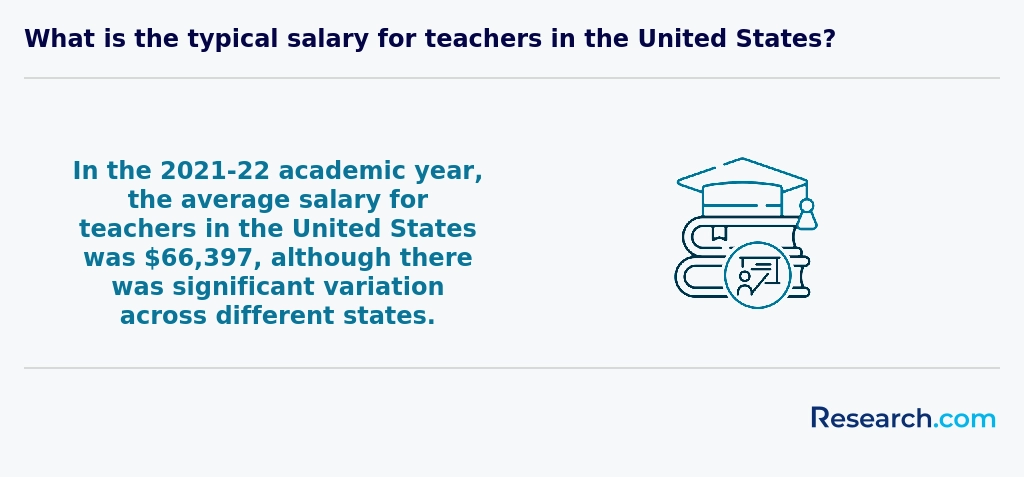
In Georgia, earning an online educational leadership degree significantly enhances career mobility within the state's education system. According to the Georgia Professional Standards Commission, administrative roles such as principals and district leaders require advanced credentials, often a master's degree or higher in educational leadership. Graduates of these programs typically see a salary increase; for example, school leaders in Georgia earn a median annual wage of approximately $88,000, compared to $62,000 for teachers.
Online degrees offer flexibility for current educators to advance without interrupting their careers. Additionally, the Georgia Department of Education notes that districts actively seek candidates with leadership credentials to fill critical vacancies, supporting career advancement opportunities. Completing an accredited online leadership program also prepares graduates for state certification, a necessity for many administrative positions. This combination of credentialing, increased qualifications, and growing demand drives career progression in Georgia's education sector.
Online educational leadership degrees in Georgia equip students with skills applicable across multiple disciplines in education and administration. Programs emphasize collaboration, critical thinking, and policy analysis, preparing graduates for roles that intersect with curriculum design, special education, and community engagement.
Georgia's institutions align their curricula with standards from the Educational Leadership Constituent Council (ELCC), ensuring candidates understand diverse organizational systems. This fosters adaptability to various educational environments, including K-12, higher education, and public agencies.
According to the Georgia Professional Standards Commission, leadership candidates must develop competencies in communication and ethical decision-making, essential for interdisciplinary teamwork.
By integrating management, instructional strategies, and data interpretation, the degree readies leaders to address complex challenges involving educators, families, and policymakers simultaneously.
When choosing between a thesis and a non-thesis educational leadership degree program in Georgia, students should consider their career goals. Thesis programs typically involve conducting original research and are suitable for those interested in doctoral studies or academic careers. Non-thesis options focus more on practical skills and coursework, which align well with leadership roles in schools and districts.
Data from the Georgia Professional Standards Commission highlights that most educational leadership roles in the state prioritize applied leadership experience over research experience. Additionally, thesis programs often require more time and commitment, which may affect working professionals.
Examining program structures at Georgia universities can help, as some offer flexible online non-thesis options tailored for busy educators.
Students based in Georgia seeking to study educational leadership abroad generally explore online programs offered by U.S.-accredited institutions that provide international access. While physical relocation is less common, many reputable universities offer fully online master's degrees in educational leadership accessible worldwide. This flexibility allows Georgia residents to benefit from diverse curricula without leaving the state.
Programs accredited by the Council for the Accreditation of Educator Preparation (CAEP) ensure quality and eligibility for Georgia certification. According to the Georgia Professional Standards Commission, completing an approved program is essential for school leadership roles. Students should verify that international online programs meet these criteria.
Options commonly include institutions in states like Michigan, Illinois, and Texas, recognized for their robust online educational leadership degrees. Tuition and program length vary, but many programs can be completed within two years, fitting working professionals' schedules.
Part-time job opportunities in Georgia that complement online educational leadership degrees often include roles in school administration, tutoring, and community education programs. Working as an administrative assistant in local school districts provides practical insight into operational management. Tutors or instructional aides can gain valuable experience in curriculum implementation and student engagement, crucial for leadership roles.
Many school districts across Georgia, such as those in Fulton and DeKalb counties, regularly seek part-time educational support staff, aligning well with leadership studies. Additionally, roles in nonprofit organizations focused on youth development or educational outreach offer relevant leadership experience. According to the Georgia Department of Education, these practical roles enhance both resume credentials and professional skills in educational leadership.
Online educational leadership students in Georgia have several networking opportunities designed to enhance their professional connections. Many universities offering these programs facilitate virtual events and forums where students can interact with peers and faculty. For example, Georgia Southern University and Mercer University provide online discussion boards and live webinars tailored to educational leadership topics.
Additionally, students often join professional organizations such as the Georgia School Superintendents Association and the Georgia Association of Educational Leaders. These groups host annual conferences and workshops, offering chances to meet experienced leaders in the field.
Local school districts in Georgia frequently partner with universities to provide mentorships and practicum experiences, further expanding real-world contacts. Leveraging these resources helps students build vital networks despite the online format.
Alumni networks play a crucial role for students pursuing online educational leadership degrees in Georgia. These networks connect current students with graduates working in diverse educational roles across the state. Through alumni groups, students gain access to mentorship opportunities, job leads, and professional development resources tailored to Georgia's education system.
Many Georgia programs report that their alumni actively participate in providing career guidance and networking events, which helps students navigate the local job market. For example, the Georgia Department of Education emphasizes leadership skills grown through community connections, often fostered by alumni engagement.
Additionally, alumni relationships can open doors to collaborations with school districts statewide, an important advantage in Georgia's competitive education sector. Such networks also encourage lifelong learning and leadership growth beyond graduation.
Customizing an online educational leadership degree in Georgia allows students to align their studies with specific career goals. Many programs offer elective courses focused on areas such as curriculum development, policy analysis, or special education leadership. This flexibility helps students gain skills tailored to roles like school principal, district administrator, or education consultant.
Additionally, some Georgia institutions provide options for internships or practicum experiences in local schools, enabling hands-on learning that matches professional interests. Accredited programs often follow Georgia Professional Standards Commission guidelines, ensuring credentials meet state licensure requirements. Exploring course offerings and practicum placements is a key step in personalizing your degree path.
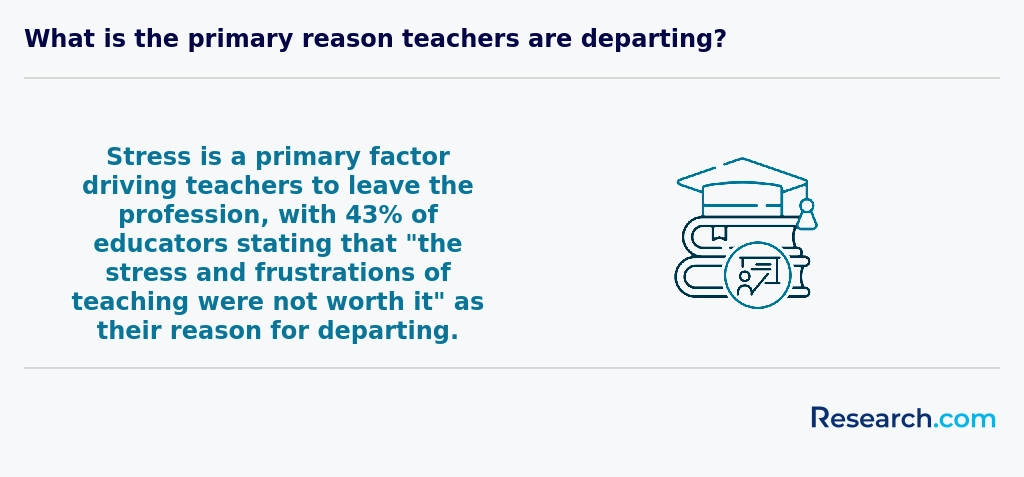
Online educational leadership students in Georgia often face challenges balancing coursework with professional and personal obligations. Many are full-time educators or administrators managing busy schedules, making time management a crucial skill. According to the Georgia Professional Standards Commission, candidates must also complete internships or practicum hours, which can be difficult to arrange remotely.
Technical issues and limited access to reliable internet, especially in rural parts of Georgia, also pose barriers. Research from the University System of Georgia highlights that about 15% of rural students report connectivity problems affecting their online studies.
Additionally, students sometimes struggle with limited networking opportunities compared to on-campus programs, which can hinder professional growth.
With an online educational leadership degree in Georgia, graduates can pursue several professional certifications that enhance their leadership credentials. A primary certification is the Georgia Educational Leadership Certificate, which qualifies individuals for roles such as school principals or assistant principals. This certification is issued by the Georgia Professional Standards Commission (GaPSC) and requires meeting specific educational and experience criteria.
Additionally, educators may seek the Director of Instructional Leadership certificate or the Supervisor of Curriculum and Instruction certification, both recognized in Georgia. These credentials support advancement in roles involving curriculum development and faculty supervision.
Nationally, many graduates also pursue certifications like the National Board Certification in Educational Leadership, which can increase career prospects and salary potential.
According to the GaPSC 2023 report, over 60% of educational leaders in Georgia hold such specialized certifications, reflecting the importance of these credentials in the state's education system.
Writing a winning application for an online educational leadership program in Georgia starts with understanding the state's requirements and competitiveness. Many Georgia universities, like Georgia State and the University of Georgia, emphasize leadership experience and academic performance. Applicants should clearly showcase professional experience in education, highlighting roles that demonstrate leadership and initiative.
Strong letters of recommendation, ideally from current supervisors or academic mentors, carry significant weight. Including a well-organized personal statement that explains your career goals and how the program aligns with them is crucial.
Since Georgia requires many educational leadership candidates to have valid teaching certificates, mention your certification status or plans to obtain one.
According to the Georgia Professional Standards Commission, programs often look for evidence of commitment to educational equity and innovation, so reflecting these themes can strengthen your application.
Educational leadership careers in the United States, including Georgia, are increasingly influenced by global trends emphasizing cultural competence, equity, and innovation. School leaders today must navigate diverse student populations and prepare learners for a globally interconnected world. According to the Georgia Professional Standards Commission, there is a growing demand for leaders who understand international education standards and best practices.
Globally, educational leadership focuses on collaboration and adaptability, skills that align with US accreditation requirements and Georgia's educational goals. The National Center for Education Statistics reports an ongoing rise in leadership roles filled by candidates with specialized degrees, reflecting the value of advanced training.
Understanding global perspectives equips educational leaders to implement policies that foster inclusive and effective learning environments, an essential competency as Georgia's schools become more diverse and integrated.
Gaining practical experience while studying for an online educational leadership degree in Georgia is possible through several approaches. Many programs integrate internships, which allow students to work directly in K-12 schools or educational organizations. These internships provide hands-on leadership opportunities while completing coursework remotely.
Georgia's Department of Education often collaborates with universities to facilitate field experiences and mentorship programs. Students may also engage in district leadership projects or virtual practicums, adapting real-world challenges into their studies.
Additionally, joining professional associations like the Georgia Educational Leadership Association can provide networking and volunteer opportunities that enhance practical skills. Such experiences are highly recommended to meet Georgia's certification requirements for school leadership roles.
Choosing the right concentration within an online educational leadership degree in Georgia requires careful consideration of career goals and local educational needs. Georgia offers concentrations like instructional leadership, school administration, and policy analysis, aligning with state licensure requirements.
The Georgia Professional Standards Commission notes that leadership roles often require specific certifications, so selecting a concentration that supports licensure as a school principal or superintendent is crucial.
Additionally, examining Georgia's education landscape reveals a demand for leaders skilled in equity and community engagement, making concentrations focused on diversity and inclusion valuable.
Researching program curriculum and connections with Georgia school districts can also guide your decision toward concentrations with practical career benefits.
- 2027 Easiest Online Master's in Educational Leadership Degree Programs Ranking in Florida
- 2027 Easiest Online Master's in Educational Leadership Degree Programs Ranking in North Carolina
- 2027 Easiest Online Master's in Educational Leadership Degree Programs Ranking in Mississippi
- 2027 Easiest Online Master's in Educational Leadership Degree Programs Ranking in Kentucky
- 2027 Easiest Online Master's in Educational Leadership Degree Programs Ranking in Virginia
- 2027 Easiest Online Master's in Educational Leadership Degree Programs Ranking in Missouri
- 2027 Easiest Online Master's in Educational Leadership Degree Programs Ranking in Indiana
- 2027 Easiest Online Master's in Educational Leadership Degree Programs Ranking in Ohio
- 2027 Easiest Online Master's in Educational Leadership Degree Programs Ranking in Illinois
- 2027 Easiest Online Master's in Educational Leadership Degree Programs Ranking in Pennsylvania
- EdD Salary - How much can you make with a Doctor of Education (EdD) degree? (2025 Update) https://www.onlineeddprograms.com/faqs/edd-salary
- Educational Leadership Network - ICSEI https://icsei.org/network/educational-leadership-network/
- Alumni Leadership https://teachforall.org/our-impact/alumni-leadership
- Know more about thesis vs non- thesis: what is the difference? https://studyfans.com/en/blogs/816
- 5 steps to writing a strong school leadership application https://chrisenglish.com.au/2024/12/08/5-steps-to-writing-a-strong-school-leadership-application/
- Global Perspectives on Leadership in Early Childhood Education https://hup.fi/books/e/10.33134/HUP-20
- Educational Leadership: Master’s vs. Doctorate Degree - Graduate Programs for Educators https://www.graduateprogram.org/blog/masters-vs-doctorate-educational-leadership-degree/
- Career Opportunities After Earning an Educational Leadership Graduate Degree https://aituedu.org/career-opportunities-after-earning-an-educational-leadership-graduate-degree/
- 6 Best Career Opportunities in Educational Leadership https://www.manchester.ac.ae/blog-post/6-best-career-opportunities-in-educational-leadership
- Study Educational Leadership Abroad - Top Universities for Masters, MBA, PhD Degree Programs https://studee.com/degree/abroad/educational-leadership