
2027 Best Online Education Degree Programs Ranking in the Northeast

Co-Founder and Chief Data Scientist
Choosing the right education degree program can shape your future and open doors to rewarding career opportunities. For students in the Northeast eager to pursue their goals, knowing which programs stand out is essential.
This article presents the 2027 Best Online Education Degree Programs Ranking in the Northeast, developed by the Research.com team of data scientists. It's designed to help you make an informed choice by showcasing programs that combine quality and flexibility.
Exploring these rankings can guide you toward a degree that fits your ambitions and lifestyle, making your educational journey both enjoyable and successful.
Key benefits of getting online education degree in the Northeast
- Education degree graduates in the Northeast can expect strong salaries, such as Special Education Teachers earning about $76,000 annually and Instructional Designers making around $77,200, offering financial stability.
- Graduates from universities like Boston College often find diverse career options ranging from Early Childhood Educators to ESL teachers, enabling passion-driven, impactful work in various education settings.
- Completing an education degree online, for example through Northeastern University's program, offers flexible scheduling and accessibility, helping students balance life while gaining valuable skills efficiently.
- Key benefits of getting online education degree in the Northeast
- What can I expect from online education degree in the Northeast?
- Where can I work with online education degree in the Northeast?
- How much can I make with online education degree in the Northeast?
- 2027 Best Online Education Degree Programs Ranking in the Northeast
- Key Findings
- How long does it take to complete online education degree in the Northeast?
- Accreditation and Licensure Pathways
- What's the difference between online and on-campus education degree?
- Exploring Affordable Online Education Programs Beyond the Northeast
- What is the average cost of online education degree in the Northeast?
- Trends and Future Opportunities in Online Education
- What financial aid is available to online education degree students in the Northeast?
- Why Choose an Accredited Online Education Program in the Northeast?
- What are the prerequisites for enrolling in online education degree program in the Northeast?
- Licensure and Certification Requirements for Educators in the Northeast
- What courses are typically in online education degree programs in the Northeast?
- What types of specializations are available in online education degree programs in the Northeast?
- How do you choose the best online education degree in the Northeast?
- What career paths are available for online education degree students in the Northeast?
- What is the job market for online education degree in the Northeast?
- Top Trending Education Rankings
- See What Experts Have To Say About Studying Education
What can I expect from online education degree in the Northeast?
When counting the coins for an online education degree in the Northeast, imagine juggling budgets with the finesse of a seasoned acrobat. Public universities in states like New York and Pennsylvania typically ask for about $11,000 a year in tuition-think of it as an investment that fuels your future in classrooms stretching from bustling city schools to quiet suburban districts. Graduates often reminisce about the relief of manageable tuition costs while balancing full-time jobs and family life, a harmony struck through flexible, asynchronous classes.
Private colleges, shimmering with prestige, ask for a higher fee, yet many alumni recall these costs as gateways to robust networks and specialized programs that amplify their impact as educators.
For those who've walked this path at renowned Northeast institutions, the tuition price tag is a practical marker, not a barrier - a stepping stone toward careers rich with connection and purpose, fueled by regional accreditation that ensures quality and recognition throughout the education landscape.
Where can I work with online education degree in the Northeast?
Graduates clutch their online education diplomas like keys to a vibrant kingdom of possibilities across the Northeast. Picture a newly minted educator from a popular program at a Boston university stepping into a bustling public school in urban Philadelphia, igniting a classroom with STEM innovations or shaping future minds in special education.
Private and charter schools, from cozy upstate New York towns to the heart of Massachusetts' academic hubs, eagerly welcome these adaptable graduates. Their coursework in educational technology becomes a beacon, illuminating curriculum development in environments craving fresh, modern approaches.
Some find themselves immersed in energetic consulting firms or non-profits, orchestrating youth programs in New York City's diverse communities or training educators in the Washington, D.C. metro area. These roles, fueled by passion and online-earned credentials, blend leadership with heartfelt impact.
Others craft futures within large universities and community colleges across the Northeast, designing online learning experiences or advising students craving guidance. From the ivy-clad campuses to dynamic urban centers, the state's strong certification paths support these journeys, transforming knowledge into celebrated careers.
How much can I make with online education degree in the Northeast?
Graduates from Northeast institutions like Boston University or Temple University often marvel at the earning power unlocked by an online education degree. Imagine stepping into your first classroom as an elementary school teacher, where the average annual wage is about $70,740-enough to feel proud and provide comfortably in vibrant cities like Philadelphia or Boston.
Venturing into special education opens doors to salaries around $76,000, reflecting a rewarding blend of purpose and financial stability. Graduates who dive into instructional design, a growing field demanding creativity and tech savvy, can expect mean wages near $77,200-a sweet spot for those from schools like Teachers College, Columbia University, merging education with innovation.
Envision yourself helping ESL learners thrive while earning approximately $65,430 annually; a salary grounded in meaningful impact and regional demand. These figures reflect more than just paychecks-they embody the Northeast's robust education framework, supporting graduates eager to inspire the next generation while securing a prosperous future.
2027 Best Online Education Degree Programs Ranking in the Northeast
How do we rank schools?
Investing in your education is a significant decision that can shape your future, and the Research.com team understands the importance of making informed choices. To assist prospective students in the Northeast, we have meticulously crafted the "2027 Best Online Education Degree Programs Ranking in the Northeast." Our commitment to quality, credibility, and accuracy is reflected in the extensive research and analysis conducted to compile this ranking.
We utilized the following reputable data sources to ensure a comprehensive evaluation of online education degree programs:
By exploring this ranking, readers will gain valuable insights into the best online education programs in the Northeast, empowering them to make well-informed decisions about their academic and professional futures. For more details on our methodology, please visit our Research.com methodology page.







# 19 position
State University of New York at Oswego
Master of Career and Technical Educator Preparation


Key Findings
- The Northeast region offers a variety of accredited online education programs with many options in New York, Massachusetts, and Pennsylvania.
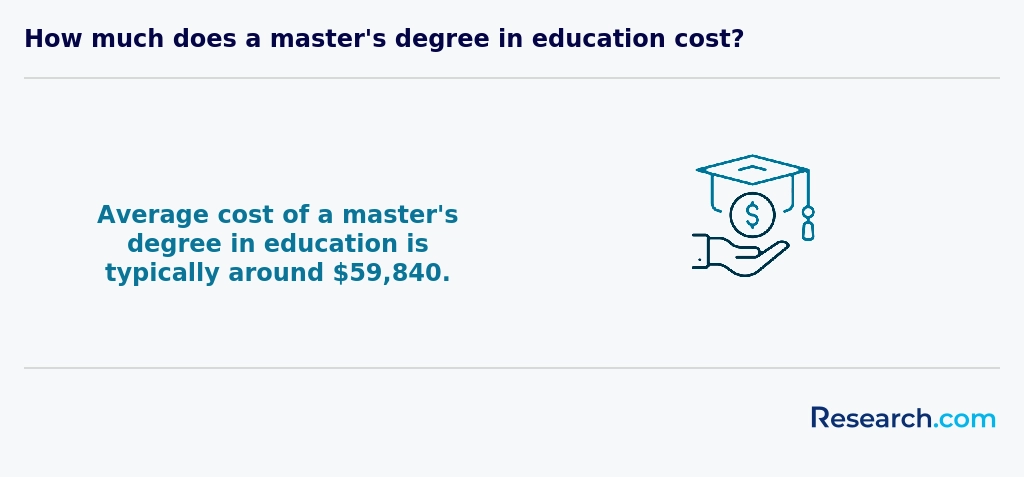
- Tuition for an online bachelor's degree in education ranges from $30,000 to $50,000, while online master's degrees typically cost between $20,000 and $40,000.
- Public universities usually have lower tuition, especially for in-state students, while private schools tend to be more expensive.
- Starting salaries for education graduates in the Northeast average about $45,000 per year, increasing to approximately $65,000 after 10 years for those with advanced degrees or certifications.
- The demand for education professionals remains steady, especially in urban districts and areas like special education and STEM subjects.
- Ensuring online programs meet regional accreditation and state licensing requirements is critical for teacher certification and employment opportunities.
How long does it take to complete online education degree in the Northeast?
Imagine diving into an online education degree at a well-known Northeast college, juggling your laptop between morning coffee and evening work shifts. For many bachelor's students, the journey usually spans about four years of steady progress-like earning your stripes at a university famed for blending tradition with modern flexibility.
Some graduates share how accelerated courses helped them trim time, squeezing degree completion into less than four years without sacrificing quality. Meanwhile, associate degree seekers often celebrate wrapping up their online studies in roughly two years, propelling them swiftly into educational careers or toward further degrees.
Graduate students chasing a master's degree in education or leadership relish programs designed for busy professionals, often completing coursework in one to two years full-time. Those studying part-time, balancing job and family, might see their journey stretch to three or four years-turning each milestone into a personal triumph within the vibrant Northeast academic landscape.
Schools like those in the New England region shine by tailoring pacing and credit transfers, transforming what might feel like a marathon into navigable sprints across your schedule.
Accreditation and Licensure Pathways
Ensuring your online education degree is properly accredited and aligns with state licensure requirements is essential for a smooth transition into the classroom. The majority of reputable Northeast institutions hold regional accreditation from bodies such as the New England Commission of Higher Education (NECHE) or the Middle States Commission on Higher Education (MSCHE). Additionally, teacher preparation programs often seek specialized accreditation through the Council for the Accreditation of Educator Preparation (CAEP), which verifies that curricula meet rigorous standards for educator competence and ethical practice. Before enrolling, prospective students should confirm that the program’s accreditation is recognized by their state’s board of education. Each state in the Northeast-whether Massachusetts, New York, or Connecticut-maintains distinct certification pathways, including mandated coursework, supervised student teaching hours, and passing scores on relevant Praxis exams. For example, New York’s initial teaching certificate requires completion of state-approved pedagogy and content assessments, whereas Massachusetts emphasizes performance assessments such as the edTPA. Detailed state guidelines can usually be found on each department of education’s website. Graduates seeking licensure reciprocity should also verify interstate agreements, such as those facilitated by the National Association of State Directors of Teacher Education and Certification (NASDTEC). These compacts allow educators to transfer credentials between member states with minimal additional requirements, expanding employment opportunities across the region. Moreover, some programs partner directly with state agencies to offer co-op experiences and expedited certification tracks. For aspiring educators balancing cost and quality, it can be helpful to compare accredited online master’s options nationwide. For instance, prospective students may explore our Affordable Online Master's in Education Degree Programs Ranking in Arizona to understand how accreditation and licensure pathways are managed in other regions, providing valuable context when selecting the right program in the Northeast.
What's the difference between online and on-campus education degree?
Imagine juggling your morning coffee at a bustling Boston café while logging into your education lecture from a top Northeast university-this is the pulse of online degrees. Graduates from renowned schools like those in New York cherish the freedom to learn on their own rhythm, crafting study sessions between work meetings or family moments. No campus hustle, just pure flexibility tailored for today's multitaskers.
On the flip side, picture walking through ivy-covered paths at a prestigious college in Massachusetts, exchanging ideas face-to-face with professors and peers. The on-campus degree immerses you in a vibrant learning hub, rich with libraries and study groups that spark spontaneous inspiration. Graduates often recall how those hallway chats and library marathons shaped their passion for education.
In the Northeast, both paths lead to respected credentials from the Middle States Commission on Higher Education, but price tags often differ-online programs typically trim costs without trimming value. Still, success hinges on your learning style: self-driven warriors thrive online, while community seekers flourish in person.
Exploring Affordable Online Education Programs Beyond the Northeast
While the Northeast boasts many high-quality online education degrees, cost considerations often drive students to explore more budget-friendly options in other regions. By comparing tuition rates, fee structures, and living expenses, prospective learners can find programs that align with both their academic goals and financial realities. For example, many public universities in the Southwest offer significantly lower out-of-state tuition, making them attractive alternatives for students willing to study remotely. To discover one of the nation’s most cost-effective online master’s in education, check out this Affordable Online Master’s in Education Degree Programs Ranking in Arizona, which highlights programs that combine quality instruction with exceptional affordability. Beyond regional tuition savings, some institutions also provide robust financial incentives-such as reduced fees, textbook stipends, or technology grants-that further lower overall expenses. When evaluating these programs, be sure to compare total cost of attendance, available scholarships, and support services to ensure you maximize value without compromising educational quality. By broadening your search to include these affordable alternatives, you can secure a reputable online education degree that fits your budget and sets the foundation for a successful teaching career.
What is the average cost of online education degree in the Northeast?
Imagine diving into your online education degree in the Northeast with a budget that typically lands around $27,265 in total costs-this number blends tuition, fees, and essentials into one figure students often recall from the start of their journey. Graduates from popular education programs across universities such as those in Boston or New York often tell stories of balancing part-time jobs and family while embracing rich, interactive online courses designed specifically for aspiring educators in this region. This vivid experience reflects more than just numbers; it captures the energetic vibe of the region's academic culture.
When considering the average cost of online education degree total expenses Northeast students face, it's useful to consider both in-state and out-of-state scenarios. For in-state learners, the total cost usually centers near $19,500, rewarding residents with a more approachable investment. Out-of-state students often encounter costs closer to $22,050 but benefit from the flexibility and access to renowned programs without relocating, a true game changer for career-wise students eager to earn their degree while staying connected to their community.
These expenses resonate differently depending on life's rhythm, especially in schools noted for innovation in online education. A graduate might recall late-night study sessions followed by inspiring virtual discussions led by seasoned professors, which made every dollar spent feel both justified and uplifting. If you're exploring where to apply, visiting the list of in demand education schools in the Northeast could illuminate routes to programs finely tuned to your budget and aspirations.

Trends and Future Opportunities in Online Education
The rapidly evolving landscape of online education not only shapes present learning experiences but also lays the foundation for future opportunities. In recent years, innovations in technology, flexible learning platforms, and evolving pedagogical approaches have redefined how education is delivered and consumed. This section explores emerging trends-including the integration of artificial intelligence in adaptive learning, increased emphasis on interactive digital resources, and a growing shift toward competency-based education-and discusses how these trends are expected to enhance both student engagement and career readiness. As institutions continue to refine their online programs, graduates will find that the demand for skills in digital literacy, remote collaboration, and innovative instructional methods is steadily increasing. For prospective students aiming to balance quality with affordability, exploring options like Most Affordable Online Masters Degrees in Teaching can offer a strategic advantage as they prepare for the future of education. By staying informed and proactive, learners can ensure that their education remains relevant and that they are well-equipped to navigate the competitive job market in the educational sector.
What financial aid is available to online education degree students in the Northeast?
Imagine a master's student juggling family life while logging into their online education courses at a renowned Northeastern university. They breathe a sigh of relief knowing federal Pell Grants-up to $7,395 for undergrads-soften the financial blow, accessed easily by submitting the FAFSA. Meanwhile, a graduate from a popular state college feels the solid support of New York's Tuition Assistance Program, which chips away at tuition costs up to $5,665 yearly, making dreams tangible behind the screen.
Picture another learner, tapping out essays late into the night, buoyed by merit scholarships from their institution-special awards designed just for remote learners who shine academically. Their employer's tuition reimbursement program feels like a nod of encouragement, turning work hours into an investment in their future.
And when finances tighten, private scholarships aimed at future educators-like the NEA Foundation grants-offer a beacon of hope, empowering earnest students across Massachusetts and beyond. The Northeast's mosaic of aid transforms financial stress into motivation, a sturdy ladder toward educational success.
Why Choose an Accredited Online Education Program in the Northeast?
When considering online education degree programs in the Northeast, accreditation is a critical factor to prioritize, as it ensures that the program meets rigorous academic standards. Accredited programs are recognized by the US Department of Education and the Council for Higher Education Accreditation (CHEA), providing assurance that the education received is of high quality. To find accredited online education programs that fit specific needs and career aspirations, prospective students can visit https://research.com/rankings/education/most-popular-education-ri as in demand education schools, offering insights into the best online programs available. These accredited programs not only enhance employability but also provide a solid foundation for further education or specialization, such as pursuing a master's degree in education. By choosing an accredited online education program, individuals can ensure they are well-prepared for a fulfilling career in education, with the flexibility and support needed to succeed in today's educational landscape.
What are the prerequisites for enrolling in online education degree program in the Northeast?
Picture yourself stepping into the world of online education degrees in the Northeast, where the first checkpoint is almost always your high school diploma or GED-a simple yet mighty ticket to this academic adventure. Graduates from well-known institutions like Boston University or the University of Connecticut often recall how this basic credential set the stage for their journey. For those aiming higher, say at a master's level from a university such as Syracuse, having a relevant bachelor's degree with solid grades becomes your trusted companion.
Imagine receiving that email confirming your transcripts made it through, showcasing your dedication in key subjects like psychology or education-this document whispers your story to admissions teams. While many schools lean into test-optional systems, some still ask for SATs or GREs, but even this can feel like a breeze compared to the thrill of recommendation letters from teachers who believed in you.
Beyond paperwork, graduates often share how navigating background checks tied to student teaching placements across the Northeast created a tangible connection to their communities, transforming distant online classes into real-world impact.

Licensure and Certification Requirements for Educators in the Northeast
Obtaining an online education degree in the Northeast is only the first step toward a successful teaching career; securing state licensure and certification is equally critical. Each state-including Massachusetts, New York, Pennsylvania, and Connecticut-maintains specific requirements for teacher certification, often involving completion of state-approved preparation programs, passing scores on Praxis or edTPA assessments, and supervised student teaching experiences. Prospective educators should verify that their online program aligns with these standards and provides targeted support for certification exams. Most accredited online education degree programs integrate certification pathways directly into the curriculum, offering dedicated coursework on teaching methods, classroom management, and assessment strategies that mirror state licensure exams. For example, candidates typically complete:
- Subject-specific pedagogy courses approved by state education departments
- Clinical field experiences or virtual student teaching placements
- Preparation workshops for Praxis Core, Praxis II, or edTPA performance tasks
What courses are typically in online education degree programs in the Northeast?
Picture diving into a course at a well-known Northeast university, where your laptop screen lights up with classes like education theory and child development. Graduates often recall the spark they felt understanding how cognitive growth shapes every student's journey, from lively Boston classrooms to suburban New York districts. These foundational courses aren't just textbooks-they're stepping stones to mastering teaching methods tailored to diverse learners.
Think about designing lesson plans in instructional design classes that feel less like assignments and more like crafting adventures for young minds. Many students at top schools in the region appreciate how digital literacy courses prepare them to wield educational technology with confidence, turning virtual spaces into vibrant learning hubs.
Other favorite modules include multicultural education and classroom management, where future educators share stories about applying inclusive practices. Whether juggling theoretical frameworks or practicum experiences, Northeast programs blend tradition with innovation, fueling excitement for shaping tomorrow's classrooms.
What types of specializations are available in online education degree programs in the Northeast?
Delving into online education degree specializations Northeast students discover a vibrant spectrum tailored to ignite passion and purpose. Graduates from notable institutions like Boston College and the University of Pennsylvania often share how choosing Educational Leadership and Administration transformed their paths-imagine steering a school's future while balancing policy and people, a rewarding challenge echoing through every lesson plan.
Others drawn to education degree programs Northeast specialties find joy in Special Education, where programs craft professionals who embrace diverse learners with empathy and innovative strategies. Picture guiding a spirited child toward breakthrough moments, fueled by coursework that feels both rigorous and heartfelt.
Early Childhood Education shines uniquely in this region, nurturing those who want to build strong foundations for young minds. Graduates from institutions like Syracuse University often reflect on how their studies combined theory and hands-on approaches, perfect for vibrant Northeast classrooms from New York to Massachusetts.
For a modern edge, many students explore Curriculum and Instruction or Educational Technology, tapping into creative teaching methods and digital tools. In fact, balancing affordability and quality can be easier than expected with options like the Most Affordable Online Masters Degrees in Teaching blending both worlds.
How do you choose the best online education degree in the Northeast?
To choose the best online education degree in the Northeast, envision yourself balancing a full day of work while sipping coffee in the comfort of your home, effortlessly logging into an asynchronous course from a top regional school. Graduates from well-known colleges like Boston University and the University of Pennsylvania often highlight how crucial accreditation-especially from agencies recognized by the U.S. Department of Education-was in ensuring their degree opened doors for teaching certification and job placements. Imagine the relief of knowing the program meets rigorous standards while you juggle family and career.
Many students find the varying tuition fees across the Northeast puzzling; public universities hover near $11,000 for in-state students, but savvy online learners secure affordable options by tapping into flexible payment plans or in-state rates offered remotely. For those hunting affordable online teaching programs Northeast, the journey often begins by consulting dedicated rankings such as the Affordable Online Master's in Education Degree Programs Ranking in Arizona, which spark ideas about balancing quality with cost.
Picture specializing in educational leadership or special education without ever leaving your living room, just like recent online graduates who praise programs with rich concentrations aligned to their career dreams. Their advice? Prioritize platforms with intuitive tech and instructors who are not just teachers but mentors with real-world classroom savvy. This blend of human touch and digital convenience shapes an inspiring, accessible path through the best online education degrees Northeast has to offer.
- Consider accreditation recognized by the U.S. Department of Education.
- Evaluate tuition costs and look for schools offering in-state rates online.
- Choose programs with flexible, asynchronous schedules.
- Seek specializations aligned with your career goals.
- Research faculty experience and learning platforms.
What career paths are available for online education degree students in the Northeast?
Graduates with an online education degree in the Northeast often find themselves at a crossroads buzzing with opportunity. Some step confidently into K-12 teaching roles, armed with credentials aligned to states like New York and Massachusetts, where certification processes smooth the journey into classrooms alive with curious minds. A graduate from a well-known regional university reflects on transforming virtual coursework into real-world lesson plans that energized her first year as a public school teacher.
Others dive into educational administration, chasing dreams of shaping school culture as principals or curriculum coordinators. Northeast colleges offering online graduate programs become launchpads for these leaders who balance innovative ideas with local policy realities. The growing demand here echoes the steady uptick in such roles, fueling both ambition and security.
Notably, the rise of digital learning spurs careers in educational technology and instructional design. Graduates fluent in e-learning platforms craft engaging experiences for students scattered across the region. These online education degree careers Northeast have expanded beyond traditional boundaries, blending technology with pedagogy in ways once only imagined.
For those curious about navigating these diverse paths with cost-effective options, the Affordable Online Master's in Education Degree Programs Ranking in Arizona offers surprising insights that many find inspiring as they plan their futures.
What is the job market for online education degree in the Northeast?
The online education degree job market Northeast sparks excitement among graduates juggling urban rhythms and digital classrooms. Imagine a recent graduate from a well-regarded college in Boston, who leveraged state-specific certification prep embedded in their program, securing a coveted teaching role in a high-demand STEM subject within a bustling school district. These narratives are common as districts in New York and Massachusetts seek fresh talent amid shortages, blending traditional teaching with cutting-edge online instructional design positions.
Enrolling in institutions known for their supportive online education frameworks, such as those in New York or the Boston area, helps students not only earn degrees but also navigate hurdles like the critical edTPA exam for certification. This localized approach boosts confidence and opens administrative pathways that go beyond classroom walls.
Costs, often cited concerns, are offset by flexible programs that allow students to work while studying. Many aspiring educators explore a fast track bachelor's degree online, accelerating their journey into this promising field and reaping the rewards sooner. The employment outlook for education graduates Northeast brims with potential for those ready to innovate and lead.
Frequently Asked Questions About education
Online education degree students in the Northeast can maximize their learning experience by actively engaging with their coursework and peers. Research from the National Center for Education Statistics (NCES) shows that students who participate in discussion forums and group projects report higher satisfaction and better retention. Additionally, leveraging regional academic resources such as local libraries and state education centers can provide valuable supplementary materials.
Time management is crucial; setting a regular study schedule helps maintain consistent progress. Many Northeast institutions offer virtual tutoring and academic advising, which students should utilize to clarify difficult concepts and plan their academic trajectory effectively.
Networking with local education professionals or alumni through online platforms also enriches practical understanding and career opportunities, making the educational journey both interactive and professionally relevant.
The field of education is evolving rapidly, with several emerging niches gaining importance in the Northeast's online degree programs. One significant growth area is educational technology, focusing on integrating digital tools in classrooms. According to the National Center for Education Statistics, tech-related education jobs are projected to grow by 10% over the next decade.
Another rising niche is special education, with increased demand for professionals skilled in working with diverse learners. The Northeast, with its dense population, has a strong need for experts in this area.
Additionally, bilingual education and culturally responsive teaching are becoming key focuses, reflecting the region's growing diversity.
After completing an online education degree in the Northeast, preparing for the job market requires strategic planning. Networking is key; connect with local education professionals and alumni through LinkedIn and regional events. According to the Bureau of Labor Statistics, the Northeast has a strong demand for teachers, especially in urban areas like New York and Boston.
Gaining relevant certifications and licenses specific to your target state is crucial, as requirements vary widely across the region. Additionally, consider internships or substitute teaching positions to build practical experience.
Finally, tailor your resume to highlight online learning skills, technology proficiency, and adaptation to virtual environments, which are especially valued post-pandemic.
Employers in the Northeast highly value education degree graduates who demonstrate strong communication and classroom management skills. According to a 2023 report by the National Center for Education Statistics (NCES), effective teaching strategies and adaptability to diverse student needs are critical for success in this region.
Data from the New England Board of Higher Education shows that technology proficiency, especially in online learning tools, is increasingly important due to the rise of remote education. Graduates who master digital platforms are more competitive in the job market.
Additionally, leadership abilities and collaboration skills rank among top employer priorities, as teamwork within schools supports student achievement. Analytical thinking and problem-solving are equally essential for addressing varied educational challenges.
Finding internships in the Northeast related to an education degree involves strategic research and networking. Many universities in the region, including those offering online education degrees, have partnerships with local schools and educational organizations that provide internship opportunities.
Students should explore internship listings on university career centers and platforms like Handshake or Symplicity, which connect students with regional employers. According to the National Association of Colleges and Employers (NACE), nearly 60% of internships in the Northeast are secured through on-campus resources or formal programs.
Additionally, contacting nearby school districts directly can reveal available internships in teaching, counseling, or administration. Online students often benefit from flexible scheduling, enabling part-time internships within their communities.
Professional organizations such as the Northeast Educational Research Association or state departments of education also post internships relevant to education majors.
Online education degrees have significantly impacted career mobility and advancement in the Northeast. According to a 2023 report by the State University of New York, professionals with online education credentials saw a 15% higher promotion rate within five years compared to those without degrees. The flexibility of online programs allows working adults to gain skills without interrupting employment, facilitating timely career growth.
The Northeast's diverse job market, including education, healthcare, and technology sectors, values accredited online degrees from reputable institutions. These degrees often meet state certification requirements, enabling educators to advance or transition into leadership roles more efficiently.
Furthermore, regional employers increasingly recognize online credentials due to proven curriculum rigor and practical training. This trend enhances opportunities for salary increases and job switches within competitive urban centers such as Boston, New York, and Philadelphia.
Studying for an education degree online in the Northeast offers strong preparation for interdisciplinary roles by blending diverse fields such as psychology, technology, and social sciences. Many institutions emphasize collaboration across disciplines, equipping students to address complex educational challenges. According to the National Center for Education Statistics, Northeast colleges show a growing integration of digital tools in teacher preparation programs, enhancing skills in educational technology.
Programs often include coursework in data analysis, curriculum design, and inclusive education, fostering versatile skill sets. This interdisciplinary approach aligns with regional workforce demands, where schools require educators adept at working within multifaceted academic and social environments.
Choosing between a thesis and a non-thesis online education degree program in the Northeast depends largely on your career goals and learning preferences. Thesis programs usually require original research and offer a deeper academic experience, ideal for those planning to pursue doctoral studies or research-oriented careers.
Non-thesis programs focus more on practical training and coursework, catering to professionals seeking to enhance skills or advance in education leadership roles. According to the National Center for Education Statistics, about 45% of graduate education degrees in the Northeast include a thesis option.
Consider program length and flexibility; non-thesis tracks may be shorter, benefiting working students.
Students in the Northeast interested in studying education abroad can explore several online degree options offered by institutions with international partnerships. Many regional universities provide virtual exchange programs allowing students to take courses or complete internships with foreign educational organizations without leaving the U.S. According to the Institute of International Education, about 12% of Northeast-based education students participate in such collaborative programs.
Additionally, several accredited online programs incorporate global education perspectives, preparing students for diverse classroom environments worldwide. Schools in states like New York and Massachusetts often emphasize global teacher certification pathways, enabling graduates to meet standards for teaching abroad. These options offer flexibility and broaden professional horizons without relocating permanently.
Part-time job opportunities in the Northeast that complement education degree studies often involve roles in tutoring, substitute teaching, and educational support positions. According to the National Center for Education Statistics, the region has a strong demand for substitute teachers, particularly in states like New York and Massachusetts.
Tutoring services provide flexible hours and practical experience, especially in urban areas such as Boston and Philadelphia where after-school programs are common. Additionally, positions as teacher aides or classroom assistants in public and private schools offer valuable hands-on learning.
Many colleges in the Northeast also offer part-time roles in their education departments, which can provide research or administrative experience relevant to education majors.
Online education students in the Northeast benefit from various networking opportunities despite studying remotely. Many universities in this region, including institutions in New York, Massachusetts, and Pennsylvania, offer virtual networking events that connect students with peers, faculty, and industry professionals. Additionally, professional associations such as the Massachusetts Education Association provide online forums and local chapters for collaborative opportunities.
According to a 2023 survey by the National Education Association, 68% of online education students in the Northeast reported participating in at least one virtual or in-person networking event annually. These connections support career growth and job placement in the region's competitive education sector.
Alumni networks offer significant benefits to online education degree students in the Northeast. These networks provide valuable connections that can help students access job opportunities and receive career advice in a competitive market. According to the National Association of Colleges and Employers, graduates with strong alumni ties are 20% more likely to secure employment within six months.
In the Northeast, many universities actively engage their online alumni through virtual events and mentoring programs, which foster professional growth. These networks also support lifelong learning by sharing industry news and continuing education resources.
Overall, alumni networks help build community and professional support crucial for online students balancing work and study.
Online education degree programs in the Northeast allow students to tailor their studies to match specific career aspirations. Many institutions offer customizable tracks or concentrations in fields like special education, curriculum development, or educational technology. According to the National Center for Education Statistics, about 65% of Northeast education programs provide elective courses that support specialized career goals.
Students can often choose flexible scheduling and internships aligned with regional school districts, enhancing practical experience. Additionally, some universities collaborate with local education agencies, enabling personalized mentorship. This flexibility helps align academic achievement with state certification requirements, crucial for public school teaching careers in the Northeast.
Online education students in the Northeast often face issues related to balancing coursework with work and family commitments. According to the National Center for Education Statistics, about 55% of students enrolled in online programs are part-time, commonly juggling multiple responsibilities. Internet connectivity can be inconsistent in rural parts of states like Vermont and Maine, creating barriers to fully participating in coursework.
Additionally, some students report challenges with limited access to on-campus resources, including academic advising or career services. The fast pace of online classes can also pose difficulties for learners who prefer in-person interaction. Such challenges underscore the importance of choosing institutions with strong support systems tailored for remote learners.
With an online education degree, professionals in the Northeast can pursue several widely recognized certifications that enhance their career prospects. Common certifications include the Certified Teacher credentials offered through state education departments, which qualify graduates to teach in public schools. Additionally, many pursue the National Board Certification, a prestigious credential that boosts earning potential and job security.
Other options include the Reading Specialist Certification and School Administration Licenses, both in demand across Northeastern states like New York, Massachusetts, and Pennsylvania. According to the Department of Education, the region shows a growing need for certified specialists, especially in urban districts.
The flexibility of online programs allows candidates to complete certification requirements while balancing work or life commitments.
Writing a winning application for an online education program in the Northeast requires careful preparation and attention to detail. First, highlight your relevant academic background and professional experience clearly to show your readiness for graduate-level study. Many Northeastern schools value applicants who demonstrate practical skills combined with strong theoretical knowledge.
Next, tailor your personal statement to reflect your career goals and explain why you chose an online format. According to the National Center for Education Statistics, in 2022, over 30% of graduate students in the Northeast enrolled in online programs, indicating increasing regional acceptance of online education.
Recommendation letters should come from professionals or academics familiar with your qualifications. Also, ensure your application meets all deadlines and includes any supplementary materials specific to your chosen institution or program.
Globally, education careers are increasingly valued for their role in shaping future generations and supporting economic growth. In the United States, including the Northeast, the Bureau of Labor Statistics projects a 5% growth in education jobs from 2021 to 2031, slightly below the national average, reflecting steady demand.
Many countries emphasize teacher quality and ongoing professional development, which aligns with U.S. trends toward advanced certifications and specialized degrees, especially through online programs. Northeastern states like New York and Massachusetts lead in offering graduate education programs online, providing flexible pathways for educators seeking career advancement.
Internationally, education careers often involve adapting to diverse learning needs and technology integration. U.S. online degrees prepare students for such global challenges by focusing on inclusive, evidence-based practices supported by research from institutions like the National Center for Education Statistics.
Gaining practical experience during an online education degree in the Northeast is essential for career readiness. Many accredited programs incorporate student teaching or practicum components that can be completed locally. This allows students to work directly in nearby schools, which is particularly advantageous in states like New York and Massachusetts where public school partnerships are strong.
Additionally, online students often access internships or part-time roles through regional educational organizations or tutoring centers. The Northeast boasts a dense network of schools eager for skilled educational assistants, providing hands-on exposure to classroom management and curriculum development.
According to the National Center for Education Statistics, approximately 70% of Northeast education programs require or recommend field experience, highlighting its importance. Students should inquire about local placement support when selecting their program.
Choosing the right concentration within an online education degree program in the Northeast begins with understanding your career goals and interests. Popular options include special education, curriculum and instruction, educational leadership, and technology integration. Each concentration targets different roles, from classroom teachers to administrative positions.
Data from the National Center for Education Statistics shows that the Northeast has a high demand for specialized educators, particularly in special education and STEM fields. Researching local job markets can help align your focus with regional employment trends.
Also, review program accreditation and faculty expertise to ensure quality education. Many Northeastern universities offer concentrations with flexible coursework designed for working professionals.
Consider financial aid options and program length, as these vary significantly across institutions. Gathering this information will support an informed decision tailored to your needs and local opportunities.
Top Trending Education Rankings
See What Experts Have To Say About Studying Education
Read our interview with Education experts

Alan J. Singer
Education Expert
Professor of Teaching, Learning and Technology
Hofstra University

Nooshan Ashtari
Education Expert
Professor & Book Author
University of Southern California

References
- Guide to Online Education Degrees | OEDb.org https://www.oedb.org/rankings/online-education-programs/
- 10 Strategies for Networking as a High School Student https://riseglobaleducation.com/blogs/best-strategies-for-networking-as-a-high-school-student
- Financial Aid https://northeast.edu/costs-aid/financial-aid/
- Degree Programs for Working Adults - Online & In Person | NEIT https://www.neit.edu/the-neit-edge/degree-pathways/for-working-professionals
- Seven Major Challenges Facing Education in the 21st Century https://www.internationalschoolparent.com/articles/seven-global-education-challenges/
- Skills Employers Look for in Business Graduates – EU Business School https://www.euruni.edu/blog/skills-employers-look-for-in-business-graduates/
- Education Study Abroad | CIEE https://www.ciee.org/go-abroad/college-study-abroad/programs/subjects-disciplines/education-study-abroad
- Putting theory into practice: The value of an interdisciplinary approach to teaching https://my.chartered.college/impact_article/putting-theory-into-practice-the-value-of-an-interdisciplinary-approach-to-teaching/
- How to Decide Between an Online and Onsite Degree https://www.indwes.edu/articles/2022/07/how-to-decide-between-an-online-and-onsite-degree
- Networking For Educators: How To Grow A Professional Circle - Carlow University https://www.carlow.edu/networking-for-educators/





