
2027 Best Education Degree Programs Ranking in Providence

Co-Founder and Chief Data Scientist
Choosing the right education degree program can be a big step toward a fulfilling career in Providence. To make this decision easier, the article presents the 2027 Best Education Degree Programs Ranking in Providence, created by the Research.com team of data scientists. This carefully researched ranking helps you identify the top programs worth your consideration.
Exploring these options empowers you to find a path that aligns with your goals and passions. Earning an education degree opens doors to meaningful work, growth, and positive impact in your community.
Key benefits of getting education degree in Providence
- Graduates with an education degree in Providence can expect strong earning potential, such as Special Education Teachers earning around $76,000 annually and Instructional Designers about $77,200 per year, providing financial stability and rewarding careers.
- Career paths are diverse; for example, a graduate from Rhode Island College may find opportunities as an Early Childhood Educator, ESL Teacher, or Instructional Designer, allowing for meaningful work with different age groups and needs.
- Online education degrees from institutions like the University of Rhode Island offer flexibility, enabling students to balance work and studies while still gaining valuable credentials that open doors to rewarding education careers.
- 2027 Best Education Degree Programs Ranking in Providence
- What can I expect from education degree in Providence?
- Where can I work with education degree in Providence?
What can I expect from education degree in Providence?
The average cost of pursuing an education degree in Providence varies but generally falls within a range that many students find manageable thanks to available financial aid and scholarships. Graduates from institutions like Rhode Island College and Providence College often share how their investment was balanced by state-funded grants or institution-specific support, which helped ease tuition expenses.
Many students find that the costs align with the quality and hands-on experience they receive. For example, practical teaching placements in local schools provide invaluable real-world training that enhances both skills and job prospects, making the tuition feel like a worthwhile investment.
It's common to hear inspiring stories from graduates who leveraged financial aid to complete their Bachelor's or Master's degrees without overwhelming debt. Their passion for education and the supportive community in Providence helped them focus on learning and growing into confident educators ready for diverse classrooms.
Remember, planning ahead to apply for scholarships early can make a significant difference in managing expenses while studying education locally.
Where can I work with education degree in Providence?
Graduates with an education degree in Providence often find rewarding opportunities within the city's vibrant public school system. Many start as teachers in Providence Public Schools, where over 3,600 educators inspire students every day. Those who trained at Providence College or Rhode Island College tell me how their hands-on experiences prepared them to thrive in diverse classrooms.
Beyond classroom teaching, there's growing demand for special education teachers-a path that graduates often embrace with great passion. Instructional coordinators and school counselors are other promising roles that tap into skills gained during college.
Many graduates also share how working in higher education institutions, like Rhode Island College, opens doors to careers in academic advising and program development, blending teaching talent with leadership.
Nonprofits and private schools offer exciting alternatives, especially if you want to impact underserved youth or lead curriculum changes. Think of yourself shaping education policy or training new teachers through local government roles, all while making a real difference in Providence's communities.
Graduates with education degrees from institutions in Providence often find rewarding earning potential that reflects their dedication and passion. For example, elementary school teachers typically earn an average annual salary around $70,740, aligning well with local opportunities and offering stability early in their careers. Those pursuing specialized roles, like special education teaching, can expect even higher averages near $76,000, reflecting the high demand and impactful nature of their work.
Many Providence graduates step into dynamic roles such as instructional designers, earning approximately $77,200, which opens doors to creative and influential educational careers beyond traditional classrooms. ESL teachers, another common path for education graduates, earn about $65,430, providing opportunities to support diverse communities in the city.
Students from popular Providence colleges often share that their education degrees not only empower them to teach but also to adapt in various roles with competitive salaries. The journey might begin with an entry-level classroom job but can grow into fulfilling careers that truly make a difference while sustaining comfortable living in Providence.
- In-state tuition for education degrees at public institutions like Rhode Island College ranges from $10,000 to $15,000 per year.
- Private colleges in Providence often charge over $30,000 annually for education programs.
- Entry-level teachers in Providence earn around $50,000 per year, with salaries increasing to about $65,000 after ten years.
- There is steady demand for educators in early childhood, elementary, secondary, and special education fields in Providence.
- Graduates can find opportunities beyond teaching, including curriculum development, educational policy, and administrative roles.
Completing an education degree in Providence is an achievable goal with a clear timeline that aligns well with your dedication and life circumstances. For example, students at popular Providence institutions often complete their bachelor's in education in about four years when attending full-time, balancing coursework with hands-on student teaching experiences that truly prepare them for the classroom.
Many graduates pursuing a master's degree find themselves engaged for 1.5 to 2 years full-time, pushing their knowledge further while sometimes juggling work or family. Part-time options offered by local universities extend this to three or more years, allowing flexibility without sacrificing quality. This pathway suits those who want to advance while maintaining their daily responsibilities.
Doctorate candidates, whether aiming for an Ed.D. or Ph.D., embrace a longer journey of 3 to 6 years. These students immerse themselves in research and dissertation work, supported by Providence's strong academic community, allowing them to contribute meaningful innovations to education.
Throughout these programs, the mix of classroom learning and real-world teaching internships makes the effort rewarding, transforming challenges into confident readiness for your future career.
Understanding the full cost of attendance for an Education degree in Providence, RI is essential for making a sound financial decision. On average, in-state students at public four-year institutions pay approximately $9,750 in tuition, while out-of-state students face costs near $28,386. Private nonprofit universities, such as Providence College, can charge upwards of $38,421 per year. When fees, books, and living expenses are included, the total annual cost of attendance for an in-state student averages around $27,146. Evaluating return on investment (ROI) involves comparing these expenses to potential earnings. ESL teachers in Providence earn a mean annual wage of $63,130, early childhood educators earn around $38,640, and instructional designers can make about $73,080. Factoring in average tuition and living costs, most graduates break even within three to five years of full-time employment, with instructional design roles offering the fastest payback due to higher starting salaries. To further reduce financial burden without compromising program quality, prospective students can explore flexible online options. For example, our Inexpensive Online Education Degree Programs Ranking in Greeley, CO highlights accredited programs with lower tuition rates and comparable student outcomes. Leveraging online courses can eliminate relocation and commuting expenses, accelerating ROI. Ultimately, balancing program cost, available financial aid, and projected career earnings empowers you to choose an Education degree path in Providence that maximizes your long-term financial and professional success.
Choosing between online and on-campus education degrees in Providence hinges on how you want to experience learning. Graduates from Rhode Island College often praise the energy of in-person classes-engaging directly with professors and classmates, visiting campus libraries, and gaining hands-on teaching practice in local schools. This face-to-face interaction builds confidence and deepens your connection to the Providence community.
On the other hand, online education degrees offer incredible flexibility for those balancing work or family. Many students from Providence appreciate being able to study whenever it fits their schedule, especially since some programs allow asynchronous learning. This means you don't have to log in at specific times, which can be a game-changer if you're managing multiple responsibilities.
Cost is another key difference: campus life can add expenses like room and board, pushing yearly costs to $20,000-$25,000, while online options often run between $8,000 and $12,000 per year. Both paths maintain solid academic standards, so the best choice depends on your learning style and life situation.
Pursuing an education degree in Providence involves several cost components-tuition, fees, and living expenses-that vary by institution and residency status. Understanding these expenses helps you budget effectively and compare programs. Tuition and Fees
- In-State Public Universities: Annual tuition averages $9,750, with mandatory fees (technology, activity, lab) adding approximately $1,200.
- Out-of-State Students: Expect tuition near $28,386 per year plus similar fees.
- Private Nonprofit Institutions: Tuition averages $38,421 annually, with additional fees ranging from $1,500 to $2,500. Cost of Attendance Beyond tuition, the total cost of attendance-including room and board, books, transportation, and personal expenses-averages $27,146 per year for in-state students. Out-of-state and private-school attendees should budget up to $45,000 annually to cover higher housing and meal plan rates in Providence’s urban setting. Per-Credit and Part-Time Rates Many institutions offer per-credit rates for part-time students, typically between $350 and $600 per credit hour. This flexibility can spread costs over multiple semesters and align payments with your schedule. Comparing Affordability For those weighing online alternatives, our Inexpensive Online Education Degree Programs Ranking in Greeley, CO highlights low-cost, high-quality programs that may offer significant savings without sacrificing accreditation or outcomes. Budgeting Tips
- Plan for textbooks and supplies (approx. $1,000 per year).
- Explore on-campus employment and work-study to offset living expenses.
- Factor in transportation costs-public transit passes in Providence range from $70 to $85 monthly. By analyzing these cost elements and comparing local and online options, you can select an education degree program that aligns with both your career goals and your budget.
The average cost of getting an education degree in Providence typically reflects a median total cost of around $55,819. This amount includes tuition, fees, and necessary expenses, serving as a practical benchmark for many aspiring educators. Graduates from well-known institutions like Rhode Island College often share how this investment, while significant, unlocked numerous opportunities through scholarship support and manageable financial aid packages. Meanwhile, students at private universities in Providence may encounter higher tuition, but also enjoy access to grants and assistantships that help ease the financial burden.
For those navigating the average cost of education degree programs in Providence, it's important to consider not just tuition but the full picture: books, supplies, and other fees can add a few thousand dollars yearly. Many undergraduate students appreciate knowing these additional costs upfront because it allows them to budget smartly and avoid surprises. Graduate students pursuing advanced degrees like a Master of Education often face per-credit tuition rates, which can range between $700 to $900, offering more flexibility for part-time learners balancing work and study.
Exploring options to reduce the total tuition and fees for education degrees Providence-based students encounter is crucial. Students often find significant relief through federal aid or state grants, which transform a daunting price into an attainable goal. For a comprehensive guide on funding options and affordable paths, prospective students can visit the most affordable education schools in Rhode Island, helping them approach this journey with confidence and clarity.

When considering an education degree in Providence, RI, affordability is a crucial factor. Prospective students can explore various options to make their educational pursuits more manageable. For those looking for affordable education, it's worth researching institutions that offer competitive pricing without compromising on the quality of education. To find the most affordable education schools in Rhode Island, students can visit most affordable education schools in Rhode Island to get a comprehensive overview of their options. By weighing the costs and benefits, students can make informed decisions that align with their financial situation and career aspirations, ultimately paving the way for a successful and fulfilling career in education.
When pursuing an education degree in Providence, you'll find a range of financial aid options designed to lighten the load. Many graduates from Rhode Island College and Providence College recall how completing the FAFSA opened doors to federal grants like the Pell Grant, which can provide up to $7,395 annually. These grants often transform the daunting tuition costs into a manageable investment in their future.
State-level programs add another layer of support. Scholarships such as the Rhode Island College Promise Scholarship helped numerous education students I've mentored, offering relief specifically for residents attending local colleges. And for those committed to serving in Rhode Island's public schools, the Teacher Loan Forgiveness program can erase portions of student loans, rewarding dedication with real financial freedom.
Local scholarships and tuition partnerships with Providence school districts also create amazing opportunities. Many graduates share how working part-time through federal work-study or community education jobs not only provided income but real classroom experience-proving that smart financial planning combined with passion can truly transform your educational journey.
When planning for an Education degree in Providence, RI, understanding the full cost is essential to making an informed decision. Tuition at public four-year institutions averages $9,750 per year for in-state students and $28,386 for out-of-state students, while private nonprofit universities typically charge around $38,421 annually. Beyond tuition, you should budget for mandatory fees (averaging $1,200 per year), books and supplies ($1,000–$1,200), and living expenses, which can range from $12,000 to $18,000 depending on housing choices. Room and board at on-campus residences generally cost between $10,000 and $14,000 annually, whereas off-campus rentals in Providence average $1,200 per month. Transportation and personal expenses add another $2,500–$4,000 to your yearly budget. For students seeking flexible, cost-effective alternatives, exploring online degree options can yield significant savings-see our Inexpensive Online Education Degree Programs Ranking in Greeley, CO for a benchmark in affordability. Finally, factor in incidental costs such as technology fees (typically $200–$400 per semester) and certification exam fees (around $300–$500). By clearly mapping out these expenses and comparing institutional aid packages, you can select a program that aligns with both your career goals and your financial plan.
To enroll in an education degree program in Providence, you'll need to meet key academic and administrative prerequisites that set the foundation for your success as a future educator. For example, graduates from local institutions often recall the importance of submitting a high school diploma or equivalent, alongside official transcripts that prove their academic readiness. If you're aiming for an undergraduate degree, such as a Bachelor of Science in Education, being prepared with these documents ahead of time makes your application smoother.
Many Providence colleges also expect standardized test scores like the SAT or ACT, though some schools are now embracing test-optional policies-this flexibility can relieve some pressure during the application process. Graduates frequently mention how crafting thoughtful personal statements and securing strong letters of recommendation helped showcase their passion for teaching and commitment to working with children.
For those pursuing graduate degrees, a bachelor's degree with a competitive GPA and, often, GRE scores are essential. Equally important are state licensure components unique to Rhode Island, including background checks and passing exams such as the Praxis, which graduates highlight as milestones that eventually led them to feel truly ready to enter the classroom in Providence's vibrant educational community.
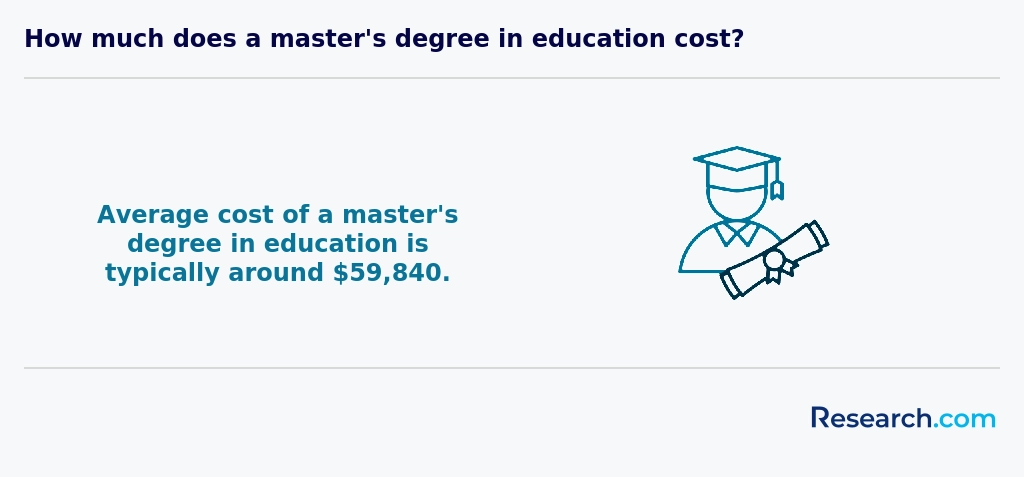
Embracing an education degree in Providence not only sets you on a rewarding career path but also provides numerous long-term benefits that enhance both professional growth and personal fulfillment. Graduates often highlight the strong community support, hands-on teaching experiences, and access to advanced career resources that distinguish these programs from others nationwide. The unique blend of academic rigor and practical exposure in Providence ensures that students develop vital soft skills like communication, leadership, and adaptability-qualities that employers actively seek across diverse industries. Moreover, the region's close-knit network of experienced educators and robust partnerships with local institutions can play a pivotal role in opening doors to future opportunities. For instance, many programs emphasize mentorship and real-world application, enabling students to build strong connections that add value long after graduation. Additionally, students may explore further specialization through programs such as the best online doctorate in higher education program, which offers flexible, advanced learning options designed to tailor career trajectories and broaden expertise in education administration and leadership. Overall, these benefits underscore why choosing an education degree in Providence is an investment in a dynamic future-one that equips you with the tools to inspire and educate the next generation while ensuring a fulfilling and resilient career.
If you're aiming for an education degree in Providence, expect a vibrant blend of courses that build both your passion and practical skills. Graduates from Rhode Island College often share how courses like Introduction to Education gave them a deep sense of the purpose behind teaching, grounded in both national and Rhode Island-specific policies. This foundation helps you feel connected right from the start.
Hands-on courses such as Practicum or Student Teaching provide real classroom experience under supervision, which many graduates say was invaluable when they first stepped into their own classrooms. These moments, whether managing diverse student needs or integrating educational technology effectively, bring theory to life.
Other core courses like Child and Adolescent Development and Classroom Management equip you to understand and nurture every student's growth, while Curriculum Design teaches you how to tailor lessons creatively. At Providence institutions, these courses ensure you leave ready to inspire and lead with confidence.
In Providence, education degree specializations are thoughtfully designed to match your passion with practical skills. Many graduates from local colleges find themselves drawn to Elementary Education, where they learn to inspire young minds across grades K-6 through engaging lessons in reading and math. Others embrace Secondary Education, concentrating on subjects like science or history to prepare for teaching middle and high school students. This pathway helps you become a confident educator ready for diverse classrooms.
For those who feel called to support learners with unique challenges, special education programs stand out. Graduates often recall meaningful experiences working with students requiring tailored learning approaches, which is crucial given the steady demand in Providence schools. Meanwhile, Educational Leadership or Administration offers a route to influence school culture and policies, a path past students have taken to become principals or curriculum leaders.
Prospective students should also explore options like Early Childhood Education or STEM Education, reflecting the evolving priorities of Providence districts. If you're curious about advancing your expertise, consider programs focusing on the best online doctorate in higher education program. These versatile choices ensure your education career aligns with your goals and the community's needs.
When investigating teaching certification programs Providence area schools offer, align your choice with real classroom experiences and your long-term aspirations.
Choosing the best education degree in Providence means looking beyond just course listings. Graduates from well-known colleges here often highlight how hands-on classroom experience and strong accreditation shaped their success. For example, programs accredited by leading bodies guarantee you're learning what local schools truly need, which boosts your confidence and readiness for teaching roles.
Affordability is crucial too, especially when exploring affordable education degrees Providence RI offers. Public colleges around Providence provide excellent value while private institutions may offer more specialized training but at a higher cost. Many students balance their commitments by opting for programs with online or hybrid options, blending flexibility with solid mentorship and internship opportunities.
Always check if your program supports Rhode Island's licensure requirements, as this alignment means a smoother path to working in Providence schools. If budgeting is a concern, consider exploring options like the Inexpensive Online Education Degree Programs Ranking in Greeley, CO to discover flexible, cost-effective pathways that other students have praised.
Graduates with an education degree in Providence have a wealth of career paths to explore that extend far beyond traditional classroom teaching. Many choose to become licensed K-12 teachers, especially in high-demand areas like mathematics and special education, addressing Rhode Island's urgent needs. Graduates from well-known Providence institutions often share how rewarding it feels to make a real impact on students' lives in local schools. Others pursue administrative roles such as school principals or curriculum coordinators, roles that often require additional credentials but lead to exciting leadership opportunities.
For those looking at education degree job opportunities in Providence, becoming a school counselor or educational consultant can be fulfilling options, combining educational expertise with personal guidance. There's also growing interest in special education careers, as Rhode Island intensifies efforts toward inclusive learning environments. Graduates frequently mention how their training at Providence colleges prepared them well for these specialized roles, blending passion with practical skills.
Some graduates embrace emerging fields like educational technology, helping teachers and students adapt to digital classrooms. Others find purpose working with nonprofits or state agencies, shaping policies that improve education statewide. If you're still exploring your options, it's wise to check out college majors ranked to align your passion with promising careers in education.
The job market for education degree jobs in Providence offers encouraging opportunities, especially for graduates from well-known local institutions like Rhode Island College and Providence College. Many graduates find themselves stepping confidently into roles such as special education teachers or curriculum developers, with schools actively recruiting to fill vacancies created by retirements and turnover. These positions provide a real chance to make a meaningful impact, especially given Providence's culturally diverse student body, which values educators skilled in bilingual education and inclusive practices.
Graduates who engaged in internships or substitute teaching during their studies noticed a significant advantage in securing full-time roles. The salary trends are promising too, with starting wages around $45,000 to $50,000, rising to $75,000 for experienced or specialized educators. Navigating licensing through the Rhode Island Department of Education is crucial, and those who earn certification enhance their employability across the region. For those exploring career paths, it can also help to understand what is the easiest associates degree to get as a stepping stone toward advancement.
Providence educator career opportunities extend beyond traditional classrooms, including positions in after-school programs and nonprofits that support youth education. Many graduates appreciate Providence's affordable cost of living compared to larger cities and feel motivated by the city's commitment to education, making it a vibrant place to launch and grow a rewarding career.
2027 Best Education Degree Programs Ranking in Providence
Investing in your education is a significant decision that can shape your future, and the Research.com team recognizes the importance of making well-informed choices. To support prospective students in Providence, we have carefully developed the "2027 Best Education Degree Programs Ranking in Providence." Our dedication to quality, credibility, and accuracy is demonstrated through thorough research and detailed analysis.
We utilized the following reputable data sources to ensure a comprehensive evaluation of education programs:
By exploring this ranking, readers will gain valuable insights into the best education degree programs available in Providence, empowering them to make confident and informed decisions about their academic futures. For a detailed explanation of our approach, please visit our Research.com methodology page.


Frequently Asked Questions About education
Education degree students in Providence can maximize their learning experience by engaging deeply with both academic and practical components of their programs. Many local institutions, such as Rhode Island College, emphasize fieldwork; connecting theory with hands-on classroom practice enhances understanding and skill development. According to the National Center for Education Statistics, practicum and student teaching hours significantly improve graduate readiness by 25% compared to purely classroom-based learning.
Additionally, students should take advantage of Providence's diverse school districts for varied teaching experiences. Participating in study groups and campus workshops focused on current educational technologies also supports stronger learning outcomes.
Networking with local educators and attending education-related conferences held in the city provide valuable professional insights. Utilizing campus resources like tutoring centers and academic advising ensures tailored support throughout a degree program.
The education field in Providence is witnessing growth in several emerging niches, driven by changing community needs and technological advancements. One notable area is special education, which addresses increasing demand for tailored learning approaches for students with disabilities. According to Rhode Island Department of Education, enrollment in special education programs has grown steadily over the past five years.
Another expanding niche is educational technology. Providence institutions are integrating digital tools and data analytics into teaching methodologies, preparing future educators to adapt to tech-enhanced classrooms. This aligns with national trends emphasizing STEM education and virtual learning environments.
Additionally, bilingual education is gaining prominence due to Providence's diverse population. Programs focusing on English language learning and multicultural teaching methods are becoming more prevalent, reflecting local demographic shifts. These emerging areas offer promising career paths for prospective education degree students in Providence.
After earning an education degree in Providence, preparing for the job market requires focused planning. Start by gaining practical experience through student teaching or internships, which are often required by Rhode Island certification standards. These opportunities help build classroom skills and professional connections.
Networking is essential; attend local teacher fairs and engage with Providence public schools to learn about openings. According to the Rhode Island Department of Education, the demand for certified teachers in fields like special education and ESL remains strong, offering various employment possibilities.
Finally, obtain Rhode Island licensure promptly and consider joining professional organizations such as the Rhode Island Education Association to stay updated on job trends and continuous learning options.
Employers in Providence highly value education degree graduates who demonstrate strong communication skills. The ability to effectively engage with diverse student populations is essential, particularly in a city with varied cultural backgrounds. According to the Rhode Island Department of Education, skills in classroom management and differentiated instruction remain top priorities among local school administrators.
Critical thinking and problem-solving capabilities are also in demand, enabling graduates to adapt lesson plans to individual student needs. Data from the Providence School District highlights that collaboration skills are crucial, as educators often work in teams to enhance student outcomes.
Finally, proficiency with educational technology is increasingly important, given the district's investment in digital learning tools and remote teaching methods since 2020.
Finding internships in Providence related to an education degree involves leveraging local resources and university partnerships. Many higher education institutions like Rhode Island College offer dedicated career services that connect students with internships in nearby schools and educational organizations. According to RI Department of Education data, Providence has over 40 public and private schools that regularly accept education interns.
Students should also explore community centers and nonprofit organizations focused on youth development, as these locations often provide hands-on experience. Websites like Handshake and the Rhode Island Internship Program list opportunities specifically for education majors. Networking with faculty and attending local job fairs can further enhance internship prospects.
An education degree significantly enhances career mobility and advancement opportunities in Providence. According to the Rhode Island Department of Education, individuals with teaching credentials or advanced education degrees tend to have higher employment rates in the local school system. Employers in Providence often prefer candidates with specialized training in education, which can lead to faster promotions and access to leadership roles such as curriculum coordinators or school administrators.
Data from the U.S. Bureau of Labor Statistics shows that education professionals in Rhode Island earn a median wage of about $60,000 annually, with higher degrees correlating with increased salary potential. Additionally, ongoing professional development supported by a degree facilitates adaptability within Providence's evolving educational landscape.
Studying for an education degree in Providence offers strong preparation for interdisciplinary roles, integrating knowledge from psychology, sociology, and educational technology. Local universities emphasize collaborative teaching methods and real-world application, encouraging students to work across fields. According to the Rhode Island Department of Education, 68% of graduates from Providence-based education programs engage in roles that require skills spanning multiple disciplines.
Courses often include training in special education, curriculum development, and community engagement. This broad approach helps graduates address diverse learning needs and adapt to evolving educational environments. Partnerships with nearby schools and organizations give hands-on experience in varied settings, a distinct advantage for interdisciplinary work. Providence's diverse population enhances the cultural competence vital to these roles.
Choosing between a thesis and a non-thesis education degree program in Providence depends on your career goals and learning preferences. Thesis programs typically involve original research, suited for students aiming for roles in academia or further doctoral study. In Providence, institutions like the University of Rhode Island offer thesis options that emphasize research skills.
Non-thesis programs focus more on practical skills and coursework, ideal for educators seeking immediate employment or administrative roles. According to Rhode Island Department of Education reports, many local school districts favor practical experience, making non-thesis tracks appealing for teaching careers.
Consider your long-term plans and whether you prefer research or hands-on learning when deciding between these paths.
Students based in Providence seeking to study education abroad have several pathways available through US higher education programs. Many universities in Providence, such as Rhode Island College, offer study abroad programs in collaboration with international institutions. These programs often focus on global education practices, allowing students to earn credits transferable to their degrees.
According to the Institute of International Education, about 10% of all U.S. students in education fields participate in exchange or study abroad experiences, enriching their pedagogical perspectives. Popular destinations include countries with strong educational systems like Finland and Canada.
Providence students can also pursue joint or dual degree arrangements where coursework is completed partly abroad. These opportunities provide valuable cross-cultural skills essential for modern educators. Local academic advisors typically guide students through visa, credit transfer, and funding options.
Part-time job opportunities in Providence that complement education degrees often focus on hands-on experience with children and educational environments. Many students find positions as teacher's assistants in local public schools, such as those within Providence Public School District, which employ many part-time aides to support classroom instruction. According to data from the Rhode Island Department of Education, these roles provide practical insights into curriculum delivery and classroom management.
Additionally, tutoring roles in after-school programs or community centers are popular. Providence houses organizations like the Providence After School Alliance that frequently hire part-time tutors, offering experience in individualized teaching approaches.
Working in libraries, such as the Providence Community Library, also enhances knowledge of educational resources and literacy promotion. These roles help students build relevant skills while earning income.
Education students in Providence benefit from several networking opportunities that enhance their academic and professional growth. Local universities such as Rhode Island College and Brown University offer education-focused student organizations and events where aspiring teachers can connect with peers and faculty.
Providence also hosts education conferences and workshops, including those organized by the Rhode Island Department of Education, providing valuable access to educators, policymakers, and experts in the field. Additionally, partnerships with local schools give students practical experience and chances to build professional relationships through internships and student teaching placements.
These connections are vital for career development in Providence's education sector.
Alumni networks play a crucial role for education degree students in Providence by offering valuable professional connections. Graduates from local institutions often remain active within these networks, providing mentorship and job opportunities. According to the Rhode Island Board of Education, over 60% of education graduates find employment within six months by leveraging such contacts.
These networks also facilitate workshops, guest lectures, and career fairs tailored to the local education sector. This direct access to experienced educators helps current students understand regional challenges and innovations in teaching methods.
Moreover, alumni often contribute to scholarship funds and support community-based projects, enriching the educational experience beyond the classroom in Providence.
To customize an education degree program in Providence, students can select concentrations that align with their career goals. Many local institutions offer specializations such as early childhood education, special education, or educational leadership. Providence College and Rhode Island College provide options to tailor coursework through electives and practica tailored to specific teaching environments.
Participation in internships and student teaching placements within Providence's diverse school districts helps apply theory to local classroom settings. Additionally, some programs allow for dual certification, expanding job opportunities in adjacent fields like counseling or administration.
According to the Rhode Island Department of Education, graduates with specialized credentials are more competitive in the job market.
Education students in Providence often encounter challenges related to balancing rigorous coursework with practical teaching experiences. Many programs require extensive fieldwork in local schools, which can be time-consuming and demanding, especially for students who also work part-time. According to Rhode Island Department of Education reports, limited availability of diverse practicum sites can restrict exposure to different educational settings.
Additionally, financial strain is a notable concern. Tuition and living costs in Providence tend to be higher than in other areas of Rhode Island, leading some students to take on debt or seek additional employment, which affects study time. Meanwhile, adapting to evolving state teaching standards and meeting certification requirements adds complexity, as students must stay current with Rhode Island's educator licensure mandates.
With a degree in education, individuals in Providence can pursue several professional certifications to enhance their career prospects. The most common certification is the Rhode Island teaching license, required to teach in public schools. This license requires passing the Praxis exams and completing a state-approved teacher preparation program. Additionally, educators can obtain specialized endorsements in areas like special education, reading instruction, or English as a Second Language (ESL).
For leadership roles, candidates may pursue certification as a school administrator or principal, which involves additional coursework and exams. National certifications, such as those from the National Board for Professional Teaching Standards, are also valued and recognized in Rhode Island.
To write a winning application for an education program in Providence, start by researching the specific requirements of local institutions, such as Rhode Island College and Providence College, which together enroll over 10,000 students annually. Emphasize your relevant academic background, including transcripts highlighting coursework in education or related fields. Providence programs value applicants with demonstrated community involvement or teaching experience, so include any volunteer work or internships.
Clearly articulate your career goals in education in a concise personal statement. According to Rhode Island Department of Education data, programs often seek candidates showing a commitment to serving diverse urban populations prevalent in Providence schools.
Lastly, secure strong letters of recommendation from educators familiar with your skills. Meeting application deadlines is essential due to competitive admissions in this region.
The global perspective on a career in education highlights its vital role in shaping societies and economies. In the United States, including Providence, education professionals are increasingly valued for their ability to support diverse student populations in a changing world. According to the National Center for Education Statistics, education jobs are projected to grow by 7% from 2021 to 2031, reflecting steady demand.
Internationally, educators often face different challenges, but a common theme is the need for cultural competence and lifelong learning skills. Providence's diverse community offers students unique opportunities to develop these qualities while earning their degrees.
With Providence College and Rhode Island College offering reputable education programs, students here can gain credentials that align with both local and global educational trends.
Gaining practical experience while studying for an education degree in Providence is essential for career readiness. Many local universities partner with nearby K-12 schools, allowing students to complete supervised student teaching or internships. These placements often range from one semester to a full academic year, providing real classroom experience.
Additionally, Providence benefits from community-based programs and after-school initiatives where education students can volunteer. According to the Rhode Island Department of Education, nearly 70% of teacher preparation candidates in the state engage in fieldwork lasting 100 hours or more.
This hands-on approach helps students apply theory, develop classroom management skills, and network with educators in Providence's public and private schools.
Choosing the right concentration within an education degree program in Providence starts with understanding your career goals. Education programs often offer specializations such as early childhood, special education, or secondary education. Each has distinct job prospects, certification requirements, and classroom settings.
Research local demand by consulting resources like the Rhode Island Department of Education, which reports a growing need for special education teachers and STEM educators. Providence's public schools emphasize diversity and inclusion, making concentrations in bilingual or special education particularly relevant.
Additionally, consider program accreditation and fieldwork opportunities. Accredited programs approved by the Council for the Accreditation of Educator Preparation (CAEP) ensure quality teaching standards. Hands-on experience in Providence schools is vital for practical skills and networking.
Lastly, evaluate the curriculum flexibility and faculty expertise at Providence institutions to align with your interests and learning style.
- 2027 Best Education Degree Programs Ranking in Kingston
- 2027 Best Education Degree Programs Ranking in Worcester
- 2027 Best Education Degree Programs Ranking in Chestnut Hill
- 2027 Best Education Degree Programs Ranking in Cambridge
- 2027 Best Education Degree Programs Ranking in Boston
- 2027 Best Education Degree Programs Ranking in Storrs
- 2027 Best Education Degree Programs Ranking in Lowell
- 2027 Best Education Degree Programs Ranking in Springfield
- 2027 Best Education Degree Programs Ranking in Amherst
- 2027 Best Education Degree Programs Ranking in West Hartford
See What Experts Have To Say About Studying Education
Read our interview with Education experts

Alan J. Singer
Education Expert
Professor of Teaching, Learning and Technology
Hofstra University


- Education Technology Trends to Watch in 2065: 10 Innovations Shaping the Future of Learning https://www.digitallearninginstitute.com/blog/education-technology-trends-to-watch-in-2026
- Teaching Degree Requirements in 2023 | Teachers of Tomorrow https://www.teachersoftomorrow.org/blog/insights/teaching-degree-requirements/
- Programs & Courses - Providence University College and Theological Seminary https://www.prov.ca/programs-courses/
- Interdisciplinary Studies: Preparing Students for a Complex World https://www.facultyfocus.com/articles/course-design-ideas/interdisciplinary-studies-preparing-students-for-a-complex-world/
- 10 Reasons Why Education Helps to Advance Your Career - Insight Training https://insight.edu.au/blog/career-advancement-through-education/
- Ten of the Biggest Problems Facing Education Today - Teachers Guide https://teachersguide.net/ten-of-the-biggest-problems-facing-education-today/
- Career Goals: 17 Inspirational Examples for you in 2026 https://www.imd.org/blog/learning-and-development/career-goals/
- The Pros and Cons of Online Learning vs. Traditional Education https://www.sophia.org/blog/higher-education/pros-cons-online-learning-vs-traditional-education/
- 18 Highest Paying Jobs With an Education Degree (not teaching) | Devlin Peck https://www.devlinpeck.com/content/jobs-with-an-education-degree
- Top 10 Effective Networking Tips for Students https://www.unfc.ca/blog/networking-tips-for-students




