
2027 Best Education Degree Programs Ranking in Gurabo

Co-Founder and Chief Data Scientist
Choosing the right education degree program can shape your future and open doors to rewarding career opportunities. This article introduces the 2027 Best Education Degree Programs Ranking in Gurabo, developed by the Research.com team of data scientists to guide you in making informed decisions.
By exploring this ranking, you'll discover which programs stand out for quality and value, helping you find the perfect fit for your goals. Pursuing an education degree is a meaningful step, and this guide aims to support you every step of the way.
Key benefits of getting education degree in Gurabo
- Graduates with an education degree in Gurabo can expect competitive salaries, such as $76,000 annually for Special Education Teachers and $77,200 for Instructional Designers, reflecting strong earning potential.
- Career paths include teaching roles at various levels, curriculum design, and educational consulting, exemplified by graduates from the University of Turabo thriving in diverse education fields.
- Online education degrees offer flexibility and convenience, allowing students to balance studies and work effectively, as seen with many successful online graduates from local institutions.
- 2027 Best Education Degree Programs Ranking in Gurabo
- What can I expect from education degree in Gurabo?
- Where can I work with education degree in Gurabo?
What can I expect from education degree in Gurabo?
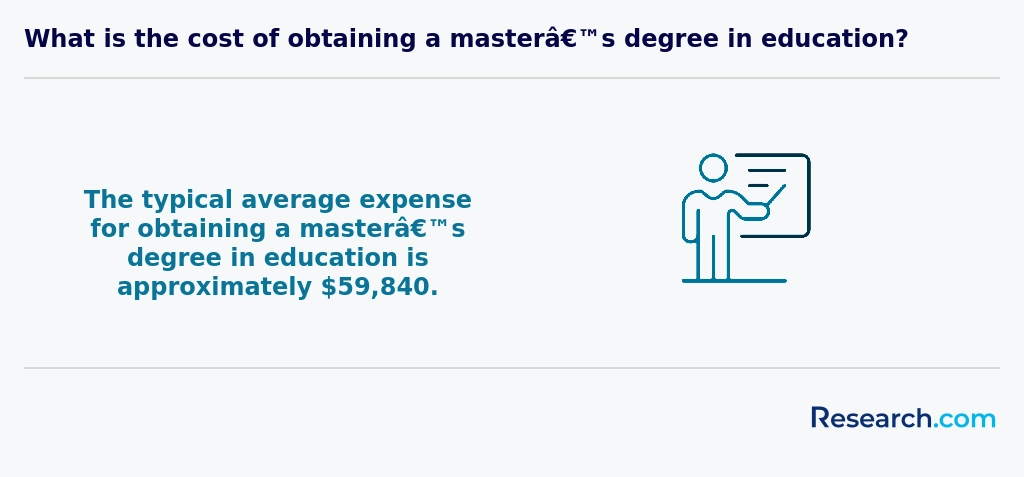
The average cost of an education degree in Gurabo varies notably between public and private institutions, with public universities generally providing more affordable tuition. Graduates from the University of Turabo and Ana G. Méndez University, two popular schools in Gurabo, often describe the cost differences as significant, with public options easing financial burdens and private colleges offering additional amenities that some find worth the higher price. For instance, a recent graduate from a public university shared relief at securing state and federal aid, which made pursuing their Master of Education feasible without overwhelming debt.
Students often point out that while tuition is a critical factor, other expenses like materials and living costs also shape the total investment. Scholarships and grants tailored to Puerto Rican education students are common and can substantially lower out-of-pocket fees. This support transforms the student experience, making the pursuit of teaching credentials feel more accessible and less financially stressful.
Ultimately, while costs differ, many aspiring educators in Gurabo find programs affordable enough to balance passion with practicality, enabling them to focus on gaining the hands-on training and certification necessary for rewarding classroom careers.
Where can I work with education degree in Gurabo?
Graduates with an education degree in Gurabo typically find employment within the extensive network of public schools managed by the Puerto Rico Department of Education. With over 40 public schools in Gurabo's district, many graduates secure teaching positions in core subjects like mathematics, science, and language arts. For example, those completing programs at well-known local institutions such as the University of Turabo often describe landing roles as bilingual education teachers, a skill highly valued due to the region's Spanish-English environment.
Beyond classroom teaching, these graduates may explore administrative careers, including roles as principals or counselors, especially if they pursue advanced certifications. Some graduates recall starting in tutoring centers or community youth programs, where they develop mentorship skills and contribute to educational equity efforts.
Teaching at private or charter schools is another path, often requiring specialized expertise. However, postsecondary teaching at places like Ana G. Mendez University tends to be more competitive and demands higher degrees like a master's or doctorate.
Despite challenges, many education graduates in Gurabo feel optimistic about their ability to impact local education while enjoying a stable career trajectory.
Graduates with education degrees in Gurabo can expect varied salary outcomes depending on their chosen roles and experience. For instance, elementary school teachers typically earn about $70,740 annually, according to U.S. Bureau of Labor Statistics data. This reflects a respectable starting point for many who studied at local institutions like Universidad del Turabo, where graduates often share excitement about stepping into meaningful classroom roles.
Special education teachers, who require additional skills and certifications, tend to earn higher wages, around $76,000 per year. This premium fits well with reports from Gurabo school districts, where demand for these professionals remains strong and rewarding both financially and personally. Graduates pursuing roles as instructional designers can expect similar earnings near $77,200, illustrating the diversity of career paths available beyond traditional teaching.
ESL teachers earn approximately $65,430 annually, highlighting opportunities for those passionate about supporting diverse student populations. Meanwhile, early childhood educators see average salaries around $41,410, reflecting foundational roles essential to community education. Gurabo graduates often describe their education careers as fulfilling journeys marked by steady growth, supported by regional demand and institutional commitment to professional development.
- Education degrees in Gurabo follow Puerto Rico Department of Education standards and prepare students for US teacher certification.
- Annual tuition for a bachelor's degree in education ranges from $6,000 to $12,000 at public institutions; private schools may charge over $15,000.
- Financial aid and federal student loans are available to help cover educational costs.
- Starting salaries for entry-level teachers average between $30,000 and $35,000 per year.
- Experienced educators with additional qualifications can earn between $45,000 and $60,000 annually after five to ten years.
- There is steady demand for teachers, especially in STEM and special education, with improved job prospects for those with advanced degrees or certifications.
Completing an education degree in Gurabo typically requires about four years for a bachelor's program, aligning with many US institutions. Graduates from popular local colleges often describe their experience as a meaningful journey, balancing theory and hands-on practicum work over these years. For instance, students at well-regarded Gurabo universities report that full-time study allows them to immerse fully in coursework and student teaching, which speeds up skill acquisition and job readiness.
However, not all students follow this standard timeline. Those opting for associate degrees can finish in about two years, serving as a practical step toward a bachelor's or immediate entry into paraprofessional roles. Postgraduate education degrees demand an extra one to two years but are praised by graduates who seek leadership or specialized roles, emphasizing how this additional time enriches their expertise.
Factors such as enrolling part-time due to work or family commitments, transferring credits, or taking evening classes can extend degree completion in Gurabo. Many graduates appreciate these flexible options, as they allow education studies to fit real-life responsibilities without sacrificing progress or enthusiasm.
Choosing between online and on-campus education degrees in Gurabo often comes down to how each format fits individual lifestyles and learning preferences. Graduates from the University of Turabo highlight that on-campus programs foster vibrant connections through face-to-face interactions with professors and peers, enriching their studies with real-time feedback and access to campus facilities like libraries and labs.
Conversely, some online education degree completers appreciate the flexibility that digital platforms provide, especially those managing work and family alongside their studies. This mode demands strong self-discipline but allows for study schedules tailored around personal commitments, a benefit noted by many students in Gurabo who juggle multiple roles.
Financially, in-person degrees in Gurabo typically cost between $4,000 and $8,000 annually for residents, while online options can be more affordable at around $3,500 per year. However, graduates advise incorporating costs for technology and online tools, which can sometimes offset savings.
- On-campus programs emphasize interactive, immediate feedback learning experiences.
- Online programs require independent time management and self-motivation.
- Both maintain qualified faculty and accreditation standards, ensuring degree value remains consistent.
The average cost of education degree in Gurabo varies significantly depending on the type of institution chosen. For students attending public universities near Gurabo, such as the University of Puerto Rico at Humacao, tuition and fees tend to be more affordable, with median in-state total costs around $7,750. This makes obtaining an education degree less financially burdensome for local students, allowing graduates to feel optimistic about investing in their future careers without overwhelming debt.
However, those opting for private colleges in the Gurabo area often encounter higher expenses. Median total costs for these programs can reach approximately $17,450, reflecting private institutions' smaller class sizes and specialized faculty. A recent graduate from a private education program recalls balancing these tuition fees with savings and financial aid, emphasizing the value gained through personalized attention and program support services despite the higher price.
Students should also consider additional costs that affect education degree tuition and fees Gurabo, such as textbooks, technology fees, and expenses tied to student teaching placements. These add-ons can make the overall financial commitment feel more substantial but are essential components of a comprehensive teaching preparation.
Exploring financial aid opportunities is crucial. Many students find that scholarships or federal grants significantly ease the monetary load, making robust education training more accessible. For those seeking specialized alternatives, an affordable online master's in speech pathology may offer a cost-effective pathway closely related to education careers.
Students pursuing education degrees in Gurabo often rely on a mix of financial aid programs to make their studies feasible. Federal aid through FAFSA remains the cornerstone, offering options like Pell Grants that can provide up to $7,395 annually without requiring repayment. Many graduates from institutions such as the University of Turabo have shared how Pell Grants eased the financial burden during their studies, allowing them to focus more on education than on tuition stress.
The TEACH Grant is another important resource, particularly for those committed to teaching in high-need areas, awarding up to $4,000 yearly. This grant resonates with many aspiring educators in Gurabo colleges who feel a personal mission to serve local communities facing educational challenges.
Beyond federal aid, state programs like Puerto Rico's Programa de Asistencia Económica para Estudiantes Universitarios offer grants and loans tailored for residents, helping bridge gaps left by other aid. At the same time, merit-based scholarships from universities provide recognition and financial support based on academic and leadership strengths, which many education majors actively pursue.
Additionally, working professionals enrolled part-time in Gurabo institutions sometimes benefit from employer tuition assistance, which can lessen costs significantly and encourage continued professional growth without sacrificing financial stability.
Enrolling in an education degree program in Gurabo typically requires a high school diploma or an equivalent credential like a GED. Graduates from popular local universities often recall how meeting this basic academic foundation felt empowering, providing them the confidence to tackle college coursework. Many institutions in Gurabo may also expect standardized test scores such as the SAT or ACT, although some have adopted test-optional policies. A student recalling their experience at a well-known Gurabo college emphasized the importance of checking these requirements early to avoid last-minute stress.
English proficiency is another key prerequisite, especially for non-native speakers. Exams like TOEFL or IELTS are commonly accepted to demonstrate effective communication skills, which are crucial in teaching professions. Graduates from education programs highlight how mastering English boosted their classroom confidence and enhanced interactions with diverse student populations.
Additionally, a minimum GPA around 2.5 to 3.0 is generally required, reflecting academic readiness. Some programs also ask for prior coursework in psychology or educational theory, linking foundational knowledge to future teaching success. Financially, local public universities near Gurabo offer affordable tuition options, encouraging students to pursue education degrees without overwhelming costs.
Education degree programs in Gurabo commonly include core courses such as Introduction to Education, which familiarizes students with the structure and history of the U.S. education system, tailored with local Puerto Rican context. Graduates from universities like Ana G. Méndez University Campus report that understanding this foundation helped them connect theory to the diverse classrooms they encountered during field placements.
Educational Psychology is another essential course, where students learn about cognitive and emotional development, preparing them to address varied learning needs. For example, many students praise how this course helped them empathize with learners facing challenges in Gurabo's public schools.
Courses like Curriculum Development and Instructional Design, and Classroom Management Techniques, provide practical skills for lesson planning and maintaining engaging classrooms. Graduates often recall how these classes boosted their confidence before student teaching in local schools.
Specialty tracks, such as Early Childhood or Special Education, allow a focus on age-specific or special needs, reflecting the community's diverse requirements. Many students appreciate the inclusion of educational technology courses, which enhance their ability to use digital tools effectively in today's evolving classrooms.

Education degree specializations in Gurabo typically include areas such as Early Childhood Education, Elementary Education, Secondary Education, Special Education, Educational Leadership, and TESOL. Graduates from popular colleges in Gurabo often share how choosing a specialization like Special Education empowered them to address the diverse learning needs they encountered during practicums, making their training feel directly relevant and rewarding. While these specializations align with broader U.S. education trends, local adaptations are essential, as the needs in Gurabo and Puerto Rico emphasize bilingual education and inclusive teaching strategies.
Students pursuing teaching certification programs Gurabo face the challenge of balancing theory with practice, often appreciating how hands-on experiences bring these specializations to life. Some graduates recount how focusing on Educational Leadership opened doors to administrative roles beyond the classroom. Given the diversity in student populations, those interested in TESOL find this specialization particularly satisfying, preparing them for real-world classroom diversity.
When considering these pathways, it is useful to explore the nevada teaching license process as a comparative example of certification complexities. Graduates consistently highlight the importance of choosing a specialization that matches both their passion and regional demand, making their educational journey in Gurabo both meaningful and impactful.
Choosing the best education degree programs in Gurabo requires more than just picking a school; it demands assessing how well the curriculum matches your career goals. Graduates from local universities often share that programs focused on elementary or special education differed greatly in content and practicum experiences, making it essential to clarify your desired teaching level early on. Additionally, affordable education degrees Gurabo 2027 seekers find that balancing cost with quality means exploring both public institutions with lower tuition and private colleges offering extensive support services.
Flexibility is key for many students managing work or family responsibilities. For instance, those enrolled at Ana G. Méndez University System frequently praise the availability of evening and online classes, which made their path smoother without sacrificing academic rigor. Accreditation remains crucial; programs recognized by the Council for the Accreditation of Educator Preparation ensure that your degree is valid for licensure and employment. Understanding these factors in combination helps tailor a decision based on personal circumstances.
Finally, connecting with local teaching credentials, such as pursuing the Montana initial teaching certificate, illustrates how some graduates successfully integrate their degrees into broader career strategies beyond Puerto Rico, underscoring the value of looking beyond immediate location when choosing a degree.
Graduates with an education degree in Gurabo often pursue multiple career opportunities within the local and broader U.S. educational systems. Many find fulfilling roles as licensed K-12 teachers, specializing in subjects like math or special education. Graduates from popular institutions in Gurabo reflect positively on the certification process, including the supervised teaching practicum, which builds both confidence and practical skills. These jobs typically offer median salaries around $61,000, offering financial stability.
Others from Gurabo explore positions as educational administrators or curriculum coordinators, roles that demand experience or advanced degrees but provide an impactful platform to shape school policies. While salaries for such positions in Puerto Rico vary, many graduates appreciate the chance to influence educational programs locally. Some with a passion for inclusion choose special education, where the demand is growing steadily. This path aligns with expanding services in Puerto Rico, often with starting salaries between $30,000 and $45,000.
For graduates interested in broader roles, careers in early childhood education remain promising. Many colleges in Gurabo stress the importance of early learning, and students pursuing this path often express enthusiasm about making a difference from the earliest stages of development. To explore more about these opportunities, consider careers in early childhood education.
Some also enter fields as instructional coordinators or educational consultants, roles that require a master's degree and involve shaping teaching methods and training educators. Though tuition can be costly, students often find value in in-state or online options, balancing investment and outcomes. Overall, education degree jobs in Gurabo offer diverse and meaningful pathways tailored to varied interests and ambitions.

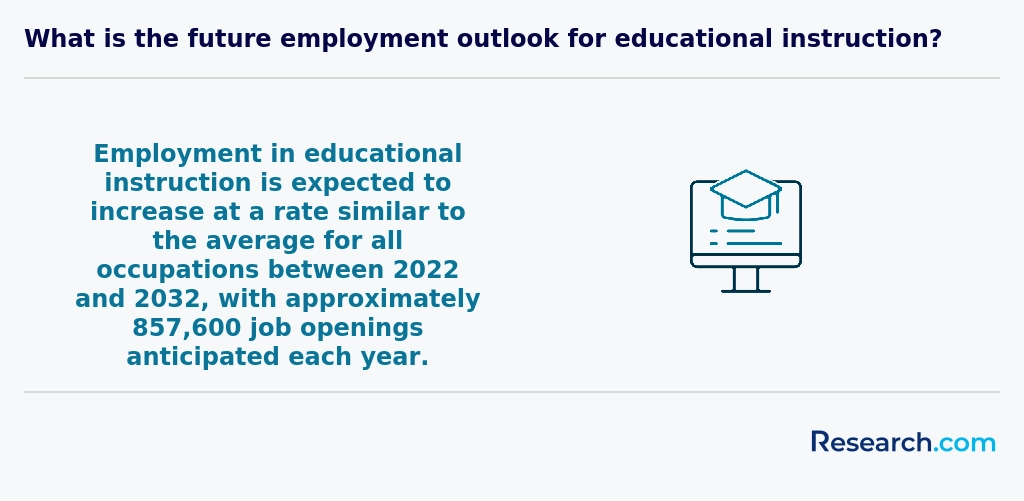
The job market for those holding an education degree in Gurabo remains stable but competitive, with steady demand for certified teachers in local public and private schools. Graduates often find employment within the municipality's approximately 20 public schools or various private institutions, where starting salaries typically range from $35,000 to $45,000 annually. This aligns with general state averages but may feel modest compared to larger metropolitan areas. Many graduates appreciate the affordable tuition at nearby institutions like the University of Puerto Rico at Humacao, which helps minimize debt and enhances their ability to accept early-career positions.
Beyond traditional teaching roles, graduates also explore opportunities in administration, curriculum development, and bilingual education, reflecting evolving community needs. For example, those interested in expanding their expertise often pursue an online master's in TESOL education, preparing them for broader bilingual teaching roles. Considering the teaching career outlook Gurabo 2027, local initiatives and national projections indicate 5% growth in education professions, but success depends on certification compliance and ongoing professional development.
Education degree job opportunities in Gurabo offer hopeful prospects, especially for graduates willing to adapt to new educational technologies and diverse classroom environments, making the field both rewarding and impactful in this community.
2027 Best Education Degree Programs Ranking in Gurabo
Investing in your education is a significant decision that can shape your future, and the Research.com team understands the importance of making informed choices. To assist prospective students in Gurabo, we have meticulously crafted the "2027 Best Education Degree Programs Ranking in Gurabo." Our commitment to quality, credibility, and accuracy is reflected in the extensive research and analysis conducted to compile this ranking.
We utilized the following reputable data sources to ensure a comprehensive evaluation of education degree programs:
By exploring this ranking, readers will gain valuable insights into the top education degree programs available in Gurabo, helping them make informed decisions about their educational paths. For more details on our methodology, please visit our Research.com methodology page.
# 1 position
Universidad Ana G. Mendez-Gurabo Campus
Bachelor of Arts in Education
# 2 position
Universidad Ana G. Mendez-Gurabo Campus
Master of Education
Frequently Asked Questions About education
Education degree students in Gurabo can maximize their learning experience by actively engaging in both coursework and community-based activities. Participating in local schools' practicum opportunities allows students to apply theory in real classroom settings, which enhances understanding and teaching skills. According to the Puerto Rico Department of Education, hands-on experience is a critical factor in improving graduate readiness. Students should also take advantage of online resources offered by US institutions to complement their studies, especially since hybrid learning has become more prominent since 2020. Networking with local educators and attending workshops can further develop professional skills vital for effective teaching careers in Gurabo.
The education field in Gurabo is evolving, with several emerging niches gaining attention. One key area is educational technology, focusing on integrating digital tools in classrooms to enhance learning experiences. This niche has grown rapidly, supported by increasing investments in tech-based education across Puerto Rico.
Another rising specialty is special education, tailored to students with diverse learning needs. Demand for qualified professionals in this area is rising, as schools seek to comply with new inclusive education standards.
Early childhood education also remains vital, with emphasis on developmental psychology and curriculum design. According to the Puerto Rico Department of Education, enrollment in early childhood programs in Gurabo has increased steadily in recent years.
Lastly, bilingual education programs are expanding, reflecting Gurabo's multicultural community. Educators skilled in dual-language instruction are increasingly sought after to support both Spanish and English learners.
Preparing for the job market after completing an education degree in Gurabo involves several strategic steps. First, gaining practical experience through student teaching or internships is essential. According to the Puerto Rico Department of Education, hands-on experience significantly improves employment prospects in local schools. Networking with educators and attending career fairs in Gurabo can open doors to opportunities, as personal connections often play a key role in hiring.
Additionally, graduates should consider obtaining state certification, as teaching licenses are mandatory in Puerto Rico's public education system. Enhancing skills with technology training or bilingual education can also increase job competitiveness. Staying updated on job market trends via local education boards helps align career goals effectively.
Employers in Gurabo prioritize several key skills when hiring graduates with education degrees. Strong communication abilities rank highly, as teachers must effectively convey concepts to diverse student groups. According to data from the Puerto Rico Department of Education, collaboration skills are also essential, since teamwork with colleagues and families enhances student outcomes.
Critical thinking and problem-solving are increasingly important, given the need to adapt to evolving curricula and student needs. Additionally, proficiency in technology use for classroom instruction is in demand, reflecting national trends in education.
Employers also value cultural competence, helping educators engage with Gurabo's diverse population inclusively and respectfully. These combined skills improve both teaching quality and student achievement.
Finding internships in Gurabo relevant to an education degree involves leveraging both local educational institutions and community resources. Universities in Gurabo, such as Universidad Ana G. Méndez, often have partnerships with nearby schools and educational centers where students can apply their classroom knowledge in real-world settings.
Additionally, students should explore opportunities through public school districts in the municipality, which frequently offer practicum placements required for educator certification. The Puerto Rico Department of Education's website provides updates on internship openings, making it a vital resource.
Networking at education fairs and utilizing university career services are also effective strategies. According to recent reports, about 70% of education internships in Gurabo are secured through these channels.
Obtaining an education degree in Gurabo significantly enhances career mobility and advancement opportunities within the local and broader US education system. According to data from the Puerto Rico Department of Education, teachers with bachelor's or higher degrees in education enjoy higher employment rates and more stable job placements compared to those without formal credentials. This degree often serves as a prerequisite for positions such as licensed teacher, curriculum specialist, or school administrator, enabling educators to progress beyond entry-level roles.
Furthermore, many schools in Gurabo prioritize candidates with degrees accredited by recognized US bodies to meet state educational standards. Higher education degrees also provide access to professional development and specialized certifications, which are key to salary increments and promotions. As reported by the National Center for Education Statistics, educators with advanced degrees tend to earn 20% more on average than peers with only associate degrees.
Studying for an education degree in Gurabo equips students with skills needed for interdisciplinary roles by emphasizing collaboration across various fields. Programs often integrate coursework in psychology, sociology, and technology to prepare future educators to address diverse learning environments. This approach helps students develop critical thinking and problem-solving abilities that apply beyond traditional classroom settings.
According to the Puerto Rico Department of Education, educators with interdisciplinary training are more adaptable, making them valuable in roles involving curriculum development, educational technology, and community outreach. Local institutions in Gurabo also foster partnerships with other disciplines, enhancing practical experience.
When choosing between a thesis and a non-thesis education degree program in Gurabo, students should consider their career goals and learning preferences. A thesis program typically involves conducting original research, making it ideal for those interested in academic or research careers. Conversely, non-thesis programs focus more on coursework and practical skills, suiting students aiming for direct application in schools or administration.
In the US higher education system, many Master's programs in education offer both options, with thesis paths sometimes requiring 6 to 12 additional credits for research work. Programs in Gurabo, supported by local universities, align with these standards, providing flexibility to fit students' professional plans and schedules.
According to recent data, about 40% of education degree students in Gurabo select the non-thesis option, reflecting a strong demand for applied knowledge over research.
Students based in Gurabo interested in pursuing education degrees abroad have several paths primarily within the US higher education system. Generally, these students can apply to universities offering Bachelor's, Master's, or Doctoral degrees in education fields through standard admission processes. Many institutions provide online or hybrid programs, which offer flexibility for international students.
According to the National Center for Education Statistics (NCES), over 1,000 US colleges have NCATE or CAEP-accredited education programs, ensuring quality teaching credentials.
Popular options include public universities with established education departments and private colleges that sometimes offer scholarships for international students, including those from territories like Gurabo.
In Gurabo, part-time jobs that complement education degree studies often involve direct engagement with youth and educational settings. Many students find opportunities as teacher assistants in local public and private schools, helping to reinforce classroom learning. According to the Puerto Rico Department of Education, Gurabo has over 20 schools where such roles are frequently available.
Additional options include tutoring younger students in subjects like reading and math, a role that not only boosts teaching skills but also provides flexible hours. Educational nonprofits in the area sometimes seek part-time coordinators or mentors, offering practical experience in program management.
Overall, these positions help develop communication, classroom management, and instructional skills vital for an education career.
Education students in Gurabo have access to various networking opportunities that support their professional growth. Local institutions such as Universidad Ana G. Méndez offer student organizations and events focused on education, allowing future teachers to connect with peers and faculty. Additionally, Gurabo's proximity to larger education hubs in Puerto Rico facilitates participation in regional conferences and workshops.
There are partnerships between universities and local schools, providing practical teaching experiences and valuable contacts in the education field. According to the Puerto Rico Department of Education, these collaborations increase job placement rates by helping students build professional networks before graduation.
Alumni networks play a significant role for education degree students in Gurabo by providing valuable career support and connections. Graduates often gain access to mentorship from experienced professionals who understand the local education landscape, which enhances job placement opportunities. According to data from the University of Turabo, active alumni communities have contributed to a 15% higher employment rate within one year after graduation for education students.
Additionally, these networks offer access to exclusive workshops, continuing education, and scholarship information tailored to future educators. Networking events organized by alumni associations foster collaboration and exchange of best teaching practices. Such engagement ultimately strengthens professional growth and helps students establish a foothold in Gurabo's education sector.
Customizing an education degree program in Gurabo allows students to align their studies with specific career objectives. Many institutions offer elective courses and specialization options within education degrees, such as early childhood education, special education, or educational leadership. Students can select coursework that enhances skills relevant to their desired professional role.
Additionally, internships and practicum opportunities in local Gurabo schools provide practical experience tailored to individual interests. Some programs also enable students to combine education studies with areas like counseling or administration.
Consulting academic advisors at Gurabo colleges helps students design a plan that meets licensure requirements while supporting career goals. This personalized approach increases job readiness in the competitive Puerto Rican education sector, where, according to the Puerto Rico Department of Education, demand for specialized educators continues to grow.
Education students in Gurabo commonly face challenges related to limited access to diverse fieldwork opportunities necessary for practical experience. Many local schools have constrained resources, which can restrict student-teachers' exposure to varied classroom settings. According to the Puerto Rico Department of Education, teacher preparation programs in smaller municipalities like Gurabo often report fewer partnership schools for clinical practice.
Financial constraints also impact students pursuing education degrees. Tuition and material costs, combined with living expenses, can be burdensome. The National Center for Education Statistics shows that education majors in Puerto Rico have a higher dropout rate compared to other disciplines, often due to economic pressure.
Another significant challenge is balancing rigorous coursework with teaching internships. Education programs require both theory and hands-on teaching, which can result in time management difficulties for many students.
With an education degree, graduates in Gurabo can pursue several professional certifications to enhance their teaching careers. The most common certification is the Puerto Rico Department of Education teaching license, which is required to teach in public schools. This license ensures educators meet subject-specific and grade-level standards.
Additionally, many pursue National Board Certification, a prestigious credential recognized across the US. It requires demonstrated teaching excellence and ongoing professional development. According to the National Board for Professional Teaching Standards, this can raise teachers' salaries and career opportunities.
Other options include certifications in Special Education, Bilingual Education, or Reading and Literacy, each aligning with local school needs.
Writing a winning application for an education program in Gurabo requires careful preparation and attention to detail. Start by researching the specific requirements of programs you are interested in, as many institutions in Puerto Rico, including those near Gurabo, require transcripts, letters of recommendation, and a personal statement. According to the Puerto Rico Council on Education, highlighting your passion for teaching and community impact is crucial.
Focus on your personal statement to clearly explain your motivation for choosing an education degree and your career goals. Demonstrate your understanding of local education challenges and express how you plan to contribute effectively.
Ensure your application is error-free and submit all supporting documents before deadlines, typically falling between December and February for fall admissions.
The global perspective on a career in education highlights its critical role in shaping societies worldwide. In the United States, educators are increasingly valued for their ability to adapt to diverse classrooms and use technology effectively. According to the U.S. Bureau of Labor Statistics, employment of teachers is projected to grow by 5% from 2021 to 2031, indicating steady demand.
For students in Gurabo considering education degrees, regional data from Puerto Rico's Department of Education show efforts to improve teacher training and certification standards. This aligns with global trends emphasizing lifelong learning and cultural competence.
Moreover, an education career often offers opportunities beyond traditional classrooms, including leadership, curriculum design, and policy development.
Students pursuing education degrees in Gurabo can gain practical experience through several effective means. Local colleges often partner with nearby elementary and middle schools to provide student-teaching opportunities, a requirement for state teacher certification. These placements allow future educators to practice lesson planning and classroom management under licensed teachers' supervision.
Additionally, internships and volunteer programs at educational centers in Gurabo enhance hands-on skills. According to the Puerto Rico Department of Education, approximately 85% of education programs in the region include practicum components, highlighting their importance. Participating in such activities not only strengthens resumes but also deepens understanding of diverse learning environments.
Choosing the right concentration within an education degree in Gurabo involves understanding your career goals and the local job market. Many programs offer options such as early childhood, special education, or STEM teaching, each preparing you for specific student needs. According to the Puerto Rico Department of Education, there is a growing demand for bilingual educators and special education teachers in Gurabo, which might influence your decision.
Consider your interests and strengths alongside these trends. Research the curriculum and practicum opportunities offered by local institutions, as hands-on experience is crucial. Additionally, verify licensure requirements for your chosen concentration to ensure long-term employment opportunities in Puerto Rico's educational system.
See What Experts Have To Say About Studying Education
Read our interview with Education experts


Nooshan Ashtari
Education Expert
Professor & Book Author
University of Southern California

- DPD – FINANCIAL AID https://natsci.uprrp.edu/nutricion/economic-assistance/
- Online Learning vs Traditional Learning Comparison https://advantagesschool.com/online-learning-vs-traditional-learning/
- Education Study Abroad | CIEE https://www.ciee.org/go-abroad/college-study-abroad/programs/subjects-disciplines/education-study-abroad
- How To Write A Great Cover Letter For Teacher Training - Engage Education https://engage-education.com/blog/how-to-write-a-great-cover-letter-for-teacher-training/
- EDUCATION AS A KEY IN CAREER BUILDING https://journals.vilniustech.lt/index.php/JBEM/article/download/15399/10674
- Common Learning Challenges K-12 Students Face How to Overcome Them - eTutorWorld https://www.etutorworld.com/blog/common-learning-challenges-k-12-students-face-how-to-overcome-them/
- Education degree - Tłumaczenie po angielsku - Słownik angielsko-polski Diki https://www.diki.pl/slownik-angielskiego
- Know more about thesis vs non- thesis: what is the difference? https://studyfans.com/en/blogs/816
- Students: This is How You Should Prepare for the Job Market https://www.agencycentral.co.uk/articles/students-this-is-how-you-should-prepare-for-the-job-market/
- Education and the labor market in Latin America https://repositorio.cepal.org/server/api/core/bitstreams/d58e6f28-5573-481b-ad15-d3f48f0b1d68/content


