
2027 Most Affordable Online Bachelor's in Early Childhood Education Degree Programs Ranking in the USA

Co-Founder and Chief Data Scientist
Embarking on a journey to become an early childhood educator is both exciting and rewarding. Finding the right program that balances quality and affordability can make all the difference in achieving your goals.
This article presents the 2027 Most Affordable Online Bachelor's in Early Childhood Education Degree Programs Ranking in the USA, created by the Research.com team of data scientists. It's designed to help you explore top options that fit your budget and career aspirations.
Whether you're starting fresh or advancing your skills, earning this degree opens doors to meaningful work shaping young minds.
Key benefits of getting online early childhood education degree in America
- Early childhood education graduates in the US typically earn around $30,000 to $50,000 annually, depending on location and experience, offering a stable income in a rewarding field.
- Graduates from well-known universities often find opportunities as preschool teachers, childcare program coordinators, or education consultants, allowing for diverse and meaningful career paths.
- Online degree graduates enjoy flexible schedules and the ability to balance work and study, making it easier to earn a qualification without pausing life commitments.
What can I expect from online early childhood education degree in America?
The average cost of an online early childhood education degree in America varies significantly, typically ranging from $5,000 to $15,000 per year at public universities for in-state students, while out-of-state and private institutions often charge higher tuition. For example, graduates from prominent institutions known for their education programs often report manageable costs balanced by financial aid and scholarship support targeted at education majors.
Many students appreciate the value gained through affordable tuition combined with the flexibility of online study that allows them to work concurrently. Real-life experiences from graduates at universities such as the University of Florida or Texas A&M highlight how strategic use of federal aid, like FAFSA, and institutional grants reduced their financial burden, enabling them to focus on coursework without excessive debt.
These programs, requiring roughly 120 credit hours, offer practical elements like local internships essential for licensure, reinforcing the positive emotions students feel about their readiness for careers. The blend of reasonable pricing and hands-on learning makes pursuing early childhood education degrees online accessible and rewarding for many Americans.
Where can I work with online early childhood education degree in America?
Graduates with an online early childhood education degree from well-known institutions such as the University of Florida or the University of North Carolina frequently secure positions in childcare centers, where they contribute directly to nurturing children's early learning. These roles often come with a strong sense of fulfillment, as educators help shape developmental milestones in young children's lives. Many find work in public schools as preschool teachers, particularly in states requiring a bachelor's degree for certification.
According to the U.S. Bureau of Labor Statistics, over 700,000 early childhood educators worked nationwide in 2022, underscoring stable demand. Graduates from programs like those at Arizona State University often transition into early intervention services, supporting children with developmental delays alongside therapists. This work is both impactful and rewarding, emphasizing direct collaboration with families.
Further career growth can be seen in administrative and curriculum development roles within educational organizations or nonprofits. Many graduates appreciate how their degree opens doors to leadership positions, backed by the necessary credentials and experience.
Certification such as state teaching licenses or CDA credentials frequently complement their degree, boosting job prospects and salary potential, with median preschool teacher wages around $31,930 in 2023.
How much can I make with online early childhood education degree in America?
Graduates with an online early childhood education degree in America typically start with median annual wages around $32,410, reflecting roles such as preschool teachers. Those from well-known education programs at universities like the University of Texas at Austin or the University of Florida often find this figure aligns with their entry-level positions in various childcare settings.
Holding a bachelor's degree enables graduates to access higher-paying roles, such as early childhood education specialists or coordinators, earning between $40,000 and $55,000 annually. Many students from the University of Arizona's online program report career growth into these positions, especially when working in public or government-funded schools with improved pay and benefits.
Advanced credentials, such as a master's degree obtained after an online bachelor's, unlock administrative or curriculum development positions offering $60,000 to $80,000. This progression, common among graduates from institutions like Oregon State University's education department, highlights the tangible financial rewards of continued specialization in early childhood education.
- Key benefits of getting online early childhood education degree in America
- What can I expect from online early childhood education degree in America?
- Where can I work with online early childhood education degree in America?
- How much can I make with online early childhood education degree in America?
- How do we rank schools?
- 2027 Most Affordable Online Bachelor's in Early Childhood Education Degree Programs Ranking in the USA
- What online early childhood education degree graduates have to say
- Key Findings
- How long does it take to complete online early childhood education degree in America?
- What's the difference between online and on-campus early childhood education degree?
- What is the average cost of online early childhood education degree in America?
- What financial aid is available to online early childhood education degree students in America?
- What are the prerequisites for enrolling in online early childhood education degree program in America?
- What courses are typically in online early childhood education degree programs in America?
- What types of specializations are available in online early childhood education degree programs in America?
- How do you choose the best online early childhood education degree in America?
- What career paths are available for online early childhood education degree students in America?
- What is the job market for online early childhood education degree in America?
- Frequently Asked Questions About early childhood education
- Top Trending Early Childhood Education Rankings
How do we rank schools?
Investing in your education is a significant decision that can shape your future, and the Research.com team understands the importance of making informed choices. To assist prospective students, we have meticulously crafted the "2027 Most Affordable Online Bachelor's in Early Childhood Education Degree Programs Ranking in the USA." Our commitment to quality, credibility, and accuracy is reflected in the extensive research and analysis conducted to compile this ranking.
We utilized the following reputable data sources to ensure a comprehensive evaluation of early childhood education programs:
By exploring this ranking, readers will gain valuable insights into affordable and quality early childhood education degree options available online, empowering them to make well-informed decisions about their educational journeys. For more details on our methodology, please visit our Research.com methodology page.
2027 Most Affordable Online Bachelor's in Early Childhood Education Degree Programs Ranking in the USA
# 1 position
University of Wisconsin - Stout
Bachelor
The University of Wisconsin - Stout offers a Bachelor's degree focused on Early Childhood Education and Education. The program lasts 18 months and has a graduation rate of 55%. With an average total cost of $46,200, it provides moderate financial aid to 78% of students. The acceptance rate is 88%, indicating an open admission policy for prospective applicants.
# 2 position
University of Cincinnati
Bachelor
The University of Cincinnati offers a bachelor's program focusing on Early Childhood Education and Education. This 24-month program has an open admission policy with an 85% acceptance rate. About 75% of students successfully graduate. The average total cost is $65,880, and a high level of financial aid is available, with 88% of students receiving support. The program enrolls 6,865 online students, providing ample opportunities for distance learning.
# 3 position
Lynn University
Bachelor
Lynn University offers a Bachelor's degree in Early Childhood Education and Education designed to be completed in 36 months. The program admits students with a less selective acceptance rate of 73%. Nearly all students, 98%, benefit from high levels of financial aid. The average total cost of the degree is $45,000. The graduation rate is 52%, and the program supports a substantial online student body with 2,110 enrolled in distance learning.
# 4 position
University of Hawaii-West Oahu
Bachelor
The University of Hawaii-West Oahu offers a Bachelor's degree focused on Early Childhood Education and Education. The program has an open admission policy with a 95% acceptance rate. Approximately 66% of students receive moderate financial aid. The average total cost of the degree is $36,360. The graduation rate stands at 50%. The university enrolls around 1,500 online students, providing accessible education options for a diverse student body.
# 5 position
Mayville State University
Bachelor
Mayville State University offers a Bachelor's degree focused on Early Childhood Education and Education. The program has a graduation rate of 41%, indicating the completion rate of enrolled students. The average total cost for the degree is $37,758. A high percentage of students, 98%, receive financial aid, demonstrating strong support for financial accessibility. Currently, 601 students are enrolled in online study options for this program.
# 6 position
Minot State University
Bachelor
Minot State University offers a Bachelor's degree focusing on Early Childhood Education and Education. The program lasts 48 months with an average total cost of $42,538. It has a graduation rate of 45% and enrolls 2,956 online students. The acceptance rate is 65%, categorizing it as less selective. Notably, 95% of students receive financial aid, indicating a high level of support for enrolled learners.
# 7 position
Central Michigan University
Bachelor
Central Michigan University offers a Bachelor's program in Early Childhood Education and Education, designed to be completed in 36 months. The program has an open admission policy with a 90% acceptance rate, making it accessible to many applicants. About 96% of students receive high levels of financial aid. The average total cost for earning this degree is $66,240, and the graduation rate is 59%.
# 8 position
Regent University
Bachelor
Regent University offers a Bachelor's degree focused on Early Childhood Education and Education. The program spans 60 months and costs approximately $47,400. It has a graduation rate of 57% and enrolls 9,624 online students. The acceptance rate is moderately selective at 38%, and 97% of students receive high levels of financial aid, making this an accessible option for many applicants.
# 9 position
University of Missouri
Bachelor
The University of Missouri offers a Bachelor's degree focused on Early Childhood Education and Education. The program has an open admission policy with a 78% acceptance rate, making it accessible to most applicants. Students benefit from high levels of financial aid, with 97% receiving support. The graduation rate is 75%, indicating a strong retention and completion level. The average total cost for the degree is $49,800.
# 10 position
Eastern Oregon University
Bachelor
Eastern Oregon University offers a bachelor's degree focused on Early Childhood Education and Education. The program has an open admission policy, accepting 98% of applicants, making it accessible to most students. The average total cost is $45,360, with 98% of students receiving high levels of financial aid. The university supports a substantial online community, with 2,078 students enrolled in online courses. The graduation rate stands at 43%.
# 11 position
The University of Alabama
Bachelor
The University of Alabama offers a Bachelor's degree focused on Early Childhood Education and Education. The program has an open admission policy with a 77% acceptance rate. Approximately 88% of students receive high levels of financial aid. The graduation rate stands at 73%, reflecting solid student completion. There are 4,290 online students enrolled, indicating a robust online presence. The average total cost for the degree is $40,680.
# 12 position
Bluefield University
Bachelor
Bluefield University offers a Bachelor's degree focused on Early Childhood Education and Education. The program has a less selective acceptance rate of 59%, providing access to many applicants. With a graduation rate of 18%, students face challenges completing the degree. The average total cost is $43,800, and a high 94% of students receive financial aid. Currently, 453 students are enrolled online, reflecting modern learning options.
# 13 position
Colorado Christian University
Bachelor
Colorado Christian University offers a Bachelor's degree focused on Early Childhood Education and Education. The program has a graduation rate of 64%, indicating a solid completion record. With 100% of students receiving financial aid, this program provides high levels of support to help manage costs. The average total cost for the degree is $56,280. Additionally, 4,527 students are enrolled in online studies, reflecting a strong online presence.
# 14 position
University of Massachusetts Global
Bachelor
University of Massachusetts Global offers a Bachelor's degree focused on Early Childhood Education and Education. The program has a graduation rate of 43% and an average total cost of $60,000. Approximately 59% of students benefit from mid-level financial aid, making this program more accessible to many who seek education careers.
# 15 position
Wayland Baptist University
Bachelor
Wayland Baptist University offers a Bachelor's degree focusing on Early Childhood Education and Education. The program has a less selective acceptance rate of 56%, with 95% of students receiving high levels of financial aid. The average total cost is $55,056. The university enrolls 2,230 online students, and the graduation rate for this program stands at 19%.
# 16 position
Chaminade University of Honolulu
Bachelor
Chaminade University of Honolulu offers a Bachelor's degree focused on Early Childhood Education and Education. The program has an open admission policy with a 91% acceptance rate, making it accessible to many applicants. The average total cost is $70,200, and all students benefit from high financial aid availability. Additionally, the program has a graduation rate of 55%, and 1,210 students are enrolled in online courses.
# 17 position
National University
Bachelor
National University offers a Bachelor's degree focused on Early Childhood Education and Education, with a graduation rate of 43%. The program's average total cost is $299,700. A significant majority of students, 84%, receive financial aid, indicating high aid levels. The university enrolls 20,886 online students, providing extensive access to distance education opportunities.
# 18 position

The University of Montana Western offers a Bachelor's degree focusing on Early Childhood Education and Education. The program has an open admission policy with a 100% acceptance rate, making it accessible to many applicants. The graduation rate is 51%, indicating about half of enrolled students complete the program. Approximately 427 students are enrolled online. A high level of financial aid is available, with 88% of students receiving support. The average total cost is $330,120.
# 19 position
Texas Tech University
Bachelor
Texas Tech University offers a Bachelor's program focusing on Early Childhood Education and Education. The program has a graduation rate of 69%, indicating a steady completion record. It is less selective with a 73% acceptance rate, allowing many applicants to enroll. There is a high level of financial aid available, benefiting 90% of students. The university supports a large online student body, with 26,776 enrolled in distance learning.
# 20 position
Florida International University
Bachelor
Florida International University offers a Bachelor's degree focused on Early Childhood Education and Education. The program spans 48 months and has a graduation rate of 74%, indicating strong student success. With an acceptance rate of 55%, it is considered less selective. Notably, 91% of students receive financial aid, reflecting a high level of support for learners.
What online early childhood education degree graduates have to say
- "Studying my early childhood education degree online at Arizona State University allowed me to balance work and study seamlessly. The interactive courses and supportive faculty made learning engaging, and I felt prepared to make a real difference in children's lives." - Emily
- "The online program at University of Florida offered flexibility and a rich curriculum that deepened my understanding of child development. I loved how accessible the resources were anytime, which made completing my degree a truly rewarding experience." - Marcus
- "Pursuing my degree online from the University of Washington was truly empowering. The community of learners and practical assignments helped me grow professionally while managing personal commitments. It was a perfect blend of convenience and quality education." - Sophia
Key Findings
- Online early childhood education degrees in the U.S. typically range from associate to bachelor's levels, with bachelor's degrees being most common for professional teaching roles.
- The average cost for a bachelor's degree online ranges between $15,000 and $40,000, with public universities usually offering lower tuition than private colleges.
- Accreditation by bodies like CAEP is important for licensure and employment eligibility.
- The median annual salary for preschool teachers was about $31,930 in 2022, with experienced professionals earning around $50,000 annually.
- Employment in preschool teaching is expected to grow by 3% from 2022 to 2032, driven by increased access to early education programs.
How long does it take to complete online early childhood education degree in America?
Completing an online early childhood education degree in America generally ranges from two to four years, heavily influenced by enrollment status and credit transfers. Graduates from universities like the University of Florida or Arizona State University often report that a full-time bachelor's degree requires about four years to complete roughly 120-130 credit hours, aligning with standard academic expectations.
Many students balance work and study by enrolling part-time or opting for accelerated programs. For example, graduates have shared how taking advantage of eight-week courses helped them finish sooner. Those transferring credits from associate degrees or previous coursework commonly reduce the timeline to as little as two years, a strategy seen at community colleges feeding into state universities.
The practical component, including student teaching hours, can extend completion time if scheduled separately, yet many programs integrate these experiences throughout the curriculum to maintain steady progress. Such flexibility allows students across America to tailor their study pace while gaining hands-on experience essential for licensure and effective teaching careers.
What's the difference between online and on-campus early childhood education degree?
Online and on-campus early childhood education degree programs in the U.S. differ primarily in their delivery methods and flexibility. On-campus students at institutions like the University of North Carolina benefit from face-to-face instruction and hands-on activities such as classroom observations and practicums, fostering direct interaction with faculty and peers. Graduates often highlight the value of campus resources like tutoring centers and networking events in enhancing their learning experience.
Conversely, online programs popular at universities like Walden University offer asynchronous classes, enabling busy adults to study around work and family commitments. These programs combine digital lectures with local fieldwork, maintaining practical training standards. While tuition averages around $9,500 annually for in-state students, online learners appreciate reduced costs from eliminated commuting and housing expenses, although technology fees can sometimes increase total costs.
Successful online students emphasize the importance of reliable internet access and strong self-discipline for managing coursework independently. Both formats typically require in-person practicums to meet licensure requirements, ensuring professional readiness regardless of study mode.
What is the average cost of online early childhood education degree in America?
The average cost of an online early childhood education degree in America typically centers around $50,040 for the total program. Tuition varies significantly between in-state and out-of-state students, with median costs near $57,840 for in-state enrollees and approximately $67,680 for out-of-state students. These figures reflect comprehensive tuition expenses for reputable programs, often offered by public institutions known for affordability and quality.
Graduates from popular universities renowned for early childhood education often describe their investment as balanced by strong professional outcomes and personal fulfillment. Many students appreciate that online formats allow them to manage family and work commitments while progressing through studies, an important feature impacting perceived value beyond mere cost. For those hunting for an affordable online bachelor's in early childhood education 2027, understanding these tuition benchmarks helps anticipate financial planning.
Some online programs charge per credit hour, which can range between $200 and $600, depending on the school's prestige and location. Financial aid and scholarships play a pivotal role in reducing expenses, while employer tuition assistance often eases the burden further. Additionally, savings from eliminating commuting and housing costs can make online study a cost-effective choice, as many students have found.
For students seeking to deepen expertise in related fields, exploring child psychology masters programs online can provide complementary skills essential for a broad education career path.

What financial aid is available to online early childhood education degree students in America?
Students pursuing online early childhood education degrees in America often rely on a mix of federal, state, and private financial aid to manage costs. For example, graduates from programs at well-known institutions like the University of Florida or Arizona State University frequently cite Pell Grants as a vital resource, offering up to $7,395 without repayment obligations for the 2023-2024 award year. These grants are awarded based on financial need and can significantly alleviate tuition expenses.
Supplementing Pell Grants, some students access Federal Supplemental Educational Opportunity Grants (FSEOG) or low-interest federal loans with flexible repayment plans, which many find manageable while studying. Additionally, state-specific scholarships and loan forgiveness programs encourage graduates to serve communities in high-need areas, often easing debt in exchange for teaching commitments.
Private scholarships from nonprofits and education foundations further reduce financial strain. Graduates from institutions like Ohio State University report that institutional aid and tuition discounts aimed at online learners were key in making their degrees affordable and achievable.
What are the prerequisites for enrolling in online early childhood education degree program in America?
To enroll in an online early childhood education degree program in the United States, applicants typically need a high school diploma or GED, ensuring a foundational academic background. Popular universities offering such programs often emphasize academic transcripts, requiring a minimum GPA of around 2.5 to 3.0, reflecting consistent academic performance. Graduates from these programs frequently mention the value of prerequisite coursework in psychology or child development, which helps them confidently engage with complex material.
Many institutions also ask for standardized test scores like the SAT or ACT, but several schools, including prominent colleges in America, have adopted test-optional policies to promote accessibility. Experience in childcare settings, such as volunteering at preschools, is often highlighted as a strength in applications, with some programs requesting recommendation letters that reinforce a student's dedication and practical skills.
Financial factors indirectly affect enrollment, with annual tuition for in-state public colleges averaging $10,000 to $12,000. Graduates recall managing these costs through scholarships or financial aid. Reliable internet and compatible devices remain essential technical prerequisites, enabling seamless participation in engaging, virtual coursework designed to prepare students for rewarding careers.
What courses are typically in online early childhood education degree programs in America?
Online early childhood education degree programs in the U.S. typically include a core set of courses designed to provide both theoretical knowledge and practical skills. Students at institutions like Arizona State University or the University of Cincinnati often engage in classes such as Child Growth and Development, which covers crucial physical, emotional, cognitive, and social changes from birth to age eight.
Curriculum Planning for Young Children trains learners to design age-appropriate activities, while Introduction to Early Childhood Education explores the field's history and contemporary teaching practices. Graduates recall how Classroom Management Techniques helped them confidently create positive learning environments, essential for real-world success.
Family and Community Engagement emphasizes collaboration with parents and local organizations, reflecting the nationwide standards required for licensure. Many programs also include Special Education Foundations and Health, Safety, and Nutrition, ensuring comprehensive preparation for diverse classroom needs.
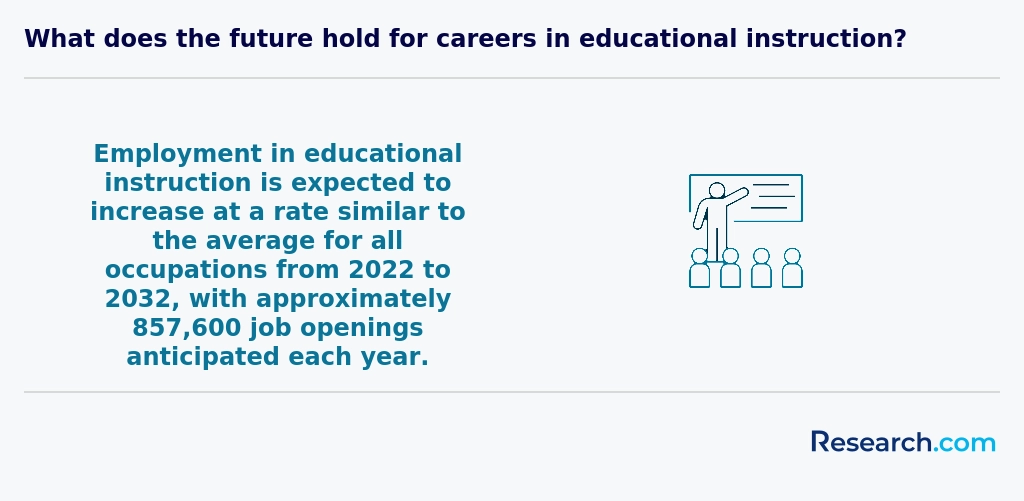
These courses, paired with practicum experiences, allow students to feel prepared and excited to enter the growing early childhood education workforce, which the Bureau of Labor Statistics forecasts to expand by 9% through 2031.
What types of specializations are available in online early childhood education degree programs in America?
Online early childhood education degrees in America typically offer a range of specialized tracks designed to meet diverse professional goals. Common specializations include Developmental Psychology and Child Behavior, which helps graduates understand the emotional and cognitive growth of children from birth to age eight, as well as Special Education, preparing educators to support children with disabilities or learning challenges. Graduates from institutions known for strong online programs, such as the University of Florida or Arizona State University, often express satisfaction with how these focuses prepare them for real classroom challenges.
Other prevalent specializations include Curriculum and Instruction, which centers on crafting effective learning activities, and Early Childhood Administration and Leadership, equipping students to manage educational settings. Those passionate about community involvement pursue Family and Community Engagement, while STEM Education targets skills in science and math for young learners. These options reflect the demand for specialized early childhood education degrees America offers, especially through flexible online platforms.
Students weighing their options should also consider state-specific certification requirements tied to their specialization. For instance, a Special Education track frequently leads to licensure exams. Additionally, many students look into NASP accredited school psychology programs to complement their expertise. The diversity of available specializations in online early childhood education specializations USA allows future educators to tailor their career paths effectively.
How do you choose the best online early childhood education degree in America?
Choosing the best online early childhood education degree in America hinges on verifying program accreditation to ensure quality and credit transferability. Graduates from popular universities often praise programs regionally accredited by organizations like the Council for Higher Education Accreditation (CHEA) for providing recognized credentials crucial in the job market. Curriculum relevance is another key factor; top accredited early childhood education programs in America typically align with National Association for the Education of Young Children (NAEYC) standards, covering child development and family engagement comprehensively.
Cost considerations are paramount, especially for those seeking the best affordable online early childhood education degrees USA offers. Public universities generally average $10,000 annually for tuition, while private institutions might exceed $35,000. Many students share how accessing financial aid and state-specific grants made these programs manageable. Flexibility with asynchronous courses and strong student support services contribute to a positive learning experience for working adults balancing family commitments.
Finally, understanding state licensure requirements ensures graduates can efficiently transition to teaching roles. Students often recommend researching programs that tailor coursework accordingly. For those exploring cost-effective routes, reviewing cheapest online EdD programs can offer insight into balancing affordability with quality.
What career paths are available for online early childhood education degree students in America?
Graduates with an online early childhood education degree in America find diverse career paths in education and administration. Many become preschool or kindergarten teachers, roles essential to developing children's foundational skills. According to the U.S. Bureau of Labor Statistics, there were approximately 450,000 preschool teacher positions nationwide in 2022. Graduates from well-known universities often share their rewarding experiences working in classrooms where their online credentials meet state licensure requirements, especially in public schools.
Other graduates pursue leadership roles such as child care center directors, managing staff and ensuring compliance with regulations. Reports from the National Association for the Education of Young Children suggest centers led by credentialed directors provide higher-quality education. Early intervention specialist positions are also common, where professionals support children with developmental challenges alongside families and healthcare providers. These roles reflect a strong demand for specialized skills in early childhood education careers in the USA.
Additional opportunities include curriculum development and family support coordination in organizations like Head Start. Many students balance cost with quality by choosing affordable EdD programs online, which make advancement in the field financially feasible while meeting the growing need for qualified educators and administrators in early childhood education degree job opportunities America.
What is the job market for online early childhood education degree in America?
The early childhood education job outlook USA remains promising, with a steady 7% employment growth projected from 2022 to 2032 by the U.S. Bureau of Labor Statistics. Graduates from online programs, particularly from well-known universities recognized for their early childhood education degrees, often find rewarding careers in diverse settings such as public preschools and childcare centers. Many graduates share positive experiences about applying their skills in real classrooms, highlighting the satisfaction of supporting young children's development and the flexibility online study offers.
Within online early childhood education careers in America, opportunities broaden for those holding state-required certifications and bachelor's degrees, which improve placement in public school roles offering better wages and job stability. Financially, many students appreciate the lower tuition of online degrees compared to traditional campuses and the chance to balance work and study. Some pursue advanced credentials through options like the accelerated BCBA program to further enhance their expertise and marketability in this growing field.
Frequently Asked Questions About early childhood education
Students pursuing online early childhood education degrees in America can maximize their learning by actively engaging with interactive course materials and participating in discussion forums. The U.S. Department of Education highlights that students who consistently communicate with instructors and peers tend to perform better.
Practical experience is also essential; many programs require fieldwork or student teaching, which strengthens skills and understanding. According to the National Association for the Education of Young Children, hands-on experience enhances job readiness.
Organizing a daily study schedule and utilizing university academic support services, such as tutoring and writing centers, can further improve outcomes. Time management remains critical in balancing coursework and practice.
Emerging niches within the early childhood education (ECE) field reflect growing societal needs. One key area is bilingual education, responding to the increasing diversity in American classrooms. The U.S. Census Bureau reports that over 25% of children under five live in homes where a language other than English is spoken, creating demand for educators trained in dual-language instruction.
Another expanding niche is in special education for young learners. The National Center for Education Statistics highlights that about 7% of preschoolers receive special education services, emphasizing the need for professionals skilled in early intervention and individualized teaching strategies.
Additionally, technology integration in ECE is rising, with educators incorporating digital tools to support developmental milestones. Given that many online degree programs now offer specialization in educational technology, this trend aligns with the evolving digital landscape of classrooms across the country.
After completing an online early childhood education degree in America, preparing for the job market requires practical steps beyond academics. Gaining relevant experience through internships or student teaching placements is crucial. According to the National Association for the Education of Young Children (NAEYC), employers often prioritize candidates with hands-on experience in diverse classroom settings.
Building a professional network by joining early childhood education associations can open job opportunities and provide mentorship. Additionally, obtaining state certification or licensure is typically mandatory for teaching positions and varies by state.
Developing skills in communication, classroom management, and technology also enhances employability in this growing field. The U.S. Bureau of Labor Statistics projects a 7% growth in preschool teaching jobs from 2022 to 2032, emphasizing steady demand for qualified educators.
Employers in early childhood education prioritize graduates who demonstrate strong communication skills, both with young children and their families. According to the National Association for the Education of Young Children (NAEYC), the ability to foster positive relationships is essential. Critical thinking and problem-solving are also highly valued, allowing educators to adapt lesson plans to diverse learning needs.
Additionally, knowledge of child development theories and best practices is fundamental. Data from the U.S. Bureau of Labor Statistics shows that technological proficiency is becoming increasingly important as classrooms incorporate digital tools. Finally, professionalism and ethical behavior remain core competencies in this field.
Finding internships in America relevant to an early childhood education degree involves leveraging several key resources. Many universities offering online programs maintain partnerships with local preschools and childcare centers for internship placements. Students should reach out to their academic advisors early to explore available opportunities.
Additionally, platforms like Handshake and Indeed frequently list internships tailored to education majors. The U.S. Bureau of Labor Statistics notes that early childhood education internships help build practical skills essential for careers in this field.
State Departments of Education often provide directories of licensed childcare facilities and centers that accept interns. Networking via professional associations such as the National Association for the Education of Young Children can also uncover valuable contacts and openings.
An online early childhood education degree significantly enhances career mobility and advancement in America's education sector. According to the U.S. Bureau of Labor Statistics, jobs for preschool teachers are projected to grow 13% from 2021 to 2031, faster than average. Earning this degree online offers flexible access to accredited programs, helping professionals meet state certification requirements. Graduates often qualify for higher-paying roles, such as lead teacher or curriculum coordinator. The degree also opens pathways into administrative and specialized positions, including early intervention specialist roles. Improved credentials correlate with increased salary potential and leadership opportunities within early childhood education settings.
Studying for an early childhood education degree in America prepares students for interdisciplinary roles by integrating knowledge from various fields such as psychology, health, and social work. Programs often include coursework in child development, family engagement, and inclusive education, fostering skills to support diverse learners in different settings.
According to the National Association for the Education of Young Children (NAEYC), about 70% of early childhood educators work collaboratively with health professionals and social services.
This cross-sector training equips graduates to address a child's overall well-being, enhancing their ability to work in schools, healthcare, and community programs effectively.
Choosing between a thesis and a non-thesis early childhood education degree program depends on your career goals and learning preferences. Thesis programs focus on research, requiring students to conduct original studies and write a detailed paper. This path suits those aiming for advanced research roles or graduate studies. Non-thesis tracks emphasize practical coursework and may include internships or projects, ideal for students seeking direct entry into teaching or administrative positions.
In the U.S., many online programs offer both options, typically requiring between 120 to 132 credit hours. According to the National Center for Education Statistics, programs with a research component can enhance critical thinking skills valued in leadership roles. Evaluate your career plan carefully before deciding.
Students based in America interested in studying early childhood education abroad have limited direct online degree options. Most US-accredited programs focus on domestic online degrees due to strict licensing and curriculum standards. However, some institutions partner with foreign universities to offer joint or dual degrees, enhancing international perspectives.
Additionally, American students can enroll in study-abroad programs affiliated with US universities, combining on-campus experiences overseas with online coursework. These opportunities help integrate global teaching methodologies while meeting US credential requirements.
According to the National Center for Education Statistics, nearly 75% of early childhood education degrees are earned domestically online or on-campus, reflecting the emphasis on US accreditation for educator licensing.
Part-time jobs that complement an early childhood education degree in America often involve direct interaction with children. Positions such as teacher assistants, daycare aides, or preschool classroom aides provide practical experience while studying. These roles help students apply educational theories in real settings, strengthening their skills.
Additionally, tutoring young children or working as a youth program leader are popular options. According to the U.S. Bureau of Labor Statistics (BLS), these roles typically require a high school diploma but are valuable for gaining experience relevant to early childhood education careers.
Such jobs also improve communication and classroom management abilities essential for future educators.
Online early childhood education students in America have growing networking opportunities despite the remote format. Many accredited programs connect students with virtual cohorts and discussion groups, enabling peer interaction similar to on-campus experiences. Professional organizations such as the National Association for the Education of Young Children (NAEYC) offer memberships, webinars, and local events that help students build contacts in the field.
Institutions often facilitate access to internship placements and career services, linking students with early childhood centers nationwide. According to the U.S. Bureau of Labor Statistics, networking is crucial as 70% of education job openings come through connections. These channels play a vital role in professional development and job placement for online learners.
Alumni networks play a crucial role for students pursuing online early childhood education degrees in America. These networks offer opportunities to connect with graduates who have successfully entered the field, providing valuable career advice and mentorship. According to the National Association for the Education of Young Children (NAEYC), professional connections often lead to higher employment rates and better job placements.
Many alumni networks facilitate job postings exclusive to members, increasing access to positions in schools, daycare centers, and educational programs. Participation in these networks also encourages ongoing professional development through webinars and workshops tailored to early childhood education trends.
Furthermore, alumni groups help students expand their professional circle beyond geographical limits, an important benefit given the online nature of the degree. This connected community can assist with internship opportunities and guidance on licensure requirements, which vary by state but are essential for career advancement.
Customizing your online early childhood education degree in America involves selecting electives, specializations, and practicum experiences aligned with your career goals. Many programs offer concentrations such as special education, curriculum development, or administration. This flexibility helps tailor your learning to roles like preschool teacher, education coordinator, or childcare director.
Accredited programs often allow students to choose internships or fieldwork settings that match their interests, providing essential hands-on experience. According to the National Center for Education Statistics, nearly 70% of early childhood educators have at least a bachelor's degree, highlighting the importance of tailored training.
Additionally, some schools support part-time study or offer accelerated tracks to fit working professionals' needs. Consulting academic advisors can also ensure your plan aligns with state licensing and certification requirements, which vary across the U.S.
Online early childhood education students in America often face challenges related to maintaining engagement and motivation. According to the National Center for Education Statistics, about 30% of online students report difficulty staying disciplined without in-person interaction. Time management is another significant hurdle, as many students juggle work, family, and coursework. Technical issues, including limited access to reliable internet or outdated devices, can also impede progress. Additionally, gaining practical experience through internships or classroom observations may be harder to arrange remotely, which is essential for early childhood education credentials. These challenges require strong self-regulation and resourcefulness from students.
With an online early childhood education degree, graduates in the United States can pursue several professional certifications that enhance career prospects. Common certifications include the Child Development Associate (CDA) credential, widely recognized in the field, which requires 1,200 hours of work experience and completion of a formal assessment. The National Association for the Education of Young Children (NAEYC) also offers accreditation for early childhood educators. Additionally, State Teaching Licenses or Certifications enable graduates to work in public schools, though requirements vary by state.
Specialized credentials like Special Education certification or Preschool Director licensure may be available depending on further training. These certifications can improve job opportunities and salaries in early childhood education, which has a national median wage of about $32,000 annually according to the U.S. Bureau of Labor Statistics (2023).
Writing a winning application for an online early childhood education program in America requires clear focus on your academic goals and relevant experience. Admissions committees look for candidates who demonstrate commitment to working with young children and an understanding of the field's importance. According to the National Association for the Education of Young Children (NAEYC), emphasizing knowledge of child development and educational principles strengthens your application.
Highlight any previous coursework or work in early childhood settings, including volunteer roles, as over 50% of candidates have some practical experience. Personal statements should be concise and reflect your passion and long-term goals.
Make sure to follow each school's application instructions carefully, as requirements can vary between institutions.
The career of early childhood education holds significant value worldwide, with varying perspectives shaped by cultural and economic factors. In the United States, the field is recognized for its critical role in shaping future generations and is supported by extensive academic programs, including numerous accredited online degrees. According to the U.S. Bureau of Labor Statistics, employment of preschool teachers is projected to grow 7% from 2021 to 2031, reflecting steady demand.
Compared to other countries, the U.S. emphasizes formal education and certification, linking career advancement to specialized training. Globally, some nations prioritize social or community-based approaches instead.
These international differences impact degree structures and professional standards, making U.S. online programs a strong choice for those seeking recognized credentials with practical application.
Gaining practical experience while pursuing an online early childhood education degree in America is essential. Many accredited programs require students to complete student teaching or internships at local childcare centers or preschools. These opportunities offer hands-on experience working with children, which is critical for skill development.
Students can typically arrange these placements in their communities, allowing them to fulfill practical requirements without relocating. According to the National Association for the Education of Young Children (NAEYC), supervised fieldwork is a standard component of quality programs. Additionally, some programs partner with local schools to provide virtual observations and remote mentoring, adapting to online learning environments.
Practical experience improves job readiness, as 90% of early childhood educators report that classroom experience during training was invaluable to their careers (Bureau of Labor Statistics, 2023).
Choosing the right concentration within an online early childhood education degree program in America requires understanding your career goals and interests. Popular concentrations include special education, curriculum development, and family engagement. Each focus offers unique skills that align with varied roles in early childhood settings.
The U.S. Bureau of Labor Statistics projects a 6% growth for preschool teachers from 2022 to 2032, highlighting demand in specialized areas such as special needs education. Accreditation status and program flexibility also impact your decision, ensuring your degree meets state licensure requirements.
Review course offerings and practicum opportunities to find a concentration that balances theory and hands-on experience, essential for effective teaching.
Top Trending Early Childhood Education Rankings
References
- The Highest Paying Early Childhood Education Jobs | Arizona ... https://azearlychildhood.org/resources/articles/the-highest-paying-early-childhood-education-jobs/
- Early Childhood Career Center https://www.naeyc.org/get-involved/advance-your-career/career-center
- BS in Early Childhood Education | Online | PK-4 Certification https://www.eastern.edu/academics/adult-undergraduate-programs/bs-early-childhood-education-online
- Scholarships and Financial Aid | PDI https://earlychildhoodny.org/resources/scholarships-and-financial-aid
- Early Childhood Education: Setting a Foundation for All ... https://www.americanprogress.org/article/a-progressive-vision-for-education-in-the-21st-century/early-childhood-education-setting-a-foundation-for-all-children-to-thrive/
- The Benefits of High-Quality Early Childhood Education https://www.childrenofamerica.com/sample-post-2/
- 2026 Most Affordable Early Childhood Education Degrees ... https://www.onlineu.com/most-affordable-colleges/early-childhood-education-degrees
- How to choose a bachelor's in early childhood education https://www.edx.org/resources/how-to-choose-a-bachelors-in-early-childhood-education
- How to become Early Childhood Educator https://augstudy.com/careers/early-childhood-educator/
- How Much Do Early Childhood Education Teachers Make? https://www.cdicollege.ca/study-online/community/news/how-much-do-early-childhood-education-teachers-make/


