
2027 Most Popular Data Science Degree Programs Ranking in the USA

Co-Founder and Chief Data Scientist
Looking to start a career in data science? Choosing the right degree program can feel overwhelming, but we're here to help. This article features the 2027 Most Popular Data Science Degree Programs Ranking in the USA, created by the Research.com team of data scientists to guide you in making an informed decision.
Exploring these top programs will give you insights into the best options available, ensuring your investment in education is worthwhile. A data science degree opens doors to exciting opportunities and growth in a rapidly expanding field.
Key benefits of getting data science degree in America
- Salary benefits: Graduates with a data science degree can earn competitive salaries, such as $119,040 annually as a Data Consultant or $104,810 as a Database Administrator, reflecting strong financial opportunities in the field.
- Diverse career paths: A data science graduate from a top university often explores roles like Data Analyst, Marketing Analyst, or Data Visualization Specialist, offering flexibility to find an exciting, personalized career path.
- Online degree advantages: Earning a data science degree online provides flexibility and accessibility, allowing students to balance work and study while gaining the same valuable skills as traditional degree holders from respected institutions.
- 2027 Most Popular Data Science Degree Programs Ranking in the USA
- What can I expect from data science degree in America?
- Where can I work with data science degree in America?
What can I expect from data science degree in America?
Picture yourself stepping onto the vibrant campus of a top American university, where the hum of data scientists-in-training fills the air like an electric current. The average cost of earning a data science degree here can feel like navigating a sprawling maze-public in-state tuition hovers around $10,000 per year, while private schools might stretch upwards of $50,000 annually. Graduates often recall balancing this hefty price tag with scholarships and assistantships that soften the financial blow, lighting a path toward their dream careers.
One graduate from a renowned public university felt the relief of in-state tuition paired with a paid research role, allowing hands-on experience without crippling debt. Meanwhile, peers at prestigious private institutions enthusiastically invested in their education, confident that their $50K+ yearly tuition was a down payment on a lucrative future. These students immersed themselves in classes blending machine learning magic and real-world projects, knowing well that each dollar funneled into their degree opened doors to coveted jobs with median salaries north of $95,000 annually.
Where can I work with data science degree in America?
Picture a graduate from a top American university like Stanford or MIT stepping into a sprawling Silicon Valley campus, their data science degree unlocking doors to algorithmic wizardry at Google or Apple. These pioneers wield big data to reshape user experiences and engineer smarter apps-pure digital alchemy powered by pixels and logic.
Elsewhere, alumni from the University of California, Berkeley might dive into finance hubs in New York, crafting predictive models that dance through stock markets and insurance risks-a blend of math and intuition that turns chaos into opportunity. The thrill of decoding financial puzzles infuses their workdays with purpose and excitement.
Healthcare beckons too. Graduates from Johns Hopkins or Columbia find themselves amid vibrant hospital corridors, harnessing patient data to tailor treatments that feel almost prophetic. The satisfaction of seeing data translate into saved lives is a constant, humbling reward.
Data science grads also infiltrate the gears of government agencies, using numbers to sculpt safer cities and smarter social programs-an epic mission fueled by civic duty and analytical firepower. Meanwhile, retail giants and startups alike crave their insight to forecast trends and personalize shopping sprees, making every data point a clue to future success.
In America, a data science degree isn't just a diploma; it's a passport to diverse adventures across industries that thrive on insight and innovation.
Graduates fresh out of data science programs at top American universities like Stanford or the University of Michigan often step into roles where their skills translate directly to solid paychecks. Imagine landing your first job as a Data Analyst, where the mean annual wage hovers around $66,670. That's a comfortable start, especially for those eager to dive into the world of data.
Others find themselves thriving as Marketing Analysts, pulling in about $83,190 yearly, using insights to shape major campaigns in buzzing corporate environments. And if your ambitions soar higher, becoming a Data Consultant can elevate your earnings to an impressive $119,040 on average, guiding businesses through complex data challenges.
Many grads also explore the role of Database Administrator, where the mean salary is about $104,810, blending technical mastery with problem-solving. Meanwhile, those passionate about crafting visual stories from data enjoy the niche of Data Visualization Specialists, earning roughly $64,700 per year.
The journey from classroom to career in America's data science landscape is paved with promising salaries that reflect both your expertise and the prestige of your alma mater.
- Job openings for data scientists in the U.S. are expected to grow by 31% between now and 2027, outpacing most other occupations.
- The annual cost for data science degrees ranges from $10,000 to $30,000 for in-state public university students, and up to $60,000 for private or out-of-state students.
- Entry-level data science salaries typically range from $65,000 to $85,000 per year, with mid-career salaries averaging $120,000 and senior roles exceeding $150,000 annually.
- Degrees are usually available as Bachelor of Science (B.S.), Master of Science (M.S.), or certificate programs, focusing on skills like programming, statistics, and machine learning.
- Additional expenses such as books, software, and living costs should be considered alongside tuition fees.
- Interdisciplinary skills in business and communication improve job prospects and are often included in program curricula through industry partnerships.
Four years. That's the classic rhythm echoed by countless graduates from flagship public universities like the University of California, Berkeley, where mornings are often spent juggling calculus and algorithms. A bachelor's in data science or a closely related field typically unfolds over this span, weaving general education with specialized data courses, crafting a journey both rigorous and rewarding.
Master's seekers, especially those at institutions like Carnegie Mellon, often describe their program as an intense one-to-two-year sprint-some clocked in at a brisk 12 months thanks to accelerated tracks. Imagine diving deep into machine learning on a Tuesday afternoon, then collaborating on real-world data projects by Thursday, all while feeling the pulse of a career taking shape.
For the rare few chasing a PhD, the path can stretch four to six years-as one graduate recalls, "It's a marathon of research, discovery, and endless coffee-fueled nights focused on unraveling data's mysteries." And for working professionals, part-time or online programs at universities such as Arizona State extend the timeline but deliver the precious gift of flexibility, allowing dreams to unfold amidst life's many demands.
Selecting a data science degree program involves more than prestige and curriculum-it requires verifying accreditation and assessing long-term value. Accreditation by recognized bodies such as the Accreditation Board for Engineering and Technology (ABET) or regional accrediting agencies ensures that a program meets rigorous academic standards and is respected by employers nationwide. Programs with specialized Data Science accreditation often undergo regular reviews of faculty qualifications, infrastructural resources, and industry engagement, giving you confidence in both the breadth and depth of your education. Affordability is equally crucial. While tuition can vary dramatically between public and private institutions, scholarships, in-state rates, and financial aid packages often offset upfront costs. For students seeking cost-effective yet accredited programs, our Affordable Data Science Degree Programs Ranking in Wisconsin provides a detailed breakdown of schools that deliver exceptional value without compromising quality. Comparing tuition per credit hour, available grants, and graduation rates helps you identify programs that align with your budget and professional goals. Industry partnerships further elevate program quality by offering hands-on experiences, internships, and networking opportunities. Schools collaborating with tech firms, healthcare providers, or financial institutions integrate real-world projects into their curriculum, ensuring graduates possess both theoretical knowledge and practical skills. Before applying, review each program’s career services, alumni network strength, and employer outreach initiatives. By prioritizing accredited institutions that balance cost and career outcomes, you secure a data science education that’s both respected and economically sustainable.
Picture yourself navigating the bustling halls of UC Berkeley, laptop in hand, exchanging ideas mid-lecture with peers who share your passion for data science. That's the heartbeat of on-campus programs-immersive, hands-on, and bursting with spontaneous conversations that spark innovation. Here, you tap into campus labs, networking events, and career fairs, all for an average in-state tuition near $10,000 annually. The energy of face-to-face mentorship creates a rich soil where skills and relationships grow.
Contrast this with a graduate who chose an online path from a university like the University of Illinois Urbana-Champaign. They juggle work, family, and studies through flexible virtual classrooms and video lectures, all while enjoying a price tag between $15,000 and $25,000 for the whole program. Though they might miss the casual coffee chats or late-night study sessions, their experience thrives on accessibility and adaptability, breaking geographical barriers.
- On-campus learners feel the pulse of campus life, enriched by real-time collaboration and immediate academic support.
- Online students embrace freedom and self-direction, crafting their own rhythm and pace within America's vast digital classrooms.
- Both kinds of graduates shine equally in the eyes of employers, who prize mastery over mode, especially in fast-moving fields like data science.
Imagine stepping into a bustling campus in America, ready to unlock the secrets of data science. The average cost of a data science degree here hovers around $55,042 total, a figure that has students juggling excitement and budget considerations simultaneously. Graduates from popular universities often reflect on this investment as one filled with challenges but ultimately rewarding opportunities. Whether you're an in-state student paying roughly $17,736 or venturing out-of-state with costs soaring higher, the journey to mastery involves balancing tuition, books, software, and living expenses.
For many, the narrative includes choosing between public institutions that offer more affordable tuition or private colleges where the price tag can be significantly steeper, but often comes with advantages like extensive alumni networks or cutting-edge research labs. A graduate at a renowned data science college might recall late nights analyzing datasets while budgeting cautiously, thankful for scholarships or financial aid that sweeten the steep cost.
Exploring the average cost of data science degree USA also means recognizing the flexible paths available. Online or part-time programs can sometimes lower the financial pressure, letting students pay by credits or courses and craft their personal strategy for education. If you're hunting for ways to minimize expenses without sacrificing quality, you might find valuable insights in the cheapest data science degree options available nationwide.
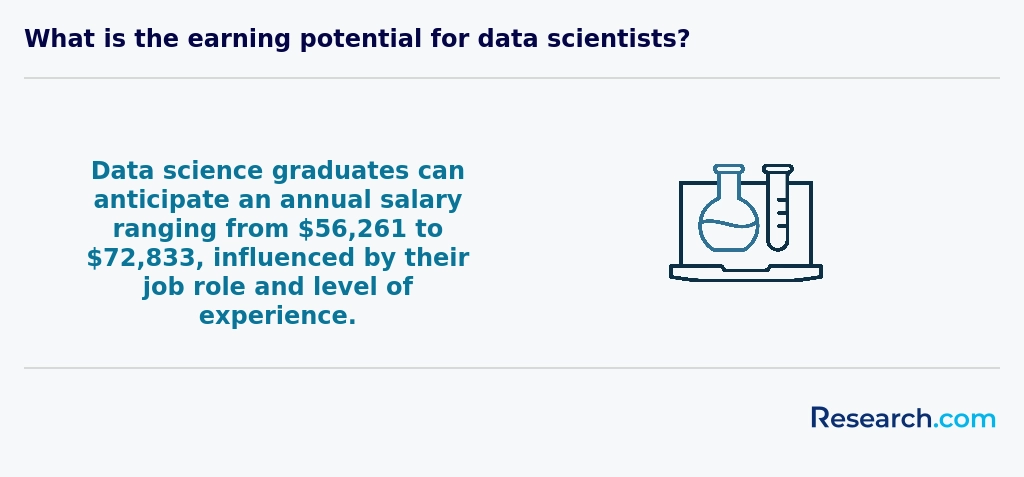
Imagine unlocking your future at a top data science program like those at the University of California, Berkeley or Northeastern University, where financial aid acts as a secret key to open doors that tuition prices might otherwise keep shut. Federal aid, starting with FAFSA, is the first beacon-grants like the Pell Grant can feel like a surprise gift, offering up to $7,395 annually to lighten the load without the stress of repayment. Graduates often recall how this aid transformed their journey, allowing them to focus more on algorithms than on budgets.
Scholarships tailored for STEM enthusiasts sparkle like hidden treasures scattered across campuses and foundations. Many students at institutions such as Carnegie Mellon have leveraged these to chase dreams instead of dollars. Meanwhile, research assistantships don't just erase tuition bills; they plunge you headfirst into groundbreaking data science projects, painting experience across your resume with bold strokes.
Working professionals tap into employer tuition reimbursements, morphing their day jobs into stepping stones toward a master's-often costing between $30,000 and $60,000 total. In every corner, financial aid in America becomes a personalized map guiding ambitious minds through the thrilling maze of data science education.
Choosing an accredited data science program ensures that your degree holds value with employers and graduate schools. Accreditation verifies that a program meets rigorous academic standards and undergoes regular quality reviews. In the U.S., regional accreditation (e.g., Middle States Commission on Higher Education) is widely recognized, while specialized accreditations-such as ABET’s Computing Accreditation Commission-specifically endorse data science and analytics curricula. Key accreditation factors to consider:
- Regional vs. National Accreditation: Regional accreditation typically carries more weight in academia and industry. Verify your institution’s accreditation status on the U.S. Department of Education website.
- Program-Specific Endorsements: Look for programs with specialized seals from organizations like ABET or the Institute for Analytics Professionals of Australia (IAPA), indicating a focus on data science competencies.
- Faculty Credentials: Accredited programs often require faculty to maintain advanced degrees and industry experience. Review faculty profiles to ensure they actively contribute to research and real-world projects.
- Continuous Improvement: Accreditation bodies mandate periodic program evaluations, ensuring that curricula evolve with emerging technologies such as deep learning, big data frameworks, and cloud-based analytics. If affordability is a priority alongside accreditation, explore our Affordable Data Science Degree Programs Ranking in Wisconsin, which highlights accredited institutions offering high-quality education at competitive tuition rates. By prioritizing accreditation and recognition, you safeguard your investment and position yourself for long-term career success in the data-driven economy.
Diving into a data science degree in America is like preparing for a thrilling expedition: you need a strong map of math and programming skills to navigate swiftly. Imagine sitting in a bustling classroom at UC Berkeley, where you're expected to wield calculus and linear algebra like a seasoned explorer's toolkit. Many graduates recall how mastering Python or R before even stepping on campus transformed their anxiety into excitement. The journey often starts in high school with advanced math and science, planting seeds for analytical thinking needed later. At places like Carnegie Mellon, enrolling in graduate data science programs often means arriving with a relevant bachelor's degree in fields like computer science or economics, sometimes with additional math or programming courses as a warm-up trek.
GRE scores, especially in quantitative reasoning, can be the golden ticket, though more schools are now leaning into a test-optional ethos, easing stress for applicants. Beyond numbers, personal statements and letters of recommendation act as your storytelling compass, guiding admissions committees through your unique academic voyage and passion for data. The pathway is demanding but charged with the thrill of unlocking the future.
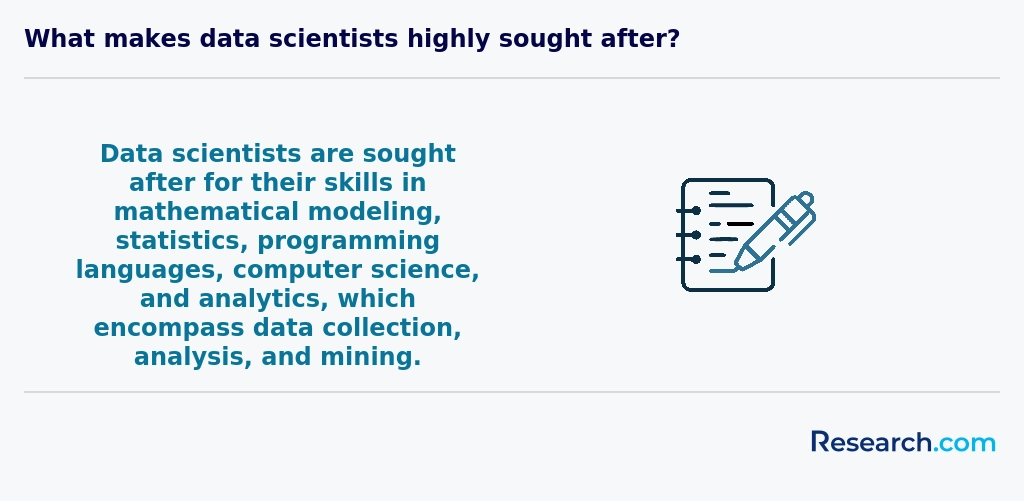
Navigating the admissions process can be just as critical as choosing the right program. In this section, we offer actionable tips that can help you craft a compelling application and set you apart from the competition. Begin by clearly articulating your passion for data science in your personal statement and essays. Highlight any hands-on projects, internships, or research experiences that demonstrate your technical abilities and problem-solving skills. It’s important to tailor your application to each program’s unique strengths. Review the program curriculum, faculty expertise, and industry partnerships to ensure a good match with your career goals. Additionally, emphasize soft skills such as communication, critical thinking, and teamwork, as these are highly valued by admissions committees and employers alike. For those looking to reduce their financial burden, researching cost-effective options can be a smart move; for instance, exploring a cheapest data science degree may provide both quality education and financial relief. Finally, prepare thoroughly for standardized tests and seek advice from academic counselors or alumni who have successfully navigated the admissions process. By showcasing both your technical expertise and unique experiences, you can build a well-rounded application that resonates with evaluators and paves the way for a successful career in data science.
Imagine diving into a typical data science degree journey at a vibrant American university, where your days spark with decoding the secrets of sprawling datasets. Graduates from well-known colleges share how the core courses transform abstract concepts into hands-on magic. Courses like Introduction to Data Science invite you to become a data detective, cleaning and visualizing raw data as if revealing hidden stories. At institutions revered for their tech edge, students thrill to crack Machine Learning puzzles-crafting algorithms that can predict everything from consumer trends to cosmic patterns.
Programming languages such as Python or SQL become your best friends, key tools introduced in Programming for Data Science that turn lines of code into powerful analysis engines. You'll grapple with Statistics and Probability like a seasoned analyst, bringing rigor to your interpretations through regression or Bayesian inference.
- Data Mining and Big Data Analytics: feels like a digital treasure hunt, exploiting Hadoop or Spark to sift through mountains of information.
- Database Systems: teach you to tame both relational and NoSQL databases, the backbone of data infrastructure on campus and beyond.
- Capstone or Project-Based Courses: are the crescendo, where real-world datasets from industry partners become your playground, igniting the thrill of practical problem solving.
Many graduates recall how these courses fuel not just skills but confidence, preparing them for the booming data-driven roles America's economy craves. The blend of theory and practice found in institutions across the nation makes the degree an exhilarating launchpad into a future where data shapes every decision.
Imagine diving into a data science degree in America where you can craft your journey through a kaleidoscope of specializations. Graduates from top colleges relish focusing on machine learning, mastering algorithms that teach computers to predict everything from stock prices to personal preferences. This popular data science degree specializations in USA often include artificial intelligence, exploring neural networks and natural language understanding-skills that graduates celebrate as gateways to transforming everyday tech.
Others gravitate toward big data analytics, where handling colossal datasets ignites a passion for uncovering hidden business insights. Picture a graduate at a renowned university excitedly applying Hadoop and Spark on real-world projects, fueling innovations in healthcare or finance. The realm of health informatics appeals to those drawn to making a tangible difference, turning raw data into improved patient care with heartfelt impact.
Business analytics blends data savvy with strategic wit, perfect for those eager to shape corporate futures. For those mindful of cost and value, programs like those featured in the Affordable Data Science Degree Programs Ranking in Wisconsin offer worthy paths balancing quality and affordability.
Choosing among the best data science degree programs USA means diving deep into what fuels your passion and career dreams. Imagine a graduate from a bustling tech-driven university in Boston, who thrived on hands-on machine learning projects and real-world internships that turned theory into job-ready skills. Their secret? Searching for a program where faculty aren't just lecturers but active researchers shaping the future of data science.
The quest for affordable data science degrees in America also involves weighing tuition against the dazzling promise of careers starting around $85,000 to $110,000. One student navigated the maze by prioritizing schools offering assistantships and scholarships, easing the financial load while benefiting from priceless industry connections in Silicon Valley.
Flexibility is key-whether juggling a job or living far from campus, many students thrive in programs offering online options or part-time paths. To unlock rapid entry into the field, some even explore quick 6 month certifications that lead to high paying jobs, boosting their credentials in record time.
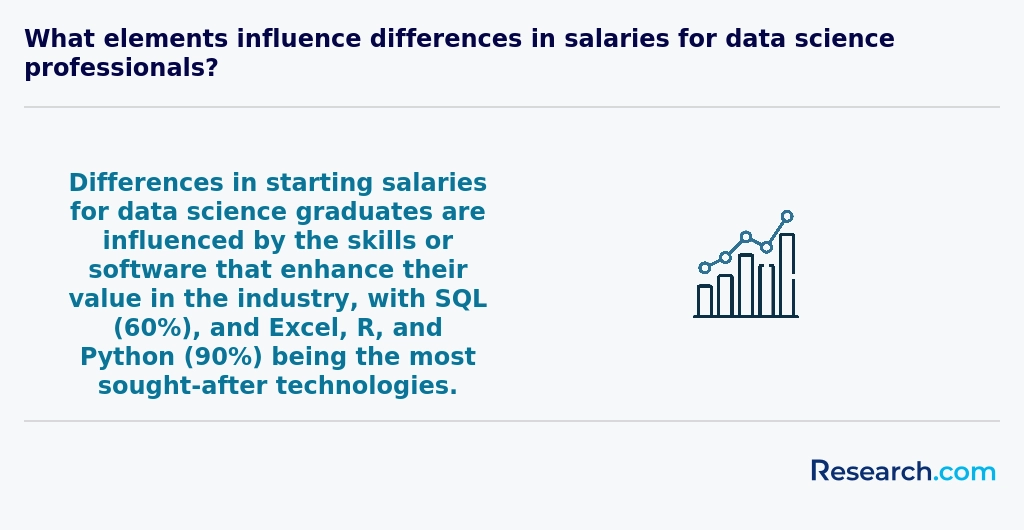
Graduates with a data science degree from popular American universities find themselves stepping into vibrant careers where numbers tell stories and algorithms shape futures. The data science career opportunities in the USA are as diverse as the landscapes of the country itself. Imagine a graduate from a top college in California transforming raw data into predictive models that guide Silicon Valley tech giants or a student from a renowned East Coast university designing machine learning systems that revolutionize healthcare diagnostics.
Beyond the classic roles like data scientist or data analyst, many carve unique paths as business intelligence analysts, channeling market whispers into strategic gold. Others become quantitative analysts, delving into financial seas to forecast market tides, while healthcare data analysts decode patient trends to save lives. Graduates often share how their excitement grew once they realized these roles combined their love for problem-solving with real-world impact.
For those curious about options and seeking flexibility, especially those wondering what's the easiest associate's degree to get, exploring various educational routes adds layers to this journey. Embracing data science in America means entering a realm where curiosity meets opportunity, and every dataset holds a new adventure.
The job market for data science degree holders in America is like a bustling marketplace flooded with opportunity and promise. Graduates from top institutions often find themselves in thriving tech hubs, translating complex datasets into strategic gold. Imagine a recent graduate from a popular college in California landing a role where machine learning models directly influence real-world decisions, from healthcare diagnostics to financial forecasting. This tangible impact fuels their enthusiasm and drives career growth.
Employment opportunities for data science graduates in America consistently expand, driven by the urgent need for analytical wizards who can decode the surge of big data. At universities nationwide, students witness this demand first-hand, feeling confident about entering the workforce with median salaries often surpassing $85,000, while metropolitan areas like San Francisco offer even more lucrative prospects.
For those weighing costs, exploring the cheapest online masters degrees in data science provides an accessible gateway without compromising quality. Data science graduates know they're stepping into a future where their skills solve pressing problems, solidifying a rewarding career in America's vibrant tech landscape.
2027 Most Popular Data Science Degree Programs Ranking in the USA
Investing in your education is a significant decision that can shape your future, and the Research.com team understands the importance of making informed choices. To help prospective students find the top data science degree programs in the USA, we have carefully developed the "2027 Most Popular Data Science Degree Programs Ranking." Our dedication to quality, credibility, and accuracy is demonstrated through rigorous research and analysis behind this ranking.
We utilized the following reputable data sources to ensure a comprehensive evaluation of data science programs:
By exploring this ranking, readers will gain valuable insights into the most popular and reputable data science degree programs nationwide, empowering them to make well-informed educational choices. For more information about the rigorous methodology we applied, please visit our Research.com methodology page.


# 8 position
Pennsylvania State University-Main Campus
Bachelor of Science in Data Sciences


Frequently Asked Questions About data science
Data science degree students in America can maximize their learning by engaging deeply with both theoretical and practical components of their programs. According to the National Center for Education Statistics, hands-on experience through internships or research projects significantly improves job readiness. Students should seek opportunities at universities with strong industry connections or partnerships, which can provide valuable internships and co-op positions.
Joining data science clubs or participating in hackathons can also enhance practical skills. Additionally, mastering programming languages like Python and R, widely used in American data science roles, is crucial. Many top programs encourage collaboration on real-world datasets, fostering problem-solving and analytical thinking.
Finally, staying updated with platforms such as Kaggle or attending conferences like the American Statistical Association meetings helps students network and learn emerging trends in data science.
Emerging niches within the data science field in America reflect the growing demand for specialized skills. One key area is healthcare data science, where professionals analyze vast medical datasets to improve patient outcomes and optimize hospital operations. According to the U.S. Bureau of Labor Statistics, employment in health informatics is projected to grow 36% from 2021 to 2031.
Another expanding niche is ethical AI and algorithmic fairness, focusing on reducing bias in machine learning models. American universities are increasingly offering courses that address these concerns.
Additionally, environmental data science is gaining prominence, using big data to tackle climate change and sustainability challenges.
After completing a data science degree in America, preparing for the job market requires both technical skill refinement and professional networking. According to the U.S. Bureau of Labor Statistics, employment of data scientists is projected to grow 22% from 2020 to 2030, faster than average for all occupations. Graduates should focus on mastering programming languages like Python and R, and gain experience with machine learning frameworks.
Internships and cooperative education programs offer valuable hands-on experience and connections within the industry. Additionally, actively contributing to open-source projects and maintaining a strong online portfolio can enhance visibility to potential employers.
Participation in career fairs hosted by universities and professional organizations such as the Data Science Association can expand job prospects. Furthermore, obtaining relevant certifications, like those offered by the Institute for Operations Research and the Management Sciences (INFORMS), may improve credibility and competitiveness in the job market.
Employers hiring data science graduates in America prioritize a blend of technical and analytical skills. Proficiency in programming languages such as Python and R is essential, as these are widely used for data manipulation and statistical analysis. Knowledge of SQL for database querying is also highly valued.
Strong abilities in machine learning, data visualization, and statistical modeling help graduates stand out. According to the 2023 Burtch Works study, over 75% of US firms seek candidates skilled in these areas.
Additionally, communication skills are critical. Data scientists must interpret complex findings clearly to support business decisions.
Familiarity with cloud platforms and big data tools further enhances employability.
Finding internships relevant to a data science degree in America involves leveraging multiple resources. Many universities provide dedicated career services that connect students with tech companies seeking data science interns. According to the National Association of Colleges and Employers (NACE), over 60% of STEM internships are secured through university programs and career fairs.
Online platforms like Handshake and LinkedIn are also crucial, as they feature thousands of internship listings specifically for data science roles. The U.S. Bureau of Labor Statistics highlights that data science internships often require skills in Python, R, and SQL, so tailoring applications to showcase these is essential.
Networking through data science clubs, conferences, and hackathons hosted by organizations such as the Data Science Association can expose students to unadvertised opportunities. Early application and customized resumes improve chances significantly in this competitive field.
A data science degree significantly enhances career mobility and advancement opportunities in the United States. According to the U.S. Bureau of Labor Statistics, employment of data scientists is projected to grow 36% from 2021 to 2031, much faster than average. This growth creates strong demand across industries such as technology, healthcare, finance, and government.
Holding a data science degree offers graduates a competitive edge due to specialized skills in statistics, machine learning, and data analysis. These skills enable professionals to move into varied roles like data analyst, data engineer, or machine learning engineer.
Moreover, salary data from the National Association of Colleges and Employers shows data science graduates often start with above-average salaries, which typically increase with experience and advanced degrees. Employers value the combination of technical expertise and critical thinking cultivated through formal education in data science.
Studying for a data science degree in America equips students with a broad skill set that is essential for interdisciplinary roles. Programs often combine training in statistics, computer science, and domain-specific knowledge, allowing graduates to solve problems across various sectors such as healthcare, finance, and government. According to the National Science Foundation, over 60% of data science roles require expertise that bridges multiple fields.
Many universities emphasize collaboration through project-based learning, internships, and partnerships with industry. This hands-on experience teaches students how to apply data-driven insights in contexts varying from business strategy to public policy. The curriculum typically includes coursework in ethics, communication, and data visualization, all vital for effective interdisciplinary work.
Furthermore, the U.S. Bureau of Labor Statistics projects a 36% growth in data science jobs through 2031, reflecting the increasing demand for professionals capable of integrating varied knowledge areas. This growth supports the importance of interdisciplinary skills for long-term career success.
Choosing between a thesis and a non-thesis data science degree program in America depends on your career goals and learning preferences. Thesis programs typically require original research, making them ideal for students who want to pursue a PhD or research-oriented roles. According to the National Center for Education Statistics, about 40% of master's degrees in data science include a thesis option.
Non-thesis programs focus on practical skills through coursework and projects, appealing to those seeking immediate industry jobs. The Bureau of Labor Statistics projects a 31% growth in data science jobs from 2020 to 2030, favoring graduates with hands-on experience.
Consider your future plans and learning style when deciding which program fits best.
American students seeking to study data science abroad have several opportunities through exchange programs and partnerships between U.S. universities and foreign institutions. Many colleges offer semester-long or year-long exchanges in countries with strong data science programs, such as the United Kingdom, Canada, and Germany. According to NAFSA, over 347,000 U.S. students studied abroad in 2019-20, and STEM fields, including data science, are increasingly popular.
Additionally, some U.S. schools have dual degree arrangements allowing students to earn credentials from both American and international universities. These options provide valuable global exposure, enhancing the understanding of diverse data applications and methodologies.
Part-time jobs that complement data science education in America often focus on developing practical skills and industry experience. Popular roles include data analyst internships, research assistant positions, and freelance data visualization projects. According to the Bureau of Labor Statistics, data-related part-time jobs can help students apply classroom knowledge in real-world settings while earning income.
Many universities connect students with roles in tech startups, healthcare, and finance sectors, which emphasize data cleaning, statistical analysis, and coding in Python or R. Additionally, tutoring fellow students in programming or statistics can reinforce learning and build communication skills.
These opportunities not only improve resumes but also increase employability in the competitive US data science job market, projected to grow by 28% through 2031.
Data science students in America have numerous networking opportunities that can significantly enhance their career prospects. Many universities host dedicated data science clubs and organizations, allowing students to connect with peers and industry professionals. Additionally, prominent conferences like the Strata Data Conference and local meetups provide forums for exchanging knowledge and making valuable contacts.
Internships, often facilitated through university partnerships, are vital for hands-on experience and networking. According to the National Association of Colleges and Employers, over 60% of data science interns receive full-time job offers.
Professional groups such as the Data Science Association and Women in Data also offer mentorship programs and networking events.
Alumni networks provide valuable benefits to data science degree students in America by fostering connections with experienced professionals. These networks often offer mentorship opportunities, helping students navigate early career challenges. According to the National Association of Colleges and Employers, 85% of job placements involve networking, highlighting alumni engagement's role in career success.
Many US universities with strong data science programs maintain active alumni groups that share job leads, internships, and industry insights. Students gain access to exclusive events and workshops sponsored by alumni, which can be critical in a competitive job market where data science roles grew by 37% between 2018 and 2023, per the US Bureau of Labor Statistics.
Through these networks, students can also collaborate on projects and research, enhancing practical skills and increasing employability. Overall, alumni connections contribute significantly to a student's professional growth within America's expanding data science field.
Customizing a data science degree program in America allows students to align their studies with specific career goals. Many universities offer elective courses in areas like machine learning, artificial intelligence, or business analytics, enabling focused expertise. According to the National Center for Education Statistics, approximately 75% of U.S. institutions provide such flexible curriculums.
Students can also choose programs with internships or capstone projects relevant to industries like healthcare, finance, or technology. Partnerships between universities and companies support hands-on experience, which is valued by 89% of data science employers surveyed by IBM in 2023.
Furthermore, adding minors or certificates in fields such as computer science or statistics often strengthens job prospects and specialization.
Data science students in America often face a steep learning curve, balancing programming, statistics, and domain expertise. According to a 2023 survey by the Data Science Association, over 60% of students report difficulty in mastering coding languages like Python and R alongside complex mathematical concepts.
Another challenge lies in access to practical experience. Many programs struggle to integrate real-world datasets due to privacy regulations and licensing restrictions, limiting hands-on opportunities.
Furthermore, financing education remains a concern. The National Center for Education Statistics reports that graduate tuition averages over $19,000 yearly, creating a barrier for some prospective students.
Finally, keeping up with rapidly evolving tools and technologies demands continuous upskilling beyond the classroom.
With a data science degree in the United States, numerous professional certifications can enhance your career prospects. Commonly pursued certifications include the Certified Analytics Professional (CAP), which validates skills in data analytics and is widely respected by employers. Another popular option is the Microsoft Certified: Azure Data Scientist Associate, focusing on applying machine learning in the cloud environment.
Many graduates also pursue the Google Data Analytics Professional Certificate, which offers practical skills aligned with industry demands. According to the U.S. Bureau of Labor Statistics, jobs for data scientists are expected to grow 36% from 2021 to 2031, increasing the value of these credentials. These certifications help demonstrate expertise beyond academic degrees and are highly regarded across sectors in America.
Applying to a data science program in America requires a clear demonstration of your quantitative skills and passion for the field. Most top programs look for applicants with strong backgrounds in mathematics, statistics, and computer science, so highlight relevant coursework and projects.
Standardized test scores such as the GRE may still be required by some universities, although many schools have made submission optional recently. According to the National Center for Education Statistics, over 50% of STEM graduate programs consider GRE scores optional in 2023.
Strong letters of recommendation that attest to your analytical ability and problem-solving skills can significantly boost your application. Also, tailor your statement of purpose to specify why you want to pursue data science and how your experience aligns with the program's research areas.
Finally, emphasize any practical experience with popular tools like Python, R, or SQL, as hands-on skills are highly valued in US data science programs.
Data science careers are highly valued worldwide, and the United States holds a leading position in education and job opportunities in this field. According to the U.S. Bureau of Labor Statistics, employment of data scientists is projected to grow 36% from 2021 to 2031, much faster than the average for all occupations. This rapid growth reflects global demand but is particularly robust in the U.S. due to its dominance in technology, finance, and healthcare sectors.
American universities offer a wide range of specialized data science degrees that combine statistics, computer science, and domain knowledge. These programs often emphasize practical skills aligned with global industry needs, preparing graduates to work in international markets.
Moreover, U.S.-based data scientists typically earn competitive salaries, with a median annual wage above $100,000 as reported by Glassdoor in 2023. This strong compensation reflects the high value placed on data expertise worldwide, making a U.S. degree attractive for global career prospects.
Gaining practical experience while studying for a data science degree in America is essential to enhance skills and employability. Many universities offer cooperative education programs (co-ops) that alternate periods of academic study with full-time work, allowing students to apply classroom knowledge in real-world settings. Internships are another common route; according to the National Association of Colleges and Employers (NACE), 57% of data science students secure internships during their studies. Participating in research projects under faculty guidance can also provide hands-on experience with data tools and methodologies. Additionally, joining data science clubs or competitions like Kaggle can further develop practical skills.
Choosing the right concentration within a data science degree program in America depends on your career goals and interests. Popular concentrations include machine learning, big data analytics, and business intelligence. According to the National Center for Education Statistics, programs often offer specializations aligned with industry demand.
Consider whether you prefer technical roles, such as algorithm development, or more applied roles like data-driven decision-making in business. Investigate programs accredited by recognized bodies like ABET, which ensures curriculum quality.
Look at job market trends from the U.S. Bureau of Labor Statistics, projecting 36% growth for data science jobs through 2031. Some concentrations may lead to higher salaries or faster employment. Choose a path that balances your skills and market opportunities.
See What Experts Have To Say About Studying Data Science
Read our interview with Data Science experts

- Data Science Classes vs. Traditional College Programs: Which Gets You Hired Faster in 2025? https://onlineaitraining.com/blog-data-science-classes-vs-college
- Guide to writing your cover letter (Data Science) https://en.itu.dk/programmes/msc-programmes/~/media/31FAE81C06A14E3E8EA8FFA52CD8B54D.ashx
- Why study data science courses in the US? - upGrad GSP https://www.upgradgsp.com/why-study-data-science-courses-in-the-us/
- The Future of Data Science: Emerging Technologies and Trends https://www.ucumberlands.edu/blog/the-future-of-data-science-emerging-technologies-and-trends
- 10 data science certifications that will pay off https://www.cio.com/article/230640/15-data-science-certifications-that-will-pay-off.html
- What is Data Science? Complete Guide to Learn Data Science | Walbrook https://www.walbrook.ac.uk/subjects/data-science/data-science-degree-study-guide/
- Study Data Science Abroad - Top Universities for Masters, MBA, PhD Degree Programs https://studee.com/degree/abroad/data-science
- How Data Science Can Transform Financial Aid and Enrollment? - The Higher Education Assistance Group, Inc. https://heag.us/how-data-science-can-transform-financial-aid-and-enrollment/
- Choose the Right Data Science Program for Career | Learnbay https://www.learnbay.co/blogs/how-to-choose-the-right-data-science-program-for-your-career-goals
- Jobs in Data Science: A Guide for Future Graduates https://vinuni.edu.vn/jobs-in-data-science/





