
2027 Most Valuable Online Bachelor's in Culinary Arts Degree Programs Ranking in the USA

Co-Founder and Chief Data Scientist
Choosing the right culinary arts degree can shape your future in the vibrant food industry. This article introduces the 2027 Most Valuable Online Bachelor's in Culinary Arts Degree Programs Ranking in the USA, developed by the Research.com team of data scientists. It is designed to help you identify programs that offer the best value and quality education.
Exploring these top-ranked programs will give you confidence in your decision. A culinary arts degree opens doors to exciting career opportunities and personal growth in a creative field you love.
Key benefits of getting online culinary arts degree in America
- The average salary for chefs and head cooks in the US is around $51,530 per year, offering a rewarding income for culinary arts graduates pursuing creative and leadership roles in kitchens.
- Graduates from schools like the Culinary Institute of America can explore diverse career paths, including restaurant management, food styling, and catering, allowing for exciting and flexible opportunities.
- Online culinary arts degrees, such as those from Johnson & Wales University, provide the convenience of studying from home, saving time and money, while still delivering hands-on skills through virtual and local practicum options.
- Key benefits of getting online culinary arts degree in America
- What can I expect from online culinary arts degree in America?
- Where can I work with online culinary arts degree in America?
- How much can I make with online culinary arts degree in America?
- 2027 Most Valuable Online Bachelor's in Culinary Arts Degree Programs Ranking in the USA
- Key Findings
- How long does it take to complete online culinary arts degree in America?
- What's the difference between online and on-campus culinary arts degree?
- What is the average cost of online culinary arts degree in America?
- What financial aid is available to online culinary arts degree students in America?
- What are the prerequisites for enrolling in online culinary arts degree program in America?
- What courses are typically in online culinary arts degree programs in America?
- What types of specializations are available in online culinary arts degree programs in America?
- How do you choose the best online culinary arts degree in America?
- What career paths are available for online culinary arts degree students in America?
- What is the job market for online culinary arts degree in America?
- Top Trending Culinary Arts Rankings
What can I expect from online culinary arts degree in America?
The average cost of an online culinary arts degree in America varies significantly, typically ranging from $15,000 to over $40,000 for the entire program. Public universities often provide more affordable tuition, especially for in-state students, making such degrees accessible without excessive financial strain. Graduates from these institutions frequently recall balancing rigorous coursework with manageable expenses, which helped them maintain focus on mastering cooking techniques and kitchen management.
Conversely, private culinary schools, known for specialized curricula and additional resources, may charge higher tuition fees. Students from these colleges often report a sense of pride and fulfillment derived from comprehensive instruction in areas like baking, international cuisines, and hospitality management. They appreciate that the investment correlates with enhanced career prospects.
Many online culinary programs incorporate hybrid elements, requiring internships or practicums, which can lead to extra costs but also provide invaluable hands-on experience. These real-world placements, often arranged at popular culinary establishments, evoke positive memories for graduates as critical to their skill development and networking.
Overall, prospective students should weigh program quality, accreditation status, and financial aid availability against tuition costs to optimize both their learning experience and return on investment.
Where can I work with online culinary arts degree in America?
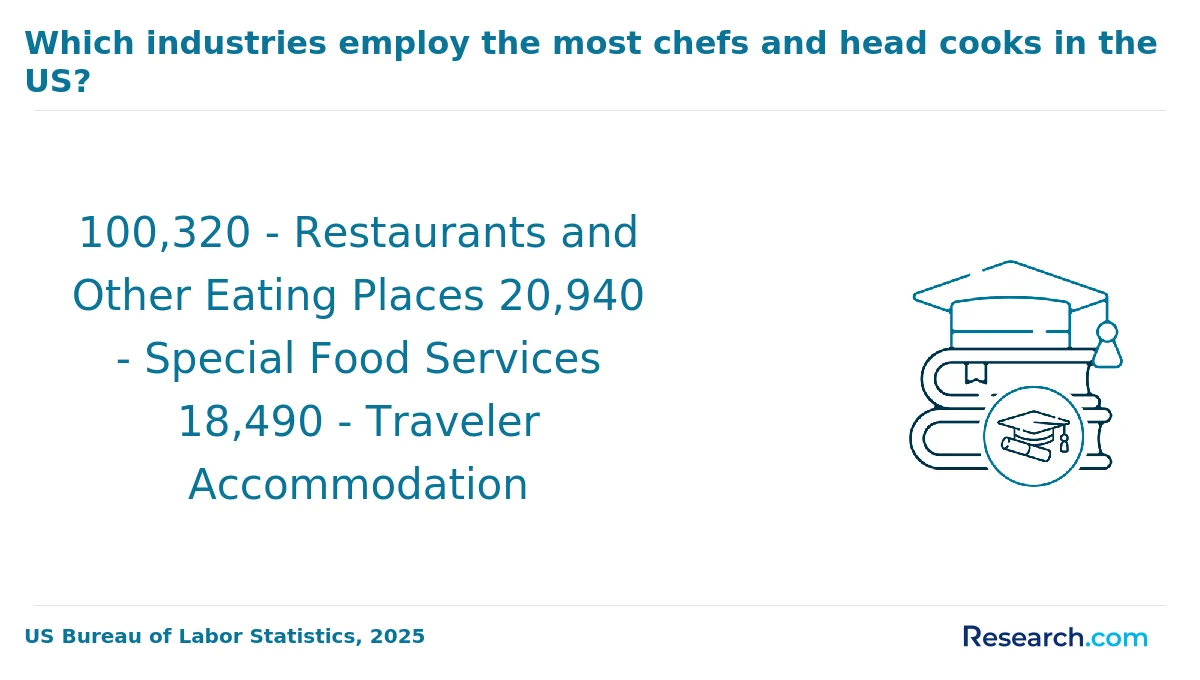
Graduates with an online culinary arts degree in America typically find work in various segments of the food service and hospitality industries, reflecting a dynamic job market. Many secure positions as chefs or head cooks in restaurants, hotels, or catering companies, where formal culinary training is highly valued. For instance, graduates from respected institutions like the Culinary Institute of America and Johnson & Wales University often emphasize how their online program's practical components and certifications facilitated smooth entry into professional kitchens.
Others pursue roles in institutional settings such as schools or hospitals, focusing on menu planning and nutrition-skills increasingly stressed in programs at community colleges popular among online learners. Food product development and quality control positions within manufacturing companies also attract graduates, leveraging their knowledge of ingredient properties and food safety regulations.
Moreover, many graduates express enthusiasm about the entrepreneurial routes available, such as launching food trucks or catering start-ups, supported by management skills acquired through their studies. Online culinary arts degrees from prominent American colleges prepare students for these varied opportunities amid a 6% projected job growth rate nationwide through 2031.
How much can I make with online culinary arts degree in America?
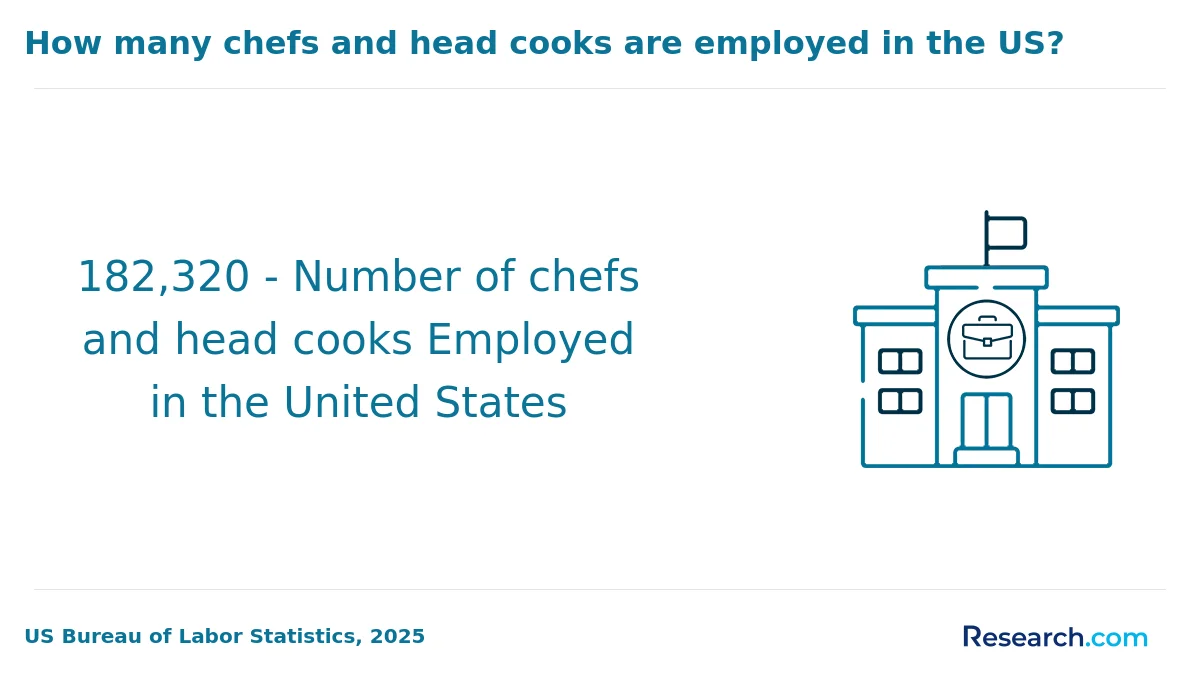
Graduates with an online culinary arts degree in America can expect entry-level salaries typically between $25,000 and $35,000 annually, particularly when starting as line cooks or kitchen assistants. As they gain experience, many move into supervisory roles where salaries improve significantly. For example, chefs and head cooks earned a median wage of about $58,980 in 2023 according to the U.S. Bureau of Labor Statistics. This aligns with the experience of graduates from well-known programs at institutions like the Culinary Institute of America or Johnson & Wales University, who often report increased earning potential after gaining hands-on experience through their online coursework combined with industry internships.
Food service managers, another attractive career path for culinary arts graduates, earned a median wage of $60,690 in 2023. This role benefits from combining culinary skills with management expertise, a combination emphasized by top culinary colleges in America that offer online degree programs designed to integrate business training.
Graduates often find motivation in these salary increments, feeling a sense of achievement as they transition from modest beginnings to well-paying roles in vibrant urban fine dining or upscale food service management positions, where top earners can exceed $90,000.
2027 Most Valuable Online Bachelor's in Culinary Arts Degree Programs Ranking in the USA
How do we rank schools?
Investing in your education is a significant decision that can shape your future, and the Research.com team understands the importance of making informed choices. To assist prospective students, we have meticulously crafted the "2027 Most Valuable Online Bachelor's in Culinary Arts Degree Programs Ranking in the USA." Our commitment to quality, credibility, and accuracy is reflected in the extensive research and analysis conducted to compile this ranking.
We utilized the following reputable data sources to ensure a comprehensive evaluation of these programs:
By exploring this ranking, readers will gain valuable insights into the most valuable online culinary arts programs, empowering them to make well-informed decisions about their educational journey. For more details on our methodology, please visit our Research.com methodology page.
# 1 position
The University of Alabama
Bachelor of Human Environmental Sciences, Restaurant and Hospitality Management (Restaurant, Hotel, and Meetings Management)

# 2 position
Arizona State University Campus Immersion
Bachelor of Business - Food Industry Management


Key Findings
- Online culinary arts degrees typically include courses on cooking, kitchen management, nutrition, and food safety, combined with local hands-on practice.
- Public schools charge between $15,000 and $30,000 for the full online bachelor's program, while private schools range from $25,000 to over $50,000.
- Entry-level culinary arts graduates often earn between $30,000 and $40,000 annually, with experienced chefs and kitchen managers making $60,000 to $75,000 per year.
- The job market for chefs and head cooks is expected to grow by about 6% from 2022 to 2032, driven by new restaurants, hotels, and catering businesses.
- Many programs include professional certifications like ServSafe, which enhance employability by verifying knowledge of health and safety standards.
How long does it take to complete online culinary arts degree in America?
Completing an online culinary arts degree in America typically takes about two years for an associate degree and around four years for a bachelor's degree. Graduates from well-known programs like those offered at the Culinary Institute of America or Johnson & Wales University often report timelines aligning with these averages, assuming full-time study. For example, students pursuing a bachelor's degree balance foundational courses with hands-on culinary training, which often includes required internships that extend the timeline slightly depending on placement availability.
Many online learners appreciate the flexibility to study part-time or at their own pace, especially those juggling jobs or family responsibilities. This can stretch completion to five or six years, but it allows students to maintain steady progress without overwhelming stress. Graduates frequently express satisfaction with this approach, noting that managing coursework alongside real-world experience enhances their confidence and practical skills when entering the culinary workforce.
Programs in America are increasingly accommodating diverse schedules, emphasizing practical learning while maintaining structured timelines, helping students complete their qualifications with both competence and enthusiasm.
What's the difference between online and on-campus culinary arts degree?
Online and on-campus culinary arts degrees in America differ primarily in their delivery of hands-on experience and flexibility. On-campus programs at renowned institutions like the Culinary Institute of America emphasize extensive in-person labs, where students spend 600 to 1,200 hours honing skills like knife handling and flavor profiling under expert chefs. Graduates often recall the confidence gained through direct sensory training, which fosters deep culinary intuition.
In contrast, online programs at schools such as Johnson & Wales University focus more on culinary theory, management, and business skills, offering virtual demonstrations and video tutorials. These formats suit students balancing work or family commitments, providing the convenience of self-paced learning. Many online students appreciate the ability to study remotely but still value any included in-person internships or residencies to apply their knowledge practically.
Cost differences also matter. Traditional campus degrees may range from $15,000 to $35,000 yearly, while online tuition tends to be lower but may add costs for personal kitchen equipment or travel.
What is the average cost of online culinary arts degree in America?
The average cost of an online culinary arts degree in America typically centers around a median total of $51,720. This figure reflects a comprehensive investment that includes tuition and fees across a variety of programs, from associate to bachelor's levels. Graduates from well-regarded institutions often report balancing this expense with financial aid and scholarships, making their educational journey more manageable.
Many students pursuing an online culinary arts degree encounter a cost range influenced by the institution type. Community colleges usually offer associate degrees costing approximately $4,000 to $10,000 total, ideal for those starting their path. Public universities, particularly for in-state students pursuing bachelor's degrees online, charge between $21,000 and $30,000 in total tuition, offering a blend of affordability and quality education. Private colleges tend to demand higher tuition, ranging from $20,000 to $40,000 in total, reflecting specialized programs that may include enhanced industry connections.
Prospective students aiming for a culinary arts degree online in America often consider real-life expenses beyond tuition. Additional fees for kitchen equipment, learning materials, and on-site practicums may arise, adding to overall costs but enriching hands-on experience. Numerous graduates from popular universities report satisfaction with their education due to the practical skills gained despite these expenses. Researching specific programs and comparing the total tuition and fees for culinary arts degree online can greatly assist in effective financial planning.
For those looking to explore top programs, the most popular restaurant management school highlights options with strong culinary focus and investment value.
What financial aid is available to online culinary arts degree students in America?
Students pursuing online culinary arts degrees in America often rely on multiple financial aid sources to manage tuition costs, which average between $7,000 and $25,000 annually. Completing the Free Application for Federal Student Aid (FAFSA) is essential, as it unlocks access to Pell Grants, which for the 2023-2024 year offer up to $7,395 without the burden of repayment. Many students attending institutions like the Culinary Institute of America or Johnson & Wales University benefit significantly from these grants.
Federal Direct Loans provide another avenue, offering low-interest loan options tailored to the student's year and enrollment status. Graduates often note that these loans made their education achievable without overwhelming debt. Additionally, Federal Work-Study programs enable part-time work tied to the university, helping students gain practical experience while funding their education.
Beyond federal aid, institutional scholarships are widely available and frequently reward merit or financial need. State grants vary, so students enrolled in schools such as Le Cordon Bleu should check their local offerings. Private culinary associations also offer scholarships focusing on leadership and innovation, further easing financial pressures.
Employer tuition reimbursement and private loans provide alternative funding but require careful cost comparison due to higher interest rates.
What are the prerequisites for enrolling in online culinary arts degree program in America?
Enrolling in an online culinary arts degree in America requires meeting several key prerequisites aligned with U.S. higher education standards. Most programs demand a high school diploma or GED, ensuring applicants have foundational academic skills. For example, graduates from popular institutions like Johnson & Wales University often recall how this basic qualification allowed them to smoothly enter college-level culinary studies. Bachelor's programs commonly expect a minimum GPA of around 2.5, with some still requesting SAT or ACT scores, although many schools have adopted test-optional policies since 2020.
Practical experience is frequently valued; students with prior internships or food service jobs gain confidence transitioning into complex culinary coursework-an advantage emphasized by alumni from culinary colleges in America. Reliable internet and compatible technology are critical for success, especially for streaming lectures and submitting assignments online. Instructors at renowned schools often highlight how digital readiness influences student engagement and performance in virtual kitchens.
What courses are typically in online culinary arts degree programs in America?
Online culinary arts degree programs in America commonly include core courses such as Introduction to Culinary Arts, Nutrition and Menu Planning, and Food Safety and Sanitation. Graduates from programs at institutions like the Culinary Institute of America report that mastering knife skills and cooking methods in these courses builds their confidence in practical kitchen settings. Food Safety remains a critical focus, given that the FDA estimates 48 million annual foodborne illness cases nationwide, emphasizing the importance of sanitation skills for regulatory compliance.
Students also engage in specialized coursework like Garde Manger and Baking, honing cold food preparation and pastry expertise, and International Cuisine, which broadens cultural culinary knowledge. Practical business skills are addressed through Restaurant Management classes covering staffing, marketing, and inventory control-skills graduates find essential when managing real-world establishments.
Many online programs integrate food science topics, explaining ingredient interactions through accessible labs or local externships. Graduates from respected colleges note this blend of theory and hands-on learning enhances creativity and readiness for the evolving culinary labor market in the US.
What types of specializations are available in online culinary arts degree programs in America?
Online culinary arts degrees in America commonly offer specializations such as Professional Culinary Arts, Baking and Pastry Arts, Food Service Management, and Nutrition and Wellness. Graduates from popular institutions emphasize how these tracks enable them to tailor their education to specific career goals. For example, the Professional Culinary Arts specialization equips students with essential cooking techniques and kitchen management skills, preparing them for dynamic roles in restaurants and hotels. Those who chose Baking and Pastry Arts often highlight the rewarding creativity involved in mastering desserts and bread making, a specialization in high demand at luxury bakeries across the US. Food Service Management blends culinary skills with business strategies, a combination many graduates find empowering as they move into executive chef or restaurant manager roles. Nutrition and Wellness attracts students passionate about healthy cooking and menu planning, opening doors in wellness centers or hospital kitchens. These varied options reflect the wide array of American online culinary degree options available today.
Students pursuing online culinary arts specializations USA appreciate programs that offer real-world applications alongside theory. Graduates from well-known culinary colleges report that coursework emphasizing global cuisine and hospitality management enhances their versatility. Many find joy in learning international cooking styles or expanding their skill set to include broader hospitality management principles, boosting employability in diverse sectors. Such specialization variety in programs demonstrates why culinary arts online degrees are sought after by individuals balancing work and study.
For those researching culinary arts qualifications, flexible online programs in America offer the opportunity to develop specialized expertise with practical relevance. Institutions providing these degrees often integrate modern culinary practices with business and nutrition sciences, resulting in comprehensive training. Prospective students can explore detailed offerings and program structures by visiting culinary arts qualifications, a resource helping learners choose paths aligned with their personal and professional ambitions.
How do you choose the best online culinary arts degree in America?
Choosing the best online culinary arts degree in America requires evaluating key factors like accreditation, curriculum, and affordability. Accreditation by agencies such as the ACCSC assures the program meets rigorous educational standards, which graduates from colleges such as the Culinary Institute of America commend for enhancing credibility in the job market. Graduates often highlight the impact of hands-on learning opportunities through virtual labs and internships, which are crucial for mastering technical skills and kitchen management.
Cost is equally important. The average tuition for online culinary arts programs ranges from $15,000 to $35,000 annually, though online delivery can lower expenses. Prospective students should factor in total costs including materials and certification fees. Many affordable online culinary arts degrees America offer flexibility with asynchronous classes, enabling students balancing work or family commitments to succeed.
Online culinary arts degree programs USA graduates note that strong student support services and job placement rates critically influence their career paths. Programs at well-known colleges often publish employment statistics and foster industry connections for smooth transitions into hospitality careers. For students exploring options, resources like the easiest associates degree can provide additional guidance on accessible pathways.
What career paths are available for online culinary arts degree students in America?
Graduates pursuing online culinary arts careers in the USA often find diverse opportunities in kitchens of restaurants, hotels, and resorts. For example, graduates from well-known culinary colleges report securing roles as chefs or head cooks, with the U.S. Bureau of Labor Statistics citing a median salary of $56,000 in 2023 and top earners making over $90,000 annually. Such programs emphasize practical skills and food safety essential for these positions.
Career opportunities for online culinary degree in America extend beyond cooking, including food service management positions like kitchen managers or restaurant directors. Students from popular culinary programs describe how integrating business lessons with culinary arts prepared them to oversee operations and staff, aligned with a projected 10% job growth in these roles from 2022 to 2032. Entrepreneurship also attracts graduates who launch food trucks or specialty shops, applying both culinary expertise and business knowledge gained online.
Creatively inclined graduates may pursue roles as food stylists, recipe developers, or culinary educators, benefiting from the surge in digital food media. Those interested in exploring top programs can consider the most popular online culinary school listings to find institutions known for blending theory and hands-on practice.
What is the job market for online culinary arts degree in America?
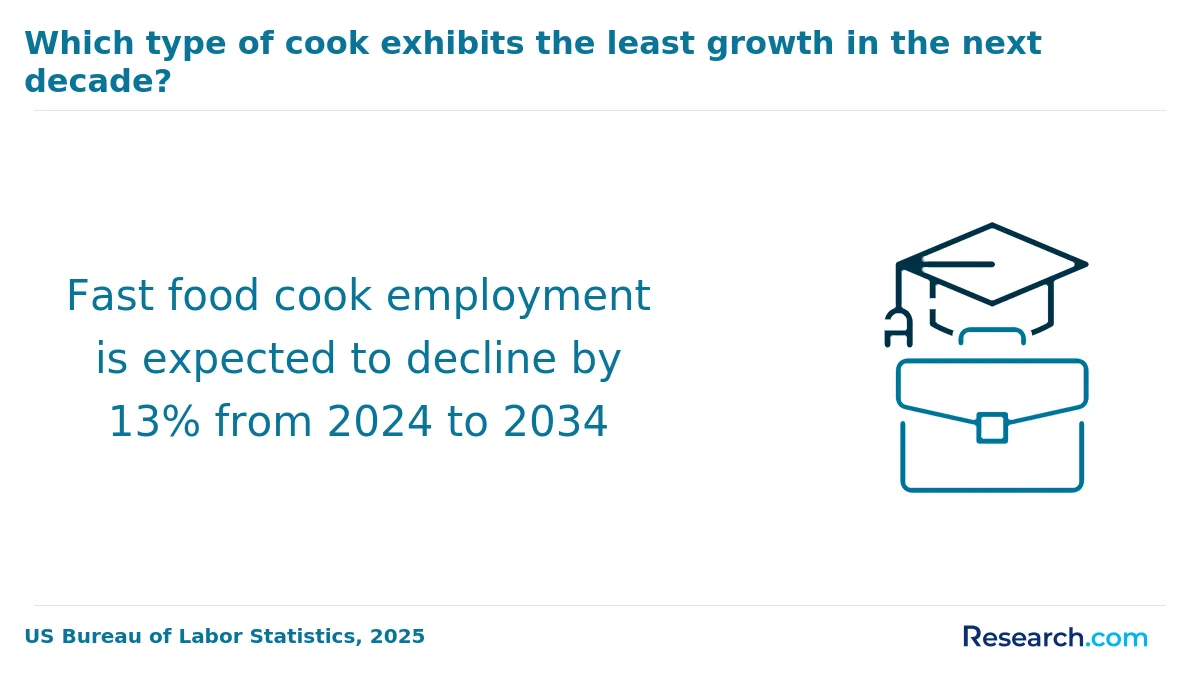
The job market for culinary arts graduates in America shows promising growth, especially for those with an online culinary arts degree. According to the U.S. Bureau of Labor Statistics, employment for chefs and head cooks is expected to grow about 17% from 2022 to 2032, which is significantly faster than the average for all occupations. Graduates from popular programs at universities and colleges across America often find roles ranging from line cooks to executive chefs in diverse settings like restaurants, hotels, and catering companies.
Many graduates express satisfaction with how their online culinary arts degree prepared them for real kitchen challenges while fitting their schedules. The combination of culinary skills and management knowledge equips them to pursue supervisory or ownership roles. Those interested in exploring various options may also consider high paying associate degree jobs in related fields, broadening career prospects further.
This positive job outlook for online culinary arts degree job outlook USA attracts students seeking flexibility without sacrificing quality education. Balancing coursework with internships or apprenticeships enhances practical experience, a critical factor employers value highly in this competitive field.
Frequently Asked Questions About culinary arts
Online culinary arts degree students in America can maximize their learning by actively engaging in practical experiences. Many U.S. programs include virtual simulations, but supplementing these with in-person internships or externships at local restaurants sharpens skills and builds industry connections.
Regularly participating in online discussions and study groups improves understanding and collaboration, essential in the culinary field, where teamwork is critical. According to the American Culinary Federation, hands-on practice combined with theoretical knowledge increases job readiness by over 30%.
Utilizing resources like video tutorials, webinars, and professional cooking apps offered by accredited U.S. institutions enhances technique mastery. Tracking culinary trends through sources such as the National Restaurant Association also enriches learning relevant to the evolving market.
Emerging niches within the culinary arts field reflect changing consumer preferences and industry innovation in the United States. Sustainable and plant-based cooking is a significant growth area, with the Plant Based Foods Association reporting a 27% market growth in 2022. Culinary professionals increasingly focus on integrating environmental sustainability into menus and sourcing. Another expanding niche is culinary technology, where chefs use digital tools and automation to enhance food preparation and delivery efficiency. Additionally, health-focused culinary arts, such as nutrition-centered cooking and allergen-friendly meal planning, are gaining popularity as Americans become more health-conscious according to the National Restaurant Association.
Food tourism and cultural cuisine specialization also provide new opportunities, emphasizing authentic regional dishes and storytelling. These niches offer promising career paths for graduates of online culinary arts degree programs seeking to meet modern culinary demands.
After completing an online culinary arts degree in America, preparing for the job market requires practical experience and networking. Many graduates benefit from internships or apprenticeships at local restaurants or catering companies to build hands-on skills. According to the U.S. Bureau of Labor Statistics, culinary jobs are projected to grow 15% from 2021 to 2031, highlighting a competitive yet expanding market.
It is vital to develop a professional portfolio showcasing your culinary creations and certifications such as ServSafe. Joining industry organizations like the American Culinary Federation can provide valuable connections and job leads. Additionally, honing soft skills like communication and time management enhances employability in fast-paced kitchens.
Employers in the American culinary industry prioritize a combination of technical skills and soft skills in graduates with culinary arts degrees. According to the U.S. Bureau of Labor Statistics, practical cooking techniques, food safety knowledge, and menu planning are essential competencies. Mastery of sanitation standards, often certified through ServSafe, is mandatory to maintain health regulations in professional kitchens.
Beyond culinary techniques, communication and teamwork skills rank highly. A National Restaurant Association survey reports that 68% of employers seek graduates who can collaborate effectively with kitchen staff and front-of-house employees. Time management and adaptability are also valued due to the fast-paced nature of the food industry.
Leadership abilities and creativity help candidates stand out, especially for managerial roles. Familiarity with nutrition and dietary restrictions increasingly benefits graduates as menus grow more diverse. Overall, a well-rounded skill set aligned with industry standards greatly improves job prospects in the U.S. culinary field.
Finding internships relevant to a culinary arts degree in America involves strategic planning and resourcefulness. Many culinary programs partner with local restaurants, hotels, and catering companies to provide hands-on opportunities. The American Culinary Federation (ACF) offers resources and a network that can help students locate internships nationwide.
Students should also explore job boards focused on hospitality and culinary placements, such as Culinary Agents and Poached Jobs. According to the National Restaurant Association, internships increase the chances of employment after graduation by more than 50%, making these experiences crucial for career growth.
Engaging directly with program advisors and attending culinary job fairs can further open doors. Online students should leverage virtual career services and alumni networks to secure internships aligned with their goals.
Online culinary arts degrees in America significantly impact career mobility by providing flexible access to accredited education recognized across the food service industry. According to the American Culinary Federation (ACF), degree holders demonstrate stronger job prospects and higher earning potential compared to those without formal qualifications.
The online format enables working professionals to balance education with employment, accelerating advancement opportunities such as managerial roles or specialized chef positions. Data from the U.S. Bureau of Labor Statistics shows culinary managers earn a median annual wage of over $58,000, often requiring formal education.
Additionally, an online culinary degree often includes up-to-date curricula in nutrition, food safety, and business, skills valued for leadership roles. Employers increasingly prefer candidates with bachelor's degrees, making these programs a strategic choice for career growth.
Studying for a culinary arts degree in America provides a foundation beyond traditional cooking skills, preparing students for interdisciplinary roles. Programs often combine coursework in nutrition, business management, food safety, and marketing, reflecting the diverse demands of the food service industry. According to the American Culinary Federation, 65% of culinary professionals hold leadership roles requiring knowledge of multiple disciplines.
Many online degrees integrate management training, enabling graduates to handle operational and financial aspects of food establishments. This broad education helps students adapt to roles like food consultants, nutrition advisors, or hospitality managers.
The interdisciplinary focus responds to industry trends emphasizing innovation, health, and sustainability.
When choosing between a thesis and a non-thesis culinary arts degree program in America, consider your long-term career goals. A thesis program involves conducting original research and writing a comprehensive paper, ideal for students aiming for academic or research roles. Non-thesis programs focus more on practical skills and coursework, suited for those seeking immediate industry employment.
The U.S. Bureau of Labor Statistics reports that culinary arts jobs are expected to grow 6% from 2021 to 2031, emphasizing practical skills.
Also, non-thesis programs tend to be shorter and more affordable.
Review curriculum details carefully to ensure alignment with your aspirations.
American students interested in culinary arts who want to study abroad have several practical options despite the challenges of online programs. Many U.S. institutions offer study abroad partnerships that allow students to complete part of their culinary coursework in countries known for their culinary heritage, such as France, Italy, or Japan. These programs usually combine online learning with short-term, hands-on experiences overseas.
Additionally, some accredited online culinary arts degrees include international virtual internships or mentorship opportunities with chefs abroad. According to the American Culinary Federation, gaining global experience can significantly enhance a student's skill set and employability.
Financial aid and credit transfer considerations remain important, as students must ensure their international coursework aligns with U.S. degree requirements.
Part-time job opportunities that complement an online culinary arts degree in America often include roles such as line cook, prep cook, and catering assistant. These positions allow students to apply theoretical knowledge in real kitchen environments while managing flexible schedules. According to the U.S. Bureau of Labor Statistics, cooks and food preparation workers earned a median annual wage of $28,780 in 2022, providing valuable hands-on experience with income.
Additionally, opportunities in food styling or blogging offer creative outlets that can enhance a culinary resume. Many students leverage positions in local restaurants or food trucks, which are prevalent across the U.S. hospitality sector, to build practical skills alongside their studies.
Online culinary arts students in America have growing opportunities to network despite the virtual learning environment. Many programs partner with industry organizations like the American Culinary Federation (ACF), which offers local and national events, mentorships, and certification pathways that connect students with professionals.
Students also gain access to online forums, webinars, and virtual job fairs, which have expanded especially since 2020. According to the National Restaurant Association, 85% of culinary students find networking essential for career growth, making these resources valuable.
Internships and externships arranged through online programs provide in-person experience and direct employer connections.
Alumni networks offer significant benefits to students of online culinary arts degrees in America. These networks provide access to experienced professionals within the culinary field, enabling mentorship opportunities that help students navigate career paths and refine their skills.
According to the National Restaurant Association, nearly 1.7 million people work in culinary roles nationwide, so connections facilitated by alumni can be vital in such a competitive job market. Alumni networks often share exclusive job openings and internships, boosting employment chances after graduation.
Furthermore, these networks organize events and workshops, which help online students engage with peers despite geographic distances. Engaging with alumni strengthens professional relationships, helping students stay informed about industry trends and advancements.
Customizing an online culinary arts degree in America allows students to align their education with specific career goals. Many programs offer elective courses in areas such as baking and pastry, nutrition, restaurant management, or international cuisines. This flexibility enables students to develop specialized skills relevant to their desired job.
Students can also choose internships or practicums that match their interest, gaining hands-on experience in real-world settings. According to the American Culinary Federation, focused training improves job placement rates by approximately 20% for graduates.
Additionally, some schools provide certificates or dual-degree options within the program, enhancing qualifications further.
Online culinary arts students in America face several unique challenges. One major hurdle is gaining hands-on experience, as practical skills are essential in culinary training but harder to replicate virtually. According to the American Culinary Federation, in-person kitchen time remains critical for skill development.
Another challenge is access to specialized equipment and ingredients at home, which many students lack, impacting their ability to complete assignments effectively.
Students also report difficulties staying motivated and managing time without the structure of traditional classrooms, with studies showing online learners have higher dropout rates.
Finally, limited networking opportunities in virtual settings can affect career growth compared to in-person programs.
With an online culinary arts degree, graduates can pursue several respected professional certifications to advance their careers. One popular option is the Certified Culinarian (CC) credential offered by the American Culinary Federation (ACF), which validates fundamental cooking skills and knowledge.
Experienced chefs may aim for higher certifications like Certified Sous Chef (CSC) or Certified Executive Chef (CEC), also through the ACF. These certifications require documented work experience, demonstrating leadership and culinary expertise.
Additionally, food safety certifications such as ServSafe are often essential for career advancement. The National Restaurant Association reports that over 40 states require some form of food handler or manager certification.
Obtaining these credentials can improve job opportunities and earning potential in the competitive US culinary industry.
Applying to an online culinary arts program in America requires clear presentation of your passion and experience. Admissions committees value applicants who demonstrate both culinary skills and academic potential. Highlight any prior professional experience, internships, or certifications, like ServSafe, to strengthen your application. According to the American Culinary Federation, practical experience combined with formal education boosts employability in the field.
Proofread your personal statement carefully, focusing on your dedication to culinary arts and career goals. Emphasize how an online degree suits your lifestyle without compromising learning quality. Include strong letters of recommendation from culinary professionals or instructors. Meeting all application deadlines and submitting transcripts from accredited institutions is essential for consideration.
The culinary arts field is recognized worldwide as a dynamic and diverse career path. Globally, chefs and culinary professionals are valued for their creativity and technical skills in preparing diverse cuisines. In the United States, where the hospitality industry contributes over $1 trillion annually to the economy, culinary careers offer substantial opportunities, especially for graduates holding formal degrees. According to the U.S. Bureau of Labor Statistics, employment for chefs is projected to grow 23% from 2022 to 2032, much faster than the average for other occupations.
International influences enrich culinary education in America, where online degrees provide access to global culinary techniques.
Accredited programs emphasize sustainable and multicultural cooking styles, reflecting worldwide food trends and consumer demands, preparing students to work in varied environments worldwide.
Gaining practical experience while pursuing an online culinary arts degree in America is essential to developing hands-on skills. Many programs encourage students to complete internships or externships at local restaurants, hotels, or catering companies. According to the American Culinary Federation, such work-based learning helps students apply theoretical knowledge in real kitchen environments.
Some online degrees also provide virtual labs and cooking demonstrations led by experienced chefs. Additionally, students can practice techniques at home using detailed video tutorials. Community-based volunteering, such as assisting at food banks or charity events, offers valuable real-world experience too.
Partnerships between schools and industry help students access these opportunities nationwide, enhancing their practical competency alongside academic training.
Choosing the right concentration within an online culinary arts degree program in America depends on your career goals and interests. Common concentrations include culinary management, baking and pastry arts, nutrition, and hospitality management. According to the Bureau of Labor Statistics (BLS), culinary managers earn a median annual wage of $58,960, highlighting the value of management-focused studies.
Consider your preferred work environment: baking concentrations suit those interested in pastry and dessert creation, while hospitality management fits those aiming for leadership roles in hotels or resorts. Research each program's curriculum to ensure it aligns with industry standards endorsed by the American Culinary Federation (ACF).
Also, verify if the program offers internships or practical experiences to strengthen your skills, since hands-on training is crucial in culinary education. Access to current industry technologies and trends in food safety is another key factor to evaluate.
Top Trending Culinary Arts Rankings
References
- How Long is Culinary School? The Answer Depends on These 3 Things https://www.ice.edu/blog/how-long-is-culinary-school
- The Challenges and Rewards of a Culinary Career | Wander With Wonder https://www.wanderwithwonder.com/the-challenges-and-rewards-of-a-culinary-career/
- Culinary Arts Degree: Professional Career Outcomes https://www.culinaryartsswitzerland.com/en/news/culinary-arts-degree/
- Letter of Motivation for studying Culinary Arts in Bulgaria | UsingEnglish.com ESL Forum https://www.usingenglish.com/forum/threads/letter-of-motivation-for-studying-culinary-arts-in-bulgaria.247371/
- Building Excellence Through Collaboration https://casaeduhub.com/partnership-stronger-together/
- Culinary Arts and Hospitality Management Internships https://cod.edu/academics/areas/culinary/internships.html
- How To Get Student Loans for Culinary School in 2026 https://www.credible.com/student-loans/student-loans-for-culinary-school
- Online Culinary Training That Doesn’t Cost the Earth - Literally https://www.internationalculinarystudio.com/online-culinary-training-that-doesnt-cost-the-earth-literally/
- Culinary School Tuition - Chef Apprentice School of the Arts https://casaschools.com/tuition/
- Culinary Arts AAS https://sunyjefferson.edu/academics/programs/culinary-arts-aas.php


