2027 Fastest Online Bachelor's in Culinary Arts Degree Programs Ranking in the USA

Co-Founder and Chief Data Scientist
Exploring the world of culinary arts can open exciting doors for your future. Whether you dream of becoming a chef, a food entrepreneur, or a culinary expert, choosing the right degree program is a crucial step. This article introduces the 2027 Fastest Online Bachelor's in Culinary Arts Degree Programs Ranking in the USA, developed by the Research.com team of data scientists.
Our goal is to help you discover fast, reputable online programs so you can start building your skills with confidence. Earning a degree in culinary arts not only sharpens your creativity but also expands your career opportunities in a rewarding field.
Key benefits of getting online culinary arts degree in America
- While specific salary data is unavailable, culinary arts graduates in the US often earn competitive wages starting around $30,000 to $50,000 annually, with potential growth as they gain experience.
- Culinary arts graduates from schools like the Culinary Institute of America can pursue diverse careers such as chefs, food service managers, or culinary educators, offering exciting opportunities in kitchens and beyond.
- Online culinary arts degrees from universities like Johnson & Wales provide flexible schedules and hands-on learning through virtual labs, making it easier to balance studies with work or family life.
- Key benefits of getting online culinary arts degree in America
- What can I expect from online culinary arts degree in America?
- Where can I work with online culinary arts degree in America?
- How much can I make with online culinary arts degree in America?
- 2027 Fastest Online Bachelor's in Culinary Arts Degree Programs Ranking in the USA
- Key Findings
- How long does it take to complete online culinary arts degree in America?
- What's the difference between online and on-campus culinary arts degree?
- What is the average cost of online culinary arts degree in America?
- What financial aid is available to online culinary arts degree students in America?
- What are the prerequisites for enrolling in online culinary arts degree program in America?
- What courses are typically in online culinary arts degree programs in America?
- What types of specializations are available in online culinary arts degree programs in America?
- How do you choose the best online culinary arts degree in America?
- What career paths are available for online culinary arts degree students in America?
- What is the job market for online culinary arts degree in America?
- Top Trending Culinary Arts Rankings
What can I expect from online culinary arts degree in America?
The price tag for an online culinary arts degree in America often dances between $15,000 and $35,000, a range that echoes through kitchens from community colleges to renowned institutions like the Culinary Institute of America's online arm. Graduates describe the investment as a ticket to unlocking flavors and management skills without sacrificing their day jobs or family dinners. Imagine perfecting your knife skills in a home kitchen while swapping stories in virtual classrooms-this flexibility makes the cost feel less like a barrier and more like an entry fee to a flavorful future.
Many students find that scholarship opportunities and financial aid help season the price, making it more palatable. One graduate recalls balancing course fees while accessing externship placements locally, gaining hands-on experience right in their city's bustling restaurant scene. This blend of convenience and quality education fosters not just skill but confidence, turning tuition dollars into career-long value.
While some programs at private colleges may flirt with higher tuition, public universities offer competitive rates that respect the student's budget. This diversity ensures an aspiring chef's wallet doesn't cool their passion for culinary mastery.
Where can I work with online culinary arts degree in America?
Graduates from online culinary arts programs in America often find themselves swept into vibrant kitchens that pulse with energy and creativity-from bustling New York City bistros to serene Napa Valley resorts. Imagine stepping into a prestigious hotel kitchen after earning your degree from a top school like the Culinary Institute of America online; you're not just cooking, you're orchestrating flavors and managing a team with confidence.
Others channel their newfound skills into the fast-paced world of restaurant management, rising through the ranks as sous chefs or executive chefs, turning recipes into unforgettable dining experiences. Some graduates thrive in institutional settings-think hospital cafeterias or corporate dining halls-where their expertise in nutrition and food safety ensures every meal nourishes both body and soul.
Entrepreneurial spirits blossom too, as culinary grads from American colleges launch catering businesses or become recipe developers and food stylists, infusing passion and innovation into every dish. The journey from an online classroom to these dynamic career paths fills many with pride, fueled by knowing their accredited degree opens doors nationwide.
How much can I make with online culinary arts degree in America?
Graduates from popular American culinary arts programs-think institutions like the Culinary Institute of America or Johnson & Wales University-step into the industry knowing the salary landscape is as dynamic as a busy kitchen. Typically, you can expect to start around $40,000 annually in entry-level chef or cook roles. Many recent grads recall their first kitchens with excitement and the thrill of earning that initial paycheck, even as they sharpen their skills.
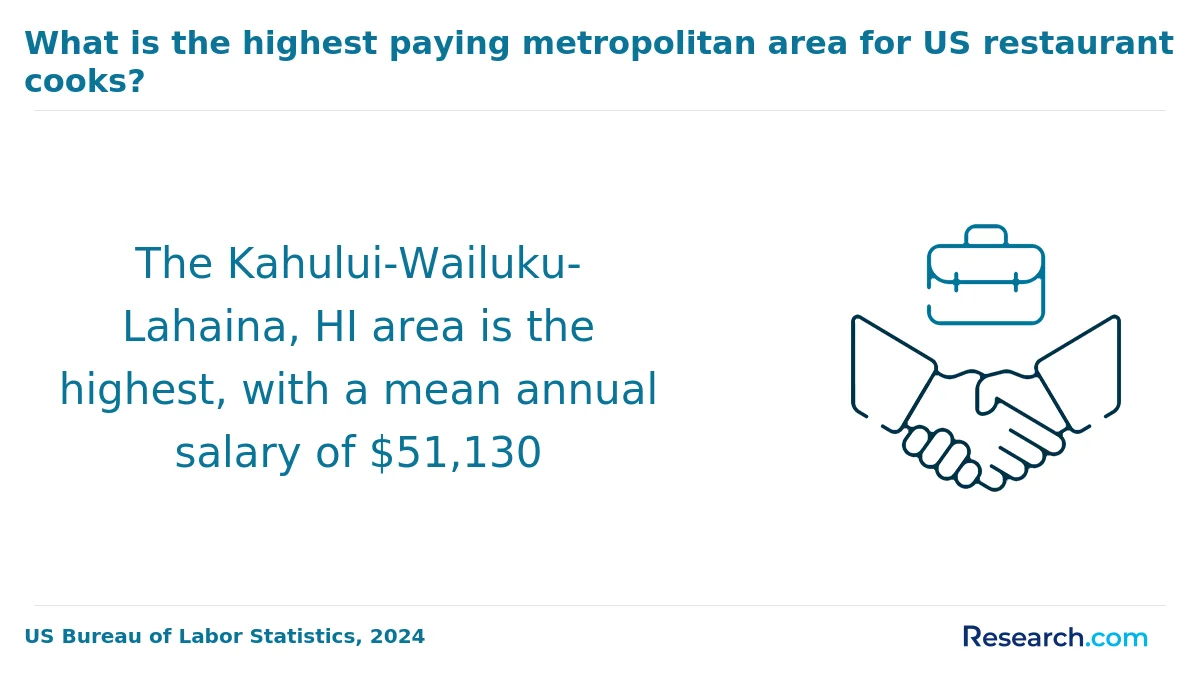
With experience and a dash of savvy, salaries climb swiftly. Seasoned chefs and head cooks often land near the $61,000 mark, reflecting the blend of craftsmanship and leadership they bring. Some alumni who parlay their knowledge into executive chef roles or management positions report earnings nudging $80,000, particularly in culinary hubs like New York or Los Angeles where food scenes are fierce and vibrant.
Imagine a graduate who balances culinary innovation with entrepreneurial spirit-opening a boutique catering service or restaurant. Their income might fluctuate, but possibilities for financial success expand far beyond the conventional kitchen brigade, fueled by the versatile foundation an online culinary arts degree provides.
2027 Fastest Online Bachelor's in Culinary Arts Degree Programs Ranking in the USA
How do we rank schools?
Investing in your education is a significant decision that can shape your future, and the Research.com team understands the importance of making informed choices. To assist prospective students, we have meticulously crafted the "2027 Fastest Online Bachelor's in Culinary Arts Degree Programs Ranking in the USA." Our commitment to quality, credibility, and accuracy is reflected in the extensive research and analysis conducted to compile this ranking.
We utilized the following reputable data sources to ensure a comprehensive evaluation of culinary arts programs:
By exploring this ranking, readers will gain valuable insights into the fastest online culinary arts degree programs, empowering them to make well-informed decisions about their education and career. For more details on our methodology, please visit our Research.com methodology page.
# 1 position
The University of Alabama
Bachelor of Human Environmental Sciences, Restaurant and Hospitality Management (Restaurant, Hotel, and Meetings Management)

# 2 position
Arizona State University Campus Immersion
Bachelor of Business - Food Industry Management


Key Findings
- Online culinary arts degrees typically range from associate to bachelor's levels, with bachelor's programs requiring about 120 credit hours and lasting four years.
- Tuition for a bachelor's culinary arts degree generally costs between $15,000 and $40,000, excluding supplies and optional exam fees.
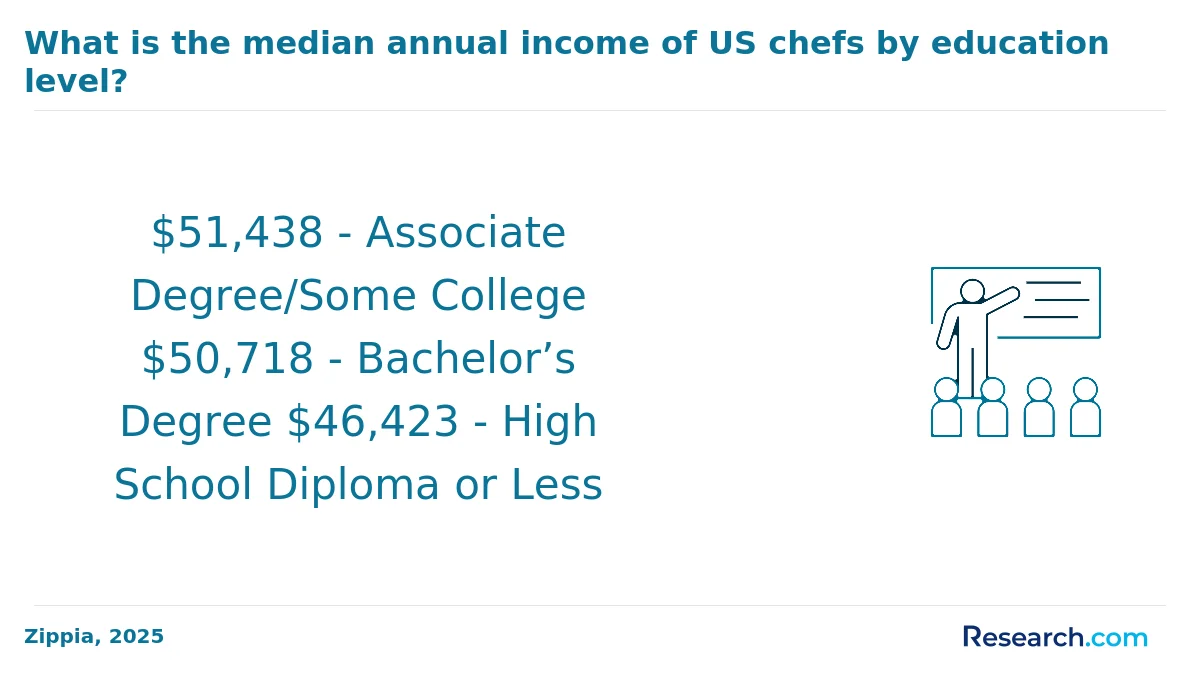
- Graduates usually earn between $30,000 and $40,000 annually early in their careers, with salaries rising to $50,000-$60,000 with experience and management roles.
- Employment for chefs and head cooks is projected to grow by 12% from 2022 to 2032, faster than the average for all occupations.
- Accreditation from bodies like ACFEF and ACCSC is important to ensure program quality and job readiness.
- Hands-on experience through externships or in-person labs is required in many programs despite the online coursework.
How long does it take to complete online culinary arts degree in America?
Imagine diving into the world of flavors from your kitchen while clocking around two years for an associate's degree at a community college like the Art Institutes or Le Cordon Bleu. Graduates often share how the flexibility of online classes helped them balance family dinners and late-night study sessions seamlessly.
Then there are the adventurous souls pursuing a bachelor's degree at institutions resembling Johnson & Wales or the Culinary Institute of America online, spending closer to four years mastering not only knife skills but also the art of hospitality management and nutrition. Some even accelerate their journey, squeezing three intense years of learning between shifts at their favorite restaurants.
Part-time enrollment turns the clock slower, allowing students juggling life's busy ingredients to savor each lesson at their own pace. Think of it as simmering a complex sauce - it takes time, care, and patience but yields rich rewards.
What's the difference between online and on-campus culinary arts degree?
Imagine stepping into a bustling kitchen at the Culinary Institute of America, surrounded by the hum of sizzling pans and the sharp clatter of knives-this is the heartbeat of on-campus culinary education. Graduates recall the thrill of mastering knife skills under the watchful eye of chefs, where every dish created carries the scent of direct mentorship and commercial-grade ovens. The hands-on pulse here is undeniable, as tactile learning shapes confidence and craftsmanship.
Now picture the same passionate student juggling a full-time job in Chicago, accessing Le Cordon Bleu's online culinary program at midnight. Video demos, digital recipes, and virtual lectures fill their screen, while local internships bridge the gap between theory and practice. Flexibility transforms their kitchen into a canvas, valuable when childcare or commuting threatens traditional classroom hours.
Online programs in America often ease financial strain-skipping costs like housing and travel-but still demand grit to carve skills from pixels and practice. For many, the choice becomes a dance between immersive sensory experience and adaptable innovation, each path flavored with unique possibilities on the culinary journey.
What is the average cost of online culinary arts degree in America?
The average cost of an online culinary arts degree in America hovers near $51,720, a figure that might initially raise eyebrows but quickly gains favor when you consider all the layers involved-from tuition to tech fees and specialized lab experiences. Graduates from well-known culinary schools in the US often share stories of balancing expenses with passion, investing not just money but heart into their craft. Many found that the total tuition and fees for online culinary arts programs USA reflect a tailored educational journey, where quality ingredients for learning don't come cheap but are well worth the flavor they add to career prospects.
Imagine the student at a popular public university tackling 120-130 credit hours online, each credit costing anywhere between $300 and $750. The financial recipe may look complex, but seasoned students know how to blend scholarships, federal aid, and budgeting to craft an affordable education. Community colleges sweeten the deal for those seeking associate degrees or certificates, often charging $4,000 to $15,000, but bachelor's degrees at top-tier programs demand a more substantial investment. This dynamic is echoed by graduates who choose online study for the flexibility it grants them to stir their personal and professional lives while learning from home.
For those curious about the best institutions to consider, exploring popular restaurant management schools can uncover schools that combine reputation with financial support, helping students manage the typical cost of online culinary arts degree in the USA without sacrificing quality or opportunities.
What financial aid is available to online culinary arts degree students in America?
Imagine unlocking your culinary dreams at a top-tier online program like the Culinary Institute of America or Johnson & Wales University without drowning in debt. Many graduates fondly recall their FAFSA journey-the golden key that opened doors to Pell Grants, covering up to $7,395 for the 2023-2024 year, sparing them from loan stress.
State grants often feel like surprise seasoning; a pinch here, a dash there, cutting costs for in-state online students. One graduate from a public university remembers how their state's scholarship program flavored their education with extra funds, making quality culinary training within reach.
Then come the institutional scholarships, like secret ingredients curated by schools to reward talent and passion. Imagine receiving funds fueled by partnerships with esteemed culinary associations, a nod to your dedication that boosts your wallet and confidence alike.
Private scholarships from bodies such as the American Culinary Federation sprinkle additional hope, sometimes tens of thousands strong, easing the crunch for emerging chefs. Veterans tap into the GI Bill, transforming service into culinary opportunity, blending honor with education.
What are the prerequisites for enrolling in online culinary arts degree program in America?
To weave your culinary dreams into reality at some of America's beloved culinary hubs-imagine logging in from your kitchen, ready to stir, chop, and sauté-first, you'll need a high school diploma or its adventurous cousin, the GED. Think of this as your passport to the gastronomic world, a foundation many graduates from prestigious programs across the country remember fondly.
Picture a graduate from a top California culinary college reminiscing about submitting transcripts that revealed early passions and growth, proving that prior learning fuels future flavors. While some universities welcome seasoned kitchen veterans, others embrace beginners eager to ignite their first fire; a pinch of prior culinary experience or vocational training often spices up applications but isn't always mandatory.
Standardized test scores or heartfelt letters grant admissions committees a glimpse into your zeal-those personal statements brim with the aroma of ambition. On the technical front, reliable internet and a savvy digital palate keep you connected to live demos and virtual tastings, ensuring no recipe or instruction gets left to chance.
- High school diploma or GED
- Transcripts from prior educational institutions
- Prior culinary experience or vocational training (preferred but not always required)
- Standardized test scores, letters of recommendation, or personal statements (varies by school)
- Reliable internet access and basic computer skills
What courses are typically in online culinary arts degree programs in America?
Imagine logging into your virtual classroom at a top American culinary school and diving straight into courses like Introduction to Culinary Arts, where you master kitchen safety while slicing through the basics of cooking methods and sanitation-almost like wielding a chef's knife with newfound confidence. Graduates often recall how these foundational lessons felt like unlocking the secret recipe to every successful kitchen.
Then there's Food Preparation Techniques, a course where students nationwide sharpen knife skills and perfect recipes, turning scattered ingredients into artful dishes, even as they juggle daily life. Meanwhile, Nutrition and Food Science invites you to experiment with flavors and diets, making every meal not just tasty but nourishing.
At renowned schools like Johnson & Wales University or the Culinary Institute of America, graduates rave about the courses that go beyond flavors-like Restaurant Management and Menu Planning and Cost Control-essential for those envisioning leadership roles. Virtual simulations make budgeting and marketing exercises feel like real-world trials, leaving students excited for their future kitchen domains.
What types of specializations are available in online culinary arts degree programs in America?
Imagine diving into an online culinary arts degree in America where you're not just mixing ingredients, but blending passions into specialized crafts. Graduates from popular colleges often rave about their paths-some find their zest in Culinary Management, leading bustling kitchens or shaping menus with savvy business sense. Others get swept away by the delicate art of Pastry and Baking Arts, mastering soufflés and croissants in virtual classrooms while dreaming of bakery counters filled with warmth and sweetness. One alum described how the Nutrition and Dietetics focus transformed their approach, crafting meals that nourish both body and soul, perfect for wellness-oriented dining in hospitals or schools.
For those chasing global flavors, specializations in Global Cuisine bring distant aromas into American homes, inspired by stories from multicultural food havens. If you're curious about which paths align with you, exploring online culinary arts specializations in the USA empowers you to tailor your journey. Many students reference the detailed culinary degree requirements to navigate these vibrant options with confidence.
Whether stirring a recipe of rich tradition or innovation, American online culinary degree concentration options invite you to craft a career as flavorful and unique as your favorite dish.
How do you choose the best online culinary arts degree in America?
Choosing the best online culinary arts degree in America means diving beyond flashy websites and glossy course titles. Imagine a graduate from a well-known culinary college in New York, who credits their program's real-life virtual labs and local kitchen partnerships for transforming their skills from theory to artistry. Accreditation matters hugely-look for credentials from the Accrediting Commission of Career Schools and Colleges or respected regional bodies, ensuring your degree holds weight in the culinary world. Cost plays its part too, with programs varying widely, so focusing on affordable online culinary arts degrees in America can save you from financial indigestion while still delivering rich content.
Remember graduates who speak warmly about programs offering career advising and support that felt like a mentor's steady hand. These services can turn the lonely online grind into an engaging community experience. And if certifications like ServSafe come in the mix, you're not just learning to cook-you're preparing to ace the professional world.
For those curious about easing into culinary education, exploring the easiest associates degree to get online might spark ideas for your perfect path.
What career paths are available for online culinary arts degree students in America?
Graduates with an online culinary arts degree in America find themselves at a vibrant crossroads of opportunities, from commanding the heat in Michelin-ready kitchens to orchestrating seamless food service operations. Whether crafting avant-garde desserts or managing bustling hotel restaurants, these alumni-often from renowned schools like the Culinary Institute of America or Johnson & Wales University-immerse themselves in roles that marry creativity and leadership. Picture a sous chef in New York elegantly balancing ingredient budgets while mentoring a new crew, or a graduate stepping into the spotlight as a catering director transforming event visions into unforgettable feasts. The appeal of online culinary arts careers in the USA extends beyond traditional pathways, too; some graduates channel their skills into dynamic food styling and photography, crafting visual feasts for magazines and social media.easiest trade certifications that pay well also inspire entrepreneurs launching ventures, from gourmet food trucks to niche bakeries, proving that this versatile degree fuels dreams as diverse as America's food scene itself.
The journey doesn't stop there: graduates often branch into nutrition consulting or recipe innovation, blending culinary art with science to meet modern wellness trends. These career opportunities for culinary arts degree in America paint a vibrant, evolving landscape where passion meets professional promise, guiding students from online classrooms into the heart of the nation's thriving food industry.
What is the job market for online culinary arts degree in America?
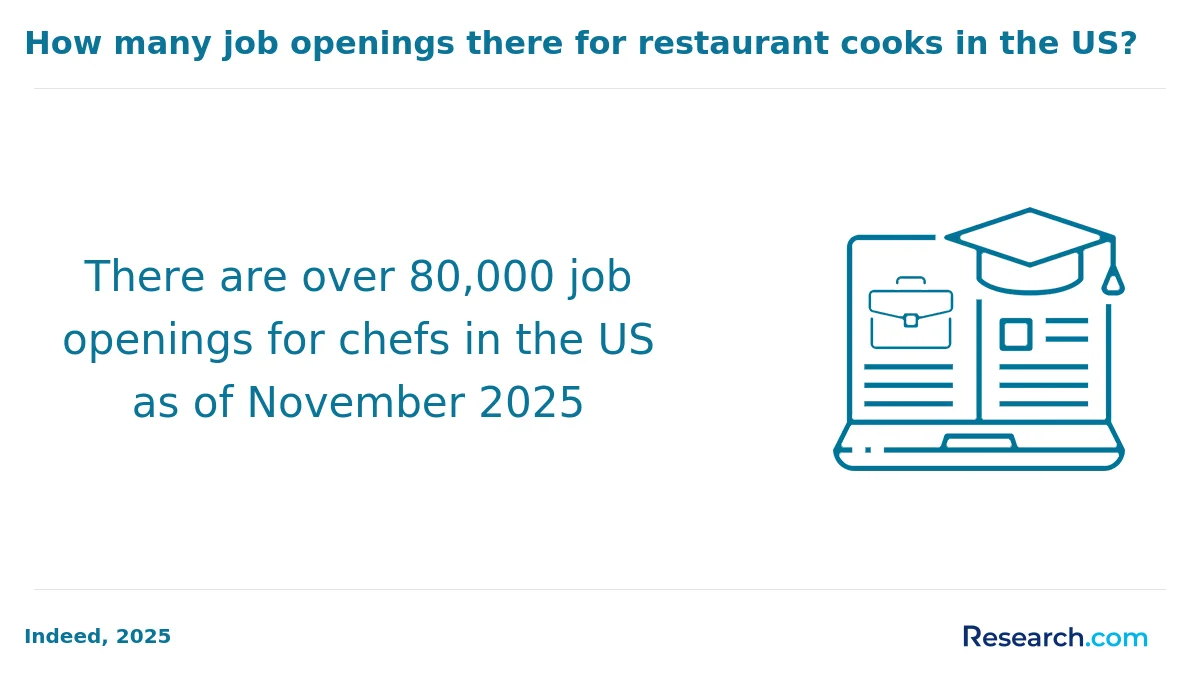
In America, the online culinary arts job market offers a vibrant landscape teeming with possibility. Graduates from well-known programs at popular colleges find themselves stepping into kitchens-from bustling urban restaurants to luxury hotel chains-armed with both the creative flair and technical skills they've honed remotely. Many have shared stories of launching catering startups or climbing swiftly to chef and head cook roles, fuelled by the steady 17% growth projected by the BLS. The flexibility of earning an online culinary arts degree means students can juggle hands-on internships in local eateries while mastering nutrition and menu planning on their own time, a combo that hiring managers eagerly seek.
For those exploring affordable options, the journey often begins with a savvy choice: checking curated resources like the list of most affordable associate degrees online, which helps pave the way without breaking the bank. The culinary arts degree career prospects America-wide involve diverse paths-pastry chefs, kitchen managers, and food service directors all find a place. This evolving field embraces adaptability, blending traditional skills with innovative techniques to ride the wave of today's dynamic food industry.
Frequently Asked Questions About culinary arts
Online culinary arts degree students in America can maximize their learning experience by actively engaging with both theoretical and practical components of their curriculum. According to the American Culinary Federation (ACF), hands-on practice is essential, so students should seek opportunities to practice skills in their own kitchens or local kitchens when possible. Utilizing virtual kitchens and simulation tools provided by many accredited programs enhances this experience. Time management is also key, as online programs often offer flexible schedules but require discipline. Joining online forums and professional groups provides networking that mimics in-person collaboration, vital in the culinary industry.
Students should also take advantage of internships or externships recommended by their schools, which provide real-world experience and help build industry connections. The U.S. Bureau of Labor Statistics stresses that work experience greatly boosts employability for chefs and head cooks. Finally, staying updated on evolving food trends and safety regulations through resources like the National Restaurant Association ensures students remain competitive in the market. Consistent application of skills learned online combined with real-world exposure is crucial for success.
The culinary arts field is diversifying rapidly, with several emerging niches gaining popularity in the United States. One notable area is plant-based culinary expertise, driven by a 27% growth in consumer demand for vegetarian and vegan foods between 2019 and 2023, according to the Plant Based Foods Association. Additionally, sustainability-focused chefs are becoming vital in reducing food waste and promoting locally sourced ingredients, reflecting growing environmental concerns.
Another emerging specialization is molecular gastronomy, where science meets cooking to create innovative textures and flavors. Furthermore, culinary professionals skilled in nutrition and dietetics are in higher demand as consumers seek healthier meal options. These niches offer promising career paths for students pursuing online culinary arts degrees.
After completing an online culinary arts degree in America, it's essential to build a strong professional network. Joining organizations like the American Culinary Federation can provide mentorship and job leads. Gaining real-world experience through internships or entry-level roles enhances practical skills and employability. According to the U.S. Bureau of Labor Statistics, culinary jobs are expected to grow 17% from 2022 to 2032, making preparation vital.
Certifications such as ServSafe food handler and management can improve job prospects. Showcasing a digital portfolio with cooking videos or recipes helps demonstrate your skills to potential employers. Developing communication and management skills is also crucial for advancing in this competitive field.
Employers in the U.S. culinary industry prioritize a combination of practical skills and professional qualities in graduates with online culinary arts degrees. Technical expertise remains essential, including knife skills, cooking techniques, and knowledge of food safety standards such as ServSafe certification. According to the National Restaurant Association, 85% of employers highly value knowledge of industry-standard sanitation practices.
Beyond cooking, strong communication and teamwork skills are critical. Graduates must collaborate effectively in fast-paced kitchen environments and interact professionally with staff and customers. Additionally, creativity and menu development abilities are often sought to help restaurants innovate and attract customers.
Time management and adaptability also top the list of desired skills, as kitchens demand efficiency and the ability to handle changing circumstances. A 2023 survey by the American Culinary Federation found that employers increasingly appreciate candidates who combine culinary proficiency with leadership potential and business understanding.
Finding internships in America relevant to a culinary arts degree involves leveraging multiple resources. Students should begin by exploring their online program's career services, which often have partnerships with restaurants and hospitality businesses. According to the National Restaurant Association, the culinary industry offers over 15 million jobs nationwide, making internships widely available but competitive.
Networking through professional organizations like the American Culinary Federation can connect students with internship opportunities. Additionally, platforms such as Culinary Agents and Poached Jobs specialize in culinary internships and entry-level positions.
Students should also attend local food industry events and job fairs to meet potential employers face-to-face. Applying early and tailoring resumes to highlight relevant skills increases chances of securing a placement.
Many states require temporary work permits for unpaid internships, so understanding local regulations is essential. Overall, persistence and proactive outreach remain key strategies.
An online culinary arts degree in America can significantly enhance career mobility and advancement by providing foundational culinary skills combined with management and business knowledge. According to the American Culinary Federation, professionals with formal education often experience faster promotions and higher salaries compared to those who rely solely on apprenticeship or experience.
Many programs offer flexible learning that allows students to balance work and studies, accelerating career growth. Graduates tend to qualify for roles such as executive chefs, restaurant managers, or food service directors, which typically require a degree. The U.S. Bureau of Labor Statistics notes that culinary managers earn a median annual wage of approximately $59,000, reflecting the value of advanced credentials.
Furthermore, accredited online degrees are increasingly respected by employers nationwide, expanding job opportunities beyond local markets and fostering upward mobility within the culinary industry.
Studying for a culinary arts degree in America equips students with skills beyond cooking, fostering interdisciplinary expertise. Programs often combine courses in nutrition, business management, and hospitality, reflecting the diverse demands of today's food industry. According to the American Culinary Federation, 70% of culinary professionals hold roles requiring knowledge in areas such as food science, marketing, and sustainability.
Online degrees encourage adaptability by integrating technology skills, including inventory systems and digital menu design. This prepares graduates for roles that intersect culinary arts with administration and customer service. Additionally, understanding cultural diversity and dietary trends further broadens career opportunities in food innovation and health-focused culinary sectors.
When choosing between a thesis and a non-thesis online culinary arts degree in America, consider your career goals and learning style. A thesis program requires original research and a written project, ideal for students interested in culinary innovation or further academic study. Non-thesis programs focus more on practical skills and coursework, suited for those aiming to enter the foodservice industry quickly.
According to the National Center for Education Statistics, about 30% of online culinary programs offer thesis options. Many institutions emphasize hands-on experiences in non-thesis tracks, which align with industry demands documented by the Bureau of Labor Statistics projecting 11% job growth in culinary fields through 2032.
Additionally, thesis paths may extend program length by several months, so weigh your timeline carefully. Research school curriculum and faculty expertise to ensure the option you pick matches your ambitions.
American students interested in studying culinary arts abroad while pursuing an online degree have diverse options. Several U.S. institutions partner with international culinary schools or offer hybrid programs that allow remote coursework combined with short-term study abroad experiences.
Schools accredited by the American Culinary Federation Education Foundation (ACFEF) often include global components. According to the National Restaurant Association, 60% of culinary programs encourage international internships, enhancing cultural skills valuable in this field.
Students may also explore certificate programs recognized internationally or leverage exchange agreements between U.S. colleges and abroad culinary institutes. These options provide hands-on experience overseas without fully relocating.
Part-time jobs in America that complement an online culinary arts degree often include roles such as line cook, kitchen assistant, or prep cook. These positions allow students to apply their learning while gaining hands-on experience in professional kitchens. According to the Bureau of Labor Statistics, cooks and food preparation workers typically earn median hourly wages around $13-$15, which supports students financially during their studies.
Other opportunities include working as food delivery drivers or catering assistants, roles that enhance understanding of food service logistics. Some students also find part-time work in bakery or café settings, which align well with specific culinary skills. These jobs foster time management and customer service abilities crucial for culinary careers.
Online culinary arts students in America have growing access to valuable networking opportunities despite physical distance. Many programs partner with industry organizations such as the American Culinary Federation (ACF), which offers virtual events, certification resources, and local chapter connections nationwide.
Students often engage through online forums, live workshops, and social media groups dedicated to culinary professionals. These platforms enable peer collaboration and mentorship from seasoned chefs.
Additionally, some schools facilitate externships and internships at affiliated restaurants and hospitality businesses, providing real-world experience and expanding professional networks.
According to the National Restaurant Association, 60% of culinary graduates find employment through contacts made during education, underscoring networking's role in career growth.
Alumni networks play a crucial role in supporting students pursuing online culinary arts degrees in America. These networks connect graduates and current students, fostering mentorship and professional guidance. According to the National Restaurant Association, 78% of culinary professionals find job opportunities through networking, highlighting the importance of these connections.
Strong alumni networks offer access to industry events, internships, and job openings not always publicly advertised. They also provide insights into culinary trends and best practices from experienced chefs and restaurateurs.
For online students, alumni networks create a sense of community that compensates for the lack of on-campus interactions, helping graduates build lasting relationships essential for career advancement.
Customizing an online culinary arts degree program in America allows students to align their education with specific career goals. Many accredited programs offer elective courses that focus on areas such as nutrition, hospitality management, or pastry arts. Students can also choose internships or externships to gain practical experience in particular culinary environments. According to the American Culinary Federation, specialized skills can improve job prospects and salary potential, which averaged around $52,000 annually in 2023. Additionally, some schools enable learners to tailor projects or research within their coursework to fit interests like sustainable cooking or food entrepreneurship.
Online culinary arts students in America often face unique challenges related to the practical nature of their field. Unlike traditional programs, many online courses struggle to provide hands-on cooking experience, which is essential for skill development. According to the American Culinary Federation, practical training is a crucial component that many online students find difficult to access.
Additionally, limited access to professional kitchen equipment at home can hinder learning. Students may also experience challenges with networking and mentorship, which are common benefits of in-person culinary programs. Furthermore, balancing coursework with work or family obligations remains a significant hurdle, as time management is critical in accelerated online degrees.
Technical issues and inconsistent internet access can disrupt learning, particularly when attending live demonstrations or workshops. Financial constraints and the need for accredited programs also influence student decisions, as the U.S. Department of Education stresses the importance of recognized credentials for career advancement.
Graduates with an online culinary arts degree in the United States can pursue several professional certifications to enhance their careers. One widely recognized credential is the Certified Culinarian (CC) offered by the American Culinary Federation (ACF). This certification validates foundational cooking skills and culinary knowledge.
More experienced professionals may work towards the Certified Chef de Cuisine (CCC) or Certified Executive Chef (CEC) credentials, which require demonstrated culinary ability and management experience. These certifications can improve job prospects and potential earnings in restaurants, hotels, and catering businesses.
Additionally, certifications in food safety, such as ServSafe Manager Certification, are highly recommended and often required by employers to ensure compliance with health regulations. According to ACF, certified chefs tend to have higher salaries and increased opportunities for advancement in the competitive U.S. culinary industry.
To write a winning application for an online culinary arts program in America, start by clearly demonstrating your passion for the culinary field. Highlight any relevant experience, such as kitchen work, internships, or food-related projects. Many programs appreciate applicants who show practical skills alongside academic readiness. According to the American Culinary Federation, employers value hands-on experience combined with formal education.
Emphasize your motivation for choosing online study, explaining how it fits your career goals and lifestyle. Strong letters of recommendation from chefs or instructors can boost your application.
Include your academic history, particularly coursework or certifications related to culinary arts. Finally, proofread carefully to ensure clarity and professionalism.
The global perspective on culinary arts careers highlights significant growth and diverse opportunities. In America, the U.S. Bureau of Labor Statistics (BLS) projects a 6% employment growth for chefs and head cooks from 2022 to 2032, faster than the average for all occupations. Online culinary arts degrees prepare students for both domestic and international culinary markets by emphasizing adaptable skills.
Worldwide, culinary professionals are increasingly valued for innovation and sustainability. American programs often integrate global cuisine knowledge, responding to diverse consumer tastes.
According to the National Restaurant Association, the U.S. restaurant industry employs over 15 million people, supporting a strong job market for graduates. This reflects a robust demand aligning with global culinary trends and career prospects.
Gaining practical experience while pursuing an online culinary arts degree in America is essential for skill development. Many programs encourage students to complete internships or externships in restaurants, hotels, or catering companies. These hands-on experiences allow learners to apply theory in real kitchen environments.
Additionally, some schools offer hybrid models with short-term on-campus residencies, providing direct access to professional kitchens. According to the American Culinary Federation, 75% of chefs recommend internships to build networking and career-ready skills.
Students can also practice by volunteering or working part-time in food service to supplement their online studies.
Choosing the right concentration within an online culinary arts degree in America depends on your career goals and interests. Common specializations include culinary management, baking and pastry arts, nutrition, and food science. According to the National Restaurant Association, management skills are highly sought after, as about 77% of restaurant operators planned to increase management hires in recent years.
Consider programs accredited by the American Culinary Federation Education Foundation Accrediting Commission (ACF EF), as these meet industry standards. Research the curriculum to match your preferred area, whether hands-on pastry techniques or sustainable food practices.
Also, look into internship or externship opportunities, since practical experience is essential to complement online learning.
Top Trending Culinary Arts Rankings
References
- How Long is Culinary School? The Answer Depends on These 3 Things https://www.ice.edu/blog/how-long-is-culinary-school
- Study culinary arts abroad: where to learn from the best https://www.ecoleducasse.com/en/blog/study-culinary-arts-abroad
- How Long Is Culinary School? Time & Cost Breakdown | CIA https://www.ciachef.edu/blog/how-long-is-culinary-school/
- Great Jobs For A Culinary Arts Graduate https://www.escoffieronline.com/great-jobs-for-a-culinary-arts-graduate/
- Adam Dolge's Culinary School Journey https://www.thecookscook.com/article/inside-culinary-school-three-essays-on-what-its-really-like/
- How To Get Student Loans for Culinary School in 2026 https://www.credible.com/student-loans/student-loans-for-culinary-school
- Culinary Internships Abroad | Students & Grads https://www.internhq.com/fields/culinary/
- Gastronomy And Culinary Arts (Master's Degree) (Without Thesis) https://www.istinye.edu.tr/en/postgraduate/programs/gastronomy-and-culinary-arts-masters-degree-without-thesis
- What Is Culinary Arts? Definition, Skills, Careers https://oicphila.org/what-is-culinary-arts/
- Can Culinary Arts Graduates Work Abroad? Global Career Opportunities Explained https://www.ssca.edu.in/culinary-arts-international-career-opportunities