2027 Best Online Bachelor's in Culinary Arts Degree Programs Ranking in the USA

Co-Founder and Chief Data Scientist
Choosing the right culinary arts degree can be exciting but overwhelming. This article presents the 2027 Best Online Bachelor's in Culinary Arts Degree Programs Ranking in the USA, developed by the Research.com team of data scientists to guide students in making well-informed decisions.
Discover programs that combine quality education with flexibility, helping you pursue your passion at your own pace. A culinary arts degree opens doors to creative careers and personal growth, making your dream of working in the culinary world achievable and rewarding.
Key benefits of getting online culinary arts degree in America
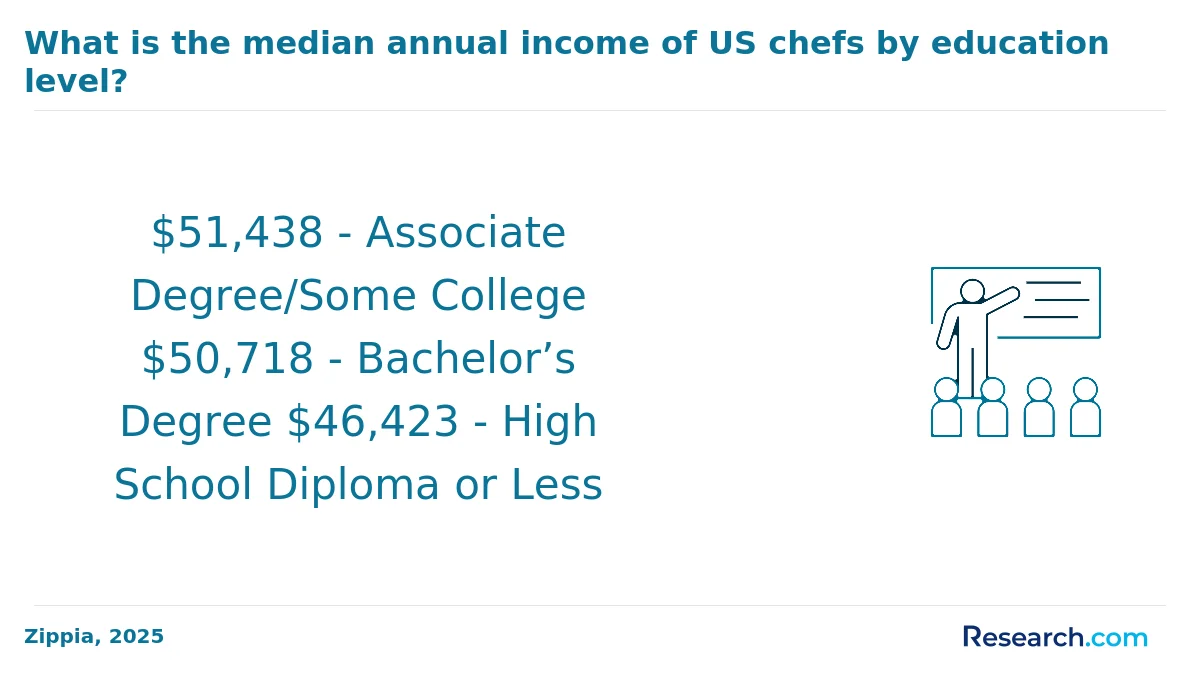
- Culinary arts graduates often pursue careers as chefs or kitchen managers, with average salaries around $48,000 to $55,000 per year, offering a rewarding and stable income.
- Graduates from well-known programs like the Culinary Institute of America enjoy diverse career paths, including roles in restaurants, catering, food styling, and hospitality management, providing exciting and varied opportunities.
- Online culinary degrees, such as those from Johnson & Wales University, allow flexible learning schedules and lower costs, making it easier to balance work, life, and study while gaining valuable culinary skills.
- Key benefits of getting online culinary arts degree in America
- What can I expect from online culinary arts degree in America?
- Where can I work with online culinary arts degree in America?
- How much can I make with online culinary arts degree in America?
- 2027 Best Online Bachelor's in Culinary Arts Degree Programs Ranking in the USA
- Key Findings
- How long does it take to complete online culinary arts degree in America?
- What's the difference between online and on-campus culinary arts degree?
- What is the average cost of online culinary arts degree in America?
- What financial aid is available to online culinary arts degree students in America?
- What are the prerequisites for enrolling in online culinary arts degree program in America?
- What courses are typically in online culinary arts degree programs in America?
- What types of specializations are available in online culinary arts degree programs in America?
- How do you choose the best online culinary arts degree in America?
- What career paths are available for online culinary arts degree students in America?
- What is the job market for online culinary arts degree in America?
- Top Trending Culinary Arts Rankings
What can I expect from online culinary arts degree in America?
The average cost of an online culinary arts degree in America varies widely, generally ranging from $5,000 to over $20,000 per year. Graduates from well-known culinary programs at respected institutions often recount balancing tuition expenses with the value of flexible learning schedules, which let them work while studying. For example, students at popular colleges appreciate how financial aid options helped ease the burden, enabling them to focus on mastering essential skills without overwhelming debt.
Many find the investment worthwhile, considering the blend of theory and practical training offered through video demonstrations and virtual simulations. Such programs acknowledge the importance of hands-on experience, even in a remote setting, often supplementing online coursework with optional residencies or internships in real kitchens.
Graduates frequently express satisfaction with how these degrees prepared them for diverse careers-from restaurant chefs to culinary entrepreneurs-making the financial commitment a positive step toward a rewarding future in the American foodservice industry.
Where can I work with online culinary arts degree in America?
Graduates of online culinary arts programs from respected institutions like the Culinary Institute of America or Johnson & Wales University often find themselves thriving in dynamic restaurant environments across America. Many begin their careers as chefs or sous chefs, building skills in bustling kitchens where passion meets precision. The sense of accomplishment these graduates describe-crafting dishes that bring joy to others-is a common thread in their stories.
Others take pride in advancing within hotels or resorts, managing kitchen teams and designing menus that elevate guest experiences. This path offers not only creative fulfillment but also financial stability and leadership opportunities, as many graduates mention feeling valued in these roles.
Some graduates choose catering firms or corporate dining services, where they orchestrate large-scale events or ensure high-quality daily meals. They often describe the rewarding challenge of balancing logistics with culinary artistry in these fast-paced settings.
Additionally, food product development and consulting open doors for creative problem-solving beyond the kitchen, tapping into knowledge gained through their online curriculum. Many find joy in crafting new recipes or guiding businesses to culinary innovation, demonstrating the versatile nature of their degrees.
How much can I make with online culinary arts degree in America?
Graduates with an online culinary arts degree in America often find their earnings vary based on factors like experience, location, and role. While specific salary data isn't always available, many report starting in entry-level positions such as line cooks, earning between $30,000 and $35,000 annually. This aligns closely with the common experience of culinary graduates from popular schools like the Culinary Institute of America or Johnson & Wales University, who begin their careers building hands-on skills in bustling kitchens.
As graduates gain experience and leadership skills-often enhanced by the management and nutrition courses included in their online degrees-they tend to move into higher-paying roles like sous chefs or head cooks. In metropolitan areas such as New York or California, salaries can rise notably, with chefs earning median salaries near $70,000 per year. Many graduates express excitement at progressing into specialized or managerial positions, where incomes between $50,000 and $80,000 become typical early in their careers.
The real growth in earning potential comes with experience, certifications, and business knowledge gained alongside the degree. Graduates recall that the blend of formal education and real-world kitchen challenges creates a rewarding journey, opening doors to executive chef roles or their own culinary ventures, where six-figure salaries become achievable.
2027 Best Online Bachelor's in Culinary Arts Degree Programs Ranking in the USA
How do we rank schools?
Investing in your education is a significant decision that can shape your future, and the Research.com team understands the importance of making informed choices. To assist prospective students, we have meticulously developed the "2027 Best Online Bachelor's in Culinary Arts Degree Programs Ranking in the USA." Our dedication to quality, credibility, and accuracy is reflected in the thorough research and data analysis undertaken to compile this ranking.
We utilized the following reputable data sources to ensure a comprehensive evaluation of culinary arts programs:
By exploring this ranking, readers will gain valuable insights into the best online bachelor's culinary arts programs available in the USA, enabling them to make informed decisions that align with their career and educational goals. For more details about our process, please visit our Research.com methodology page.
# 1 position
The University of Alabama
Bachelor of Human Environmental Sciences, Restaurant and Hospitality Management (Restaurant, Hotel, and Meetings Management)

# 2 position
Arizona State University Campus Immersion
Bachelor of Business - Food Industry Management


Key Findings
- Online culinary arts degrees in the U.S. range from associate to bachelor's level, with bachelor's programs typically requiring around 120 credit hours.
- Tuition costs for a bachelor's degree generally range from $15,000 to $40,000, with public universities offering lower rates for in-state students.
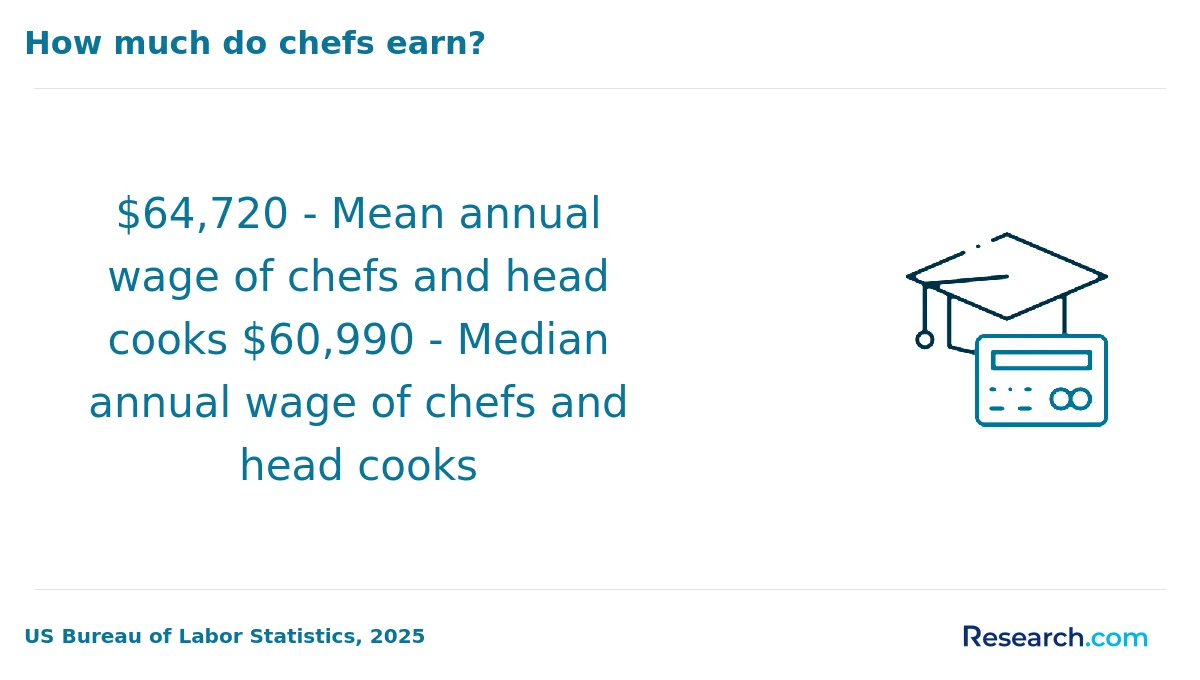
- Entry-level salaries for culinary arts graduates start between $30,000 and $38,000 annually, while median wages for chefs and head cooks are about $53,000 per year.
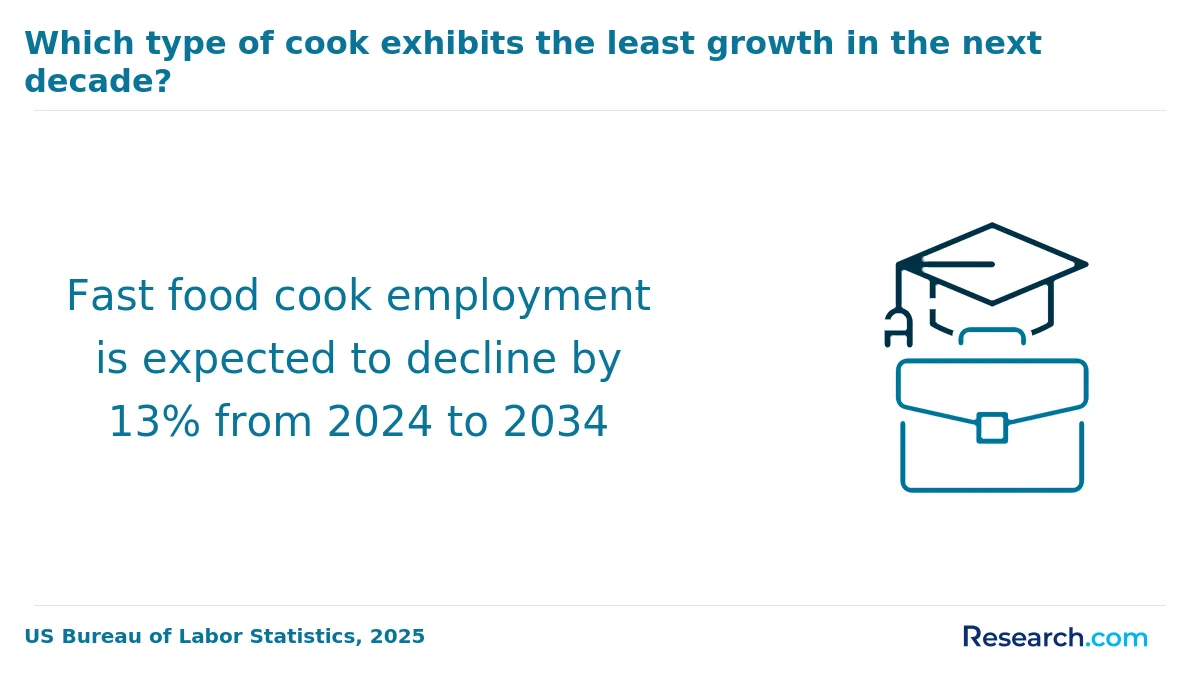
- The culinary job market is expected to grow by about 6% over the next decade, consistent with average occupational growth.
- Accreditation from agencies like ACFEFAC is important to ensure quality education and better job prospects in culinary careers.
How long does it take to complete online culinary arts degree in America?
Associate degrees or certificates can take considerably less time-usually between 18 months and two years-offering a faster route into culinary careers. Many students appreciate this flexibility at colleges such as Le Cordon Bleu, where part-time study options allow them to work or manage family commitments alongside coursework.
Graduates frequently emphasize the value of credit transfer and accelerated courses, which some schools provide, enabling a reduction in overall program length. Real-world internships coordinated locally complement online learning, grounding students in hands-on skills and fostering confidence as they move toward professional kitchens.
What's the difference between online and on-campus culinary arts degree?
The core difference between online and on-campus culinary arts degrees in America lies in how students engage with their craft. Graduates from on-campus programs at schools like Johnson & Wales University often share how the hands-on kitchen time, surrounded by professional equipment and mentors, was invaluable for building confidence with knives and recipes. This immersive environment fosters immediate feedback, which many find essential for mastering cooking techniques.
Conversely, those pursuing online degrees, such as from the Culinary Institute of America's remote options, emphasize flexibility. They appreciate balancing study with jobs or family, diving deep into culinary theory, management, and food science through videos and interactive lessons. However, they often recount arranging local internships to gain real-world experience, requiring initiative and careful planning.
Both paths demand commitment, but online students particularly value the chance to learn at their own pace, even if that means missing the energetic camaraderie of an on-campus kitchen. Choosing between the two depends on how you weigh the joy of physical presence against the freedom of remote study.
What is the average cost of online culinary arts degree in America?
The average cost of an online culinary arts degree in America typically centers around $51,720 in total tuition, reflecting a meaningful investment for many prospective students. Graduates from well-known culinary colleges often share how understanding these costs early helped them plan effectively, balancing both immediate expenses and long-term value. For example, a student attending a prominent university known for its culinary program might find that the costs extend beyond tuition to include materials and specialized kitchen tools required for hands-on coursework.
Community colleges and technical schools offer more affordable pathways, often appealing to students seeking shorter programs or associate degrees. These in-state options frequently provide tuition savings and flexibility, demonstrating how careful selection can reduce financial strain. Many who choose this route appreciate the balance between cost and quality, embracing the practical experience these programs provide.
When considering the 2027 online bachelor's culinary arts tuition fees, it's wise to factor in additional costs such as supplies and technology fees, which can range from $500 to $1,000 annually. Students report that budgeting for these items early enhances their learning experience without unexpected interruptions. Many programs also qualify for federal student aid, scholarships, and Pell Grants, making education more accessible.
Those looking to enter the culinary field should also explore financial assistance options and consider their career goals carefully. Success stories often highlight not only skills gained but a strong sense of accomplishment and enthusiasm for their future in the kitchen. To understand related career opportunities, it can be helpful to research the best trade jobs that pay well, offering insight into rewarding paths after graduation.
What financial aid is available to online culinary arts degree students in America?
When pursuing an online culinary arts degree in America, financial aid often becomes a lifeline, enabling dreams to take flight without the heavy burden of debt. Many graduates recall how completing the FAFSA opened doors to federal aid like the Pell Grant, a gift that requires no repayment and often averages around $4,800 per year. This grant can be transformative, especially for those attending renowned programs at institutions such as the Culinary Institute of America or Johnson & Wales University.
Federal student loans also play a crucial role. With manageable interest rates and annual limits between $5,500 and $7,500, these loans bridge gaps in tuition. Graduates often share how careful budgeting and responsible borrowing helped them balance loan repayment with early career earnings.
Scholarships and grants from schools are another beacon of hope. Some students find merit-based awards or need-based grants that acknowledge their passion and dedication to the culinary craft, easing financial pressures profoundly.
Veterans often feel grateful for access to the GI Bill, which can cover tuition and fees at approved culinary programs. And beyond these, private scholarships from groups like the American Culinary Federation reward leadership and community involvement, truly reflecting the spirit of the culinary world.
What are the prerequisites for enrolling in online culinary arts degree program in America?
Enrolling in an online culinary arts degree in America typically requires a high school diploma or its equivalent, such as a GED, serving as a fundamental step recognized by respected institutions like the Culinary Institute of America or Johnson & Wales University. Many graduates recall how this basic qualification unlocked the door to a transformative educational journey.
While some schools still ask for SAT or ACT scores, this is becoming less common as programs increasingly adopt test-optional policies, easing the path for passionate individuals who excel outside standardized metrics. For instance, students with hands-on kitchen experience often find their practical skills valued, sometimes shortening their study duration.
Applicants frequently enhance their admissions prospects by submitting heartfelt essays expressing their culinary passion or obtaining letters of recommendation from industry mentors. This personalized touch reflects a genuine commitment that resonates deeply with admission committees.
Financially, students prepare carefully, mindful of tuition costs ranging widely, and embrace the challenge of securing aid through FAFSA, scholarships, or grants. With reliable internet and the right kitchen setup at home, many students at American culinary schools balance study and practice in their own kitchens, blending tradition and innovation seamlessly.
What courses are typically in online culinary arts degree programs in America?
Online culinary arts degree programs in America typically feature a thoughtfully crafted curriculum that balances both practical skills and essential theory. Graduates from renowned institutions describe courses like Introduction to Culinary Fundamentals, where they first mastered knife skills and foundational cooking techniques through detailed video demonstrations. These initial lessons often spark excitement and confidence, as students imagine themselves crafting dishes in busy kitchens.
Nutrition and Food Science classes deepen understanding of how ingredients interact, while Food Safety and Sanitation courses prepare students to maintain rigorous hygiene standards-crucial knowledge for any culinary professional. Many recall how studying International Cuisine broadened their palates, opening doors to new cultures and cooking styles without leaving their homes.
Courses such as Menu Planning and Cost Control introduce real-world challenges like budgeting, which graduates appreciated for its immediate relevance to managing a kitchen's profitability. Kitchen Management and Operations further develop leadership skills, often shared by graduates who found these lessons invaluable when supervising teams in fast-paced environments.
In popular culinary programs across America, these core classes, paired with electives like Baking and Pastry Arts, create a versatile foundation. Alumni often reflect fondly on how this blend of theory and practical application made the demanding culinary world feel accessible and exciting despite the online format.
What types of specializations are available in online culinary arts degree programs in America?
Online culinary arts degree specializations in America offer a range of focused paths that align with diverse career ambitions in the food industry. Graduates from well-regarded programs at popular colleges often reflect on how choosing a specialization such as baking and pastry arts deepened their appreciation for the craft of creating delicate pastries and artisan breads. Others have praised the nutrition and food science track for expanding their understanding of healthful cooking, enabling them to innovate menus that cater to dietary needs in wellness centers or hospitals.
Those pursuing hospitality and restaurant management frequently share stories of how their leadership skills were refined alongside culinary techniques, preparing them for vibrant roles in event planning or restaurant ownership. International cuisine, embraced by many students, offers a thrilling journey through global flavors-a favorite among those seeking to bring multicultural menus to life in dynamic kitchen environments. Food entrepreneurship, meanwhile, equips ambitious learners with the tools to launch ventures ranging from food trucks to specialty product lines, supported by the hands-on experiences integrated into specialized culinary arts programs America offers.
For students navigating these choices, insights from peers highlight the connection between curriculum and real-world application, a balance well maintained by many institutions. For those exploring options beyond culinary arts, examining entry-level jobs for liberal arts majors can reveal complementary career pathways in hospitality and food service management.
How do you choose the best online culinary arts degree in America?
Choosing the best online culinary arts degree programs USA means prioritizing accredited schools that blend theoretical knowledge with practical skills. Graduates from top programs at well-known American colleges often praise how hands-on components-like virtual simulations or local kitchen internships-helped them confidently translate online learning into real-world experience. Affordable online culinary arts degrees in America can be found, but it's crucial to assess total costs, including materials and fees, to avoid surprises.
Flexibility is key for many students balancing work or family, so programs offering asynchronous lectures have been especially appreciated by past students. Reviewing comprehensive curricula that cover nutrition, baking, and restaurant management ensures your education remains relevant and industry-ready. Considering reputation and job placement support is vital, as connections within the culinary field can open doors.
For those aiming to understand long-term benefits, exploring career opportunities for restaurant managers offers insight into growth and earning potential post-graduation, reinforcing the value of selecting the right degree path.
What career paths are available for online culinary arts degree students in America?
Graduates of an online culinary arts degree in America find themselves equipped for a spectrum of rewarding careers that blend creativity and leadership. Many take on roles as chefs or sous chefs in vibrant kitchens, from bustling restaurants to upscale hotels, crafting menus and leading teams with confidence. Others advance into food service management, overseeing dining operations with skills in budgeting and staff coordination - a path well-known among alumni of prominent institutions like the Culinary Institute of America.
Specialized fields also open doors, such as pastry arts, nutrition consultancy, and food styling for media, where graduates express their passion in innovative ways outside traditional kitchens. Students from colleges in America often share how these roles bring a fulfilling mix of artistry and entrepreneurship. For those curious about building a stable, rewarding career, exploring the easiest certifications for high paying jobs can complement a culinary arts background effectively.
In reality, pursuing culinary arts job opportunities in America means stepping into diverse environments that value both skill and imagination, offering graduates the chance to thrive across an expanding industry.
What is the job market for online culinary arts degree in America?
The online culinary arts job market USA is showing strong growth, reflecting a keen demand for skilled professionals across various food industry settings. Graduates from well-regarded programs at institutions like the Culinary Institute of America or Johnson & Wales University frequently find themselves stepping confidently into roles as sous chefs, catering managers, or pastry chefs. A common experience among these graduates is the direct applicability of their online training in real-world kitchens, where both practical skills and management knowledge are prized.
Career opportunities for culinary arts graduates in America are diverse and expanding, especially as the hospitality sector rebounds and evolves. Many alumni describe how their flexibility in completing coursework online allowed them to simultaneously build hands-on experience, positioning them well for jobs in restaurants, hotels, and specialty food services. Recognizing the value of accredited programs, they often recommend enhancing career prospects through internships and networking opportunities.
Those seeking affordable online culinary arts programs may also explore options through affordable online associate degree programs, which provide an accessible entry point into this rewarding field.
Frequently Asked Questions About culinary arts
Online culinary arts degree students in America can enhance their learning by actively engaging in practical experiences. Many accredited programs encourage internships or externships in professional kitchens, which bridges theory and real-world skills. According to the American Culinary Federation, hands-on practice is vital for mastering culinary techniques.
Students should also leverage digital resources such as video demonstrations and interactive cooking simulations provided by institutions. Consistent participation in live virtual classes and group discussions fosters collaboration and feedback from instructors and peers.
Time management is crucial; allocating regular hours for study and practice improves retention. Additionally, seeking mentorship from industry professionals through networking platforms can provide career guidance and skill refinement.
The culinary arts field in America is expanding into several emerging niches, reflecting evolving consumer tastes and industry demands. One notable area is plant-based cuisine, which has grown by over 27% in restaurant menus nationwide between 2019 and 2023, according to the National Restaurant Association.
Sustainable and locally sourced cooking is another rising trend, driven by increasing environmental awareness among chefs and consumers. Culinary professionals specializing in these practices focus on reducing waste and supporting local farmers.
Additionally, ethnic and fusion cuisines are gaining popularity, offering diverse flavors tailored to regional tastes. Lastly, the field of food technology, including culinary innovation and nutrition-focused cooking, is attracting interest, especially among students pursuing online culinary arts degrees looking to combine science and culinary creativity.
Completing an online culinary arts degree in America opens diverse job opportunities in restaurants, hotels, and catering services. To prepare for the job market, students should gain hands-on experience through internships or externships, which many accredited programs require. According to the U.S. Bureau of Labor Statistics, employment for chefs and head cooks is expected to grow about 11% from 2022 to 2032, faster than average for all occupations.
Networking is essential; joining professional organizations like the American Culinary Federation can provide valuable connections and job leads. Additionally, obtaining certifications such as ServSafe enhances credibility. Building a professional portfolio showcasing skills, recipes, and projects strengthens job applications, helping graduates stand out in a competitive market.
Employers in the American culinary industry prioritize several key skills in graduates with culinary arts degrees. Technical proficiency, including mastery of cooking techniques and food safety standards, is essential. According to the U.S. Bureau of Labor Statistics, knowledge of proper food handling and sanitation ranks among the top requirements.
Equally important are creativity and menu development skills, enabling graduates to innovate and adapt to evolving food trends. Communication skills and teamwork are also critical, as kitchens demand collaboration under pressure. Time management and organizational abilities help maintain efficiency in fast-paced environments. Finally, business acumen, such as cost control and inventory management, enhances employability in many culinary positions.
Finding internships in America for culinary arts students typically begins with consulting your online program's career services. Many accredited culinary schools have partnerships with restaurants and hospitality groups, offering exclusive internship opportunities. According to the American Culinary Federation (ACF), internships are a crucial step to gain hands-on experience and often lead to career placements.
Students can also explore internships through professional culinary organizations or platforms like Culinary Agents, which lists thousands of hospitality internships nationwide. Networking at local food events and connecting with regional restaurateurs in cities known for culinary excellence, such as New York or San Francisco, increases chances of securing valuable placements.
Be proactive by reaching out directly to restaurants or hotels, and consider internships that offer a stipend or academic credit to balance work and study effectively.
Online culinary arts degrees in America have significantly impacted career mobility and advancement, offering flexibility without sacrificing quality. According to the American Culinary Federation, graduates with formal culinary education have a 15% higher chance of moving into management roles than those without. The online format allows students to gain accredited credentials while working, enhancing practical experience along with theoretical knowledge.
Many employers in the U.S. hospitality industry recognize online culinary degrees from accredited programs as valid qualifications, enabling graduates to access better job positions and increased salaries. Data from the U.S. Bureau of Labor Statistics shows that culinary managers earn a median wage of over $58,000 annually, a figure often attainable after formal education combined with experience.
Moreover, an online degree can provide networking opportunities and specialized training, including business and nutrition, which are essential for advancement. These programs support career shifts within culinary fields, from kitchen staff to executive chefs or culinary instructors.
Studying for an online culinary arts degree in America equips students with a diverse set of skills that extend beyond traditional cooking techniques. Programs often include courses in nutrition, business management, food science, and hospitality, preparing graduates for interdisciplinary roles in food-related industries.
According to the American Culinary Federation, nearly 60% of culinary professionals hold positions combining culinary expertise with managerial responsibilities. Online degrees emphasize practical knowledge alongside leadership, budgeting, and marketing, enabling students to navigate various sectors such as food service management, product development, and health-focused culinary careers.
This comprehensive training aligns with industry demands for versatile professionals who understand the intersections of cuisine, business, and wellness.
When choosing between a thesis and a non-thesis online culinary arts degree in America, consider your career goals and learning preferences. Thesis programs require original research and a formal written project, suited for those interested in culinary innovation or pursuing graduate studies. Non-thesis programs focus on practical skills, internships, and applied knowledge, ideal for students aiming to enter the workforce quickly.
According to the National Restaurant Association, hands-on experience remains crucial in culinary careers, highlighting the value of non-thesis programs. However, the American Culinary Federation notes that thesis work can deepen expertise for specialized roles.
Evaluating program structure and your professional ambitions helps determine the best fit.
American students seeking culinary arts education abroad often consider hybrid programs combining online coursework with practical experiences overseas. Many U.S. institutions partner with international culinary schools in countries like France and Italy to offer study-abroad opportunities as part of their online degrees. These programs allow students to complete theoretical classes online while gaining hands-on training at renowned global culinary institutions.
According to the National Restaurant Association, culinary employment is expected to grow 6% through 2031, encouraging students to explore diverse international culinary traditions. Additionally, accredited U.S. schools frequently provide credit transfers for courses taken abroad, easing degree completion. This approach broadens culinary perspectives without requiring full relocation.
Part-time jobs can greatly enhance the experience of students pursuing online culinary arts degrees in America. Many students find work as prep cooks or line cooks in restaurants, which provides hands-on skills that complement their academic studies.
Positions such as kitchen assistants or food service workers in catering companies are also common. According to the U.S. Bureau of Labor Statistics, these roles offer valuable exposure to kitchen operations and customer service within the food industry.
Additionally, roles in grocery stores or specialty food shops allow students to learn about ingredients and food safety standards, a key part of culinary education.
These jobs typically offer flexible schedules, making them ideal for students balancing coursework and practical experience.
Online culinary arts students in America have several valuable networking opportunities despite the remote nature of their programs. Many schools offer virtual career fairs, allowing students to connect with industry professionals and potential employers nationwide. According to the National Restaurant Association, networking is crucial as 75% of culinary jobs come through personal connections.
Students can also join professional organizations like the American Culinary Federation, which hosts virtual events, workshops, and mentorship programs. These platforms help students build relationships within the culinary community and stay informed about industry trends.
Additionally, online courses often include group projects and discussion forums, fostering peer connections that can extend beyond graduation.
Alumni networks play a significant role in supporting online culinary arts degree students in America by providing valuable professional connections. Graduates often gain access to industry events, mentorship programs, and job opportunities through these networks. According to the National Restaurant Association, 60% of culinary professionals find jobs through personal connections, which alumni associations help to facilitate.
Moreover, alumni networks offer insights into current industry trends and business practices, which are especially beneficial for students balancing online study with hands-on work. They also foster a sense of community, which can reduce the isolation commonly experienced in online education.
In the United States, many online culinary arts degree programs offer customization options to align with your career goals. Students can often choose electives focused on areas like baking, nutrition, hospitality management, or food safety. This flexibility allows you to tailor your studies toward specific roles, from executive chef to food service manager.
Some programs also provide opportunities for hands-on experience through local externships or partnerships with restaurants. The American Culinary Federation notes that practical experience is essential for career advancement in culinary fields.
Additionally, programs accredited by the Accrediting Commission of Career Schools and Colleges (ACCSC) ensure quality education that meets industry standards.
By selecting specializations and practical training options, you can customize your online culinary arts degree to better fit your professional ambitions.
Online culinary arts students in America face several distinct challenges related to the hands-on nature of their field. Most programs require practical culinary skills that are difficult to master without in-person training. According to the American Culinary Federation, limited access to professional kitchen environments can hinder skill development and confidence.
Technical issues also impact online students, with reliable internet access and quality video equipment being essential for effective learning. Additionally, time management is a common struggle as many students balance coursework with work or family obligations.
Networking opportunities and mentorship can be limited online, which are critical for career advancement in the culinary industry.
With an online culinary arts degree in the United States, graduates can pursue several professional certifications to enhance their careers. One of the most recognized is the Certified Culinarian (CC) credential offered by the American Culinary Federation (ACF). This certification validates foundational cooking skills and knowledge.
Beyond CC, experienced chefs may seek higher-level ACF credentials such as Certified Sous Chef (CSC) or Certified Executive Chef (CEC), which demonstrate advanced culinary expertise and leadership abilities. Obtaining these certifications often requires a combination of education, work experience, and passing an exam.
Other certifications include ServSafe Manager, crucial for food safety and health code compliance, which 94% of U.S. states require for food managers. Pursuing these credentials can improve job prospects and credibility within the culinary industry.
To write a winning application for an online culinary arts program in America, start by carefully reviewing the specific requirements of the school. Most programs require a high school diploma or equivalent, along with a detailed personal statement explaining your passion for culinary arts. Highlight any relevant experience, such as kitchen work or food service roles, to demonstrate practical skills.
Include clear goals outlining how the degree will help your career. According to the American Culinary Federation, emphasizing your commitment to the culinary field can boost acceptance chances. If applicable, submit letters of recommendation from professionals who can attest to your culinary talents or work ethic.
Finally, pay close attention to deadlines and application completeness, as incomplete or late submissions are commonly rejected by U.S. institutions.
The culinary arts profession holds a respected status worldwide, with growing interest in specialized education such as online degrees in America. Globally, chefs and culinary experts influence food culture and hospitality industries, supported by formal training.
In the U.S., the Bureau of Labor Statistics projects a 6% growth in chef and head cook employment from 2022 to 2032, indicating steady demand. Online culinary programs provide accessible pathways for students seeking to join this global profession while accommodating varied lifestyles.
Internationally, culinary careers emphasize sustainability and cultural exchange, trends reflected in American curricula. As a result, graduates are prepared for diverse, competitive markets, both domestic and abroad.
Gaining practical experience while studying for an online culinary arts degree in America is essential to developing hands-on skills. Many programs encourage students to complete externships or internships at local restaurants, hotels, or catering companies, which provide real-world kitchen experience. According to the American Culinary Federation, about 70% of accredited culinary programs include externship opportunities.
Online students can also engage in virtual cooking labs and video demonstrations to practice techniques under instructor guidance. Additionally, some schools offer access to on-campus kitchens or partner with facilities where students can attend intensive, in-person workshops.
Networking with professionals through culinary associations and joining local culinary events further supplements practical learning while studying remotely.
Choosing the right concentration within an online culinary arts degree program in America involves assessing your career goals and interests. Popular concentrations include baking and pastry arts, culinary management, nutrition, and international cuisine. According to the National Restaurant Association, culinary management is a growing field, with demand expected to increase 10% through 2032, highlighting its value in leadership roles.
Consider your desired work setting, such as restaurants, hotels, or food production. Look for programs accredited by organizations like the American Culinary Federation Education Foundation to ensure quality education. Finally, review course offerings and ask about hands-on learning opportunities or virtual labs to enhance your skills effectively.
Top Trending Culinary Arts Rankings
References
- Chapter 1: The challenges https://centreforlondon.org/reader/kitchen-talent/chapter-1-the-challenges/
- What Can You Do With a Culinary Arts Diploma? https://www.ice.edu/blog/what-can-you-do-with-culinary-arts-diploma
- Adam Dolge's Culinary School Journey https://www.thecookscook.com/article/inside-culinary-school-three-essays-on-what-its-really-like/
- 10 Reasons Employers Prefer Culinary School Graduates https://www.lci.edu/blog/reasons-employers-prefer-culinary-school-graduates
- Study culinary arts abroad: where to learn from the best https://www.ecoleducasse.com/en/blog/study-culinary-arts-abroad
- CIA Tuition and Fees | Culinary Institute of America https://www.ciachef.edu/cia-tuition/
- What Can You Do With a Culinary Arts Degree? https://www.monroeu.edu/academics/undergraduate-programs/school-hospitality-management/jobs-with-culinary-arts-degree
- The Challenges and Rewards of a Culinary Career | Wander With Wonder https://www.wanderwithwonder.com/the-challenges-and-rewards-of-a-culinary-career/
- Online Culinary Courses https://www.cordonbleu.edu/london/online-learning/en
- Study Culinary Arts Abroad | Go Overseas https://www.gooverseas.com/study-abroad/culinary-arts