
2027 Most Affordable Online Culinary Arts Degree Programs Ranking in the USA

Co-Founder and Chief Data Scientist
Are you passionate about cooking and dreaming of a rewarding career in the culinary world? Choosing the right online culinary arts degree program can be overwhelming, especially with so many options available. This article introduces the 2027 Most Affordable Online Culinary Arts Degree Programs Ranking in the USA, thoughtfully created by the Research.com team of data scientists to guide you in making an informed decision.
By exploring this ranking, you'll discover affordable programs that match your goals and budget, helping you take important steps toward a fulfilling career. A culinary arts degree opens doors to creativity, skill-building, and exciting opportunities-read on to find your perfect path.
Key benefits of getting online culinary arts degree in America
- Salary: Culinary arts graduates often start with an average hourly wage around $15, growing as they gain experience and move into higher positions like executive chefs who can earn significantly more annually.
- Career Paths: Graduates from well-known programs like the Culinary Institute of America can pursue roles such as chefs, food service managers, or caterers, offering diverse opportunities in restaurants, hotels, and event planning.
- Online Degree Benefits: Earning a culinary arts degree online from universities like the Auguste Escoffier School of Culinary Arts offers flexibility to learn at your own pace while balancing life and work, often resulting in quicker skill development and strong job readiness.
- Key benefits of getting online culinary arts degree in America
- What can I expect from online culinary arts degree in America?
- Where can I work with online culinary arts degree in America?
- How much can I make with online culinary arts degree in America?
- 2027 Most Affordable Online Culinary Arts Degree Programs Ranking in the USA
- Key Findings
- How long does it take to complete online culinary arts degree in America?
- What's the difference between online and on-campus culinary arts degree?
- What is the average cost of online culinary arts degree in America?
- What financial aid is available to online culinary arts degree students in America?
- What are the prerequisites for enrolling in online culinary arts degree program in America?
- What courses are typically in online culinary arts degree programs in America?
- What types of specializations are available in online culinary arts degree programs in America?
- How do you choose the best online culinary arts degree in America?
- What career paths are available for online culinary arts degree students in America?
- What is the job market for online culinary arts degree in America?
- Top Trending Culinary Arts Rankings
What can I expect from online culinary arts degree in America?
When diving into an online culinary arts degree in America, students often encounter a vibrant mix of hands-on learning and flexible study schedules that fit their busy lives. Graduates from well-known colleges like the Culinary Institute of America and Johnson & Wales University share stories of mastering knife skills through virtual video demos, then applying those lessons in their own kitchens, feeling the thrill of turning simple ingredients into restaurant-quality dishes.
The average cost for these online programs can range widely. Many community colleges offer associate degrees for around $5,000 to $15,000, making them a budget-friendly gateway into the culinary world. Bachelor's degrees at universities such as the Art Institutes can cost between $20,000 and $50,000, depending on the length and depth of the program.
Students appreciate how affordable online learning opens doors without compromising quality-combining engaging video lessons with occasional in-person practicums. This balance builds confidence while keeping education accessible and exciting, fueling dreams of kitchen creativity and entrepreneurial ventures.
Where can I work with online culinary arts degree in America?
Graduates from online culinary arts programs at schools like the Culinary Institute of America or Johnson & Wales University discover an exciting variety of workplace opportunities across America's vibrant food industry. Imagine stepping into a bustling restaurant kitchen in New York City or managing a hotel's catering team in Chicago-these are common real-world paths where many alumni thrive as chefs or kitchen managers.
Others find rewarding roles in hospitals or corporate cafeterias, where their expertise ensures nutritious, safe meals for diverse communities. Picture planning menus that meet strict dietary needs or optimizing operations behind the scenes.
Some adventurous graduates launch food trucks or specialty cafes, fueled by the entrepreneurial skills they cultivated during their flexible online studies. Food product development also beckons, blending creativity with science as graduates collaborate on new flavors and health-conscious recipes.
For those who love sharing knowledge, becoming culinary instructors or content creators is an inspiring career path, often supported by certifications from the American Culinary Federation. The world of culinary arts in America is vast and full of opportunity-ready for the next passionate graduate to explore.
How much can I make with online culinary arts degree in America?
Graduates from online culinary arts programs in America often find themselves stepping into a world of vibrant career possibilities with salaries that reflect their growing expertise and adventurous spirit. For those starting out, such as line cooks or kitchen assistants, annual earnings usually range between $30,000 and $35,000. Many alumni from popular programs at colleges known for culinary excellence, like the Culinary Institute of America or Johnson & Wales University, share stories of beginning with these humble but exciting salaries.
As hands-on experience and certificates accumulate, the journey often leads to roles as sous chefs or kitchen managers, where yearly pay climbs comfortably between $45,000 and $75,000. Urban areas like New York or San Francisco amplify this earning potential, sometimes pushing salaries above $70,000, fueling graduates' passions and ambitions.
Some adventurous graduates channel their creativity into niche fields or teaching, with culinary instructors earning from $50,000 to $80,000 per year. The path after earning an online culinary arts degree is as rich and diverse as the flavors studied-a true adventure for those eager to explore America's dynamic food scene.
2027 Most Affordable Online Culinary Arts Degree Programs Ranking in the USA
How do we rank schools?
Investing in your education is a significant decision that can shape your future, and the Research.com team understands the importance of making informed choices. To assist prospective students interested in culinary arts, we have meticulously crafted the "2027 Most Affordable Online Culinary Arts Degree Programs Ranking in the USA." Our commitment to quality, credibility, and accuracy is reflected in the extensive research and analysis conducted to compile this ranking.
We utilized the following reputable data sources to ensure a comprehensive evaluation of culinary arts programs:
By exploring this ranking, readers will gain valuable insights into affordable and accredited online culinary arts degree programs, enabling well-informed decisions to pursue their educational and career goals. For more details on how this ranking was created, please visit our Research.com methodology page.
# 1 position
New Mexico State University
Master of Family and Consumer Sciences: Hotel, Restaurant and Tourism Management

# 2 position
The University of Alabama
Bachelor of Human Environmental Sciences, Restaurant and Hospitality Management (Restaurant, Hotel, and Meetings Management)

# 3 position
Arizona State University Campus Immersion
Bachelor of Business - Food Industry Management


Key Findings
- Tuition for an online associate degree in culinary arts typically ranges from $8,000 to $15,000, while bachelor's degrees cost between $20,000 and $40,000.
- Many programs require in-person practicums or externships, which may increase the total cost.
- Starting salaries for culinary arts graduates average $28,000 to $32,000 annually, with mid-career chefs earning $45,000 to $60,000 per year.
- Experienced culinary professionals in specialized or executive roles can earn over $70,000 annually.
- The job market for chefs and head cooks is expected to grow by about 6% between 2022 and 2032.
- Accreditation by organizations like the American Culinary Federation Education Foundation (ACFEF) is important for program quality and job prospects.
How long does it take to complete online culinary arts degree in America?
In America, completing an online culinary arts degree usually takes between two to four years, depending on the program type and your pace. For instance, many graduates from well-known schools like the Culinary Institute of America online or Johnson & Wales University find that an associate degree wraps up in about two years, packed with hands-on fundamentals and techniques that excite budding chefs.
Bachelor's degrees, favored by those seeking deeper mastery and business savvy, often take around four years when studied full-time. Graduates share how flexible schedules let them juggle part-time work or family responsibilities, extending their journey but preserving that adventurous spark of learning new skills on their own terms.
One graduate described balancing online classes with kitchen shifts in a bustling restaurant, thriving due to the program's adaptable design. Another spoke of speeding through accelerated courses, cutting down their timeline while savoring every challenge and recipe. This blend of structure and freedom makes online culinary education in America a truly personal and inspiring experience.
What's the difference between online and on-campus culinary arts degree?
Imagine stepping into a bustling kitchen at a renowned culinary school in America, where on-campus students master knife skills and plating under the watchful eyes of expert chefs. This hands-on environment, typical at institutions like Johnson & Wales University, immerses you in real-world kitchen dynamics, crucial for building confidence and precision. Graduates often recall the excitement of immediate feedback while crafting dishes in a professional space.
Contrast this with the adventure of pursuing an online culinary arts degree from schools such as the Culinary Institute of America's online programs. Here, students dive deep into food science, nutrition, and management through interactive modules and video demonstrations. The flexibility allows learners juggling work or family to progress at their own pace, channeling their curiosity from home or local kitchens. Many online students enhance their journey with externships, gaining hands-on experience tailored to their schedules.
The financial aspect sparks more excitement-on-campus programs in America often range from $12,000 to $25,000 annually, while online degrees can be more affordable, frequently under $15,000. This opens doors for adventurous learners eager to blend theory with practical skill in a way that suits their lifestyle and ambitions.
What is the average cost of online culinary arts degree in America?
The average cost of an online culinary arts degree in America hovers around $40,680, a figure that reflects the vibrant diversity of programs available nationwide. Many graduates from renowned institutions cheer the value of their investment, recalling how their hands-on virtual labs and interactive courses sparked a passionate journey into the culinary world. Whether studying from a bustling city or a quiet town, the experience of cooking alongside expert chefs online creates a sense of connection that transcends physical distance.
For those seeking the most affordable online culinary arts programs 2027, public community colleges offer a notably budget-friendly path, often charging between $150 and $300 per credit hour. These learners often describe the thrill of mastering foundational techniques and stepping confidently into kitchen roles, excited by the balanced approach between cost and quality. Larger universities, meanwhile, may offer broader programs with added hospitality management coursework, pushing costs higher but expanding career horizons.
Of course, expenses stretch beyond tuition, with textbooks, specialized kitchen tools, and occasional brief on-campus residencies shaping the full financial picture. Many students cherish the flexibility of payment plans and financial aid, including federal loans and culinary-focused scholarships, which soften these costs. Prospective students excited to explore their options will benefit from checking out resources like the best restaurant management degree listings, helping them tailor their educations to fit budgets and ambitions alike.
What financial aid is available to online culinary arts degree students in America?
Many online culinary arts students find financial aid to be a welcome gateway to their dreams. Picture a graduate from a popular California culinary college who eased their way through tuition costs thanks to the California College Promise Grant, which offers tuition waivers for in-state students. That kind of support turns financial hurdles into manageable steps.
Federal aid is a reliable friend on this journey. Students from renowned institutions, like those pursuing online programs at community colleges or private culinary schools, often turn to FAFSA to access Pell Grants-grants that don't require repayment and can cover up to $7,395 annually. Imagine unlocking this support while seasoning your studies with hands-on creativity.
Loans, both subsidized and unsubsidized, offer additional options. Subsidized loans, appreciated for their paused interest while you study, have helped many who aim to blend passion with practicality. Meanwhile, merit-based scholarships and workplace tuition assistance add layers of opportunity, from local foundations to national culinary organizations fueling aspiring chefs.
What are the prerequisites for enrolling in online culinary arts degree program in America?
Jumping into an online culinary arts degree in America starts with a few essential steps, sparking excitement for the journey ahead. First, having a high school diploma or GED is crucial-this foundational credential opens doors at renowned institutions like the Culinary Institute of America or Johnson & Wales University. Many graduates recall their thrill in submitting transcripts that confirmed their academic readiness, a small but important milestone.
Demonstrating a genuine passion for food and hospitality adds flavor to your application. Some learners shared how a heartfelt letter of intent or past kitchen experience helped convey their commitment, even though many online programs warmly embrace beginners with open arms. For non-native English speakers, proficiency tests like TOEFL ensure smooth communication in virtual classrooms, much like alumni finding their stride in lively online discussions and cooking demos.
Technology plays a starring role too-imagine streaming mouthwatering culinary tutorials flawlessly, requiring a steady internet connection and a reliable computer. These prerequisites aren't hurdles but part of the adventure, setting the stage for your flavorful success.
What courses are typically in online culinary arts degree programs in America?
Imagine diving into courses like Fundamentals of Cooking Techniques, where you get hands-on practice mastering knife skills and perfecting your sautéing-all from the comfort of your kitchen when enrolled online at popular American culinary programs. Graduates frequently share how Nutrition and Food Science classes transformed their approach to menu planning by helping them balance flavors with health-conscious choices.
Courses in Culinary Management and Operations prepare students for real-world challenges like budgeting and staff supervision, skills that many graduates describe as eye-opening when they step into leadership roles in bustling restaurant kitchens. Schools well-known for online culinary arts degrees often include Food Safety and Sanitation modules, ensuring you're industry-ready to manage hygiene standards confidently.
Online learners also explore the rich world of International Cuisine and Baking and Pastry Arts, sparking their creativity and expanding their palate. Many students say that menu planning and food purchasing classes sharpened their business sense-vital when running kitchens or planning events across America's diverse food scene.
What types of specializations are available in online culinary arts degree programs in America?
Diving into online culinary arts specializations USA unlocks a world of focused expertise. For example, graduates from notable colleges in America rave about the Culinary Management track, where they blend kitchen skills with leadership lessons-imagine mastering budgeting and team coordination just like real restaurant managers. Those drawn to creativity often choose Baking and Pastry Arts, perfect for crafting exquisite desserts and breads, a joyful adventure often highlighted by alumni sharing stories of launching bakery careers.
Nutrition and Food Science specialization thrills students fascinated by the link between delicious food and health, opening doors to wellness-focused culinary jobs. Many graduates cherish the chance to explore Ethnic or Regional Cuisine, immersing themselves in vibrant traditions like French or Latin American flavors, which transforms their online learning into an exotic culinary journey.
Some even embrace Hospitality and Food Service Entrepreneurship, inspired to start food trucks or catering ventures with skills learned from top programs. Those eager to explore specialized culinary degrees in America can find programs that resonate deeply, making the entire online experience both practical and thrilling-discover more about this path through a dedicated culinary art degree.
How do you choose the best online culinary arts degree in America?
To choose the best online culinary arts degree in America, envision yourself cooking alongside classmates in virtual kitchens while balancing your life responsibilities. Graduates from well-known institutions often highlight the importance of accreditation, such as those recognized by the American Culinary Federation Education Foundation Accrediting Commission (ACFEFAC), which ensures your skills and credentials will be valued by top chefs and employers across the US.
Many students pursue programs that blend theory with hands-on practice, offering video demonstrations and real-world internships that connect you with local restaurants. Those who've embraced popular colleges known for their flexible schedules speak warmly about part-time and self-paced options, making it easier to manage a busy lifestyle while studying.
For those looking for the best affordable online culinary arts degrees USA, community colleges offering associate degrees stand out. They provide credible, budget-friendly paths, and you can explore options like the easiest associate degree to get to begin your culinary journey without overwhelming costs.
Career services also matter; graduates value schools that offer resume support and industry networking to spark opportunities after graduation. Ultimately, choosing a program that excites your passion and fits your life ensures the most rewarding adventure in culinary arts.
What career paths are available for online culinary arts degree students in America?
Food service management is another thrilling avenue, where graduates oversee operations, staff, and budgets-skills sharpened through practical coursework. Catering and event planning roles allow graduates to blend culinary expertise with organizational flair, crafting unforgettable dining experiences for special occasions. For those drawn to health and aesthetics, careers as nutrition consultants or food stylists offer inspiring opportunities to influence how Americans eat and enjoy their food. Across these paths, students from top institutions find that an online culinary arts degree career options USA unlocks doors to exciting professional journeys. Explore more about the best rated online culinary degree options to start your adventure today.
What is the job market for online culinary arts degree in America?
The job market for online culinary arts degree jobs USA is rich with opportunity and variety. Graduates from popular programs at colleges like the Culinary Institute of America or Johnson & Wales University often find themselves thriving in diverse settings-from bustling restaurant kitchens to innovative food media roles. One graduate shared how balancing family life with an online program expanded their culinary skills without needing to relocate, opening doors to a rewarding catering career in their local community.
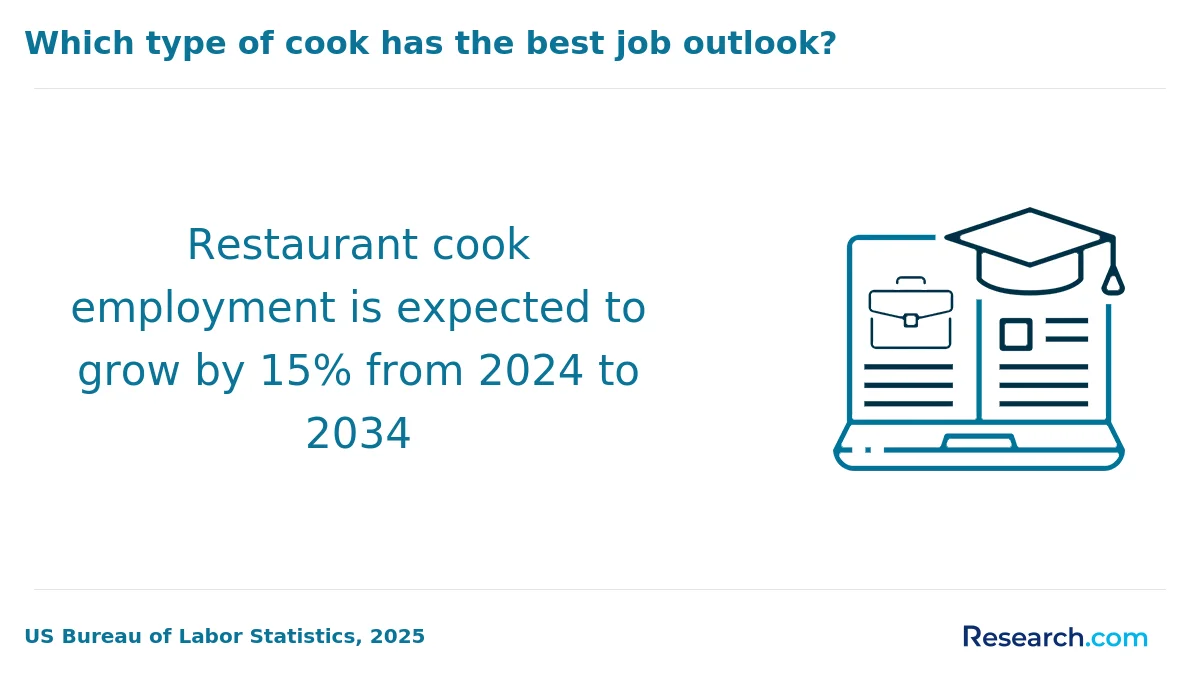
Many culinary arts grads start with hands-on roles in restaurants or hotels, where creativity and adaptability are prized. The U.S. Bureau of Labor Statistics reports a steady 6% growth in chef and head cook employment through 2032, reflecting ongoing demand not just in traditional venues but also in unique culinary spaces like private households and educational institutions.
Exploring affordable options is vital, and many discover that online degrees can keep costs manageable compared to on-campus programs. Those curious about costs and the best value might explore associate degrees that pay well as a starting point when mapping their culinary education journey.
Frequently Asked Questions About culinary arts
Online culinary arts degree students in America can maximize their learning by actively engaging with both theoretical and practical components. Given that hands-on skills are crucial, students should seek programs offering virtual simulations, cooking labs, or local externship opportunities. According to the American Culinary Federation, practical experience is essential for skill development in this field.
Balancing online coursework with regular practice in a personal kitchen helps reinforce techniques learned digitally. Participating in online forums and live sessions with instructors or peers also enhances understanding and networking.
Additionally, staying updated with industry trends through reputable sources like the National Restaurant Association supports professional growth alongside academic learning.
The culinary arts field in America is evolving rapidly, with several emerging niches gaining attention. One key area is sustainable and plant-based cooking, reflecting growing consumer demand for eco-friendly food options. According to the U.S. Bureau of Labor Statistics, demand for chefs skilled in nutrition and sustainable practices is expected to grow by 6% from 2021 to 2031.
Another rising niche is culinary technology integration, where chefs utilize advanced kitchen tech and data analytics to enhance food production. Ethnic and regional American cuisines are also expanding as diverse palates influence mainstream dining.
Lastly, food styling and media presentation careers are on the rise, fueled by social media platforms and digital content creation, making these niches exciting paths for online culinary arts students.
Preparing for the job market after earning an online culinary arts degree in America begins with building practical experience. Many graduates complement their studies by securing internships or apprenticeships in restaurants or catering businesses. According to the U.S. Bureau of Labor Statistics, practical skills and hands-on experience significantly improve employment prospects in culinary fields.
Networking is equally important. Joining professional organizations like the American Culinary Federation can connect graduates with industry professionals and job opportunities. Also, updating a resume to highlight specific skills such as food safety certifications or specialized cooking techniques is crucial.
Finally, staying informed about labor market trends helps; the food service industry is projected to grow by 6% between 2022 and 2032, indicating steady demand for skilled cooks and chefs (BLS, 2023).
Employers in the American culinary industry prioritize several key skills when hiring culinary arts degree graduates. First, strong technical cooking abilities are essential, including knife skills, food safety knowledge, and proficiency in various cooking techniques. According to the U.S. Bureau of Labor Statistics, culinary professionals must also understand nutrition and menu planning to meet evolving consumer preferences.
Additionally, employers value creativity and innovation in recipe development. Soft skills such as teamwork, communication, and time management are crucial in fast-paced kitchen environments. Leadership qualities can set candidates apart for supervisory roles. Practical experience, often gained through internships, significantly enhances employability in this competitive job market.
Finding internships in America relevant to a culinary arts degree involves several key steps. First, students should explore resources at their online college's career services, which often maintain partnerships with local restaurants, hotels, and catering companies. According to the American Culinary Federation, internships provide crucial hands-on experience, enhancing skills beyond classroom learning. Networking is also essential; joining professional groups like the National Restaurant Association can open doors to internship opportunities nationwide.
Besides direct applications, platforms such as Culinary Agents specialize in hospitality internships and can connect students with employers actively seeking culinary interns. Timing is important; many internships align with academic calendars, so beginning searches at least three months before desired start dates is advisable. Overall, proactive engagement and leveraging available networks dramatically improve internship prospects for culinary arts students.
Obtaining an online culinary arts degree in America can significantly enhance career mobility and advancement within the food and hospitality industry. According to the American Culinary Federation (ACF), formal education, including accredited online programs, is increasingly valued by employers seeking skilled culinary professionals.
With online degrees, students gain essential culinary techniques, management skills, and business knowledge while maintaining flexibility. This combination prepares graduates for diverse roles such as sous chef, kitchen manager, or restaurant owner.
The U.S. Bureau of Labor Statistics (BLS) projects a 6% growth for chefs and head cooks from 2022 to 2032, indicating expanding job opportunities for degree holders.
Moreover, online credentials can support wage growth; the BLS reports that chefs with formal training typically earn higher salaries than those without.
Studying for an online culinary arts degree in America equips students with diverse skills that extend beyond cooking techniques. Programs often include coursework in nutrition, business management, and food safety, preparing graduates for interdisciplinary roles in hospitality, health, and entrepreneurship. According to the U.S. Bureau of Labor Statistics, culinary managers benefit from knowledge in budgeting and staff supervision, integral components of many degree curricula.
Furthermore, students learn about menu planning with attention to dietary restrictions and sustainability, addressing growing consumer demands. Online degrees also emphasize communication and teamwork, which are essential for roles bridging culinary arts with marketing or event planning. This broad education supports versatile career paths within the food industry.
When choosing between a thesis and a non-thesis online culinary arts degree in America, it is important to consider your career goals and learning preferences. Thesis programs require conducting original research and writing a formal paper, emphasizing critical thinking and academic skills. This path suits those interested in culinary education, research, or advanced study.
Non-thesis programs focus more on practical skills and applied knowledge, often including internships or capstone projects. According to the Culinary Institute of America, hands-on experience is crucial for most culinary roles, making non-thesis degrees appealing for students aiming to enter the workforce promptly.
Cost and program length also differ; thesis tracks may take longer due to research demands. Reviewing each school's curriculum and outcomes can help clarify your best fit.
Students based in America who wish to study culinary arts abroad have increasing opportunities through partnerships between U.S. institutions and international culinary schools. Many accredited American culinary programs offer study abroad options, allowing students to gain global experience while earning credit toward their online degrees. For example, some schools provide semester exchanges or summer programs in countries known for their culinary traditions, such as France or Italy.
Additionally, organizations like the American Culinary Federation support international internships and externships, enhancing hands-on experience. While fully online culinary arts degrees save travel costs, combining them with brief overseas immersion can broaden cultural understanding and skills. According to the National Center for Education Statistics, about 6% of U.S. culinary students engage in study abroad, reflecting growing interest in global culinary education.
Part-time job opportunities in America that complement an online culinary arts degree are diverse and practical. Many students gain valuable experience working as line cooks or kitchen assistants, roles that allow direct application of culinary techniques learned in class.
Other common positions include prep cooks, bakery assistants, or food service workers, which help develop skills in time management and food safety. According to the U.S. Bureau of Labor Statistics, employment in food preparation and serving-related occupations is projected to grow by 10% from 2022 to 2032, showing strong demand in the sector.
Additionally, opportunities in catering services or working at farmer's markets provide insights into ingredient sourcing and menu planning, crucial for culinary professionals.
Online culinary arts degrees in America offer varied networking opportunities despite the remote format. Many programs connect students through virtual events, discussion boards, and group projects, fostering peer interaction. According to the American Culinary Federation (ACF), some online courses also provide access to industry mentorship programs. These connections can introduce students to experienced chefs and foodservice professionals across the country.
Students often gain membership eligibility in culinary organizations like the ACF, which hosts regional meetups, competitions, and conferences. Additionally, some schools facilitate internships or externships in local kitchens, offering real-world networking alongside online study. These combined academic and practical experiences help build professional networks valuable for career advancement in the competitive US culinary field.
Alumni networks offer significant advantages to students pursuing online culinary arts degrees in America. These networks connect graduates with industry professionals, fostering mentorship and job placement opportunities. According to the American Culinary Federation, 62% of culinary professionals find employment through personal connections.
For online students, alumni associations bridge geographical gaps by providing virtual meetups and forums. This access increases exposure to internships, apprenticeships, and entry-level positions, which are vital in the culinary field.
Additionally, alumni networks often provide resources such as continuing education discounts and industry events, helping graduates stay current with evolving culinary trends and techniques.
Many online culinary arts degree programs in America offer customizable options to align with your career goals. Students can often select electives or specializations such as pastry arts, nutrition, or restaurant management, tailoring their education to specific industry needs.
Some programs provide internships or externships with regional restaurants, allowing practical experience in your preferred field. According to the American Culinary Federation, practical skills combined with focused coursework increase job placement rates by up to 20%.
Additionally, students can choose flexible scheduling or part-time study to accommodate working professionals. Verifiable certifications like ServSafe can sometimes be integrated into the curriculum to boost employability.
Overall, U.S.-based programs are designed to offer practical and academic flexibility to suit varied culinary career paths.
Online culinary arts students in America face several distinct challenges, mainly due to the hands-on nature of their field. One major issue is limited access to professional kitchen facilities, which are essential for mastering cooking techniques. Unlike traditional programs, online students often rely on home kitchens, which may not have the necessary equipment.
Another challenge is networking and mentorship opportunities, which are less available in virtual environments. According to the American Culinary Federation, such connections are crucial for career advancement in culinary arts.
Moreover, balancing practical assignments with remote learning can be difficult, especially for students who work or care for families. Technical issues with streaming live demonstrations also disrupt learning for some.
Graduates with an online culinary arts degree in the U.S. can pursue several well-regarded professional certifications to enhance their careers. One prominent option is the Certified Culinarian (CC) credential offered by the American Culinary Federation (ACF). This certification validates foundational skills and knowledge.
Advancing further, chefs may seek Certified Sous Chef (CSC) or Certified Executive Chef (CEC) certifications, which require professional experience in addition to culinary education. According to the ACF, over 10,000 culinary professionals hold ACF certifications nationwide.
Other valuable credentials include ServSafe Food Protection Manager certification, essential for food safety compliance. These certifications can boost employability and demonstrate commitment to culinary excellence.
Writing a winning application for an online culinary arts program in America requires clear demonstration of your passion and relevant experience. Admissions committees seek candidates who show commitment to culinary skills and industry knowledge.
Start by highlighting any hands-on cooking experience, internships, or work in food service. According to the American Culinary Federation, practical skills can significantly boost your application.
Include a well-crafted personal statement explaining your career goals and why you prefer an online format. Be specific about how the program fits your aspirations.
Some programs may require letters of recommendation; choose individuals familiar with your culinary abilities or academic dedication. Finally, ensure your application is complete and submitted by deadlines set by accredited institutions.
Careers in culinary arts are increasingly viewed through a global lens, as the food industry connects cultures and economies worldwide. In the United States, the demand for skilled culinary professionals is expected to grow by 26% from 2020 to 2030, according to the Bureau of Labor Statistics. This growth reflects broader international trends emphasizing diverse cuisines and sustainable practices.
Globally, culinary arts careers offer opportunities across various regions, with hospitality hubs in Europe, Asia, and the Middle East prioritizing international culinary expertise. American culinary degrees often include training that prepares graduates for this competitive global market.
Many U.S. online programs integrate global food studies, nutritional knowledge, and management skills to reflect industry needs. This approach equips students to engage with multicultural food trends and respond to evolving consumer demands worldwide.
Gaining practical experience while studying for an online culinary arts degree in America is possible through several effective methods. Many programs encourage internships or externships at local restaurants, hotels, or catering businesses, allowing students to apply skills in real-world environments. According to the American Culinary Federation, hands-on experience is crucial for culinary success and is often integrated into accredited programs.
Additionally, students may participate in virtual cooking labs and simulations using specialized software provided by their schools. Some institutions also partner with local kitchens to offer in-person workshops or short residencies. Volunteering for food events or joining culinary clubs can further enhance practical skills and professional networking.
Choosing the right concentration within an online culinary arts degree program in America requires understanding your career goals and the industry's needs. Popular concentrations include baking and pastry arts, culinary management, nutrition, and food safety. Each specialization addresses distinct skill sets valued by employers. For example, culinary management emphasizes leadership and business skills, preparing students for restaurant or hospitality management roles. According to the U.S. Bureau of Labor Statistics, food service management jobs are projected to grow 10% from 2022 to 2032, highlighting demand for leadership expertise.
Consider programs accredited by the American Culinary Federation Education Foundation to ensure quality education. Also, evaluate course flexibility and internship opportunities critical for hands-on experience. Reviewing curriculum details and alumni outcomes can guide choosing a concentration aligned with your professional ambitions.
Top Trending Culinary Arts Rankings
References
- 6 Fun Cooking Challenges for the Classroom – Twins and Teaching Culinary Arts and FACS Resources https://twinsandteaching.com/2024/04/14/6-fun-cooking-challenges-for-the-classroom/
- How Long Is Culinary School? Time & Cost Breakdown | CIA https://www.ciachef.edu/blog/how-long-is-culinary-school/
- Culinary Arts AAS https://sunyjefferson.edu/academics/programs/culinary-arts-aas.php
- Ways to Pay for Culinary School | All Culinary Schools https://www.allculinaryschools.com/articles/financial-aid/
- Culinary Arts and Hospitality Management Internships https://cod.edu/academics/areas/culinary/internships.html
- How To Get Student Loans for Culinary School in 2026 https://www.credible.com/student-loans/student-loans-for-culinary-school
- Online Culinary Courses - London https://www.cordonbleu.edu/london/online-learning/en
- How a Culinary Arts Diploma Can Open the Right Doors https://www.chefiica.com/blogs/culinary-skills/the-power-of-networking-in-culinary-arts-how-a-culinary-arts-diploma-can-open-the-right-doors
- Alumni Resources | ICE Career Services https://www.ice.edu/career-services-resources/alumni-resources
- Culinary Career Pathway https://www.internationalculinarystudio.com/culinary-career-pathway/





