2027 Culinary Arts Degree Persistence Report: Retention, Stop-Out Risk, and Re-Enrollment Patterns

Co-Founder and Chief Data Scientist
Choosing a culinary arts degree is not only about kitchens, chefs, and menus; it is about whether the program helps you stay enrolled long enough to graduate. The U.S. Bureau of Labor Statistics reports that the median pay for chefs and head cooks was $60,990 in May 2024, making completion especially important for students pursuing advancement beyond entry-level food-service roles.
This guide is for prospective culinary students, parents, and returning adults who want to compare retention, stop-out risk, re-enrollment options, costs, formats, and support services before committing to a school.
Key Things You Should Know
- Retention is an early warning metric, not a guarantee, a strong culinary arts program should show solid first-year retention, transparent 150%-of-normal-time graduation outcomes, and clear support for students who need to pause and return.
- Cost pressure matters. College Board's 2024 pricing data lists average published tuition and fees at $4,050 for in-district public two-year colleges, before culinary-specific costs such as knives, uniforms, supplies, transportation, and unpaid or low-paid externship hours.
- Career value depends on completion and work experience together. BLS May 2024 data places median pay for chefs and head cooks at $60,990, but culinary outcomes vary widely by region, employer, role, management responsibility, and whether students complete credentials and build industry experience.
- Key Things You Should Know
- What Do Retention Rates Reveal About Student Success in Culinary Arts Degree Programs?
- Which Students Are Most at Risk of Stopping Out of a Culinary Arts Degree Program?
- What Academic and Financial Challenges Reduce Persistence in Culinary Arts Degree Programs?
- How Do Culinary Arts Students Return After Stopping Out?
- Which Institutional Support Services Improve Persistence in Culinary Arts Degree Programs?
- How Does Persistence Affect Graduation Time and Career Outcomes for Culinary Arts Students?
- Which Culinary Arts Degree Programs Have the Strongest Student Persistence Outcomes?
- How Are Student Persistence Patterns Changing in Culinary Arts Degree Programs?
- How Should Students Evaluate Culinary Arts Degree Programs Based on Persistence and Retention?
- Top Trending Culinary Arts Rankings
What Do Retention Rates Reveal About Student Success in Culinary Arts Degree Programs?
Retention rates show how many students continue at the same institution after their first year. In culinary arts, this matters because the first year usually includes foundational knife skills, food safety, sanitation, baking basics, purchasing, menu planning, and early kitchen-lab expectations. Students who persist past this stage are more likely to reach advanced labs, internships, externships, and capstone experiences.
A high retention rate can suggest that students are receiving useful advising, realistic scheduling, academic help, and financial guidance. However, it does not prove that every culinary student will graduate. Many federal retention metrics are institution-level measures, not culinary-program-only measures, and they may focus on first-time, full-time students. Adult learners, transfer students, and part-time students may not be fully reflected in the headline number.
The table below explains the persistence metrics students should compare. These measures are most useful when viewed together rather than as a single ranking shortcut.
| Metric | What It Measures | Why It Matters for Culinary Arts Students | Limitation |
| First-year retention rate | Whether students return after the first year | Shows whether students survive the transition into kitchen labs, academic requirements, and college routines | Often reported at the institution level, not only for culinary arts majors |
| Graduation rate at 150% of normal time | Whether students finish within an extended standard timeline, such as three years for a two-year associate degree | Helps students judge whether the program supports completion beyond the first year | May exclude transfer-in students and students who attend part time |
| Transfer-out rate | Whether students leave for another institution | Can be positive if students intentionally transfer into hospitality, nutrition, business, or bachelor's programs | Does not always explain whether transfer credits applied efficiently |
| Program completion or placement disclosures | Program-level outcomes sometimes reported by accreditors or schools | Can be more relevant than institution-wide data when available | Definitions vary, so students should ask how the school calculates the number |
When comparing schools, look for a pattern: retention should be supported by graduation, transfer, advising, and re-enrollment information. A school with a good first-year retention rate but unclear completion outcomes may still leave students at risk of delayed graduation.
Which Students Are Most at Risk of Stopping Out of a Culinary Arts Degree Program?
Culinary arts students most at risk of stopping out are usually not students who lack passion for food. More often, they are students whose schedules, finances, transportation, health, or family obligations collide with the demands of a hands-on program. Kitchen labs may require long blocks of time, early mornings, evening events, physical stamina, and strict attendance because missed labs are hard to replicate.
Stop-out risk is the likelihood that a student temporarily leaves school before finishing. It is different from dropping out permanently. A stop-out can become manageable if the student has a documented return plan, but it can become costly if credits expire, required courses are not offered every term, or financial aid eligibility changes.
The following risk indicators are especially important for culinary students because they can affect both academic progress and daily attendance.
- Heavy work hours: Students working late restaurant shifts may struggle with morning labs, homework, and recovery time.
- Unstable transportation: Culinary labs often penalize lateness because sanitation briefings, prep assignments, and team production schedules start immediately.
- Unplanned supply costs: Knives, uniforms, shoes, textbooks, ingredients, testing fees, and event costs can create financial pressure beyond tuition.
- Part-time enrollment without a course map: Taking fewer credits can be smart, but only if prerequisites and lab sequences are planned carefully.
- Academic underpreparation: Culinary students still need math, reading, writing, food costing, nutrition, and business communication skills.
- Limited advising contact: Students who do not meet with an advisor before dropping a course may unintentionally delay graduation by a full term or year.
A common mistake is assuming that culinary school is mostly practical and therefore easier to pause and resume. In reality, kitchen courses are often sequential. Missing one required lab can block the next course, which can push graduation further away than students expect.
What Academic and Financial Challenges Reduce Persistence in Culinary Arts Degree Programs?
Academic and financial challenges often reinforce each other. A student who cannot afford tools may miss labs; a student who misses labs may fail a course; a failed course can affect financial aid pace requirements; and financial aid issues can lead to stop-out. Persistence planning should therefore include both academic readiness and a realistic budget.
College Board's 2024 pricing data lists average published tuition and fees at $4,050 for in-district public two-year colleges. That figure is useful because many culinary arts associate degrees are offered at community colleges, but it does not include culinary-specific costs, housing, food, transportation, or lost wages from reduced work hours.
The table below summarizes common barriers and how they tend to affect persistence. Use it to identify questions to ask before enrolling.
| Challenge | How It Can Reduce Persistence | What Students Should Verify Before Enrolling |
| Kitchen supply costs | Students may delay buying required tools or uniforms and fall behind in labs | Required kit cost, replacement policy, uniform rules, and whether supplies are included in fees |
| Course sequencing | Failing or withdrawing from one prerequisite can delay multiple advanced courses | How often required labs are offered and whether summer or evening options exist |
| Attendance rules | Missed labs can be difficult or impossible to make up | Make-up lab policy, excused absence policy, and late-arrival rules |
| Financial aid pace requirements | Withdrawals or failed courses may affect aid eligibility | Satisfactory academic progress standards and appeal procedures |
| Externship requirements | Students may struggle if externship hours conflict with paid work or caregiving | Whether externships are paid, how placements are assigned, and what schedule flexibility exists |
Students should avoid comparing programs by tuition alone. A cheaper program with limited advising, inflexible labs, or poor course availability may become more expensive if it causes repeated courses or delayed graduation. On the other hand, a higher-priced program is not automatically better unless it can demonstrate strong support, clear completion pathways, and credible industry connections.
How Do Learning Format and Enrollment Status Affect Culinary Arts Student Persistence?
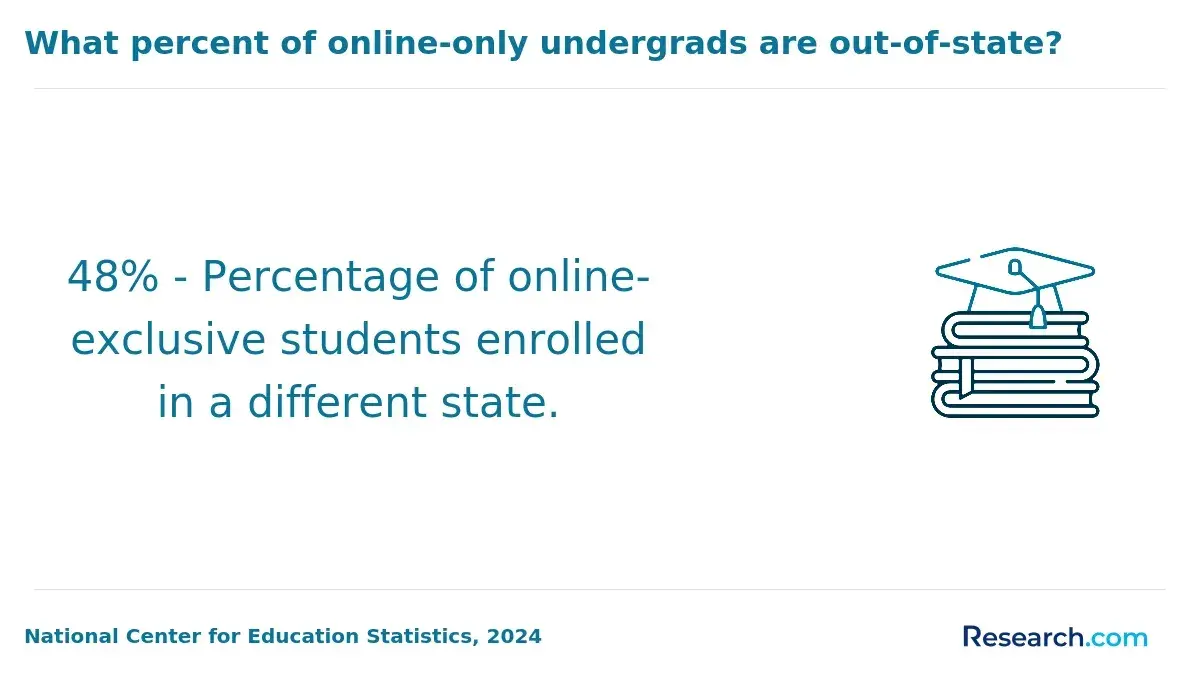
Learning format affects persistence because culinary arts is a hands-on field. Fully online culinary degrees are less common than hybrid programs because students must practice production, sanitation, tasting, plating, and equipment use. Online coursework can work well for lecture-based subjects such as nutrition, purchasing, menu design, hospitality management, and cost control, but kitchen-skill courses usually require supervised practice.
Students comparing online, hybrid, and campus formats should focus on fit rather than convenience alone. Online learning can reduce commuting time, while campus labs can provide stronger structure, peer accountability, and immediate instructor feedback.
| Format | Persistence Advantages | Persistence Risks | Best Fit |
| Campus-based culinary program | Structured lab schedule, direct coaching, access to equipment, peer teams | Less flexible for working adults and students with transportation challenges | Students who learn best by doing and can attend scheduled labs consistently |
| Hybrid culinary program | Reduces some commuting while preserving hands-on lab instruction | Requires strong time management and careful tracking of online deadlines | Students balancing work or family obligations who still need in-person skill training |
| Online-heavy hospitality or culinary management track | Can support adult learners interested in management, entrepreneurship, or food business topics | May not provide enough supervised kitchen practice for entry-level production skill development | Students with prior culinary work experience or goals outside hands-on kitchen roles |
Enrollment status also matters. Full-time students may complete faster and stay connected to faculty and classmates, but the workload can be unrealistic for students working long restaurant shifts. Part-time students may persist better when they have a mapped sequence, but they risk losing momentum if required courses are offered only once per year.
Students exploring online formats in creative fields can compare how hands-on requirements differ across programs; for example, a digital photography degree online may also combine remote coursework with portfolio-based practice, but culinary arts usually depends more heavily on supervised lab environments and food-safety procedures.
How Do Culinary Arts Students Return After Stopping Out?
Culinary arts students return after stopping out in several ways: reactivating enrollment, applying for readmission, transferring credits, changing from full-time to part-time study, or shifting from a culinary arts major to hospitality management, baking and pastry, nutrition, or business. The best path depends on why the student stopped out and how long they were away.
Before taking a break, students should ask the school to explain the official leave process. An informal pause can create problems with financial aid, course sequencing, student accounts, and catalog requirements. A documented leave of absence or planned stop-out is usually easier to manage than simply not registering for the next term.
Students who need to pause should take these steps before leaving so that returning is more realistic.
- Meet with an academic advisor and identify the exact courses remaining for the credential.
- Ask whether culinary lab credits, food-safety certifications, or prerequisite courses expire after a certain period.
- Confirm how the break will affect financial aid, loan repayment timing, scholarships, and satisfactory academic progress.
- Request a written re-enrollment plan that shows the next available term for each required course.
- Stay connected to the program through email, advising reminders, employer partnerships, or alumni events if the school allows it.
The table below shows common re-enrollment patterns and the trade-offs students should understand before choosing a return path.
| Return Pattern | When It Can Make Sense | Main Risk |
| Return to the same program | The student has only a short interruption and courses are still in sequence | Required labs may not be offered immediately |
| Return part time | The student needs to reduce workload while staying enrolled | Completion may take longer if prerequisites are spread across terms |
| Transfer to another culinary program | The original school no longer fits location, schedule, or cost needs | Kitchen lab credits may not transfer cleanly because course outcomes differ |
| Switch to hospitality or food business | The student wants to use culinary knowledge in management, operations, or entrepreneurship | Some hands-on culinary credits may count only as electives |
| Complete a shorter certificate first | The student needs a faster credential to improve employment options | The certificate may not include all associate degree requirements |
Transferring can be helpful, but it can also delay graduation if the new school does not accept prior lab credits or uses a different course sequence. Students should request a written transfer-credit evaluation before withdrawing from the original program.
Which Institutional Support Services Improve Persistence in Culinary Arts Degree Programs?
The support services most likely to improve persistence are the ones students can use early, easily, and repeatedly. In culinary arts, support should connect academic planning with kitchen performance, financial stability, and career preparation. A single orientation session is not enough if students face repeated scheduling, supply, or attendance barriers.
Strong programs usually build support into the student experience instead of waiting for students to fail. The services below are worth asking about before enrollment because they directly affect stop-out risk.
- Proactive academic advising: Advisors should help students understand prerequisites, lab sequencing, transfer plans, and graduation timelines before registration.
- Early alert systems: Faculty should flag attendance, lab performance, missing assignments, or sanitation issues while there is still time to recover.
- Tutoring for culinary math and writing: Food costing, recipe conversion, purchasing, menu analysis, and business communication can become hidden academic barriers.
- Emergency aid or supply assistance: Small financial gaps for tools, transportation, or uniforms can cause students to miss required labs.
- Career and externship coordination: Students need placements that support skill development without creating impossible schedule conflicts.
- Mental health and wellness support: Culinary training can be physically demanding, time-sensitive, and stressful, especially for students also working in food service.
Students comparing education options in other service-oriented fields may notice that strong persistence often depends on funding clarity and placement support; for example, guides to fully funded SLP programs online also emphasize the value of reducing financial barriers before clinical or hands-on requirements begin.
A red flag is a program that can describe its kitchens in detail but cannot explain how it supports students who fail a lab, lose transportation, need to repeat a prerequisite, or cannot afford required supplies. Facilities matter, but persistence depends on whether students can keep using those facilities through graduation.
How Does Persistence Affect Graduation Time and Career Outcomes for Culinary Arts Students?
Persistence affects both graduation time and career outcomes because culinary advancement typically depends on a combination of credential completion, experience, reliability, and demonstrated skill. Students who stay enrolled continuously may reach internships, chef-supervised labs, and employer networks sooner. Students who stop out may still succeed, but they often need a more deliberate plan to protect credits, maintain skills, and re-enter the program efficiently.
BLS May 2024 data reports median pay of $60,990 for chefs and head cooks. That figure should not be read as an automatic outcome for culinary graduates. It reflects workers already employed in the occupation and includes people with varying levels of experience, responsibility, geography, and employer type. For students, the practical takeaway is that finishing a credential can support long-term mobility, but early career earnings may depend heavily on local labor markets and work history.
Time-to-degree also has a financial dimension. Delayed completion can mean additional tuition, repeated fees, more commuting, and longer periods before a student can pursue higher-responsibility roles. For working adults, however, a slower part-time path may be the better persistence strategy if full-time enrollment would lead to burnout or failed courses.
| Enrollment Path | Typical Persistence Benefit | Possible Career Trade-Off |
| Full-time, continuous enrollment | Faster progress and stronger connection to faculty, peers, and labs | May reduce ability to work enough hours for living expenses |
| Part-time planned enrollment | More manageable for students with jobs or family responsibilities | Longer time before completing internships, credentials, or transfer requirements |
| Stop-out with approved return plan | Can protect students during short-term financial, health, or family disruption | May delay lab sequences and require reactivation steps |
| Unplanned stop-out | May provide immediate relief from pressure | Highest risk of lost momentum, financial aid complications, and outdated program requirements |
The smartest path is not always the fastest path. It is the path a student can sustain while meeting attendance rules, maintaining grades, building industry experience, and keeping finances stable enough to avoid repeated interruptions.
Which Culinary Arts Degree Programs Have the Strongest Student Persistence Outcomes?
The culinary arts degree programs with the strongest persistence outcomes are usually the ones that combine transparent outcomes, realistic scheduling, accredited instruction, strong advising, and employer-connected learning. Because national public datasets often report retention at the institution level rather than by culinary major, students should ask each school for program-specific completion, placement, and withdrawal information when available.
Look for institutional accreditation first, especially if you plan to use federal financial aid or transfer credits. Then ask whether the culinary program holds specialized recognition, such as accreditation through the American Culinary Federation Education Foundation Accrediting Commission, if that matters for your goals. Specialized accreditation is not the only sign of quality, but it can indicate that the curriculum, facilities, faculty qualifications, and learning outcomes have been reviewed against field-specific standards.
Use the following checklist to identify programs more likely to support persistence through graduation.
- Transparent outcomes: The school can explain retention, graduation, transfer, placement, and licensure or certification pass information where applicable.
- Predictable course rotation: Required labs are offered often enough that one missed or repeated course does not derail the entire timeline.
- Accessible advising: Students can meet advisors before registration, withdrawal deadlines, externship placement, and re-enrollment.
- Realistic schedules: The program offers lab blocks that match the needs of full-time students, working adults, and part-time learners when possible.
- Documented re-enrollment policies: The school explains how students return after a leave, how long credits remain usable, and whether catalog requirements change.
- Employer engagement: Externships, apprenticeships, guest chefs, competitions, or hiring partnerships connect training to real food-service workplaces.
Do not choose a program only because it has a famous chef, impressive kitchen, or attractive social media presence. Those features can be valuable, but they do not replace evidence that students are staying enrolled, completing credentials, and receiving help when problems arise.
How Are Student Persistence Patterns Changing in Culinary Arts Degree Programs?
Student persistence patterns in culinary arts are changing because more students are balancing school with work, caregiving, transportation limits, and rising living costs. Programs are responding with hybrid coursework, stackable certificates, shorter credentials, evening or weekend labs, and stronger advising models. These changes can help students stay enrolled, but only when the program design is coherent and not simply a collection of disconnected options.
Another trend is the growing importance of business, technology, and operations skills. Culinary students increasingly benefit from learning inventory systems, menu analytics, online ordering workflows, social media marketing, food photography basics, cost control, and entrepreneurship. Artificial intelligence may also influence recipe development, purchasing analysis, scheduling, and marketing, but it does not replace hands-on food preparation, sanitation judgment, palate development, or leadership in a working kitchen.
Stackable credentials are especially relevant for persistence. A student might complete a culinary fundamentals certificate, continue into an associate degree, and later add hospitality management or business coursework. This can reduce stop-out damage because the student may earn a meaningful credential before life circumstances interrupt longer study.
The same shift toward flexible, career-aligned online learning appears in other professional fields; students comparing options such as an LMFT school online should notice a similar decision point: flexibility helps persistence only when supervised practice, advising, and progression requirements are clearly planned.
The caution is that flexibility can become confusing. Students should ask whether shorter credentials fully stack into the degree, whether online courses are offered every term, and whether changing formats affects tuition, fees, financial aid, or graduation timing.
How Should Students Evaluate Culinary Arts Degree Programs Based on Persistence and Retention?
Students should evaluate culinary arts programs by asking one central question: does this school make it realistic for me to stay enrolled, recover from setbacks, and graduate with usable skills? The answer depends on personal fit as much as published outcomes. A program with strong retention may still be a poor fit if its lab schedule conflicts with your work, transportation, or caregiving responsibilities.
Before enrolling, gather information from admissions, financial aid, academic advising, and the culinary department. Do not rely on one office to answer every persistence question because each office sees a different part of the student experience.
- Check institutional accreditation and confirm whether credits are likely to transfer if your plans change.
- Review retention, graduation, transfer-out, and placement information, and ask whether culinary-program-specific data is available.
- Request a full cost estimate that includes tuition, fees, knives, uniforms, books, supplies, certification exams, transportation, housing, and externship-related expenses.
- Ask for a term-by-term course map for both full-time and part-time enrollment.
- Confirm how often required labs are offered and what happens if you fail, withdraw from, or miss a lab course.
- Ask about emergency aid, tutoring, advising, mental health support, food pantry access, and transportation resources.
- Review leave-of-absence, readmission, transfer-credit, and credit-expiration policies before you need them.
- Talk to current students or recent graduates about workload, instructor access, externships, and how the school responds when students struggle.
Students comparing education investments across fields should use the same persistence lens they would use for business or management programs; for example, evaluating AACSB online MBA programs also requires looking beyond tuition to accreditation, completion support, flexibility, and long-term career fit.
The best culinary arts program is not necessarily the most prestigious or the cheapest. It is the one with credible outcomes, transparent costs, strong advising, manageable scheduling, and a clear plan for helping students return if life interrupts their education.
Other Things You Should Know About Culinary Arts
A good retention rate is one that compares favorably with similar institutions and is supported by solid graduation, transfer, and placement outcomes. Because many public datasets report institution-wide retention rather than culinary-major-only retention, ask the school for program-specific completion information when available.
No. A stop-out is a temporary break, while dropping out usually means leaving without an active return plan. A stop-out is less risky when it is approved, documented, and connected to a clear re-enrollment schedule.
Not necessarily. Online or hybrid formats can help students with work and family responsibilities, but culinary skills usually require in-person labs. Persistence depends on whether the format provides enough structure, advising, hands-on practice, and schedule predictability.
Lowest tuition can be helpful, but it should not be the only factor. Compare total costs, supplies, course availability, advising, retention, graduation outcomes, externship support, and re-enrollment policies before deciding.
Top Trending Culinary Arts Rankings
References
- 5 Strategies to Boost Student Retention in Higher Education https://moderncampus.com/blog/factors-affecting-student-retention.html
- Strategies For Re-Enrolling Students With Some College https://www.trellisstrategies.org/unlocking-potential-strategies-for-re-enrolling-students-with-some-college-but-no-credential/
- Culinary schools struggle with enrollment decline https://www.jacksonville.com/story/entertainment/local/2017/02/04/culinary-schools-struggle-enrollment-decline/15741597007/
- How to Increase Student Retention | Mentor Collective https://www.mentorcollective.org/resources/how-to-increase-student-retention
- WHY CULINARY PROGRAMS FAIL https://harvestamericacues.com/2021/03/15/why-culinary-programs-fail/
- How to Navigate College Re-Enrollment Options with Confidence https://www.straighterline.com/blog/degreecompletion-how-to-navigate-college-re-enrollment-options-with-confidence
- What Perceived Challenges Contribute to the Retention of ... https://www.leraweb.net/ojs/index.php/RICE/article/view/183/165
- School of Culinary Arts Program | Institute of Culinary Education https://www.ice.edu/campus-programs/culinary-arts
- How Long Is Culinary School? Time & Cost Breakdown | CIA https://www.ciachef.edu/blog/how-long-is-culinary-school/
- Culinary Arts Schools in the US Industry Analysis, 2024 https://www.ibisworld.com/united-states/industry/culinary-arts-schools/5360/