2027 Culinary Arts Degree Time-to-Completion Report: How Long Students Actually Take to Finish

Co-Founder and Chief Data Scientist
Finishing a culinary arts degree on time is not just an academic question; it affects tuition, work schedules, debt, and how quickly you can move into paid kitchen roles. The U. S. Bureau of Labor Statistics reported a median annual wage of $60,990 for chefs and head cooks in May 2024, showing why timing matters for students planning career advancement. This guide is for prospective culinary students comparing certificates, associate degrees, bachelor's pathways, online formats, and accelerated options so they can estimate a realistic graduation timeline before enrolling.
Key Things You Should Know
- Most full-time culinary arts associate degrees are designed for about 2 academic years, but students who attend part time, pause enrollment, or wait for required kitchen labs often take closer to 2.5 to 4 years.
- Transfer credit can shorten completion time meaningfully, but only when credits apply directly to general education, electives, or program requirements; unrelated credits may save little or no time.
- Completion speed depends more on course sequencing, lab availability, internship timing, work hours, and advising than on whether a program is advertised as online, hybrid, accelerated, or traditional.
- Key Things You Should Know
- What Is the Actual Time to Complete a Culinary Arts Degree?
- Which Factors Have the Greatest Impact on Culinary Arts Degree Completion Time?
- How Do Enrollment Status and Learning Format Affect Culinary Arts Degree Completion?
- Do Accelerated Culinary Arts Degree Programs Significantly Shorten Graduation Timelines?
- How Do Work, Family, and Personal Responsibilities Affect Culinary Arts Degree Completion?
- How Does Completion Time Affect the Cost and ROI of a Culinary Arts Degree?
- How Does Graduation Timing Influence Career Outcomes for Culinary Arts Graduates?
- How Are Culinary Arts Degree Completion Timelines Changing Over Time?
- How Should Students Choose a Culinary Arts Degree Program Based on Time to Completion?
- Top Trending Culinary Arts Rankings
What Is the Actual Time to Complete a Culinary Arts Degree?
The actual time to complete a culinary arts degree depends on the credential. A certificate or diploma may focus mostly on kitchen fundamentals and take less than 2 years. An associate degree usually includes culinary labs plus general education. A bachelor's degree adds management, hospitality, business, nutrition, food systems, or entrepreneurship coursework.
"Time to completion" means elapsed calendar time from the first enrolled term to graduation. That is different from the catalog length, which often assumes continuous full-time enrollment, no failed courses, no schedule conflicts, and immediate access to required labs or internships.
The table below summarizes realistic completion ranges by pathway. These ranges are best used as planning benchmarks, not guarantees, because individual schools structure credits, terms, externships, and course sequences differently.
| Credential pathway | Common academic design | Realistic full-time completion | Realistic part-time completion | Best fit |
| Certificate or diploma in culinary arts | Career-focused culinary fundamentals, sanitation, baking, food prep, and kitchen operations | 6 to 18 months | 1.5 to 3 years | Students seeking entry-level kitchen skills quickly |
| Associate degree in culinary arts | Culinary labs, general education, menu planning, food service operations, and possible internship | 2 academic years | 2.5 to 4 years | Students who want a broader credential for cook, sous chef, or food service roles |
| Bachelor's degree with culinary arts or culinary management focus | Advanced culinary, hospitality, business, leadership, cost control, and management coursework | 4 academic years | 5 to 7 years | Students aiming for management, entrepreneurship, or hospitality leadership |
| Degree completion pathway after prior credits | Remaining culinary, business, or general education requirements after transfer review | 1 to 3 years | 2 to 5 years | Students with previous college credit or prior culinary education |
The fastest realistic path is usually not the shortest advertised program. It is the pathway where your credits, schedule, lab access, and career target line up without repeated course delays.
Which Factors Have the Greatest Impact on Culinary Arts Degree Completion Time?
The biggest timeline drivers in culinary arts are practical rather than abstract. Culinary programs often require hands-on lab courses, sanitation training, production kitchens, externships, and sequential skill-building, so one missed prerequisite can delay several later courses.
The table below identifies the factors most likely to add time and explains why each one matters when you compare programs.
| Factor | How it affects completion time | What to look for before enrolling |
| Course sequencing | Introductory knife skills, baking, sanitation, or production courses may be prerequisites for advanced labs | A term-by-term degree map showing when each required course is offered |
| Lab seat availability | Kitchen labs may have limited capacity due to equipment, safety rules, and instructor supervision | Priority registration policies and waitlist history for required labs |
| Externship or internship requirements | Graduation may depend on completing supervised field hours during approved time windows | Employer partnerships, placement support, and whether paid work can count |
| Developmental or prerequisite coursework | Students may need math, writing, or food safety prerequisites before degree courses count | Placement policies and whether support courses add credits to the plan |
| Failed or withdrawn lab courses | Retaking a sequential kitchen course can push back the next level of training | Academic support, tutoring, make-up lab policies, and withdrawal deadlines |
| Changing programs or concentrations | Switching from culinary arts to baking, hospitality, or management may alter required courses | How many completed credits apply to the new pathway |
Common mistakes include assuming the published length applies to every student, registering late for high-demand labs, and postponing advisor meetings until a course is already full. To avoid these delays, ask for a written academic plan for your intended start term and confirm that required classes are offered often enough for your enrollment pace.
How Do Enrollment Status and Learning Format Affect Culinary Arts Degree Completion?
Enrollment status usually has a larger effect on completion time than program format. A full-time student can progress through sequential culinary labs quickly, while a part-time student may need additional years because each term includes fewer credits and fewer chances to take prerequisites on schedule.
The table below compares common enrollment and learning formats. Use it to decide whether a faster schedule is realistic given your work hours, commute, family obligations, and learning style.
| Enrollment or format | Typical effect on timeline | Potential advantage | Potential risk |
| Full-time campus-based | Usually closest to the catalog timeline | Frequent access to kitchens, instructors, and classmates | Harder to maintain with full-time employment |
| Part-time campus-based | Often extends an associate degree beyond 2 years | More manageable for working adults | Prerequisites may be spread across more terms |
| Hybrid culinary program | Can be efficient when online theory courses pair well with scheduled labs | Less commuting for general education or lecture courses | Lab dates may still be fixed and limited |
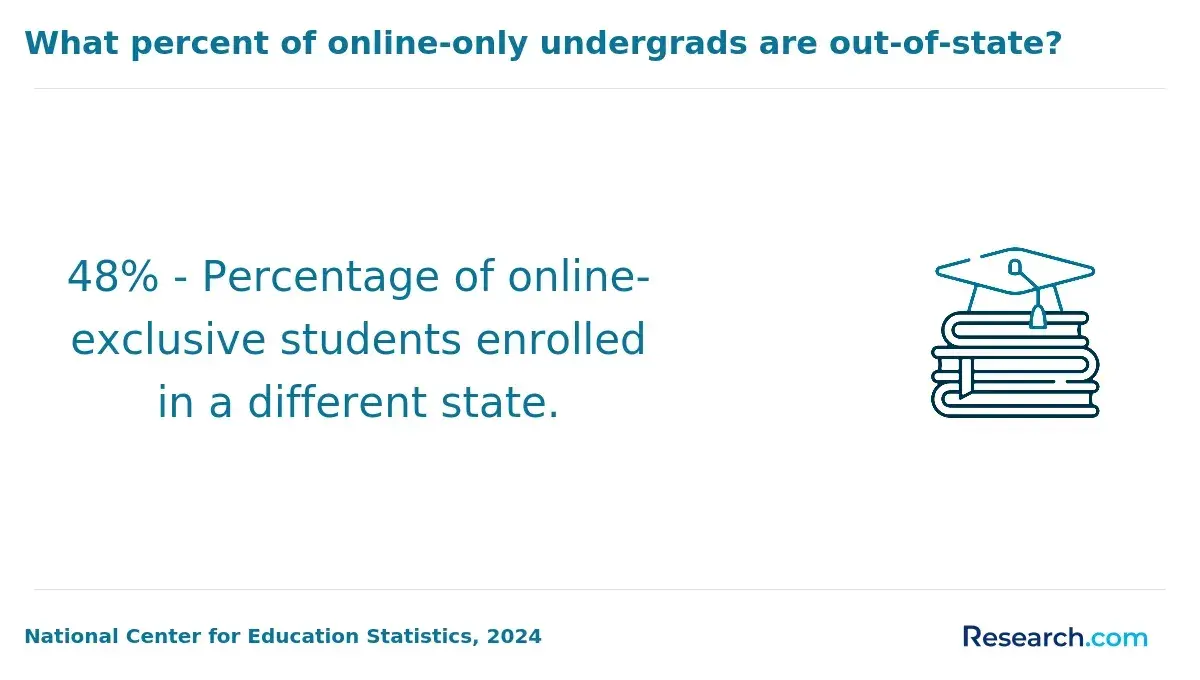
| Mostly online degree completion | May help students with prior culinary credits finish general education or management courses | Flexible for students already working in food service | Hands-on culinary requirements may need campus or approved site participation |
| Evening or weekend format | Can shorten delays for working students if all required courses rotate predictably | Better fit for adults with weekday jobs | Limited sections may slow progress if one course is missed |
Online education can improve access, but it does not automatically make a culinary degree faster because knife skills, baking, production, and safety competencies often require supervised practice. Students comparing flexible degrees in other hands-on or career-focused fields may notice similar trade-offs in areas such as digital photography degree online programs, where technical practice and portfolio requirements can still shape the real timeline.
A practical rule is to choose the fastest schedule you can sustain, not the most aggressive schedule the school permits. If you can only study reliably 15 to 20 hours per week outside work, a slightly longer part-time plan may lead to fewer withdrawals and a better final outcome.
How Much Time Can Transfer Credits Save in a Culinary Arts Degree Program?
Transfer credits can save time in a culinary arts degree, especially for general education courses such as English, math, communications, psychology, nutrition, or business. They may also help if you completed prior culinary coursework at an accredited institution or hold industry-recognized training that the school evaluates for credit.
The table below shows how transfer credit can affect a typical associate degree timeline. The time saved depends on whether transferred credits replace required courses rather than simply adding extra elective credit.
| Applicable transfer credits | Possible effect on a 2-year associate pathway | Most likely source of credit | Important limitation |
| 0 to 6 credits | Little or no calendar-time reduction | One or two prior courses | May not change lab sequencing |
| 7 to 15 credits | May reduce one term of general education or electives | Prior college coursework or dual enrollment | Required culinary labs may still take multiple terms |
| 16 to 30 credits | May shorten the degree by one or more terms | Completed certificate, prior associate coursework, or military training review | Only useful if credits match the degree audit |
| More than 30 credits | May create a degree-completion route rather than a full 2-year plan | Previous degree, culinary diploma, or significant college record | Residency requirements may require a minimum number of credits at the new school |
Before enrolling, request an official transfer evaluation, not just an informal estimate. A common red flag is a school that discusses transfer credit generally but will not show how each accepted course applies to your degree plan.
Students can improve their chances of saving time by taking a focused approach to transfer review:
- Collect official transcripts, course descriptions, syllabi, training records, and certifications before applying.
- Ask whether credits will satisfy specific degree requirements, not only whether they are accepted by the institution.
- Confirm the school's minimum grade, credit age, residency, and accreditation rules.
- Request an updated graduation plan after the transfer evaluation is complete.
- Avoid enrolling in courses that may be waived until the degree audit is finalized.
Do Accelerated Culinary Arts Degree Programs Significantly Shorten Graduation Timelines?
Accelerated culinary arts programs can shorten graduation timelines, but they work best for students who can handle intensive schedules, frequent labs, compressed terms, and limited breaks. In culinary education, acceleration often means taking more credits per term, using summer or winter sessions, or completing lecture-based requirements online while finishing labs on campus.
The comparison below shows where accelerated pathways can help and where they may create pressure. The key question is not whether acceleration is possible, but whether it is sustainable.
| Program model | How it may shorten time | Best for | Risk to evaluate |
| Traditional associate degree | Follows standard fall and spring sequencing | Students who need predictable pacing | May take longer if required labs are missed |
| Year-round associate pathway | Uses summer or short terms to complete more credits annually | Students who can study continuously | Burnout and fewer recovery periods |
| Compressed-term format | Shortens course length while increasing weekly intensity | Students with strong time management and stable schedules | Falling behind can happen quickly |
| Degree completion format | Applies prior credits so only remaining requirements are needed | Students with previous college or culinary training | Transfer limits can reduce expected time savings |
Accelerated formats can make financial sense when they reduce the number of terms you pay fees, commute, or reduce work hours. However, a shorter program is not always a better value if it increases the chance of course failure, withdrawal, or missed externship requirements.
When comparing accelerated education options, look at fields beyond culinary arts to see how schools structure compressed coursework and student support. For example, guides to AACSB online MBA programs often emphasize accreditation, pacing, and workload transparency, which are also useful questions for culinary students considering a faster route.
Ask the school how many hours per week students typically spend in class, labs, homework, prep, and externship activities during accelerated terms. If the answer is vague, treat that as a warning sign and request a sample weekly schedule.
How Do Work, Family, and Personal Responsibilities Affect Culinary Arts Degree Completion?
Work, family, transportation, health, and caregiving responsibilities are among the most common reasons students take longer than the catalog timeline. Culinary arts can be especially demanding because lab courses may require long blocks of time, physical stamina, uniforms, tools, food safety compliance, and attendance during fixed production periods.
A student working full time may be able to complete general education online in the evenings but still struggle to attend daytime culinary labs. A parent or caregiver may need a predictable schedule more than the absolute shortest pathway. A student with unstable transportation may benefit from fewer campus days, even if the overall program takes longer.
Students with major responsibilities should build a completion plan that protects progress without overloading each term. The following steps can help turn a broad goal into a realistic schedule:
- List fixed weekly commitments first, including work shifts, caregiving, commute time, and sleep.
- Ask the program which required culinary labs are offered during evenings, weekends, summers, or only specific semesters.
- Choose a course load that leaves enough time for prep, reading, sanitation assignments, and practice.
- Schedule advising before registration opens, not after preferred sections fill.
- Identify the minimum number of credits needed to keep financial aid, housing, or benefits if those apply.
- Recheck the graduation map every term after grades, withdrawals, or work schedules change.
The main mistake to avoid is treating part-time enrollment as a failure. For many adult learners, part-time study is the path that makes graduation possible. The risk comes from part-time enrollment without a sequence plan, because missing one annual course offering can add an entire year.
How Does Completion Time Affect the Cost and ROI of a Culinary Arts Degree?
Completion time affects cost because students may pay additional tuition, fees, tools, uniforms, transportation, housing, and opportunity costs when they remain enrolled longer. According to the College Board's 2024 pricing data, average published tuition and fees for public 2-year in-district colleges were $4,050 for the academic year, which means even a relatively low-cost pathway can become more expensive when extra terms are added.
The table below shows how timeline choices can affect cost and return on investment. It does not predict your total cost; instead, it highlights the cost categories to compare before choosing a pace.
| Timeline scenario | Cost effect | ROI consideration | Best decision lens |
| Finish on the standard full-time plan | Fewer added terms and fees | Earlier entry into full-time culinary work or advancement | Good fit if you can manage the workload without withdrawing |
| Attend part time while working | More terms but less need to reduce income | May lower borrowing or make school financially manageable | Good fit if steady employment supports persistence |
| Accelerate with heavier course loads | Potentially fewer terms but more intense weekly demands | May speed up career transition if completed successfully | Good fit only with stable time, transportation, and support |
| Pause or stop out | May add re-enrollment fees, delayed progress, and changed requirements | Can delay career benefits and increase uncertainty | Necessary in some cases, but plan re-entry before leaving |
Financial aid also affects the timeline decision. The maximum Federal Pell Grant for the 2024-25 award year was $7,395, but eligibility depends on financial need, enrollment intensity, program eligibility, and federal rules. Students should ask how dropping below full time, taking summer courses, or repeating classes may affect aid.
Education ROI is not limited to culinary arts. Students comparing affordability and time in other professional pathways, such as fully funded SLP programs online, often face a similar question: whether a longer but lower-cost route is better than a faster route with higher short-term pressure.
A shorter culinary program is worth considering when it reduces total cost without raising your withdrawal risk. A longer program may make more sense when it lets you keep income, avoid excessive borrowing, care for family, or maintain strong academic performance.
How Does Graduation Timing Influence Career Outcomes for Culinary Arts Graduates?
Graduation timing can influence career outcomes because culinary work is experience-driven. Finishing sooner may help you enter kitchens, hotels, catering operations, bakeries, or food service management tracks earlier. Taking longer may still be worthwhile if it allows you to build stronger skills, maintain employment, or complete a higher-value internship.
Career outcomes vary widely by role. Culinary arts graduates may pursue positions such as line cook, prep cook, baker, pastry assistant, sous chef, banquet cook, food service supervisor, catering coordinator, kitchen manager, or eventually chef-owner. Some roles value formal education, while others prioritize experience, references, speed, reliability, and demonstrated kitchen performance.
BLS employment projections published in 2024 show chefs and head cooks growing faster than the average for all occupations over the 2023-33 period. For students, that does not mean a degree automatically leads to advancement, but it does suggest that skilled culinary workers who combine training with experience may find opportunities in restaurants, hospitality, institutional food service, and specialty food businesses.
The timing decision should match your target role. If your goal is entry-level kitchen work, a certificate plus work experience may be faster. If your goal is management, entrepreneurship, or hospitality leadership, an associate or bachelor's pathway with business and operations coursework may justify the longer timeline.
Skills that can improve career readiness include knife technique, food safety, menu costing, baking fundamentals, nutrition awareness, inventory control, leadership, communication, time management, and adaptability under pressure. A program that helps you build these skills reliably may be more valuable than one that is merely shorter.
How Are Culinary Arts Degree Completion Timelines Changing Over Time?
Culinary arts completion timelines are changing because students increasingly need flexibility. More programs now separate lecture-based content from hands-on labs, allowing students to complete sanitation, nutrition, cost control, menu planning, or hospitality management coursework online while reserving campus time for kitchen practice.
Technology is also changing culinary education. Learning management systems, video demonstrations, digital portfolios, recipe costing software, and online advising can help students stay organized. However, technology has limits: employers still expect graduates to perform in real kitchens, follow safety standards, communicate under pressure, and produce consistent food.
Another trend is stronger interest in stackable credentials. A student may start with a certificate, work in the field, then return for an associate degree or bachelor's completion pathway. This can extend the total calendar time but reduce financial pressure and allow learning to connect directly with paid experience.
Rising education and living costs are also influencing student behavior. Many students choose part-time enrollment, community college pathways, employer-supported training, or credit transfer strategies to control costs. The trade-off is that lower short-term cost may come with a longer time to degree.
AI and automation are beginning to affect food service through inventory tools, scheduling systems, ordering platforms, and recipe management software. These tools are unlikely to replace hands-on culinary skill, but they increase the value of graduates who understand both kitchen execution and digital operations.
How Should Students Choose a Culinary Arts Degree Program Based on Time to Completion?
The best culinary arts program is the one that gives you the shortest realistic path to your goal without creating avoidable academic, financial, or personal risk. Instead of asking only "How long is the program?" ask "How long do students like me usually take to finish this exact pathway?"
Use the following questions when comparing schools. They are designed to reveal hidden timeline risks that may not appear in marketing materials.
- What is the required credit total for the credential, and how many terms does the standard plan assume?
- Which required culinary labs are offered every term, and which are offered only once per year?
- How many students are typically waitlisted for required kitchen courses?
- Can general education courses be completed online, in summer, or before starting culinary labs?
- When does the externship, internship, or capstone occur, and who helps secure placement?
- How will my transfer credits apply to specific degree requirements?
- What happens to my graduation date if I attend part time or skip one term?
- How often will I meet with an academic advisor to update my degree plan?
- What tools, uniforms, fees, and transportation costs should I budget for each term?
- What percentage of recent students completed within the advertised timeframe, if the school tracks that internally?
Also check accreditation, student support, employer partnerships, instructor experience, safety training, facilities, and career services. Accreditation and state authorization rules vary, so confirm that the institution is properly recognized and that credits are likely to transfer if you plan to continue your education.
Students comparing time-to-completion across fields may find it helpful to review how other career-focused online programs discuss pacing, practicum expectations, and flexibility. For example, an LMFT school online pathway may look flexible on paper but still depends on supervised field requirements; culinary arts has a similar issue with hands-on labs and externships.
A strong final decision balances four factors: the credential you need, the number of credits you can complete each term, the practical requirements you must attend in person, and the total cost of staying enrolled. If a program cannot show you a realistic term-by-term plan, keep comparing options before committing.
Other Things You Should Know About Culinary Arts
A certificate or diploma may take 6 to 18 months, an associate degree is commonly designed for about 2 years of full-time study, and a bachelor's degree usually takes about 4 years full time. Part-time students often need additional years.
Sometimes, but not always. Online courses can speed up general education, sanitation, nutrition, or management requirements, but hands-on culinary labs usually require campus attendance or approved supervised practice.
They can, especially when they satisfy required general education or elective courses. Transfer credits save less time when the remaining culinary labs must still be taken in a fixed sequence.
It can be worth it if you have enough time, support, and stamina to handle intensive labs and coursework. If acceleration increases your risk of failing, withdrawing, or missing work obligations, a steadier schedule may offer better value.
Top Trending Culinary Arts Rankings
References
- Factors Influencing the Graduation Time Among Undergraduates at University of Khartoum http://article.sapub.org/10.5923.j.edu.20251501.02.html
- Diploma in Culinary Arts: Apprenticeship https://www.internationalculinarystudio.com/diploma-in-culinary-arts-apprenticeship/
- WHY CULINARY PROGRAMS FAIL https://harvestamericacues.com/2021/03/15/why-culinary-programs-fail/
- Full-Time Student Hours vs. Part-Time: What's the Difference? https://www.citizensbank.com/student/articles/full-time-student-hours.aspx
- Culinary Arts programs for all tastes & ambitions! - Swiss Alpine Center Blog https://blog.swissalpinecenter.com/culinary-arts-programs-for-all-tastes-ambitions/
- Culinary Degrees Types https://reluctantgourmet.com/culinary-degrees/
- 4 Tips for Time Management from a Culinary Arts + Culinary Management Student | Institute of Culinary Education https://www.ice.edu/blog/4-tips-time-management-culinary-arts-culinary-management-student
- How Long is Culinary School? - Chef Apprentice School of the Arts https://casaschools.com/blog/how-long-is-culinary-school/
- How Long Does Culinary School Take | CulinaryLab https://culinarylabschool.com/how-long-does-culinary-school-take/
- A Few Ideas for Dealing with Late Work https://www.cultofpedagogy.com/late-work/