
2027 Most Valuable Online Culinary Arts Degree Programs Ranking in the USA

Co-Founder and Chief Data Scientist
If you're passionate about cooking and dreaming of a rewarding career, choosing the right culinary arts degree program is key. This article presents the 2027 Most Valuable Online Culinary Arts Degree Programs Ranking in the USA, created by the Research.com team of data scientists to guide you toward the best options available.
By exploring this ranking, you'll discover programs that offer strong value, quality education, and great career potential. Getting a culinary arts degree can open doors to exciting opportunities in the food industry, helping you turn your passion into a fulfilling profession.
Key benefits of getting online culinary arts degree in America
- The average salary for culinary arts graduates in the US typically ranges from $25,000 to $45,000 annually, with many roles offering opportunities for growth and increased earnings through experience and specialization.
- Culinary arts graduates from schools like the Culinary Institute of America often pursue diverse careers such as chef, food stylist, or restaurant manager, providing flexible and exciting paths in the food industry.
- Online culinary arts degrees from universities like Johnson & Wales allow students to learn at their own pace while balancing work or family, making it easier and more affordable to gain valuable skills without relocating.
- Key benefits of getting online culinary arts degree in America
- What can I expect from online culinary arts degree in America?
- Where can I work with online culinary arts degree in America?
- How much can I make with online culinary arts degree in America?
- 2027 Most Valuable Online Culinary Arts Degree Programs Ranking in the USA
- Key Findings
- How long does it take to complete online culinary arts degree in America?
- What's the difference between online and on-campus culinary arts degree?
- What is the average cost of online culinary arts degree in America?
- What financial aid is available to online culinary arts degree students in America?
- What are the prerequisites for enrolling in online culinary arts degree program in America?
- What courses are typically in online culinary arts degree programs in America?
- What types of specializations are available in online culinary arts degree programs in America?
- How do you choose the best online culinary arts degree in America?
- What career paths are available for online culinary arts degree students in America?
- What is the job market for online culinary arts degree in America?
- Top Trending Culinary Arts Rankings
What can I expect from online culinary arts degree in America?
The average cost of an online culinary arts degree in America often dances between $15,000 and $40,000 depending on the institution and program length. Imagine a graduate from a well-known culinary college in Massachusetts sharing how their flexible online program, sprinkled with live cooking demos and local externships, was an investment that felt just right. Unlike traditional brick-and-mortar schools, these programs offer asynchronous classes that let students juggle evening shifts at restaurants or family dinners without missing a beat.
Another graduate from a California-based culinary school recalls how scholarships and payment plans softened the financial bite, making a bachelor's degree attainable without emptying the savings jar. The cost covers not just lessons but access to virtual kitchens, specialized modules in baking or food service management, and the chance to earn certifications that turn passion into paycheck.
In the whirlwind of gastropub aromas and sizzling pans, online culinary degrees blend affordability with the real-world pulse of America's bustling food scene, proving that pursuing flavor mastery doesn't have to cost a fortune.
Where can I work with online culinary arts degree in America?
Graduates from online culinary arts programs at schools like the Culinary Institute of America or Johnson & Wales often find themselves thriving in vibrant restaurant kitchens, where every menu shift becomes a canvas for creativity and mastery. Imagine stepping into a bustling New York City bistro or an elegant San Francisco eatery, wielding skills honed through virtual lessons that come alive under the heat of the stove and the rhythm of service.
Others channel their passion into catering, orchestrating unforgettable weddings or corporate galas with precision and flair learned in courses emphasizing organization and food safety. Culinary grads frequently transition into healthcare institutions or schools, crafting balanced, nourishing meals tailored to diverse dietary needs-a role that's as rewarding as it is impactful.
Entrepreneurial spirits launch food trucks or artisanal bakeries, blending business savvy with culinary technique gained online, carving unique niches in America's dynamic food scene. Some even delve into food media, translating their hands-on experience into engaging recipes, writing, or styling projects that captivate audiences nationwide.
How much can I make with online culinary arts degree in America?
If you've earned an online culinary arts degree from a renowned program in America-say from the Culinary Institute of America or Johnson & Wales University-you're stepping into a flavorful world where the sizzle of earnings varies by role and region. Graduates often find themselves starting as line cooks or assistant chefs, earning roughly $30,000 to $40,000 a year. It's like crafting a perfect sauce: the first steps might seem modest, but the taste matures with time.
Picture a graduate landing a kitchen manager role in a bustling New York City restaurant, where salaries leap toward $75,000 or more, city lights reflecting the ambition in their eyes. Executive chefs in hotspot states like California savor annual incomes that can top $90,000-proof that location is the secret ingredient in this salary recipe.
Graduates also discover that specialization, like pastry arts or catering management, adds unique seasoning to their financial plate. The adventure doesn't end in kitchens-many transition to entrepreneurs, opening restaurants that serve not just food but their dreams, with earnings rising alongside risk. Your culinary degree can be both a passport and a recipe for prosperity.
2027 Most Valuable Online Culinary Arts Degree Programs Ranking in the USA
How do we rank schools?
Investing in your education is a significant decision that can shape your future, and the Research.com team understands the importance of making informed choices. To assist prospective students interested in culinary arts, we have meticulously crafted the "2027 Most Valuable Online Culinary Arts Degree Programs Ranking in the USA." Our commitment to quality, credibility, and accuracy is reflected in the extensive research and analysis conducted to compile this ranking.
We utilized the following reputable data sources to ensure a comprehensive evaluation of culinary arts programs:
By exploring this ranking, readers will gain valuable insights into the best online culinary arts degree programs available across the USA, helping them make confident and well-informed decisions about their educational paths. For more details on our methodology, please visit our Research.com methodology page.
# 1 position
New Mexico State University
Master of Family and Consumer Sciences: Hotel, Restaurant and Tourism Management

# 2 position
The University of Alabama
Bachelor of Human Environmental Sciences, Restaurant and Hospitality Management (Restaurant, Hotel, and Meetings Management)

# 3 position
Arizona State University Campus Immersion
Bachelor of Business - Food Industry Management


Key Findings
- Online culinary arts degrees offer associate or bachelor's level credentials with a focus on cooking techniques, kitchen management, nutrition, and food safety.
- Associate degree programs typically cost between $10,000 and $20,000, while bachelor's programs range from $20,000 to $40,000 or more.
- Students should expect some in-person practicum or externship hours to gain hands-on experience despite the online format.
- Employment for chefs and head cooks is projected to grow by about 6% from 2022 to 2032, faster than the average for all occupations.
- Starting salaries range from $25,000 to $35,000 per year, with experienced chefs earning between $45,000 and $60,000 annually.
- Programs accredited by organizations like ACFEFAC or regional accrediting agencies are important for quality and better employment prospects.
How long does it take to complete online culinary arts degree in America?
The clock to earn your online culinary arts degree in America usually ticks between two and four years, depending on the flavor of your journey. Those diving into an associate's degree often savor about two years of immersive study, much like graduates from community colleges who balance online classes with weekend kitchen practicums in their hometowns.
Imagine a student at a well-known culinary college in Texas juggling full-time work while slowly perfecting knife skills and sauces-part-time pacing stretches their course load but deepens each learning bite. Meanwhile, bachelor's degree seekers at institutions celebrated for hospitality leadership, like those in California, blend four intense years of theory and online labs, sometimes accelerating with transferred credits, blazing through with passion fueled by dreams of Michelin stars.
Externships add spice to the timeline. Visualize coordinating a local restaurant internship while completing coursework, where hands-on hours sneak into evenings and weekends, extending or enriching your path like an unexpected secret ingredient. Each student's timeline is as unique as their signature dish, seasoned by prior education, course intensity, and the practical experience required.
What's the difference between online and on-campus culinary arts degree?
Imagine stepping into a bustling campus kitchen at Johnson & Wales University, knives sharp, aromas swirling-an on-campus culinary arts degree immerses you in this sensory whirlwind. Graduates from such programs rave about the instant feedback from instructors as they finesse a sauce or master a soufflé. The structured, hands-on environment builds confidence through real-time experience, internships, and networking within America's vibrant culinary scene.
Now, picture a self-driven learner juggling work and family in their own kitchen, enrolled in an online program from the Culinary Institute of America. These students cherish the luxury of setting their own pace, absorbing video demos and theoretical lessons at midnight or midday. While they miss the constant camaraderie of a shared kitchen, many find creative ways to practice skills at home, blending passion with practicality.
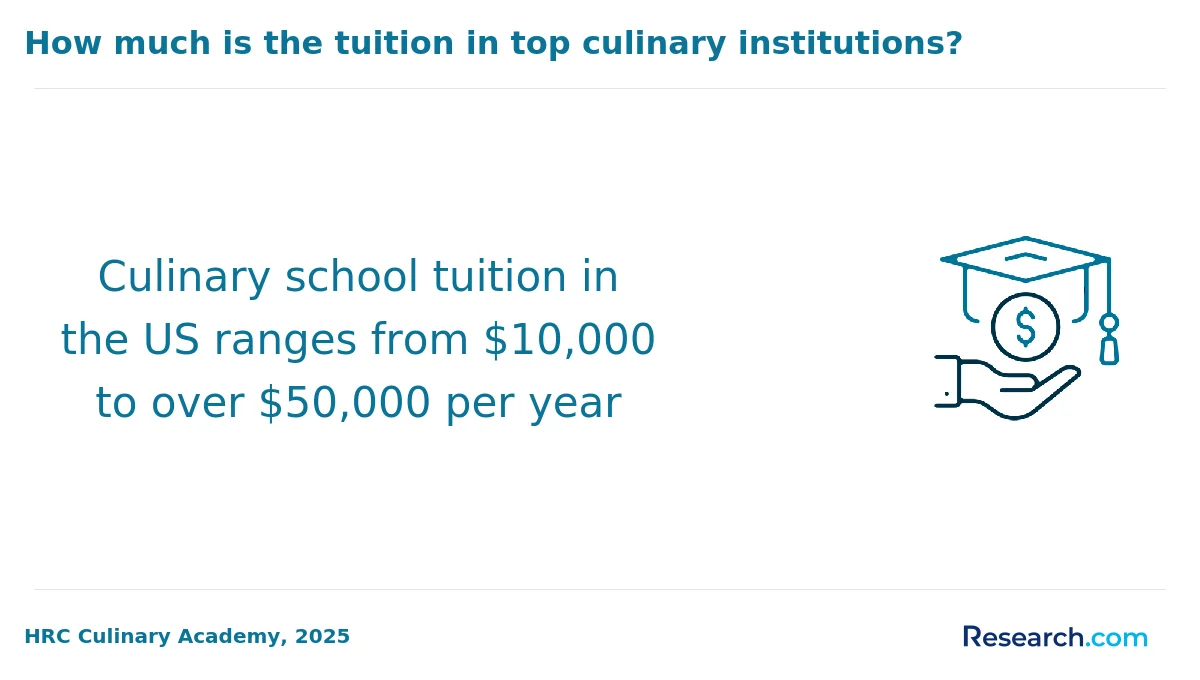
In America, on-campus programs often cost between $6,000 and $20,000 yearly, with private schools on the higher end. Online options can reduce expenses by cutting out commuting and campus fees, making culinary dreams accessible to aspiring chefs balancing busy lives.
What is the average cost of online culinary arts degree in America?
The average cost of an online culinary arts degree in America hovers around $40,680, a figure that many culinary hopefuls find both a challenge and an investment in their flavorful futures. Imagine a graduate from a popular culinary college in New York balancing the cost with a passion for transforming raw ingredients into artful plates-all while studying remotely. The tuition reflects not just the recipes and knife skills but also the depth of knowledge in food science, nutrition, and the business side of running a kitchen.
Tuition fees for online culinary arts programs in the USA vary, but this midpoint gives a realistic snapshot, especially for bachelor's degrees. Unlike quick certificate courses or associate programs offered by smaller community colleges, the full online bachelor's experience integrates diverse coursework, requiring a heftier price tag but also promising a richer, career-ready skill set.
Some graduates recall buying specialized ingredient kits and paying technology fees, quaint yet essential costs that color the online learning experience much like a pinch of exotic spice enhances a recipe. Yet, these are small portions in the grand scheme. Those seeking high paying jobs with trade school often find that investing in a comprehensive online culinary arts education at a respected university brings abundant returns beyond pure knowledge.
What financial aid is available to online culinary arts degree students in America?
Imagine diving into your online culinary arts degree at a renowned American institution like the Culinary Institute of America or Johnson & Wales University, feeling the thrill of creating gourmet dishes without drowning in debt. Many graduates recall how filling out the FAFSA unlocked federal Pell Grants, offering up to $7,500 annually-like a financial sous-chef standing by their side. State grants add a savory touch, especially for those hailing from states that champion vocational training, trimming tuition costs significantly.
Institutional scholarships at these schools often reward a blend of talent and grit, making excellence in the virtual kitchen financially rewarding. Picture a graduate whose scholarship, earned through passion and perseverance, turned their culinary dreams into steaming reality.
Beyond that, private scholarships from culinary foundations and industry groups sprinkle opportunities like seasoning, supporting students with contagious enthusiasm. And for the working culinary pro, employer tuition reimbursement programs are a lifeline, turning ovens and office cubicles into stepping stones.
Plus, many schools whisk together flexible payment plans, ensuring tuition doesn't overwhelm the bank account but instead simmers gently over time.
- Federal Pell Grants can provide up to $7,500 annually for eligible students.
- State grants vary widely but may cover substantial tuition portions depending on residency and program.
- Institutional scholarships at culinary schools often reward merit and need with varying dollar amounts.
- Private scholarships from industry organizations support talented and motivated students.
- Employer tuition reimbursement benefits working culinary professionals advancing their education.
- Flexible payment plans reduce upfront financial burdens for many students.
What are the prerequisites for enrolling in online culinary arts degree program in America?
To dive into an online culinary arts degree program in America, you'll first need to show you've got the basics down-think of a high school diploma or GED as your kitchen apron, the essential gear that ensures you're ready to handle the heat of college-level study. Graduates from well-known programs often remark that this foundational step gave them the confidence to tackle complex recipes and managerial classes alike.
Applying is more than just sending forms; it's like preparing your signature dish. You'll submit transcripts and craft a personal essay that stirs in your passion for food, ambition, and career dreams. Some schools, like those renowned for culinary education, suggest letters of recommendation that add flavor to your application, reflecting your real-world kitchen hustle.
While SAT or ACT scores rarely play a starring role, a few traditional colleges might request them-for instance, if you're eyeing a hybrid culinary path. Technical savvy, from steady internet to a capable computer, is non-negotiable for virtual labs and interactive tastings.
Finally, expect to roll up your sleeves with practical externships, essential for transforming online lessons into savory reality. Graduates recall these hands-on experiences as vital, grounding their skills and whisking them into the professional kitchen world.
What courses are typically in online culinary arts degree programs in America?
Imagine logging into your virtual kitchen at a top American institution, where courses like Introduction to Culinary Arts transport you straight into the sensory world of sizzling pans and knife skills mastery. Online students at renowned culinary schools recount how mastering Food Safety and Sanitation felt like unlocking a vital secret to protecting guests, with ServSafe certification shaping their confidence in real-world kitchens.
From the cozy corners of their homes, these learners explore Nutrition and Menu Planning, conceptualizing balanced dishes that satisfy diverse palates while keeping health in mind-just like budding chefs at prestigious culinary programs across America.
- Garde Manger and Cold Food Preparation sharpen skills for artful salads and charcuterie platters that wow guests during online tastings.
- Pastry and Baking Fundamentals spark creative fires, with sweet aromas imagined as graduates craft the perfect croissant.
- Hospitality and Restaurant Management unfolds the business side, enabling students to envision themselves running bustling foodservice hotspots.
- Advanced Cooking Techniques bring innovation live, experimenting with sous vide and molecular gastronomy while seated at home.
This blend of practical artistry and strategic thinking stands out in programs at culinary colleges coast to coast, helping students transform curiosity into culinary craftsmanship-all through the power of online learning.
What types of specializations are available in online culinary arts degree programs in America?
Imagine diving headfirst into the aromatic world of Pastry and Baking Arts, where online culinary arts specializations USA open doors to crafting exquisite desserts and artisanal breads. Graduates from top culinary colleges in America often describe the thrill of mastering chocolate tempering or cake decoration from their own kitchens, blending creativity with precision.
Others find their rhythm in Food Service Management, juggling the art of cooking with the science of running bustling kitchens. Envision yourself coordinating staff or budgeting for a gourmet event, just like alumni of prominent culinary programs who transition smoothly into leadership roles, transforming passion into rewarding careers.
The wave of wellness also sweeps through Nutrition and Dietetics, where students learn to weave dietary science into flavorful dishes, responding to America's growing appetite for health-conscious cuisine. Many who pursue specialized culinary degree programs America discover how these skills align perfectly with emerging niches, turning food into medicine and joy.
Beyond these, International Cuisine and Hospitality Culinary Arts invite you to explore global flavors and luxury event catering-destinations favored by students eager to broaden their culinary horizons. For inspiration on the broader career landscape, see the rise of liberal arts associate degree jobs that showcase the versatility of such training.
How do you choose the best online culinary arts degree in America?
Imagine choosing the best online culinary arts degree programs USA as if you're assembling a secret recipe-each ingredient must be just right. Graduates from top programs at renowned American colleges rave about how accreditation acts like the essential salt, preserving the value of their education in the long run. When they dive into their curricula, they discover a flavorful mix of cooking techniques, kitchen management, and surprising extras like nutrition that turn a simple dish into a gourmet experience.
Picture balancing tuition costs as cracking the perfect soufflé-it's tricky but rewarding when you land an affordable online culinary arts degrees America with transparent fees and no hidden costs. Many alumni reminisce about internships and externships arranged by their schools, their hands dusted with flour, sharpening skills in real kitchens instead of just watching videos. Such practical moments ignite passion and confidence, essential for thriving in this field.
For those curious after graduation, exploring jobs for restaurant managers highlights the vibrant career landscapes awaiting culinary artists, bringing those dreams simmering to a satisfying boil.
What career paths are available for online culinary arts degree students in America?
Graduates with an online culinary arts degree in America leap into a whirlwind of flavorful career paths, from commanding busy kitchens as chefs or sous chefs in bustling city restaurants to orchestrating seamless operations as food service managers at renowned hotels. Picture a graduate from a popular online culinary school turning their passion into a flourishing bakery, applying hands-on skills learned remotely to craft desserts that become local legends.
Others explore the vibrant realm of catering and event management, blending their culinary creativity with strategic planning to produce unforgettable experiences. Some embrace unique niches like food styling or consulting, transforming meals into visual masterpieces for media campaigns. These diverse avenues highlight the wide spectrum of online culinary arts careers in USA, where each day offers new opportunities to blend art, science, and enterprise in the food world.
For those chasing culinary arts degree job opportunities America can offer, entrepreneurial spirits often launch food trucks or specialty food ventures, propelled by the credibility of accredited degrees recognized nationwide. Discover more about your options through this popular online culinary school resource.
What is the job market for online culinary arts degree in America?
The job market for those holding an online culinary arts degree in America is buzzing with opportunity, fueled by a demand for chefs who bring fresh creativity and practical skills to bustling kitchens. Graduates from well-known colleges like the Culinary Institute of America or Johnson & Wales University often share stories of juggling online coursework with hands-on hours in local restaurants, blending theory with real-world flair. For students chasing culinary arts career opportunities in America, this balance proves to be a recipe for success: employers deeply value the flexible learning paths that let graduates gain both credentials and experience.
Urban hotspots, with their vibrant dining scenes and thriving tourism, offer an almost endless buffet of job openings, typically paired with higher wages, sparking hope for many graduates who started through online programs. Specializing in niches like pastry or restaurant management enhances these prospects even further. Prospective chefs can explore high paying jobs with associates degree to understand economic pathways that complement their culinary training.
Frequently Asked Questions About culinary arts
Students pursuing online culinary arts degrees in America can maximize their learning by combining theoretical lessons with hands-on practice. The American Culinary Federation highlights that practical experience is essential for skill development, encouraging students to supplement coursework with kitchen internships or local culinary apprenticeships.
Engaging actively in online forums and virtual cooking labs enhances collaboration and feedback opportunities. According to the U.S. Bureau of Labor Statistics, culinary professionals with both formal education and practical experience have higher employment rates and earning potential.
Additionally, using digital resources such as video demonstrations, recipe databases, and nutrition software can deepen understanding of techniques and food science. Seeking mentorship from industry professionals further bridges the gap between study and real-world application.
The culinary arts field in America is evolving with several emerging niches, driven by changing consumer preferences and industry demands. One notable area is plant-based cuisine, reflecting a market growth projected to reach $162 billion by 2030, according to the Good Food Institute. This niche includes vegan and vegetarian culinary arts programs focused on innovative techniques and sustainable ingredients.
Another growing specialty is farm-to-table and sustainable cooking, which emphasizes local sourcing and environmental responsibility. Culinary professionals are increasingly trained in these practices through online degrees offering courses on agricultural partnerships and eco-friendly methods.
Additionally, culinary nutrition combines food science and dietetics, responding to the U.S. demand for healthier eating habits. This niche appeals to students interested in nutrition-focused culinary careers, supported by data from the Bureau of Labor Statistics forecasting a 16% growth in dietitian jobs by 2030.
After completing an online culinary arts degree in America, preparing for the job market requires both practical experience and networking. While online programs provide foundational knowledge, hands-on skills remain crucial. Graduates should seek internships or part-time roles in local kitchens to build real-world expertise. According to the U.S. Bureau of Labor Statistics, culinary jobs are projected to grow 19% from 2022 to 2032, indicating strong demand but also competition.
Joining professional organizations like the American Culinary Federation can offer valuable connections and certifications. Additionally, creating a detailed portfolio showcasing culinary projects and recipes will help employers assess skills effectively. Developing customer service and management abilities is also important, as many jobs require these alongside cooking expertise.
Employers in the American culinary industry prioritize several key skills when hiring graduates of online culinary arts degree programs. Strong technical cooking abilities remain fundamental, including knowledge of food safety standards regulated by the USDA and FDA. Creativity in recipe development is highly valued, as 68% of hiring managers seek innovative chefs who can adapt to diverse cuisines and dietary needs (National Restaurant Association, 2023).
Additionally, effective communication and teamwork skills are essential since kitchen environments demand close collaboration. According to a 2022 Culinary Institute report, 73% of employers emphasize leadership qualities, even in entry-level roles. Time management and adaptability also rank among the top skills, given the fast-paced and dynamic nature of culinary workplaces.
Finding internships in America relevant to a culinary arts degree typically begins with research through accredited online culinary programs, as many schools maintain partnerships with local restaurants and hospitality businesses. According to the U.S. Bureau of Labor Statistics, hands-on experience is crucial in this field, and internships often provide this practical exposure.
Students should also explore opportunities via professional organizations like the American Culinary Federation, which offers internship listings and networking events. Job platforms such as Culinary Agents and CHEF Job Finder specialize in culinary internships and entry-level roles, helping candidates connect with employers nationwide.
Finally, contacting local restaurants, hotels, or catering companies directly can uncover hidden internship openings. Tailoring applications to highlight culinary skills gained online enhances chances of success.
An online culinary arts degree in America can significantly enhance career mobility by providing flexible access to credentialing that meets industry standards. Many employers in the food service sector recognize accredited online programs, allowing graduates to compete for roles such as sous chef or kitchen manager. According to the U.S. Bureau of Labor Statistics, culinary occupations are expected to grow 15% from 2021 to 2031, suggesting that formal education plays a vital role in advancement prospects.
Online degrees often include comprehensive training in food safety, management, and culinary techniques, which prepares students for leadership positions. Additionally, graduates gain credentials that support transitions from entry-level to supervisory roles, improving earning potential. Industry associations like the American Culinary Federation value formal degrees, which can open doors to networking and certification opportunities. This combination of education and credentialing contributes directly to upward mobility within the American culinary workforce.
Studying for a culinary arts degree online in America equips students with diverse skills beyond cooking. Programs often integrate courses in nutrition, business management, and hospitality, preparing graduates for roles that require cross-disciplinary knowledge. According to the American Culinary Federation, 73% of culinary professionals benefit from combined expertise in management and food science.
Students gain familiarity with budgeting, marketing, and food safety regulations, essential for leadership roles. This interdisciplinary approach supports careers in food service management, product development, and culinary education. Online degrees also emphasize technology use, including inventory software and virtual team coordination, reflecting modern industry demands documented by the U.S. Bureau of Labor Statistics.
Choosing between a thesis and a non-thesis culinary arts degree program in America depends largely on your career goals and learning style. Thesis programs require students to conduct original research, ideal for those interested in academic, research, or specialized culinary fields. According to the National Center for Education Statistics, about 30% of culinary arts graduates pursue graduate study or research roles.
Non-thesis programs focus more on practical skills and applied knowledge, preparing students directly for industry roles such as chefs, managers, or food entrepreneurs. These programs are often shorter and emphasize hands-on experience, which aligns with the dynamic nature of the US culinary industry.
Online programs typically detail these options clearly within their curriculum descriptions, and accreditation by organizations like the American Culinary Federation ensures program quality.
American students pursuing culinary arts degrees can expand their education by exploring study abroad opportunities through U.S.-based institutions with international partnerships. Many accredited culinary programs offer online degrees combined with short-term practical experiences abroad, often in countries renowned for their culinary traditions, such as France or Italy.
These options typically leverage alliances with global culinary schools, allowing students to earn credits that count toward their U.S. degree while gaining hands-on skills overseas. According to the American Culinary Federation, about 15% of culinary students engage in some form of international training to enhance their global culinary perspective.
Students should verify accreditation to ensure credits transfer appropriately and check that their online program supports international study components. Financial aid options may also be available to support these experiences.
Part-time jobs that align well with an online culinary arts degree in America offer practical experience and flexible schedules. Popular options include working as a line cook, where students can hone kitchen skills while earning an average hourly wage of around $12 to $15 (Bureau of Labor Statistics, 2023).
Other beneficial roles are prep cook, dishwasher, or catering assistant positions. These jobs provide hands-on culinary knowledge and exposure to food safety practices crucial for career growth.
Many students also find opportunities in food service management internships, which complement theory learned in class and support resume building.
Online culinary arts students in America have access to a variety of networking opportunities despite the virtual format. Many programs partner with industry organizations such as the American Culinary Federation (ACF), offering students membership and participation in regional and national events. According to the ACF, over 17,500 members nationwide connect through conferences, competitions, and workshops, fostering professional relationships.
Additionally, virtual career fairs and alumni networks provide platforms for students to engage with chefs, restaurateurs, and food industry leaders. Social media groups and forums specific to culinary professionals also serve as valuable spaces for advice and collaboration.
Some schools facilitate mentorship programs linking students with experienced culinary professionals to help build practical connections and career support.
Alumni networks offer significant benefits to students pursuing online culinary arts degrees in America. These networks connect graduates with industry professionals, enhancing job placement opportunities in a competitive market. According to the National Restaurant Association, over 1.7 million restaurant jobs were added in 2023, highlighting the growing demand for skilled culinary professionals.
Through alumni events, mentorship programs, and exclusive job boards, students gain insights into current culinary trends and employer expectations. Networking within these communities also fosters collaboration and innovation, which are essential for career growth in the dynamic food service industry.
Customizing an online culinary arts degree program in America allows students to tailor their education to specific career paths such as restaurant management, baking and pastry arts, or nutrition. Many accredited programs offer elective courses or specialized certificates to enhance expertise in areas like food safety, menu planning, or culinary entrepreneurship.
Students should review course catalogs carefully and consider programs aligned with the American Culinary Federation's standards, which often improves job prospects. According to the U.S. Bureau of Labor Statistics, culinary jobs are expected to grow 7% through 2032, emphasizing the value of targeted skills.
Additionally, some programs provide flexible scheduling and internships, which help build practical experience suited to individual goals.
Online culinary arts students in America often face unique challenges compared to traditional in-person programs. A primary difficulty is the limited hands-on experience, as practical kitchen skills are essential but hard to replicate virtually. According to the American Culinary Federation, over 60% of culinary training relies on hands-on practice, which online formats struggle to fully provide.
Technical issues also impact learning, with unreliable internet or lack of proper kitchen equipment at home affecting participation. Additionally, students may miss out on networking opportunities common in on-campus programs, which are important for career development in the hospitality industry.
Time management represents another barrier, as many students balance work, family, and study responsibilities simultaneously in an online environment.
Graduates of online culinary arts degrees in the United States can pursue several respected professional certifications to enhance their careers. One of the most recognized is the Certified Culinarian (CC) credential offered by the American Culinary Federation (ACF). This certification validates foundational culinary skills and often leads to higher earning potential.
More advanced certifications, such as Certified Sous Chef (CSC) or Certified Executive Chef (CEC), require professional experience alongside education. These credentials are valued by employers across the hospitality industry.
Additionally, certifications in food safety, like the ServSafe Manager certification from the National Restaurant Association, are common requirements for culinary professionals. Holding these certifications can improve job prospects and demonstrate commitment to industry standards.
Applying to an online culinary arts program in America requires clear, focused preparation. Start by researching accredited programs recognized by bodies such as the American Culinary Federation Education Foundation. These programs ensure quality education and improve job prospects.
Highlight relevant experience or passion for cooking in your personal statement. Admissions often value practical knowledge and dedication, especially in a field where hands-on skills matter.
Standardized test scores are less emphasized for culinary degrees, but strong high school or college transcripts support your application. Letters of recommendation from culinary professionals or instructors add credibility.
Be sure to follow each school's application guidelines carefully. According to the National Restaurant Association, the culinary industry in the U.S. offers over 15 million jobs, making a well-prepared application essential for standing out.
Global perspectives on a culinary arts career highlight the growing demand for skilled professionals worldwide, with the United States playing a pivotal role in culinary education. According to the Bureau of Labor Statistics, culinary occupations in the US are projected to grow 11% from 2022 to 2032, faster than the average for all occupations. This growth reflects a broader trend toward international culinary exchange and fusion, increasing the value of formal culinary education.
In America, online culinary arts degrees enable students to gain recognized credentials while exploring global cuisines, techniques, and hospitality management. Institutions often incorporate international culinary standards to prepare graduates for versatile careers in an interconnected market.
Moreover, American culinary programs frequently emphasize sustainability and innovation, responding to global shifts in food culture and consumer preferences. This global outlook creates opportunities for graduates to work not only domestically but also in multinational hospitality sectors.
Gaining practical experience during an online culinary arts degree in America is essential for skill development. Many programs require students to complete internships or externships at local restaurants, hotels, or catering companies. These hands-on opportunities allow students to apply theory in real kitchen settings. According to the American Culinary Federation, about 75% of culinary students participate in internships to improve employment chances.
Some institutions partner with nearby culinary businesses to facilitate practical training. Additionally, students can enhance skills through at-home cooking assignments and virtual demonstrations. Utilizing community kitchens or volunteering at food events can also provide valuable experience while studying remotely.
Choosing the right concentration within an online culinary arts degree program in America requires careful consideration of your career goals and interests. Popular concentrations include pastry arts, culinary management, nutrition, and international cuisines. The U.S. Bureau of Labor Statistics projects a 6% growth in culinary careers through 2032, emphasizing the importance of specialized skills.
Research programs accredited by the American Culinary Federation Education Foundation, as accreditation ensures quality and industry recognition. You should also consider faculty expertise, internship opportunities, and alumni success rates. According to the National Restaurant Association, culinary managers earn a median salary of $58,410, highlighting management as a lucrative concentration.
Top Trending Culinary Arts Rankings
References
- Culinary Institute of America | World's Premier Culinary College https://www.ciachef.edu/
- The Price Tags for 11 Culinary Schools Across the Country https://www.eater.com/2013/4/25/6444399/the-price-tags-for-11-culinary-schools-across-the-country
- Online Culinary Courses - London https://www.cordonbleu.edu/london/online-learning/en
- Life as a Culinary Student: Foreign Flavors https://www.ice.edu/blog/life-culinary-student-foreign-flavors
- How Long is Culinary School: Timeline of Culinary Programs https://www.hrcacademy.com/en/blog/how-long-is-culinary-school/
- Adam Dolge's Culinary School Journey https://www.thecookscook.com/article/inside-culinary-school-three-essays-on-what-its-really-like/
- Escoffier Online: Online Culinary School and Classes https://www.escoffieronline.com/
- Culinary Arts http://www.jobcorps.gov/jobs/culinary-arts
- What Can You Do With a Culinary Arts Degree https://www.monroeu.edu/academics/undergraduate-programs/school-hospitality-management/jobs-with-culinary-arts-degree
- Professional Culinary Courses https://rouxbe.com/professional-culinary-courses


