
2027 Fastest Online Culinary Arts Degree Programs Ranking in the USA

Co-Founder and Chief Data Scientist
Are you passionate about cooking and ready to turn that passion into a rewarding career? Choosing the right culinary arts degree program can be overwhelming, especially with so many options available online.
This article presents the 2027 Fastest Online Culinary Arts Degree Programs Ranking in the USA, crafted by the Research.com team of data scientists to help you make an informed decision.
Discover programs that combine quality education with flexibility, so you can gain valuable skills and jumpstart your culinary journey confidently.
Key benefits of getting online culinary arts degree in America
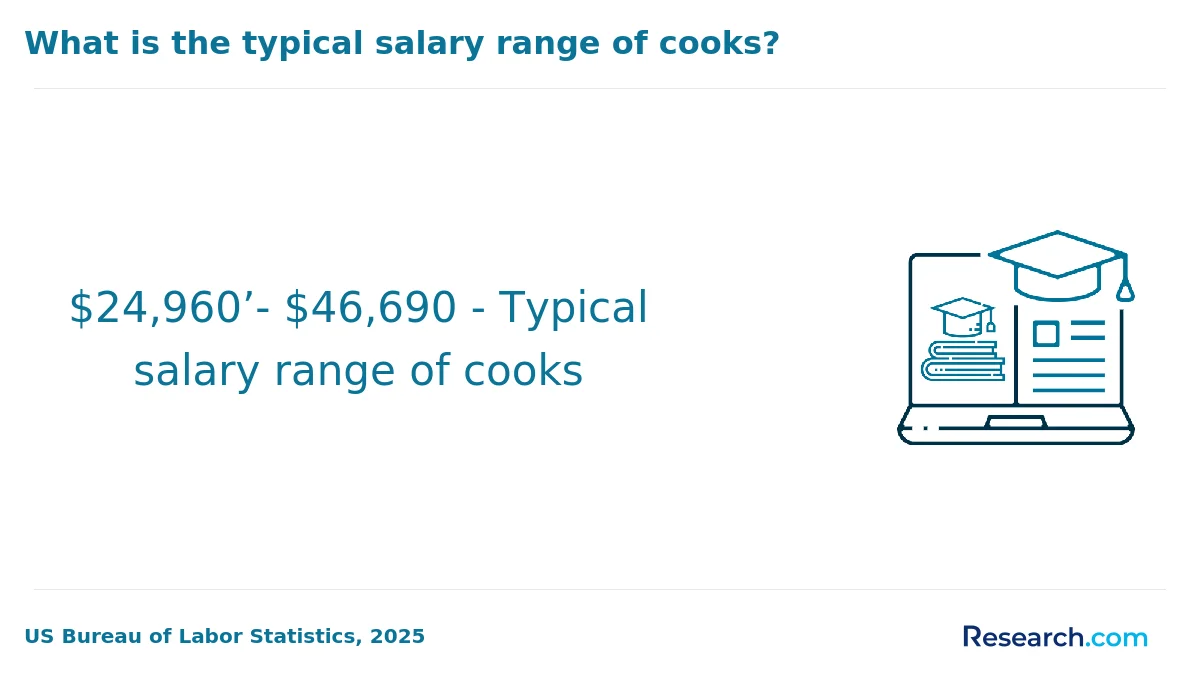
- Culinary arts degree graduates often pursue roles like chefs and head cooks, with median annual wages around $53,380, offering a stable and rewarding salary.
- Graduates from popular programs, such as those at the Culinary Institute of America, can explore diverse career paths including restaurant management, food styling, and catering entrepreneurship.
- Obtaining a culinary arts degree online, like through Johnson & Wales University, provides flexible scheduling and access to quality instruction, making it easier to balance work and study while gaining essential skills.
- Key benefits of getting online culinary arts degree in America
- What can I expect from online culinary arts degree in America?
- Where can I work with online culinary arts degree in America?
- How much can I make with online culinary arts degree in America?
- 2027 Fastest Online Culinary Arts Degree Programs Ranking in the USA
- Key Findings
- How long does it take to complete online culinary arts degree in America?
- What's the difference between online and on-campus culinary arts degree?
- What is the average cost of online culinary arts degree in America?
- What financial aid is available to online culinary arts degree students in America?
- What are the prerequisites for enrolling in online culinary arts degree program in America?
- What courses are typically in online culinary arts degree programs in America?
- What types of specializations are available in online culinary arts degree programs in America?
- How do you choose the best online culinary arts degree in America?
- What career paths are available for online culinary arts degree students in America?
- What is the job market for online culinary arts degree in America?
- Top Trending Culinary Arts Rankings
What can I expect from online culinary arts degree in America?
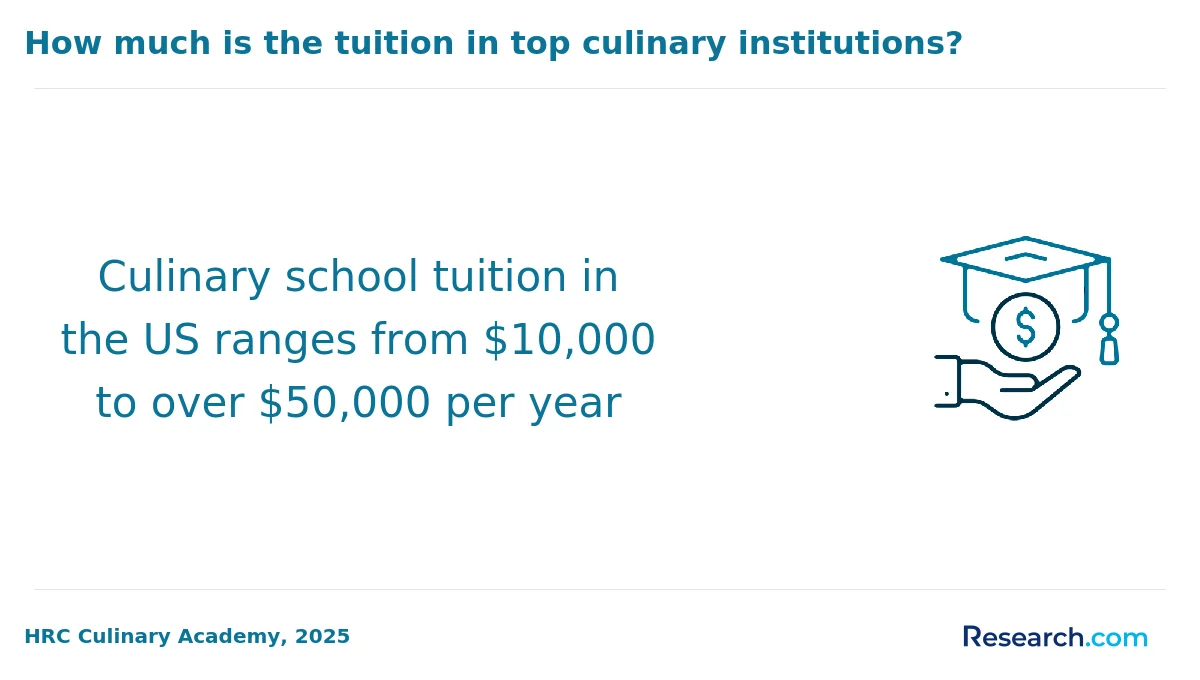
The average cost of an online culinary arts degree in America varies significantly depending on the institution, but prospective students generally find these programs more affordable than traditional on-campus options. For example, graduates from well-known culinary schools like the Culinary Institute of America or Johnson & Wales University report tuition fees typically ranging from $10,000 to $25,000 for associate degrees completed online.
Many students appreciate the reduced expenses related to commuting, housing, and campus fees, which can make a substantial difference in overall affordability. One graduate shared how the flexibility to study while working allowed a seamless balance between personal commitments and education, helping manage financial pressures effectively.
Financial aid plays a crucial role, with options such as federal student loans and scholarships frequently available to eligible students enrolled in accredited programs. This support helps aspiring culinary professionals access quality education without overwhelming debt, making culinary arts degrees a viable investment for career advancement in the dynamic hospitality industry.
Where can I work with online culinary arts degree in America?
Graduates of online culinary arts degree programs in America often secure positions in diverse sectors such as restaurants, hotels, and food service management. For example, those who studied at renowned institutions like the Culinary Institute of America or Johnson & Wales University frequently find supervisory roles in bustling hotel kitchens or upscale restaurants across the country. Many enjoy the dynamic environment of managing kitchen operations or leading teams in corporate cafeterias and school dining facilities, where their formal training is highly valued.
Others leverage their skills in food manufacturing companies, engaging in recipe development or quality assurance to ensure product excellence. Food science knowledge gained during their studies proves essential in these roles. Additionally, graduates increasingly thrive in food media and education, working as instructors or content creators who share culinary expertise through workshops or digital platforms.
Entrepreneurship is another rewarding path; many launch catering businesses or specialty food shops, combining creativity with business savvy. These career opportunities reflect the practical and flexible nature of online culinary arts education in America.
How much can I make with online culinary arts degree in America?
Graduates with an online culinary arts degree in America typically see starting salaries around $34,000, with median earnings for chefs and head cooks near $56,000 annually, according to 2022 data from the U.S. Bureau of Labor Statistics. Those who studied at well-regarded institutions such as the Culinary Institute of America or Johnson & Wales University have shared that their hands-on experience and networking opportunities helped them secure positions in upscale restaurants, where salaries can reach over $90,000.
Many graduates find roles as sous chefs or kitchen managers, earning median hourly wages between $18 and $21, which provides a solid income basis while refining their leadership skills. Culinary arts students often feel motivated by the dynamic environments they enter, from prestigious hotels to boutique catering services in cities like New York or San Francisco, where compensation reflects local demand and cost of living.
Certification from bodies such as the American Culinary Federation further enhances earning potential, with certified chefs earning 10% to 15% more on average. Graduates appreciate this pathway as it rewards their dedication and elevates their professional status within America's competitive culinary industry.
2027 Fastest Online Culinary Arts Degree Programs Ranking in the USA
How do we rank schools?
Investing in your education is a significant decision that can shape your career, and the Research.com team recognizes the importance of helping students make well-informed choices. To support individuals interested in culinary arts, we have carefully developed the "2027 Fastest Online Culinary Arts Degree Programs Ranking in the USA." Our dedication to quality, credibility, and accuracy is demonstrated through thorough research and analysis.
We utilized the following reputable data sources to ensure a comprehensive evaluation of culinary arts programs:
By exploring this ranking, readers will gain valuable insights into the fastest online culinary arts degree programs across the USA, enabling them to choose the best educational path to advance their careers. For more details on how the ranking was created, please visit our Research.com methodology page.
# 1 position
New Mexico State University
Master of Family and Consumer Sciences: Hotel, Restaurant and Tourism Management

# 2 position
The University of Alabama
Bachelor of Human Environmental Sciences, Restaurant and Hospitality Management (Restaurant, Hotel, and Meetings Management)

# 3 position
Arizona State University Campus Immersion
Bachelor of Business - Food Industry Management


Key Findings
- Online culinary arts degrees range from associate to bachelor's levels, allowing students to choose based on their career goals.
- Associate degree programs typically cost between $10,000 and $30,000, while bachelor's degrees range from $30,000 to $60,000, excluding supplies and externships.
- Starting salaries for culinary arts graduates usually fall between $30,000 and $35,000 annually, with mid-career earnings rising to $45,000-$55,000 per year.
- Jobs for chefs and head cooks in the U.S. are projected to grow 8% from 2022 to 2032, faster than the average for all occupations.
- Quality online culinary programs include virtual labs, video demos, and local externships, and accreditation from recognized bodies enhances educational value and employer acceptance.
How long does it take to complete online culinary arts degree in America?
Completing an online culinary arts degree in America typically takes two to four years, depending on the level of study. Associate degrees generally require about two years of full-time commitment and 60 to 65 credit hours. Many students at institutions like the Culinary Institute of America pursue these programs while balancing work and family, appreciating the manageable weekly workload of 20 to 25 hours and supportive virtual labs that simulate real kitchens.
Bachelor's degrees demand a greater investment, with four years needed to complete 120 to 130 credit hours that delve deeper into culinary techniques, nutrition, and business management. Graduates from universities such as Johnson & Wales University often highlight the flexibility of accelerated courses or credit earned through prior experience, which helps them finish sooner without sacrificing skill mastery.
Positive student experiences frequently mention how online formats accommodate busy schedules, allowing them to progress steadily while gaining practical knowledge. Full-time enrollment accelerates completion, but many find part-time pacing suits their lifestyles better, making the journey both achievable and rewarding.
What's the difference between online and on-campus culinary arts degree?
Online and on-campus culinary arts degrees in America differ primarily in delivery and hands-on training. On-campus programs, such as those at The Culinary Institute of America or Johnson & Wales University, immerse students in professional kitchen environments, providing direct supervision and immediate feedback. Graduates often reflect on the confidence gained from working side-by-side with instructors and peers in state-of-the-art culinary labs, mastering manual techniques essential for a culinary career.
Conversely, online culinary degrees emphasize theory, management skills, and flexible scheduling, appealing to students balancing work or family commitments. These programs use video lessons and interactive assignments but often require short residencies or partnerships with local kitchens to fulfil practical training components. Graduates appreciate the convenience yet acknowledge the self-discipline needed, along with extra investment in home kitchen equipment.
Cost is another factor: public on-campus associate degrees average about $14,000 annually, while online options range $10,000 to $20,000, influenced by facility overhead and additional personal expenses. This difference shapes student choices based on career focus and lifestyle.
What is the average cost of online culinary arts degree in America?
The average cost of an online culinary arts degree in America typically centers around a median total of approximately $40,680. This figure reflects the range of tuition and fees for online culinary programs in the USA and aligns with the experiences of graduates from widely recognized institutions like Johnson & Wales University and the Culinary Institute of America. These students often note that while tuition can be substantial, the value of receiving hands-on training through virtual simulations and practical assignments enhances their educational experience and career readiness.
Community colleges offering associate-level culinary degrees provide a more affordable entry point, with tuition around $3,800 per year for in-state residents, though this is usually for on-campus programs. For bachelor's degree seekers, public universities charge closer to $10,700 annually, while private colleges can demand upwards of $38,000 each year for their prestigious culinary arts programs. Graduates emphasize the importance of budgeting for additional costs such as kitchen equipment, textbooks, and technology fees, which can add significantly to total expenses.
Many students pursuing an online culinary arts degree in America discover that accelerated programs help reduce time commitment and overall tuition expenses. Scholarships, grants, and financial aid further mitigate costs, making this educational path more accessible. Prospective students looking for more detailed pricing comparisons often consult resources like the NCES College Navigator or explore the ranking of affordable online baking and pastry arts trade schools programs to find options that best fit their budgets and career goals.
What financial aid is available to online culinary arts degree students in America?
Students pursuing online culinary arts degrees in America have access to several financial aid options to help manage program costs typically ranging from $10,000 to $30,000. Many graduates recall applying for Pell Grants through FAFSA, which provide up to $7,395 annually without repayment, easing financial pressures while enrolled at institutions like the Culinary Institute of America or Johnson & Wales University.
Federal student loans also serve as crucial support, offering fixed interest rates and flexible repayment tailored to student needs. Beyond federal aid, state grants and scholarships often target culinary students in career-focused programs, with some states allocating funds specifically for technical fields.
Scholarships from culinary schools and organizations such as the American Culinary Federation frequently reduce expenses by thousands of dollars, rewarding merit and community involvement. Additionally, working professionals have benefited from employer tuition assistance programs at various hospitality chains, enabling them to pursue further education without sacrificing income, a vital factor expressed by many returning students.
Private loans and payment plans remain options but are generally recommended only after maximizing federal and state aid to avoid excessive debt.
What are the prerequisites for enrolling in online culinary arts degree program in America?
To enroll in an online culinary arts degree program in America, students must typically hold a high school diploma or equivalent, such as a GED. This foundational requirement ensures readiness for academic challenges in institutions like the Culinary Institute of America or Johnson & Wales University, where graduates emphasize the importance of basic literacy and numeracy skills in mastering food safety, nutrition, and culinary theory.
Most programs welcome beginners without prior culinary experience, offering an inclusive environment that fosters confidence and skill-building. However, some accelerated or competitive tracks may prefer candidates with hospitality experience, reflecting real-world kitchen demands.
Applicants must complete formal applications including transcripts and sometimes personal statements or letters of recommendation, enabling admissions committees to assess motivation and potential for success. Students who have enrolled from renowned colleges report that this process encourages reflection on career goals, deepening their commitment.
Practical readiness is vital; graduates often highlight the advantage of having access to a well-equipped home kitchen for hands-on assignments. Although not always a documented prerequisite, this practical aspect greatly influences achievement in rigorous programs.
What courses are typically in online culinary arts degree programs in America?
Online culinary arts degrees in America typically encompass a mix of core and supplementary courses designed to build both practical skills and theoretical knowledge. Graduates from well-regarded programs at colleges known for their culinary curriculum often describe starting with foundational classes such as knife skills, cooking methods, and kitchen safety, which enable them to confidently handle real-world kitchen environments.
Beyond practical cooking techniques, students frequently engage in courses covering baking and pastry arts, menu planning, and diverse culinary traditions, reflecting the rich cultural landscape of American cuisine. For example, one graduate from a top culinary college recalls mastering the art of French sauces through virtual labs, which translated into confidence during their first professional kitchen internship.
Supplementary courses emphasize food science, including food sanitation following ServSafe guidelines, nutrition, and food chemistry. Management classes also play a critical role, offering training in restaurant operations, cost control, and staff coordination. Many programs integrate business concepts such as marketing and hospitality law, equipping students eager to become successful entrepreneurs or managers in the competitive food industry.
What types of specializations are available in online culinary arts degree programs in America?
Online culinary arts specializations in the USA typically include Baking and Pastry Arts, Restaurant and Foodservice Management, Nutrition and Healthy Cooking, Culinary Science and Technology, and Global and Ethnic Cuisines. Graduates of well-known culinary colleges often recall how Baking and Pastry Arts allowed them to master intricate dessert techniques suited for upscale kitchens, while others appreciated the business acumen gained through Foodservice Management, preparing them for leadership roles in hospitality. Those focusing on Nutrition and Healthy Cooking benefit from addressing current dietary trends, equipping them to meet demands for gluten-free or vegan menus in diverse settings.
Students enrolled in culinary degree program concentrations in America enjoy flexible online learning that fits busy schedules, with many programs incorporating hands-on externships, creating real-world experiences similar to those of peers at leading culinary institutes. Many have found pursuing these pathways rewarding, combining passion with practical skills to enhance career opportunities in a growing industry. For those seeking the quickest college degrees with the highest pay, these specialized tracks offer targeted expertise and competitive advantage.
How do you choose the best online culinary arts degree in America?
Choosing the best online culinary arts degree in America involves evaluating programs that balance comprehensive theory with practical application, essential for mastering culinary skills remotely. Graduates from well-regarded schools often highlight the value of curricula accredited by the American Culinary Federation Education Foundation, which signals industry recognition and opens doors to career advancement. For example, students from popular culinary colleges appreciate programs offering hybrid formats with in-person labs or externships that simulate real-world kitchens.
Affordability is crucial; many seek affordable online culinary schools in America that reduce overall costs while maintaining quality education. Graduates commonly emphasize how flexible scheduling allowed them to manage studies alongside work commitments, particularly through accelerated programs lasting one to two years. Considering these factors helps align program pace with individual learning preferences.
Finally, researching graduate outcomes, including employment rates and salary expectations, provides insight into program effectiveness. To explore career pathways following culinary education, prospective students can consult a list of careers with an online hospitality management masters degree.
What career paths are available for online culinary arts degree students in America?
Graduates with an online culinary arts degree in America find diverse career paths available to them, reflecting the dynamic nature of the food industry. Many pursue roles as chefs or cooks in restaurants, hotels, and catering companies, where they apply techniques learned through programs at esteemed colleges. Others advance into food service management, overseeing kitchen operations and staff, drawing on skills developed in coursework tailored to leadership and administration. For those passionate about creativity and precision, specializing as pastry chefs or bakers offers opportunities within bakeries and upscale hospitality venues.
Some graduates enrich their career opportunities by combining culinary training with nutritional science, stepping into roles as nutritionists or food scientists to innovate healthier recipes and food products. Entrepreneurship also attracts many, as online culinary arts degree career opportunities USA graduates launch ventures such as food trucks or specialty cafes, leveraging flexibility and business acumen gained during their studies. Students from well-known American culinary institutions frequently share satisfaction in applying their education practically, further emphasizing the value of enrolling with the best online culinary school for optimal career outcomes.
What is the job market for online culinary arts degree in America?
The job market for graduates holding an online culinary arts degree in America is expanding, driven by a growing foodservice industry and increasing consumer interest in diverse culinary experiences. Many graduates from popular institutions, like community colleges and well-known online programs, find roles as sous chefs, pastry chefs, and catering managers. These positions benefit from flexibility afforded by online study while still requiring practical, hands-on experience. The outlook for students exploring the online culinary arts degree job outlook USA is optimistic, especially as employers seek individuals with accredited certifications and up-to-date knowledge of food safety and trends.
Graduates frequently highlight how programs from recognized American colleges helped them combine professional skills with entrepreneurial ambitions, such as opening catering businesses or food trucks. Additionally, niche markets emphasizing sustainable and plant-based cuisine present exciting career opportunities. While many entry-level roles favor apprenticeships, the accessible tuition of online programs-ranging broadly from $5,000 to $40,000-makes culinary education more attainable for a wide range of students interested in culinary arts career opportunities in America. For those seeking jobs that pay well with associates degree, this path represents a practical and rewarding investment.
Frequently Asked Questions About culinary arts
Online culinary arts degree students in America can maximize their learning by actively engaging with interactive course materials and participating in virtual cooking labs. Many programs incorporate video demonstrations and real-time feedback, enhancing practical skills despite the remote format. According to the American Culinary Federation, hands-on experience is crucial, so students should supplement studies with local internships or apprenticeships when possible.
Networking with peers through online forums and social media groups helps build professional relationships. Additionally, students benefit from setting a dedicated workspace for practice and maintaining a consistent schedule, which supports discipline and skill retention. Utilizing available resources, such as culinary software and virtual mentorships, can also enhance comprehension.
The culinary arts field in America is expanding beyond traditional roles, with emerging niches gaining popularity among students pursuing online degrees. One significant growth area is plant-based and vegan cuisine, driven by a 27% increase in demand for plant-based foods from 2020 to 2023, according to the Good Food Institute. Another niche is sustainable cooking, where chefs focus on reducing food waste and sourcing locally. Additionally, health-focused culinary arts integrating nutrition and dietetics are rising due to growing public interest in wellness
.
After earning an online culinary arts degree in America, preparing for the job market involves several practical steps. Start by gaining hands-on experience through internships or apprenticeships, which many accredited programs encourage. According to the U.S. Bureau of Labor Statistics (2023), culinary jobs are projected to grow 13% through 2031, highlighting increasing opportunities.
Networking is critical; joining professional organizations like the American Culinary Federation can connect graduates to industry professionals and job leads. Additionally, certification in food safety, such as ServSafe, enhances employability and meets many employers' requirements.
Building a strong portfolio showcasing culinary skills and a resume tailored to hospitality roles will improve job prospects significantly.
Employers in America highly value culinary arts graduates who demonstrate strong technical cooking skills. Mastery of food preparation, knife techniques, and kitchen safety are expected foundational abilities.
Beyond cooking, leadership and teamwork are critical. Many positions require effective communication and the ability to manage kitchen staff under pressure.
According to the U.S. Bureau of Labor Statistics, culinary professionals with certification and practical experience have better job prospects. Creativity and menu development also stand out as important for meeting evolving consumer tastes.
Finally, familiarity with nutrition, food costs, and sanitation standards enhances employability in the competitive American culinary market.
Finding internships in America relevant to a culinary arts degree involves leveraging multiple resources. Start by exploring your online program's career services, which often connect students with local restaurants and hospitality businesses. According to the National Restaurant Association, internships provide crucial hands-on experience and enhance employability in the culinary field.
Using professional platforms like the American Culinary Federation's job board can help you identify internships suited to culinary students. Additionally, networking through local chapters and attending culinary expos can open doors to internship opportunities. Contacting restaurants directly to inquire about internships remains an effective strategy for many students.
Many internships align with academic calendars, so early planning is essential. According to the Bureau of Labor Statistics, internships in culinary arts boost the chance of full-time employment post-graduation.
Online culinary arts degrees in America significantly enhance career mobility by providing flexible access to accredited programs. According to the American Culinary Federation, graduates with formal culinary education, including online degrees, often report faster promotion opportunities compared to non-degree holders. These programs teach both foundational skills and management techniques, preparing students for roles beyond entry-level positions.
Many online culinary degrees incorporate externships or partnerships with hospitality businesses, facilitating practical experience and networking essential for advancement. The U.S. Bureau of Labor Statistics notes that chefs and head cooks with formal education typically earn higher wages and have greater job stability.
Overall, an online culinary arts degree can broaden career options across the culinary and hospitality fields.
Studying for a culinary arts degree online in America equips students with skills that extend beyond traditional cooking techniques. Programs often integrate courses in nutrition, business management, food safety, and hospitality, preparing graduates for diverse roles in the food industry.
The U.S. Bureau of Labor Statistics projects a 10% growth in food service management jobs through 2032, highlighting the need for professionals with interdisciplinary knowledge.
Moreover, online formats offer flexibility, allowing students to balance hands-on practice with courses in marketing, sustainability, and supply chain logistics.
These broad skill sets are essential for roles like restaurant management, food consultancy, or culinary education, reflecting the evolving demands of America's dynamic food sector.
When choosing between a thesis and a non-thesis online culinary arts degree in America, students should consider their career goals and learning preferences. A thesis program typically involves extensive research and a written project, ideal for those interested in culinary education, food science, or advanced industry roles. According to the National Restaurant Association, 60% of culinary professionals advance their careers through research skills related to menu development or nutrition.
Non-thesis programs focus more on practical skills and hands-on training, appealing to students seeking immediate entry or promotion in the culinary workforce. Both options are recognized by U.S. accrediting bodies, ensuring quality education.
Cost and duration may vary, with thesis programs sometimes requiring more time to complete. Reviewing course structure and speaking with advisors can help clarify which path aligns best with individual objectives.
Students based in America seeking to study culinary arts abroad have several options despite pursuing their degree online. Many U.S. culinary programs partner with international institutions, allowing students to participate in short-term study abroad experiences or internships while completing online coursework. The American Culinary Federation Education Foundation (ACFEF) reports increased interest in global culinary techniques, prompting U.S. schools to offer hybrid opportunities abroad.
Additionally, students may enroll in accredited online culinary arts degrees from U.S. institutions that include international cultural modules. According to the National Restaurant Association, over 60% of U.S. culinary students explore global cuisines, underpinning this growing trend.
Students pursuing online culinary arts degrees in America often seek part-time jobs that build practical skills alongside their academic knowledge. Positions such as line cooks, prep cooks, or kitchen assistants are common, offering hands-on experience in food preparation and kitchen operations. According to the U.S. Bureau of Labor Statistics, culinary jobs are expected to grow by 19% through 2030, highlighting demand in this sector.
Other opportunities include catering assistants and bakery helpers, which help refine specific culinary skills. These roles not only provide income but also reinforce classroom learning in real-world settings. Moreover, part-time work in food service helps students develop time management and teamwork skills essential for culinary careers.
Online culinary arts students in America have multiple networking opportunities despite the remote nature of their studies. Many programs offer virtual events, webinars, and discussion forums where students connect with peers and industry professionals. According to the American Culinary Federation (ACF), over 14,000 members participate in local and national chapters that welcome online students.
Internships and externships arranged by institutions also provide vital real-world connections. Additionally, students often join culinary associations and attend regional conferences to build their professional network. Platforms like LinkedIn serve as important tools for graduates seeking employment growth in the competitive US culinary market.
Alumni networks provide valuable support for online culinary arts degree students in America by connecting them with experienced professionals and peers. These networks often offer mentorship opportunities, career advice, and industry insights specific to the U.S. culinary sector. According to the National Restaurant Association, 1.7 million restaurant jobs were added between 2021 and 2023, highlighting a growing market where connections are crucial for job placement.
Online students benefit especially from alumni events and job boards that are exclusive to graduates, helping bridge the gap caused by remote learning. Access to a strong alumni network can enhance job prospects by providing referrals and collaborations within America's competitive culinary industry.
Customizing an online culinary arts degree in America allows students to align their education with their specific career goals. Many accredited institutions offer flexible curricula where learners can choose electives focused on baking, nutrition, restaurant management, or international cuisines. According to the American Culinary Federation, specialization can boost employment prospects in niche markets.
Students may also select practicum or internship opportunities with local restaurants, providing practical experience while studying remotely. Some programs enable accelerated paths, letting students complete degrees faster based on prior education or work experience. This flexibility is crucial given that the U.S. Bureau of Labor Statistics predicts a 6% job growth for chefs through 2032.
Additionally, options to study leadership, hospitality marketing, or advanced food science can help tailor the degree toward management or entrepreneurial roles. Online platforms often allow learners to balance studies with current employment, making tailored academic planning accessible nationwide.
Online culinary arts students in America often face unique challenges related to the practical nature of their field. Unlike traditional programs, hands-on experience with cooking techniques and kitchen equipment is limited in online formats. According to the American Culinary Federation, gaining sufficient real-world kitchen practice remains a concern for students learning remotely.
Another difficulty is access to specialized tools and ingredients, which can vary by region and increase costs. Students must be self-motivated to follow complex recipes and develop skills without immediate instructor feedback. Time management is also critical, as balancing coursework with personal and professional responsibilities can be demanding.
Technical issues, such as unreliable internet, may disrupt virtual lessons. Additionally, networking and internship opportunities-a key part of culinary education-can be harder to secure without on-campus support.
With an online culinary arts degree in the United States, graduates can pursue various professional certifications to enhance their careers. One widely recognized option is the Certified Culinarian (CC) credential offered by the American Culinary Federation (ACF). This certification demonstrates foundational cooking skills and knowledge in food safety and sanitation.
Advanced certifications like Certified Sous Chef (CSC) or Certified Executive Chef (CEC) are also attainable with experience and further training. Additionally, food safety certifications such as ServSafe Manager Certification are often required by employers and promote compliance with federal health regulations.
These credentials can significantly improve job prospects and earning potential in the competitive U.S. culinary industry.
Writing a winning application for an online culinary arts program in America requires clear demonstration of your passion and practical experience. Many programs prefer candidates with some culinary background, whether from work, internships, or formal training. According to the American Culinary Federation, skills and certifications can enhance your profile significantly.
Highlight your career goals and how the program fits into your plan. Be specific about why you want an online degree-flexibility and access to expert faculty are common reasons cited by students.
Strong letters of recommendation and a well-written personal statement also improve acceptance chances.
The culinary arts career is increasingly recognized worldwide as a dynamic and valuable profession. In the United States, culinary arts programs emphasize both practical skills and cultural knowledge, preparing students for diverse global cuisines and international foodservice trends. According to the U.S. Bureau of Labor Statistics, employment for chefs and head cooks is projected to grow by 17% from 2022 to 2032, indicating strong demand domestically and abroad.
Globally, culinary careers offer opportunities to work in luxury hotels, cruise ships, and international resorts, reflecting a growing appreciation for multicultural culinary expertise. Many American online culinary arts degrees integrate international culinary techniques, fostering global competence. Understanding global food safety regulations and sustainability practices also enhances career prospects worldwide.
Gaining practical experience while studying for an online culinary arts degree in America is crucial for developing hands-on skills essential in the food industry. Many programs partner with local restaurants, catering companies, or culinary studios to offer externships or internships, allowing students to apply techniques in real-world settings.
Some online schools provide hybrid options requiring brief on-site residencies or lab sessions, which enhance skill development. Additionally, students often engage in virtual simulations or video demonstrations to practice knife skills, plating, and cooking methods.
According to the American Culinary Federation, hands-on experience significantly increases employability, with over 60% of chefs having completed internships during their education.
Choosing the right concentration within an online culinary arts degree in America requires careful consideration of your career goals and interests. Common concentrations include pastry arts, culinary management, nutrition, and international cuisine. According to the American Culinary Federation, culinary management programs often lead to higher earning potential, with the median salary for chefs and head cooks at $54,240 annually as of 2023. Investigate how each program balances practical skills and theory, since hands-on experience is crucial despite the online format. Also, review accreditation status, such as from the Accrediting Commission of Career Schools and Colleges, to ensure quality education recognized by employers.
Top Trending Culinary Arts Rankings
References
- Sorry, we're doing some work on the site https://thameseducationexpert.com/culinary-arts-bachelors-degree-careers-skills-and-tips/
- The Price Tags for 11 Culinary Schools Across the Country https://www.eater.com/2013/4/25/6444399/the-price-tags-for-11-culinary-schools-across-the-country
- Academic Programs https://www.ciachef.edu/cia-academics/
- Life as a Culinary Student: Foreign Flavors https://www.ice.edu/blog/life-culinary-student-foreign-flavors
- Great Jobs For A Culinary Arts Graduate https://www.escoffieronline.com/great-jobs-for-a-culinary-arts-graduate/
- Apply | Culinary Arts Academy Switzerland https://www.culinaryartsswitzerland.com/en/apply-culinary-arts-academy/
- Professional Culinary Courses - Rouxbe https://rouxbe.com/professional-culinary-courses
- 10 Reasons Employers Prefer Culinary School Graduates https://www.lci.edu/blog/reasons-employers-prefer-culinary-school-graduates
- Ways to Pay for Culinary School | All Culinary Schools https://www.allculinaryschools.com/articles/financial-aid/
- How Long is Culinary School: Timeline of Culinary Programs https://www.hrcacademy.com/en/blog/how-long-is-culinary-school/


