2027 Most Valuable Online Criminal Justice Degree Programs Ranking in Georgia

Co-Founder and Chief Data Scientist
If you're a student in Georgia considering a career in criminal justice, this article is made for you. It features the 2027 Most Valuable Online Criminal Justice Degree Programs Ranking in Georgia created by the Research.com team of data scientists. The ranking helps you identify which programs offer the best value and opportunities.
Choosing the right degree can feel overwhelming, but knowing which schools stand out makes the decision easier. A criminal justice degree opens doors in many rewarding fields where you can make a real difference.
Explore your options confidently and take the first step toward a meaningful future.
Key benefits of getting online criminal justice degree in Georgia
- Salary benefits: Graduates with a criminal justice degree in Georgia can expect strong earning potential, such as $76,550 annually for Police Officers and $95,930 for Crime Scene Investigators, offering financial stability and career growth.
- Career paths: Many graduates from popular Georgia universities pursue diverse roles like Correctional Officers or Court Clerks, enjoying rewarding careers that contribute to public safety and justice.
- Online degree advantages: Earning a criminal justice degree online in Georgia provides flexibility to balance work and study, as seen in graduates from respected programs, helping students advance their education comfortably and efficiently.
- Key benefits of getting online criminal justice degree in Georgia
- What can I expect from online criminal justice degree in Georgia?
- Where can I work with online criminal justice degree in Georgia?
- How much can I make with online criminal justice degree in Georgia?
- 2027 Most Valuable Online Criminal Justice Degree Programs Ranking in Georgia
- Key Findings
- How long does it take to complete online criminal justice degree in Georgia?
- Emerging Trends and Future Outlook in Georgia’s Criminal Justice Field
- What's the difference between online and on-campus criminal justice degree?
- Navigating the Criminal Justice Job Market in Georgia
- What is the average cost of online criminal justice degree in Georgia?
- What financial aid is available to online criminal justice degree students in Georgia?
- Professional Certifications and Licensure
- What are the prerequisites for enrolling in online criminal justice degree program in Georgia?
- Specialized Career Spotlight: Crime Laboratory Analyst
- What courses are typically in online criminal justice degree programs in Georgia?
- What types of specializations are available in online criminal justice degree programs in Georgia?
- How do you choose the best online criminal justice degree in Georgia?
- What career paths are available for online criminal justice degree students in Georgia?
- What is the job market for online criminal justice degree in Georgia?
- Related Criminal Justice Rankings for Nearby States
- Top Trending Criminal Justice Rankings
- See What Experts Have To Say About Studying Criminal Justice
What can I expect from online criminal justice degree in Georgia?
The average cost of an online criminal justice degree in Georgia typically ranges based on the institution and residency status. Graduates from well-known state universities often share how public schools provide more affordable options, especially for in-state students, with tuition generally falling between $7,000 and $12,000 per year. This affordability allows many to balance their studies with work or family commitments without overwhelming financial pressure.
Some graduates recall feeling relieved to access scholarships and payment plans, which made pursuing their education less daunting. Private colleges tend to have higher tuition, sometimes doubling public rates, but they often include enhanced access to internships with local law enforcement agencies or specialized courses tailored to Georgia's legal systems.
Looking forward, prospective students might see growing financial aid opportunities as programs expand. These could ease costs further and support hands-on experiences with agencies like the Georgia Peace Officer Standards and Training Council, helping graduates feel confident stepping directly into careers that matter locally.
Where can I work with online criminal justice degree in Georgia?
Graduates with an online criminal justice degree in Georgia often find themselves stepping confidently into vibrant roles across both public agencies and private sectors. Many secure positions in law enforcement, joining city police departments or sheriff's offices where they engage in patrol duties or community policing. For example, alumni from popular programs like those at Georgia State University frequently share how their coursework prepared them for on-the-ground challenges, fueling a sense of pride and purpose.
Beyond traditional policing, careers in courts or probation services await graduates eager to support community rehabilitation. Probation officers and correctional specialists report steady demand, especially as Georgia invests in offender supervision and reintegration, offering graduates meaningful ways to impact lives.
Federal opportunities also catch interest, with agencies such as the FBI's Atlanta office attracting degree holders ready for investigative or homeland security roles. Private security and crime analysis sectors expand rapidly, particularly in Atlanta's growing business landscape, opening doors for creative and driven professionals.
By pursuing additional certifications or experience, graduates broaden their prospects toward forensic science or social services, blending passion with career growth in Georgia's dynamic criminal justice environment.
How much can I make with online criminal justice degree in Georgia?
Graduates earning an online criminal justice degree from popular Georgia institutions often find rewarding career paths with competitive salaries. For example, those stepping into law enforcement roles such as police officers can expect mean annual wages around $76,550, according to the latest BLS data. This aligns with many graduates from universities like Georgia State University who report advancing comfortably into patrol and supervisory roles in Atlanta and beyond.
Correctional officers in Georgia typically earn about $58,810 annually, a solid starting point for those interested in corrections careers or probation services. Many students from institutions offering robust online criminal justice programs mention the steady growth and job security in these positions, especially with the state's emphasis on rehabilitation.
For graduates inclined toward specialized investigative work, becoming crime scene investigators is a lucrative option, with mean incomes nearing $95,930. Similarly, forensic science technicians often see salaries around $71,540, drawing graduates eager to combine criminal justice education with science at colleges fostering such interdisciplinary skills.
These figures represent promising opportunities that expand as graduates gain experience and certifications, offering an inspiring glimpse into a future filled with both purpose and financial stability within Georgia's criminal justice landscape.
2027 Most Valuable Online Criminal Justice Degree Programs Ranking in Georgia
How do we rank schools?
Investing in your education is a significant decision that can shape your future, and the Research.com team understands the importance of making informed choices. To assist prospective students in Georgia, we have meticulously crafted the "2027 Most Valuable Online Criminal Justice Degree Programs Ranking in Georgia." Our commitment to quality, credibility, and accuracy is reflected in the extensive research and analysis conducted to compile this ranking.
We utilized the following reputable data sources to ensure a comprehensive evaluation of criminal justice programs:
By exploring this ranking, readers will gain valuable insights into the most valuable online criminal justice degree programs in Georgia, empowering them to make informed decisions about their educational journeys. For more details on how this ranking was created, please visit our Research.com methodology page.


Key Findings
- The average cost for a bachelor's degree in criminal justice in Georgia ranges from $25,000 to $40,000 for residents.
- Employment in Georgia's criminal justice sector is expected to grow by 5% to 8% over the next decade.
- Starting salaries for graduates typically range from $40,000 to $45,000 annually, depending on the role.
- Experienced professionals in the field can earn between $55,000 and $70,000 per year, especially in supervisory or specialized positions.
- Many programs offer accreditation and preparation for Georgia's state licensing and certification exams for careers in law enforcement and corrections.
How long does it take to complete online criminal justice degree in Georgia?
Completing an online criminal justice degree in Georgia typically aligns with established timelines but is increasingly flexible to suit diverse student needs. Graduates from popular institutions like Kennesaw State University and Georgia State University often share how their full-time associate degrees took about two years, fitting well around their work schedules while balancing family life. Those pursuing bachelor's degrees frequently complete them in four years, though accelerated programs and prior learning credits sometimes allow ambitious students to finish in three, fueling excitement and motivation.
Master's degree candidates reveal a broad range of experiences; many appreciate the 18 months to three years timeframe that adapts to fluctuating personal and professional demands. Part-time learners commonly extend their journey, sometimes taking five or six years, yet remain positive about steadily advancing toward their goals. These varied paths reflect Georgia's supportive credit transfer policies, enabling those with prior experience or military backgrounds to reduce time and costs.
Looking ahead, emerging trends in online learning and personalized pacing promise to make criminal justice degrees even more attainable, empowering students to efficiently launch or elevate their careers.
Emerging Trends and Future Outlook in Georgia’s Criminal Justice Field
Georgia’s criminal justice landscape is evolving rapidly, driven by technology, data analytics, and a renewed emphasis on community engagement. Understanding these emerging trends can help you align your online Criminal Justice degree with future career demands.
- Digital Forensics & Cybersecurity: As cybercrime grows, agencies seek professionals skilled in network intrusion analysis and evidence recovery. Coursework in cybercrime investigation and partnerships with tech firms will be crucial. For those aiming at lab-based roles, mastering pathways like how to become a crime laboratory analyst can position you for specialized forensic careers.
- Data-Driven Policing: Predictive analytics and geographic information systems (GIS) are transforming crime prevention. Graduates versed in statistical software and crime-mapping tools will support departments in allocating resources and forecasting hotspots.
- Restorative & Community Justice: With a shift toward rehabilitation, roles in mediation, victim advocacy, and community outreach are expanding. Programs emphasizing ethics, conflict resolution, and cultural competency will prepare you to facilitate dialogue and reduce recidivism.
- AI & Automation in Investigations: Artificial intelligence is streamlining evidence processing-from facial recognition to incident report summarization. Familiarity with machine learning concepts and automated databases will be a competitive advantage.
- Interagency Collaboration & Policy Reform: Graduates who understand policymaking, grant writing, and interdepartmental coordination will lead initiatives in juvenile justice, mental health crisis intervention, and substance-abuse programs. Staying ahead means choosing a program that integrates these trends into its curriculum, offers hands-on simulations, and connects you with tech-driven internships. By focusing on these future-oriented areas, your online Criminal Justice degree in Georgia will not only open doors today but also prepare you for the innovations of tomorrow.
What's the difference between online and on-campus criminal justice degree?
Online and on-campus criminal justice programs in Georgia offer distinct experiences that shape student journeys uniquely. Graduates from the University of Georgia's on-campus program often describe the vibrant energy of in-person debates and hands-on internships within Atlanta's legal community, creating a strong sense of connection and immediate practical skills. In contrast, graduates from Georgia State University's online program appreciate the flexibility to complete coursework around demanding work schedules, enabling them to apply lessons in real time at their jobs or volunteer roles.
Looking ahead, the blend of digital tools and in-person experiences might redefine these differences. Imagine hybrid models where students at Kennesaw State University join virtual simulations of crime scene investigations but still meet monthly on campus for networking events. This could marry convenience with immersive learning, offering Georgia students the best of both worlds while honoring their lifestyles. For many, the freedom to study from home without sacrificing quality or accreditation may soon become the new standard in criminal justice education across Georgia.
Navigating the Criminal Justice Job Market in Georgia
To succeed in the criminal justice field in Georgia, it's essential to understand the job market and how to navigate it effectively. With a degree in criminal justice, you can explore various career paths, from law enforcement to forensic science, and even roles in social work or legal studies. Employers in Georgia are looking for skilled professionals with strong analytical, communication, and problem-solving skills. If you're considering pursuing a degree in criminal justice, researching the best criminal justice program in Georgia can provide valuable insights into the top programs and career opportunities available. By leveraging your degree, gaining practical experience through internships or volunteer work, and developing a strong network of professionals in the field, you can set yourself up for success in the criminal justice job market in Georgia.
What is the average cost of online criminal justice degree in Georgia?
The average cost of an online criminal justice degree in Georgia is influenced heavily by whether students attend public or private institutions, with public universities generally offering more affordable tuition for in-state learners. Many graduates from schools such as Kennesaw State University or Georgia Southern University share that they appreciated how accessible the tuition rates made it possible to pursue their degree without overwhelming debt. Typically, public institutions in Georgia charge between $250 and $450 per credit hour for in-state students, which can result in total tuition costs ranging roughly from $30,000 to $54,000. This range reflects the average cost of online criminal justice degree in Georgia, factoring in tuition and mandatory fees.
Graduates often recall managing additional expenses such as technology fees and books, which are designed to be as minimal as possible to support online learners balancing work and study. Moreover, many students find that their financial aid packages and scholarships through these universities significantly alleviate the financial burden, making the journey toward a degree more hopeful and rewarding. Exploring options through institutions offering in-state rates can be a key step in planning your education funding.
Looking forward, many prospective students are encouraged to delve into the financial aid opportunities available at these schools to better navigate the Georgia online criminal justice degree tuition and fees landscape. This approach mirrors the experiences of previous graduates who valued the practical balance between cost and quality education. For those seeking comprehensive options, reviewing the best criminal justice program in Georgia may be a helpful starting point to align affordability with academic goals.

What financial aid is available to online criminal justice degree students in Georgia?
Financial aid for online criminal justice students in Georgia is evolving, providing hopeful pathways for managing tuition costs. Graduates from schools like Georgia State University often recall how Pell Grants, with awards up to $7,395, made a crucial difference in affording their education without overwhelming debt. These need-based grants continue to support low- to moderate-income students in practical ways.
State programs such as the HOPE Scholarship stand out by offering tuition assistance for eligible Georgia residents maintaining a 3.0 GPA or higher. Students from institutions like Kennesaw State University report feeling motivated knowing their academic efforts can unlock substantial funding. The Hazelwood Act furthers this support by easing costs for veterans and their families, demonstrating Georgia's commitment to public service members pursuing criminal justice careers.
Looking ahead, institutional scholarships at colleges focusing on public safety majors are expanding, often rewarding community engagement or professional experience. Additionally, employer tuition reimbursement programs are anticipated to grow, assisting working students in law enforcement or corrections agencies to advance their education while managing expenses.
Professional Certifications and Licensure
Earning a professional certification or state license can significantly boost your credibility and employability in criminal justice. Many online programs in Georgia prepare students for certification exams such as the Certified Protection Professional (CPP), Crime Scene Investigator (CSI) certification, or state-specific law enforcement licensing. These credentials demonstrate specialized expertise in areas like forensic analysis, corrections management, or security administration, and they often lead to higher salary brackets and leadership roles. For instance, forensic science graduates who pass the International Association for Identification’s (IAI) Certified Crime Scene Investigator exam report faster career advancement and recognition among peers. When evaluating programs, look for coursework aligned with certification body requirements and partnerships with law enforcement agencies for practical exam preparation. Additionally, some institutions offer exam prep workshops, simulated lab experiences, and mentorship from certified professionals. If cost is a concern, compare tuition and exam fee support by exploring our Inexpensive Criminal Justice Degree Programs Ranking in Alabama, which showcases affordable pathways that include certification prep resources. Once you’ve completed your degree and passed the necessary exams, maintaining certification often requires continuing education units (CEUs) or professional development credits. Georgia’s Criminal Justice Coordinating Council and other state boards provide approved training seminars and online courses to help you stay current with evolving laws, technologies, and ethical standards. By strategically selecting a program that integrates certification and licensure support, you’ll position yourself for a more competitive edge in Georgia’s dynamic criminal justice landscape.
What are the prerequisites for enrolling in online criminal justice degree program in Georgia?
Enrolling in an online criminal justice degree in Georgia typically starts with having a high school diploma or GED, a basic but crucial step that graduates from institutions like Georgia State University often recall as opening doors to new opportunities. Many students remember submitting their official transcripts and aiming for a GPA around 2.5, which has felt achievable and encouraging as a threshold that allowed them to advance confidently.
Emerging trends suggest future programs may emphasize personalized elements more heavily-like essays articulating passion for justice or recommendation letters that highlight real-world potential. For example, graduates from Kennesaw State University describe how their personal statements helped convey motivation beyond grades, fostering a connection with admissions officers.
In Georgia's evolving landscape, standardized tests like the SAT or ACT are becoming optional, which resonates positively with many prospective students balancing work and family. Graduate programs might require professional experience, a factor that encourages applicants from law enforcement or social services to leverage their careers as proof of commitment. This approach feels motivating, empowering students to translate their life's work into academic success.

Specialized Career Spotlight: Crime Laboratory Analyst
Embarking on a career as a crime laboratory analyst allows graduates to merge scientific inquiry with criminal justice expertise, making it one of the most sought-after roles for online criminal justice degree holders in Georgia. In this position, you’ll analyze physical evidence-from blood spatter patterns to firearm residues-using advanced laboratory equipment and rigorous protocols. Employers value candidates who demonstrate:
- Strong analytical mindset and meticulous attention to detail
- Proficiency with laboratory instrumentation and chemical reagents
- Effective report-writing and courtroom testimony skills Key steps to enter this field include completing a bachelor’s in criminal justice with coursework in forensic science, followed by specialized training and professional certification. For a comprehensive guide on prerequisites, best practices, and exam preparation, see our internal resource on how to become a crime laboratory analyst. Certification through bodies such as the American Society of Crime Laboratory Directors/Laboratory Accreditation Board (ASCLD/LAB) or the International Association for Identification (IAI) significantly enhances your employability and ensures adherence to industry standards. Additionally, internships in accredited crime labs or volunteer roles with law enforcement agencies provide hands-on experience and networking opportunities. Salary prospects for crime laboratory analysts in Georgia average $60,000–$85,000 annually, with higher earnings available as you gain specialized expertise in areas like DNA analysis or toxicology. By coupling your online criminal justice degree with targeted forensic certifications, you’ll position yourself as a competitive candidate in this dynamic, high-impact profession.
What courses are typically in online criminal justice degree programs in Georgia?
Online criminal justice degree programs in Georgia typically include foundational courses such as Introduction to Criminal Justice, Criminology, Criminal Law, and Law Enforcement Operations, which graduates often describe as eye-opening for understanding the real-world challenges faced by law enforcement and the courts. For example, students at popular institutions like Georgia State University often share how studying Corrections and Rehabilitation deepened their empathy for individuals navigating the prison system, helping them envision roles that promote meaningful reform.
Courses like Research Methods in Criminal Justice prepare students to analyze data and influence policy, a skill increasingly valued as Georgia integrates technology into public safety. Electives in cybercrime and homeland security reflect emerging trends, enabling students to anticipate future threats in their careers. Alumni from universities such as Kennesaw State highlight how ethics courses taught them to balance enforcement duties with fairness, a vital lesson for those eager to contribute positively to Georgia's evolving justice landscape.
What types of specializations are available in online criminal justice degree programs in Georgia?
Students exploring online criminal justice specializations in Georgia often find options that directly respond to the evolving demands of local communities. Graduates from popular universities in the state appreciate specializations like law enforcement administration, which prepares them for leadership roles that navigate the complexities of both urban Atlanta and rural areas. These students frequently share how courses in ethics and organizational management helped them confidently address real-world challenges.
Other students gravitate toward criminology and criminal behavior tracks, gaining insights into patterns of crime that sharpen their analytical skills. These paths often inspire a deep passion for research and policy work, making graduates eager to contribute to reforms. Cybercrime and digital forensics stand out as an emerging specialization, especially relevant in Georgia's growing tech landscape. Graduates recall hands-on experiences investigating cyber threats, which provide timely expertise that complements traditional justice roles.
A few choose corrections and rehabilitation or homeland security and emergency management, aligning their studies with Georgia's focus on disaster response and corrections reform. For those curious about career pathways, programs often guide students toward knowing how to become a crime laboratory analyst, expanding their future options.
Many sharing their journeys highlight how online flexibility combined with targeted specializations empowered them to advance confidently while balancing work and life, making Georgia online criminal justice degree options both practical and inspiring.
How do you choose the best online criminal justice degree in Georgia?
Choosing the best online criminal justice degree Georgia offers means looking beyond just accreditation and cost. Graduates from well-known programs like Kennesaw State University often share how specialized curriculum options, such as cybercrime or forensic science concentrations, helped them tailor their education to evolving job markets. Imagine yourself gaining practical skills through local internships facilitated by Georgia Southern University's strong community ties-this real-world experience can be a game-changer when entering Georgia's criminal justice workforce.
Many students also highlight the comfort in knowing their program includes robust support services like career advising and tech assistance, essential in smoothing the online learning journey. Considering affordable criminal justice programs Georgia-wide, exploring comparative tuition and fees can help manage expenses effectively. For those prioritizing cost without sacrificing quality, reviewing resources like the Inexpensive Criminal Justice Degree Programs Ranking in Alabama may provide valuable insight into budget-friendly options nearby that resemble Georgia's offerings.
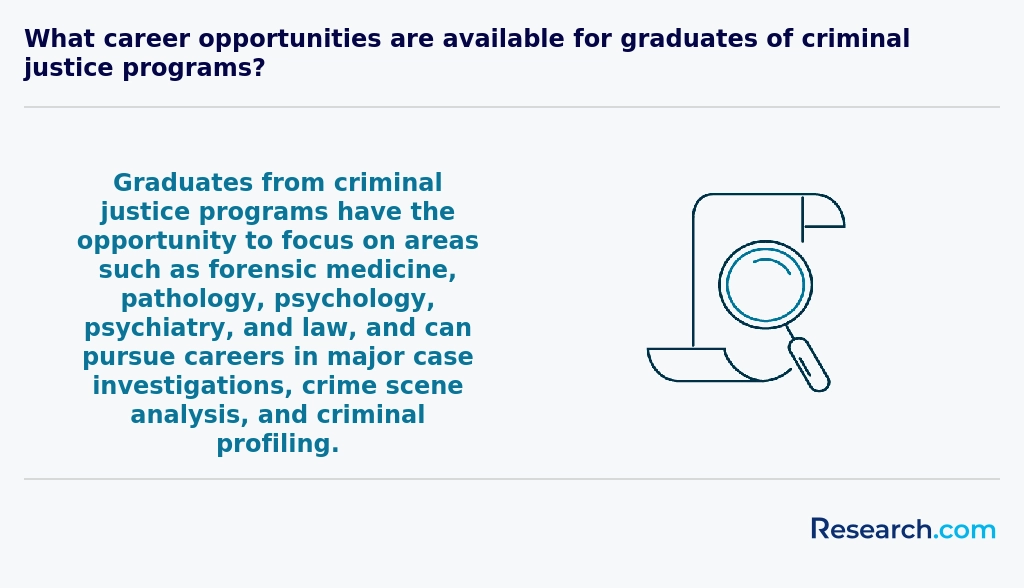
What career paths are available for online criminal justice degree students in Georgia?
Graduates pursuing online criminal justice careers in Georgia find diverse opportunities that evolve alongside emerging trends in public safety and technology. Many alumni from well-known institutions like Georgia State University and Kennesaw State University describe entering dynamic roles in law enforcement agencies or detective work, where community impact brings a strong sense of fulfillment. As the criminal justice landscape shifts, some graduates explore corrections and probation departments, applying innovative rehabilitation approaches in state facilities.
Others leverage their degrees in burgeoning fields such as cybersecurity and private security, reflecting Georgia's growth in these sectors. Private security professionals note an especially optimistic outlook due to increasing demand, blending traditional protection services with advanced digital safety measures. Graduates also report rewarding experiences in court administration and victim advocacy, often fueled by a passion for justice and public service.
These Georgia criminal justice degree job opportunities are enhanced by certifications, and many students aim to complement their degrees with certification programs that pay well to increase career flexibility and earning potential.
What is the job market for online criminal justice degree in Georgia?
The job market for online criminal justice degree graduates in Georgia is evolving with steady opportunities, particularly in urban centers like Atlanta where law enforcement and corrections roles are growing. Students from well-known institutions such as Georgia State University often report positive experiences securing internships and certifications that amplify their employability. These real-world engagements position graduates to pursue roles in probation, forensic science, or private security. Demand is driven by ongoing reforms and the expanding public safety sector, reflecting a healthy outlook for those exploring criminal justice career opportunities in Georgia.
Many graduates feel encouraged by median wages near $50,000 for police officers and above $60,000 for forensic technicians, making the state appealing for long-term career growth. Online programs from reputable Georgia colleges provide flexible and affordable pathways to enter the workforce, helping students balance education and employment.
For those wondering what is the easiest degree to get, criminal justice offers accessible options with promising futures in Georgia's job market.
Frequently Asked Questions About criminal justice
Online criminal justice students in Georgia can maximize their learning by engaging actively with course materials and participating in virtual discussions. Given Georgia's increasing focus on criminal justice reform, staying informed about state policies boosts understanding of practical applications. Students should seek internships or volunteer opportunities with local law enforcement or legal organizations, as Georgia hosts numerous agencies offering valuable hands-on experience.
Utilizing resources such as Georgia's Technical College System or the University System of Georgia libraries can deepen research skills. Additionally, joining professional groups like the Georgia chapter of the American Criminal Justice Association helps expand networking. Time management and consistent study habits are essential, especially balancing coursework with real-world insights.
The field of criminal justice in Georgia is evolving, with several emerging niches gaining importance. Cybersecurity and digital forensics are rapidly expanding due to the rise in cybercrimes. Professionals skilled in investigating online fraud and data breaches are in high demand. Another growing area is homeland security, focused on protecting communities from terrorism and natural disasters.
Restorative justice programs are also increasing, emphasizing rehabilitation over punishment. According to the Georgia Bureau of Investigation, cybercrime cases have risen by nearly 15% in recent years, highlighting the need for specialized expertise. These niches offer promising career opportunities for students pursuing online criminal justice degrees in the state.
After completing an online criminal justice degree in Georgia, preparing for the job market involves gaining relevant experience and networking within the state's law enforcement community. According to the Georgia Department of Labor, the demand for criminal justice professionals is expected to grow by 7% through 2030, emphasizing the importance of early career planning.
Internships with local police departments or correctional facilities provide practical skills and can lead to job offers. Joining professional organizations like the Georgia Association of Criminal Justice Educators helps build connections.
Additionally, obtaining certifications such as those from the Georgia Peace Officer Standards and Training Council enhances employability in various criminal justice roles.
Employers in Georgia highly value criminal justice graduates who possess strong analytical and critical thinking skills. The ability to assess situations quickly and make informed decisions is essential, especially in law enforcement and legal roles. Communication skills, both written and verbal, are also crucial, as professionals often collaborate with diverse teams and community members.
Technical proficiency with crime databases and investigation tools is becoming increasingly important. According to the Georgia Bureau of Investigation, familiarity with data analysis enhances case-solving efficiency.
Additionally, knowledge of Georgia's legal system and ethical standards is expected to ensure compliance and fairness in practice. Graduates with problem-solving abilities and cultural awareness are in high demand across state agencies and private sectors.
Finding internships in Georgia related to a criminal justice degree involves leveraging local resources and networks. Many universities with criminal justice programs partner with state and local law enforcement agencies, courts, and correctional facilities to offer internship placements. Students can explore opportunities through the Georgia Department of Corrections, the Georgia Bureau of Investigation, or local police departments, which often provide structured internship programs.
Additionally, using platforms like the Georgia Criminal Justice Coordinating Council can connect students with internships. Career services at online colleges also assist students by listing local and virtual internships. According to the Bureau of Labor Statistics, Georgia employs over 70,000 criminal justice professionals, signaling numerous opportunities for practical experience.
Obtaining an online criminal justice degree in Georgia can significantly enhance career mobility within the state's public safety and legal sectors. Georgia's rapid growth in law enforcement and corrections, projected by the Bureau of Labor Statistics to increase by 6% over the next decade, demands well-educated professionals. An accredited degree offers foundational knowledge in areas such as criminal law, ethics, and investigative procedures, valued by state agencies and private employers alike.
Many law enforcement departments, including the Georgia Department of Corrections, prioritize candidates with at least a bachelor's degree for advancement. Officers with degrees often qualify for supervisory positions and specialized roles faster than those without formal education. Additionally, online programs provide flexibility for working professionals seeking promotions without interrupting their employment.
The Georgia Criminal Justice Coordinating Council highlights that degree holders earn higher average salaries and experience lower unemployment rates in this field. Therefore, pursuing an online criminal justice degree in Georgia helps professionals stay competitive, facilitating advancement in a dynamic job market where advanced skills and formal education are increasingly important.
Studying for a criminal justice degree in Georgia offers comprehensive preparation for interdisciplinary roles by integrating knowledge from law, sociology, psychology, and public administration. Online programs often include coursework on criminology theories, legal systems, and ethical decision-making, equipping students to work across sectors.
Georgia's criminal justice degrees frequently emphasize practical skills like data analysis and communication, essential for collaboration with social workers, policymakers, and law enforcement agencies. According to the Georgia Board of Criminal Justice, career opportunities increasingly require professionals who understand multiple aspects of public safety and community support.
This interdisciplinary approach helps graduates adapt to roles in probation services, crime prevention, and rehabilitation programs, fostering versatile skill sets that meet Georgia's evolving public safety needs.
Choosing between a thesis and a non-thesis criminal justice degree program in Georgia depends on your career goals and learning preferences. Thesis programs typically involve in-depth research and a written dissertation, which can benefit those aiming for academic or research-oriented roles. Non-thesis options often focus more on practical skills and coursework, suitable for students seeking immediate employment in law enforcement, corrections, or related fields.
In Georgia, where criminal justice employment grew by 7% from 2019 to 2029 (Bureau of Labor Statistics), practical experience is highly valued. Thesis programs may take longer to complete due to research demands, while non-thesis tracks generally allow faster graduation.
Ultimately, consider if you prefer hands-on learning or research to decide which format fits your ambitions best.
Students in Georgia seeking to study criminal justice abroad online have limited direct options due to accreditation and licensing requirements. Most U.S. institutions, including those in Georgia, offer fully online criminal justice degrees without the need to study physically overseas. However, some schools provide international study components or partnerships that might include virtual exchanges with foreign universities.
Georgia's criminal justice system employs over 45,000 professionals, fueling demand for skilled graduates with global perspectives, but fully foreign online criminal justice degrees are rare and often lack U.S. recognition. Prospective students should verify accreditation with recognized U.S. agencies to ensure degree value, as outlined by the Council for Higher Education Accreditation (CHEA).
For broader international exposure, students can consider study-abroad programs during on-campus phases, though these are not typical for fully online degrees. Consulting advisers about hybrid or consortium programs may reveal tailored options for global learning while maintaining U.S. credential validity.
Part-time job opportunities in Georgia that complement a criminal justice degree focus on areas such as law enforcement support, victim advocacy, and legal assistance. Roles like security officer, correctional officer, or community service aide provide practical experience relevant to the field. According to the Georgia Department of Labor, these positions often offer flexible hours suitable for students.
Additionally, internships with local police departments or district attorney offices can provide valuable hands-on learning and networking opportunities. Volunteer work with victim support organizations further enhances understanding of the criminal justice system and helps build important skills.
Such roles not only bolster resumes but also provide insight into the workings of Georgia's justice system, preparing students for future careers.
Online criminal justice students in Georgia have access to various networking opportunities that can enhance their educational and professional growth. Many Georgia institutions offer virtual career fairs and online workshops featuring local law enforcement leaders and criminal justice professionals. These events help students connect with potential employers and mentors within the state.
The Georgia Association of Criminal Justice Professionals often hosts online seminars and networking events, providing a platform for students to engage with practitioners and policymakers. Additionally, students can join online student chapters of national organizations like the American Criminal Justice Association.
Colleges may also facilitate internships and field placements with Georgia agencies, promoting direct interaction with the criminal justice community.
Alumni networks offer significant advantages to students pursuing online criminal justice degrees in Georgia. These networks provide access to a broad community of professionals with experience in law enforcement, legal services, and corrections. According to the Georgia Department of Public Safety, networking is a key factor in securing employment within the state's competitive criminal justice field.
Students can benefit from mentorship opportunities, gaining insights into industry trends and career paths. Alumni connections often lead to internships or job openings, which are crucial given Georgia's growing need for qualified criminal justice professionals, as highlighted by recent workforce studies.
Furthermore, alumni events and online platforms foster continuous learning and collaboration, helping graduates stay current with policy changes and innovative practices in criminal justice.
Online criminal justice degree programs in Georgia offer various ways to tailor your education based on career goals. Many schools provide specialized tracks such as law enforcement, forensic science, or corrections. Choosing electives aligned with your interests allows focused skill development, enhancing employability in targeted fields. Some programs also offer internships or practicum options with Georgia agencies like the Georgia Bureau of Investigation, giving practical experience. Additionally, courses on emerging topics like cybersecurity or criminal justice technology reflect current industry demands. Customizing your degree through certificates or minors can further strengthen your professional profile, helping meet requirements of state-specific criminal justice careers.
Online criminal justice students in Georgia often encounter challenges related to balancing coursework with personal and professional responsibilities. Many learners juggle full-time jobs or family commitments while pursuing their degrees, which can create time management difficulties. Technical issues are also common, including unreliable internet or unfamiliarity with online learning platforms.
Additionally, limited access to in-person networking and practical experiences may impact students. Georgia's criminal justice field emphasizes hands-on training, and virtual programs sometimes struggle to replicate internships or fieldwork opportunities.
Finally, staying motivated during self-paced courses can be tough. According to the Georgia Board of Regents, retention rates for online students are lower compared to traditional formats, highlighting the importance of strong self-discipline in remote studies.
An online criminal justice degree from Georgia can open doors to various professional certifications that enhance career opportunities. Graduates often pursue credentials such as the Certified Criminal Justice Professional (CCJP) or the Crime Scene Investigator (CSI) certification. These certifications demonstrate specialized knowledge and can improve employability in law enforcement and related fields.
Additionally, certifications like the Certified Protection Professional (CPP) and the Certified Fraud Examiner (CFE) are valuable for advancing in security and investigation roles. Georgia's law enforcement agencies recognize many of these certifications, which aligns with career growth within the state's criminal justice system.
According to the Georgia Association of Criminal Justice Educators, pursuing these certifications can lead to higher salaries and leadership positions. Each certification has specific education and experience requirements, so students should plan early to meet those standards.
Writing a winning application for an online criminal justice program in Georgia starts with clear preparation. Applicants should highlight relevant experience, such as work in law enforcement, internships, or volunteer roles, to demonstrate commitment. According to the Georgia Board of Public Safety, the state sees steady growth in criminal justice careers, making practical experience valuable.
Strong personal statements explaining your motivation, goals, and how the program aligns with career plans stand out. Highlight any academic strengths, like coursework in social sciences or law enforcement. Include official transcripts and letters of recommendation from supervisors or educators who know your abilities well.
Pay attention to program prerequisites and tailor your application accordingly. Many accredited programs in Georgia require a background check and clear communication skills. Following guidelines carefully and checking Georgia's Board of Education resources can improve your chances. Researching program specifics ensures your application fits their expectations effectively.
The global perspective on a criminal justice career increasingly emphasizes cross-border cooperation and understanding diverse legal systems. Professionals with a U.S. criminal justice education, including those studying online in Georgia, benefit from knowledge of international law enforcement trends and human rights standards.
In Georgia, the growing focus on cybercrime and homeland security aligns with global priorities. According to the Georgia Bureau of Investigation, cyber-related offenses rose 15% in recent years, highlighting the need for skilled criminal justice professionals.
Understanding global challenges enhances job opportunities for graduates, as agencies seek experts familiar with both local and international criminal justice practices.
Gaining practical experience while studying for an online criminal justice degree in Georgia is important for career readiness. Many programs encourage students to complete internships with local law enforcement agencies, legal firms, or correctional facilities. These internships often provide hands-on exposure to real-world scenarios and help build professional networks.
Additionally, some Georgia universities partner with state and county departments, allowing remote students to work or volunteer nearby while earning credit. According to the Georgia Department of Community Supervision, internship opportunities within probation and parole offices are increasing, offering valuable fieldwork experience.
Virtual simulations and case studies are also widely used in online curricula to develop critical thinking skills. Engaging in these activities, alongside practical assignments, strengthens a student's understanding of criminal justice procedures in Georgia.
When choosing a concentration within an online criminal justice degree program in Georgia, start by considering your career goals. The state offers diverse paths, from law enforcement to forensic psychology or cybersecurity. Research local job market trends; for example, the Georgia Department of Labor reports steady demand for criminal justice professionals, especially in corrections and investigations.
Look at program specializations that match key sectors, such as homeland security or juvenile justice. Also, consider course flexibility and faculty expertise. Accreditation and connection with Georgia-based internships can boost your practical experience, an important factor noted by the Council on Criminal Justice Education.
Finally, evaluate salary expectations and advancement opportunities in Georgia's criminal justice field to make an informed choice.
Related Criminal Justice Rankings for Nearby States
- 2027 Most Valuable Criminal Justice Degree Programs Ranking in Florida
- 2027 Most Valuable Criminal Justice Degree Programs Ranking in Alabama
- 2027 Most Valuable Criminal Justice Degree Programs Ranking in Mississippi
- 2027 Most Valuable Criminal Justice Degree Programs Ranking in Kentucky
- 2027 Most Valuable Criminal Justice Degree Programs Ranking in Louisiana
- 2027 Most Valuable Criminal Justice Degree Programs Ranking in Arkansas
- 2027 Most Valuable Criminal Justice Degree Programs Ranking in Missouri
- 2027 Most Valuable Criminal Justice Degree Programs Ranking in Maryland
- 2027 Most Valuable Criminal Justice Degree Programs Ranking in Illinois
- 2027 Most Valuable Criminal Justice Degree Programs Ranking in New Jersey
Top Trending Criminal Justice Rankings
See What Experts Have To Say About Studying Criminal Justice
Read our interview with Criminal Justice experts

Frank Schmalleger
Criminal Justice Expert
Professor Emeritus
The University of North Carolina

David Carter
Criminal Justice Expert
Professor, School of Criminal Justice
Michigan State University

Mark Moore
Criminal Justice Expert
Research Professor of Public Management
Harvard University

References
- Criminal Justice Degree Requirements | University of Bridgeport https://www.bridgeport.edu/news/criminal-justice-degree-requirements/
- Online Bachelor's Degree Criminal Justice https://www.umgc.edu/online-degrees/bachelors/criminal-justice
- Professional Networking in Criminal Justice https://www.criminaljustice.com/resources/professional-networking/
- Criminal Justice Career Goals https://www.bartleby.com/essay/Criminal-Justice-Career-Goals-8B09294D4789A4A5
- Tips to Help Criminal Justice Students and Grads Network Successfully https://www.allcriminaljusticeschools.com/blog/networking-strategies-for-criminal-justice-students-and-grads/
- Criminal Justice and Criminology Programs https://www.isepstudyabroad.org/programs/by-field-of-study/criminal-justice-criminology-programs
- Bachelor Degree in Criminal Justice Online - Aurora University https://online.aurora.edu/online-degrees/criminal-justice-bachelors/
- CRIMINAL JUSTICE https://www.stmartin.edu/documents/criminal-justice-resume-and-cover-letter-packet
- Emerging Trends in Criminal Justice Careers https://online.nmu.edu/criminal-justice-careers-emerging-trends/
- Financial Aid Tips for Criminal Justice Students https://www.criminaljusticeprograms.com/financial-aid/