2027 Most Valuable Criminal Justice Degree Programs Ranking in Nevada

Co-Founder and Chief Data Scientist
Choosing the right criminal justice degree program in Nevada can shape your future career and open doors to meaningful opportunities.
Our article features the 2027 Most Valuable Criminal Justice Degree Programs Ranking in Nevada, created by the Research.com team of data scientists. This ranking is designed to help you make an informed decision about which programs offer the best value based on comprehensive data and analysis.
By exploring this guide, you'll feel confident in selecting a program that aligns with your goals and passion for justice. Pursuing a criminal justice degree is a rewarding step toward making a positive impact in your community.
Key benefits of getting criminal justice degree in Nevada
- Graduates with a criminal justice degree in Nevada can earn competitive salaries, such as police officers making around $76,550 annually and crime scene investigators earning about $95,930 per year.
- A degree opens doors to diverse career paths including law enforcement, forensic science, and court administration, helping graduates find fulfilling roles in Nevada's growing justice system.
- Online criminal justice degrees offer flexible schedules and accessibility, allowing busy students to earn their degree from popular Nevada institutions while balancing work and personal life effectively.
- 2027 Most Valuable Criminal Justice Degree Programs Ranking in Nevada
- What can I expect from criminal justice degree in Nevada?
- Where can I work with criminal justice degree in Nevada?
What can I expect from criminal justice degree in Nevada?
The average cost of pursuing a criminal justice degree in Nevada is often quite manageable, especially when attending public institutions like the University of Nevada, Las Vegas (UNLV) or Nevada State College. Many graduates share how investing in their education felt rewarding, knowing that in-state tuition rates provide accessible opportunities to develop essential skills without overwhelming financial stress.
For in-state students, tuition fees for criminal justice programs typically range from affordable to moderately priced, allowing them to focus on learning practical skills related to law enforcement, forensic science, and community justice. Graduates often highlight the value of internships with local police departments or courts, experiences that enrich their education beyond textbooks and prepare them for real-world challenges.
Scholarships and financial aid options targeted at criminal justice majors further reduce costs, enabling students to pursue their passion with confidence. By choosing a Nevada school, students embrace a community that supports growth and equips them to make a meaningful impact in sectors like public safety and corrections.
Where can I work with criminal justice degree in Nevada?
Graduates of criminal justice programs at universities like the University of Nevada, Las Vegas, and Nevada State College find themselves stepping into dynamic careers that make a real difference in their communities. Many proudly join local law enforcement agencies as police officers or sheriff's deputies, playing key roles in keeping cities like Las Vegas safe and vibrant. These graduates often share how rewarding it feels to wear the badge and serve the public with integrity.
Others pursue careers in corrections, working in state prisons or rehabilitation centers where they support positive change by guiding individuals toward a better path. With Nevada's growing need for skilled professionals in this field, graduates find meaningful work that impacts lives daily.
Beyond traditional roles, criminal justice alumni thrive in security management for casinos and hospitality giants, or as private investigators, blending their education with Nevada's unique industries. Many also join federal agencies, excited by the challenges of border security or homeland protection right here in their home state.
Social service positions dedicated to victim advocacy and counseling also attract graduates passionate about helping others heal and rebuild. Overall, Nevada's robust job market for criminal justice students offers a wealth of inspiring opportunities to build a fulfilling career close to home.
Graduates holding a criminal justice degree in Nevada enjoy promising salary prospects that reflect both their dedication and the diverse career paths available. For instance, those stepping into police officer roles, common among graduates from universities like UNLV and Nevada State College, can anticipate salaries averaging around $76,550 annually. This rewarding start embodies the blend of service and stability many seek.
Graduates with specialized skills, such as crime scene investigators, often command higher pay, with mean annual wages near $95,930. This level of income represents not just financial gain but the impact they have in solving critical cases and supporting community safety.
Correctional officers, essential for maintaining order and rehabilitation, earn about $58,810 per year, demonstrating that careers in criminal justice offer varied and respectable earning potential across job functions.
Forensic science technicians in Nevada also see solid financial rewards, with a mean annual income of $71,540-proof that combining scientific expertise with criminal justice opens exciting, well-compensated avenues for graduates.
- Tuition for a bachelor's degree in criminal justice at public universities in Nevada ranges from $7,000 to $9,000 per year for in-state students, while private schools may charge over $20,000 annually.
- Additional costs like fees, books, and living expenses should be considered when budgeting for the full program.
- Entry-level jobs for criminal justice graduates in Nevada offer average salaries between $35,000 and $45,000 annually, with median salaries reaching about $60,000 as experience grows.
- Law enforcement jobs in Nevada are projected to grow by around 5% over the next decade, supporting a steady job market for graduates.
- Nevada offers flexible criminal justice programs from associate to master's degrees, often including practical training such as internships and law enforcement simulations.
- Licensing and certification requirements for careers in law enforcement and corrections require additional testing and continuing education beyond the degree.
Completing a criminal justice degree in Nevada is a rewarding journey that typically takes two to four years, depending on the level you choose. Many associate degree graduates from community colleges like the College of Southern Nevada share how their two-year programs provided a strong foundation in law enforcement and corrections, quickly opening doors to entry-level positions or a smooth transfer to four-year institutions.
For those aiming higher, bachelor's degrees from universities such as the University of Nevada, Las Vegas (UNLV) or Nevada State College usually require around four years of study. Graduates often reflect on how these programs deepened their understanding of criminology and justice administration, preparing them for meaningful careers and leadership roles in the field.
Balancing work and life? Many students find part-time options helpful, even if they extend the timeline. Some also explore accelerated or online programs to fit their unique pace. This flexibility in Nevada's offerings makes achieving your criminal justice dreams both accessible and inspiring.
In Nevada, earning your Criminal Justice degree is just the first step-obtaining the proper licensure and certifications is essential for launching your career. For aspiring law enforcement officers, the Peace Officer Standards and Training (POST) Academy is mandatory. Candidates must complete a minimum of 720 hours of rigorous coursework covering criminal law, defensive tactics, firearms training, and ethics, followed by a written exam and physical fitness test. Upon graduation, you receive the Nevada P.O.S.T. Certification, qualifying you for positions with city, county, or state agencies. Correctional officers must complete the Nevada Department of Corrections Basic Training Program, which includes at least 120 hours of instruction in inmate supervision, emergency response, and mental health awareness. This training often incorporates hands-on simulations and requires passing both a written assessment and scenario-based evaluations. For roles in forensic science, graduates can pursue voluntary certification through the American Board of Criminalistics or the International Association for Identification (IAI). These credentials, achieved by meeting educational prerequisites and demonstrating proficiency in laboratory techniques, can significantly boost employability and salary potential. Paralegal specialists may opt for certification from the National Association of Legal Assistants (NALA). While not required by Nevada state law, NALA’s Certified Paralegal credential validates your expertise in legal research, drafting, and ethics, setting you apart in a competitive job market. Continuing education is another key component: most agencies mandate annual or biennial CEUs to maintain certification. Many Nevada Criminal Justice programs integrate POST and correctional training modules into their curricula, streamlining your path from classroom to career. For cost-conscious students interested in exploring programs beyond Nevada, check out the Affordable Criminal Justice Degree Programs Ranking in Pennsylvania to compare tuition and certification preparation offerings.
Choosing between online and on-campus criminal justice degrees in Nevada opens exciting possibilities tailored to your lifestyle and goals. Online programs offer remarkable flexibility, perfect for those balancing work, family, or other commitments. Imagine studying from home while maintaining your daily routine, saving on commuting, and enjoying lower overall costs-often between $15,000 and $30,000. Many online students thrive through engaging video lectures and live discussions, connecting with peers across the state without stepping foot on campus.
On the other hand, attending schools like the University of Nevada, Las Vegas, or University of Nevada, Reno brings vibrant, hands-on experiences. Graduates often recall enriching internships with local law enforcement and the energy of face-to-face collaboration in simulation labs. This direct engagement fosters strong professional networks and practical skills essential for impactful careers in law enforcement and legal services.
Both options embody dedication, growth, and opportunity, empowering you to find your unique path in Nevada's criminal justice community.
For students seeking to pursue a degree in Criminal Justice without accumulating significant debt, exploring the most affordable options is crucial. One of the key factors to consider is the cost of tuition and fees associated with each program. Prospective students can find valuable information on cheapest criminal justice programs in Nevada, which can help them make informed decisions about their educational investments. Many institutions in Nevada offer competitive pricing for their Criminal Justice programs, making higher education more accessible to a wider range of students. By weighing the costs against the potential benefits, including career opportunities and salary expectations, students can choose a path that aligns with their financial situation and career aspirations. Additionally, considering online or part-time programs can provide further flexibility and cost savings, allowing students to balance their educational goals with other responsibilities. Ultimately, selecting an affordable Criminal Justice program in Nevada can be the first step towards a rewarding career in law enforcement, corrections, or legal services, without the burden of excessive student debt.
The average cost of earning a criminal justice degree in Nevada can vary, but many students find it to be a rewarding investment in their future. For in-state students attending popular institutions like the University of Nevada, Las Vegas or the College of Southern Nevada, the median total cost tends to be around $9,578. Graduates often recall how manageable these expenses felt when balanced with scholarships, part-time work, and financial aid.
Out-of-state students, who choose to study in Nevada's dynamic academic environments, see a higher median total cost of about $42,129. Despite this, many find the diverse programs and community support make it worthwhile. The vibrancy of campus life and the hands-on learning opportunities often reported by graduates enrich the college experience and pave the way for a passionate career in criminal justice.
Understanding the average cost of criminal justice degree in Nevada helps students plan ahead and explore options tailored to their needs. Community colleges offer affordable pathways with the option to transfer credits to four-year programs, which many students embrace as a flexible step toward their goals. For those interested in exploring more affordable paths, you can explore the cheapest criminal justice programs in Nevada to find a fit that aligns with your financial plan and aspirations.

Criminal justice students in Nevada are fortunate to access a variety of financial aid options that make pursuing their dreams more attainable. Federal aid like Pell Grants can cover up to $7,395 annually without needing repayment, providing an invaluable boost. Many students at institutions such as the University of Nevada, Reno, or Truckee Meadows Community College have celebrated how completing the FAFSA opened doors to these essential funds.
State aid, including the Silver State Opportunity Grant, specifically supports undergraduates with financial need, filling tuition gaps at Nevada colleges. Graduates from local universities often share how this grant eased their burden, allowing them to focus on their studies and internships.
Scholarships tailored for criminal justice students, offered by public safety groups and professional associations, are another powerful resource. Work-study programs related to law enforcement offer both income and hands-on experience, which past students have found motivating and rewarding.
Lastly, low-interest federal student loans provide flexible financial support, helping many pursue their criminal justice goals with confidence and hope.
Earning professional certifications can significantly boost your credibility and open doors to specialized roles within the criminal justice field. Many graduates pursue nationally recognized credentials to demonstrate expertise and commitment to ongoing development. – Certified Forensic Interviewer (CFI): Ideal for those interested in investigative interviewing, the CFI credential covers advanced techniques in witness and suspect questioning. – Certified Fraud Examiner (CFE): Offered by the Association of Certified Fraud Examiners, this certification equips you to detect and prevent financial crimes, a growing niche in law enforcement and corporate compliance. – Certified Protection Professional (CPP): Administered by ASIS International, the CPP designation is tailored for security management professionals, focusing on risk assessment, crisis management, and security program design. – Law Enforcement Certified Case Manager (LECCM): This certification validates expertise in coordinating offender rehabilitation, probation, and parole services, enhancing opportunities in community corrections. – Private Investigator Licensing: To operate as a licensed private investigator in Nevada, you must meet state requirements, including background checks, education credits, and field experience. For the fastest way to become a private investigator, consider targeted training programs and internship placements that satisfy Nevada’s licensing board criteria. By strategically selecting one or more certifications aligned with your career goals, you not only deepen your subject-matter knowledge but also position yourself as a competitive candidate for leadership and specialized positions. Continuous professional development through workshops, online courses, and professional associations ensures you stay current with evolving laws, forensic technologies, and investigative methodologies.
Test scores such as the SAT or ACT might be requested, but with the state embracing test-optional policies, you're empowered to focus on showcasing your strengths through recommendation letters or personal essays. Some programs also include crucial background checks and drug screenings, ensuring that you're on a path of integrity and trust.

When evaluating a criminal justice degree in Nevada, return on investment (ROI) is a critical metric that balances tuition costs against career earnings and job placement outcomes. On average, Nevada students spend between $42,282 for an associate degree and up to $127,656 for a four-year bachelor’s program. Meanwhile, entry-level salaries for police officers start at $55,010, forensic science technicians at $56,750, and crime scene investigators at $91,610. By comparing total educational expenses with median starting salaries, prospective students can estimate a payback period of approximately 2–3 years for associate graduates and 3–5 years for bachelor’s graduates. Beyond direct costs and earnings, program-specific outcomes such as graduation rates and job placement percentages further inform ROI considerations. Many Nevada institutions report graduation rates above 60% and first-job placement rates exceeding 75% within six months of commencement. This strong industry alignment is bolstered by internship partnerships with local law enforcement agencies, state courts, and private security firms. For students exploring specialized careers such as private investigation, understanding the fastest way to become a private investigator can further enhance your ROI by shortening the time to enter the workforce and boosting early earnings potential. Finally, factoring in average student debt and available financial aid shapes a realistic ROI picture. With median debt levels around $20,000 for associate degree holders and $30,000 for bachelor’s students-and scholarship and grant coverage rates exceeding 50%-many graduates report manageable repayment plans aligned with beginning salaries. By integrating tuition expenses, career earnings, placement rates, and debt obligations, prospective students gain a comprehensive view of how a criminal justice degree in Nevada can deliver both professional fulfillment and financial security.
Criminal justice degree programs in Nevada offer a dynamic mix of courses designed to prepare you for a rewarding career in law enforcement, legal studies, and corrections. At universities like the University of Nevada, Reno, and Nevada State College, graduates often highlight how foundational classes such as Introduction to Criminal Justice and Criminology helped them understand the system's core-from policing to courts and rehabilitation.
Courses in Criminal Law and Procedure empower students to navigate legal complexities, while Ethics in Criminal Justice nurtures a strong sense of integrity and professionalism. Many students feel inspired by hands-on learning in Research Methods and Statistics, preparing them to analyze real crime data effectively.
Specialized classes like Corrections and Rehabilitation or Cybercrime and Security bring Nevada's unique challenges into focus, connecting theory to the state's evolving criminal justice landscape. Graduates recount how courses in Juvenile Justice made lasting impressions, perfectly aligning education with community impact.
Nevada's criminal justice degree programs offer dynamic specializations that prepare students for a rewarding career in public safety and law enforcement. At institutions like the University of Nevada, Las Vegas, graduates often choose concentrations such as law enforcement, where they gain practical skills in investigation and community policing. Others explore corrections, focusing on offender rehabilitation and management, which opens doors to fulfilling roles in probation and parole services.
Many students are inspired by the forensic science track, learning to apply scientific methods to solve real-life cases through evidence analysis and crime scene investigation. For those fascinated by the digital world, cybercrime and digital forensics provide cutting-edge expertise to tackle technology-driven offenses-an increasingly relevant field in Nevada's evolving landscape. These Nevada criminal justice degree concentrations spark enthusiasm and confidence among learners ready to make a tangible impact.
Graduates also value homeland security programs, which build skills in emergency response and counterterrorism, reflecting Nevada's strategic priorities. Students eager to advance their careers can discover the fastest way to become a private investigator, adding another layer to their professional toolkit.
Choosing the best criminal justice degree in Nevada starts with focusing on programs that hold strong accreditation, like those recognized by the Northwest Commission on Colleges and Universities. Graduates from well-known Nevada universities often share how this foundation gave them confidence and opened doors in their careers. Selecting a school with a curriculum emphasizing practical experience-such as internships with local law enforcement-helps bring learning to life and prepares you for real challenges in the field.
Many students appreciate the balance between quality education and cost, especially when exploring affordable criminal justice colleges in Nevada. Public institutions typically charge around $8,000 a year, making degree completion more accessible without sacrificing excellence. Programs offering hybrid or online formats also support those managing work and study, enabling you to progress at your own pace.
Finally, tapping into resources like strong career services creates exciting job placement opportunities. Seeing peers land roles as police officers or forensic analysts shows how Nevada's programs mirror local demand. For guidance on affordability options, check out the Affordable Criminal Justice Degree Programs Ranking in Pennsylvania for inspiration beyond state lines, helping you make informed choices with optimism.
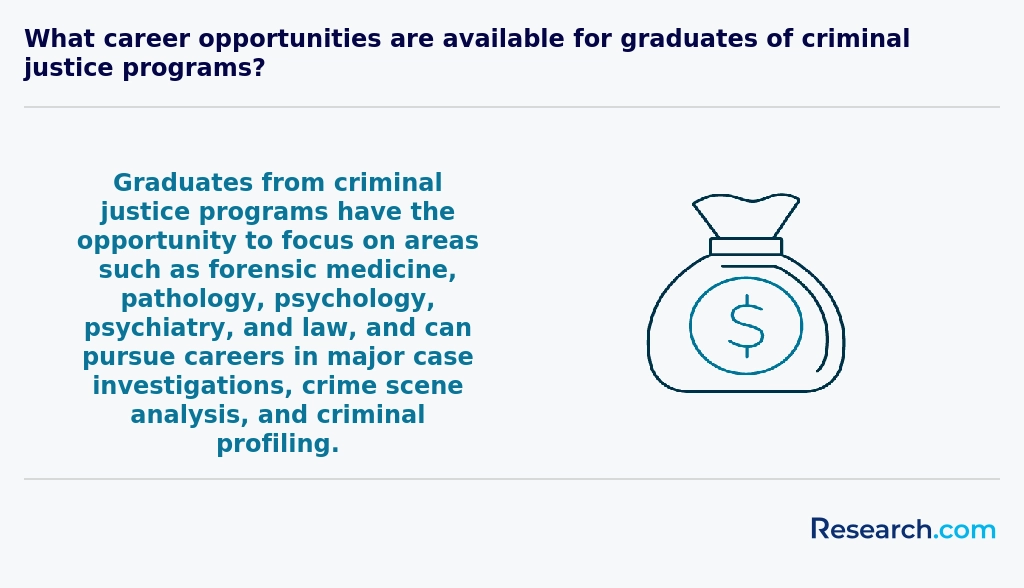
Graduates with a criminal justice degree in Nevada discover a wealth of meaningful career paths tailored to fit their passions and skills. Many step confidently into roles as law enforcement officers-whether as police officers, detectives, or federal agents-serving vibrant urban areas like Las Vegas or supporting rural communities. Students from Nevada's well-regarded universities often share inspiring stories of hands-on training that prepares them to meet these challenges with courage and professionalism.
Beyond policing, job opportunities with criminal justice degree Nevada graduates include critical positions in corrections, such as probation officers and correctional officers, where they help foster rehabilitation and safety within the system. Others explore specialized fields like private security or forensic science, stepping into industries growing alongside Nevada's dynamic economy. Those pursuing court system roles as victim advocates or legal assistants find fulfilling ways to support justice and community well-being.
Many who choose to pursue this degree rely on affordable options offered by community colleges and state universities, often accelerating their careers through best accelerated bachelor's degree online programs. This flexibility inspires students to advance with confidence, knowing a variety of rewarding paths await after graduation.
The criminal justice job outlook Nevada offers an encouraging landscape for graduates eager to make a difference. Institutions like the University of Nevada, Las Vegas, and Nevada State College provide hands-on training that prepares students for diverse roles in policing, corrections, and federal enforcement agencies. Graduates often find rewarding positions locally, benefiting from the steady demand fueled by Nevada's growing population and bustling tourism industry.
Many graduates share stories of securing roles in city law enforcement or private security, where their education becomes a vital asset. Nevada's unique economy, with its casinos and entertainment venues, creates ongoing demand for skilled professionals ready to protect communities and businesses. This dynamic environment highlights the practicality and relevance of a criminal justice degree in the state.
Students weighing educational choices can explore options balancing cost and career prospects, perhaps even considering what's the easiest associates degree to get as a stepping stone. Overall, Nevada criminal justice career opportunities inspire confidence for a bright professional future.
2027 Most Valuable Criminal Justice Degree Programs Ranking in Nevada
Investing in your education is a significant decision that can greatly influence your career prospects, and the Research.com team recognizes the importance of providing trustworthy guidance. To support individuals interested in criminal justice studies, we have carefully developed the "2027 Most Valuable Criminal Justice Degree Programs Ranking in Nevada." Our dedication to quality, credibility, and accuracy is demonstrated through rigorous research and data analysis.
We utilized the following reputable data sources to create this ranking:
By reviewing this ranking, readers will gain comprehensive insights into the top criminal justice degree programs in Nevada, enabling them to make informed and confident educational decisions. For further information on how this ranking was developed, please visit our Research.com methodology page.


Frequently Asked Questions About criminal justice
Criminal justice degree students in Nevada can maximize their learning by engaging in practical experiences alongside their academic studies. Internships with local law enforcement agencies or correctional facilities provide valuable hands-on knowledge and networking opportunities. Nevada's growth in public safety roles, with employment projected to increase by 12% through 2030, highlights the importance of practical skills (Bureau of Labor Statistics, 2023).
Students should also participate in campus organizations focused on criminal justice to develop leadership and communication skills. Utilizing resources at community colleges and universities, like Nevada State College, which offers specialized courses in cybercrime and juvenile justice, can deepen understanding of current issues.
Finally, attending seminars, workshops, and conferences in Nevada enables students to stay informed about emerging trends and policy changes, enriching their educational experience.
The criminal justice field in Nevada is evolving, with several emerging niches gaining importance. One significant area is cybercrime investigation, driven by rising digital threats. According to the Nevada Department of Public Safety, cybercrime cases have increased by over 20% in recent years, highlighting demand for specialists in this field.
Another growing niche is forensic psychology, which combines criminal justice with mental health to better understand criminal behavior. This is increasingly relevant in Nevada's legal system, where mental health issues play a critical role in sentencing and rehabilitation.
Additionally, restorative justice programs are expanding, focusing on conflict resolution and community healing rather than traditional punishment, especially in local Nevada courts.
Graduates with a criminal justice degree in Nevada should focus on gaining relevant experience to improve employability. Internships with local law enforcement agencies, courts, or correctional facilities provide practical skills and professional networking opportunities.
Obtaining certifications such as the Nevada POST (Peace Officer Standards and Training) certificate can be essential for certain law enforcement roles. According to the Nevada Department of Public Safety, over 1,200 officers were certified in 2023, underscoring the demand for officially credentialed professionals.
Additionally, building strong communication and critical thinking skills helps graduates stand out in this competitive field. Joining professional organizations like the Nevada Criminal Justice Association allows access to job listings and industry updates.
Keeping abreast of state-specific laws and policies further prepares candidates for jobs in Nevada's evolving criminal justice landscape.
Employers in Nevada seek criminal justice degree graduates with a solid foundation in critical thinking and problem-solving skills. According to data from the Nevada Department of Employment, these skills help professionals effectively analyze complex legal situations and make sound decisions.
Communication abilities are also essential, enabling graduates to interact clearly with colleagues, law enforcement, and the community. Nevada's diverse population requires cultural competency, which employers value highly for fostering trust and cooperation.
Technical skills, including knowledge of criminal justice software and data analysis, are increasingly important due to the growing use of technology in investigations. Finally, integrity and attention to detail remain top priorities, reflecting the ethical standards expected in this field.
Finding internships in Nevada relevant to a criminal justice degree involves targeting local law enforcement agencies, courts, and correctional facilities. Many students start by exploring opportunities at the Nevada Department of Public Safety or the Las Vegas Metropolitan Police Department, which frequently offer internship programs designed for students entering criminal justice fields.
Universities such as the University of Nevada, Reno and Nevada State College often maintain partnerships with local criminal justice organizations, helping students secure internships. Additionally, the Nevada Attorney General's Office provides internship options that offer hands-on legal and investigative experience.
The Nevada Department of Employment, Training and Rehabilitation (DETR) is a valuable resource for locating state internships and can assist with job placement. According to the Bureau of Labor Statistics, Nevada has seen a steady demand growth in criminal justice careers, making internships increasingly competitive but essential for employment.
In Nevada, obtaining a criminal justice degree significantly enhances career mobility and advancement opportunities. According to the U.S. Bureau of Labor Statistics, the state expects a 9% growth in employment for police and detectives from 2021 to 2031, higher than the national average. A degree equips graduates with critical skills valued in law enforcement, corrections, and federal agencies.
Many Nevada employers require or prefer candidates with at least an associate's or bachelor's degree for entry-level and promotion roles. Higher education also opens pathways to specialized positions, such as forensic analyst or probation officer. Additionally, degree holders often earn higher salaries compared to those without formal education.
Through connections made during coursework and internships, students can access Nevada's expanding criminal justice network, facilitating job placement. Overall, a criminal justice degree serves as a crucial stepping stone for professional growth within Nevada's justice system.
Studying for a criminal justice degree in Nevada equips students with a broad skill set applicable across multiple disciplines. Nevada's programs often integrate coursework in sociology, psychology, law, and public administration, reflecting the complex nature of criminal justice work. This interdisciplinary approach prepares graduates for roles beyond traditional law enforcement, including social services, policy analysis, and rehabilitation.
Universities such as the University of Nevada emphasize real-world applications through internships and collaborations with local agencies, enhancing practical knowledge. According to the Nevada Department of Employment, expected job growth in criminal justice-related fields is approximately 6% through 2030, highlighting demand for versatile professionals. By blending theory and practice, Nevada's programs nurture critical thinking and communication skills vital for interdisciplinary careers.
Choosing between a thesis and a non-thesis criminal justice degree program in Nevada depends largely on your career goals and learning style. A thesis program requires conducting original research, which is ideal if you aim for advanced study or roles in policy analysis and academia. Non-thesis tracks focus more on practical coursework and internships, suitable for those seeking immediate employment in law enforcement or corrections.
In Nevada, universities like UNLV offer both formats. According to the Bureau of Labor Statistics, criminal justice jobs in Nevada are expected to grow 6% from 2022 to 2032, emphasizing practical skills. This trend supports non-thesis paths for faster workforce entry. However, thesis projects develop critical thinking and research skills valuable for federal or administrative positions.
Assess your learning preferences, career plans, and whether you want a research-focused experience before deciding.
Students based in Nevada who want to study criminal justice abroad have several options through partnerships and study-abroad programs offered by Nevada universities. Schools like the University of Nevada, Reno, and Nevada State College often collaborate with institutions overseas, allowing students to earn credits while gaining international experience. These programs typically last a semester or summer session and include courses related to international law enforcement, human rights, and comparative criminal justice systems.
Financial aid and scholarships are sometimes available for these programs, which can help offset costs. Students interested should consult their academic advisors early to ensure transferability of credits.
According to the National Center for Education Statistics, nearly 15% of US criminal justice undergraduates participate in study abroad, emphasizing its growing importance in the field.
Students pursuing criminal justice degrees in Nevada can benefit from various part-time jobs that provide relevant experience. Common opportunities include positions as correctional officers or detention deputies in county jails, where Nevada's Department of Corrections employs many entry-level workers. These roles help develop skills in security and inmate management.
Additionally, students may find roles as police cadets or community service officers with local law enforcement agencies, such as those in Las Vegas and Reno. According to the Nevada Department of Public Safety, these positions offer exposure to patrol operations and report writing.
Another area is victim advocacy or support roles in nonprofit organizations, giving insight into victim rights and the social aspects of criminal justice. These jobs not only complement academic learning but also enhance employability after graduation.
Criminal justice students in Nevada have several valuable networking opportunities to enhance their career prospects. Many universities, like the University of Nevada, Las Vegas (UNLV), host student chapters of professional organizations such as the American Criminal Justice Association. These groups provide access to networking events, guest speakers, and conferences. Additionally, students can participate in internships with local law enforcement agencies, courts, and correctional facilities.
Statewide organizations like the Nevada Peace Officers' Association also offer memberships or events that connect students with professionals in the field. According to the Nevada Department of Public Safety, nearly 20,000 law enforcement personnel work in the state, creating significant local networking possibilities.
Alumni networks play a crucial role for criminal justice degree students in Nevada by providing valuable professional connections and mentorship. These networks often include graduates working in local law enforcement, legal fields, and public safety agencies, which can help students gain insight into industry expectations and career paths.
Studies show that about 70% of jobs in criminal justice are obtained through networking, making alumni connections especially important. Nevada's growing population increases demand for qualified professionals, and strong alumni relationships can ease access to internships and job opportunities within the state's unique criminal justice system.
Additionally, alumni often offer guidance on continuing education and certifications that align with Nevada's regulatory standards. Institutions like the University of Nevada, Reno, emphasize career services that leverage alumni for student support. This engagement fosters a supportive environment conducive to both academic and professional growth.
Customizing a criminal justice degree in Nevada often involves selecting specialized courses and practical experiences that align with specific career goals. Many Nevada colleges allow students to focus on areas such as law enforcement, corrections, forensic science, or homeland security. This flexibility helps tailor the degree to roles ranging from police officer to crime analyst. Internship opportunities with local agencies, such as the Nevada Department of Public Safety, provide critical hands-on experience. Additionally, students can pursue certificates in areas like cybersecurity or juvenile justice to enhance their expertise. According to the Nevada System of Higher Education, customizing your program improves job readiness and career advancement prospects.
Criminal justice students in Nevada often confront financial hurdles, as tuition and living expenses in cities like Las Vegas can be high. According to the National Center for Education Statistics, Nevada has a higher-than-average student loan debt rate, which can impact degree completion.
Additionally, balancing coursework with demanding internships or shift work poses challenges. Many programs require hands-on experience with local law enforcement agencies, which can be time-consuming.
Students also face adapting to rapidly changing criminal justice policies. Nevada's unique legal landscape, including recent reforms on sentencing and law enforcement accountability, means curricula must evolve quickly.
Lastly, access to quality faculty with practical experience remains limited in some institutions, affecting mentorship opportunities.
With a criminal justice degree in Nevada, you can pursue various professional certifications to enhance your career prospects. Popular certifications include Certified Protection Professional (CPP), ideal for those interested in security management, and Certified Law Enforcement Analyst (CLEA), which focuses on crime data analysis.
Additionally, the Nevada Department of Public Safety supports certification for Peace Officers through the Nevada Peace Officer Standards and Training (POST) program. This certification is essential for law enforcement careers within the state.
Federal certifications such as the Certified Crime Scene Investigator (CCSI) are also valuable for forensic roles. Nationally recognized certifications can improve job opportunities and often lead to higher salaries in Nevada's criminal justice workforce, which the Bureau of Labor Statistics reports is growing steadily.
To write a winning application for a criminal justice program in Nevada, start by researching each school's specific admission requirements and deadlines. Highlight relevant experience such as internships, volunteer work, or employment related to law enforcement or social services, which show your commitment.
Admissions committees often value clear, concise personal statements explaining your motivation for studying criminal justice. Use this to present your career goals, especially if aligned with Nevada's public safety priorities.
Quantitative evidence like a strong GPA and standardized test scores (if required) boost your application. According to the Nevada System of Higher Education, competitive applicants typically have GPAs above 3.0.
Lastly, secure letters of recommendation from professionals familiar with your abilities or academic performance. These validate your readiness for the program and your potential contribution to Nevada's criminal justice field.
The field of criminal justice offers a diverse range of career opportunities both within the United States and globally. For students in Nevada, understanding the international context can broaden career prospects and deepen knowledge. While criminal justice systems vary worldwide, the core skills-such as investigation, law enforcement, and corrections-remain consistent.
Globally, there is increasing collaboration between countries to address crime trends like cybercrime and human trafficking. Nevada's criminal justice programs often incorporate these international elements to prepare graduates for evolving challenges.
According to the Nevada Department of Public Safety, approximately 15,000 law enforcement officers serve statewide, highlighting local demand. Graduates with a global perspective may find opportunities in federal agencies or organizations working internationally.
Gaining practical experience while studying criminal justice in Nevada is essential for career readiness. Many Nevada colleges and universities offer internship programs that connect students with local law enforcement agencies, courts, and correctional facilities. For example, the Nevada System of Higher Education promotes internships with the Las Vegas Metropolitan Police Department, providing exposure to real-world criminal investigations.
Additionally, students can engage in volunteer opportunities with community organizations focused on crime prevention and victim advocacy. According to the Nevada Department of Public Safety, internships increase employment prospects by over 30% in this field. Participating in simulated courtroom exercises and research projects at school also enhances practical skills.
Choosing the right concentration within a criminal justice degree program in Nevada involves understanding your career goals and the local job market. Common concentrations include law enforcement, corrections, forensic science, and legal studies. Nevada's Department of Public Safety highlights that law enforcement and corrections are among the fastest-growing career fields in the state, with the Bureau of Labor Statistics projecting a 5% job growth in these sectors through 2031.
Research local employment trends and speak with academic advisors to align your interests with regional needs. Consider programs that offer internships with Nevada agencies, as these provide valuable experience and networking opportunities. Accreditation and faculty expertise are also important factors to review when selecting a concentration.
- 2027 Most Valuable Criminal Justice Degree Programs Ranking in California
- 2027 Most Valuable Criminal Justice Degree Programs Ranking in Oregon
- 2027 Most Valuable Criminal Justice Degree Programs Ranking in Arizona
- 2027 Most Valuable Criminal Justice Degree Programs Ranking in Washington
- 2027 Most Valuable Criminal Justice Degree Programs Ranking in New Mexico
- 2027 Most Valuable Criminal Justice Degree Programs Ranking in Nebraska
- 2027 Most Valuable Criminal Justice Degree Programs Ranking in North Dakota
- 2027 Most Valuable Criminal Justice Degree Programs Ranking in Oklahoma
- 2027 Most Valuable Criminal Justice Degree Programs Ranking in Minnesota
- 2027 Most Valuable Criminal Justice Degree Programs Ranking in Iowa
See What Experts Have To Say About Studying Criminal Justice
Read our interview with Criminal Justice experts

David Carter
Criminal Justice Expert
Professor, School of Criminal Justice
Michigan State University

Mark Moore
Criminal Justice Expert
Research Professor of Public Management
Harvard University

James W. Marquart
Criminal Justice Expert
Associate Provost and Professor of Criminology
Texas Christian University

- Professional Networking in Criminal Justice https://www.criminaljustice.com/resources/professional-networking/
- Study Criminal Justice & Legal Studies Abroad https://worldstrides.com/en-us/higher-ed/academics/criminal-justice-legal-studies
- Financial Aid Tips for Criminal Justice Students https://www.criminaljusticeprograms.com/financial-aid/
- Best Criminal Justice Schools In Nevada | Compare Local Programs https://www.criminaljusticedegreeschools.com/degree-by-state/nevada/
- Criminal Justice Salary - How Much Can I Make With a Criminal Justice Degree? - Grace Christian University https://gracechristian.edu/blog/criminal-justice-salary/
- Jobs with a degree in Criminal Justice | Monroe University https://www.monroeu.edu/academics/undergraduate-programs/school-criminal-justice/what-can-you-do-criminal
- Social Work and Criminal Justice Professionals Alumni Network https://community.faualumni.org/topics/36974/feed
- What to do With a Criminal Justice Degree - Paladin Security https://paladinsecurity.com/security-careers/become-security-guard-canada/
- Criminal Justice Degree, Las Vegas | Northwest Career College https://www.northwestcareercollege.edu/criminal-justice.html
- Criminal Justice Studies Graduate Certificate https://www.etamu.edu/programs/criminal-justice-studies-graduate-certificate/