2027 Most Affordable Online Master's in Criminal Justice Degree Programs Ranking in Colorado

Co-Founder and Chief Data Scientist
Choosing the right online master's program in criminal justice can feel overwhelming. That's why the Research.com team of data scientists created the 2027 Most Affordable Online Master's in Criminal Justice Degree Programs Ranking in Colorado. This helpful ranking is designed to guide Colorado students in finding quality programs that fit their budget and goals.
Reading this article will give you clear insights into affordable options, helping you make decisions with confidence. Earning a criminal justice degree can open doors to rewarding careers that make a difference in your community.
Take this step toward your future with trusted information at your fingertips.
Key benefits of getting online criminal justice degree in Colorado
- Criminal justice graduates in Colorado can earn competitive salaries, such as $95,930 annually for detectives or criminal investigators and up to $129,330 for security managers, making this degree a strong investment.
- Career paths include roles in law enforcement, security analysis, and policy analysis, giving graduates from Colorado colleges diverse and rewarding options to explore based on their interests.
- Online criminal justice degrees offer flexibility and convenience, allowing students to balance work and study while receiving a quality education comparable to traditional programs at popular Colorado universities.
- 2027 Most Affordable Online Master's in Criminal Justice Degree Programs Ranking in Colorado
- What can I expect from online criminal justice degree in Colorado?
- Where can I work with online criminal justice degree in Colorado?
What can I expect from online criminal justice degree in Colorado?
The average cost of an online criminal justice degree in Colorado usually falls between $15,000 and $30,000 for a bachelor's program, depending on the school and whether it's public or private. For example, graduates from popular options like Colorado State University-Global Campus often mention how affordable the tuition was compared to traditional on-campus programs. This makes juggling work, life, and study a lot easier on the wallet.
Many students appreciate that these programs offer flexible payment plans or financial aid, which really helps when you're balancing bills and classes. Plus, some community colleges or state universities have even lower costs, so it's possible to get a solid education without breaking the bank.
Graduates often share how the value of what they learned outweighed the expense. From virtual internships in local law enforcement to practical skills that helped them land jobs quickly, they feel that full-circle payoff makes the investment worth it.
Where can I work with online criminal justice degree in Colorado?
If you're earning an online criminal justice degree in Colorado, you're opening doors to a variety of exciting career paths close to home. Many grads from schools like Colorado State University or the University of Denver jump straight into local law enforcement, working with agencies such as the Denver Police or county sheriff's offices. Imagine gearing up each day as a patrol officer or detective, knowing your training helps keep your community safe.
Others find rewarding roles within the Colorado Department of Corrections, managing prisons or helping with parole programs. These jobs let you make a real impact by supporting rehabilitation and second chances. Then there's the juvenile justice system, where you might work closely with youth counselors or probation officers, turning lives around and shaping better futures.
Plus, the private sector and federal agencies in Colorado offer cool opportunities-from corporate security gigs to positions with the FBI's Denver Field Office. Graduates often feel proud knowing their degree is a solid foundation for such diverse, meaningful roles.
If you're earning an online criminal justice degree in Colorado, you've got some pretty solid earning potential ahead. Graduates from schools like the University of Colorado Denver or Colorado State University-Pueblo often find themselves making anywhere from about $57,000 on average up to much higher with experience and specialization. For example, a criminal justice grad landing a detective job can expect a mean annual wage around $95,930-that's a sweet jump from typical entry-level roles.
Some grads who aim for federal positions or managerial roles in private security see even better paychecks. Security managers and analysts, roles perfectly suited for people with criminal justice backgrounds, pull in about $129,330 and $124,740 annually respectively according to BLS data.
Many graduates tell me how rewarding it feels to not only have a meaningful career but also enjoy growing salaries, especially in bigger Colorado cities like Denver where budgets and job availability are more robust. It really feels like the degree opens doors to great lifestyles and career growth.
- Tuition for in-state students pursuing an online criminal justice bachelor's degree in Colorado ranges from $7,000 to $15,000 per year.
- Graduates can expect entry-level salaries between $42,000 and $48,000 annually, with experienced professionals earning up to $70,000 per year.
- The job market is stable with a projected growth rate of 5% to 7% in protective service occupations over the next decade.
- Many online programs offer flexible schedules and practical experiences like virtual internships or fieldwork with local agencies.
- Programs with concentrations in forensic science, homeland security, or juvenile justice may enhance career opportunities within the state.
If you're thinking about earning an online criminal justice degree in Colorado, the time it takes really depends on your pace and the school you pick. Most students at places like Colorado State University or the University of Colorado find that a bachelor's degree takes about four years if you're going full-time. But don't worry-there's plenty of flexibility. Some grads who juggle work and family opt to stretch it out over six years by going part-time, while others speed through in three years by taking extra classes and enrolling year-round.
Now, if you're aiming for a master's degree, many folks finish between 18 months and three years. For example, some programs at Metropolitan State University of Denver offer accelerated tracks, so highly motivated students can wrap up in just over a year by committing to a heavier course load.
Many students appreciate online options with some in-person residencies or practicums sprinkled in, which can add a bit of time but also real-world experience that feels rewarding. Plus, if you've got previous credits or military experience, you might find that shortens your journey too, making the whole process feel smoother and more manageable.
If you're thinking about studying criminal justice in Colorado, the biggest difference between online and on-campus programs is how you experience class time and campus life. At schools like Metropolitan State University of Denver or Colorado State University Pueblo, on-campus students get that face-to-face vibe-chatting with professors after class, hitting the campus library, or joining clubs where you can make friends who are just as pumped about criminal justice as you are.
Online learners, on the other hand, enjoy a ton of flexibility. Imagine logging in after work or late at night to catch lectures when it suits your schedule-perfect if you're juggling a job or family. Graduates often mention how the online classes at Colorado Christian University helpful for balancing life and studies.
Cost-wise, online programs often save you bucks since you're not commuting or paying some campus fees, but watch out for tech fees schools might add. When it comes to hands-on stuff like internships, on-campus students find it easier to connect locally, but online students in Colorado are finding creative ways to link up with community agencies statewide to get real-world experience.
The average cost of an online criminal justice degree in Colorado typically falls around $18,612, with in-state students often benefiting from rates closer to $18,144. Out-of-state students, on the other hand, might see costs rise significantly, sometimes up to $43,452. Many graduates from schools like Colorado State University and Metropolitan State University of Denver find that staying in-state saves them a good chunk of change, making their investment feel more manageable and worthwhile.
One common experience among students is balancing the tuition with other expenses like books, tech fees, and other small costs that add up. But with some smart budgeting and support from scholarships or employer tuition assistance, many feel confident about covering the total cost. Those looking for affordable online criminal justice master's Colorado programs often turn to schools such as Colorado Technical University or the University of Colorado, where tuition typically falls within a reasonable range considering the quality of education.
For folks juggling busy lives, it's handy to explore fast online degrees for working adults that help speed up the process without breaking the bank. Some students mention how these programs allow them to move through their courses efficiently while still keeping costs reasonable.
Knowing the average cost ahead of time really helps students set clear expectations and plan their finances, making the journey through an online criminal justice degree in Colorado feel less overwhelming and more exciting.
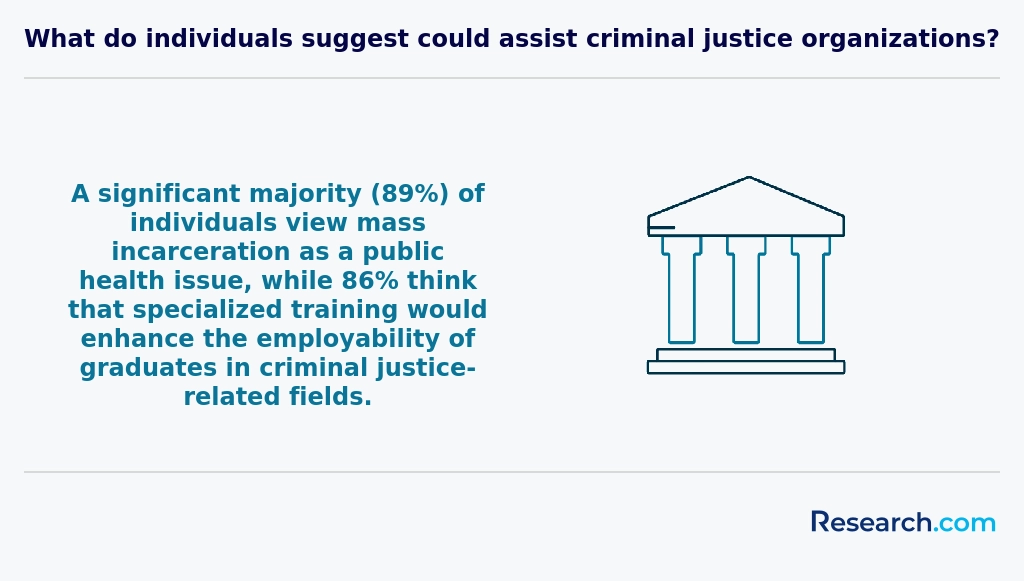
If you're diving into an online criminal justice degree in Colorado, there's good news-financial aid options are pretty solid and can really make a difference. Most students start by filling out the FAFSA, which opens doors to Pell Grants and federal loans. Pell Grants are like a huge bonus since they don't need to be paid back and can cover up to $7,395 annually. Imagine a graduate from a well-known Colorado college snagging one of these-they often say it was a game changer for managing costs without stressing about debt.
Beyond federal aid, locals can tap into state gems like the Colorado Opportunity Scholarship Initiative, which some students at popular schools like Metropolitan State University of Denver have used to ease their financial load. Plus, many colleges throw in their own scholarships, sometimes tailored for veterans or first responders, making the process feel more personalized.
One great perk for those already working in law enforcement or corrections? Employer tuition assistance. Graduates often share how their departments helped pay for their courses, letting them keep their jobs while studying. Throw in programs like Public Service Loan Forgiveness to wipe out debt after a decade of service, and you've got a solid financial setup for Colorado's criminal justice students.
If you're thinking about jumping into an online criminal justice degree in Colorado, you'll usually need a high school diploma or GED for a bachelor's program. Most schools, like those popular at Colorado State or University of Denver, want to see at least a 2.5 GPA. Some grads mention how helpful it was that test scores like the SAT aren't always required anymore, especially with test-optional policies becoming more common in online programs. For those aiming for a master's, a bachelor's degree from an accredited school is a must, often with a 3.0 GPA minimum. Even if you didn't major in criminal justice before, as long as you've taken some law enforcement or psychology classes, you're in good shape.
Online students from colleges in Denver have shared that submitting transcripts, a personal statement about why you're passionate about justice, and recommendation letters really helped their applications stand out. Some schools even ask for a resume showing any real-world experience-like volunteering at a local rehab center or working in a police department. Plus, a heads up: background checks might come into play for courses with internships, so it's good to be ready for that.
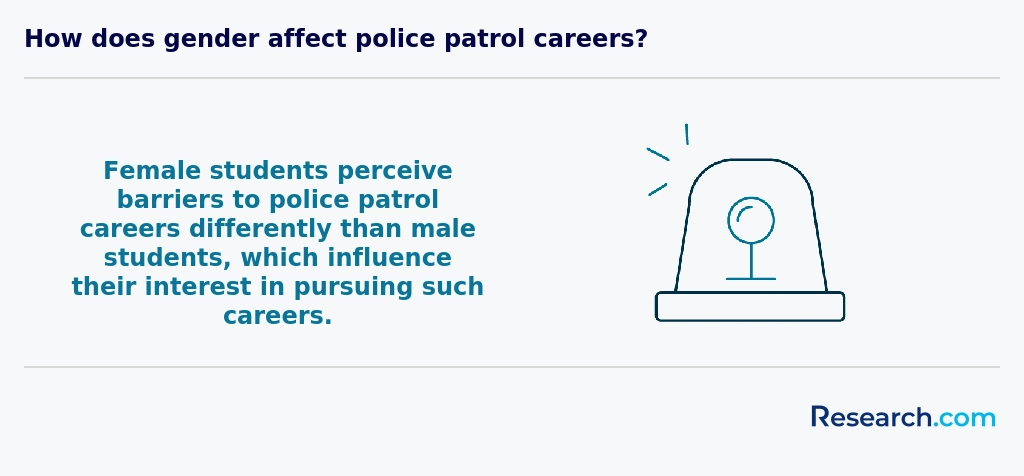
If you're diving into an online criminal justice degree in Colorado, expect courses that really cover the core of what makes the system tick. Graduates from local favorites like Metropolitan State University of Denver often mention starting with classes like Introduction to Criminal Justice, which breaks down how police, courts, and corrections all work together. It's like seeing the big puzzle pieces fit perfectly.
Then there's Criminology, where you'll get into why people commit crimes, which makes you think differently about everyday news stories. Many students find Law Enforcement Operations eye-opening-it's all about the real-life challenges police face and the ethics behind their role.
Courses on Courts and Corrections help you understand everything from courtroom drama to what happens behind bars. Some grads say learning about juvenile justice and cybercrime brings up some awesome "aha" moments, especially since Colorado's online programs focus on issues like mental health and community policing tailored to local needs.
If you're diving into online criminal justice specializations in Colorado, you'll find a bunch of cool options tailored to fit different career vibes. For example, some graduates from Colorado colleges love the forensic science track because it gets you hands-on with crime scene evidence and lab work-pretty exciting if you're into science and mysteries. Others lean towards homeland security, which is a big deal here thanks to Colorado's focus on keeping communities safe from threats and disasters.
Then there's criminology, perfect for those who want to understand why people break the law and maybe even influence policies someday. Cybercrime and digital forensics is also huge, especially around tech hubs like Denver or Boulder, where graduates say knowing how to track down internet crimes really sets them apart. Plus, corrections and rehabilitation programs are great if you're passionate about helping folks turn their lives around. A lot of students find that Colorado online master's criminal justice tracks offer this variety, which makes it easier to match your interests and goals.
On a side note, if you're just starting out thinking about college options, checking out the easiest associate's degree programs in Colorado could be a smart move before committing to a specialization.
When choosing an online criminal justice degree in Colorado, start by checking if the program is properly accredited-schools regionally accredited by the Higher Learning Commission often get the thumbs up from employers and grads alike. Take a look at the curriculum too. Some graduates love how their program at a popular Colorado college balanced real-world skills with theory, especially when they could specialize in fields like cybersecurity or juvenile justice. This makes a big difference if you want to work locally since courses tailored to Colorado's legal system give you a leg up.
Cost is another big deal. Many students find that affordable online criminal justice degrees in Colorado offer a smart blend of tuition rates and flexibility. Plus, some programs provide in-state discounts that really help if you're budgeting. You'll want to compare costs, keeping in mind that some schools go over $30,000 for the full program.
One cool thing grads often mention is how internship opportunities with local law enforcement helped them land jobs faster. And since Colorado's criminal justice jobs are expected to grow, picking a program with strong community ties pays off. If you want to know what majors make the most money out of college, criminal justice can be a smart pick when chosen wisely for your goals.
Flexibility matters too. Some programs let you study on your own schedule, which is a lifesaver for working students. Make sure the online support is solid, like career help and tech assistance, so you're never left hanging.
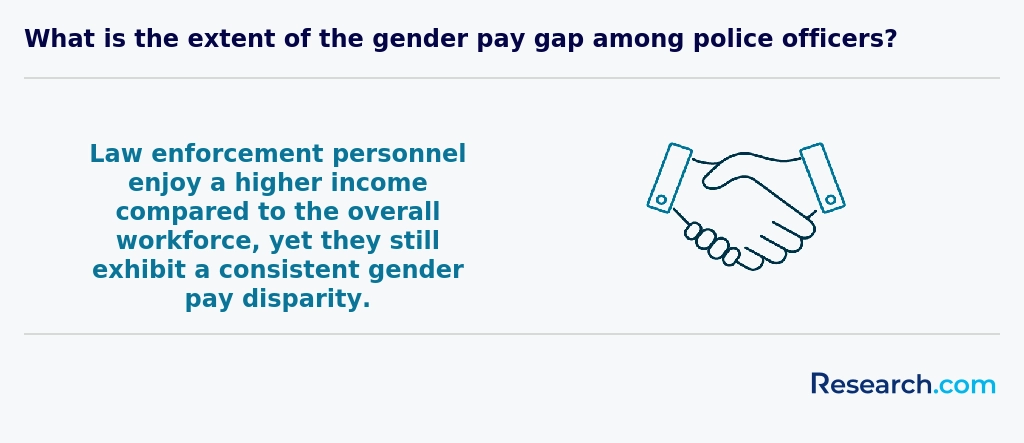
If you're thinking about an online criminal justice degree in Colorado, you'll find plenty of career paths waiting for you. Many graduates from popular schools like Metropolitan State University of Denver and Colorado State University Pueblo jump right into law enforcement jobs, becoming police officers or detectives. It's rewarding work that really makes a difference in public safety and crime prevention across the state.
Corrections is another solid path-imagine working as a probation officer or a prison counselor, helping people turn their lives around. Schools in Colorado often highlight real-world cases during studies, making it easier for grads to hit the ground running. For those interested in federal jobs, agencies like the Colorado Bureau of Investigation or the FBI often look for folks with solid degrees and training. Graduates tell us that these roles feel like stepping into a real-life crime drama, where you're the hero behind the scenes.
Besides traditional roles, the online criminal justice jobs Colorado offers include private security and crime analysis, a growing field as data becomes crucial in law enforcement decisions. Many students find financial relief by checking out accredited online colleges accepting free applications, which helps balance career goals with education costs.
The job market for online criminal justice degrees in Colorado is looking pretty solid. Graduates from universities like Metropolitan State University of Denver or Colorado State University Pueblo often find good opportunities waiting for them, especially since Colorado's protective services are growing steadily. Many grads share that finding roles in law enforcement or corrections feels promising, with salaries starting around $40,000 and climbing up to $75,000 for experienced officers.
Plus, Colorado isn't just about traditional roles anymore. With more local agencies focusing on cybercrime and digital forensics, there's fresh demand for specialists. Students have talked about feeling excited pursuing these new paths, supported by hands-on experiences and expert professors. This expanding field fits right into the employment opportunities with criminal justice degree Colorado offers.
Costs can be a concern, but many find relief through scholarships and scalable tuition plans at local schools. Checking out programs like a cheap bachelor degree can make the investment manageable while still opening doors in this evolving job market.
2027 Most Affordable Online Master's in Criminal Justice Degree Programs Ranking in Colorado
Investing in your education is a significant decision that can shape your future, and the Research.com team understands the importance of making informed choices. To assist prospective students in Colorado, we have meticulously crafted the "2027 Most Affordable Online Master's in Criminal Justice Degree Programs Ranking in Colorado." Our commitment to quality, credibility, and accuracy is reflected in the extensive research and analysis conducted to compile this ranking.
We utilized the following reputable data sources to ensure a comprehensive evaluation of criminal justice programs:
By exploring this ranking, readers will gain valuable insights into affordable and high-quality online criminal justice master's degree programs in Colorado, helping them make educated decisions about their educational paths. For more details on our methodology, please visit our Research.com methodology page.

# 2 position
Colorado Christian University
Master of Criminal Justice


# 4 position
Colorado Technical University-Colorado Springs
Master of Criminal Justice

Frequently Asked Questions About criminal justice
Online criminal justice students in Colorado can maximize their learning by actively engaging with course materials and participating in virtual discussions. Regular interaction with professors and peers helps deepen understanding and clarifies complex topics.
Colorado law enforcement and justice agencies often provide valuable local insights. Students should leverage opportunities for internships or virtual fieldwork with organizations like the Colorado Department of Public Safety. This practical experience enhances academic knowledge with real-world application.
Time management is crucial when balancing studies with work or family. Creating a consistent study schedule improves retention and reduces stress.
Additionally, accessing Colorado-specific criminal justice statistics from reputable sources such as the Colorado Bureau of Investigation can enrich research and assignments.
The field of criminal justice is expanding rapidly, with several emerging niches gaining traction in Colorado. Cybercrime and digital forensics are prominent areas, driven by increasing cyberattacks and data breaches statewide. According to the Colorado Bureau of Investigation, cyber-related cases have risen by over 15% in recent years.
Another growing niche is restorative justice, which emphasizes rehabilitation and community-based solutions over traditional punitive measures. This approach is gaining support in Colorado's reform-minded legal system.
Additionally, the integration of technology in law enforcement-such as the use of body cameras and data analytics-is creating new career paths.
After completing an online criminal justice degree in Colorado, preparing for the job market requires a strategic approach. Start by gaining practical experience through internships or volunteer opportunities with local law enforcement agencies, courts, or correctional facilities. Colorado's Department of Public Safety offers resources for students seeking such positions. Networking is vital; attend career fairs hosted by Colorado universities or join professional organizations like the Colorado Association of Chiefs of Police.
Additionally, obtaining relevant certifications like Crime Scene Technician or Victim Advocate can enhance your resume. According to the U.S. Bureau of Labor Statistics, Colorado's employment in legal and protective services sectors is projected to grow by 5%-7% through 2030, indicating steady job opportunities. Staying informed about state-specific regulations and continuing education helps graduates remain competitive in the evolving field.
Employers in Colorado seeking criminal justice degree graduates prioritize a mix of practical and interpersonal skills. Strong critical thinking and analytical abilities are essential, as these help in assessing crime scenes and making sound decisions under pressure. Communication skills, both written and verbal, are highly valued for effective reporting and collaboration within law enforcement agencies.
Knowledge of Colorado's specific legal system and regulations is also crucial, ensuring compliance with state laws. Additionally, proficiency in technology and data analysis is increasingly important, given the rise of digital evidence use. According to the Colorado Department of Public Safety, officers with solid problem-solving skills demonstrate higher job performance and community trust.
Finding internships in Colorado relevant to a criminal justice degree involves strategic research and networking. Start by exploring opportunities through your university's career services, which often have partnerships with local law enforcement agencies and legal organizations.
The Colorado Bureau of Investigation and local police departments frequently offer internship programs providing valuable field experience. Additionally, nonprofits addressing criminal justice reform or victim advocacy can be excellent internship hosts.
Websites like the Colorado Department of Public Safety and the Federal Bureau of Prisons list available internships across the state. According to the Bureau of Labor Statistics, Colorado's criminal justice sector is expected to grow by 7% through 2031, increasing internship opportunities.
Utilize LinkedIn and attend regional career fairs focused on public safety and legal professions to connect with potential employers.
An online criminal justice degree in Colorado can significantly improve career mobility and advancement opportunities. According to the Colorado Department of Labor and Employment, criminal justice occupations are projected to grow by 8% through 2030, faster than the average for all occupations. Earning a degree remotely allows professionals to balance education with work while acquiring specialized knowledge valued by agencies such as law enforcement, corrections, and federal security.
Colorado employers increasingly recognize accredited online degrees, especially from regionally accredited institutions, as valid credentials for promotion and higher pay. Graduates often qualify for supervisory and administrative roles that require advanced education. This flexibility supports career shifts within the criminal justice field across urban and rural areas in Colorado.
Studying for an online criminal justice degree in Colorado equips students with skills that extend beyond traditional law enforcement roles. Programs often integrate coursework in psychology, sociology, public administration, and law. This interdisciplinary approach prepares graduates to work in diverse fields like social services, cybersecurity, and community advocacy.
Colorado's criminal justice graduates benefit from state-specific content, including local legal frameworks and crime trends tracked by the Colorado Bureau of Investigation.
According to the Bureau of Labor Statistics, Colorado's need for professionals in related sectors such as social work and protective services is growing, highlighting the value of versatile training.
Thus, online degrees in Colorado foster adaptable professionals ready for complex, interdisciplinary challenges in criminal justice.
Choosing between a thesis and a non-thesis criminal justice degree program in Colorado depends largely on your career goals and learning preferences. Thesis programs require original research and a written dissertation, ideal for students aiming for roles in research, policy analysis, or doctoral studies.
Non-thesis programs focus more on coursework and practical skills, typically suited for professionals seeking advanced knowledge to enhance their practice or leadership roles within law enforcement or corrections.
Colorado's criminal justice system places strong emphasis on applied skills, making non-thesis options popular. According to Colorado Department of Public Safety data, 67% of criminal justice professionals prefer practical skill development.
Consider your time availability and interest in research, as thesis programs often demand 6-12 months of focused study beyond classes.
Students based in Colorado who wish to study criminal justice abroad face limited options through purely online programs. Most U.S. institutions offering online criminal justice degrees do not extend their curricula internationally due to accreditation and regulatory constraints. However, some Colorado universities participate in study-abroad partnerships or exchange programs, allowing students to combine online coursework with short-term international experiences.
For example, the University of Colorado system occasionally offers opportunities related to global justice studies, though these are not full online degrees abroad. Prospective students should also consider programs accredited by the Council on Social Work Education or the Academy of Criminal Justice Sciences, ensuring their degrees meet national standards.
Colorado reported a 10% increase in criminal justice program enrollment in 2022, showing growing local interest (Colorado Department of Higher Education, 2023). Those intending to study abroad are advised to verify that credits earned internationally transfer seamlessly into their online degree pathways.
Part-time job opportunities in Colorado can effectively complement an online criminal justice degree by providing practical experience and networking advantages. Common roles include security officer positions, which offer exposure to law enforcement protocols and enhance observational skills. According to the Colorado Department of Labor and Employment, security-related jobs in the state have a median hourly wage of about $15.50, providing flexible schedules suitable for students.
Additionally, working as a corrections officer or a dispatcher for local law enforcement agencies can enhance understanding of criminal justice systems in practice. These roles often require background checks, aligning well with the degree's ethics training.
Internships or part-time roles with nonprofit organizations focused on crime prevention or victim support also offer valuable insights and community connections relevant to criminal justice careers.
Online criminal justice students in Colorado can access various networking opportunities despite the remote format. Many Colorado universities offering online degrees encourage virtual student organizations and discussion forums, helping students connect with peers and faculty.
The Colorado Criminal Justice Association (CCJA) is a key resource, providing networking events, conferences, and workshops open to students statewide. Participation enhances professional relationships with law enforcement and legal experts.
Additionally, some universities facilitate internships and practicum placements with Colorado agencies, including the Department of Public Safety and local police departments, offering valuable real-world contacts.
These connections support career growth within Colorado's diverse criminal justice system, which employed over 53,000 people in 2023, according to the Colorado Department of Labor and Employment.
Alumni networks play a crucial role for online criminal justice degree students in Colorado by providing valuable professional connections and mentorship opportunities. Graduates from Colorado institutions often enter a state workforce that emphasizes collaboration within law enforcement, corrections, and legal fields.
These networks offer access to job openings and internships not always publicly advertised, improving employment prospects. According to the Colorado Department of Labor and Employment, networking is a key factor in the 7% annual growth of criminal justice careers statewide.
Moreover, alumni can share insights about local agencies, such as the Colorado Bureau of Investigation, enhancing a student's understanding of state-specific practices. This peer support aids career advancement and fosters a sense of community despite the online nature of studies.
Customizing an online criminal justice degree program in Colorado allows students to align their education with specific career goals within the justice system. Many universities offer electives and concentrations such as cybersecurity, homeland security, or forensic science. This flexibility can be important in preparing for roles like probation officer, crime analyst, or policy advisor. According to the Colorado Department of Higher Education, tailoring coursework enables students to meet industry certifications or licensing requirements.
Colorado's online programs often include internships or practicum options, giving practical experience relevant to local law enforcement or court systems. Students should research schools that provide strong community partnerships.
Advising services also play a key role in helping students select courses that match evolving job market demands in Colorado's criminal justice field.
Online criminal justice students in Colorado often face challenges related to balancing coursework with work and family responsibilities. Many students juggle full-time jobs alongside their studies, which can increase stress and reduce the time available for academic focus.
Access to hands-on experiences, such as internships or fieldwork, can also be limited for remote learners. Criminal justice is a practical field, and online students may need to seek local opportunities independently to gain relevant experience.
Technical issues and the need for reliable internet connections are additional hurdles, especially in rural Colorado areas where connectivity may be spotty. According to the Colorado Department of Higher Education, approximately 15% of residents live in counties with limited broadband access.
Lastly, some students find it challenging to build peer networks and receive immediate feedback due to the asynchronous nature of many online programs, which can impact motivation and engagement.
With an online criminal justice degree in Colorado, graduates can pursue several professional certifications to enhance their careers. Common certifications include the Certified Criminal Justice Professional (CCJP) and the Colorado Peace Officer Standards and Training (POST) certification, essential for careers in law enforcement within the state. Additionally, crime analysts often seek the International Association of Crime Analysts (IACA) certification to improve job prospects.
These certifications demonstrate specialized knowledge and can lead to higher salaries. According to the Colorado Department of Labor, certified professionals in criminal justice fields earn on average 10-15% more than non-certified peers. Pursuing certifications can also improve eligibility for federal jobs and specialized roles in corrections, probation, and homeland security.
Writing a winning application for an online criminal justice program in Colorado begins with clear presentation of your academic background and relevant experience. Highlight any work or volunteer roles in law enforcement, corrections, or related fields that demonstrate your commitment and practical knowledge. Many Colorado institutions value applicants who show strong analytical skills and a grasp of local criminal justice issues, such as rising cybercrime rates reported by the Colorado Bureau of Investigation.
Additionally, ensure your personal statement addresses your career goals and reasons for choosing an online format, emphasizing flexibility and relevance to Colorado's justice system. Submit all materials punctually and follow specific school guidelines closely to improve your chances.
Criminal justice careers in Colorado reflect a growing global trend emphasizing interdisciplinary knowledge and cultural awareness. Professionals increasingly face challenges that cross borders, such as cybercrime, human trafficking, and terrorism. According to the Colorado Department of Public Safety, the state's criminal justice workforce is diversifying, demanding skills that extend beyond local law enforcement.
Globally, criminal justice systems differ widely, but shared goals include fairness, public safety, and rehabilitation. Understanding international legal standards and human rights is becoming essential for U.S. practitioners, especially those pursuing advanced degrees online from Colorado institutions.
Moreover, the U.S. Bureau of Labor Statistics projects a 9% growth in criminal justice jobs through 2031, underscoring increasing demand both at home and in interconnected global contexts.
Gaining practical experience while earning an online criminal justice degree in Colorado is vital for career readiness. Many programs encourage internships at local agencies, including police departments, courts, and correctional facilities. These placements provide hands-on exposure to criminal justice operations.
Colorado's criminal justice system often partners with universities to offer remote or in-person internships tailored to online students. Additionally, students can engage in volunteer work with organizations like the Colorado Department of Public Safety or victim support groups. This real-world involvement complements academic learning and builds valuable professional networks.
Online learners may also participate in simulation exercises or virtual labs offered by their schools, enhancing tactical and decision-making skills.
Choosing the right concentration within an online criminal justice degree in Colorado depends on your career goals and local industry demands. Colorado's criminal justice system strongly emphasizes community safety, law enforcement, and rehabilitation. Popular concentrations include forensic psychology, cybercrime, juvenile justice, and homeland security.
Research local job market trends using resources like the Colorado Department of Labor and Employment. For example, cybercrime specialists are increasingly in demand due to rising digital threats in the state. A focus on juvenile justice aligns well with Colorado's programs for youth rehabilitation.
Consider programs accredited by the Academy of Criminal Justice Sciences, which often include specialized curriculum tailored to regional needs. Additionally, online flexibility allows you to balance studies and current work experience in Colorado's justice system.
- 2027 Most Affordable Online Master's in Criminal Justice Degree Programs Ranking in Kansas
- 2027 Most Affordable Online Master's in Criminal Justice Degree Programs Ranking in Texas
- 2027 Most Affordable Online Master's in Criminal Justice Degree Programs Ranking in Missouri
- 2027 Most Affordable Online Master's in Criminal Justice Degree Programs Ranking in California
- 2027 Most Affordable Online Master's in Criminal Justice Degree Programs Ranking in Kentucky
- 2027 Most Affordable Online Master's in Criminal Justice Degree Programs Ranking in Alabama
- 2027 Most Affordable Online Master's in Criminal Justice Degree Programs Ranking in Georgia
- 2027 Most Affordable Online Master's in Criminal Justice Degree Programs Ranking in Florida
- 2027 Most Affordable Online Master's in Criminal Justice Degree Programs Ranking in North Carolina
- 2027 Most Affordable Online Master's in Criminal Justice Degree Programs Ranking in Ohio
See What Experts Have To Say About Studying Criminal Justice
Read our interview with Criminal Justice experts

Frank Schmalleger
Criminal Justice Expert
Professor Emeritus
The University of North Carolina

David Carter
Criminal Justice Expert
Professor, School of Criminal Justice
Michigan State University

Mark Moore
Criminal Justice Expert
Research Professor of Public Management
Harvard University

- Online Criminal Justice Degree Programs | University of Phoenix https://www.phoenix.edu/online-criminal-justice-degrees.html
- Online Bachelor's Degree in Criminal Justice | CSU Global | Accredited https://csuglobal.edu/academic-programs/undergraduate-degrees/bachelors-degree-criminal-justice
- Your Guide to Criminal Justice Salaries in Colorado https://www.allcriminaljusticeschools.com/criminal-justice/criminal-justice-salaries/colorado/
- Earning a Criminal Justice Degree Online | University of Bridgeport https://www.bridgeport.edu/news/earning-a-criminal-justice-degree-online/
- What Can You Do With a Degree in Criminal Justice? | UMass Global https://www.umassglobal.edu/blog-news/what-can-you-do-with-a-criminal-justice-degree
- Professional Networking in Criminal Justice https://www.criminaljustice.com/resources/professional-networking/
- Career Trajectory: A Longitudinal Analysis of Criminology ... https://jippublication.com/index.php/jip/article/download/1211/912
- Ten Lessons for Talking About Criminal Justice Issues - The Opportunity Agenda https://opportunityagenda.org/messaging_reports/ten-lessons-criminal-justice/
- 6 Ways to Network in the Criminal Justice Field https://www.aiuniv.edu/blog/2014/march/6-ways-to-network-in-criminal-justice
- Criminal Justice Studies Graduate Certificate https://www.etamu.edu/programs/criminal-justice-studies-graduate-certificate/