2027 Most Affordable Online Master's in Counseling Degree Programs Ranking in the Northeast

Co-Founder and Chief Data Scientist
Choosing the right online master's in counseling degree can feel overwhelming, especially for students in the Northeast seeking affordable options. This article introduces the 2027 Most Affordable Online Master's in Counseling Degree Programs Ranking in the Northeast, created by the Research.com team of data scientists to guide you toward the best programs worth considering.
By exploring this ranking, you'll discover programs that balance cost and quality, helping you invest wisely in your education. Pursuing a counseling degree opens doors to rewarding careers, personal growth, and the chance to make a meaningful impact in others' lives.
Key benefits of getting online counseling degree in the Northeast
- Graduates with counseling degrees in the Northeast can expect strong salary prospects, such as Licensed Mental Health Counselors earning around $60,080 annually and Marriage and Family Therapists making approximately $68,730.
- Career paths for counseling graduates from popular Northeastern schools often include roles in mental health counseling, substance abuse counseling, and clinical supervision, offering diverse opportunities to make a positive impact.
- Online counseling degrees from reputable Northeastern universities provide flexibility and convenience, allowing students to balance work and study while earning respected credentials that open doors to rewarding careers.
- 2027 Most Affordable Online Master's in Counseling Degree Programs Ranking in the Northeast
- What can I expect from online counseling degree in the Northeast?
- Where can I work with online counseling degree in the Northeast?
What can I expect from online counseling degree in the Northeast?
The average cost of an online counseling degree in the Northeast varies, but students can typically expect tuition rates to be higher than in other regions due to the area's reputation for quality education. For example, graduates from well-known public universities in states like New York and Massachusetts often report paying between $20,000 and $35,000 for their entire program when studying online. This reflects the region's higher tuition baseline, even with the savings from avoiding on-campus fees.
Many students find value in this investment because programs frequently offer in-state tuition or competitive rates for remote learners, helping them manage costs better. Graduates often mention feeling reassured by tuition that aligns with strong accreditation standards like CACREP, knowing the expense supports meeting licensure requirements. One graduate described balancing work and study comfortably due to flexible asynchronous classes, making the cost feel justified by the convenience and quality.
Compared to on-campus costs, these online options provide a more affordable path while still granting access to proven Northeast institutions and their networks.
Where can I work with online counseling degree in the Northeast?
Graduates with an online counseling degree from well-known Northeastern schools like Boston University or New York University often find themselves employed across a variety of practical settings. For example, many pursue roles in community mental health centers or public schools, where they support students' emotional and behavioral needs. These positions offer steady work and a tangible way to see positive impacts daily, which many graduates describe as deeply rewarding.
Others quickly move into hospitals or healthcare organizations, providing therapy to individuals and families facing addiction or psychological challenges. Graduates appreciate the collaborative environment and the clear career growth, especially in urban hubs such as Philadelphia or Boston, where demand for licensed counselors is high.
For those interested in entrepreneurship, starting a private practice is a viable option, especially with support from local professional associations like the Massachusetts Mental Health Counselors Association. Graduates often highlight the satisfaction of tailoring their services to specialties such as trauma or substance abuse while benefiting from regional licensure reciprocity that facilitates working across multiple Northeast states.
Graduates with an online counseling degree in the Northeast can expect varied earnings based on licensure, specialization, and experience. For example, Licensed Professional Counselors typically start around a mean annual wage of $52,360, while Licensed Mental Health Counselors earn closer to $60,080 as they build their careers. Graduates from well-known programs such as those at Boston University or New York University often share how securing licensure as an LPC or LMHC has boosted their salaries and opened doors to better job opportunities.
Marriage and Family Therapists commonly earn higher wages, with a mean annual salary of $68,730, reflecting the demand for this specialized skill set. Substance Abuse Counselors earn approximately $60,080 annually, with salaries rising in metropolitan hubs like Boston and New York City due to greater demand. Clinical Supervisors in counseling command substantially higher pay, often exceeding $130,000, rewarding those who advance into leadership roles.
Entry-level positions near $45,000 can quickly grow to mid or high six figures for dedicated graduates expanding their certifications and expertise in the Northeast market.
- Tuition for accredited online counseling master's programs in the Northeast ranges from $15,000 to $30,000 annually, with private schools charging more than public ones.
- Entry-level counselors in the Northeast typically earn between $45,000 and $55,000 per year, with experienced professionals making $65,000 to $75,000 annually.
- The job market is growing at an expected rate of 12% to 15% over the next decade, higher than the national average for mental health counseling jobs.
- Programs should be CACREP-accredited to meet state licensure requirements, which include a master's degree, supervised clinical hours, and passing a standardized exam.
- Many programs offer internships or practicum experiences that can be completed locally to fulfill licensure mandates.
Most online counseling degrees in the Northeast take about two to three years to complete, depending on whether you study full-time or part-time. Graduates from popular institutions like those in New York or Pennsylvania often share how balancing work and family stretched their timeline to around three years, while full-time students finished in two.
Master's programs typically require 60 to 65 credit hours, plus a demanding clinical internship. For example, many students at well-known universities complete at least 700 hours of supervised practicum, a commitment that shapes their schedule and overall duration.
Choosing asynchronous courses can help you fit study hours flexibly around your life, an approach several graduates appreciated when managing jobs and personal responsibilities. However, keep an eye on course availability and state licensure rules in the Northeast, as these factors may affect how quickly you complete practical training.
Planning ahead and understanding these requirements can help you confidently map out a study path suited to your pace and commitments.
Understanding state-specific licensure criteria ensures your online counseling degree meets all requirements in the Northeast. Most states require a master’s from a regionally accredited program, a supervised clinical practicum, and passage of a standardized exam.
- CACREP accreditation streamlines licensure across jurisdictions (cacrep accredited online masters counseling programs)
- Connecticut: 3,000 post-master’s supervised hours; pass the NCE or NCMHCE; application through the Department of Public Health
- Massachusetts: 840-hour practicum; 3,360 post-degree supervised hours; NCMHCE required; board review by the Board of Registration of Allied Health Professionals
- New York: 600-hour practicum; 3,000 post-master’s supervised hours; NCMHCE exam; licensure via the Office of the Professions
- New Jersey: 600-hour practicum; 3,600 post-master’s supervised hours; NCE exam; oversight by the Board of Marriage and Family Therapy Examiners
- Pennsylvania: 600-hour practicum; 3,000 post-master’s supervised hours; NCE exam; licensing through the State Board of Social Workers, Marriage & Family Therapists and Professional Counselors
Choosing between online and on-campus counseling degrees in the Northeast often boils down to how you want to balance flexibility with direct engagement. Online programs-like those offered by well-known institutions such as Boston University-allow you to study at your own pace, fitting coursework around work or family life. Graduates from these programs frequently highlight the relief of avoiding commuting and feeling empowered by 24/7 access to lectures and assignments.
On-campus degrees, common at schools like Columbia University, offer immersive, face-to-face experiences. Students there share stories of valuable spontaneous interactions with professors and peers that deepen their learning and networking. However, this requires a strict class schedule and regular campus visits, which can challenge working adults.
Both formats require clinical hours, but online students often arrange internships locally, sometimes coordinating supervision virtually, which adds a layer of independence but sometimes less immediate feedback. Cost differences also matter: online students in the Northeast may save thousands by skipping housing and travel. Graduates emphasize that both paths lead to CACREP accreditation, essential for licensure in places like New York.
The average cost of an online counseling degree in the Northeast typically centers around $45,540 for the entire program, though costs can vary widely depending on the university and residency status. Graduates from public state schools in this region often report paying closer to $25,920 if they qualify for in-state tuition, while out-of-state students might expect an average near $32,742. These figures give a clear picture for anyone budgeting for a counseling degree and seeking affordable online master's in counseling programs northeast.
Many students find that enrolling in public universities such as Rutgers University or the University of Massachusetts can ease financial pressure, with tuition usually ranging between $500 and $700 per credit hour. Graduates frequently appreciate the balance of cost and quality these institutions offer, which supports their goal of becoming licensed counselors without the heavy debt load that can follow private programs. On the other hand, private universities like Boston University or New York University tend to charge higher rates, around $900 or more per credit hour, but often add value through specialized courses and smaller class sizes.
By planning for additional expenses including technology fees and textbooks, students can avoid surprises. It's encouraging to hear from graduates who successfully managed these costs through financial aid and scholarships, demonstrating that budgeting carefully pays off. If you're curious about program difficulty alongside costs, consider exploring this list of easiest counseling programs to find a fit that matches your pace and price range.
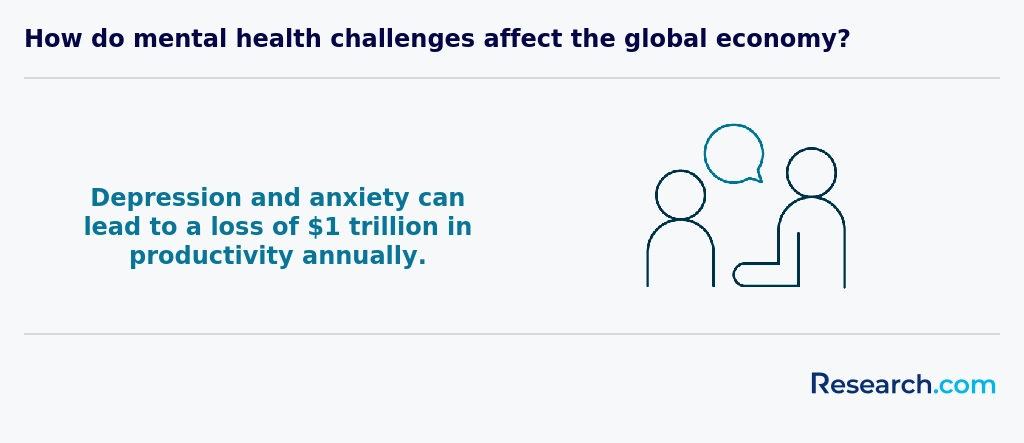
Ensuring your online counseling degree meets both accreditation standards and state licensure requirements is critical for launching a successful counseling career. Accredited programs not only guarantee academic rigor but also fulfill the educational prerequisites for licensure exams and supervised practice hours. Here’s what you need to know: 1. Accreditation Types - Regional Accreditation: Verify that your institution is regionally accredited by bodies such as the New England Commission of Higher Education (NECHE). Regional accreditation is widely recognized by employers and licensure boards. - CACREP Accreditation: The Council for Accreditation of Counseling and Related Educational Programs (CACREP) specifically endorses counseling curricula. Graduates of CACREP-accredited programs often qualify for expedited licensure in many states. 2. State Licensure Steps - Educational Requirements: Most states require a master’s degree in counseling (60 credit hours minimum) from an accredited institution. - Supervised Clinical Hours: Typically 2,000–3,000 hours of supervised practicum and internship are mandated; requirements vary by state. - Examinations: The National Counselor Examination (NCE) or National Clinical Mental Health Counseling Examination (NCMHCE) is required in the majority of states. - Application Process: Submit official transcripts, supervision verification forms, and exam scores to your state board. Fees and background checks may also apply. 3. Interstate Practice and Mobility - Counseling Compact: The Counseling Compact allows licensed counselors in participating states to practice across state lines without obtaining additional licensure. Check if your state is a member. - Reciprocity: If your state isn’t part of the compact, explore reciprocity agreements that simplify transfer of licensure. 4. Resources and Next Steps - State Board Directory: Locate your state’s counseling licensure board for specific application guidelines, fee schedules, and renewal cycles. - Comparative Program Insights: To compare affordability and accreditation across regions, see our 2025 Most Affordable Online Master's in Counseling Degree Programs Ranking in Ohio. By carefully selecting a program with the proper accreditations and understanding your state’s licensure pathway, you’ll be well-positioned to become a licensed counselor and meet the growing demand for mental health professionals in the Northeast.
Applying for federal aid through the FAFSA is the first smart move for online counseling students in the Northeast. Graduates from Syracuse University share how Direct Unsubsidized Loans and Grad PLUS Loans helped ease their financial worries during their master's program, thanks to generally lower interest rates compared to private lenders.
State-specific grants and scholarships are another practical resource. For instance, students attending Boston University often benefit from Massachusetts' scholarship programs aimed at counseling and mental health fields, significantly reducing out-of-pocket tuition.
On-campus assistantships, though less common for fully online students, can sometimes be secured by those near schools like the University of Connecticut, providing tuition waivers plus stipends in exchange for teaching or research assistance. Many Northeastern grads emphasize how these assistantships boosted their budget while gaining valuable experience.
Don't overlook private scholarships from associations like the American Counseling Association, which often reward students enrolled in accredited online programs. Plus, if you work in healthcare or social services, check with your employer about tuition reimbursement-graduates from Rutgers have found this particularly helpful.
Finally, confirm your residency status and out-of-state tuition policies with the school's financial aid office to ensure you qualify for the best aid options available to Northeast online counseling students.
After earning your online Master’s in Counseling, obtaining state licensure is the crucial next step. Most Northeastern states require graduation from a CACREP-accredited program, completion of 2,000–4,000 supervised clinical hours, and passing the National Counselor Examination (NCE) or the National Clinical Mental Health Counseling Examination (NCMHCE). For detailed program comparisons, explore our list of easiest counseling programs to identify accredited curricula that align with your career timeline. Key steps to licensure in the Northeast:
- Verify Accreditation: Confirm your degree is recognized by CACREP or the state board. Accreditation ensures your coursework and practicum meet rigorous educational standards essential for licensure.
- Supervised Experience: Most states mandate 2,000–4,000 hours under a board-approved supervisor. Plan your internships early by selecting programs with robust field placement services.
- Examination Requirements: Prepare for national exams-NCE or NCMHCE-by leveraging institution-provided prep courses and study groups. Passing these exams demonstrates core counseling competencies.
- State-Specific Endorsements: After national exam completion, apply for state licensure. Each state’s counseling board sets application fees, background checks, and additional jurisprudence exams. Review your target state’s board website well in advance. Maintaining licensure also involves continuing education units (CEUs), typically 20–30 hours every two years. CEU providers range from professional associations to accredited universities. By selecting a program with integrated support for licensure and CEU tracking, you’ll streamline renewal processes and stay current with evolving counseling practices.
To enroll in an online counseling degree program in the Northeast, you first need a bachelor's degree from a regionally accredited college or university. Graduates from programs at well-known schools in this region often share how this foundational step gave them confidence in managing advanced coursework.
Most programs expect a minimum undergraduate GPA between 2.5 and 3.0, which helps ensure you're academically prepared. If your GPA is borderline, some programs may still consider relevant professional experience or extra coursework, as several students have found when they applied to reputable universities in the Northeast.
Application materials typically include official transcripts, two or three recommendation letters, and a personal statement that clearly outlines your passion for counseling and career goals-common requests from programs at colleges like those in Boston or New York.
Because hands-on training is vital, you will also need to pass background checks and prove you can complete practicum hours within your state, reflecting the hands-on realities shared by recent graduates.

Accreditation ensures your degree meets professional standards and is recognized by state licensure boards.
- Seek CACREP accreditation: programs listed under cacrep accredited online masters counseling programs meet rigorous curriculum and faculty benchmarks.
- Understand state board criteria: each Northeastern state board sets supervised clinical hour requirements (often 3,000 post-master’s) and exam approvals.
Follow these licensure steps:
- Earn a master’s from an accredited institution.
- Complete practicum or internship hours under qualified supervision.
- Pass the National Clinical Mental Health Counseling Examination (NCMHCE) or a state-specific exam.
- Apply to your state board for the Licensed Professional Counselor (LPC) or equivalent.
Online counseling degree programs in the Northeast typically include core courses designed to build a strong foundation in counseling theory and practice. Graduates from well-known universities in the region often recall starting with classes like Introduction to Counseling Theories and Techniques, Human Growth and Development, and Multicultural Counseling to prepare for diverse client needs.
These programs also cover practical skills through classes such as Group Counseling Methods and Assessment and Testing in Counseling. One graduate shared that learning Ethical and Legal Issues in Counseling was crucial in understanding professional boundaries, which made her confident during her internship.
Research Methods and Career Counseling courses help students develop analytical skills and career planning expertise, which are often emphasized at popular colleges in the Northeast. Many students mention how electives like trauma-informed counseling enriched their ability to handle sensitive cases in real-life settings.
Programs usually integrate supervised fieldwork, ensuring students accumulate hands-on experience necessary for licensure. This mix of theory, practice, and real-world application makes Northeast online counseling degrees highly practical and relevant.
Online counseling degrees in the Northeast typically offer specializations designed to meet regional licensure demands and career opportunities. Graduates from well-known programs at popular universities often share experiences of choosing between tracks like mental health counseling, school counseling, marriage and family therapy, or rehabilitation counseling. For instance, a graduate focused on mental health counseling might find work supporting clients facing anxiety or substance abuse, a rewarding path given the rising demand in states such as New York and Massachusetts.
School counseling, another common specialization, prepares students to provide academic guidance and social support in K-12 settings, which recent graduates describe as fulfilling and impactful, especially in urban districts. Marriage and family therapy appeals to those interested in relational dynamics and helping families navigate challenges, while rehabilitation counseling equips counselors to assist individuals with disabilities, creating meaningful changes in their independence. If you're mapping out your path, exploring specialized counseling degrees in Northeast programs ensures your training aligns with licensure and practical needs.
To budget your education effectively, consider checking the 2025 Most Affordable Online Master's in Counseling Degree Programs Ranking in Ohio, which illustrates how affordability varies even within the region's offerings.
Start by verifying accreditation, especially programs accredited by CACREP, as most Northeast licensing boards require this for smooth licensure. Graduates from well-regarded universities in states like New York and Massachusetts frequently share how choosing a CACREP-accredited online counseling degree made their licensing process less stressful and more straightforward.
Evaluate the curriculum to ensure it matches your career goals. For example, if you aim for school counseling in Pennsylvania, select a program that emphasizes that specialization and offers local practicum options. Many happy graduates have praised programs that align tightly with state licensure requirements, saving time and effort on additional certifications.
Look for affordable online counseling master's Northeast options that fit your budget. Public universities often offer competitive tuition, and some provide assistantships to reduce costs. To explore these programs, check the list of top online schools, which ranks institutions known for value and flexibility.
Lastly, assess flexibility and support. Graduates juggling work and family appreciate programs offering asynchronous coursework and strong faculty mentorship. This practical approach helps maintain balance while achieving your degree efficiently.
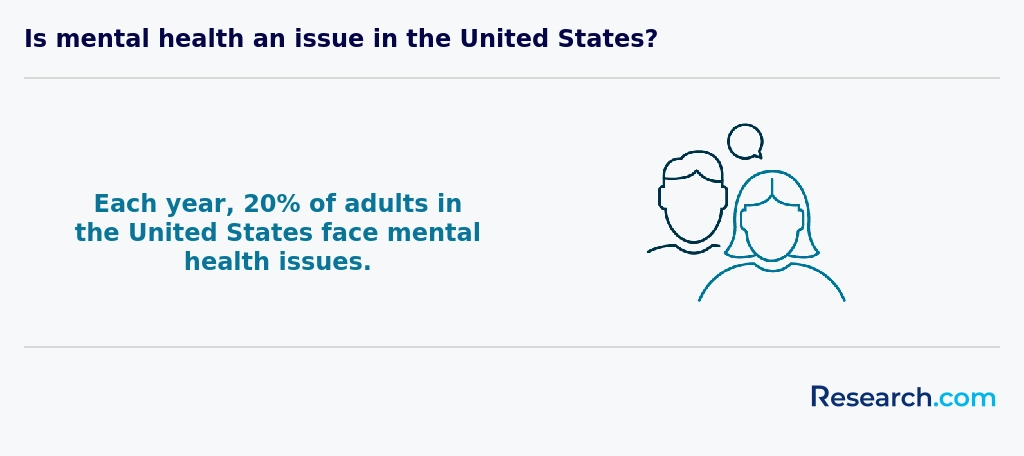
Graduates holding an online counseling degree in the Northeast find career opportunities in clinical mental health, school counseling, marriage and family therapy, and substance abuse counseling. For example, graduates from well-regarded programs at Northeastern universities often take roles in hospital settings or community agencies, where hands-on experience complements their online studies. The diverse population here means counselors gain practical exposure to varying mental health needs, which is invaluable for licensure and future employment.
Those pursuing school counseling positions must navigate specific state certification requirements common in the Northeast. Graduates appreciate programs at local colleges that integrate these licensure prerequisites, allowing them to transition smoothly into public school roles. This pathway suits students focused on supporting youth mental wellness with steady job prospects.
Marriage and family therapy remains a rewarding option, with many graduates drawn to the relational dynamics addressed in Northeast communities. Substance abuse counseling also serves a vital regional role given the opioid crisis, and licensure options here expand job availability. For practical guidance on selecting jobs aligned with your temperament and skills, consider exploring resources like the best job for introverts. These counseling degree jobs in the Northeast reflect career opportunities for counseling graduates Northeast ready to impact lives locally.
The job market for online counseling degree graduates in the Northeast is dynamic and competitive, with a projected growth rate of about 15% through 2030, outpacing the national average. Graduates from popular institutions offering online counseling programs appreciate how their degrees align with stringent state licensure requirements, especially in states like New York and Massachusetts. Many find employment in settings such as hospitals, outpatient centers, and school systems, where licensed professional counselors are in demand. This practical career path benefits from the region's diverse urban and suburban populations, creating varied opportunities.
The career opportunities for counseling graduates Northeast often include positions in private practices and community organizations that focus on mental health and substance abuse treatment. Graduates frequently report satisfaction from contributing to their communities while earning competitive salaries, often between $55,000 and $62,000 annually. Investing in accredited programs enhances employability and licensure prospects, which is valuable when tuition for these online degrees ranges from $15,000 to $30,000.
To navigate this landscape wisely, students consider strong regional support networks, including job boards from professional boards and state associations. For those seeking flexible learning models, online counseling degrees, like these paired with an accelerated associates degree, offer a balanced approach to study and work commitments.
2027 Most Affordable Online Master's in Counseling Degree Programs Ranking in the Northeast
Investing in your education is a significant decision that can shape your future, and the Research.com team understands the importance of making informed choices. To assist prospective students in the Northeast, we have carefully developed the "2027 Most Affordable Online Master's in Counseling Degree Programs Ranking in the Northeast." Our dedication to quality, credibility, and accuracy is reflected in the thorough research and analysis behind this ranking.
We utilized the following reputable data sources to ensure a comprehensive evaluation of online counseling programs:
By reviewing this ranking, readers will gain valuable insights into affordable and quality online counseling master's programs in the Northeast, empowering them to make well-informed decisions about their educational journey. For more details on our methodology, please visit our Research.com methodology page.

# 2 position
PennWest California
Master of Counseling (Concentration in Clinical Mental Health Counseling)


# 4 position
Antioch University New England
Master of Dance/Movement Therapy


Frequently Asked Questions About counseling
Students pursuing online counseling degrees in the Northeast can enhance their learning by actively engaging with virtual resources and faculty. The Council for Accreditation of Counseling and Related Educational Programs (CACREP) accredits many quality programs regional to this area, ensuring rigorous curriculum standards.
Consistent participation in synchronous sessions and discussion boards improves comprehension and fosters peer connections, essential since counseling relies heavily on interpersonal skills. According to the National Center for Education Statistics, Northeastern states have seen a 12% rise in enrollment for online counseling programs over the past five years, highlighting the growing demand and available support resources.
Additionally, seeking local internship or practicum sites helps integrate theoretical knowledge with practical experience, crucial for licensure in states like New York or Massachusetts. Using state counseling boards' guidelines early ensures coursework aligns with licensure requirements.
The counseling field is evolving rapidly, with several emerging niches gaining prominence, particularly in the Northeast. One notable area is telehealth counseling, which expanded significantly due to increased digital access and changing regulations after 2020. The New England region reports a 35% growth in licensed professionals offering online mental health services, according to the National Board for Certified Counselors.
Another growing specialty is trauma-informed counseling, driven by heightened awareness of adverse childhood experiences and community crises. Substance abuse counseling remains critical, with the opioid epidemic fueling demand for qualified counselors.
Additionally, career counseling focused on underrepresented populations is gaining traction, supported by regional workforce development programs in states like New York and Massachusetts.
After completing an online counseling degree in the Northeast, preparing for the job market requires strategic planning. First, obtain state licensure; requirements vary across states like New York, Massachusetts, and Pennsylvania, but most expect supervised clinical hours and passing the National Counselor Examination (NCE).
Networking is crucial-join local chapters of the American Counseling Association or state counseling boards to connect with professionals. Internships or practicum experiences during your program can improve employment prospects.
According to the Bureau of Labor Statistics, Massachusetts and New York show higher demand for counselors, with projected growth rates above the national average through 2030.
Staying current with continuing education and certifications enhances employability in specialized fields such as school or mental health counseling.
Employers in the Northeast seeking graduates with online counseling degrees prioritize strong communication and interpersonal skills. Effective listening, empathy, and the ability to build trust are crucial for success in clinical and community settings. According to the U.S. Bureau of Labor Statistics, interpersonal skills remain a top requirement for counseling positions nationwide, with local employers emphasizing cultural competence due to the region's diverse populations.
Additionally, critical thinking and problem-solving are prized, enabling counselors to tailor interventions for complex client needs. Familiarity with ethical standards and confidentiality laws, such as HIPAA compliance, is essential.
Proficiency in using digital tools for telehealth sessions is increasingly important in the post-pandemic Northeast job market.
Finding internships in the Northeast relevant to a counseling degree involves targeted research and networking. Start by exploring online portals like Handshake, which many universities use to advertise internship opportunities. The Northeast, including states like New York, Massachusetts, and Pennsylvania, has a strong network of mental health clinics and nonprofit organizations that frequently offer clinical placements for counseling students.
Accreditations matter: seek internships affiliated with programs accredited by CACREP (Council for Accreditation of Counseling and Related Educational Programs) to ensure quality supervision and relevant experience.
Additionally, contacting university career services can provide tailored internship leads. Checking regional counseling associations, such as the New England Mental Health Counselors Association, can also yield valuable connections and resources.
According to the Bureau of Labor Statistics, internships in these states often lead to higher employment rates in counseling careers, enhancing practical skills crucial for licensure.
Obtaining an online counseling degree in the Northeast significantly enhances career mobility and advancement opportunities. Many states in this region, including New York, Massachusetts, and Pennsylvania, have licensure pathways that recognize accredited online programs, streamlining the process for graduates to become licensed professional counselors.
According to the Bureau of Labor Statistics, the demand for mental health counselors in the Northeast is projected to grow by over 15% through 2030, faster than the national average. This growth creates an expanding job market for those with specialized credentials.
Graduates benefit from flexible study options, allowing working professionals to upskill without relocating, which is critical in densely populated urban areas like Boston and Philadelphia where competition is high.
Furthermore, many online programs in the Northeast maintain strong connections with local employers, offering practical internships and networking resources that facilitate career advancement.
Studying for a counseling degree in the Northeast offers strong preparation for interdisciplinary roles by integrating various fields such as psychology, social work, and healthcare. Many Northeastern programs emphasize collaboration with professionals from education, public health, and mental health services. This approach reflects the regional demand for counselors who work across diverse settings.
The region's online counseling degrees often follow guidelines set by the Council for Accreditation of Counseling and Related Educational Programs (CACREP), ensuring comprehensive training. According to the National Board for Certified Counselors, Northeastern graduates show high readiness for roles involving teamwork in schools, hospitals, and community agencies.
By combining theory and practical experience, online programs help students develop adaptable skills essential for interdisciplinary communication and problem-solving.
Choosing between a thesis and a non-thesis counseling degree program in the Northeast depends largely on your career goals. Thesis programs require original research, appealing to students aiming for roles in clinical research or doctoral study. Non-thesis options often emphasize practical skills and may include comprehensive exams or additional coursework.
According to the Council for Accreditation of Counseling and Related Educational Programs (CACREP), many Northeast schools align non-thesis tracks with licensing requirements, which might speed up licensure for clinical counselors. However, thesis tracks may enhance opportunities at academic or research institutions.
Consider your preferred learning style, time commitment, and future plans when making your decision.
Students in the Northeast seeking online counseling degrees with an international focus have limited direct options for studying abroad through U.S.-based online programs. Most accredited counseling degrees emphasize state licensure requirements, which prioritize regionally accredited programs and U.S.-specific clinical hours.
However, some universities in the region offer study abroad opportunities or international practicum placements as part of their hybrid counseling programs. For example, a few schools affiliated with the Council for Accreditation of Counseling & Related Educational Programs (CACREP) allow completing part of the coursework or internships abroad, though these are rare and often require additional approval.
Since counseling licensure varies by state, including in Northeast states such as New York and Massachusetts, students must carefully verify that any international components meet local licensing criteria. According to the New England Board of Higher Education, most affordable online counseling master's programs focus on in-state or online clinical experiences rather than abroad options.
Students pursuing online counseling degrees in the Northeast can benefit from part-time jobs that enhance practical skills and academic knowledge. Common roles include mental health assistant positions in local clinics or community centers, offering direct client interaction and exposure to counseling environments.
Additionally, tutoring in psychology or related subjects can strengthen theoretical understanding while providing flexible hours. According to the U.S. Bureau of Labor Statistics, New England states reported a 7% growth in mental health support jobs between 2021 and 2023.
Peer support facilitator roles on college campuses also provide valuable experience in group dynamics and emotional support, complementing counseling studies effectively.
Online counseling students in the Northeast benefit from various networking opportunities that enhance their academic and professional development. Many universities offer virtual networking events, including webinars and career fairs, connecting students with licensed professionals and alumni. According to the National Board for Certified Counselors, the Northeast region has one of the highest concentrations of licensed counselors, increasing potential networking contacts.
Professional organizations like the New England Association of Mental Health Counselors provide virtual meetups and conferences, fostering connections among students and practitioners. Additionally, online counseling programs often encourage internships and practicum placements within local healthcare settings, enabling students to build regional networks.
Alumni networks play a vital role for students pursuing online counseling degrees in the Northeast by offering professional connections and mentorship opportunities. Many universities in this region report that strong alumni engagement helps online students access internships and clinical placements crucial for licensure. According to the New England Board of Higher Education, about 60% of counseling graduates find jobs through alumni referrals within six months after graduation.
Networking through alumni groups also supports career development by sharing job leads, workshops, and local counseling events. This is especially valuable in competitive Northeast job markets, where personal recommendations often carry weight. Furthermore, alumni networks help students stay informed about regional licensing changes affecting counseling professionals.
Online counseling degree programs in the Northeast offer several ways to customize your education to meet specific career goals. Many universities allow students to choose specialized tracks, such as mental health counseling, school counseling, or marriage and family therapy. This flexibility helps align coursework with your intended professional licensure or certification requirements. According to the Council for Accreditation of Counseling & Related Educational Programs (CACREP), over 30 accredited programs in the region include practicum and internship placements tailored to local community needs. Additionally, some programs provide elective courses focusing on regional issues like substance abuse or trauma counseling, supporting a deeper understanding of the Northeast's unique population needs.
Online counseling students in the Northeast often face obstacles related to balancing coursework with professional and personal responsibilities. Many students juggle full-time jobs while completing rigorous programs that include both theoretical and practical training. Limited access to in-person practica and internships can pose challenges, as some local supervisors require face-to-face engagement for licensure eligibility.
Technical difficulties and adapting to online learning platforms also impact student progress, especially for those in rural areas with slower internet speeds. According to the New England Board of Higher Education, nearly 20% of students in the region report connectivity issues that delay coursework submission.
Furthermore, students must navigate diverse state licensure requirements, which vary considerably across Northeast states. This complexity requires careful planning to ensure that training aligns with regional licensing boards' standards.
Graduates with an online counseling degree in the Northeast can pursue several professional certifications essential for advancing their careers. Common credentials include the Licensed Professional Counselor (LPC), Licensed Mental Health Counselor (LMHC), and National Certified Counselor (NCC). These certifications require completion of supervised clinical hours and passing state-specific exams. Since each Northeastern state regulates counseling licensure differently, it is vital to check local requirements.
The American Counseling Association (ACA) reports that LPC and LMHC licenses are among the most recognized in states like New York, Massachusetts, and Pennsylvania. Earning these certifications typically increases job prospects and salary potential. The NCC, issued by the National Board for Certified Counselors, offers national recognition and can benefit counselors who seek employment throughout the region.
To write a winning application for an online counseling program in the Northeast, start by thoroughly researching schools accredited by the Council for Accreditation of Counseling and Related Educational Programs (CACREP). Accreditation ensures quality education and licensure eligibility. Highlight your understanding of regional mental health challenges, referencing data from the Northeast Behavioral Health Report.
Demonstrate relevant experience, either through work or volunteer roles, emphasizing skills like empathy and communication. Craft a clear personal statement explaining why you want to study counseling online and how this fits your career goals. Include strong letters of recommendation from professionals familiar with your qualifications. Finally, ensure all transcripts and documents meet the program's specific requirements to increase your chances of acceptance.
The counseling profession is recognized worldwide for its vital role in mental health and social support. Globally, there is increasing demand for qualified counselors, driven by rising awareness of mental health issues. In the United States, including the Northeast, the Bureau of Labor Statistics projects a 22% growth in counseling jobs from 2020 to 2030, faster than the average for all occupations.
Different countries may have varying licensure and educational requirements, but a master's degree is typically essential in the US. Northeastern states often require specific clinical hours and state licensure, ensuring counselors meet rigorous standards.
According to the National Board for Certified Counselors, about 35% of certified counselors are concentrated in the Northeast, reflecting the region's focus on mental health services.
Gaining practical experience while studying for an online counseling degree in the Northeast is essential for licensure and career readiness. Many programs incorporate practicum and internship placements, allowing students to work directly with clients under supervision. In states such as New York and Massachusetts, students must complete at least 700 supervised hours, aligned with state licensing boards' requirements.
Universities often assist in securing placements at nearby clinics, schools, or community agencies, even when students study remotely. Additionally, some programs offer virtual simulation labs that build counseling skills in a controlled environment.
According to the Council for Accreditation of Counseling and Related Educational Programs (CACREP), over 80% of accredited Northeast programs emphasize experiential learning, ensuring students gain hands-on skills before graduation.
Choosing the right concentration within an online counseling degree program in the Northeast begins with understanding your career goals and interests. Popular specialties in this region include clinical mental health, school counseling, and marriage and family therapy. Each area has different licensing requirements; for instance, clinical mental health counselors in states like New York and Massachusetts often need specific supervised hours and exams.
Research state licensing boards to ensure the concentration aligns with your intended practice location. According to the National Board for Certified Counselors (NBCC), demand for mental health services in the Northeast has grown by over 10% in recent years, increasing job opportunities in clinical settings.
Consider programs accredited by the Council for Accreditation of Counseling and Related Educational Programs (CACREP), as these meet strict academic and clinical standards recognized across states in the Northeast.
See What Experts Have To Say About Studying Counseling
Read our interview with Counseling experts

Charles Figley
Counseling Expert
Kurzweg Distinguished Chair in Disaster Mental Health
Tulane University

- Becoming An International School Counselor https://iscainfo.com/becoming-an-international-school-counselor/
- How to Find Therapist Jobs https://agentsofchangeprep.com/blog/how-to-find-therapist-jobs/
- How Can a Graduate Degree Advance Your Career in Counseling? https://paloaltou.edu/resources/blog/how-can-graduate-degree-advance-your-career-counseling
- Homepage https://onlinecounselingprograms.com/
- Internship Opportunities at Momentum https://momentumcac.com/internship/
- 6 Therapy Niches to Consider for Your Practice - Talkspace https://www.talkspace.com/blog/therapy-niches/
- Therapy Group of Charlotte How Career Counseling Boosts Professional Growth - Therapy Group of Charlotte https://therapistsincharlotte.com/therapists-charlotte-blog/how-career-counseling-boosts-professional-growth/
- Why Pursue an Online Counseling Degree? | University of Bridgeport https://www.bridgeport.edu/news/pursue-an-online-counseling-degree-now/
- Counseling Degree Programs Online with Financial Aid https://www.edumed.org/online-schools/counseling-degrees/financial-aid/
- Alternative Careers for Counselors Who Are Burnt Out [2025 Update] - The Bad Therapist https://www.thebadtherapist.coach/blog/alternative-careers-for-counselors