2027 Most Valuable Computer Science Degree Programs Ranking in West Virginia

Co-Founder and Chief Data Scientist
Choosing the right computer science degree program in West Virginia can shape your future success. Our article introduces the 2027 Most Valuable Computer Science Degree Programs Ranking in West Virginia, created by Research.com's team of expert data scientists. This ranking offers a clear, data-driven guide to help you find programs that deliver strong educational value and career opportunities.
Whether you're starting your college search or reconsidering your options, this article is designed to support your journey. A computer science degree opens doors to exciting, high-demand careers, and making informed decisions now can lead to greater confidence and achievement later.
Key benefits of getting computer science degree in West Virginia
- Graduates with a computer science degree in West Virginia can expect strong salary prospects, such as software engineers earning a mean annual wage of $138,110 and web developers earning $95,570 according to the US Bureau of Labor Statistics.
- Career paths after earning this degree often include roles like software developer, data analyst, or IT support specialist, reflecting the success of local university alumni who secure rewarding jobs with diverse opportunities.
- Online computer science degrees offer flexibility and convenience, allowing students in West Virginia to balance life and work while gaining valuable skills, as demonstrated by graduates from regional schools who find jobs quickly after completing their studies.
- Key benefits of getting computer science degree in West Virginia
- What can I expect from computer science degree in West Virginia?
- Where can I work with computer science degree in West Virginia?
- How much can I make with computer science degree in West Virginia?
- 2027 Most Valuable Computer Science Degree Programs Ranking in West Virginia
- Key Findings
- How long does it take to complete computer science degree in West Virginia?
- What's the difference between online and on-campus computer science degree?
- What is the average cost of computer science degree in West Virginia?
- Return on Investment (ROI) of Computer Science Degrees in West Virginia
- What financial aid is available to computer science degree students in West Virginia?
- What are the prerequisites for enrolling in computer science degree program in West Virginia?
- Campus Life and Student Support: Enriching Your Computer Science Journey
- What courses are typically in computer science degree programs in West Virginia?
- What types of specializations are available in computer science degree programs in West Virginia?
- How do you choose the best computer science degree in West Virginia?
- What career paths are available for computer science degree students in West Virginia?
- What is the job market for computer science degree in West Virginia?
- Related Computer Science Rankings for Nearby States
- Top Trending Computer Science Rankings
- See What Experts Have To Say About Studying Computer Science
What can I expect from computer science degree in West Virginia?
The average cost of pursuing a computer science degree in West Virginia is notably affordable compared to national standards, making it an inviting option for many local students. At institutions like West Virginia University, Shepherd University, and Marshall University, in-state tuition typically ranges from $7,000 to $10,000 annually for undergraduate studies. Graduates often recall that this reasonable cost eased financial stress, allowing them to focus more on their classes and hands-on projects.
Many students share how this affordability, combined with strong academic programs accredited by ABET, helped them gain practical experience without overwhelming debt. Whether it was developing software during internships or collaborating on cybersecurity research, they felt supported both financially and academically. This balance between cost and quality is part of what makes West Virginia's computer science programs especially rewarding and accessible for students stepping into the tech field.
Choosing a local university offers more than tuition savings-it provides opportunities to connect closely with regional industries, building professional networks that boost career prospects after graduation. This practical approach is often a source of pride and optimism among students pursuing computing degrees here.
Where can I work with computer science degree in West Virginia?
Graduates from computer science programs at institutions like West Virginia University and Marshall University often find themselves stepping into diverse and rewarding career paths across the state. Many alumni recall landing roles in Charleston's bustling tech startups or Morgantown's established firms, where they apply their coding and problem-solving skills to real projects, fueling innovation and growth. These opportunities go beyond traditional software development; graduates frequently engage in IT support, cybersecurity defenses, and data analysis, proving valuable in both private companies and fast-growing tech hubs.
Several graduates share that working within government agencies, such as the West Virginia Department of Education or the Office of Technology, offers stability and a meaningful chance to impact public systems. Here, they manage sensitive educational software or secure networks against cyber threats, blending technical expertise with community service.
The rise of healthcare IT roles is another promising avenue. Graduates often describe fulfilling experiences improving patient data management at local hospitals, combining their skills with the real-world need for efficient, secure health systems. Similarly, energy and manufacturing sectors-core parts of West Virginia's economy-value computer science professionals to enhance automation and protect critical infrastructure.
How much can I make with computer science degree in West Virginia?
Graduates with a computer science degree from universities like West Virginia University or Marshall University often find their earnings reflecting the state's unique tech landscape. Entry-level software developers usually start near $88,000 annually, though experienced professionals commonly land salaries closer to the national average of $138,110, especially when working in metropolitan hubs like Charleston or Morgantown.
For instance, software engineers in West Virginia report mean wages around $138,110, mirroring national figures, which surprises many local graduates given the state's generally lower cost of living. Web developers typically earn about $95,570 per year, providing a solid income that supports a comfortable lifestyle in West Virginia's affordable environment.
Data analysts command around $119,040 on average, highlighting the growing demand for skills in data management and cybersecurity sectors. Graduates often reflect on their experience balancing coursework with internships, noting how practical skills directly impact their starting salaries and responsiveness to job market needs.
Those pursuing IT support roles tend to start around $63,640 yearly, which can be a stepping stone to higher-paying technical positions. Graduates appreciate that, despite slightly lower salaries in some sectors compared to national rates, the combination of steady tech growth and manageable living expenses makes West Virginia an attractive place to launch their careers.
2027 Most Valuable Computer Science Degree Programs Ranking in West Virginia
How do we rank schools?
Investing in your education is a significant decision that can shape your future, and the Research.com team recognizes the importance of making well-informed choices. To assist prospective students in West Virginia, we have carefully developed the "2027 Most Valuable Computer Science Degree Programs Ranking in West Virginia." Our dedication to quality, credibility, and accuracy is demonstrated through thorough research and rigorous analysis underpinning this ranking. We utilized the following trusted data sources to ensure a comprehensive and reliable evaluation of computer science programs:
By exploring this ranking, readers will gain valuable insights to identify the most worthwhile computer science degree programs in West Virginia, empowering them to make better educational decisions. For more information on how this ranking was created, please visit our Research.com methodology page.


Key Findings
- The cost of a bachelor's degree in computer science in West Virginia ranges from $25,000 to $40,000 for in-state students, varying by school and living situation.
- Starting salaries for computer science graduates average around $60,000 per year, with mid-career professionals earning between $90,000 and $110,000 annually.
- The job market is growing in areas like IT, software development, cybersecurity, and data analysis, but tech job concentration is lower than in larger metro regions.
- Colleges in West Virginia offer internships and cooperative education programs to provide practical experience and networking opportunities.
- Some universities offer online or hybrid computer science degree programs with the same curriculum standards as on-campus options.
How long does it take to complete computer science degree in West Virginia?
Completing a computer science degree in West Virginia generally takes about four years for a Bachelor of Science, especially if you're studying full time at institutions like West Virginia University or Marshall University. Graduates often recall balancing 120 to 130 credit hours filled with programming, algorithms, and systems design courses. This standard timeline can feel both manageable and rewarding, as the solid pacing helps maintain motivation and steady progress.
For those pursuing a Master's degree, the journey typically spans one to two years of focused study on specialties like artificial intelligence or cybersecurity. Many full-time graduate students appreciate the opportunity to dive deeply into advanced topics without stretching their education indefinitely. Part-time learners or professionals often find themselves extending this to two or three years, finding a rhythm that fits their work-life balance.
Students frequently express relief at West Virginia's affordable tuition, which eases financial pressures and allows them to concentrate more on learning than on costs. Flexibility in online or hybrid programs also empowers students to tailor their studies, whether accelerating or pacing themselves thoughtfully. This adaptability often turns the degree process into a personalized journey rather than a rigid race.
What's the difference between online and on-campus computer science degree?
Choosing between an online and an on-campus computer science degree in West Virginia often comes down to how you want to engage with your learning environment. Graduates from West Virginia University on campus recall the energy of collaborating in labs and group projects, which deepened their understanding through face-to-face teamwork and instant feedback from professors. This traditional setting also offers easy access to campus resources like libraries and tech clubs, enriching their overall experience.
In contrast, those who took the fully online path appreciate the flexibility it provides, especially when balancing jobs or family duties. Online students at West Virginia's institutions praise the convenience of attending lectures anytime, while still receiving rigorous instruction accredited by ABET. They embrace the challenge of independent learning and often seek local internships to gain practical experience.
While on-campus students often feel more connected, online learners develop strong discipline and time-management skills-qualities valued by employers in West Virginia's growing tech industry. Both routes demand dedication, but each shapes your journey in distinct, rewarding ways.
What is the average cost of computer science degree in West Virginia?
The average cost of earning a computer science degree in West Virginia reflects a blend of tuition, fees, and living expenses tailored to local institutions. For many students, especially those attending public universities such as West Virginia University or Marshall University, in-state total costs hover around $10,384, making it a more accessible option. Graduates often recall balancing their studies with part-time work or scholarships to manage expenses, which helps soften the financial load. This figure contrasts sharply with out-of-state students, who can face totals exceeding $42,000, highlighting the value of residency status for controlling costs.
Understanding the average cost of computer science degree West Virginia programs requires looking beyond tuition alone. Room and board, books, and fees add to the overall price tag. For instance, many graduates from these universities remember budgeting around $1,200 annually on books and allocating roughly $10,000 to $12,000 for housing. This real-world perspective helps future students plan realistically and embrace the challenge without feeling overwhelmed.
Those exploring a path to a degree may find it wise to investigate financial aid options, as private colleges often have higher sticker prices but provide generous assistance. Prospective students searching for an affordable computer science school in west virginia should carefully compare total costs and aid packages to make the most informed decision possible.

Return on Investment (ROI) of Computer Science Degrees in West Virginia
When evaluating the true value of a Computer Science degree, ROI combines tuition costs, average starting salaries, and time to recoup your investment. In West Virginia, the average in-state tuition of $17,545 per year and a four-year program translates to roughly $70,180 in total tuition. With mean starting salaries of $63,910 for entry-level software engineers and $42,110 for web developers, most graduates break even within three to four years post-graduation. At West Virginia University, for example, graduates report average starting salaries of $68,000 against four-year tuition around $68,000-yielding a 1:1 salary-to-tuition ratio. Marshall University’s graduates, paying slightly less in tuition, often land roles with $60,000 starting salaries, shortening the payback period to under three years. Factoring in scholarships and work-study awards can further reduce net costs, boosting ROI by 10–20%. Beyond traditional careers, graduates who specialize through artificial intelligence online programs can command premiums up to 15% higher than general software roles. This premium reflects soaring demand in AI-driven industries and underscores the long-term benefits of targeted specializations. Ultimately, a clear ROI framework helps prospective students compare schools not just by reputation but by measurable financial outcomes-ensuring that your investment in a West Virginia Computer Science degree delivers both career satisfaction and a swift return.
What financial aid is available to computer science degree students in West Virginia?
Students pursuing computer science degrees in West Virginia often find that financial aid can transform their educational journey from daunting to manageable. For instance, many undergraduates at West Virginia University rely on the PROMISE Scholarship, which awards up to $4,750 annually and eases tuition burdens significantly. This merit-based aid is a lifeline for those maintaining strong academic records and makes the dream of earning a degree feel within reach.
Beyond these scholarships, graduates recall how federal aid programs like the Pell Grant, offering up to $7,395 per year, provided crucial support during challenging semesters. The FAFSA application opens doors to such grants, along with low-interest federal loans that help cover living expenses while studying computer science in the state's top engineering schools.
Many students also benefit from WVU's Statler College scholarships, which range from $1,000 to $10,000, reflecting recognition of their hard work and potential. Others have pointed to internships and scholarships sponsored by local tech firms, which create a sense of community and pathways into the industry.
Work-study jobs on campus add not just income, but practical skills, shaping confident graduates ready to contribute to West Virginia's growing tech landscape.
What are the prerequisites for enrolling in computer science degree program in West Virginia?
To enroll in a computer science degree program in West Virginia, students typically need a high school diploma or GED, with a strong emphasis on math and science preparation. Graduates from well-regarded institutions like West Virginia University often reflect on how their foundation in algebra, geometry, and even calculus eased their transition into complex programming and algorithm classes.
Many programs also expect applicants to have a solid GPA in the 2.5 to 3.0 range, underscoring the importance of consistent academic effort. Some schools require SAT or ACT scores, particularly strong in the math sections, which can feel challenging but ultimately boost confidence when successfully achieved.
Transfer students share how completing foundational courses such as discrete math or introductory programming at community colleges like Mountwest helps them keep pace with peers at four-year institutions. This preparation fosters a sense of belonging and readiness for the problem-solving mindset crucial in computer science.
Financially, attending a public university in West Virginia offers considerable relief compared to private institutions nationwide, making the goal of studying computer science both attainable and rewarding for many locals.

Campus Life and Student Support: Enriching Your Computer Science Journey
Beyond rigorous coursework and promising career outcomes, a thriving campus life and robust student support services can profoundly shape your college experience. West Virginia institutions recognize that academic success goes hand in hand with personal growth, and many schools offer state-of-the-art facilities, active tech clubs, mentorship programs, and career counseling services designed to empower students both inside and outside the classroom. For example, students often highlight how support centers provide academic tutoring and mental health resources, while dedicated career services connect them with internships, networking events, and industry partnerships that enhance their technical expertise and soft skills. Prospective students eager to combine quality academics with an engaging student environment can explore options at an affordable computer science school in west virginia that values both educational excellence and a vibrant campus culture. Whether you’re interested in collaborating on innovative projects or enjoying extracurricular activities that boost your leadership and teamwork abilities, choose a program where campus life fuels your passion for technology and personal development.
What courses are typically in computer science degree programs in West Virginia?
Graduates from popular West Virginia universities often reflect on how foundational courses shaped their confidence and problem-solving skills in real-world tech environments. Beginning with programming classes like Python or Java, students quickly gain hands-on experience that feels immediately applicable-whether debugging a simple app or creating a small game for assignments. This practical engagement builds a strong base for more advanced topics.
Courses such as Data Structures and Algorithms challenge students to think critically about organizing information efficiently, a skill they later apply when optimizing software or managing databases. At institutions like West Virginia University or Marshall University, students appreciate how lessons in Computer Architecture and Operating Systems make the complex relationship between hardware and software clearer, often sparking "aha" moments during lab work.
- Software Engineering courses provide insight into project management, preparing students for collaborative environments in internships or capstones.
- Electives in Artificial Intelligence and Machine Learning reflect current industry trends, allowing students to explore cutting-edge technologies.
Many also highlight cybersecurity classes as increasingly vital, equipping them to protect digital assets in an era of growing threats. This well-rounded curriculum mirrors both local industry needs and national trends, fostering graduates who feel ready and excited to contribute to West Virginia's expanding tech community.
What types of specializations are available in computer science degree programs in West Virginia?
Computer science degrees in West Virginia commonly include specializations that mirror the dynamic needs of today's tech landscape. Many graduates from public universities like West Virginia University appreciate the chance to focus on Software Development, honing skills in programming and application design, which they find directly applicable when developing real-world software solutions. The popularity of Cybersecurity tracks also reflects local demand for protecting vital information systems, a path that many find both challenging and rewarding.
Those pursuing West Virginia computer science degree options often engage with Data Science and Analytics, mastering the interpretation of complex datasets to answer pressing business or governmental questions. Additionally, some students take advantage of emerging fields such as artificial intelligence online programs, learning machine learning techniques that position them for advanced technical roles. Networking specializations attract others who enjoy the hands-on work of managing infrastructure and cloud technologies. Each path offers tangible career advantages, fostering both excitement and confidence among West Virginia's aspiring tech professionals.
How do you choose the best computer science degree in West Virginia?
Choosing the best computer science degree in West Virginia involves a mix of practical and personal considerations. Graduates from well-known state universities often emphasize the importance of program accreditation, especially ABET, as it directly influenced their confidence in the education quality and opened doors to tech jobs.
Affordability plays a big role too; many students found affordable CS degree options in West Virginia to be a blessing, allowing them to focus more on learning than on debt. Public universities here typically balance cost and quality, making thoughtful financial planning essential. Some graduates recall how curriculum specializations like cybersecurity and artificial intelligence made their studies feel relevant and exciting, preparing them well for niche markets.
Internships and job placement rates stood out in their experiences, especially with local tech companies eager to hire from colleges. Class size and faculty expertise also shaped how engaged and supported they felt, deepening their skills. For those seeking cost-effective programs, the Inexpensive Computer Science Degree Programs Ranking in Rhode Island provides useful comparative insight beyond West Virginia.
What career paths are available for computer science degree students in West Virginia?
Graduates with a computer science degree in West Virginia find themselves stepping into a vibrant landscape of career opportunities that span both traditional and emerging tech roles. From my conversations with graduates at West Virginia University and Marshall University, many have launched rewarding careers in software development, crafting applications that serve local businesses, healthcare providers, and government agencies. It's inspiring to hear how some have contributed directly to the state's energy or finance sectors, where digital innovation is key.
Others gravitate toward network and systems administration, driven by the vital need for secure and efficient IT infrastructure in institutions across the state. The rise in cybersecurity demand, fueled by West Virginia's focus on protecting public and educational networks, also creates a welcoming environment for specialists eager to defend against digital threats. Those exploring data analytics roles, especially within healthcare and manufacturing, speak highly of the satisfaction that comes from transforming data into actionable insights.
For students weighing options, it helps to explore a college majors list early on to understand how these roles align with their passion and strengths. Real-life experiences shared by recent graduates have shown that even roles like IT project managers or database administrators in West Virginia offer fulfilling, well-rounded career paths. This perspective can be reassuring for those curious about jobs with West Virginia computer science degree.
What is the job market for computer science degree in West Virginia?
The computer science job opportunities in West Virginia are steadily evolving, reflecting a growing demand for skilled tech professionals. Graduates from popular schools like West Virginia University often find promising roles in healthcare technology or government sectors, where their expertise in software development and cybersecurity is highly valued. These graduates commonly share how the state's unique blend of industries, including manufacturing and energy, creates a fertile ground for applying computer science skills in practical, impactful ways.
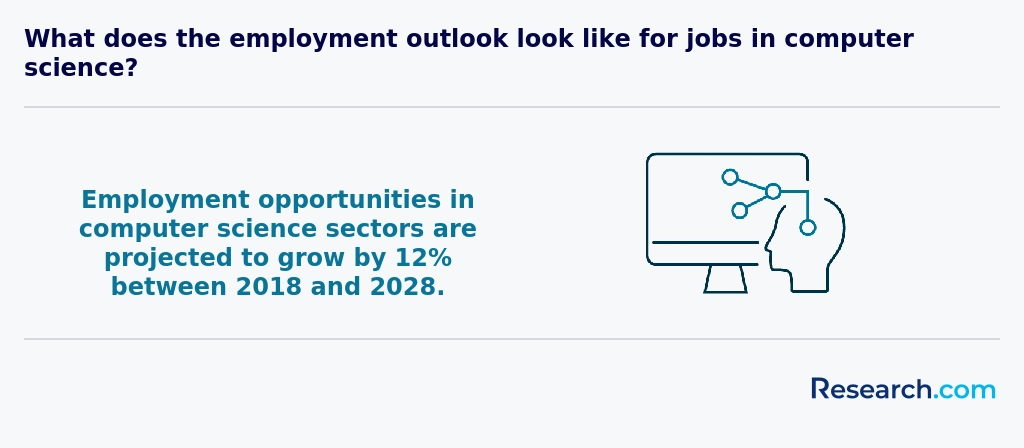
For those weighing the West Virginia computer science employment outlook, it's encouraging to see job growth rates in line with or slightly above the national average, supporting a positive future. Entry-level salaries around $55,000 to $65,000 strike a balance between compensation and cost of living, making it an attractive option for new graduates. Those familiar with the state's educational landscape often recommend exploring online courses for jobs that pay well to supplement degree programs and enhance employability in this competitive market.
Frequently Asked Questions About computer science
Computer science students in West Virginia can maximize their learning experience by engaging with hands-on projects alongside theoretical coursework. West Virginia University and Marshall University, key institutions in the state, offer opportunities for internships and cooperative education which are crucial for real-world experience. According to the National Center for Education Statistics, participating in internships significantly improves job readiness after graduation.
Students should also take advantage of local tech meetups and coding boot camps to build networks and refine skills. Online resources and certification programs complement classroom learning, especially in fast-evolving areas like cybersecurity and data science. West Virginia's growing tech industry encourages students to explore emerging fields through research initiatives and state-sponsored programs, enhancing career prospects within the region.
Emerging niches within the computer science field are rapidly evolving, especially in West Virginia's growing tech landscape. Areas such as artificial intelligence (AI) and machine learning are gaining traction, fueled by national investment and local university research programs. Cybersecurity remains critical, with West Virginia experiencing a 15% increase in demand for cybersecurity professionals between 2020 and 2023, according to the U.S. Bureau of Labor Statistics.
Data science and cloud computing also show strong growth, as businesses leverage big data for decision-making and scalable infrastructure. Furthermore, blockchain technology is beginning to influence sectors like finance and healthcare in West Virginia, creating new opportunities for graduates.
After completing a computer science degree in West Virginia, preparing for the job market involves a few key steps. Graduates should focus on building a strong portfolio through internships or cooperative education programs, which West Virginia universities often facilitate. According to the West Virginia Department of Commerce, the demand for software developers and IT professionals in the state is projected to grow by 15% over the next decade.
Networking is crucial; students can connect with local tech companies and attend job fairs sponsored by institutions like West Virginia University. Additionally, gaining certifications in programming languages or cloud technologies can improve job prospects significantly.
Employers in West Virginia prioritize several key skills when hiring computer science graduates. According to the West Virginia Department of Commerce, proficiency in programming languages such as Python, Java, and C++ is highly valued. Problem-solving abilities and critical thinking are essential, reflecting the demand for professionals who can design and debug complex software systems efficiently.
Communication skills also rank highly, as graduates must often collaborate with teams or explain technical concepts to non-experts. Additionally, knowledge of cybersecurity practices is increasingly important due to the growing focus on data protection statewide. Practical experience through internships or projects strengthens a candidate's appeal to local employers.
Finding internships in West Virginia for computer science students involves using local resources and university career centers. Many colleges, such as West Virginia University and Marshall University, offer internship placement support tailored to tech fields. According to the West Virginia Department of Commerce, nearly 1,000 tech-related internships were available statewide in 2023, highlighting growing opportunities. Students should also explore partnerships between universities and companies in the state's expanding IT sector, including firms in Morgantown and Charleston. Additionally, attending local career fairs and utilizing online platforms focused on West Virginia businesses can increase internship success.
A computer science degree in West Virginia significantly enhances career mobility and advancement opportunities. The state's growing tech sector, supported by institutions like West Virginia University, offers a solid foundation for graduates. According to the Bureau of Labor Statistics, software developer jobs in West Virginia are projected to grow by 26.7% through 2031, much faster than the national average. This demand encourages employers to prioritize candidates with strong technical skills, which a degree provides. Additionally, many companies in the state offer pathways for certified professionals to move from entry-level roles to senior positions, boosting career advancement prospects for degree holders.
Moreover, West Virginia's focus on STEM education fosters networking opportunities through internships and partnerships between universities and local businesses. These connections are crucial for career shifts or promotions within the tech industry. Graduates with a computer science degree often benefit from higher starting salaries and job security compared to those without formal education in the field, as reported by PayScale. Overall, the degree acts as a valuable credential that enhances both initial employment chances and long-term career growth in West Virginia's evolving job market.
Studying for a computer science degree in West Virginia offers students a strong foundation in core technical skills alongside interdisciplinary knowledge. Many universities incorporate coursework that blends computer science with fields like engineering, healthcare, and business. This approach reflects regional industry needs, especially in sectors such as energy and manufacturing, which are vital to West Virginia's economy.
Programs frequently include collaborative projects and internships that encourage applying computing concepts to real-world problems across different disciplines. According to the West Virginia Higher Education Policy Commission, students benefit from partnerships with local industries, promoting practical experience beyond traditional programming.
Such curriculum design helps graduates adapt to roles that require both technical expertise and cross-field communication.
When choosing between a thesis and a non-thesis computer science degree program in West Virginia, consider your career goals and learning preferences. Thesis programs focus on research and require you to complete an original project, which suits those aiming for doctoral studies or research roles. Non-thesis options often emphasize practical skills and coursework, appealing to professionals targeting industry jobs immediately after graduation.
West Virginia University and Marshall University offer both pathways. According to the National Center for Education Statistics, around 40% of West Virginia's computer science graduate students opt for thesis tracks, highlighting a strong research culture locally. Evaluating faculty expertise and departmental resources can help align your choice with your interests.
Additionally, non-thesis degrees may have shorter completion times, ideal for those balancing work or family. Ultimately, understanding how each choice supports your future plans will guide an informed decision.
Students in West Virginia seeking to study computer science abroad have several pathways through partnerships and exchange programs offered by their home institutions. West Virginia University, for example, participates in global exchange agreements that allow students to study computer science at universities in Europe and Asia while earning credits transferable to their degree.
These programs often last a semester or full academic year, providing exposure to different teaching styles and emerging global tech trends. According to the Institute of International Education's 2023 Open Doors report, STEM fields, including computer science, saw an increase in outbound mobility from U.S. students, reflecting growing interest in international experience.
Additionally, some West Virginia schools support internships or research abroad, which further enhance practical skills in global contexts. Prospective students should consult their university's study abroad office for up-to-date computer science-specific opportunities aligned with their curriculum.
Students pursuing computer science degrees in West Virginia have access to various part-time jobs that enhance their education and practical skills. Positions such as IT support technician, web developer, and software tester are commonly available in cities like Morgantown and Charleston. These roles provide hands-on experience with coding, troubleshooting, and project management.
West Virginia's growing technology sector, including companies in healthcare IT and energy, offers internships and freelance work that complement academic learning. According to the West Virginia Department of Commerce, tech-related employment is expected to grow by 5% through 2028, increasing opportunities for students to gain relevant work experience.
The state's universities often connect students with campus-based research assistant jobs, where they can collaborate on cutting-edge computer science projects, further strengthening their resumes and technical expertise.
Computer science students in West Virginia have multiple networking opportunities through both academic and industry channels. Universities such as West Virginia University and Marshall University host career fairs and tech-related events that connect students with local employers.
The state's growing tech sector, including cybersecurity firms and software companies, often collaborates with educational institutions to offer internships and co-op programs. According to the West Virginia Department of Commerce, technology jobs in the state increased by over 8% between 2018 and 2023, indicating rising opportunities for networking and employment.
Students can also engage with organizations like the West Virginia Technology Council, which facilitates networking events and mentorship programs for emerging professionals.
Alumni networks serve as a vital resource for computer science students in West Virginia by providing access to experienced professionals and industry connections. Graduates from state universities, such as West Virginia University and Marshall University, often engage with current students through mentorship programs, career workshops, and job fairs.
These networks can increase employment opportunities since many tech companies in West Virginia prefer candidates referred through alumni. Data from the National Association of Colleges and Employers (NACE) highlights that 70% of jobs are found through networking, emphasizing the importance of alumni ties for computer science careers.
Additionally, alumni help students stay updated on industry trends and technologies, which is crucial in the fast-evolving tech field.
Students in West Virginia can customize their computer science degree programs by selecting electives and specializations aligned with their career goals. Many state universities, such as West Virginia University, offer tracks in areas like cybersecurity, data science, and software engineering. According to the National Center for Education Statistics, tailoring coursework allows students to build skills that meet industry demands in West Virginia's growing tech sector. Internships and research opportunities also provide practical experience. Faculty advisors help guide course selection based on individual interests, enhancing job readiness in fields such as information technology, software development, and network administration.
Computer science students in West Virginia often face challenges related to limited access to cutting-edge technology and resources. Many institutions in the state operate with smaller budgets compared to national averages, which can affect the availability of advanced laboratories and software tools.
Additionally, West Virginia's rural geography can pose difficulties for students seeking internships and industry connections, as tech companies are mostly concentrated in larger urban areas outside the state. According to the West Virginia Department of Education, fewer than 15% of computer science graduates find local employment immediately after graduation.
Furthermore, students report the rigorous curriculum and fast-paced nature of computer science programs as demanding, requiring strong time management skills. Support services such as tutoring and mentoring are less prevalent than in larger states, which can impact student retention.
A computer science degree from West Virginia universities opens doors to various professional certifications that enhance career prospects. Popular options include the Certified Information Systems Security Professional (CISSP), which is highly regarded in cybersecurity fields. Additionally, the Project Management Professional (PMP) certification benefits those seeking leadership roles in tech projects.
Other valuable credentials include the Cisco Certified Network Associate (CCNA) for networking specialists and the Certified Software Development Professional (CSDP), recognized by the IEEE Computer Society. These certifications complement academic knowledge with practical skills.
According to the Bureau of Labor Statistics, West Virginia's tech industry is growing steadily, increasing demand for certified professionals.
Writing a winning application for a computer science program in West Virginia requires careful preparation. Start by maintaining a strong academic record, especially in math and science courses, as these are critical for computer science admissions. According to the West Virginia Higher Education Policy Commission, applicants with a GPA above 3.0 have better chances of acceptance.
Next, submit a well-crafted personal statement that highlights your passion for technology and any relevant experiences, such as internships or coding projects. Many programs value hands-on experience and problem-solving skills.
Additionally, secure strong letters of recommendation from teachers or mentors familiar with your abilities. Standardized test scores may also be considered but have become less central in some West Virginia institutions.
Finally, research each program's specific requirements through official school websites to tailor your application accordingly.
A computer science career has a robust global outlook, driven by rapid technological advancement and increasing digital reliance. In the United States, including West Virginia, demand for computer science professionals is expected to grow much faster than average. According to the U.S. Bureau of Labor Statistics, employment in computer and information technology occupations is projected to increase by 15% from 2021 to 2031.
West Virginia, while smaller in population, benefits from this trend with expanding opportunities in software development, cybersecurity, and data analysis. Local universities offer programs aligned with global industry needs.
Internationally, computer science skills are highly transferable, supporting remote work and collaboration across borders. This global demand emphasizes the value of obtaining a degree from recognized U.S. institutions.
Students in West Virginia can expect their studies to prepare them not only for local roles but also for competitive positions worldwide, backed by rising tech investments and workforce development initiatives in the region.
Gaining practical experience while studying computer science in West Virginia is essential for career readiness. Many universities in the state offer internship programs in partnership with local tech companies and government agencies. These internships provide hands-on experience with real-world projects.
Additionally, students can engage in cooperative education (co-op) programs, which alternate semesters of academic study with full-time work experience. West Virginia's growing technology sector, including healthcare IT and aerospace firms, supports such opportunities.
Joining student-run programming clubs and participating in hackathons can also enhance skills. According to the West Virginia Department of Commerce, tech employment in the state is expected to grow by 11% through 2030, highlighting the demand for practical experience.
Choosing the right concentration within a computer science degree in West Virginia depends on your career goals and interests. Universities like West Virginia University and Marshall University offer concentrations such as software engineering, cybersecurity, and data science. According to the Bureau of Labor Statistics, West Virginia's demand for cybersecurity professionals is growing faster than the national average, making it a promising field locally. Exploring each concentration's curriculum can help you understand which skills and technologies you will master. Additionally, consider internship opportunities in West Virginia's tech hubs to gain practical experience aligned with your focus area.
Related Computer Science Rankings for Nearby States
- 2027 Most Valuable Computer Science Degree Programs Ranking in Kentucky
- 2027 Most Valuable Computer Science Degree Programs Ranking in Pennsylvania
- 2027 Most Valuable Computer Science Degree Programs Ranking in Maryland
- 2027 Most Valuable Computer Science Degree Programs Ranking in North Carolina
- 2027 Most Valuable Computer Science Degree Programs Ranking in Tennessee
- 2027 Most Valuable Computer Science Degree Programs Ranking in Georgia
- 2027 Most Valuable Computer Science Degree Programs Ranking in Illinois
- 2027 Most Valuable Computer Science Degree Programs Ranking in Alabama
- 2027 Most Valuable Computer Science Degree Programs Ranking in New York
- 2027 Most Valuable Computer Science Degree Programs Ranking in Connecticut
Top Trending Computer Science Rankings
See What Experts Have To Say About Studying Computer Science
Read our interview with Computer Science experts

Kathleen M. Carley
Computer Science Expert
Professor of Computer Science
Carnegie Mellon University

Imed Bouchrika, Phd
Computer Science Expert
Professor of Computer Science
National Higher School of Artificial Intelligence

Derek Riley
Computer Science Expert
Professor, Program Director
Milwaukee School of Engineering

Elan Barenholtz
Computer Science Expert
Associate Professor
Florida Atlantic University

References
- How to choose a bachelor's in computer science | edX https://www.edx.org/resources/how-to-choose-a-bachelors-in-computer-science
- UK Computer Science Degree Requirements Explained https://accesscoursesonline.com/blogs/news/computer-science-degree-requirements
- Getting the Most Out of a Computer Science Degree https://robkokochak.com/blog/getting-the-most-out-of-a-cs-degree/
- Letter of Motivation for applying Computer Science related fields https://essayforum.com/letters/motivation-applying-computer-science-related-11858/
- Top 12 Global Careers For Computer Science Degree Graduates https://womeninstemnetwork.com/careers-for-computer-science-degree/
- 555 Computer Science Internships https://internshala.com/internships/computer-science-internship/
- 5 Challenges Faced by Computer Science Students and How to Overcome Them https://informatika.almaata.ac.id/5-challenges-faced-by-computer-science-students/
- The Crucial Role of Networking for Computer Science Students https://dev.to/thisisaayush/the-crucial-role-of-networking-for-computer-science-students-4k2i
- Best Computer Certifications for Tech Professionals https://www.computerscience.org/degrees/certifications/
- Computer Science students create live network in simulated scenario https://www.stmartin.edu/news-and-stories/stories/computer-science-students-create-live-network-simulated-scenario