
2027 Most Affordable Online Computer Science Degree Programs Ranking in the Midwest

Co-Founder and Chief Data Scientist
Choosing the right computer science degree can feel overwhelming, especially with so many online options available. To help Midwest students navigate this decision, Research.com's team of data scientists has created the 2027 Most Affordable Online Computer Science Degree Programs Ranking in the Midwest.
This article highlights affordable programs that balance quality education with budget-friendly tuition. Whether you're starting your college journey or advancing your skills, a computer science degree opens doors to exciting career opportunities.
Reading this guide will empower you to make informed choices that fit your goals and lifestyle.
Key benefits of getting online computer science degree in the Midwest
- Graduates with a computer science degree in the Midwest can earn strong salaries, such as software engineers making around $138,110 annually and web developers earning about $95,570 per year, offering excellent financial prospects.
- Career paths include software development, IT support, and data analysis, reflecting the diverse opportunities available, as seen in popular Midwestern universities where graduates thrive in multiple tech roles.
- Online degrees provide flexible learning schedules and often reduce costs, allowing students in the Midwest to balance work or family while earning a respected computer science credential from universities like the University of Illinois Urbana-Champaign.
- Key benefits of getting online computer science degree in the Midwest
- What can I expect from online computer science degree in the Midwest?
- Where can I work with online computer science degree in the Midwest?
- How much can I make with online computer science degree in the Midwest?
- 2027 Most Affordable Online Computer Science Degree Programs Ranking in the Midwest
- Key Findings
- How long does it take to complete online computer science degree in the Midwest?
- Specialization Spotlight: Artificial Intelligence & Machine Learning
- What's the difference between online and on-campus computer science degree?
- Return on Investment: Balancing Cost and Career Earnings
- What is the average cost of online computer science degree in the Midwest?
- Internships and Industry Partnerships
- What financial aid is available to online computer science degree students in the Midwest?
- Emerging Trends in Online Computer Science Education in the Midwest
- What are the prerequisites for enrolling in online computer science degree program in the Midwest?
- Faculty Expertise and Industry Partnerships
- What courses are typically in online computer science degree programs in the Midwest?
- What types of specializations are available in online computer science degree programs in the Midwest?
- How do you choose the best online computer science degree in the Midwest?
- What career paths are available for online computer science degree students in the Midwest?
- What is the job market for online computer science degree in the Midwest?
- Top Trending Computer Science Rankings
- See What Experts Have To Say About Studying Computer Science
What can I expect from online computer science degree in the Midwest?
Imagine diving into an online computer science degree in the Midwest, where affordability and quality go hand in hand. Graduates from institutions like the University of Illinois Urbana-Champaign or Ohio State University often recall how their coursework challenged and excited them without breaking the bank. Typically, in-state tuition sits between $300 and $600 per credit hour, making it accessible for many eager learners. This means you can pursue your passion for algorithms, software development, or cybersecurity while managing your budget wisely.
Unlike some pricier programs elsewhere, Midwest online degrees often come with reduced fees for materials and campus facilities, since everything is virtual. One graduate reminisced about balancing work and study, appreciating how the cost savings allowed more flexibility. Affordable tuition combined with rich course content makes the Midwest a playground for curious students ready to explore tech fields without overwhelming financial stress.
Where can I work with online computer science degree in the Midwest?
Graduates with an online computer science degree from renowned Midwestern schools like the University of Illinois or the University of Minnesota often find themselves diving into thrilling careers across vibrant tech hubs. Imagine starting as a software developer in Chicago's dynamic IT sector, where cutting-edge projects and innovative startups fuel your curiosity daily. Or picture stepping into a systems analyst role at a manufacturing giant in St. Louis, blending software skills with real-world industrial challenges.
Healthcare centers in places like Cleveland and Madison open doors where data scientists merge technology with patient care, making a tangible difference. Financial districts in Chicago buzz with opportunities tailored for those fascinated by cybersecurity and financial software development.
Many grads enjoy the flexibility of remote work for Kansas City startups, navigating emerging fields like artificial intelligence and cloud computing. Whether enhancing network architecture or exploring data analytics, the Midwest's diverse job landscape invites you to shape your own adventure with every role.
How much can I make with online computer science degree in the Midwest?
Graduates with an online computer science degree from Midwest institutions such as the University of Illinois or Ohio State University often discover rewarding career paths with impressive earnings. For instance, software developers and engineers, common roles for these graduates, pull in mean annual wages around $138,110, reflecting a strong market demand in cities like Chicago and Columbus.
Imagine stepping into a thriving tech hub like Minneapolis, where a graduate transforming code into real-world applications earns close to these figures, fueling both ambition and lifestyle growth. Meanwhile, roles like data analysts command around $119,040 annually, inviting graduates to explore data's hidden stories with satisfying financial benefits.
Even web developers in the Midwest enjoy mean wages near $95,570, a testament to expanding digital opportunities from Indianapolis to Detroit. Meanwhile, IT support specialists typically see about $63,640 per year, forming the backbone of tech operations in various industries.
These salaries echo the vibrant yet affordable Midwest lifestyle, allowing graduates to embark on their careers with both excitement and financial stability.
2027 Most Affordable Online Computer Science Degree Programs Ranking in the Midwest
How do we rank schools?
Investing in your education is a significant decision that can impact your future, and the Research.com team recognizes the importance of making well-informed choices. To support prospective students seeking affordable computer science degrees in the Midwest, we have carefully developed the "2027 Most Affordable Online Computer Science Degree Programs Ranking in the Midwest." Our dedication to quality, credibility, and accuracy is evident in the thorough research and analysis conducted to create this ranking.
We utilized the following reputable data sources to ensure a comprehensive and reliable evaluation of these programs:
By reviewing this ranking, readers will gain valuable insights into affordable, quality computer science programs tailored to their needs, helping them make confident, data-driven decisions about their education. For more information about our ranking process, please visit our Research.com methodology page.


Key Findings
- Tuition for online computer science degrees in Midwestern public universities typically ranges from $8,000 to $15,000 per year, while private schools may exceed $25,000 annually.
- Employment in computer and IT jobs in states like Illinois, Ohio, and Indiana is expected to grow 10% to 15% over the next decade.
- Entry-level salaries for computer science graduates in the Midwest usually range from $60,000 to $75,000 per year.
- Mid-career professionals in this region can earn median salaries between $90,000 and $110,000 annually.
- Many programs offer fully online, asynchronous courses covering key subjects like algorithms and software development.
- Accreditation by agencies such as the Higher Learning Commission (HLC) is important for program quality and job prospects.
How long does it take to complete online computer science degree in the Midwest?
Embarking on an online computer science degree in the Midwest opens up a world of flexible timing that many find exciting. For bachelor's hopefuls, the journey typically spans around four years of full-time study, completing about 120 to 130 credit hours. But imagine a driven graduate from the University of Illinois Urbana-Champaign, who, eager to accelerate their career, takes extra summer courses and finishes in just three years, breezing through the program with enthusiasm and focus.
Master's candidates from schools like Ohio State University often complete their degrees in 1.5 to 2 years full-time, but part-time learners savor the freedom to stretch their studies across three or more years. This means you can balance your job, family, and passions without feeling rushed.
Factors like transferring prior credits or choosing programs with internships can tweak this timeline, but many Midwestern students appreciate these variables-they help customize the pace, making the degree feel truly manageable and personally rewarding.
Specialization Spotlight: Artificial Intelligence & Machine Learning
Opting for an AI/ML specialization in an online computer science degree delivers expertise in designing intelligent systems. Core coursework typically covers:
- Machine learning algorithms, neural networks, and deep learning architectures
- Data mining, natural language processing, and computer vision
- Practical labs using Python, TensorFlow, or PyTorch
Graduates step into roles like AI engineer or data scientist, often commanding starting salaries above $90,000 in Midwest tech hubs. Discover top ai degree programs to launch your AI career.
What's the difference between online and on-campus computer science degree?
Picture a computer science student at the University of Illinois Urbana-Champaign who thrives in bustling lecture halls, collaborating face-to-face with professors and classmates on complex algorithms. This on-campus experience bursts with lively discussions, spontaneous meetups, and quick access to labs where hands-on projects come alive. Meanwhile, a graduate from Ohio State University's online program balances coding assignments with work and family life, soaking in lectures from a quiet home office in Cleveland. The flexibility to learn anytime energizes this student, unlocking opportunities that traditional schedules might restrict.
Both on-campus and online paths in schools like the University of Minnesota share a core curriculum-covering programming, systems design, and ABET accreditation ensures both deliver rigorous, respected training. Yet, tuition nuances reflect your choice: in-person learners might face campus fees and commuting costs, while online students can save on both, though rates vary even within Midwest universities.
Though online learners might initially miss campus buzzing with student organizations or career fairs, virtual labs and networking events now create vibrant digital communities, bringing peers and professionals together across cities like Chicago and Columbus.
Return on Investment: Balancing Cost and Career Earnings
Evaluating the true value of an affordable online Computer Science degree in the Midwest requires more than comparing tuition figures-it demands a clear understanding of long-term earnings growth and payback periods. On average, graduates who secure entry-level roles as software engineers can expect a mean annual wage exceeding $132,930, while roles in web development and data analysis offer starting salaries around $87,580 and $66,440 respectively. By juxtaposing these figures against median tuition costs (approximately $31,162 for in-state students), prospective students can calculate a typical debt-to-income ratio and estimate a payback period of two to three years. According to Research.com’s analysis of computer coding salary, regions like Chicago and Minneapolis yield competitive compensation that often accelerates return on investment, particularly when graduates leverage employer-sponsored tuition reimbursement or federal loan forgiveness programs. To maximize ROI, students should consider program attributes that directly impact employability and earning potential:
- Curriculum Alignment: Programs offering capstone projects in high-demand areas (AI, cybersecurity, cloud computing) help graduates command premium salaries upon graduation.
- Career Services: Dedicated resume workshops, mock interviews, and industry partnerships can reduce job search durations, translating to immediate income generation.
- Alumni Network Strength: Institutions with active online mentorship programs often facilitate stronger job referrals, minimizing underemployment risks. By systematically mapping total education costs-tuition, fees, and living expenses-against projected first-year earnings and factoring in typical salary growth rates (5–10% annually), students can identify which Midwest programs deliver the highest financial returns. This ROI-focused approach ensures that an affordable online Computer Science degree remains an investment in both education and future financial stability.
What is the average cost of online computer science degree in the Midwest?
When exploring the average cost of an online computer science degree in the Midwest, you'll find that it typically hovers around $32,000 in total tuition. This brings a sense of excitement for many students who envision balancing affordability with quality education while advancing their tech skills from home. Graduates of popular programs at universities like the University of Illinois Springfield enjoy the accessibility of in-state tuition rates, making the journey financially manageable and rewarding.
Out-of-state learners might experience slightly higher costs, averaging near $37,700, but still see value in the investment thanks to the strong reputations and flexible formats of Midwest schools. These institutions often blend financial aid options with scholarships aimed at online students, helping to soften the sticker shock for many. Students have shared stories about how affordable online pathways at places like Minnesota State University, Mankato fueled their professional growth without piling on debt.
For those curious about affordable online computer science degrees in Midwest colleges and universities, it's worth noting that tuition rates reflect not only the number of credit hours-usually between 120 and 130-but also institution type, residency, and program format. A number of hopeful computer science learners turn to resources like the popular computer science degree rankings to find programs whose costs and curricula match their ambitions.

Internships and Industry Partnerships
Many Midwest online computer science programs collaborate with industry leaders to give students real-world experience and networking opportunities before graduation.
- Virtual and on-site internship placements with tech startups, financial institutions, and manufacturing firms
- Capstone projects sponsored by partners in healthcare, automotive, and finance
- Mentorship programs pairing students with professionals in cloud computing, cybersecurity, and machine learning
- Career fairs and networking events organized in partnership with local tech associations
Pursuing a specialization linked to emerging fields can open doors to targeted internships; for example, explore ai degree programs to connect with companies focused on AI research and development.
What financial aid is available to online computer science degree students in the Midwest?
Imagine embarking on your online computer science journey through a bustling Midwestern university, like the University of Illinois at Urbana-Champaign or Michigan State University, knowing there's a variety of financial aid options to support your adventure. Federal Pell Grants can feel like a breath of fresh air, offering up to $7,395 annually that never needs to be repaid-just like a helpful friend easing your tuition worries.
Many students find themselves tapping into state-specific programs, like Illinois' Monetary Award Program (MAP) or Michigan's Tuition Grant, which act like secret treasures hidden in plain sight for residents attending local online institutions. Graduates often recall how combining these with institutional scholarships-offered by their schools for computer science majors-turned their dreams into affordable realities.
Beyond grants, there's the path of federal student loans, such as the Direct Subsidized Loan with a modest 5.50% fixed rate, offering manageable repayment to those ready to invest in their futures. And for those who balance work and study, Federal Work-Study jobs linked to their field create invaluable hands-on experiences alongside financial relief.
Finally, some discover unexpected support from employer tuition assistance, turning their current jobs into powerful allies in their educational quest. These varied aid forms paint a hopeful picture for any Midwestern online computer science explorer ready to leap forward.
Emerging Trends in Online Computer Science Education in the Midwest
The landscape of online Computer Science education in the Midwest is evolving rapidly, driven by innovations in technology and shifts in industry demands. Today’s programs are beginning to incorporate adaptive learning platforms, virtual labs, and AI-driven analytics that personalize the student experience and optimize learning outcomes. These advancements are not only enhancing academic rigor but are also equipping students with the digital fluency and agile problem-solving skills essential for thriving in a competitive job market. Moreover, institutions are forging stronger partnerships with local tech companies and startups to integrate real-world challenges directly into their curricula. This collaborative approach leads to more hands-on projects and internships, providing students with a clearer pathway to successful careers. As traditional educational models adapt to the digital age, it is worth exploring how these changes might align with your career aspirations; for instance, graduates from programs that emphasize innovative teaching methods may excel in securing a popular computer science degree and advancing into leadership roles within the tech industry. Looking ahead, emerging trends such as enhanced cybersecurity protocols, immersive learning experiences via augmented reality, and comprehensive support services for remote learners are set to redefine how knowledge is delivered and applied. As these innovations continue to unfold, they will further empower students to stay ahead of the curve, ensuring that Midwest online programs remain a valuable investment for the technology professionals of tomorrow.
What are the prerequisites for enrolling in online computer science degree program in the Midwest?
Diving into an online computer science degree in the Midwest often begins with proving you're ready for the academic adventure ahead. Graduates from renowned universities like the University of Illinois Urbana-Champaign recall starting their journey armed with a high school diploma or GED, the essential ticket to entry. Many Midwestern schools ask for SAT or ACT scores, but students appreciate the growing test-optional policies, which ease stress and open doors for diverse learners.
Imagine prepping for a thrilling exploration of algorithms and software design, only after completing prerequisite courses like algebra or basic programming-foundations emphasized at colleges such as Michigan State. These requirements ensure you're equipped to navigate complex topics smoothly, boosting confidence and excitement.
For those aiming higher, graduate programs are a deeper intellectual trek, requiring a bachelor's degree and a solid GPA. Plus, personal statements and recommendations add a human touch, inviting you to share your aspirations and unique story.
Many participants also highlight the practical side-ensuring financial readiness and having the right computer setup to handle interactive labs and coding challenges, a reality widely recognized by schools across the region.
- High school diploma or equivalent credential
- Standardized test scores or test-optional adherence
- Prerequisite coursework in math and computer basics
- Bachelor's degree and GPA for graduate programs
- Financial documentation and tuition payment plans
- Technical requirements such as internet and computer specifications

Faculty Expertise and Industry Partnerships
Midwest online computer science programs distinguish themselves through seasoned faculty and robust industry collaborations that enrich the learning experience. Professors often hold doctoral degrees from top institutions and maintain active research portfolios in areas such as artificial intelligence, cybersecurity, and cloud computing. Their published work in peer-reviewed journals ensures that course content reflects the latest technological advances. Regular guest lectures by industry leaders further bridge theory and practice, giving students direct access to real-world insights. Many programs partner with leading tech companies and startups to offer internship pipelines, hackathons, and capstone projects. These collaborations not only expose students to practical challenges but also provide networking opportunities that can lead to job offers. For example, collaborative research with a Midwest data analytics firm enables students to apply machine learning models on live datasets, mirroring workplace expectations. Access to state-of-the-art virtual labs and dedicated mentorship programs ensures personalized support, reinforcing feedback loops that accelerate skill development. Career services teams coordinate mock interviews and resume reviews with industry veterans, helping graduates seamlessly transition into roles across software development, data science, and cybersecurity. For those comparing affordability and quality, our Most Affordable Computer Science Degree Programs Ranking in Providence, RI offers further guidance on programs that balance expert instruction with cost-effective pathways.
What courses are typically in online computer science degree programs in the Midwest?
Diving into an online computer science degree in the Midwest means immersing yourself in courses that blend theory with hands-on adventures. Imagine tackling Introduction to Programming as your first challenge, learning to craft elegant code that brings ideas to life. Graduates from the University of Illinois Urbana-Champaign often recall how mastering Data Structures and Algorithms felt like unlocking hidden treasure maps, guiding them through problem-solving quests.
Midwest programs emphasize understanding the guts of a computer with courses like Computer Architecture and Operating Systems, essential for those curious about the magic linking software and hardware. At institutions such as Michigan State University, students appreciate how these classes connect their learning to the region's strong manufacturing roots.
Enthusiastic learners frequently plunge into Software Design, Database Systems, and Web Development, building projects that mirror real-world challenges. Electives like Cybersecurity and Machine Learning invite a taste of cutting-edge innovation, reflecting the pulse of today's tech frontier in the Midwest landscape.
What types of specializations are available in online computer science degree programs in the Midwest?
Exploring online computer science specializations Midwest brings you face-to-face with exciting fields shaping the future. Imagine diving into artificial intelligence, where graduates from top Midwestern universities tackle machine learning projects that mimic human decision-making. Others immerse themselves in cybersecurity, learning to protect data from real-world hack attempts, a skill vital as cyber threats escalate. Data science students, meanwhile, revel in uncovering patterns from massive datasets, wielding Python and R to empower businesses across the region.
Software engineering's blend of creativity and precision attracts those passionate about crafting scalable apps while collaborating within agile teams, a common experience for many online learners from renowned colleges in the Midwest. Network administration remains a rewarding route for students eager to manage cloud systems and infrastructure that keep companies running smoothly.
Many find these diverse areas affordable and accessible, blending rigorous academics with tangible career preparation. For those concerned about returns, examining the computer coding salary trends provides encouraging insights into a vibrant tech job market fueled by these sought-after skills.
How do you choose the best online computer science degree in the Midwest?
Choosing the best online computer science degree Midwest means diving into programs that truly match your ambitions. Graduates from universities in Chicago or Minneapolis often recall how an accredited degree, such as one sanctioned by the Higher Learning Commission, opened doors to exciting tech roles across the region. Picture yourself balancing work with asynchronous classes that fit snugly into your hectic schedule, while tapping into career services that connect you with booming local industries.
Consider the curriculum-whether you crave software development, cybersecurity, or AI-ensuring it aligns with emerging tech trends in the Midwest's growing job market. Affordability also plays a starring role; many students find relief thanks to scholarships or employer tuition help. For those hunting budget-friendly choices, checking rankings like the Most Affordable Computer Science Degree Programs Ranking in Providence, RI is an adventurous step forward.
Post-graduation outcomes matter deeply. Graduates from schools in metropolitan hubs like Columbus rave how strong internship connections transformed their job searches into rewarding careers, igniting a real sense of achievement and excitement.
What career paths are available for online computer science degree students in the Midwest?
Diving into online computer science careers Midwest, graduates find thrilling opportunities across vibrant sectors. Imagine a software developer in Illinois crafting innovative apps that shape everyday life, energized by a region where tech giants meet burgeoning startups. Cybersecurity experts, especially in states like Minnesota, engage daily in protecting sensitive data, forging careers with both impact and adventure. Meanwhile, data analysts trained at renowned colleges uncover patterns that steer retail and logistics businesses toward success, turning vast information into clear, actionable insights.
Graduates from notable Midwest universities embrace roles such as systems administrators, keeping complex networks running smoothly, or database administrators optimizing crucial data systems-all while enjoying flexible remote or hybrid work models that blend professional growth with personal freedom. These paths are not only rewarding but reflect the Midwest's balance of tradition and innovation.
Students eager to accelerate their journey can explore a fast track undergraduate degree, designed to propel you swiftly into these exciting fields. With such diverse and accessible options, the Midwest truly opens doors to bold, promising futures.
What is the job market for online computer science degree in the Midwest?
The job market for online computer science degrees in the Midwest is vibrant and steadily growing, fueled by expanding technology hubs in cities like Chicago, Columbus, and Minneapolis. Graduates from renowned Midwestern institutions experience firsthand how employers value the combination of flexible online education and practical experience, opening doors to positions such as software developer and cybersecurity specialist. These roles often come with competitive salaries ranging from $70,000 to $90,000 annually, with some states seeing even higher wages for specialized positions.
Many graduates describe their journey as exciting and empowering, especially when internships and hands-on projects complement their studies. The Midwest's welcoming tech landscape creates an atmosphere where recent online computer science alumni feel supported and connected to innovative companies. If you're curious about exploring educational options, you might wonder what is the easiest degree to get? This question often sparks new pathways toward entering the field.
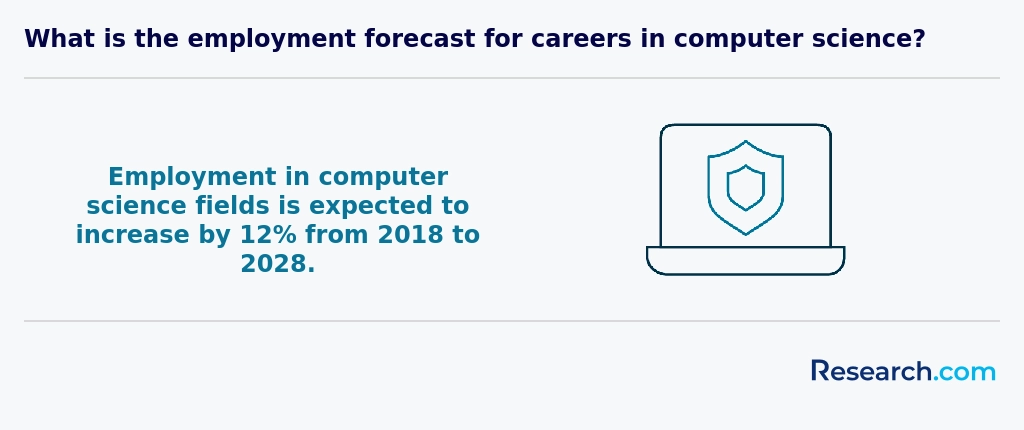
One clear advantage of pursuing a degree in this region is the strong Midwest employment opportunities for computer science graduates. The local market's steady 13% growth rate, higher than the national average, shows a promising horizon. Whether you're drawn to startups or established firms, the Midwest invites you to leap into a career alive with discovery and progress.
Frequently Asked Questions About computer science
Online computer science students in the Midwest can maximize their learning by actively utilizing university resources such as virtual labs and tutoring centers. Engaging in online discussion forums and group projects helps replicate the in-person experience, fostering collaboration and problem-solving skills.
Midwestern schools often partner with regional tech companies, offering internship opportunities that enhance practical knowledge. According to the National Center for Education Statistics, about 35% of Midwestern online STEM students participate in internships, boosting job readiness.
Staying current with industry trends through webinars and certifications also benefits students by aligning skills with employer demands in the vibrant Midwest tech market.
The computer science field is rapidly evolving, with several emerging niches gaining significant attention. In the Midwest, specialties like artificial intelligence (AI) and machine learning are expanding due to increased investments from tech companies and manufacturing firms. Data science and big data analytics are also prominent, driven by industries seeking to leverage large datasets for decision-making.
Cybersecurity remains a critical niche, especially given the rise in cyber threats impacting both public and private sectors in states like Illinois and Ohio. Additionally, cloud computing and edge computing are growing as businesses adopt flexible, scalable technologies.
According to the Bureau of Labor Statistics, computer and information research scientist roles are expected to grow 22% nationwide through 2030, indicating strong prospects for these niches.
After completing an online computer science degree in the Midwest, graduates should focus on building practical skills to meet job market demands. Many companies in the region prioritize experience with programming languages like Python, Java, and C++. According to the Bureau of Labor Statistics, software development jobs in the Midwest are projected to grow by about 15% through 2031. Internships and project portfolios strongly boost employability. Networking through regional tech groups or events, such as those in Chicago or Minneapolis, also opens opportunities. Additionally, certifications in cloud computing or cybersecurity can enhance a candidate's profile and salary prospects.
Employers in the Midwest prioritize a mix of technical and soft skills when hiring computer science graduates. Strong programming abilities in languages such as Python, Java, and C++ remain essential. According to the 2023 report from the Computing Technology Industry Association (CompTIA), 72% of Midwest tech employers value proficiency in cloud computing and cybersecurity.
Beyond coding, problem-solving and critical thinking are highly sought after. Communication skills rank prominently, with 65% of employers seeking candidates who can effectively collaborate in team environments. Data analytics and machine learning knowledge are also increasingly important due to the rise of data-driven decision-making in industries like manufacturing and healthcare.
Overall, a balanced skill set combining technical expertise with interpersonal abilities best prepares graduates for the competitive Midwest job market.
Finding internships in the Midwest for computer science students often begins with leveraging university career services, which maintain strong connections with local tech firms. According to the National Association of Colleges and Employers (NACE), nearly 60% of computer science internships in the U.S. are secured through campus recruiting events.
Midwestern cities such as Chicago, Indianapolis, and Minneapolis host many tech startups and companies like Motorola and Cerner, which regularly offer paid internships. Networking through local chapters of organizations like the Association for Computing Machinery (ACM) can also lead to opportunities.
Additionally, online job platforms focused on internships, such as Handshake and Internships.com, allow filtering for Midwest locations and computer science roles.
Being proactive early in your degree program is critical, as 70% of internships fill by the end of the year's first quarter, according to NACE data.
Online computer science degrees have become a vital tool for career mobility and advancement in the Midwest. With the region's growing tech industry-highlighted by hubs like Chicago, Minneapolis, and Detroit-workers with these degrees are well-positioned for new job opportunities. According to the Bureau of Labor Statistics, computer and information technology jobs in the Midwest are projected to grow by 11% through 2030, outpacing many other sectors.
Online programs offer flexible schedules, allowing professionals to upskill without leaving their current positions. Employers in the region increasingly value these credentials, recognizing that graduates possess relevant technical skills and adaptability.
Furthermore, Midwestern universities often incorporate regional industry needs into their curricula, enhancing graduates' competitiveness in the local job market.
Studying for a computer science degree in the Midwest equips students with skills to excel in interdisciplinary roles by integrating technology with fields like engineering, healthcare, and finance. Many Midwestern universities emphasize collaborative projects and practical applications, reflecting the region's diverse industrial base.
According to the National Center for Education Statistics, Midwestern institutions award over 20,000 computer science degrees annually, often featuring courses that bridge computing with business analytics, bioinformatics, or manufacturing systems.
This approach prepares graduates to work effectively in teams across various sectors, fostering adaptability in an evolving job market.
When choosing between thesis and non-thesis online computer science degrees in the Midwest, consider your career goals. Thesis programs emphasize research, suitable for students aiming for doctoral study or research roles. Non-thesis options typically focus on practical skills, appealing to those targeting industry jobs.
Midwestern universities often reflect this trend; for example, the University of Illinois offers both, with nearly 60% of graduate students opting for non-thesis paths as per their 2023 enrollment data. Cost and time commitment also differ, with thesis tracks sometimes requiring additional semesters.
Review program details, faculty expertise, and alumni outcomes before deciding.
Students in the Midwest interested in studying computer science abroad face limited direct options through their local online degree programs. Most Midwest universities offering online computer science degrees focus on domestic education. However, some schools establish international exchange partnerships, allowing students to engage in short-term study or internships overseas.
Currently, no fully online computer science degrees from Midwest institutions include comprehensive abroad study components. According to the National Center for Education Statistics, cross-border degree programs remain rare for online STEM fields.
Students should consider summer or winter study abroad sessions facilitated by their home institutions to gain global experience while pursuing online coursework domestically.
Part-time jobs in the Midwest that complement a computer science degree often focus on roles that build practical skills in programming, data management, and IT support. Positions such as software tester, technical support specialist, and web developer are common and allow students to apply classroom concepts in real-world settings.
According to the U.S. Bureau of Labor Statistics, the Midwest states show steady growth in tech-related employment, with information technology roles expected to grow about 12% through 2030. This growth creates numerous opportunities for computer science students to gain relevant experience while studying.
Internships and remote freelance coding jobs are also popular, offering flexible schedules suited to online learners. Employers in Chicago, Minneapolis, and Columbus frequently seek tech-savvy part-time workers, often valuing practical programming skills over formal experience.
Engaging in these roles not only enhances resumes but also deepens understanding of software development cycles and collaboration tools critical in tech careers.
Online computer science students in the Midwest benefit from various networking opportunities despite the remote learning format. Many Midwest universities collaborate with local tech companies and industry groups to offer virtual career fairs and networking events.
Organizations like the Midwest Big Data Hub provide access to regional research collaborations and professional connections. Additionally, LinkedIn data shows over 150,000 tech professionals across states like Illinois, Ohio, and Michigan, offering vibrant digital networks.
Students also connect through alumni groups, online study communities, and regional chapters of national organizations such as the Association for Computing Machinery (ACM).
Alumni networks play a significant role in supporting online computer science degree students in the Midwest. These networks connect current students with graduates who work in regional tech industries, fostering valuable mentorship and career advice. According to the National Association of Colleges and Employers, 70% of job placements occur through referrals, which alumni connections facilitate.
In the Midwest, cities such as Chicago, Minneapolis, and Columbus have growing tech sectors that actively recruit from local universities. Alumni can offer insider knowledge on company cultures and hiring trends, improving students' job prospects.
Additionally, alumni networks often organize events, webinars, and workshops specifically tailored for computer science fields, enhancing professional development beyond coursework.
Customizing an online computer science degree in the Midwest allows students to align their education with specific career goals. Many regional universities offer flexible curricula featuring elective courses in fields like artificial intelligence, cybersecurity, or data science. This adaptability helps learners focus on emerging tech sectors with strong local job growth, such as Chicago's robust software market.
Midwestern schools often provide options for capstone projects or internships, enabling hands-on experience related to industry needs. According to the National Center for Education Statistics, over 40% of Midwest institutions offer such practical components online. Additionally, students can pursue certifications alongside their degrees to boost employability in competitive tech roles.
Online computer science students in the Midwest often face challenges with access to reliable high-speed internet, especially in rural areas. According to the FCC, about 23% of rural Americans lack broadband, which can disrupt coursework and video lectures. Another common issue is balancing studies with work and family commitments, as many online students are adult learners managing multiple responsibilities.
Additionally, some students report limited local networking and internship opportunities compared to on-campus peers, impacting professional development. The shortage of region-specific mentorship and technical support also poses a barrier. Data from the National Science Foundation highlights that Midwestern students are less likely to engage with tech industry hubs than those on the coasts.
An online computer science degree from a Midwest institution can open doors to several professional certifications. Popular options include the Certified Information Systems Security Professional (CISSP), which focuses on cybersecurity, and the Certified Software Development Professional (CSDP) offered by the IEEE Computer Society. These credentials validate skills sought by employers in technology hubs such as Chicago and Minneapolis.
The CompTIA Security+ and Amazon AWS Certified Solutions Architect certifications are also valuable for graduates aiming at IT infrastructure roles. According to the U.S. Bureau of Labor Statistics, the Midwest reports steady growth in computer and information technology jobs, emphasizing the importance of these credentials.
Additionally, students can pursue the Project Management Professional (PMP) to combine technical knowledge with leadership capabilities, a notable advantage in tech project roles.
Writing a winning application for an online computer science program in the Midwest starts with understanding the specific requirements of regional universities. Most institutions expect a strong academic record in math and science, as well as relevant experience in programming or technology. Highlight any coding projects, internships, or certifications you hold, as these demonstrate practical skills.
According to the Illinois Board of Higher Education, Midwest schools often emphasize problem-solving abilities and clear communication. Be sure to craft a compelling personal statement that explains your motivation and career goals.
Standardized test policies vary, but many schools now waive these for online applicants. Still, providing strong recommendations and a polished resume can boost your chances of admission.
Computer science is increasingly recognized as a critical skill worldwide, with strong demand for professionals in diverse sectors. In the US, especially the Midwest, this demand mirrors global trends. According to the U.S. Bureau of Labor Statistics, employment for computer and information technology occupations is projected to grow 15% from 2021 to 2031, faster than the average for all occupations.
Midwestern states like Ohio and Illinois have become important tech hubs, attracting companies that require skilled computer science graduates for software development, cybersecurity, and data analysis roles. This regional growth echoes global needs, as technology drives innovation in every country.
Internationally, computer science careers offer opportunities to work in multinational firms and participate in global projects, emphasizing collaboration and cultural awareness. For Midwestern students pursuing online degrees, this means gaining skills that are not only locally valued but also globally competitive.
Gaining practical experience while pursuing an online computer science degree in the Midwest is essential for career readiness. Many Midwestern universities partner with local tech companies and startups to offer virtual internships. These opportunities allow students to apply coding and software development skills in real-world projects.
Additionally, students can participate in research projects facilitated online by faculty, often focused on areas like artificial intelligence or cybersecurity. According to the Computing Research Association, Midwestern schools contribute significantly to CS research, enhancing student engagement.
Engaging in coding competitions and open-source projects is another effective strategy to build a professional portfolio while studying remotely.
Choosing the right concentration within an online computer science degree program in the Midwest begins with understanding your career goals. Common options include software development, cybersecurity, data science, and artificial intelligence. Each concentration offers different job prospects and salary potentials. For example, the U.S. Bureau of Labor Statistics reports that cybersecurity jobs are growing at 35% nationally, with the Midwest showing strong demand in states like Illinois and Ohio.
Consider local industry trends and employer needs. Midwest tech hubs, such as Chicago and Minneapolis, often prioritize skills in cloud computing and data analytics. Additionally, review program curricula to ensure courses match your interests and future market relevance. Accreditation and faculty expertise are also important for quality education.
Top Trending Computer Science Rankings
See What Experts Have To Say About Studying Computer Science
Read our interview with Computer Science experts

Kathleen M. Carley
Computer Science Expert
Professor of Computer Science
Carnegie Mellon University

Imed Bouchrika, Phd
Computer Science Expert
Professor of Computer Science
National Higher School of Artificial Intelligence

Martin Kang
Computer Science Expert
Assistant Professor
Loyola Marymount University

Derek Riley
Computer Science Expert
Professor, Program Director
Milwaukee School of Engineering

References
- Federal Student Financial Aid Program https://www.midwestinstitute.edu/financial-aid/
- Alumni network KoSi e.V. https://www.fbi.h-da.de/en/informieren/ueber-uns/alumni/alumni-computer-science-dual
- NIU Computer Science Alumni Network https://www.myniu.com/article.html
- Getting the Most Out of a Computer Science Degree https://robkokochak.com/blog/getting-the-most-out-of-a-cs-degree/
- Navigating Systemic Access to Computer Science Learning https://www.nasbe.org/navigating-systemic-access-to-computer-science-learning/
- The Crucial Role of Networking for Computer Science ... https://dev.to/thisisaayush/the-crucial-role-of-networking-for-computer-science-students-4k2i
- Online Computer Science Degree Program https://www.phoenix.edu/online-information-technology-degrees/computer-science-bachelors-degree.html
- Earn an Online Computer Science Degree https://www.oedb.org/rankings/online-computer-science-programs/
- Computer Science Programs in Missouri https://www.computerscience.org/online-degrees/missouri/
- How can I network with computer science professionals ... https://2sigma.school/t/a/cfaq/how-can-network-with-computer-science-professionals-and-find-job


