2027 Most Valuable Online Communication Degree Programs Ranking in the Northeast

Co-Founder and Chief Data Scientist
Choosing the right online communication degree program can shape your future career and open exciting opportunities. Our article offers the 2027 Most Valuable Online Communication Degree Programs Ranking in the Northeast, created by the Research.com team of data scientists to guide you with trusted, data-driven insights.
By exploring this ranking, you'll discover programs that balance quality and value, helping you invest in education that truly counts. Whether you're starting or advancing your studies, this information supports confident decisions for your journey in communication.
Key benefits of getting online communication degree in the Northeast
- Communication degree graduates in the Northeast can expect competitive salaries, with entry-level public relations specialists earning around $46,000 annually on average in the US, reflecting growth potential in the field.
- Graduates from Northeastern University often pursue careers in media, corporate communications, marketing, or digital content creation, offering diverse and rewarding paths to match individual interests.
- Online communication degrees from institutions like Boston University provide flexibility for busy students, allowing them to balance work and study while gaining the same valuable skills as traditional programs.
- Key benefits of getting online communication degree in the Northeast
- What can I expect from online communication degree in the Northeast?
- Where can I work with online communication degree in the Northeast?
- How much can I make with online communication degree in the Northeast?
- 2027 Most Valuable Online Communication Degree Programs Ranking in the Northeast
- Key Findings
- How long does it take to complete online communication degree in the Northeast?
- What's the difference between online and on-campus communication degree?
- What is the average cost of online communication degree in the Northeast?
- What financial aid is available to online communication degree students in the Northeast?
- What are the prerequisites for enrolling in online communication degree program in the Northeast?
- What courses are typically in online communication degree programs in the Northeast?
- What types of specializations are available in online communication degree programs in the Northeast?
- How do you choose the best online communication degree in the Northeast?
- What career paths are available for online communication degree students in the Northeast?
- What is the job market for online communication degree in the Northeast?
- Top Trending Communication Rankings
What can I expect from online communication degree in the Northeast?
The average cost of an online communication degree in the Northeast varies but generally ranges from $15,000 to $40,000 for a bachelor's program, depending on the institution and residency status. Graduates from well-known universities in New York or Massachusetts often recall investing in quality education that opened doors to vibrant media industries in these states.
Students report that flexible payment plans and scholarships available through many Northeastern colleges help manage tuition expenses effectively. For instance, after enrolling in an online communication degree at a respected college in Pennsylvania, one graduate balanced coursework with a part-time job, paying off tuition incrementally while gaining relevant skills.
These programs offer practical learning aligned with the Northeast's dynamic communication job market, making the tuition cost a valuable investment. Graduates find that the real-world training in digital media and public relations, combined with networking opportunities through alumni in cities like Boston and Philadelphia, enhances their career prospects significantly.
Where can I work with online communication degree in the Northeast?
Graduates with an online communication degree from well-known Northeast institutions often find rewarding careers in diverse sectors such as public relations, marketing, journalism, and corporate communication. For example, many from universities in the region secure roles in New York City's robust media and advertising industries, where they manage brand campaigns or develop digital strategies for major companies. Others from Boston-area colleges leverage booming tech and healthcare markets to specialize in internal communications or content creation, gaining hands-on experience that boosts their confidence and expertise.
Nonprofit organizations and government agencies across Philadelphia and the Washington, D.C. metro area also actively recruit communication graduates to lead community outreach and public affairs initiatives, offering meaningful work that connects students' skills to social impact. Graduates often highlight the excitement of applying digital media tools to real-world challenges in these environments, which helps them build versatile portfolios.
Broadcasting opportunities abound in New York and Boston, where graduates contribute as producers, reporters, or editors at TV, radio, and online news outlets. The ability to adapt to evolving media formats is essential, and many students find internships through their colleges' strong local networks, opening pathways to long-term roles.
How much can I make with online communication degree in the Northeast?
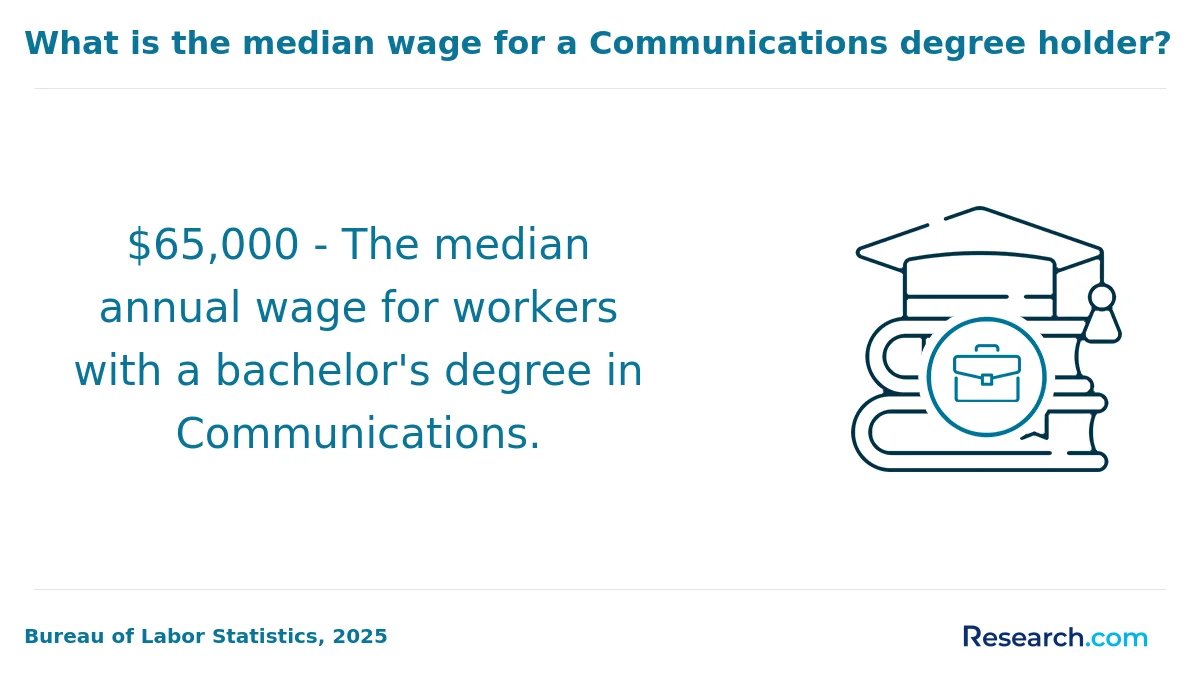
Graduates with an online communication degree in the Northeast typically earn between $45,000 and $75,000 annually, depending on experience and industry. For example, those starting out in public relations or marketing near Boston or Philadelphia often report entry-level salaries around $45,000 to $55,000. These figures align well with the regional market demands and living costs.
More experienced professionals, especially those who have gained internships or networked effectively through universities like Northeastern University or the University of Massachusetts, can reach salaries from $75,000 up to $110,000. Managerial roles or specialized positions in digital media strategy commonly fall within this higher range, particularly in metropolitan hubs such as New York City.
Graduates have found that leveraging local internships and university connections accelerates their earning potential. Focusing on in-demand skills and building a professional portfolio while studying can position you for these better-paying opportunities throughout the Northeast's vibrant communication sectors.
2027 Most Valuable Online Communication Degree Programs Ranking in the Northeast
How do we rank schools?
Investing in your education is a significant decision that can shape your future, and the Research.com team understands the importance of making informed choices. To assist prospective students in the Northeast, we have meticulously crafted the "2027 Most Valuable Online Communication Degree Programs Ranking in the Northeast." Our commitment to quality, credibility, and accuracy is reflected in the extensive research and analysis conducted to compile this ranking.
We utilized the following reputable data sources to ensure a comprehensive evaluation of communication programs:
By exploring this ranking, readers will gain valuable insights into the best online communication degree programs in the Northeast, empowering them to make informed and confident decisions about their educational paths. For more details on our methodology, please visit our Research.com methodology page.


# 3 position
Penn State University Park
Master of Strategic Communications


# 6 position
Penn State University Park
Bachelor of Organizational and Professional Communication





# 17 position
Thomas Edison State University
Bachelor of Communications

# 18 position
SUNY Empire State College
Bachelor of Cultural Studies


Key Findings
- The average tuition for an online bachelor's degree in communication in the Northeast ranges from $30,000 to $60,000, with lower rates at public universities for in-state students.
- Graduate communication programs cost between $20,000 and $40,000 to complete in the Northeast.
- Starting salaries for communication graduates in the region are typically between $45,000 and $50,000.
- Experienced communication professionals can earn median salaries from $60,000 to $85,000, especially in cities like New York, Boston, and Philadelphia.
- Employment in communication roles is expected to grow by about 8% over the next decade, faster than the average for all occupations.
- Many online programs offer coursework in public relations, digital communication, media studies, and organizational communication aligned with industry needs.
How long does it take to complete online communication degree in the Northeast?
Completing an online communication degree in the Northeast typically depends on your enrollment status and program choice. For example, graduates from Boston University often share how their bachelor's degrees usually take around four years when attending full-time. However, many have found success accelerating their studies through summer courses or part-time options, extending their timeline to six years but balancing work and personal commitments effectively.
Associate degrees from community colleges in New Jersey and Connecticut commonly take two years, offering a quick pathway to enter the workforce or transfer to a four-year program. On the other hand, master's programs from institutions like Syracuse University usually require one to two years depending on whether students study full-time or part-time, with flexible schedules accommodating busy professionals.
Utilizing transfer credits and accelerated sessions are smart strategies that Northeast students often use to reduce their graduation time, making the journey manageable and rewarding while maintaining motivation throughout the process.
What's the difference between online and on-campus communication degree?
Online communication degrees in the Northeast offer unmatched flexibility, ideal for students balancing work or family. Graduates from Northeastern University's online program often praise being able to study on their own schedule, accessing lectures and discussions anytime without the commute to Boston's busy campus. This format suits those needing to fit learning around life's demands while still covering core topics like media studies and digital communication.
On-campus programs at schools like Penn State World Campus provide rich, in-person interaction that many find energizing. Graduates describe attending workshops, networking events, and hands-on labs as crucial for building industry connections and honing practical skills. These face-to-face experiences can make a big difference for those who thrive in structured environments and want immediate support.
Online students benefit from virtual resources such as tutoring and career counseling, but some miss the direct access to media studios found on-campus. Considering cost, Northeast online programs often reduce fees and save thousands on housing or commuting, which adds real financial relief in high-cost areas like New York City.
What is the average cost of online communication degree in the Northeast?
The average cost of an online communication degree in the Northeast typically centers around $45,886, with in-state students generally paying closer to $35,570 and out-of-state students around $47,566. Graduates from well-known programs, such as those at Northeastern University or Penn State World Campus, often share that while these costs can seem significant upfront, the flexibility of per-credit pricing and online delivery allows students to balance work and study effectively, making the investment feel manageable and worthwhile.
Many find relief in the affordability options exclusive to regional public institutions, which offer more budget-friendly tuition than private universities. Considering affordable online communication degrees in the Northeast means factoring in residency status and the possibility of credit hour discounts or scholarships. Students frequently highlight that researching these financial aids early in the application process helped them reduce expenses substantially, sometimes by up to 40%, making the total price tag more accessible and encouraging.
Those exploring the route of an online communication degree should also investigate program length and any additional fees, which vary by school and influence the final cost. Real-life experiences emphasize the importance of comparing schools and leveraging available financial resources before committing. For guidance on professional paths that open after graduation, students can benefit from exploring communication degree careers to align cost with potential return on investment effectively.
What financial aid is available to online communication degree students in the Northeast?
Many online communication students in the Northeast rely on federal Pell Grants, which can cover up to $7,395 annually, significantly easing tuition pressures. For example, graduates from the University of Massachusetts often highlight how Pell Grants paired with the FAFSA application process made their programs affordable without excessive debt.
State aid is another powerful resource. New York's Tuition Assistance Program (TAP) offers up to $6,595 for eligible students, including those enrolled in online communication degrees. Students at SUNY schools frequently mention TAP as instrumental in managing their education expenses effectively.
Federal student loans also remain accessible with flexible repayment options. Graduates from Northeastern universities appreciate income-driven plans and Public Service Loan Forgiveness, which reduce financial stress during early career stages. Plus, many find employer tuition reimbursement programs invaluable, especially working professionals advancing their credentials through online programs.
Merit-based scholarships at institutions like the University of Massachusetts specifically reward communication majors' academic and professional achievements, providing inspiring examples of how dedication can translate into financial support.
What are the prerequisites for enrolling in online communication degree program in the Northeast?
To enroll in an online communication degree in the Northeast, you'll first need a high school diploma or equivalent like a GED. Graduates from popular programs at universities such as Boston University or Syracuse University often highlight that meeting this basic academic requirement is the foundation for success. Many schools request official transcripts showing solid academic performance, typically with a minimum GPA around 2.5 to 3.0, ensuring you're prepared for college-level work.
Test scores like the SAT or ACT may be required, though many schools have become test-optional recently-especially after the pandemic. It's wise to confirm each school's policy to avoid surprises. For example, students at Northeastern University found submitting writing samples helped them stand out by demonstrating strong communication abilities.
Technical readiness is essential too: reliable internet and comfort with digital tools enable smooth participation. Many students appreciate orientation sessions offered by institutions, which build confidence with the online platforms. Preparing these prerequisites carefully lets you focus on building your communication skills and thriving in your studies.
What courses are typically in online communication degree programs in the Northeast?
Online communication degree programs in the Northeast equip students with essential courses like Introduction to Communication Studies, where graduates from renowned colleges learn foundational theories by analyzing real-world media scenarios. Media Writing and Reporting classes guide students in crafting clear, engaging content tailored for digital platforms, much like assignments completed by recent online graduates. Interpersonal and Organizational Communication courses provide practical tools for navigating workplace dynamics, reflecting experiences shared by students balancing remote teamwork and leadership roles.
Digital Media and Communication Technologies teach the use of social media and digital tools through hands-on projects seen at well-known Northeastern universities, helping students master modern communication channels.
Additionally, Public Relations Principles and Strategic Communication Campaigns courses prepare students to manage public image and design impactful messaging strategies, skills often put into practice during internships or capstone projects.
Courses like Communication Research Methods and Persuasion and Rhetoric enhance analytical and ethical influencing techniques, valuable for those aiming to excel in media or corporate communication roles.
What types of specializations are available in online communication degree programs in the Northeast?
Online communication degree specializations in the Northeast span diverse fields designed to fit different career ambitions. Graduates from well-known universities report focusing on areas like Digital and Social Media Communication, where they master managing platforms and crafting digital campaigns-skills highly sought after in New York City's fast-growing media market. Others pursue Corporate and Organizational Communication, preparing for roles in business or government sectors, benefiting from predicted job growth in this field.
Many students at prominent colleges prefer Public Relations and Strategic Communication, gaining hands-on expertise in crafting messages and managing public perception, crucial in competitive communication jobs across the region. Health Communication is another emerging specialization, particularly relevant post-pandemic, helping graduates improve public health outreach locally. Media Studies and Journalism rounds out options, offering those passionate about reporting and ethics a strong foundation.
Choosing accredited programs with internship opportunities ensures practical experience and access to jobs in media communication. This focused approach to specializations aligns well with best communication majors available online Northeast students seek for long-term success.
How do you choose the best online communication degree in the Northeast?
Start by verifying the regional accreditation of programs you consider, such as those recognized by the Middle States Commission on Higher Education, to ensure high academic standards. Graduates from well-accredited universities in the Northeast often praise the credibility this provides in landing careers. Next, focus on curriculum details and specializations aligned with your goals-public relations, digital communication, or corporate communication. Many students from universities near media hubs appreciate programs offering internships or industry connections that boost practical experience and job readiness. When weighing cost, remember affordable online communication degrees Northeast typically cost around $11,000 yearly at public institutions, but private schools can be significantly higher. Several graduates note the value of comparing total expenses, including technology fees. Excellent student support and faculty knowledgeable in real-world communication challenges enrich learning. Check graduation and job placement rates, which successful alumni often highlight as critical to making a confident choice. For a comprehensive overview, explore the online communications masters degree options available.
What career paths are available for online communication degree students in the Northeast?
Graduates with an online communication degree in the Northeast often pursue diverse career paths tailored to the region's dynamic media and corporate landscapes. Many find rewarding roles as public relations specialists, crafting messaging strategies and managing media relations for prominent companies in cities like New York and Boston. Others thrive as marketing coordinators or managers, leveraging digital tools learned through programs at renowned institutions such as Syracuse University and Boston University.
Some graduates choose to work as corporate communications specialists, focusing on strengthening brand identity and internal communications within large organizations. Social media management is another growing field where recent graduates apply their skills to boost audience engagement for nonprofits or startups in Philadelphia. Additionally, content writing and editing roles remain popular, with students from Northeastern University excitedly contributing to blogs and marketing content for local media outlets.
For those exploring communication degree job opportunities Northeast offers, choosing a program with strong industry connections can make a significant difference. Consider exploring an online program in public relations to enhance your career prospects.
What is the job market for online communication degree in the Northeast?
The job market for online communication degree jobs in the Northeast offers strong prospects due to the region's vibrant media and corporate sectors. Graduates from popular Northeast colleges often find roles as social media managers or public relations specialists in cities like New York and Boston, where demand is high and salaries exceed the national median. For example, graduates working in Philadelphia's growing digital marketing scene report feeling optimistic about career advancement, benefiting from a network of local PR agencies and media firms.
Job outlook for communication graduates Northeast is positive, with a projected growth rate near 7% over the next decade. Most online communication programs in the region combine flexible learning with industry-relevant skills, enabling students to balance studies with internships or part-time work. Those looking to accelerate their expertise can also explore an accelerated online pr masters degree, which some graduates have found invaluable for standing out in competitive markets.
Frequently Asked Questions About communication
Students pursuing online communication degrees in the Northeast can maximize their learning by actively engaging with their courses and utilizing regional resources. Many universities in this area, such as Boston University and Syracuse University, offer virtual networking events and internships that connect students to industries in media, public relations, and advertising. Participation in these opportunities can significantly enhance practical skills alongside theoretical knowledge.
It is also beneficial to join regional communication associations, like the New England Communication Association, which host conferences and workshops tailored to emerging trends. According to the Bureau of Labor Statistics, communication-related jobs in the Northeast are projected to grow by 8% through 2030, underscoring the importance of practical experience and networking.
Moreover, leveraging technology for collaborative projects and maintaining consistent communication with faculty enriches the learning environment and supports academic success.
The communication field is evolving rapidly, with several emerging niches gaining momentum in the Northeast. One key area is digital content strategy, driven by the region's growing media and tech industries. According to the Bureau of Labor Statistics, demand for digital communication specialists in states like New York and Massachusetts is projected to grow by over 10% through 2030.
Another expanding niche is data analytics applied to communication, helping organizations interpret audience behavior for better engagement. Universities such as Northeastern and Syracuse have integrated data-driven communication courses into their online programs.
Health communication, especially in public health campaigns, remains critical following recent global health challenges. Additionally, social media crisis management is an emerging specialization, reflecting businesses' need to respond quickly to online reputation risks.
Graduates with an online communication degree in the Northeast should focus on building practical skills sought by employers. Developing strong digital literacy, including social media management and content creation, increases job competitiveness. According to the National Communication Association, approximately 75% of communication graduates in the Northeast find roles in marketing, public relations, or media within six months of graduation.
Networking remains crucial; joining regional professional groups such as the New England Communication Association can provide valuable connections. Internships or volunteer positions with local media outlets or nonprofits offer hands-on experience and enhance résumés.
Additionally, leveraging career services at your institution and participating in workshops on interviewing and portfolio development will improve job market readiness.
Employers in the Northeast highly value communication degree graduates who demonstrate strong interpersonal skills. Effective public speaking and writing abilities remain essential for clear and persuasive messaging. According to a 2023 report by the National Association of Colleges and Employers, 78% of employers prioritize verbal and written communication skills when hiring graduates.
In addition, digital literacy, including social media management and multimedia content creation, is increasingly important. The rise of remote work has amplified the need for proficiency in virtual collaboration tools, such as Zoom and Slack. Analytical thinking and strategic planning also rank among the top skills, helping graduates shape impactful communication campaigns.
Finding internships in the Northeast for communication degree students involves leveraging local industry connections and university resources. Major cities like New York, Boston, and Philadelphia host numerous media, marketing, and public relations firms that offer internship opportunities. According to the National Association of Colleges and Employers (NACE), internships can increase job placement chances by 20% in communications-related fields. Students should use their university's career services and online portals, which often partner with local businesses. Networking events, both virtual and in-person, are common in the Northeast and crucial for building professional contacts relevant to communication roles.
An online communication degree in the Northeast significantly enhances career mobility and advancement by equipping students with versatile skills applicable across industries like media, public relations, and business. According to the U.S. Bureau of Labor Statistics, communication-related roles in the Northeast are projected to grow by 8% through 2030, which is faster than the national average. Graduates from accredited online programs can leverage regional networking opportunities and local industry connections despite studying remotely. Employers increasingly value digital communication proficiency, which these degrees emphasize. Online learning flexibility also allows working professionals to upskill without disrupting their careers, facilitating promotions and role changes in a competitive job market.
Studying for an online communication degree in the Northeast offers unique preparation for interdisciplinary roles through access to diverse academic resources and industry connections. Many programs incorporate coursework that blends communication with business, technology, and media studies, reflecting the region's strong economic sectors such as finance, healthcare, and information technology.
Universities in the Northeast often emphasize practical skills like digital literacy, strategic communication, and data analysis, essential for multidisciplinary collaboration. According to the National Center for Education Statistics, several Northeastern institutions rank highly for producing communication graduates employed in varied fields.
This interdisciplinary approach equips students to adapt in workplaces where communication intersects with numerous domains.
Choosing between a thesis and a non-thesis communication degree program in the Northeast depends largely on your career goals and learning preferences. Thesis programs focus on original research, preparing students for academic or research-oriented roles. They often require a significant amount of independent work and a formal defense.
Non-thesis programs emphasize practical skills and coursework, aiming to ready students for immediate employment in media, public relations, or corporate communication. According to the National Center for Education Statistics, nearly 60% of communication graduates in the Northeast opt for non-thesis paths to accelerate entry into the workforce.
Consider your professional ambitions and discuss options with program advisors before deciding.
Students based in the Northeast seeking to study communication abroad through online programs have several options. Many universities in this region partner with international institutions, offering dual degrees or study-abroad exchanges that integrate online coursework with global experience. For example, Northeastern University and Rutgers University provide such collaborative programs emphasizing global media and intercultural communication.
The value of these programs is supported by data from the Institute of International Education, which reports a steady increase in U.S. students studying overseas, especially from Northeast schools. Online communication degrees often include internships or projects with international media organizations, broadening practical exposure.
Overall, these blended approaches help Northeast students gain a global perspective without pausing their studies at home.
Students pursuing online communication degrees in the Northeast can benefit from various part-time job opportunities that enhance their academic knowledge and build practical skills. Common roles include social media coordinator, content writer, and public relations assistant, which allow students to apply communication theories in real-world settings.
According to the Bureau of Labor Statistics, the Northeast region has a higher concentration of media and communications jobs than the national average, creating strong local demand. Internships or freelance positions at marketing firms and nonprofit organizations can also provide valuable experience.
These jobs often offer flexible hours, accommodating students' academic schedules while expanding their professional networks and portfolios.
Online communication students in the Northeast have access to a variety of robust networking opportunities supported by numerous regional institutions and professional organizations. Universities such as Syracuse University and Emerson College often host virtual career fairs, connecting online students with local employers in media and communications. According to the National Communication Association, the Northeast hosts over 15 active communication-focused student chapters, providing virtual workshops and speaker events throughout the year.
Students can also engage with professional groups like the Public Relations Society of America's New England Chapter and the New York Communication Association. These organizations offer online meetups, mentorship programs, and exclusive job boards tailored to communication careers in the region.
Additionally, many online programs facilitate internships with prominent media companies in cities like Boston, Philadelphia, and New York, enhancing practical networking through real-world experience. This regional connectivity supports career development for online learners despite geographical distances.
Alumni networks play a crucial role for students pursuing online communication degrees in the Northeast. These networks offer valuable connections within a competitive regional job market, which includes major media hubs like New York City and Boston. According to the National Communication Association, strong professional ties often increase job placement rates by up to 30% for communication graduates.
An active alumni community provides mentorship opportunities, helping students navigate career paths in fields such as public relations, digital media, and corporate communication. Events, webinars, and local meetups foster skill development and professional growth.
Moreover, many Northeast institutions maintain partnerships with local businesses through their alumni, creating internships and job openings exclusive to network members. This access can significantly improve career outcomes for online students who might otherwise miss in-person networking chances.
Customizing an online communication degree program in the Northeast involves selecting electives, concentrations, and experiential opportunities aligned with your career goals. Many regional universities offer tracks such as digital media, public relations, or corporate communication, allowing students to focus on specific industries. According to the National Center for Education Statistics, students can often tailor internships or capstone projects with local businesses, enhancing practical skills.
Advisors at Northeast institutions typically help map course choices to career outcomes, considering the strong media and tech markets in cities like New York and Boston. Online formats provide flexible scheduling, which benefits working professionals aiming to specialize while managing other responsibilities.
Online communication students in the Northeast often face unique challenges linked to regional educational trends and infrastructure. One significant issue is limited access to high-speed internet in rural areas of states like Maine and Vermont, which impacts student engagement and timely submission of coursework, according to the Federal Communications Commission (FCC) 2023 report.
Many students also report difficulties balancing coursework with professional and family obligations, a trend noted by the Northeastern Education Research Association. This is compounded by the asynchronous nature of many online programs, which can lead to feelings of isolation.
Additionally, students may struggle with limited networking opportunities, as face-to-face interactions are reduced compared to traditional campus programs.
With an online communication degree, professionals in the Northeast can pursue several valuable certifications that enhance their expertise and marketability. Popular certifications include the Accredited in Public Relations (APR) offered by the Public Relations Society of America, which validates skills in strategic communication and ethical practices.
Another notable credential is the Certified Communication Professional (CCP), focused on corporate and organizational communication. For digital communication roles, certifications in social media management or content marketing from organizations like the Digital Marketing Institute can also be beneficial.
According to the Bureau of Labor Statistics, communication specialists in the Northeast see increasing demand, making these certifications key for career growth in dynamic media and corporate sectors.
Applying to an online communication program in the Northeast requires careful preparation. Start by thoroughly researching schools accredited by recognized agencies such as the Middle States Commission on Higher Education. Northeast institutions often emphasize clear written and verbal communication, so your personal statement should highlight your experience and goals in these areas.
Many programs, including those at New York and Boston universities, look for applicants with relevant work or volunteer experience in media, public relations, or digital communication. Provide concrete examples that demonstrate your skills and growth. According to U.S. News & World Report, communication degrees in the Northeast often feature competitive admission rates, so strong letters of recommendation are crucial to stand out.
Lastly, demonstrating knowledge of current communication trends, such as social media analytics or crisis communication, in your application essays can give you a distinct advantage.
Careers in communication increasingly require a global perspective, reflecting the interconnected nature of today's media and business landscapes. Graduates from online communication programs in the Northeast can expect to develop skills relevant to both local and international audiences. According to the Bureau of Labor Statistics, the communication field in the US is projected to grow by 8% through 2031, highlighting strong demand.
Many programs emphasize cross-cultural communication and digital literacy, skills essential for global engagement. Northeastern universities often incorporate case studies from international organizations to prepare students for diverse markets. Additionally, proximity to global media hubs like New York City allows students to access partnerships and internships with firms focused on worldwide outreach.
This regional focus equips graduates to work in global communication roles, including public relations, global marketing, and digital media management. The growing relevance of social media worldwide further enhances job opportunities for those skilled in communication strategies adaptable to various cultures and languages.
Students pursuing an online communication degree in the Northeast can gain practical experience through internships offered by many regional universities. Institutions often partner with media outlets, nonprofits, and corporations in cities like New York, Boston, and Philadelphia. According to the National Association of Colleges and Employers, 65% of students in communication fields secure internships before graduation, enhancing job prospects. Virtual internships have expanded opportunities, allowing students to work remotely with organizations nationwide.
Participating in campus-led projects and utilizing online simulation tools can also build skills in public relations, digital media, and strategic communication. Networking events hosted by Northeast universities provide important connections in the field.
Choosing the right concentration within an online communication degree in the Northeast depends on your career goals and interests. Common concentrations include public relations, digital media, corporate communication, and journalism. According to the National Communication Association, demand for digital media specialists in the Northeast has grown by 15% over the past five years.
Consider programs accredited by the Accrediting Council on Education in Journalism and Mass Communications (ACEJMC), as they ensure quality education aligned with industry standards. Research job market trends in cities like New York, Boston, and Philadelphia, where communication roles in media and corporate sectors are abundant.
Finally, review curriculum options and internship opportunities offered online to gain practical experience alongside theoretical knowledge.
Top Trending Communication Rankings
References
- Undergraduate Online Financial Aid | Bushnell University https://www.bushnell.edu/financial-aid/undergraduate-online/
- PR strategies for niche markets: Gaining visibility through targeted communication - HBI Communication https://www.hbi.de/en/blog/pr-strategies-for-niche-markets-gaining-visibility-through-targeted-communication/
- Communication & Journalism Study Abroad Programs - Media, PR https://www.ceastudyabroad.com/academic-discipline/communication-journalism
- Communication https://northeast.edu/degrees-and-programs/communication
- 2026 Best Online Communications Degrees https://www.onlineu.com/degrees/communications
- Top 10 Effective Networking Tips for Students https://www.unfc.ca/blog/networking-tips-for-students
- Communication Difficulties: The Silent Barrier - Connect https://stageslearning.com/connect/articles/communication-difficulties-the-silent-barrier/
- How Long is an Online Master’s in Communication Program? https://www.onlineeducation.com/communication/faqs/how-long-to-earn-a-communications-masters-degree-online
- Utilize Your Alumni Networks https://www.keg.com/news/ways-to-use-your-alumni-networks-for-the-better
- Master's in Communication Salaries by Career and Position (2025 Update) https://www.mastersincommunications.com/faqs/masters-in-communication-salary